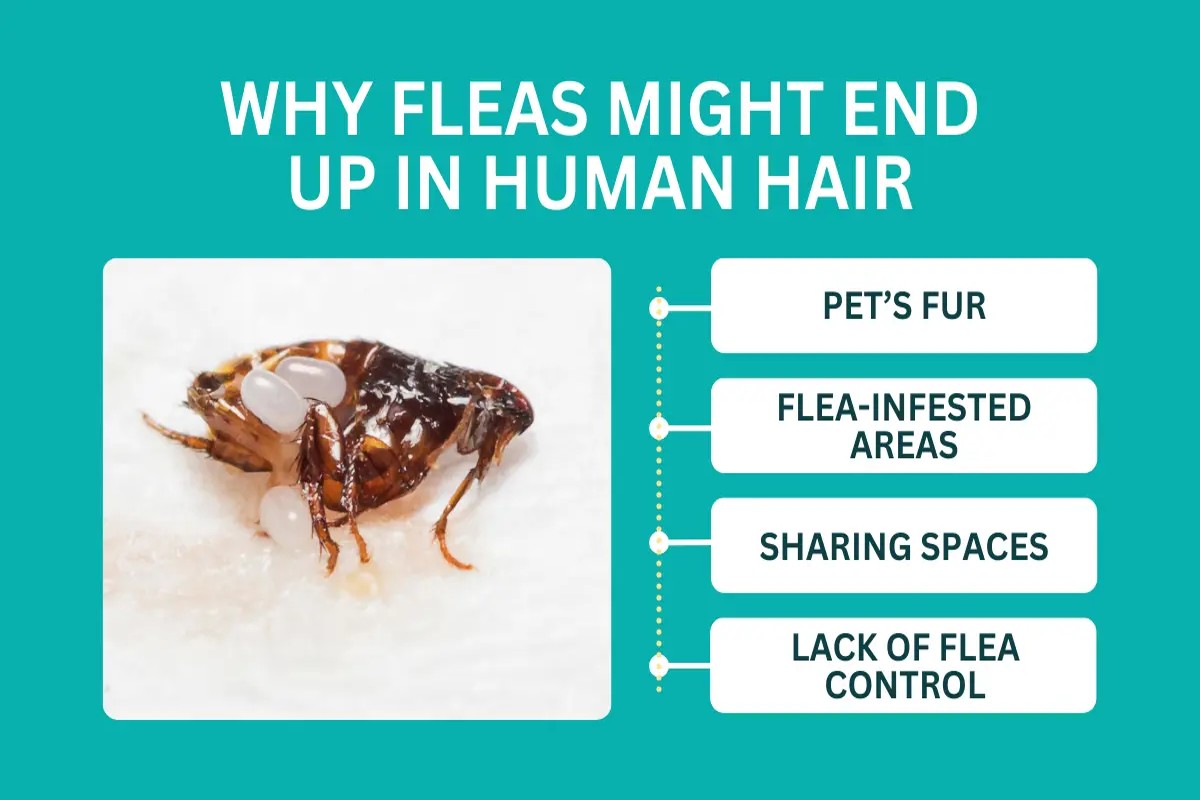
Yes, fleas can survive on human hair for a short period. However, they prefer animal hosts, especially pets, for feeding and reproduction.
This topic is crucial for pet owners and individuals living in environments where fleas are prevalent. Misunderstanding flea behavior can lead to ineffective pest control measures and increased health risks, including allergic reactions and the transmission of diseases.
This article examines the biology of fleas, their preferred hosts, and the implications for human health. It also debunks common myths surrounding fleas and offers practical advice for prevention and control.
Can fleas live on human hair?
No, fleas cannot live on human hair. While they may occasionally jump onto humans, they are primarily adapted to live on animals, particularly pets like cats and dogs, where they find suitable environments for feeding and reproduction.
Fleas are ectoparasites, meaning they thrive on the outside of their hosts. Their anatomy and behavior are optimized for fur or feathers, which provide the necessary warmth and shelter. On human hair, fleas would struggle to find the same conditions for survival. They require a host to feed on blood, and while they can attach briefly to humans, they do not reproduce or establish colonies in human hair.
- Feeding habits: Fleas feed on blood several times a day. Human hair does not offer the same accessibility as animal fur, making it an unsuitable feeding ground.
- Reproductive needs: Fleas lay eggs in environments that offer protection and warmth, typically found in the fur of animals. Human hair lacks the necessary conditions for flea reproduction.
- Mobility: Fleas are excellent jumpers, capable of leaping several inches to find a host. However, they quickly seek the dense fur of animals for security and food, as they are not adapted to remain on human hair.
Fleas may occasionally be found on humans, especially if they have been in close contact with infested pets. However, the likelihood of establishing a population on human hair is extremely low. The best preventative measure is to maintain proper flea control on pets and in the household.
Expert Tip: Regular vacuuming and washing of pet bedding can significantly reduce flea populations in the home environment, limiting their chances of jumping onto humans.
How long can fleas survive on human hair?
Fleas can survive on human hair for a limited time, typically ranging from a few hours to a couple of days. Their survival depends on various factors, including environmental conditions and access to a host for feeding. Without a suitable host, fleas will struggle to survive beyond this timeframe.
Fleas are primarily adapted to live on animals, particularly mammals like dogs and cats. While they may cling to human hair for a short duration, they require blood meals to sustain themselves. Without feeding, adult fleas can only survive for about 24 to 48 hours on human hair. The absence of a suitable environment, such as warmth and humidity, can further reduce their lifespan.
Several factors influence how long fleas can remain on human hair. Environmental conditions play a significant role; fleas thrive in warm, humid areas. If the surrounding conditions are dry or cool, their chances of survival decrease significantly. Additionally, the health of the flea also matters; weaker or younger fleas may not survive as long as healthy adults. It is also essential to consider grooming habits; regular hair washing and cleaning can dislodge fleas, limiting their survival time on human hosts.
While fleas can momentarily attach to human hair, they do not establish themselves there like they do on pets. For effective flea control, maintaining a clean environment and treating pets is crucial to prevent infestations.
Fleas can be resilient, so even brief contact with human hair should not be underestimated. Regular inspection of pets and their living areas can help mitigate the risk of fleas transferring to humans.
What attracts fleas to humans?
Fleas are primarily attracted to humans due to body heat, carbon dioxide, and movement. These factors signal a potential host, prompting fleas to jump from their current environment onto human skin. Environmental elements such as humidity and warmth also play significant roles in attracting fleas.
1. Body Heat: Fleas are ectoparasites, meaning they rely on external sources for warmth. The heat emitted by human bodies can draw fleas, as they instinctively seek out warm hosts for blood meals.
2. Carbon Dioxide: Humans exhale carbon dioxide, which serves as a beacon for fleas. This gas signals the presence of a potential host nearby, prompting fleas to leap onto individuals who are breathing heavily or are in close proximity.
3. Movement: The movement of a person can attract fleas as it indicates a nearby living host. Fleas are adept at detecting vibrations, which may signal that a potential meal is nearby.
4. Environmental Conditions: Fleas thrive in warm, humid environments. Areas with high humidity levels can facilitate flea survival and increase the likelihood of finding hosts, including humans. Homes with pets or places where animals congregate are often hotspots for flea activity.
5. Skin and Hair: While fleas do not specifically prefer human hair, they may land on it if it provides a convenient route to the skin. The presence of sweat or skin oils can also make human skin more appealing to fleas.
Expert Tip: Regularly vacuuming and treating living spaces with appropriate flea control products can significantly reduce flea populations. This proactive approach minimizes the chances of fleas being attracted to humans.
Are fleas more likely to infest pets or humans?
Fleas are significantly more likely to infest pets than humans. While humans can occasionally host fleas, pets, particularly dogs and cats, provide a more suitable environment for fleas to thrive and reproduce. This preference is due to various factors, including body temperature, fur density, and movement patterns.
Fleas are primarily adapted to live on animals, particularly mammals. Pets, with their fur coats, offer ideal conditions for fleas to hide, lay eggs, and feed. In contrast, human hair is less conducive to flea survival, as it lacks the volume and warmth that fur provides. Fleas are also more attracted to the carbon dioxide and heat emitted by larger animals, making pets more appealing hosts.
- Body Temperature: Pets generally have a higher body temperature than humans, making them more attractive to fleas.
- Fur Density: The thick fur of dogs and cats provides ample hiding spots for fleas, while human hair is less dense.
- Mobility and Activity: Pets are often more active outdoors, exposing them to flea-infested environments more frequently than humans.
Although humans can experience flea bites, the infestation is less common due to our grooming habits and less favorable living conditions for fleas. Additionally, fleas prefer to stay close to their food sources, which are predominantly pets in most households. This preference means that while humans can be affected, the risk of infestation is substantially lower compared to pets.
Regular treatment and preventive measures for pets, such as topical or oral flea medications, are essential to minimize the risk of infestation. Creating a flea-free environment is crucial, as fleas can survive in carpets and upholstery, waiting for the next host.
Maintaining a clean home and treating pets consistently is the most effective way to combat flea infestations. A proactive approach is key, as even a single flea can lead to a larger problem if not addressed promptly.
What are the best practices for preventing flea infestations?
Preventing flea infestations requires a proactive approach that focuses on both pets and the home environment. Effective strategies can significantly reduce the risk of fleas establishing themselves on humans or pets. Implementing these best practices consistently will help maintain a flea-free environment.
Start with your pets, as they are the primary carriers of fleas. Regular grooming and the use of veterinarian-recommended flea prevention products can keep your pets safe. Additionally, maintaining a clean living environment is crucial, as fleas thrive in dirty, humid spaces. The following strategies can help prevent infestations:
- Regularly bathe and groom pets: Use flea shampoos and combs to remove any fleas or eggs from your pets. This should be part of a regular grooming routine.
- Apply flea prevention treatments: Invest in veterinarian-approved topical treatments, collars, or oral medications that provide long-lasting protection against fleas.
- Clean your home frequently: Vacuum carpets, rugs, and upholstery regularly to remove fleas and their eggs. Wash pet bedding and any fabric items in hot water to eliminate any residual fleas.
- Maintain yard hygiene: Keep your yard tidy by mowing the lawn regularly and removing debris. Fleas can thrive in tall grass and shaded areas, so ensure your outdoor space is well-maintained.
- Seal entry points: Inspect and repair any gaps in doors, windows, and screens. Fleas can enter your home through these openings, so sealing them can help prevent infestations.
Establishing a routine for pet care and home maintenance is essential for long-term flea prevention. Be vigilant and act quickly if you suspect a flea issue. Early intervention can prevent a small problem from escalating into a larger infestation.
Using a combination of these strategies maximizes effectiveness. Consider consulting with a pest control professional for tailored solutions if flea problems persist despite preventive measures.
How do you treat flea bites on humans?
Treating flea bites on humans involves a combination of immediate relief and preventative measures. Effective treatments focus on soothing the skin, reducing inflammation, and preventing infection. Here are several steps to manage the symptoms effectively.
- Wash the affected area: Clean the bite site with mild soap and water to remove any irritants and reduce the risk of infection. Pat the area dry gently with a clean towel.
- Apply a cold compress: Use a cold pack or a clean cloth soaked in cold water on the bites for 10-15 minutes. This helps reduce swelling and numbs the area, providing immediate relief from itching.
- Use anti-itch creams: Over-the-counter hydrocortisone cream or calamine lotion can be applied to alleviate itching and inflammation. Follow the instructions on the product for proper application.
- Take oral antihistamines: If itching persists, consider taking an oral antihistamine such as diphenhydramine (Benadryl). This can help reduce allergic reactions and improve comfort.
- Monitor for infection: Keep an eye on the bites for signs of infection, such as increased redness, warmth, or pus. If these symptoms occur, seek medical attention promptly.
In addition to these treatments, it is crucial to address the source of the flea infestation. Vacuum regularly and wash bedding in hot water to eliminate fleas in the environment. Applying flea control products to pets and your living space will also help prevent future bites.
For those with a history of severe allergic reactions to insect bites, consulting a healthcare provider is advisable. They may recommend additional treatments or carry an epinephrine auto-injector for emergencies.
Expert Tip: Consider using a topical antibiotic ointment on the bites after cleaning to further reduce the risk of infection, especially if the skin has been broken by scratching.
Do fleas prefer certain hair types?
Fleas do not have a specific preference for hair types among humans. They are more attracted to the warmth and carbon dioxide emitted by humans than to the characteristics of hair itself. However, certain factors, such as the thickness and cleanliness of hair, may indirectly influence flea behavior.
For instance, consider a scenario where a person with long, thick hair spends time around a heavily infested pet. While fleas may not directly prefer this hair type, the density and texture might provide more hiding spots for fleas once they land on a human. Conversely, someone with very short or well-groomed hair might find it easier to spot and remove any fleas that land on them, potentially reducing the likelihood of infestation.
Additionally, the cleanliness of hair can also play a role. Oily or unwashed hair may create a more hospitable environment for fleas, allowing them to cling more easily. Fleas thrive in environments that provide warmth and moisture, so hair that is clean and well-maintained might be less appealing, although this is a secondary factor compared to their primary attraction to hosts.
Expert Tip: Regular grooming and bathing can help minimize flea presence and make it easier to detect any that do land on humans, regardless of hair type. Keeping pets treated for fleas is also essential to prevent transmission.
Understanding Flea Biology and Behavior
This section provides a detailed examination of flea biology, focusing on their life cycle, feeding habits, preferred hosts, and the influence of human hygiene on flea attraction. Understanding these factors is essential for comprehending whether fleas can survive on human hair.
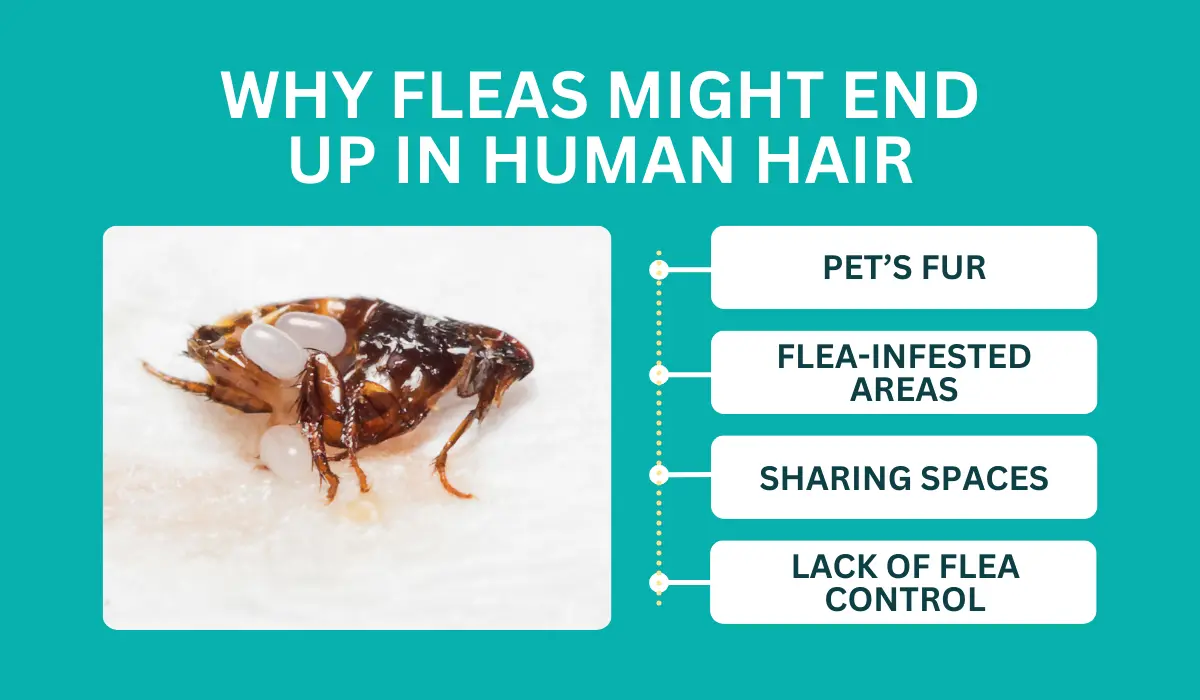
Life Cycle of Fleas
The life cycle of fleas consists of four stages: egg, larva, pupa, and adult. Adult fleas lay approximately 20 to 30 eggs daily, which fall off the host into the environment. The eggs hatch into larvae after 2 to 14 days, depending on temperature and humidity. Larvae feed on organic debris, including adult flea feces, and develop into pupae within one to two weeks. The pupal stage is resistant to environmental changes, allowing fleas to survive for months. Adults emerge when they detect vibrations or carbon dioxide from potential hosts, ready to feed.
Feeding Habits and Preferred Hosts
Fleas primarily feed on blood, requiring this nutrient for reproduction. Their preferred hosts vary by species. For instance, the cat flea (Ctenocephalides felis) commonly infests cats and dogs, while the human flea (Pulex irritans) can feed on humans but is less common today. Fleas typically prefer warm-blooded animals, with a preference for those with dense fur or hair that provides easy access to skin.
Environmental Conditions for Fleas
Fleas thrive in warm and humid environments, with optimal conditions between 70°F to 85°F (21°C to 29°C) and humidity levels above 50%. These conditions facilitate their life cycle and increase their activity. Areas with carpeting, upholstery, and pet bedding are particularly conducive to flea infestations, as they provide shelter and food sources for larvae.
Differences Between Flea Species
- Cat Flea (Ctenocephalides felis): The most common flea on domestic pets.
- Dog Flea (Ctenocephalides canis): Similar to cat fleas but prefers dogs.
- Human Flea (Pulex irritans): Less common in modern times, but can still feed on humans.
Each species has unique host preferences, which influence where they are likely to be found. While human fleas can survive on human hair, they are not commonly found there due to competition and preference for furred hosts.
Impact of Human Hygiene on Flea Attraction
Human hygiene plays a significant role in flea attraction. Regular bathing, grooming, and cleaning reduce body odor and the presence of skin flakes, which are food sources for fleas. Environments that are kept clean and free of clutter diminish the likelihood of flea infestations, as they limit breeding and hiding spots.
Many misconceptions exist regarding fleas and their dependence on hair. While fleas can technically survive on human hair, they do not thrive in this environment. They prefer the fur of animals that provide easier access to skin and warmth.
To minimize the risk of flea infestations, maintain a clean living space, regularly groom pets, and use flea prevention treatments. Vacuuming carpets and upholstery frequently can eliminate flea eggs and larvae, while washing pet bedding in hot water can kill any existing fleas. Understanding flea biology helps in implementing effective control measures.
Effective Flea Prevention Strategies for Humans and Pets
This section outlines comprehensive prevention methods to mitigate flea infestations for both humans and pets. Implementing these strategies is essential for maintaining a flea-free environment and protecting against potential health risks.
Home Treatment Options and Pest Control Solutions
Preventing flea infestations begins at home. Various treatment options and pest control solutions can effectively minimize the risk of fleas.
- Insect Growth Regulators (IGRs): These products disrupt the flea life cycle, preventing eggs and larvae from developing into adults.
- Flea Sprays and Powders: Utilizing targeted flea sprays and powders in areas where pets frequently rest helps eliminate existing fleas.
- Professional Pest Control: Hiring a pest control service can provide a comprehensive approach, addressing both indoor and outdoor flea populations.
Regular Grooming and Hygiene Practices for Pets
Routine grooming is vital for keeping pets flea-free. Regular brushing and bathing can help detect and remove fleas before they establish an infestation.
- Weekly Baths: Bathe pets with veterinarian-recommended flea shampoos to kill adult fleas and reduce their population.
- Frequent Brushing: Use a fine-toothed comb to inspect and remove fleas, eggs, and debris from your pet’s coat.
- Flea Collars: Consider using flea collars that release insecticides gradually to provide long-term protection.
Environmental Management to Reduce Flea Habitats
Fleas thrive in warm, moist environments. Reducing potential flea habitats in and around the home is essential for effective prevention.
- Regular Vacuuming: Vacuum carpets, rugs, and upholstery frequently to remove fleas, eggs, and larvae. Dispose of the vacuum bag or empty the canister immediately.
- Wash Pet Bedding: Clean pet bedding and any fabric items in the home regularly in hot water to kill fleas and their eggs.
- Outdoor Maintenance: Keep yards tidy by mowing the lawn and trimming shrubs to reduce shaded areas where fleas can thrive.
Importance of Regular Veterinary Check-Ups for Pets
Regular veterinary visits are crucial for maintaining pet health and preventing flea infestations. Veterinarians can provide tailored advice and treatments based on individual pet needs.
- Flea Preventatives: Discuss monthly flea preventative treatments with the veterinarian to keep pets protected year-round.
- Health Assessments: Regular check-ups can identify flea-related health issues early, allowing for prompt treatment.
- Vaccinations: Ensure pets receive necessary vaccinations to support their overall health and immunity against flea-borne diseases.
Many articles on flea prevention overlook the importance of combining multiple strategies for effectiveness. For instance, while topical flea treatments are beneficial, they should be complemented by environmental management and regular grooming to achieve optimal results. Additionally, misconceptions exist regarding the effectiveness of over-the-counter solutions, which may not address flea eggs and larvae, leading to recurring infestations.
To implement these prevention strategies, start by creating a regular grooming schedule for pets and investing in quality flea control products. Establish a cleaning routine that includes vacuuming and washing pet bedding weekly. Consult with a veterinarian to develop a comprehensive flea prevention plan tailored to your pet’s lifestyle and needs. By taking these proactive measures, you significantly reduce the likelihood of flea infestations in your home.
Identifying and Treating Flea Bites on Humans
This section provides critical information on recognizing flea bites on humans, effective treatment options, and preventive measures to minimize future infestations. Understanding these aspects is essential for maintaining health and comfort.
Common Symptoms of Flea Bites on Humans
Flea bites on humans typically manifest as small, red, itchy welts. Common symptoms include:
- Intense itching: Often the most prominent symptom, caused by an allergic reaction to flea saliva.
- Red spots: Bites may appear as small red bumps, usually clustered in groups of two or three.
- Swelling: In some cases, the skin around the bite may become swollen and inflamed.
Bites often occur on areas with less body hair, such as ankles, legs, and waistlines.
Home Remedies and Over-the-Counter Treatments
Treatment for flea bites can often be managed at home. Recommended methods include:
- Cold compress: Applying a cold compress can reduce swelling and soothe itching.
- Topical creams: Over-the-counter hydrocortisone creams can alleviate itching and inflammation.
- Antihistamines: Oral antihistamines may help control allergic reactions and reduce itching.
For severe reactions, prescription medications may be necessary.
When to Seek Medical Attention for Flea Bites
While most flea bites can be treated at home, certain situations require professional medical evaluation. Seek medical attention if:
- Infection signs appear, such as increased redness, warmth, or pus.
- Severe allergic reactions occur, including difficulty breathing or swelling of the face and throat.
- Symptoms persist or worsen after a week of home treatment.
Prompt action can prevent complications and ensure appropriate care.
Preventing Future Bites Through Lifestyle Changes
Preventing flea bites involves a combination of personal and environmental strategies:
- Regular cleaning: Vacuum carpets, rugs, and upholstery frequently to remove fleas and eggs.
- Pest control: Consider professional pest control services if infestations persist.
- Pet care: Treat pets with veterinarian-recommended flea prevention products.
Additionally, maintaining a clutter-free environment can minimize hiding spots for fleas.
Common misconceptions suggest that fleas only thrive in pet environments. In reality, fleas can infest any area where they find suitable hosts. To effectively address flea bites, regularly inspect living spaces and pets, and implement preventive measures consistently. By doing so, individuals can significantly reduce the risk of future infestations and maintain their health and comfort.
Fleas and Human Health: Myths vs. Facts
This section explores prevalent myths surrounding fleas, particularly their association with human hair and health. Understanding these misconceptions is essential for effective flea management and health safety.
Common Misconceptions about Fleas and Human Hair
Fleas are often believed to thrive on human hair, but this notion is misleading. While fleas can jump onto humans, they do not establish colonies or reproduce on human hair. Their preferred hosts are typically animals, particularly mammals like dogs and cats. The human body provides a temporary feeding ground, but fleas are not adapted to live on human hosts.
Another prevalent myth is that a flea infestation can occur solely from contact with infested animals. While direct contact with pets can lead to bites, fleas require a suitable environment to reproduce and thrive, which is generally found in bedding, carpets, and fabrics rather than human hair.
Actual Health Risks Associated with Fleas and Flea Bites
Flea bites can lead to several health issues, primarily skin irritation and allergic reactions. Symptoms include itching, redness, and swelling at the bite site. In some cases, individuals may experience secondary infections due to excessive scratching.
Moreover, fleas can transmit diseases that pose health risks to humans, such as:
- Flea-borne Typhus: Caused by bacteria transmitted through flea feces.
- Plague: Historically significant, this disease can be contracted through flea bites, although it is rare in modern contexts.
- Cat Scratch Fever: Transmitted through bites or scratches from infected cats, which may harbor fleas.
Scientific Studies on Fleas and Human Interactions
Research into flea behavior has demonstrated that while fleas prefer animal hosts, they can survive for short periods on humans. A study published in the journal *Medical and Veterinary Entomology* indicated that fleas can jump onto humans for feeding but typically leave once satiated. The average time a flea spends on a human before jumping off is approximately 30 minutes.
Furthermore, a study from the *Journal of Vector Ecology* emphasized that flea populations are heavily influenced by environmental factors, such as humidity and temperature, rather than host type. This reinforces the idea that human hair is not a suitable habitat for fleas.
Understanding Flea-Borne Diseases and Their Transmission
Transmission of flea-borne diseases occurs primarily through flea bites or contact with contaminated environments. Fleas can carry pathogens that are transmitted through their saliva or feces when they bite. Proper hygiene and pest control measures are essential in reducing the risk of flea-borne diseases.
Preventive strategies include:
- Regularly treating pets for fleas.
- Maintaining cleanliness in living areas to eliminate flea habitats.
- Using flea control products in environments where pets reside.
Nuance / Expert Layer
A common misconception is that all flea species pose the same level of risk to humans. In reality, only specific species, such as the cat flea (*Ctenocephalides felis*), are commonly associated with human health issues. Additionally, the presence of fleas does not automatically indicate a health risk; factors such as the individual’s health status and environmental conditions play significant roles in disease transmission.
Another overlooked aspect is the psychological impact of flea infestations. Individuals may experience anxiety or stress due to the presence of fleas, leading to a heightened perception of health risks. Addressing both the physical and mental implications of flea infestations is essential for comprehensive pest management.
Practical Application
To mitigate health risks associated with fleas, individuals should implement the following actions:
- Regularly inspect pets for fleas and treat them as necessary.
- Vacuum and clean living spaces frequently to reduce flea populations.
- Consult pest control professionals if infestations are suspected.
By taking these proactive steps, individuals can effectively minimize the risk of flea-related health issues.
Frequently Asked Questions
Can fleas live on human hair?
Fleas do not typically live on human hair as they prefer animal hosts. However, they can temporarily jump onto humans and bite, but they cannot thrive or reproduce on human hair.
How long can fleas survive on human hair?
Fleas can survive for a short period on human hair, usually a few hours to a day, without a host. They require a suitable environment and a blood meal from animals to thrive long-term.
What attracts fleas to humans?
Fleas are attracted to humans primarily by body heat, carbon dioxide, and movement. They are more likely to bite when humans are in close proximity to infested pets or environments.
Are fleas more likely to infest pets or humans?
Fleas are significantly more likely to infest pets than humans, as they prefer furry hosts for feeding and reproduction. Pets provide the ideal environment for fleas to thrive and multiply.
What are the best practices for preventing flea infestations?
Preventing flea infestations involves regular grooming of pets, using flea prevention treatments, and maintaining a clean living environment. Vacuuming frequently and washing pet bedding can also help minimize flea presence.
How do you treat flea bites on humans?
Treat flea bites on humans by cleaning the affected area with soap and water, then applying an anti-itch cream or antihistamine. If symptoms persist or worsen, consult a healthcare professional for further advice.
Do fleas prefer certain hair types?
Fleas do not have a preference for specific hair types on humans, as they primarily target pets for feeding. Their presence on humans is incidental and not influenced by hair texture or type.
Final Thoughts on can fleas survive on human hair
Fleas are primarily adapted to thrive on animal hosts, particularly pets, rather than humans. While they may occasionally land on human hair, their biology does not support sustained survival in that environment, making infestations on humans exceedingly rare. Effective flea prevention focuses on maintaining a clean environment and treating pets, as they remain the primary targets for these pests.
To mitigate any potential risk, it is crucial to implement a rigorous flea control program for pets, including regular treatments and comprehensive home cleaning to eliminate flea eggs and larvae.
Understanding the dynamics of flea behavior and prevention is essential for maintaining health and comfort in both humans and pets.
Leave a Reply