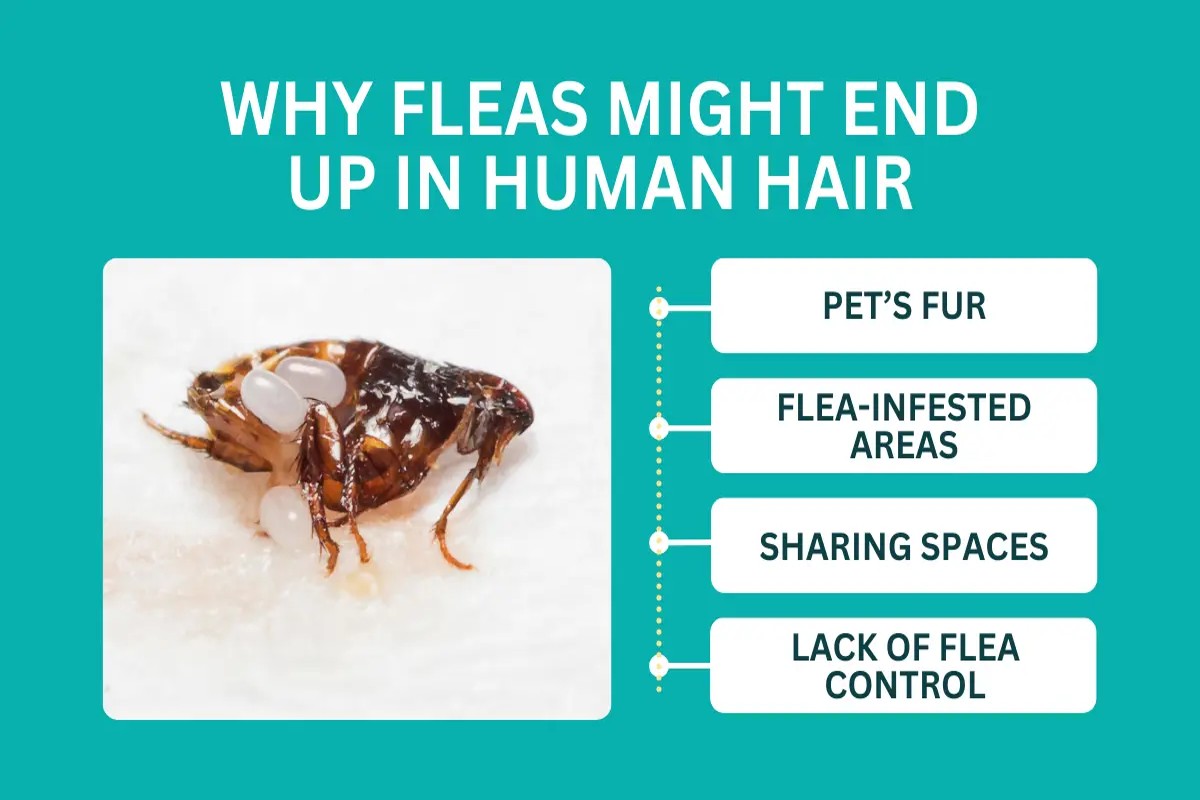
Do dog fleas live in human hair? No, dog fleas do not live in human hair. They primarily reside on their main hosts, such as dogs and cats, but can occasionally jump onto humans and bite, causing irritation.
This topic is important for pet owners and anyone who interacts with animals, as understanding flea behavior is crucial for effective pest control and preventing infestations. Misconceptions about fleas can lead to ineffective treatments and unnecessary anxiety.
This article clarifies the relationship between dog fleas and humans, detailing flea behavior, the potential for bites, and effective prevention strategies to protect both pets and people.
Can dog fleas jump to humans?
Yes, dog fleas can jump to humans, but they do not typically live on human hair. Fleas are highly mobile and can jump up to 200 times their body length, allowing them to easily transfer from pets to people, especially when in close contact.
Fleas are primarily adapted to live on their animal hosts, such as dogs and cats. However, they can temporarily infest humans, particularly if a person has been sitting or lying where an infested pet has been. Fleas are attracted to body heat and carbon dioxide, which humans naturally emit, making them more likely to jump onto a human in certain situations.
- Fleas can jump from dogs to humans when they are in close proximity. This often occurs during petting or cuddling sessions.
- Once on a human, fleas may bite, causing itching and discomfort, but they do not establish a long-term presence. They prefer fur-covered hosts.
- Human hair does not provide the same environment for fleas as it does for animal fur, making it an unsuitable habitat for fleas to thrive.
While fleas can jump to humans, the risk of a sustained infestation is low. It is advisable to maintain regular flea control measures for pets to prevent fleas from reaching humans.
Expert Tip: Regularly vacuuming your home and washing pet bedding can significantly reduce flea populations, thereby minimizing the chances of fleas jumping onto humans.
What are the signs of flea bites on humans?
Flea bites on humans typically appear as small, red, itchy welts on the skin. They often occur in clusters and are most commonly found on areas where clothing fits tightly, such as the ankles, waist, and armpits. The bites can cause significant discomfort due to itching and irritation.
When examining flea bites, the following characteristics are commonly observed:
- Appearance: Flea bites are small, raised bumps that are red in color. They may also have a central puncture point, indicating where the flea has fed.
- Location: Bites are frequently clustered in groups of three or four, often in areas that are less accessible, such as between the legs or under the arms.
- Itching and Irritation: The bites can cause intense itching, leading to scratching that may result in further skin irritation or secondary infections.
Individual reactions to flea bites can vary widely. Some people may experience minimal discomfort, while others might develop severe allergic reactions, leading to swelling and hives. Factors influencing the severity of reactions include a person’s sensitivity to flea saliva and any underlying skin conditions.
Prompt treatment of flea bites is essential to alleviate symptoms and prevent complications. Over-the-counter antihistamines and topical corticosteroids can help reduce itching and inflammation. Maintaining a flea-free environment, particularly in homes with pets, is crucial in preventing further bites.
Expert Tip: Regularly vacuuming and washing pet bedding can significantly reduce flea populations and minimize the risk of human exposure to bites.
How to get rid of fleas in your home?
To effectively eliminate fleas from your home, a comprehensive approach is necessary. This involves treating your pets, cleaning your living spaces, and using appropriate insecticides. Following these steps can help ensure that fleas are eradicated and do not return.
- Treat your pets. Start by using veterinarian-recommended flea treatments on your pets. This can include topical treatments, oral medications, or flea collars.
- Wash bedding and fabrics. Remove all pet bedding, blankets, and any other washable fabrics from your home. Wash them in hot water to kill fleas and their eggs.
- Vacuum thoroughly. Vacuum carpets, rugs, furniture, and any other areas where fleas may hide. Dispose of the vacuum bag immediately to prevent reinfestation.
- Use flea sprays or powders. Apply a flea spray or powder specifically designed for home use, focusing on carpets and upholstery. Follow the manufacturer’s instructions carefully for safe application.
- Consider professional pest control. If the infestation persists, hiring a licensed pest control service may be necessary. They can provide stronger treatments and ensure all areas are addressed.
- Maintain cleanliness. Regularly clean your home and continue to treat your pets as a preventive measure. This reduces the likelihood of fleas returning.
Fleas thrive in warm, humid environments, so maintaining a clean and dry living space can significantly hinder their lifecycle. Regularly bathing pets and keeping their living areas clean will also help in the long run.
Expert Tip: Pay special attention to areas where pets spend a lot of time, such as under furniture or in corners, as these are common hiding spots for fleas and their eggs.
How long can fleas live without a host?
Fleas can survive without a host for anywhere from a few days to several weeks, depending on environmental conditions. Typically, adult fleas can live up to 2 weeks without feeding, while larvae and pupae can endure longer in a dormant state.
The lifespan of fleas without a host is influenced by factors such as temperature, humidity, and the life stage of the flea. Warmer and more humid conditions can extend their survival, whereas colder, drier environments shorten it. For instance, adult fleas thrive in temperatures between 70°F and 85°F (21°C to 29°C) and high humidity levels, enhancing their chances of survival without a host. Conversely, in conditions that are too dry or cold, their lifespan decreases significantly.
The implications of fleas living without a host are significant for pet owners and households. Infestations can persist even if the primary host (such as a dog) is removed or treated. Fleas in the environment can re-infest pets or humans if not adequately addressed. Therefore, comprehensive pest control measures must target not only the animals but also the areas where fleas may hide, such as carpets, bedding, and upholstery.
To effectively break the flea life cycle, it is essential to treat both pets and their environment simultaneously. This dual approach ensures that fleas do not have the opportunity to survive and reproduce, leading to a more effective eradication of the problem.
Implementing regular preventative measures, such as flea treatments and thorough cleaning of living spaces, is crucial. These steps can significantly reduce the chances of a flea infestation taking hold in the home.
Are flea treatments safe for humans?
Flea treatments designed for pets are generally not safe for humans. While some products may have minimal human exposure risk, others can cause serious health issues. Understanding the differences between various flea treatment options is crucial for ensuring safety.
Flea treatments can be categorized into three main types: topical treatments, oral medications, and environmental sprays. Topical treatments, such as spot-on solutions, are applied directly to the pet’s skin and can contain potent chemicals. Oral medications work systemically, affecting the flea’s lifecycle once ingested by the pet. Environmental sprays are used to eliminate fleas from living spaces but may contain substances harmful to humans.
- Topical Treatments: These are generally safe for pets but can cause skin irritation or allergic reactions in humans upon contact. They often contain insecticides like fipronil or imidacloprid.
- Oral Medications: While effective, these can pose a risk if ingested by humans, especially children. Ingredients like nitenpyram are particularly concerning due to their toxicity.
- Environmental Sprays: These can be the most hazardous for human exposure, as they may contain strong chemicals like permethrin. It is vital to ensure the area is well-ventilated and to avoid direct contact.
Additional factors affecting safety include individual sensitivities, age, and underlying health conditions. For instance, children and pregnant women may be more vulnerable to adverse effects from certain chemicals.
Expert Tip: Always read labels carefully and consult a veterinarian before using flea treatments. Consider natural alternatives, such as diatomaceous earth or essential oil-based sprays, which may pose less risk to human health.
What is the best way to prevent fleas on pets?
The best way to prevent fleas on pets involves a combination of proper grooming, environmental management, and the use of effective flea control products. Consistent application of preventive measures is essential to keep fleas at bay and ensure the health of your pet.
Regular grooming is a fundamental practice in flea prevention. Brushing your pet’s coat helps to remove any existing fleas and their eggs. Additionally, frequent bathing with a veterinarian-recommended flea shampoo can eliminate fleas that may be present. Alongside grooming, maintaining a clean living environment is crucial; vacuuming carpets, rugs, and pet bedding regularly can significantly reduce flea populations in the home.
- Flea Preventive Treatments: Use veterinarian-approved topical treatments or oral medications on pets. These products create a barrier against flea infestations and should be applied consistently as directed.
- Regular Veterinary Check-ups: Schedule annual or semi-annual visits to the veterinarian. They can recommend the most effective flea prevention strategy tailored to your pet’s needs.
- Yard Maintenance: Keep your yard clean and well-maintained. Regularly mow the lawn, remove debris, and treat outdoor areas with pet-safe insecticides to minimize flea exposure.
- Flea Collars: Consider using flea collars as an additional preventive measure. They can provide long-lasting protection when used in conjunction with other treatments.
For optimal results, combine multiple strategies. Consistent use of preventive products and maintaining a clean environment are key to effective flea control.
Expert Tip: Monitor your pet’s behavior closely. If they exhibit signs of itching or discomfort, consult a veterinarian promptly to address any potential flea issues before they escalate.
Do fleas prefer certain types of hair?
Fleas do not specifically prefer certain types of human hair; however, they are attracted to conditions that may be present in varying hair types. Factors such as moisture, warmth, and the presence of skin oils can influence flea attraction more than the hair itself.
For example, a person with thick, curly hair that retains moisture may be more prone to flea attraction than someone with straight, fine hair. This is because fleas are drawn to warm, humid environments where they can thrive. Additionally, if a person has a scalp with excess oil or skin flakes, this can create an inviting habitat for fleas, making them more likely to linger in that area. Thus, while the structure of hair does not inherently attract fleas, the conditions surrounding it can play a significant role.
Moreover, pets can also influence flea presence on humans. If a dog with a flea infestation has close contact with a person, the fleas may jump onto the human’s hair or scalp. In this scenario, it is not the hair type that matters, but rather the interaction and environment created by the pet. Regular grooming and flea prevention for pets are essential to minimize this risk.
Expert Tip: Maintaining a clean environment and practicing regular pet grooming can significantly reduce the likelihood of fleas transferring from pets to humans, regardless of hair type.
Can fleas cause health problems in humans?
Yes, fleas can cause various health problems in humans, primarily through bites and potential disease transmission. While fleas prefer to infest animals, they can bite humans, leading to discomfort and allergic reactions. In some cases, fleas can also transmit pathogens that may result in more serious health issues.
Flea bites typically cause localized itching, redness, and swelling. Individuals may experience an allergic reaction to flea saliva, resulting in more severe symptoms such as hives or intense itching. In rare instances, excessive scratching can lead to secondary infections, which can complicate the healing process.
Beyond immediate reactions, fleas can also be vectors for diseases. For example, fleas are known carriers of the bacterium Yersinia pestis, which causes plague. Other diseases associated with fleas include tularemia and murine typhus. While these conditions are less common today, they highlight the potential health risks posed by flea infestations.
Furthermore, flea infestations can lead to psychological stress due to the discomfort and anxiety of dealing with the pests. The presence of fleas in a living environment can create a persistent worry about bites, leading to sleep disturbances and decreased quality of life.
Key Takeaway: Effective flea control measures, including regular treatment of pets and thorough cleaning of living spaces, are essential to minimize health risks associated with flea infestations.
Understanding Flea Behavior and Life Cycle
This section delves into the critical aspects of flea biology and behavior, providing essential insights into their life cycle, habitat preferences, and interaction with hosts. Understanding these factors is vital for addressing issues related to flea infestations in both pets and humans.
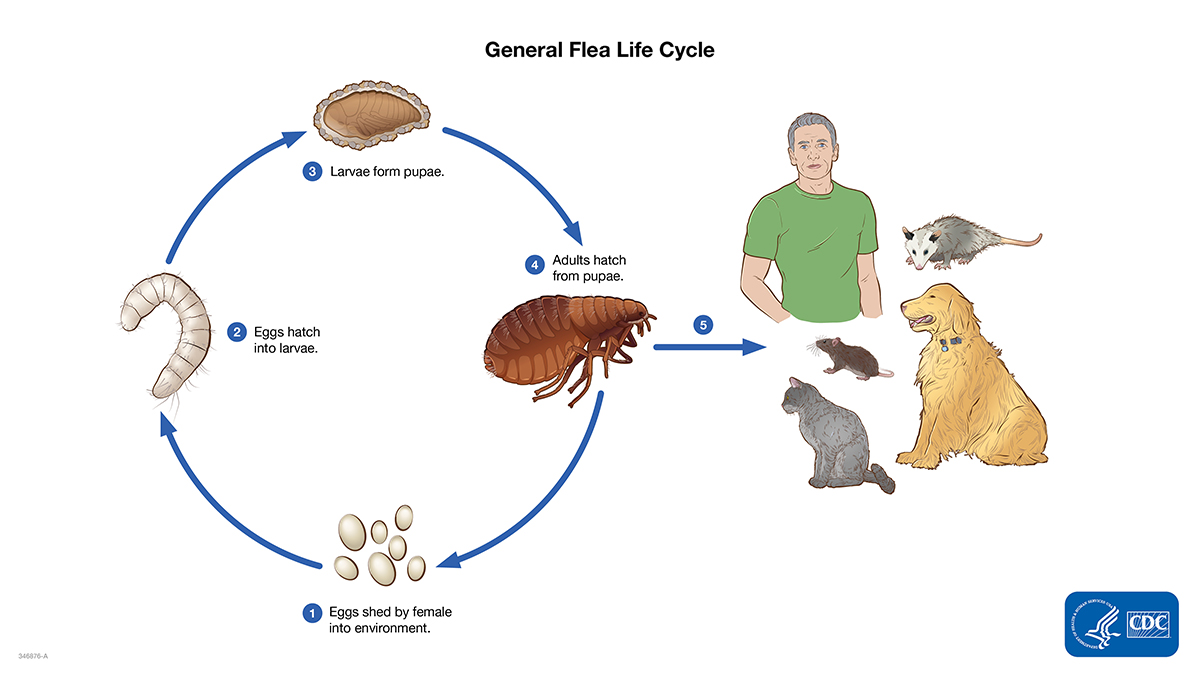
Life Cycle Stages of Fleas
Fleas undergo a complex life cycle consisting of four distinct stages: **egg**, **larva**, **pupa**, and **adult**.
- Egg: Flea eggs are tiny, oval-shaped, and white, typically measuring about 0.5 mm in length. They are laid in the host’s environment, often on the pet’s fur or bedding, and can hatch within 1 to 10 days, depending on environmental conditions.
- Larva: The larvae are small, worm-like creatures that feed on organic debris, including flea feces. This stage lasts about 5 to 20 days, during which they grow and develop.
- Pupa: In the pupal stage, fleas encase themselves in a protective cocoon, where they can remain dormant for several months. Environmental cues such as warmth, movement, and carbon dioxide signal them to emerge as adults.
- Adult: Adult fleas are small, dark brown insects that can jump up to 200 times their body length. They feed on the blood of their hosts and can reproduce within 48 hours of finding a suitable host.
Flea Behavior and Habitat Preferences
Fleas prefer warm, humid environments, making homes with pets ideal breeding grounds. They are often found in carpets, bedding, and upholstery. Their behavior includes:
- Seeking hosts through sensing body heat, carbon dioxide, and movement.
- Jumping onto hosts for feeding, which typically occurs every few hours.
- Remaining close to their hosts to facilitate reproduction and feeding.
How Fleas Find and Attach to Their Hosts
Fleas utilize sensory receptors to detect potential hosts. The process involves several steps:
1. **Detection:** Fleas sense body heat and carbon dioxide produced by animals, indicating the presence of a host.
2. **Jumping:** Once close enough, fleas leap onto the host, using their powerful hind legs.
3. **Attachment:** They use specialized mouthparts to pierce the skin and consume blood, which is essential for their survival and reproduction.
Impact of Environmental Factors on Flea Populations
Flea populations fluctuate based on environmental conditions. Key factors include:
- Temperature: Fleas thrive in temperatures between 70°F and 85°F (21°C – 29°C).
- Humidity: High humidity levels (above 50%) support larval development and adult survival.
- Season: Flea activity increases in warmer months, leading to higher infestation rates in pets and homes.
Nuance / Expert Layer
A common misconception is that fleas can live in human hair. While adult fleas may occasionally land on humans, they do not thrive or reproduce in human hair. This is primarily due to the differences in body temperature, hair density, and the lack of suitable conditions for their life cycle. Fleas prefer fur-covered animals like dogs and cats, where they find optimal conditions for feeding and breeding.
Practical Application
To effectively manage flea infestations, consider the following actions:
– Regularly treat pets with veterinarian-approved flea control products.
– Vacuum carpets and upholstery frequently to remove eggs and larvae.
– Wash pet bedding and any fabric they frequent in hot water to eliminate fleas and their life stages.
– Monitor environmental conditions, adjusting humidity and temperature to deter flea survival.
Effective Flea Control and Prevention Strategies
Flea infestations can significantly impact both pets and households, making effective control and prevention strategies essential. This section outlines comprehensive methods to eliminate fleas and maintain a flea-free environment.
Best Products for Flea Prevention on Pets
Selecting the right products is key to protecting pets from fleas. Various options are available, each with unique mechanisms of action:
- Topical Treatments: These liquid treatments, applied to the skin, provide quick relief and long-lasting protection. Popular brands include Frontline and Advantage.
- Oral Medications: Administered in pill form, these medications work systemically to kill fleas within hours. Options like NexGard and Bravecto are commonly recommended.
- Flea Collars: These collars release insecticides that repel and kill fleas. Seresto collars are known for their duration of effectiveness, lasting up to eight months.
Home Treatments and Cleaning Routines
Maintaining a clean living environment is crucial for flea control. Implementing a rigorous cleaning routine helps eliminate flea eggs, larvae, and adult fleas:
- Vacuum Regularly: Vacuum carpets, rugs, and upholstery at least once a week. Dispose of vacuum bags or empty canisters immediately to prevent re-infestation.
- Wash Bedding: Wash pet bedding, human bedding, and any washable fabrics in hot water weekly to kill fleas and their eggs.
- Use Flea Sprays: Treat areas where pets spend time with insect growth regulators (IGRs) that disrupt the flea lifecycle. Choose products specifically designed for indoor use.
Seasonal Considerations for Flea Control
Flea activity often varies with the seasons, necessitating tailored strategies throughout the year:
- Spring and Summer: Fleas thrive in warmer weather. Begin preventive measures in early spring before infestations occur.
- Fall: Continue treatments as fleas may seek shelter indoors as temperatures drop. Regular vacuuming remains essential.
- Winter: While flea activity decreases, pets can still carry fleas indoors. Maintain preventive treatments year-round to guard against unexpected outbreaks.
Long-Term Strategies for Maintaining a Flea-Free Environment
Long-term flea control requires ongoing vigilance and adaptability. Consider these strategies:
- Routine Vet Checkups: Regular veterinary visits ensure pets receive timely treatments and advice on flea prevention.
- Outdoor Management: Keep yards tidy by mowing regularly and removing debris where fleas can breed. Consider using nematodes, natural predators of flea larvae.
- Monitor and Adjust: Stay alert for signs of fleas, adjusting prevention methods as necessary based on environmental changes and flea activity.
Common misconceptions suggest that dog fleas live in human hair, but they primarily reside on pets. However, humans can still be affected through indirect contact. To combat this, pet owners should establish a consistent routine of preventive treatments and cleaning practices. Following the outlined strategies ensures a proactive approach to flea control, significantly reducing the risk of infestations.
To implement these strategies effectively, pet owners should:
- Choose appropriate flea prevention products based on their pet’s needs.
- Establish a regular cleaning schedule for all living spaces.
- Monitor seasonal changes and adjust prevention efforts accordingly.
- Engage in long-term strategies that include both veterinary care and outdoor management.
Health Risks Associated with Flea Infestations
This section delves into the health implications of flea infestations, focusing on allergic reactions, transmitted diseases, and necessary preventive measures. Understanding these risks is essential for safeguarding both human and pet health.
Common Allergic Reactions to Flea Bites
Flea bites can trigger allergic reactions in sensitive individuals. The most prevalent reaction is **flea allergy dermatitis (FAD)**, which occurs when a person or pet is hypersensitive to flea saliva. Symptoms may include intense itching, redness, and inflammation. In severe cases, secondary infections may develop due to excessive scratching.
Diseases Transmitted by Fleas to Pets and Humans
Fleas are not just a nuisance; they can transmit various diseases. Some of the significant health risks include:
- Flea-borne typhus: Caused by bacteria transmitted through flea feces, leading to fever, headaches, and rash.
- Cat scratch fever: A disease contracted from flea-infested cats, causing swollen lymph nodes and fever.
- Tapeworms: Fleas are intermediate hosts for tapeworm larvae, and ingestion can lead to intestinal infestations.
Signs of Severe Reactions and When to Seek Medical Help
While most flea bites result in mild discomfort, some individuals may experience severe reactions. Symptoms warranting immediate medical attention include:
- Severe swelling or hives
- Difficulty breathing or swallowing
- Signs of infection, such as pus or increased redness
Recognizing these signs early can prevent complications and ensure prompt treatment.
Preventive Health Measures for At-Risk Individuals
At-risk individuals, including those with pre-existing allergies or compromised immune systems, should take specific preventive measures:
- Maintain a clean environment by regularly vacuuming and washing pet bedding.
- Consult a veterinarian for effective flea control treatments for pets.
- Consider using insect repellents or protective clothing when in infested areas.
Implementing these practices can significantly reduce the risk of flea bites and associated health issues.
Understanding the health risks associated with fleas highlights the importance of proactive measures. Regularly inspect pets for fleas, maintain cleanliness in living areas, and seek veterinary advice for prevention and treatment. By staying vigilant, individuals can protect themselves and their pets from the adverse effects of flea infestations, ensuring a healthier living environment.
Debunking Myths About Fleas and Human Hair
This section clarifies prevalent misconceptions regarding the relationship between fleas and human hair, providing a factual basis for understanding flea behavior and hygiene implications. Recognizing these myths can significantly impact pest management strategies and health awareness.
Myths vs. Facts About Fleas and Human Hair
One common myth suggests that fleas can live in human hair. In reality, fleas are highly specialized parasites that prefer the fur of their primary hosts, such as dogs and cats. Human hair does not provide the necessary environment for fleas to thrive. Fleas require a warm, moist habitat, typically found in the fur of animals, rather than the scalp or hair of humans.
Another misconception is that fleas can jump from pets to humans and establish a permanent residence in human hair. While fleas can jump onto humans from infested animals, they do not remain there. Instead, they quickly search for a suitable host to feed on and will return to their primary host, which is usually a pet.
Cultural Beliefs Surrounding Fleas and Hygiene
Cultural narratives often link fleas to poor hygiene and living conditions. This association stems from historical contexts where infestations were common in unsanitary environments. However, fleas can infest any environment, regardless of cleanliness. A pet owner maintaining a clean home can still encounter fleas if their pets are not treated for infestations.
- Hygiene Myths: Fleas are not indicative of personal hygiene but rather of environmental factors.
- Infestation Beliefs: Many believe that fleas are exclusive to pets, leading to the assumption that they cannot affect humans.
- Awareness Issues: Lack of awareness about flea behavior can lead to misinterpretations of flea infestations.
Scientific Studies on Flea Infestations
Research has shown that fleas have a strong preference for animal hosts. A study published in the Journal of Medical Entomology highlighted that the cat flea, Ctenocephalides felis, is primarily adapted to living on cats and dogs, with minimal interest in humans. Another study indicated that while fleas can bite humans, they do not establish infestations on them, as they require specific conditions provided by animal fur.
Understanding Flea Behavior in Relation to Human Environments
Flea behavior is directly influenced by their ecological niche. Fleas prefer environments where they can easily access their preferred hosts, such as grassy areas or homes with pets. In human environments, fleas are typically found in areas where pets rest, such as carpets, bedding, and upholstery. They thrive in these locations because they provide the necessary warmth and shelter.
Fleas reproduce quickly, with females laying up to 50 eggs per day. These eggs fall off the host and develop in the environment. Therefore, addressing flea infestations requires focusing on both the pets and the surrounding areas to prevent reinfestation.
Common misconceptions about fleas and human hair can lead to ineffective pest control strategies. Understanding that fleas do not live in human hair but can bite humans is crucial for effective management. Additionally, addressing the environment and treating pets are essential steps in controlling flea populations.
Practical Application
To effectively manage flea infestations, consider the following steps:
- Treat pets with veterinarian-recommended flea medications.
- Regularly vacuum carpets, upholstery, and pet bedding to remove fleas and eggs.
- Consider professional pest control services if infestations persist.
- Maintain a clean environment to reduce potential flea habitats.
Understanding that dog fleas do not live in human hair highlights the importance of targeted pest management approaches that address both pets and their environments.
Frequently Asked Questions
Can dog fleas jump to humans?
Yes, dog fleas can jump onto humans, but they do not live in human hair. They prefer to stay on their primary hosts, such as dogs and cats.
What are the signs of flea bites on humans?
Signs of flea bites on humans include small, red, itchy welts, typically found on the ankles and lower legs. These bites may also cause irritation and allergic reactions in some individuals.
How to get rid of fleas in your home?
To eliminate fleas in your home, vacuum regularly and wash pet bedding in hot water. Additionally, consider using flea sprays or professional pest control services for severe infestations.
How long can fleas live without a host?
Fleas can survive without a host for several days to weeks, depending on environmental conditions. They are resilient and can remain dormant until a suitable host is available.
Are flea treatments safe for humans?
Most flea treatments are designed for pets and should not be applied to humans. However, flea control products used in the environment are generally safe when used as directed.
What is the best way to prevent fleas on pets?
The best way to prevent fleas on pets is to use regular flea prevention treatments, such as topical solutions or oral medications. Keeping pets groomed and maintaining a clean home environment also helps reduce flea risks.
Do fleas prefer certain types of hair?
Fleas do not specifically prefer certain types of hair but are more attracted to warm, dark environments. They typically infest pets with thick fur rather than human hair.
Can fleas cause health problems in humans?
Yes, fleas can cause health problems in humans, including allergic reactions and skin irritations. They can also transmit diseases, although this is less common in domestic environments.
Final Thoughts on do dog fleas live in human hair
While dog fleas do not typically inhabit human hair, they can bite humans and cause discomfort. Understanding flea behavior and implementing effective control measures are crucial for maintaining a flea-free environment, particularly in households with pets.
To ensure comprehensive flea management, conduct a thorough inspection of your home and treat both your pets and living spaces with veterinarian-recommended flea control products, focusing on areas where pets sleep and frequent.
Addressing flea infestations is vital for the health and well-being of both pets and humans, as these pests can transmit diseases and lead to severe allergic reactions.
Leave a Reply