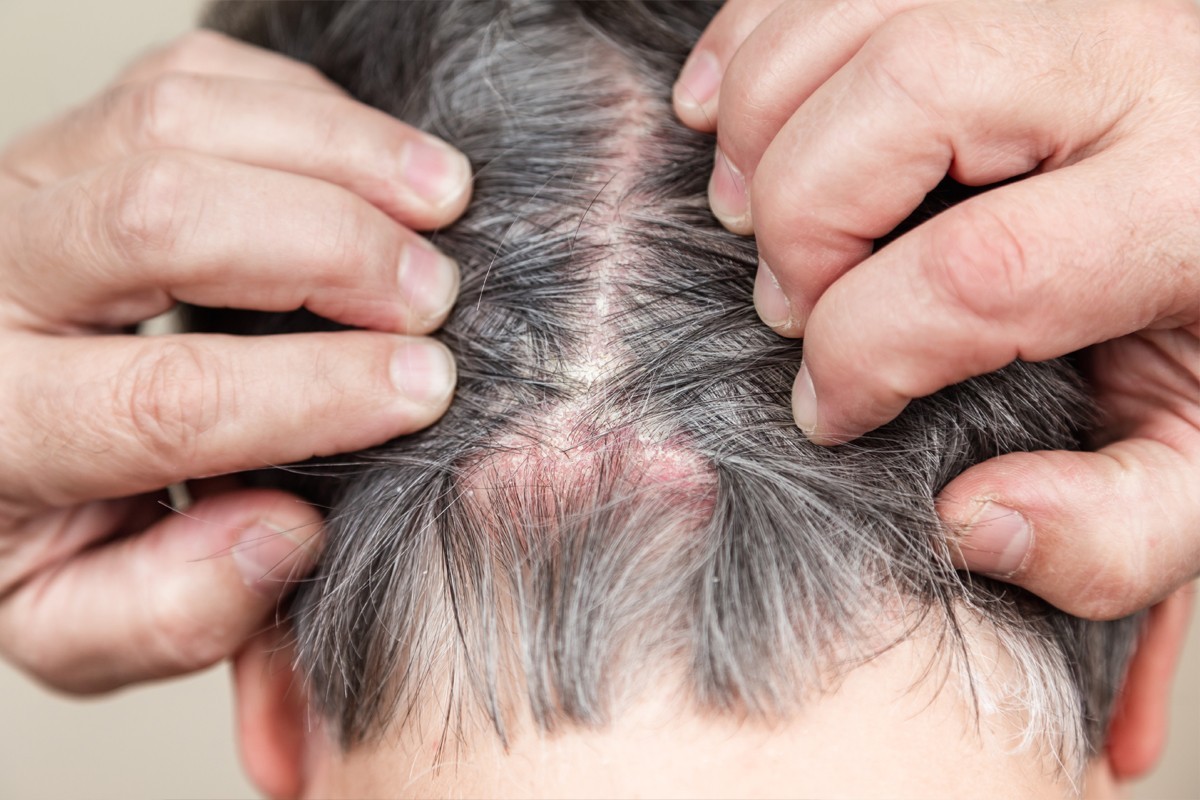
Does dandruff cause hair loss? Dandruff does not directly lead to hair loss, but it can contribute to conditions that may result in hair loss. Effective management of dandruff is essential to maintain a healthy scalp and hair.
This topic is crucial for individuals experiencing dandruff or hair thinning, as misunderstanding the relationship between the two can lead to ineffective treatments and further scalp issues. Recognizing the nuances can prevent unnecessary anxiety and promote better hair health.
This article will clarify the connection between dandruff and hair loss, discuss the underlying factors that may lead to hair loss, and provide actionable strategies for effective dandruff management.
Can dandruff lead to permanent hair loss?
Dandruff itself does not directly cause permanent hair loss. However, persistent dandruff can lead to conditions that may contribute to hair thinning or loss if left untreated.
Chronic dandruff is often associated with scalp inflammation and irritation. This inflammation can disrupt the hair growth cycle, potentially leading to temporary hair loss. If dandruff is not managed, it can exacerbate underlying conditions such as seborrheic dermatitis or psoriasis, which may have more significant effects on hair health. These conditions can lead to scarring or damage to hair follicles, resulting in long-term hair loss.
When comparing the effects of untreated dandruff with effective management, consider the following:
- Untreated Dandruff: Can lead to chronic inflammation, increased scalp sensitivity, and damage to hair follicles over time.
- Treated Dandruff: Regular use of medicated shampoos and scalp treatments can reduce inflammation and promote a healthier scalp environment, supporting hair growth.
- Underlying Conditions: Conditions like seborrheic dermatitis may require medical intervention. Proper treatment can help prevent complications that lead to hair loss.
Early intervention is key to preventing any potential long-term effects on hair health. Regularly addressing dandruff can mitigate inflammation and support a healthier scalp, ultimately reducing the risk of hair loss.
Expert Tip: Individuals experiencing persistent dandruff should consult a dermatologist to determine the most effective treatment plan tailored to their specific scalp condition. Early treatment can prevent complications that may lead to more serious hair loss issues.
What are the best treatments for dandruff?
Dandruff can be effectively managed with a variety of treatments that reduce flaking and itchiness. The best approaches often involve medicated shampoos and lifestyle changes that target the underlying causes. Consistent use of these treatments can help control symptoms and prevent potential hair issues associated with dandruff.
There are several targeted strategies to treat dandruff effectively:
- Use medicated shampoos: Look for shampoos containing active ingredients like zinc pyrithione, ketoconazole, or selenium sulfide. These ingredients help to reduce yeast growth on the scalp, which is a common cause of dandruff.
- Incorporate tea tree oil: This natural antifungal agent can be added to shampoos or used as an ingredient in treatments. Its antimicrobial properties help to soothe the scalp and reduce flakes.
- Maintain a healthy scalp environment: Regularly exfoliate the scalp to remove dead skin cells. This can be done with gentle scrubs or brushes designed for scalp care. Keeping the scalp clean and free from excess oil can prevent the buildup that leads to dandruff.
- Adjust your diet: Include foods rich in omega-3 fatty acids, zinc, and B vitamins. These nutrients support scalp health and can reduce inflammatory responses that exacerbate dandruff.
- Manage stress levels: Stress can trigger or worsen dandruff. Incorporate relaxation techniques such as meditation, yoga, or regular exercise to maintain overall scalp health.
For those with persistent dandruff, consultation with a dermatologist may be necessary. They can prescribe stronger treatments or explore potential underlying conditions, such as seborrheic dermatitis or psoriasis.
Regularly rotating between different shampoos can also be beneficial, as it helps prevent the scalp from becoming resistant to a single active ingredient. Adapting treatment based on seasonal changes or specific scalp conditions can further enhance effectiveness.
How does dandruff affect hair growth?
Dandruff itself does not directly cause hair loss, but it can negatively impact hair growth due to associated inflammation and scalp conditions. When the scalp becomes irritated, it may hinder the normal functioning of hair follicles, potentially leading to thinning or shedding of hair over time.
One of the main factors linking dandruff to hair growth issues is the inflammation caused by the condition. Dandruff is often associated with seborrheic dermatitis, which can lead to redness, itching, and flaking. This inflammation can disrupt the hair growth cycle, causing hair follicles to enter a resting phase prematurely. If the inflammation persists, it can create an environment that is not conducive to healthy hair growth.
Additionally, scratching the scalp due to itching can exacerbate hair loss. Frequent scratching can damage hair follicles and lead to further irritation. Other scalp conditions, such as fungal infections linked to dandruff, can also contribute to hair thinning. The relationship between dandruff and hair growth is thus multifaceted, involving both direct and indirect effects.
Expert Tip: Managing dandruff effectively through medicated shampoos or topical treatments may help mitigate inflammation, promoting a healthier scalp environment that supports hair growth. Regular scalp care is essential for maintaining optimal conditions for hair follicles.
Is there a connection between stress and dandruff?
Yes, there is a connection between stress and dandruff. Stress can exacerbate existing dandruff conditions by impacting the body’s immune response and increasing oil production on the scalp.
For example, consider a person experiencing high levels of stress due to work demands. This stress can lead to hormonal changes that trigger an overproduction of sebum, the natural oil produced by the scalp. Excess oil can create an environment conducive to the growth of the yeast Malassezia, which is linked to dandruff. As the dandruff worsens, the individual may experience increased itching and irritation, leading to further stress and a cycle that perpetuates the condition.
Additionally, stress can weaken the body’s immune system, making it less effective at combating scalp issues. This may result in a more pronounced dandruff problem, which can be visible and embarrassing. Over time, if left unaddressed, this condition could lead to hair thinning or loss, as the scalp may become inflamed and the hair follicles compromised.
Expert Tip: Managing stress through techniques such as mindfulness, regular exercise, or proper sleep can help mitigate the severity of dandruff and promote healthier hair growth.
How long does it take to treat dandruff effectively?
Treating dandruff effectively typically takes between 2 to 8 weeks, depending on the severity of the condition and the treatment method used. Consistency in applying treatments is crucial for achieving results within this timeframe.
The duration for visible improvement can vary based on several factors, including the type of dandruff (dry or seborrheic), individual skin type, and the active ingredients in the treatment products. For instance, over-the-counter shampoos containing zinc pyrithione or ketoconazole may yield results within a week, while treatments targeting more stubborn cases of seborrheic dermatitis might require a longer commitment.
Additionally, adherence to a regular shampooing routine and the correct application of treatments can significantly impact recovery time. Users should follow instructions carefully, ensuring that the shampoo is left on the scalp for the recommended duration before rinsing. Factors like diet, stress levels, and underlying skin conditions can also affect how quickly dandruff resolves.
Expert Tip: For optimal results, alternate between different medicated shampoos every few weeks to prevent the scalp from becoming resistant to a single treatment, as this can prolong the duration needed to see improvement.
Understanding the Biological Mechanisms of Dandruff
This section delves into the biological processes that lead to dandruff formation and its potential impact on hair follicles. Understanding these mechanisms is essential for addressing concerns about dandruff and its link to hair health.

The Role of Malassezia Yeast in Dandruff Formation
The primary contributor to dandruff is the fungus Malassezia, which naturally resides on the scalp. Under certain conditions, such as increased oil production or an imbalance in scalp microflora, this yeast can proliferate excessively. The breakdown of scalp oils by Malassezia results in the production of fatty acids, which can irritate the skin. This irritation leads to the characteristic flaking associated with dandruff.
Inflammatory Responses and Their Effects on Hair Follicles
The irritation caused by Malassezia triggers an inflammatory response. This response involves the release of cytokines and other inflammatory mediators, which can disrupt the normal function of hair follicles. Chronic inflammation may lead to follicular miniaturization, where hair follicles shrink and produce thinner, weaker hair. Over time, this process can contribute to hair loss.
How Excess Oil Production Contributes to Dandruff
Excess oil production on the scalp, often due to hormonal fluctuations or seborrheic dermatitis, creates an environment conducive to Malassezia growth. The sebaceous glands, responsible for oil production, can overact, leading to greasy hair and skin. This oil not only provides a nutrient-rich medium for yeast but also clogs hair follicles, potentially hindering hair growth.
The Link Between Scalp Health and Hair Growth
A healthy scalp is integral to robust hair growth. Factors that compromise scalp health, such as dandruff, can hinder the hair growth cycle. A buildup of dead skin cells and oil can lead to clogged follicles, preventing new hair from emerging. Moreover, the inflammation associated with dandruff can disrupt the normal growth phases of hair, potentially leading to increased shedding.
Nuance and Expert Insights
Many misconceptions surround the relationship between dandruff and hair loss. While dandruff itself does not directly cause hair loss, its complications, particularly chronic inflammation and follicular blockage, can contribute to hair thinning. Additionally, not every case of dandruff affects hair health equally. Factors such as individual scalp sensitivity, genetic predisposition, and overall health play significant roles in determining the impact of dandruff on hair loss.
Practical Application
- Maintain a regular hair care routine using anti-fungal shampoos that contain active ingredients like zinc pyrithione or ketoconazole to control Malassezia growth.
- Monitor scalp oiliness and adjust cleansing frequency to prevent excess oil buildup.
- Consult a dermatologist if dandruff persists, as they can provide tailored treatment options and assess any underlying conditions.
Common Mistakes in Dandruff Treatment
This section addresses prevalent errors in dandruff treatment that can negatively impact hair health. Recognizing these mistakes is essential for effective management and prevention of hair loss.
Over-washing or Under-washing the Scalp
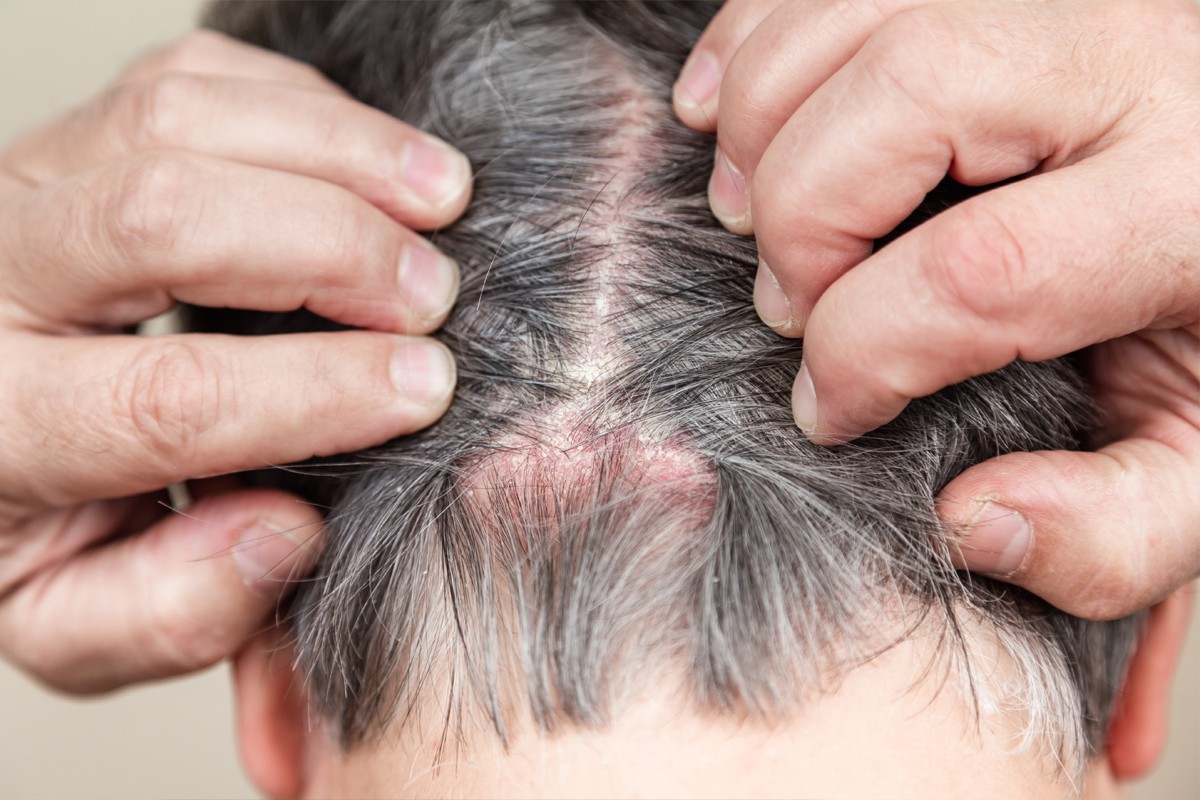
Finding the right balance in washing frequency is crucial for scalp health. Over-washing can strip the scalp of natural oils, exacerbating dryness and irritation, which may worsen dandruff. Conversely, under-washing allows oil, dead skin cells, and product buildup to accumulate, leading to a more pronounced dandruff condition. A balanced approach typically involves washing the scalp 2-3 times per week, depending on individual scalp conditions and hair type.
Ignoring Active Ingredients in Shampoos
Many individuals overlook the significance of active ingredients in dandruff shampoos. Effective treatments often contain ingredients such as pyrithione zinc, ketoconazole, or salicylic acid. These components target the underlying causes of dandruff, including fungal overgrowth and inflammation. Without these active agents, standard shampoos may fail to provide relief, leading to ongoing scalp issues and potential hair loss.
Neglecting Underlying Skin Conditions
Dandruff can be a symptom of underlying skin conditions such as seborrheic dermatitis or psoriasis. Failing to address these conditions can result in persistent dandruff, which may not only be uncomfortable but can also lead to hair thinning. Consulting a dermatologist for an accurate diagnosis and tailored treatment plan is essential for effective management.
Failing to Maintain a Balanced Diet for Scalp Health
A healthy scalp relies on proper nutrition. A diet lacking in essential nutrients, such as omega-3 fatty acids, zinc, and vitamins A and D, can hinder scalp health and exacerbate dandruff. Including foods rich in these nutrients can support a healthier scalp environment, potentially reducing dandruff severity and improving hair vitality.
Nuanced Considerations in Dandruff Treatment
One common misconception is that dandruff is solely a hygiene issue. While scalp cleanliness is important, dandruff can also result from a variety of factors, including hormonal changes, stress, and environmental conditions. Moreover, not all dandruff is the same; distinguishing between dry scalp flaking and oily dandruff is critical. Each type may require a different treatment approach. For instance, dry scalp may benefit from moisturizing treatments, while oily dandruff may need more stringent cleansing.
Practical Steps for Effective Dandruff Management
- Establish a consistent washing routine that suits your scalp type.
- Choose shampoos containing effective active ingredients tailored to your specific needs.
- Consult with a dermatologist to identify and treat any underlying skin conditions.
- Incorporate a balanced diet rich in essential nutrients that promote scalp health.
Holistic Approaches to Managing Dandruff and Hair Health
This section examines holistic methods that can enhance traditional treatments for dandruff while promoting overall hair health. A multifaceted approach is crucial for effectively addressing scalp issues and preventing potential hair loss.

The Importance of a Balanced Diet
A balanced diet plays a vital role in maintaining healthy hair and scalp. Nutrients such as vitamins A, C, D, E, zinc, and omega-3 fatty acids support hair follicles and reduce inflammation. Foods rich in these nutrients include:
- Leafy greens (spinach, kale) for vitamins and minerals.
- Fatty fish (salmon, mackerel) for omega-3 fatty acids.
- Nuts and seeds (walnuts, flaxseeds) for healthy fats.
Additionally, adequate protein intake is essential, as hair is primarily made of keratin, a protein. Insufficient protein can lead to hair thinning and loss.
Stress Management Techniques
Chronic stress can exacerbate scalp conditions, including dandruff, which may indirectly contribute to hair loss. Effective stress management techniques include:
- Meditation to promote relaxation and mental clarity.
- Yoga to enhance physical and mental well-being.
- Regular exercise to boost endorphins and improve mood.
Implementing these techniques can improve overall scalp health and reduce the likelihood of dandruff flare-ups.
Natural Remedies for Dandruff
Several natural remedies have demonstrated effectiveness in treating dandruff. These include:
- Tea tree oil: Known for its antifungal properties, it can reduce dandruff when diluted and applied to the scalp.
- Aloe vera: Its soothing properties help reduce scalp irritation and hydrate the skin.
- Apple cider vinegar: Its acidic nature can balance scalp pH and reduce fungal growth.
While these remedies can be beneficial, they should complement, not replace, traditional treatments.
The Role of Hydration and Scalp Care
Proper hydration is key to maintaining both scalp and hair health. Dehydration can lead to dryness, which may worsen dandruff and contribute to hair loss. To ensure adequate hydration:
- Drink at least 8 glasses of water daily.
- Use hydrating hair products that do not strip natural oils.
- Incorporate scalp massages with oils to promote blood circulation.
Regular scalp care routines, including gentle exfoliation and moisturizing, can prevent buildup and maintain a healthy environment for hair growth.
While traditional treatments for dandruff address symptoms, holistic approaches provide a comprehensive strategy for managing scalp health. Many articles overlook the interplay between diet, stress, and natural remedies, which are essential for addressing the root causes of dandruff and potential hair loss. For example, not all dandruff is the same; conditions like seborrheic dermatitis may require different interventions than dry scalp-related dandruff.
To implement these holistic approaches:
- Evaluate and adjust your diet to include nutrient-rich foods.
- Incorporate stress-reducing practices into your daily routine.
- Explore natural remedies, monitoring for skin reactions.
- Prioritize hydration and scalp care as part of your hair care regimen.
By integrating these strategies, individuals can enhance their treatment of dandruff and support overall hair health, potentially mitigating the effects of dandruff-related hair loss.
Frequently Asked Questions
Can dandruff lead to permanent hair loss?
Dandruff itself does not cause permanent hair loss. However, severe dandruff can lead to hair thinning if it results in excessive scratching and inflammation of the scalp.
What are the best treatments for dandruff?
Effective treatments for dandruff include medicated shampoos containing ingredients like zinc pyrithione, ketoconazole, or salicylic acid. Regular use of these products can help control flaking and reduce scalp irritation.
How does dandruff affect hair growth?
Dandruff can hinder hair growth by causing scalp inflammation and irritation, which may disrupt the hair growth cycle. Addressing dandruff can promote a healthier scalp environment conducive to hair growth.
Is there a connection between stress and dandruff?
Yes, stress can exacerbate dandruff symptoms by triggering or worsening scalp conditions. Managing stress through relaxation techniques may help improve dandruff-related issues.
How long does it take to treat dandruff effectively?
It typically takes a few weeks of consistent treatment to see significant improvement in dandruff symptoms. Regular use of appropriate shampoos and scalp treatments is essential for effective management.
Final Thoughts on does dandruff cause hair loss
Dandruff does not directly cause hair loss; however, the inflammation and irritation associated with severe dandruff can hinder hair growth and lead to temporary shedding. Understanding the biological mechanisms of dandruff, alongside proper treatment and holistic management strategies, is essential for maintaining both scalp health and hair vitality.
Readers experiencing persistent dandruff should consult a dermatologist to explore tailored treatment options, including medicated shampoos or lifestyle changes that address underlying causes such as stress, which can exacerbate the condition.
Addressing dandruff is crucial not only for aesthetic reasons but also for preserving overall hair health and preventing additional complications.
Leave a Reply