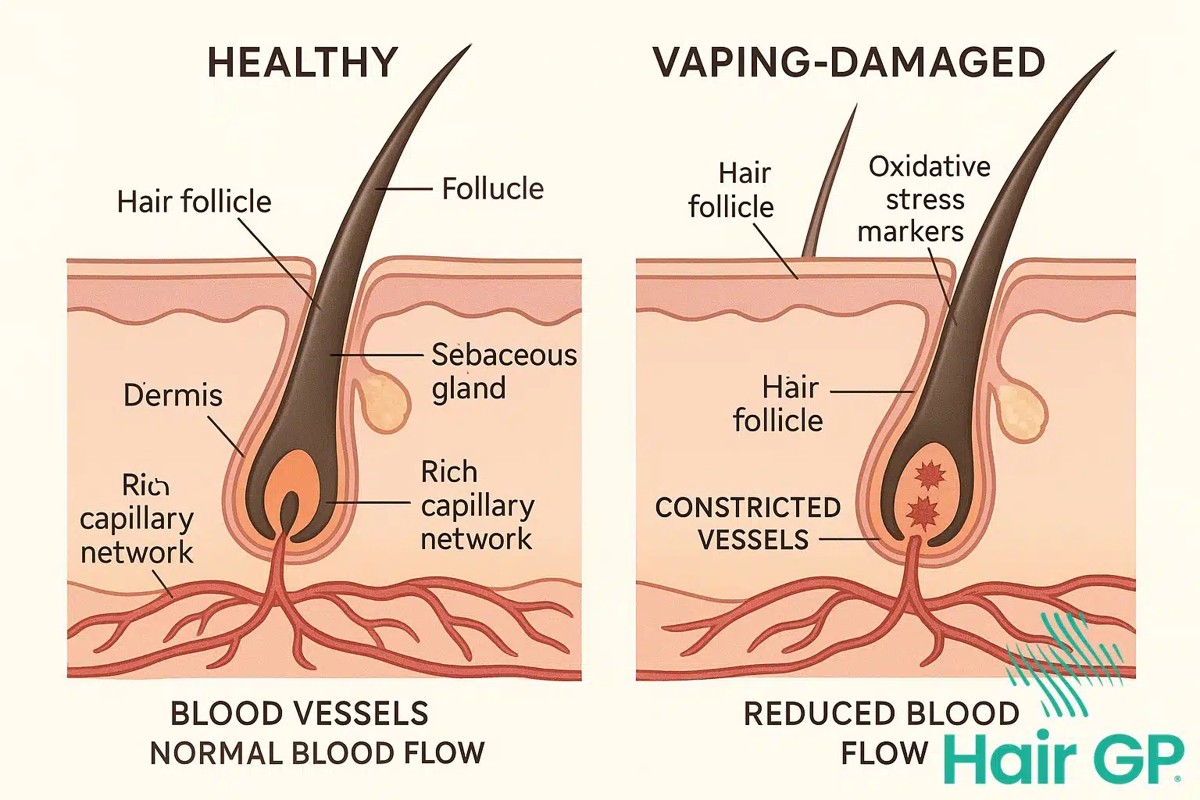
Does vaping cause hair loss? Yes, vaping can contribute to hair loss due to the effects of nicotine and other harmful chemicals on hair follicles and circulation.
This topic is crucial for individuals considering or currently using vaping products, as it highlights potential health risks that may not be immediately apparent. Understanding the connection between vaping and hair loss is essential for making informed choices about personal health and well-being.
This article will examine the scientific evidence linking vaping to hair loss, the roles of nicotine and other chemicals involved, and practical steps to mitigate potential risks.
What are the effects of vaping on hair health?
Vaping can negatively impact hair health by affecting hair follicles and promoting conditions that may lead to hair loss. The chemicals found in vape products can disrupt the normal functioning of hair follicles, potentially leading to thinning hair or hair loss over time. Additionally, the overall health of an individual, including factors such as stress and nutritional deficiencies, can be exacerbated by vaping.
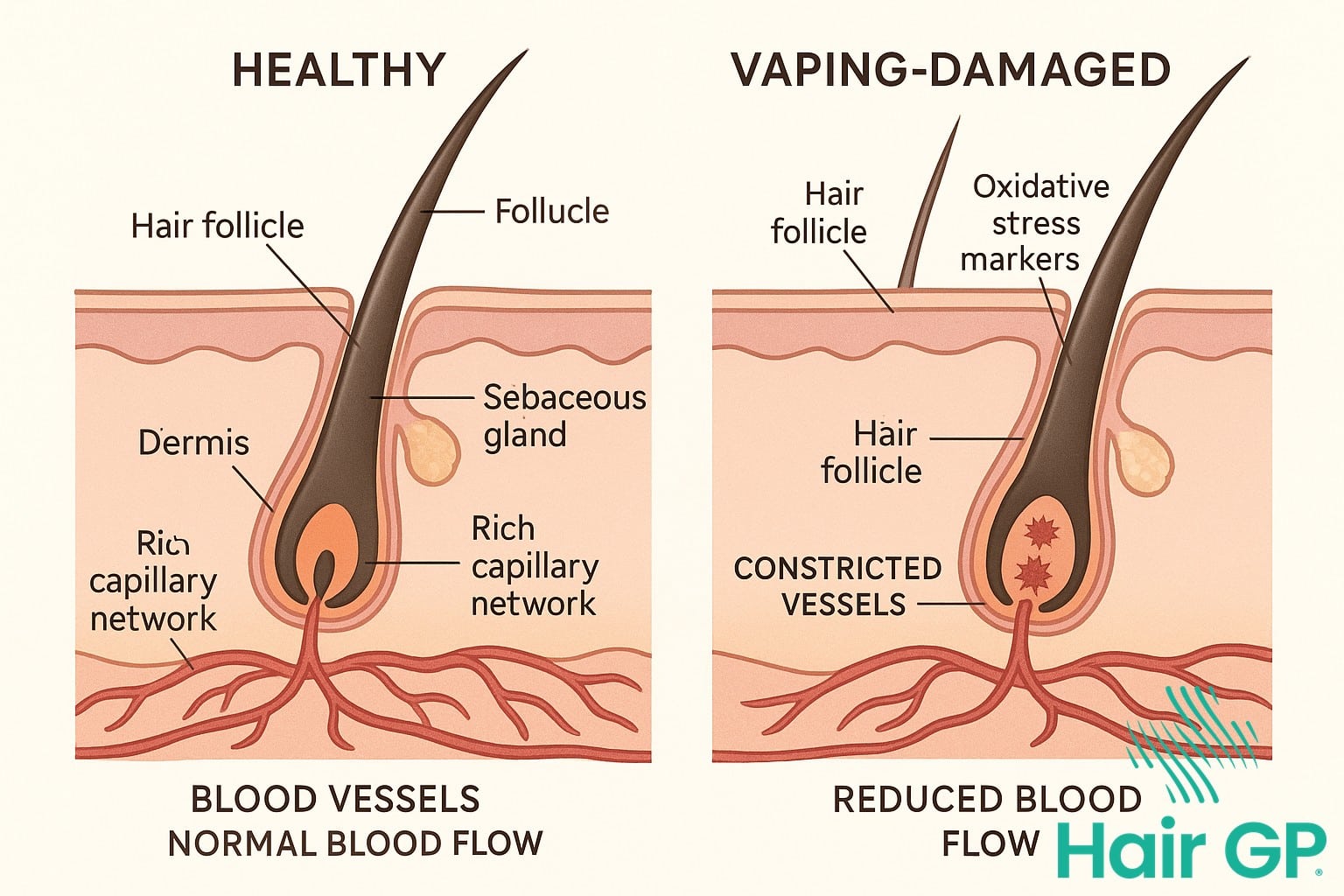
The primary concern regarding vaping and hair health lies in the exposure to harmful substances. Vaping products often contain nicotine, which is known to constrict blood vessels. This constriction can reduce blood flow to the scalp, depriving hair follicles of essential nutrients and oxygen necessary for healthy growth. Other chemicals, such as formaldehyde and acrolein, can also contribute to inflammation and oxidative stress in the scalp, further compromising hair health.
- Nicotine: Reduces blood circulation to hair follicles, impacting their ability to receive nutrients.
- Formaldehyde: Can cause inflammation and damage to hair follicles.
- Acrolein: Associated with oxidative stress, which can lead to hair thinning.
Moreover, vaping can lead to behavioral changes, such as increased anxiety or stress, which are known to contribute to hair loss. Chronic stress can trigger conditions like telogen effluvium, where a significant number of hair follicles enter a resting phase, leading to noticeable hair shedding. Therefore, while vaping may not directly cause hair loss, it can create an environment that fosters hair health issues.
Expert insight: Individuals concerned about hair loss should consider monitoring their vaping habits and evaluate their overall lifestyle, including diet and stress management, to better support hair health. Regular consultations with a healthcare provider can help identify underlying issues that may contribute to hair loss.
Can quitting vaping reverse hair loss?
Quitting vaping can potentially reverse hair loss, depending on various factors like the duration of use and individual health conditions. Many users report improvements in hair health after cessation, as the body begins to recover from the effects of nicotine and other harmful substances. However, the extent of regrowth and the timeline can vary significantly among individuals.
- Initial Recovery Period: Upon quitting vaping, the body starts to heal. This recovery process often begins within a few weeks, as nicotine levels decrease and blood circulation improves, which can positively affect hair follicles.
- Hormonal Balance: Vaping can disrupt hormone levels, particularly testosterone and estrogen. After cessation, hormonal levels may stabilize over several months, providing a conducive environment for hair regrowth.
- Diet and Nutrition: A balanced diet rich in vitamins and minerals (like biotin, zinc, and vitamins A and E) becomes essential after quitting. These nutrients support hair health and can enhance the regrowth process.
- Stress Management: Quitting vaping often reduces stress levels, which can be a contributing factor to hair loss. Engaging in stress-reducing activities can further promote hair regrowth.
- Timeframe for Visible Results: Visible improvements in hair density may take three to six months after quitting. Full recovery can take longer, depending on individual health factors and previous vaping habits.
While some individuals may experience significant hair regrowth after quitting vaping, results are not guaranteed. Factors such as genetics, the severity of prior hair loss, and overall health will influence recovery outcomes.
Expert Tip: Consider consulting a healthcare professional or a dermatologist for tailored advice on hair restoration treatments that can complement quitting vaping, ensuring a holistic approach to recovery.
How does vaping compare to smoking for hair loss?
Vaping and traditional smoking both have potential effects on hair loss, but their mechanisms and severity differ. While both activities expose the body to harmful substances, the specific ingredients and delivery methods vary significantly. This results in different implications for hair health.
Traditional smoking involves inhaling tobacco smoke, which contains thousands of chemicals, including nicotine and tar. Nicotine constricts blood vessels, reducing blood flow to hair follicles. This diminished circulation can lead to hair thinning and loss over time. Additionally, the toxins in cigarette smoke can cause oxidative stress, further damaging hair follicles and accelerating hair loss.
In contrast, vaping primarily delivers nicotine through an aerosolized form, often with fewer harmful chemicals than tobacco smoke. However, e-liquids can contain various additives and flavorings that may also contribute to hair health issues. Research on the long-term effects of vaping is still emerging, but some studies suggest that while vaping is less harmful than smoking, it may not be entirely risk-free regarding hair loss. Key differences include:
- Chemical Composition: Traditional cigarettes contain tar and a higher concentration of harmful substances compared to most vape liquids.
- Blood Flow Impact: Nicotine from both sources constricts blood vessels, but smoking’s overall toxicity may have a greater effect on follicle health.
- Research Status: More extensive studies exist on smoking’s effects on hair loss, while vaping’s impact is less understood but is generally considered less severe.
Expert Tip: Individuals concerned about hair loss should consider reducing or eliminating both smoking and vaping, as both practices can have adverse effects on overall health, including hair growth. Consulting a healthcare professional for personalized advice is recommended.
What are the best practices for hair care if you vape?
Individuals who vape can take specific steps to care for their hair and potentially mitigate hair loss. By focusing on hydration, nutrition, and proper hair care techniques, vapers can help maintain healthy hair. These practices are essential, especially since vaping may contribute to various health issues that can indirectly affect hair health.
First, maintaining proper hydration is crucial. Vaping can lead to dehydration, which may impact hair texture and growth. Drink at least 8-10 glasses of water daily to keep your body and hair hydrated.
- Use a moisturizing shampoo and conditioner: Select products that specifically target dryness and promote hydration. Look for ingredients like argan oil, shea butter, or aloe vera.
- Incorporate a balanced diet: Ensure your diet includes essential nutrients for hair health, such as vitamins A, C, D, E, and B-complex, along with minerals like zinc and iron. Foods rich in omega-3 fatty acids, like fish and flaxseeds, can also support hair growth.
- Limit heat styling: Excessive use of heat tools can damage hair. If styling is necessary, use a heat protectant spray and limit the frequency to prevent further stress on the hair.
- Regular scalp massages: Stimulate blood circulation to the scalp by massaging it regularly. This can enhance hair growth and improve overall scalp health.
Incorporating these practices into your routine can help mitigate some of the adverse effects of vaping on hair health. Regular maintenance and awareness of your hair’s needs will contribute to better outcomes.
Expert insight: Consider consulting with a dermatologist or trichologist who can provide personalized advice based on your specific hair condition and health status. Regular check-ups can help address any underlying issues related to hair loss.
Is there a cost associated with treating hair loss from vaping?
Treating hair loss potentially linked to vaping can range from a few hundred to several thousand dollars, depending on the chosen treatment method. Options vary widely, including over-the-counter products, prescription medications, and professional procedures like hair transplants.
Several factors influence the overall cost of treatment for hair loss. These include:
- Type of Treatment: Over-the-counter topical solutions such as minoxidil typically cost between $20 to $60 per month. Prescription medications like finasteride may range from $30 to $80 monthly.
- Professional Services: Hair restoration consultations can cost anywhere from $100 to $500. Surgical options, like hair transplants, can range from $4,000 to $15,000 depending on the extent of the procedure.
- Duration of Treatment: Some treatments require ongoing use, impacting long-term financial commitment. For instance, consistent use of hair regrowth products can lead to significant annual expenses.
Additionally, individual responses to treatment can vary, meaning that some may require more intensive or prolonged interventions, further increasing costs. Lifestyle changes, such as nutrition and stress management, can also play a role in treatment effectiveness, potentially adding to the overall investment in hair health.
Expert Tip: Consulting with a dermatologist or a trichologist can provide tailored recommendations, potentially saving time and money by focusing on the most effective treatment options for individual cases of hair loss. Early intervention is often more cost-effective than delayed treatment.
How long does it take for hair to grow back after quitting vaping?
Hair typically begins to grow back within 3 to 6 months after quitting vaping. However, full regrowth can take anywhere from 12 to 18 months, depending on various factors such as individual health, genetics, and overall hair care practices.
The timeline for hair regrowth after quitting vaping is influenced by several factors. First, the extent of hair loss experienced while vaping plays a significant role. If hair loss was minimal, regrowth may be quicker. Conversely, significant hair thinning could require more time for hair to return to its previous density. Additionally, the health of the scalp and hair follicles prior to quitting is crucial; a healthy environment supports faster regrowth.
Other important variables include nutrition and lifestyle choices. A diet rich in vitamins and minerals, particularly those that promote hair health such as biotin, zinc, and vitamins A and E, can accelerate the regrowth process. Stress management and adequate sleep also significantly impact hair restoration. If the body is under stress or lacks proper rest, it may hinder the natural hair growth cycle.
Impact of Individual Factors
Individual genetics plays a decisive role in hair growth rates. Some individuals may have a genetic predisposition to slower hair regrowth, regardless of external factors. Furthermore, existing medical conditions, such as hormonal imbalances or autoimmune disorders, can also affect the recovery of hair growth after quitting vaping.
To support optimal hair regrowth, engaging in a consistent hair care routine is beneficial. This includes using gentle hair products and avoiding harsh chemical treatments that may further stress the hair follicles. Regular scalp massages can also promote blood circulation, enhancing nutrient delivery to hair roots.
For effective hair regrowth, it is advisable to consult with a healthcare provider or a dermatologist. They can provide personalized recommendations based on individual health profiles and may suggest treatments or supplements to further encourage hair recovery.
What are the common misconceptions about vaping and hair loss?
Many people believe that vaping directly causes hair loss, often attributing thinning hair to the use of e-cigarettes. This misconception stems from a lack of understanding of the complex factors that influence hair health. While vaping introduces various chemicals into the body, the connection to hair loss is not as straightforward as many assume.
One prevalent myth is that the nicotine in vaping products is solely responsible for hair loss. While nicotine can constrict blood vessels, potentially reducing blood flow to hair follicles, various other factors contribute to hair loss, such as genetics, hormonal changes, and overall health. For instance, a person may experience hair thinning due to stress or a poor diet, yet mistakenly link it to their vaping habits. A real-world scenario might involve an individual who recently transitioned from smoking to vaping and notices increased hair shedding, attributing it to vaping without considering other lifestyle factors.
Another misconception is that all vaping products are equally harmful regarding hair loss. Different e-liquids contain varying ingredients, with some being less harmful than others. For example, a user may switch to a product with fewer toxic additives but still experience hair loss due to underlying health conditions unrelated to vaping. This illustrates the importance of taking a holistic view of health when evaluating the causes of hair loss.
Expert Tip: To assess hair loss accurately, consider a comprehensive approach that includes diet, stress management, and medical evaluations rather than attributing it solely to vaping. Regular consultations with a healthcare professional can provide deeper insights into individual health and its impact on hair.
The Science Behind Vaping and Hair Loss
This section delves into the biological mechanisms linking vaping to hair loss, highlighting the impact of nicotine and chemicals found in vape products on hair follicle health and circulation.
The Role of Nicotine in Hair Follicle Health
Nicotine, a primary ingredient in many vaping products, has been shown to adversely affect hair follicles. It constricts blood vessels, leading to reduced blood flow. This restricted circulation limits the supply of oxygen and essential nutrients to hair follicles, potentially resulting in weakened hair and increased hair shedding. Research indicates that nicotine can induce hair follicle miniaturization, a process where healthy hair transitions to thinner, weaker strands.
Chemicals in Vape Products and Hair Growth
Beyond nicotine, vape products contain numerous chemicals that may interfere with hair growth. These include:
- Propylene glycol: A common base in many vape liquids that can cause scalp irritation and inflammation.
- Flavoring agents: Some flavoring compounds have been linked to cellular toxicity, which could negatively affect hair follicles.
- Formaldehyde: Known for its carcinogenic properties, this chemical can also disrupt normal cellular functions in the scalp.
These substances may not only hinder hair growth but could also lead to an unhealthy scalp environment, further exacerbating hair loss.
The Relationship Between Circulation and Hair Vitality
Effective hair growth relies heavily on proper blood circulation. When circulation is compromised due to nicotine’s vasoconstrictive effects, hair follicles receive inadequate nourishment. This deficiency can lead to a condition known as telogen effluvium, wherein hair prematurely enters the shedding phase. Studies have shown that improved circulation can enhance hair growth, indicating that maintaining vascular health is critical for hair vitality.
Scientific Studies Linking Vaping to Hair Loss
Emerging research has begun to explore the connection between vaping and hair loss. A study published in the *International Journal of Dermatology* found that individuals who vape exhibited a higher incidence of hair shedding compared to non-users. Another investigation in *Toxicology Reports* concluded that certain chemicals associated with vaping can be detrimental to hair follicle health. These studies suggest a compelling link between vaping habits and the risk of hair loss.
Common misconceptions exist regarding the extent of damage caused by vaping. Some believe that vaping is a safer alternative to traditional smoking and, therefore, poses no risk to hair health. However, the presence of harmful chemicals in vape products challenges this notion, making it essential to recognize the potential consequences on hair vitality.
Practical Application
To mitigate the risk of hair loss related to vaping, consider the following actions:
- Evaluate the ingredients in vape products and seek alternatives with fewer harmful substances.
- Consult a healthcare professional for personalized advice on quitting vaping and maintaining hair health.
- Incorporate a nutrient-rich diet that supports circulation and hair growth, including vitamins A, C, D, and E.
By addressing vaping habits and prioritizing scalp health, individuals can take proactive steps towards preserving their hair vitality.
Personal Stories: Vaping and Hair Loss Experiences
This section presents firsthand accounts from individuals who have faced hair loss after starting to vape, highlighting the personal impact of this issue. These narratives underscore the complexity of the relationship between vaping and hair loss.
Case Studies of Hair Loss After Starting to Vape
Multiple case studies reveal a troubling connection between vaping and hair loss. One individual, a 28-year-old male, reported a noticeable increase in hair thinning within three months of beginning to vape. He attributed this change to the introduction of nicotine into his system, which is known to constrict blood vessels and potentially limit blood flow to hair follicles.
A 34-year-old woman experienced similar effects. After vaping for six months, she noticed excessive shedding and bald patches along her hairline. Dermatological consultations suggested that the chemicals in her vape liquid, particularly propylene glycol, could be contributing to her hair loss by causing inflammation.
Testimonials from Individuals Who Quit Vaping and Saw Improvements
- A 22-year-old male shared that after quitting vaping for four months, he observed significant regrowth in thinning areas, suggesting that cessation allowed his hair follicles to recover.
- A 30-year-old female noted that her hair density improved markedly after she stopped vaping. She emphasized the role of improved blood circulation in her scalp as a key factor in her recovery.
- A 45-year-old reported that within six weeks of quitting vaping, the hair loss ceased, and new hair began to grow. This highlights the potential reversibility of vaping-related hair damage.
Diverse Experiences Across Different Demographics
Personal experiences of hair loss due to vaping vary widely across demographics. Young adults, particularly those aged 18-30, report rapid changes in hair health, often linked to their relatively recent introduction to nicotine. In contrast, older individuals, such as those in their 40s and 50s, may experience hair thinning compounded by other age-related factors, making it challenging to isolate vaping as the sole cause. Additionally, gender differences emerge, with women often experiencing different patterns of hair loss compared to men, influenced by hormonal factors.
Lessons Learned from Personal Hair Loss Journeys
Individuals who have navigated hair loss due to vaping often emphasize the importance of seeking professional advice early. Many learned that understanding the ingredients in vape products is crucial. Awareness of how chemicals like nicotine and other additives can impact overall health and hair growth is vital. Furthermore, personal accounts highlight the significance of lifestyle changes, including nutrition and stress management, in promoting hair health.
Beyond the individual experiences, a common misconception persists: that vaping is a harmless alternative to smoking. However, these stories illustrate that vaping can have serious implications for hair health, warranting a closer examination of its effects.
Experts caution that while some individuals may recover hair density after quitting, others may not experience the same results. Genetic predispositions and underlying health conditions can also play significant roles in hair loss recovery.
To apply this information practically, individuals concerned about hair loss should consider the following steps:
- Monitor hair health closely after starting to vape.
- Consult a healthcare professional for personalized advice and potential treatments.
- Evaluate and possibly eliminate vaping to assess its impact on hair regrowth.
- Incorporate a balanced diet rich in vitamins and minerals known to support hair health.
Preventive Measures and Treatments for Vaping-Related Hair Loss
This section provides actionable strategies and treatments for individuals concerned about hair loss potentially linked to vaping. Implementing these measures can help mitigate hair loss and promote overall hair health.
Effective Hair Care Routines for Vapers
Adopting a consistent hair care routine is essential for vapers. A well-structured regimen can help maintain scalp health and reduce the risk of hair loss. Key components include:
- Gentle Cleansing: Use sulfate-free shampoos to avoid excessive dryness and irritation.
- Regular Conditioning: Apply conditioner after every wash to retain moisture and improve hair texture.
- Scalp Massages: Incorporate scalp massages to enhance blood circulation, promoting healthier hair growth.
Nutritional Tips to Support Hair Health
A balanced diet plays a crucial role in hair health. Specific nutrients are vital for maintaining the strength and vitality of hair. Consider the following dietary inclusions:
- Protein: Essential for hair structure; include sources like lean meats, fish, eggs, and legumes.
- Omega-3 Fatty Acids: Found in fish, walnuts, and flaxseeds, these promote scalp health and reduce inflammation.
- Vitamins A and C: Important for sebum production and collagen synthesis; consume plenty of fruits and vegetables.
Recommended Products for Preventing Hair Loss
Utilizing specific hair care products can aid in preventing hair loss. Recommended products include:
- Minoxidil: An FDA-approved topical treatment that stimulates hair follicles and promotes hair regrowth.
- Biotin Supplements: Known for supporting hair growth; a daily dose can improve hair strength.
- Caffeine Shampoo: May stimulate hair follicles and improve scalp circulation.
Professional Treatments and Their Efficacy
For those experiencing significant hair loss, professional treatments can be beneficial. Options include:
- Platelet-Rich Plasma (PRP) Therapy: Involves drawing blood, processing it, and injecting it into the scalp to promote hair growth.
- Hair Transplant Surgery: A more invasive option that relocates hair follicles from a donor site to balding areas.
- Laser Therapy: Non-invasive treatment using low-level lasers to stimulate hair follicles.
Consultation with a dermatologist is recommended to determine the most suitable option based on individual needs and conditions.
Common misconceptions suggest that all hair loss is permanent or solely genetic. However, identifying the underlying cause, including potential links to vaping, allows for targeted interventions. Many individuals may overlook the impact of lifestyle choices on hair health, which can lead to missed opportunities for prevention and treatment.
To effectively address concerns regarding hair loss from vaping, individuals should implement a comprehensive hair care routine, maintain a nutrient-rich diet, explore recommended hair care products, and consider professional treatments if necessary. Regularly assessing these factors can significantly enhance hair health and mitigate the effects of vaping.
The Broader Impact of Vaping on Health and Appearance
This section explores the extensive health risks associated with vaping, particularly its effects on skin and overall appearance, while contextualizing hair loss within these broader health implications.

Health Risks Associated with Vaping
Vaping has been linked to a range of health issues, primarily due to the inhalation of harmful substances found in e-liquids. These substances include nicotine, propylene glycol, and various flavoring agents, many of which can lead to serious health consequences. Key risks include:
- Respiratory Issues: Vaping can cause lung inflammation, bronchitis, and reduced lung function.
- Cardiovascular Disease: Nicotine and other chemicals can increase heart rate and blood pressure, contributing to heart disease.
- Oral Health Problems: Vaping can lead to dry mouth, gum disease, and tooth decay.
Effects of Vaping on Skin and Appearance
The impact of vaping extends to skin health, with studies suggesting that it can accelerate aging. Nicotine reduces blood flow, which can result in:
- Dry Skin: Decreased hydration and natural oil production.
- Wrinkles: Premature aging due to reduced collagen and elastin production.
- Complexion Issues: Dullness and uneven skin tone from impaired circulation.
Long-Term Implications of Vaping on Physical Health
Long-term vaping can lead to chronic health conditions that may indirectly affect appearance, including obesity and metabolic disorders. These conditions can contribute to hair loss through hormonal imbalances, nutritional deficiencies, and increased stress levels. Research indicates that chronic nicotine exposure may disrupt the hair growth cycle, potentially leading to conditions like androgenetic alopecia.
Comparative Analysis with Other Lifestyle Factors
Hair loss can result from various lifestyle factors beyond vaping, such as:
- Diet: Poor nutrition can lead to deficiencies in vitamins and minerals essential for hair health.
- Stress: High stress levels can trigger hair loss conditions like telogen effluvium.
- Smoking: Traditional smoking has similar vascular impacts as vaping, further compromising hair and skin health.
Each of these factors interacts with overall health in complex ways, making it essential to consider the cumulative effects of lifestyle choices on appearance and well-being.
Many articles on the potential impacts of vaping may overlook the interconnectedness of these health issues. For instance, while nicotine is often cited for its role in hair loss, the broader effects of vaping on skin health and overall circulation can exacerbate appearance-related concerns. Furthermore, the psychological aspects of vaping addiction may contribute to stress-related hair loss, complicating the narrative surrounding the question, “does vaping cause hair loss.”
To mitigate the adverse effects of vaping on health and appearance, consider the following actions:
- Seek alternatives to vaping, such as nicotine replacement therapies or counseling.
- Prioritize a balanced diet rich in vitamins A, C, D, E, and B vitamins to support hair health.
- Incorporate stress-reduction techniques, such as mindfulness or regular exercise, to help manage potential triggers for hair loss.
Frequently Asked Questions
What are the effects of vaping on hair health?
Vaping can negatively impact hair health by reducing blood circulation and oxygen supply to hair follicles, potentially leading to hair loss. Additionally, the chemicals in vape products may contribute to scalp inflammation and damage.
Can quitting vaping reverse hair loss?
Quitting vaping may help reverse hair loss over time, as improved blood flow and reduced exposure to harmful chemicals can promote healthier hair growth. However, the extent of recovery varies depending on individual factors and the duration of vaping.
How does vaping compare to smoking for hair loss?
Both vaping and smoking can contribute to hair loss, but smoking is generally associated with more severe effects due to the higher levels of toxins and carcinogens. Vaping may still pose risks to hair health through nicotine and other harmful substances.
What are the best practices for hair care if you vape?
To promote hair health while vaping, maintain a balanced diet rich in vitamins and minerals, stay hydrated, and use gentle hair care products. Regular scalp massages can also enhance blood circulation to the hair follicles.
Is there a cost associated with treating hair loss from vaping?
Treating hair loss related to vaping can involve costs for consultations, medications, or hair restoration treatments. The overall expense will depend on the chosen treatment options and individual circumstances.
How long does it take for hair to grow back after quitting vaping?
Hair regrowth after quitting vaping typically begins within a few months, but noticeable results may take six months to a year. Individual factors, such as genetics and overall health, can influence the speed of recovery.
What are the common misconceptions about vaping and hair loss?
One common misconception is that vaping is completely safe and does not affect hair health. In reality, vaping can still harm hair follicles due to nicotine and other harmful ingredients, leading to potential hair loss.
Final Thoughts on does vaping cause hair loss
While the direct correlation between vaping and hair loss remains under-researched, emerging evidence suggests that the chemicals in e-cigarettes may adversely affect hair health. Individuals experiencing hair loss should consider their vaping habits as a potential contributing factor and explore cessation options, as quitting can lead to improvements in hair vitality.
To mitigate the risk of vaping-related hair loss, individuals should implement a comprehensive hair care regimen that includes nourishing treatments and regular scalp care, while also seeking professional advice to tailor the approach to their specific needs.
Understanding the potential impacts of vaping on hair health is crucial, as it empowers individuals to make informed lifestyle choices that prioritize their overall well-being.
Leave a Reply