To achieve the desired lightness, you typically leave bleach in your hair for 20 to 40 minutes. Always monitor your hair’s condition to avoid damage.
Understanding how long to leave bleach in your hair is crucial for anyone considering a hair color change. Incorrect timing can lead to hair damage, uneven color, or undesired results, making it essential to follow guidelines closely.
This guide will detail the optimal timing for hair bleaching, factors influencing processing time, and tips for maintaining hair health during the bleaching process.
What happens if you leave bleach in your hair too long?
Leaving bleach in your hair for too long can lead to significant damage, including dryness, breakage, and unintended color changes. The hair’s structure can weaken, resulting in brittleness and loss of elasticity. In severe cases, over-bleaching may necessitate a drastic haircut or professional intervention.
- Hair Damage: Overexposure to bleach can strip the hair of its natural moisture, leading to dryness and frizz. This damage often manifests as split ends and an overall rough texture.
- Scalp Irritation: Prolonged contact with bleach can irritate the scalp, causing redness, itching, and even chemical burns. This irritation can be exacerbated if the bleach is applied near sensitive areas.
- Color Issues: Leaving bleach in too long can result in unwanted shades, such as orange or brassy tones, instead of the desired blonde. This occurs because the hair can become overly lightened, affecting the underlying pigments.
- Breakage: Excessive bleaching weakens the hair shaft, increasing the likelihood of breakage. Hair that is overly processed can snap off, leading to uneven lengths and a lack of volume.
Factors Influencing Bleach Timing
Several factors influence how long bleach should remain in the hair, including hair type, texture, and previous chemical treatments. Fine hair may lighten faster than coarse hair, requiring less time for processing. Additionally, the strength of the bleach used can also affect timing; stronger formulations may necessitate shorter application times.
Monitoring the hair’s response during the bleaching process is essential. Checking the hair every few minutes can help prevent over-processing and allow for adjustments based on the desired outcome.
Always follow the instructions provided with the bleach product and conduct a patch test if unsure. This can help gauge how your hair will react to the product.
Expert Tip: Consider using a deep conditioning treatment after bleaching. This can help restore moisture and mitigate some damage caused by the bleaching process, promoting healthier hair in the long run.
How do I know when to rinse out bleach from my hair?
Rinse out bleach when your hair reaches the desired lightness, typically indicated by significant color change. Monitor your hair’s texture and condition throughout the process, as over-processing can lead to damage.
- Color Change: Observe your hair as it lightens. The general rule is to leave bleach in until it reaches a pale yellow or platinum shade, depending on your desired outcome.
- Texture Check: Gently tug on a strand of hair. If it feels rubbery or overly soft, it may be time to rinse. Healthy hair should feel firm yet pliable.
- Timing Guidelines: Follow the recommended timing on your bleach product. Most bleach formulas should not be left on for more than 30 to 45 minutes in total, but individual hair types may vary.
- Strand Test: Prior to full application, conduct a strand test on a small section of hair. This will help you gauge how your hair reacts to bleach and when to rinse.
Many factors influence how long bleach should remain in hair, including hair type, previous treatments, and the specific bleach product used. Always prioritize monitoring the hair’s condition rather than strictly adhering to a clock.
For optimal results, consider using a deep conditioner immediately after rinsing out the bleach. This can help restore moisture and minimize damage.
When bleaching, maintaining a close watch on both color and texture is essential. Be prepared to rinse out the product sooner if you notice any signs of excessive damage.
Is it better to bleach hair in sections?
Yes, it is generally better to bleach hair in sections rather than applying bleach all at once. Sectioning allows for more precise application, leading to more even results and minimizing the risk of damage. This method also enables better control over processing time for different hair areas.
When bleaching hair in sections, each part can be thoroughly saturated with bleach, ensuring consistent coverage. This is especially important for individuals with thick or long hair, as the bleach may process unevenly if applied all at once. Additionally, sectioning helps to monitor the development time carefully, allowing for timely rinsing to avoid over-processing.
- Even Coverage: Sectioning ensures that all strands receive equal amounts of bleach, reducing patchiness.
- Damage Control: By applying bleach in smaller sections, it is easier to manage the processing time and reduce the risk of damage to hair.
- Customization: Different sections can be treated according to their specific needs, such as varying thickness or previous treatments.
Applying bleach all at once can lead to uneven lightening, especially in areas where the hair is denser or thicker. This method may also result in parts of the hair processing longer than others, increasing the likelihood of breakage or unwanted tones.
For optimal results, section hair into manageable parts, typically four to six sections, depending on hair thickness. Start at the back and work your way forward to ensure that the areas that need the most time are processed effectively.
Expert Tip: Always perform a strand test on a small section of hair before bleaching. This will help determine the ideal processing time and assess how your hair reacts to the bleach.
How much does it cost to bleach hair at a salon?
The cost to bleach hair at a salon typically ranges from $100 to $300. This price can vary based on several factors, including the salon’s location, the stylist’s experience, and the complexity of the service.
Several factors influence the overall cost of bleaching services in salons. These include:
- Salon Reputation: High-end salons or those with a renowned reputation often charge more for their services.
- Stylist Experience: An experienced stylist may charge a premium for their expertise, particularly for complicated techniques like balayage or ombre.
- Hair Length and Thickness: Longer or thicker hair requires more product and time, which can increase costs.
- Geographical Location: Prices may vary significantly between urban and rural areas, with metropolitan locations generally being more expensive.
- Additional Services: If you’re opting for a haircut, toner, or treatment along with the bleaching, these services will add to the final bill.
It’s also crucial to consider that the initial bleaching process may require follow-up visits for touch-ups or maintenance, which can lead to additional costs over time. Many salons offer package deals or loyalty programs that can help mitigate some expenses for regular clients.
Choosing the right salon involves more than just looking at prices. Researching reviews and consulting with stylists can provide insights into their techniques and results.
For optimal results, ensure that the stylist assesses your hair type and condition before proceeding. This can greatly impact the final outcome and overall health of your hair.
How long should I leave bleach in for dark hair?
For dark hair, bleach should typically be left in for 30 to 45 minutes, depending on the desired level of lift. Darker hair may require more time to achieve a lighter shade, but care must be taken to avoid damage. Always monitor the process closely to prevent over-processing.
Several factors influence the timing when bleaching dark hair. The initial color of the hair plays a significant role; for instance, black or very dark brown hair may need the full 45 minutes, while lighter shades of brown could be adequately lifted in 30 to 35 minutes. Additionally, the condition of the hair is critical; healthier hair can withstand longer processing times, while damaged or previously processed hair may require shorter exposure to minimize further damage.
Another crucial factor is the type of bleach used. Different formulas have varying strengths and processing times. For example, a high-lift bleach may lighten hair more quickly than a standard bleach. Always follow the manufacturer’s instructions and perform a strand test to determine the ideal timing for your specific hair type and condition.
Hair texture also affects how long bleach should stay in. Coarse hair may absorb bleach differently than fine hair, potentially requiring adjustments in timing. It is advisable to check the hair every 5 to 10 minutes to assess the level of lift and avoid unwanted results.
Expert Tip: Consider using a deep conditioning treatment post-bleach to restore moisture and minimize damage. Additionally, consult a professional stylist if uncertain about the timing, as they can provide personalized advice based on your hair’s unique characteristics.
What are the best practices for bleaching hair safely?
Bleaching hair can cause significant damage if not done carefully. Following best practices ensures minimal harm while achieving the desired color. Implementing these safety tips is essential for a successful bleaching process.
- Perform a patch test: Always conduct a patch test 48 hours before bleaching. Apply a small amount of bleach to a discreet area of your scalp to check for allergic reactions or irritation.
- Use a high-quality bleach: Select a reputable brand of bleach that contains conditioning agents. Quality products are less likely to cause excessive damage to the hair structure.
- Limit processing time: Follow the recommended bleaching time on the product instructions. Typically, this ranges from 10 to 50 minutes, depending on hair type and color. Monitor the hair closely to avoid over-processing.
- Apply heat carefully: If using heat to enhance bleaching, do so cautiously. Excessive heat can lead to severe hair damage. A lower temperature setting is advisable.
- Deep condition afterward: After bleaching, use a deep conditioning treatment to restore moisture. This step is critical to help maintain hair health and prevent breakage.
Each individual’s hair reacts differently to bleach, influenced by factors such as texture, porosity, and previous treatments. Consider these characteristics when determining the appropriate bleach application time and technique. If uncertain, consulting with a professional stylist can provide tailored advice and enhance safety.
Always prioritize the health of your hair over achieving a lighter shade. Regular trims and deep conditioning treatments should be integrated into your hair care routine following the bleaching process to maintain optimal hair health.
Can I leave bleach in my hair overnight?
No, leaving bleach in your hair overnight is highly discouraged due to the potential for severe damage. Bleach is a strong chemical that can cause significant harm to both hair and scalp if left on for extended periods. Typically, bleach should be applied for no longer than 30 to 60 minutes, depending on your hair type and desired lightness.
For example, a person may decide to leave bleach in their hair overnight, believing it will achieve a lighter color. However, the prolonged exposure can lead to extreme dryness, breakage, and even chemical burns on the scalp. The hair’s structure may become compromised, resulting in a frizzy, brittle texture that is often irreversible. In some cases, the hair can become so damaged that it requires significant trimming or even complete removal.
Additionally, the potency of the bleach can vary based on factors such as the concentration of the developer used, hair porosity, and environmental conditions. Hair that is already damaged or porous may absorb the bleach more quickly, leading to an increased risk of over-processing. This means that what might seem like a harmless decision can lead to disastrous results, including uneven coloring or complete hair loss.
Expert Tip: Always perform a strand test before applying bleach to your entire head. This will help determine the appropriate processing time and minimize the risk of damage.
What should I do after bleaching my hair?
After bleaching your hair, it is crucial to follow a proper post-care routine to maintain hair health and minimize damage. Start by rinsing the bleach thoroughly and then applying a deep conditioner. These steps help restore moisture and repair the hair structure compromised by the bleaching process.
- Rinse Thoroughly: Immediately after the bleaching process, rinse your hair with cool water to remove any residual bleach. This helps to stop the bleaching action and prevent further damage.
- Apply a Deep Conditioner: Use a deep conditioning treatment or a protein-rich mask to replenish moisture. Leave the conditioner in for at least 20-30 minutes, as this will aid in restoring the hair’s elasticity and shine.
- Avoid Heat Styling: For at least a week post-bleaching, avoid using heat styling tools like blow dryers, straighteners, or curling irons. Heat can exacerbate dryness and lead to breakage in bleached hair.
- Use Sulfate-Free Shampoo: When washing your hair, opt for a sulfate-free shampoo to avoid stripping natural oils. This type of shampoo is gentler on bleached hair and helps maintain color longevity.
- Incorporate Leave-In Treatments: Consider using leave-in conditioners or serums that contain nourishing ingredients such as argan oil or keratin. These products provide ongoing hydration and protection throughout the day.
Regular trims are also essential to eliminate split ends and keep hair looking healthy. Monitor your hair’s response to the bleaching process and adjust your care routine as needed.
Expert Tip: Incorporate a weekly hair mask containing ingredients like coconut oil or avocado to further enhance moisture retention and repair damage over time. This proactive approach can significantly improve the overall health and appearance of bleached hair.
Understanding Hair Types and Their Reaction to Bleach
This section explores how varying hair types influence the effectiveness and timing of bleach application. Recognizing these differences is essential for achieving desired results without causing damage.
Porosity and Bleach Absorption
Hair porosity refers to the hair’s ability to absorb moisture and products, including bleach. High porosity hair, often damaged or previously treated, absorbs bleach quickly. As a result, it may require a shorter processing time to avoid over-processing. Conversely, low porosity hair, characterized by tightly packed cuticles, resists absorption. This type may need a longer application time or pre-treatment to open the cuticles for effective bleaching.
Texture Variations in Hair
The texture of hair—fine, medium, or coarse—significantly affects the bleaching process. Fine hair typically processes faster due to its smaller diameter and fewer layers. It may only need 15 to 30 minutes of bleach exposure. Medium hair, which falls in between, generally requires 30 to 45 minutes. Coarse hair, with its thicker shaft and more robust structure, can withstand longer processing times, often ranging from 45 to 60 minutes.
Impact of Previous Color Treatments
Prior color treatments, such as dyeing or relaxing, can alter how hair reacts to bleach. Hair that has been previously colored may have varying levels of porosity and integrity, necessitating adjustments in bleach timing. For example:
- Virgin Hair: Typically has a uniform texture and porosity, allowing for more predictable results.
- Previously Dyed Hair: May require a gentler approach, as the existing color can impact the effectiveness of the bleach.
- Damaged Hair: Should be assessed carefully, as over-processing can lead to significant breakage.
Recommendations Based on Hair Types
Expert insights provide tailored recommendations for different hair types during the bleaching process:
- Fine Hair: Limit bleach exposure to 15-30 minutes. Monitor closely to prevent damage.
- Medium Hair: Aim for 30-45 minutes, adjusting based on porosity and previous treatments.
- Coarse Hair: Process for 45-60 minutes, ensuring that the integrity of the hair remains intact.
Common misconceptions suggest that all hair types require the same processing time. However, variations in porosity, texture, and previous treatments necessitate individualized approaches for effective results.
To apply this knowledge effectively, conduct a strand test before full application. This test helps determine the appropriate processing time for your specific hair type. Additionally, consider using a deep conditioning treatment post-bleach to restore moisture and prevent damage. Always consult a professional stylist if unsure about the process or if your hair has significant prior treatments. Understanding how long to leave bleach in your hair is crucial for achieving the desired shade while maintaining hair health.
The Science Behind Bleach: How It Works on Hair
This section delves into the chemical processes involved in hair bleaching and the implications for hair health. A solid understanding of these principles is essential for achieving desired results while minimizing damage.
Chemical Composition of Bleach
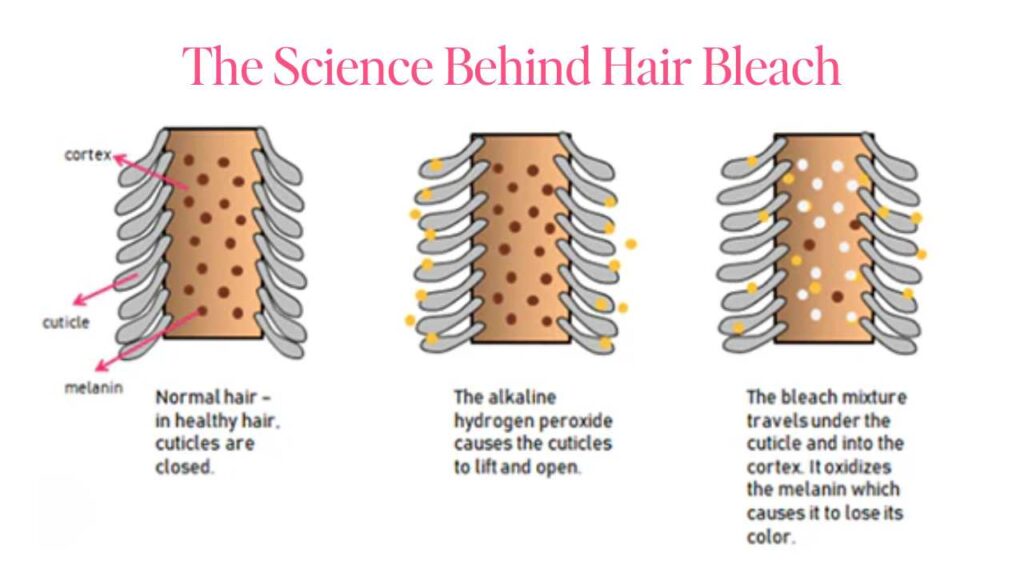
Hair bleach primarily contains hydrogen peroxide or ammonium persulfate, which are powerful oxidizing agents. These chemicals penetrate the hair shaft and break down the natural pigment, known as melanin. The bleaching process involves the oxidation of melanin molecules, which lightens the hair color. The effectiveness of bleach is influenced by its concentration and the presence of other ingredients, such as conditioners or oils, which may mitigate damage.
Stages of Hair Lightening
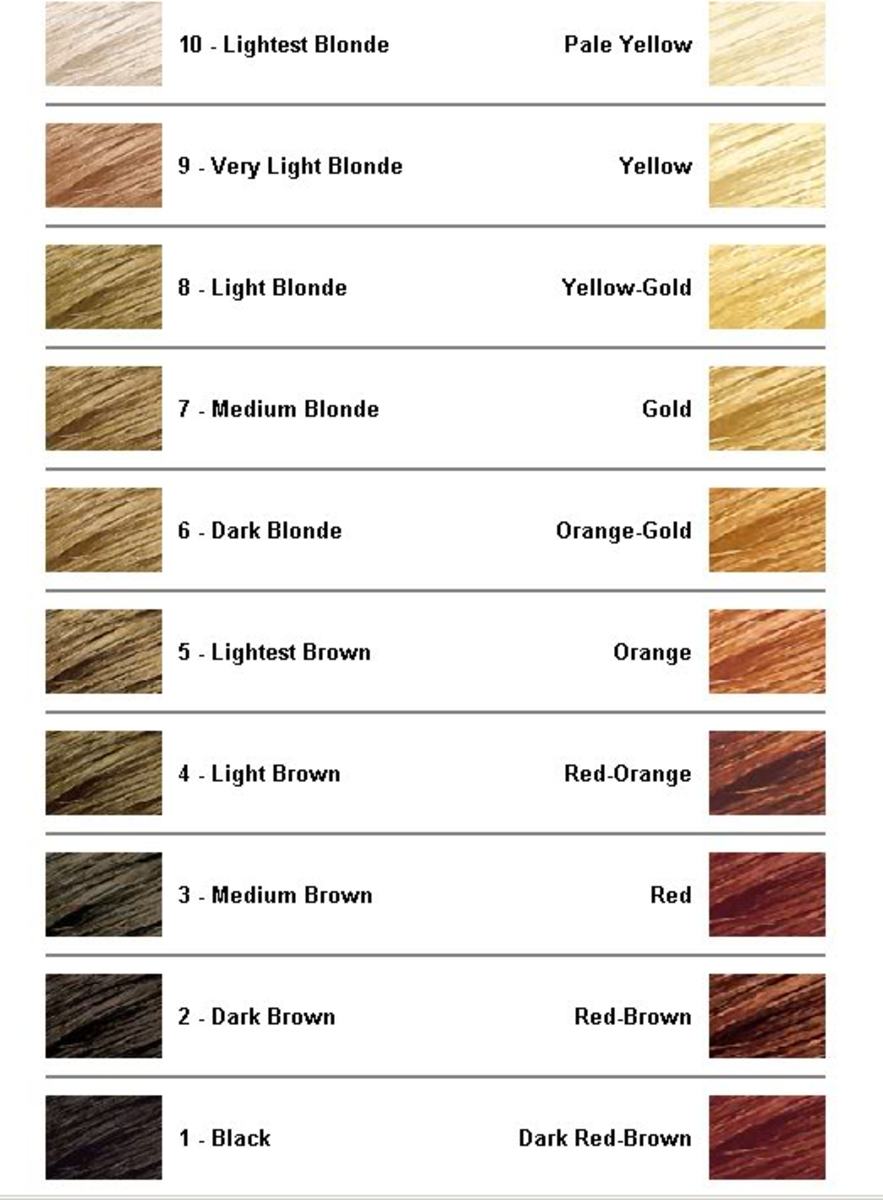
The hair lightening process can be divided into several stages, each representing a different level of brightness:
- Dark Brown to Light Brown: Typically takes around 20-30 minutes.
- Light Brown to Dark Blonde: Usually requires 30-45 minutes.
- Dark Blonde to Light Blonde: Can take 45-60 minutes.
- Light Blonde to Platinum: Generally takes 60-90 minutes.
Timing may vary based on hair type, initial color, and the desired shade. Monitoring the hair during the bleaching process is crucial to prevent over-processing.
Role of Developer Strength
Developer strength is measured in volumes, commonly ranging from 10 to 40. Each volume correlates with the amount of hydrogen peroxide present:
- 10 Volume: Minimal lift, suitable for deposit-only coloring.
- 20 Volume: Provides one to two levels of lift, commonly used for lightening.
- 30 Volume: Allows for up to three levels of lift, effective for significant lightening.
- 40 Volume: Maximum lift, suitable for very dark hair but poses a higher risk of damage.
Choosing the right developer is critical for achieving desired results while safeguarding hair integrity.
Potential Side Effects on Hair Health
Bleaching can significantly affect hair health, leading to issues such as dryness, brittleness, and breakage. The oxidation process strips moisture from the hair shaft, weakening its structure. To mitigate these effects, consider the following:
- Use a deep conditioning treatment before and after bleaching.
- Avoid overlapping bleach applications on already lightened hair.
- Limit heat styling post-bleach to reduce further damage.
Regular trims can also help maintain hair health by removing split ends and preventing further breakage.
While many believe that longer exposure to bleach results in lighter hair, this is a misconception. Over-processing can lead to severe damage and an undesirable yellow or orange tone, known as brassiness. Proper timing and monitoring are essential for achieving the desired shade without compromising hair integrity.
Practical Application
When planning to bleach hair, determine the starting hair color and desired end shade to select appropriate bleach and developer strength. Always conduct a patch test prior to application to assess sensitivity. Monitor the hair closely during the process, and follow up with intensive conditioning treatments to restore moisture and strength. Adhering to these guidelines can help achieve a successful bleaching experience while minimizing damage.
Common Mistakes to Avoid When Bleaching Hair
Bleaching hair can lead to stunning results, but several common mistakes can compromise both the outcome and hair health. This section identifies these pitfalls and offers strategies to avoid them.

Not Performing a Strand Test
One of the most critical steps before a full application is the strand test. This process involves applying bleach to a small section of hair to assess how it reacts to the product. Skipping this step can lead to unexpected results, such as uneven color or hair damage. A strand test also helps determine the appropriate processing time for your specific hair type.
Ignoring Hair Health Before Bleaching
Assessing hair health prior to bleaching is essential. Hair that is already damaged or overly processed may not withstand the harsh effects of bleach. Before starting the bleaching process, consider the following:
- Evaluate the current condition of your hair: Look for signs of breakage or excessive dryness.
- Consider pre-treatment: Use deep conditioning treatments to strengthen hair before applying bleach.
- Consult a professional: If unsure about your hair’s condition, seeking advice from a stylist can prevent further damage.
Failing to Follow Timing Guidelines
Timing is crucial when bleaching hair. Different hair types and colors require varying processing times. Failure to adhere to these guidelines can result in hair that is either not lightened adequately or overly damaged. Consider the following:
- Fine or light-colored hair typically requires shorter processing times, often between 10 to 20 minutes.
- Thicker or darker hair may need 30 to 45 minutes to achieve the desired lift.
- Always monitor the hair during the process to prevent over-processing.
Neglecting Aftercare Products
Aftercare is as important as the bleaching process itself. Using the right products post-bleaching can significantly enhance hair health and vibrancy. Essential aftercare practices include:
- Using a sulfate-free shampoo to avoid stripping color.
- Applying deep conditioning masks regularly to restore moisture.
- Incorporating leave-in conditioners or oils to protect and nourish bleached hair.
Expert Insights on Common Misconceptions
Many individuals believe that the longer bleach remains on the hair, the lighter the color will be. This misconception can lead to severe damage and breakage. In reality, each hair type reacts differently to bleach, and processing time should be determined by the hair’s response rather than a set duration. Additionally, some may think that all bleaches are created equal; however, formulations vary significantly in strength and effectiveness. Always choose a product suited for your hair type and desired outcome.
What to Do With This Information
To maximize the success of your bleaching experience, follow these actionable steps:
- Always perform a strand test before full application.
- Evaluate and prepare your hair’s health with conditioning treatments.
- Adhere strictly to timing guidelines based on your hair type.
- Invest in quality aftercare products to maintain hair health post-bleaching.
By avoiding these common mistakes, you can achieve a successful and healthy bleaching process, ensuring beautiful results while minimizing damage.
Expert Tips for Achieving the Best Bleaching Results
This section provides professional advice on mixing and applying bleach, timing strategies, product quality, and when to consider professional assistance. These insights are essential for achieving optimal results while minimizing hair damage.

Best Practices for Mixing and Applying Bleach
Mixing bleach correctly is fundamental to achieving consistent results. Use a high-quality bleach powder and developer, ensuring they are compatible. A common ratio is 1:2, bleach to developer, but refer to the product instructions for specific guidance. Apply the mixture using a tint brush for even coverage, starting from the ends of the hair and working towards the roots, as the scalp’s heat can accelerate processing. Always wear gloves to protect your skin from irritation.
Timing Strategies for Desired Shades
Timing is critical when using bleach. Here are some strategies to determine how long to leave bleach in your hair:
- Test Strand Method: Conduct a strand test by applying bleach to a small section of hair. Check the color every 5-10 minutes until the desired shade is achieved.
- Base Color Consideration: Lighter hair may require less time, while darker hair typically needs longer processing. Adjust accordingly based on the initial color.
- Visual Monitoring: Watch closely for any signs of damage or excessive lightening. If hair feels fragile or overly processed, rinse immediately.
Importance of High-Quality Products and Tools
Utilizing quality products significantly affects the bleaching process. Invest in reputable brands for bleach, developer, and aftercare products. Additionally, use professional-grade tools such as brushes, bowls, and clips to ensure precise application. Low-quality products may lead to uneven results or increased damage, so prioritize quality over cost.
When to Seek Professional Help
While DIY bleaching can be effective, certain scenarios warrant professional intervention. Consider consulting a stylist if:
- Your hair is previously colored, especially with permanent dyes.
- You have a sensitive scalp or experience allergic reactions.
- You desire a complex color or technique, such as balayage or ombre.
Seeking a professional can mitigate risks and provide superior results, particularly for intricate styles.
Beyond basic practices, many individuals overlook the significance of hair porosity in the bleaching process. Hair that is porous absorbs bleach more rapidly, resulting in quicker color changes. Conversely, low-porosity hair may resist the product, requiring extended processing time. This variability is often underestimated, leading to miscalculations in timing. Additionally, the misconception that longer processing equates to better results can lead to severe damage. Instead, prioritize monitoring the hair’s condition throughout the process.
To apply this information effectively, follow these actionable steps:
1. Gather high-quality bleach and developer, along with necessary tools.
2. Conduct a strand test to determine the appropriate timing.
3. Monitor hair closely during the bleaching process, ready to rinse when the desired shade is achieved.
4. If unsure about the results or the health of your hair, consult a professional stylist for guidance.
Frequently Asked Questions
What happens if you leave bleach in your hair too long?
Leaving bleach in your hair for too long can cause severe damage, including breakage and dryness. Over-processing can also lead to an uneven color result.
How do I know when to rinse out bleach from my hair?
Rinse out the bleach when your hair reaches the desired lightness, typically between 20 to 50 minutes. Regularly check the hair strands for color change during the process.
Is it better to bleach hair in sections?
Yes, bleaching hair in sections ensures even application and coverage. This method helps avoid missed spots and allows for better control over processing time.
How much does it cost to bleach hair at a salon?
The cost to bleach hair at a salon typically ranges from $75 to $200, depending on the salon’s location and stylist experience. Additional services, like toning or aftercare, may incur extra charges.
How long should I leave bleach in for dark hair?
For dark hair, bleach should generally be left in for 30 to 45 minutes, but this can vary based on hair type and desired lightness. Regular monitoring is essential to avoid damage.
What are the best practices for bleaching hair safely?
To bleach hair safely, perform a patch test beforehand and use a high-quality bleach product. Additionally, ensure proper aftercare with moisturizing treatments to maintain hair health.
Can I leave bleach in my hair overnight?
Leaving bleach in your hair overnight is not recommended, as it can cause significant damage and irritation. Follow the product guidelines and limit processing time to prevent harm.
What should I do after bleaching my hair?
After bleaching, rinse thoroughly with cool water and apply a deep conditioner to restore moisture. It’s also advisable to use sulfate-free shampoos and avoid heat styling for a few days.
Final Thoughts on how long do you leave bleach in your hair
Understanding the specific needs of your hair type and the science behind bleach application is crucial for achieving the desired results without compromising hair health. Leaving bleach in too long can lead to irreversible damage, while proper timing and technique can yield vibrant, beautiful color.
To ensure optimal results, conduct a strand test before full application, allowing you to gauge the appropriate processing time for your unique hair characteristics. This proactive approach minimizes the risk of damage and enhances the overall outcome.
Mastering the art of hair bleaching is essential for anyone looking to transform their look while maintaining hair integrity; informed decisions lead to stunning results.
Leave a Reply