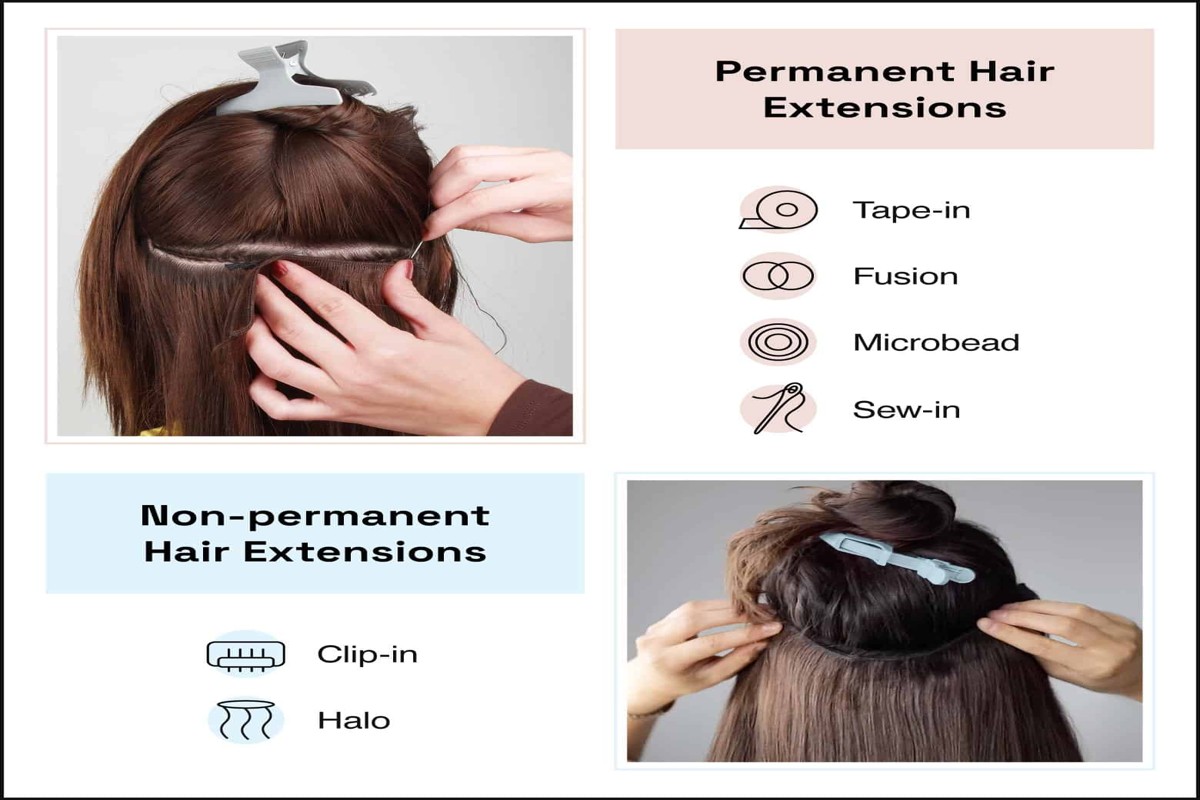
How much is it for hair extensions? The cost typically ranges from $100 to $3,000 depending on the type, length, and installation method chosen.
Understanding the cost of hair extensions is crucial for anyone considering this beauty enhancement. Misjudging the budget or overlooking important factors can lead to unexpected expenses and dissatisfaction with the final results.
This guide will detail the various factors influencing hair extension costs, including different types, lengths, installation methods, and maintenance expenses, providing a comprehensive overview for informed decision-making.
What factors affect the cost of hair extensions?
The cost of hair extensions typically ranges from $100 to over $3,000, depending on various factors. Key elements influencing the price include the type of extensions, their length, the quality of the hair, and the installation method. Understanding these factors can help in making informed decisions when considering hair extensions.
Firstly, the type of extensions plays a significant role in determining cost. There are several types, including clip-in, tape-in, sew-in, and fusion extensions. Clip-in extensions are generally the most affordable, while fusion extensions are often the most expensive due to their complex application process and longevity.
- Length: Longer extensions require more hair, which increases material costs. Typical lengths range from 14 to 30 inches, with prices escalating significantly for lengths above 20 inches.
- Quality of hair: Hair extensions can be made from synthetic or human hair. Remy human hair, which is the highest quality and offers the most natural look, costs considerably more than synthetic options.
- Installation method: Professional installation can add to the overall cost. Methods such as micro-link or sew-in require a skilled stylist, which can increase labor costs significantly.
Additionally, regional pricing variations and the salon’s reputation can also impact costs. High-end salons may charge more for their services due to their expertise and the quality of products used.
Expert Tip: When considering hair extensions, always prioritize quality over cost. Investing in higher-quality extensions can lead to better results and longer wear, ultimately saving money in the long run.
How long do hair extensions last?
Hair extensions typically last between 2 to 12 months, depending on the type and how well they are maintained. Synthetic extensions usually last 2 to 4 months, while high-quality human hair extensions can last up to a year or longer with proper care. Factors such as installation method, hair type, and maintenance routines significantly affect their longevity.
The lifespan of hair extensions varies primarily based on their type. Synthetic hair extensions are less durable and generally last only 2 to 4 months. They are made from artificial fibers and cannot withstand high heat or extensive styling. In contrast, human hair extensions, especially those made from Remy or virgin hair, can last anywhere from 6 to 12 months. Proper maintenance, including regular washing, conditioning, and minimal heat exposure, can extend their life significantly.
Installation method also plays a crucial role in how long hair extensions last. Clip-in extensions can last for years if stored correctly and used sparingly, as they are not attached permanently. On the other hand, methods like keratin bonds or micro-links may last longer when professionally installed but require regular maintenance visits every 6 to 8 weeks to ensure they remain secure and do not damage the natural hair.
Additionally, individual factors such as hair care routines and lifestyle can impact extension longevity. High-activity lifestyles may lead to quicker wear, while diligent care can maximize the lifespan of extensions. Using protective hairstyles and appropriate products is essential for maintaining both the extensions and natural hair health.
Expert Tip: To prolong the life of hair extensions, consider using sulfate-free shampoos and conditioners, and limit exposure to chlorine and saltwater. Proper storage of clip-ins when not in use can also significantly enhance their durability.
What are the best types of hair extensions?
There are several types of hair extensions, each offering unique benefits and drawbacks. The best option depends on hair type, desired style, and budget. Key types include clip-in, tape-in, sew-in, and fusion extensions.
Clip-in extensions are temporary and can be applied or removed easily. They are ideal for those seeking versatility without commitment. Pros include ease of use and minimal damage to natural hair. However, they may not blend well with all hair types and can slip out if not secured properly.
Tape-in extensions are semi-permanent and are attached using adhesive strips. They are lightweight and lay flat against the scalp, making them less noticeable. The installation process is quicker than sew-in extensions, and they can last several weeks with proper care. A downside is that they may require professional application and can cause damage if not removed correctly.
- Sew-in (Weave) Extensions: These extensions are sewn into braids of natural hair. They provide a secure and durable option, suitable for thicker hair types. However, they can be heavy and may cause tension on the scalp, leading to discomfort or hair loss if not installed properly.
- Fusion Extensions: These extensions are bonded to natural hair using a keratin adhesive. They offer a natural look and can last several months with proper care. The downside is the lengthy application process and potential heat damage during installation and removal.
- Micro-link Extensions: Also known as micro-bead or strand-by-strand extensions, these are attached using small beads that clamp onto natural hair. They are reusable and allow for movement, but can be time-consuming to apply and may lead to tangling if not managed properly.
Choosing the right type of hair extension requires considering individual hair texture, lifestyle, and maintenance preferences. Consulting with a professional stylist can provide tailored advice to ensure the best outcome.
Expert tip: Always prioritize quality when selecting hair extensions. High-quality, 100% Remy human hair extensions will blend better and last longer than synthetic alternatives, ultimately providing a more natural look.
Are hair extensions worth the cost?
Hair extensions can be worth the cost depending on individual needs and preferences. While they can enhance appearance and offer versatility, the financial commitment may not suit everyone. Evaluating both the benefits and the associated costs is crucial for making an informed decision.
Hair extensions provide various advantages, including instant length and volume, the ability to change hairstyles without permanent alterations, and improved confidence for many users. For those who frequently experiment with different looks, extensions can save time and effort compared to traditional styling methods. However, the initial investment can be substantial, with high-quality extensions and professional installation averaging from $300 to over $2,000, depending on the type and length chosen.
Key differences in hair extension options include the type (synthetic vs. human hair), method of application (clip-in, tape-in, fusion, etc.), and maintenance requirements. Each option has distinct cost implications:
- Synthetic Hair Extensions: Typically more affordable, ranging from $50 to $200, but may not offer the same longevity or natural appearance as human hair.
- Human Hair Extensions: Higher cost, generally between $200 and $1,500, providing a more natural look and longer lifespan when properly cared for.
- Application Methods: Clip-in extensions are the least expensive and easiest to use ($50-$300), while professional installations like fusion or micro-link can significantly increase costs ($500-$2,000).
While hair extensions can be a valuable addition to one’s beauty routine, they require ongoing maintenance and care, which can add to overall expenses. Additionally, the choice of type and application method can significantly affect both the upfront and long-term costs. Weighing these factors against personal preferences and lifestyle is essential.
Expert Tip: Consider consulting with a professional stylist to assess which type of hair extensions best suit your hair type and lifestyle, as this can lead to a more satisfying and cost-effective investment.
How to care for hair extensions?
Caring for hair extensions is essential for maintaining their quality and longevity. Proper maintenance ensures they remain vibrant and tangle-free, allowing you to enjoy your investment for a longer period. Adopting a routine tailored to the type of extensions you have can significantly enhance their appearance.
- Brush regularly: Use a wide-tooth comb or a specialized extension brush to detangle hair extensions daily. Start from the tips and work your way up to prevent breakage.
- Wash gently: Clean your extensions using sulfate-free shampoo and conditioner. Avoid vigorous scrubbing; instead, gently lather and rinse to maintain the hair’s integrity.
- Dry properly: Air-drying is the best method for extensions, as heat can cause damage. If you must use a blow dryer, apply a heat protectant and use the lowest heat setting.
- Limit heat styling: Minimize the use of hot tools such as straighteners and curling irons. When styling is necessary, always apply a heat protectant spray to shield the hair from damage.
- Store correctly: When not in use, store your extensions in a cool, dry place, preferably in a silk or satin bag. This prevents tangles and keeps them in pristine condition.
- Avoid chlorine and saltwater: If swimming, protect your extensions by wearing a swim cap or applying a leave-in conditioner. Chlorine and saltwater can lead to dryness and tangling.
Regular maintenance and following these specific care tips can extend the life of hair extensions considerably. Different types may require tailored approaches, so always consult the manufacturer’s guidelines for optimal care.
Expert Tip: Consider using a leave-in conditioner or hair oil specifically formulated for extensions to keep them hydrated and manageable without weighing them down. This can significantly enhance their shine and softness, making them look more natural.
What is the average price for different types of hair extensions?
The average price for hair extensions varies significantly based on the type. Clip-in extensions typically range from $100 to $300, while sew-in extensions average between $200 and $800. Tape-in extensions usually cost around $200 to $600, depending on quality and length.
Several factors influence the cost of hair extensions. First, the type of extension plays a crucial role. Clip-ins are generally more affordable because they do not require professional installation. Sew-in extensions necessitate a stylist’s expertise and more time, thus increasing the cost. Tape-ins, while also requiring professional application, often use high-quality materials that can drive up the price.
- Material Quality: Human hair extensions tend to be more expensive than synthetic options. Remy human hair, which retains the cuticle, offers a more natural look and feel, further elevating the price.
- Length and Volume: Longer and thicker extensions cost more. Prices typically increase with additional inches or grams of hair.
- Brand Reputation: Established brands with a proven track record may charge higher prices due to perceived quality and customer service.
Additionally, the geographic location of the salon can impact pricing. Urban areas often have higher labor costs, which may reflect in the price of extensions and their installation. It’s also essential to consider ongoing maintenance costs, as some types of extensions require regular touch-ups or replacements.
Expert Tip: When selecting hair extensions, prioritize quality over price. Investing in higher-quality extensions can save money in the long run due to their durability and natural appearance.
How do I choose the right hair extensions for my hair type?
Choosing the right hair extensions involves assessing your natural hair texture, color, and desired style. The ideal extensions will seamlessly blend with your hair, enhancing your overall look while maintaining its integrity. Consider these factors to make an informed decision.
- Assess your hair texture: Determine if your hair is straight, wavy, curly, or coily. Different extension types, such as clip-ins or wefts, may perform better depending on how well they match your natural texture.
- Select the right color: Choose extensions that closely match your hair color for a natural appearance. If you have highlights or lowlights, consider extensions that incorporate similar shades to enhance depth and dimension.
- Consider the length: Decide how long you want your extensions to be. Keep in mind that longer extensions may require more maintenance and styling to blend well with your natural hair.
- Evaluate the method of application: Different installation methods, such as tape-in, sew-in, or fusion, offer various benefits. Choose a method that suits your lifestyle and hair health, as some techniques may cause more damage than others.
- Think about your lifestyle: Your daily activities should influence your choice. If you lead an active lifestyle, opt for extensions that are secure and low-maintenance.
Extensions can vary significantly in quality, so it’s essential to invest in reputable brands that offer 100% human hair for the most natural look and feel. Regular care and maintenance will also extend the life of your extensions and keep them looking vibrant.
Expert Tip: Always consult with a professional stylist before making a purchase. They can provide personalized recommendations based on your hair’s unique characteristics and your desired outcome.
Can I install hair extensions myself?
Yes, you can install hair extensions yourself, but it requires specific skills and knowledge. DIY installation can be cost-effective, but it may not yield professional results without proper training. Consider your experience level and the type of extensions before proceeding.
- Choose the Right Type of Extensions: Different types of hair extensions, such as clip-ins, tape-ins, or micro-links, have varying levels of difficulty for self-installation. Clip-in extensions are generally the easiest for beginners.
- Gather Necessary Tools: Before starting, ensure you have all required tools, including a comb, hair clips, scissors, and any adhesive materials if applicable. Having the right tools will streamline the installation process.
- Prepare Your Hair: Start with clean, dry hair. Brush out any tangles and section your hair to make the installation process more manageable. Proper preparation helps achieve a seamless look.
- Follow Installation Instructions: Carefully follow the manufacturer’s instructions for your chosen type of extensions. Each method has specific steps that must be adhered to for the best results.
- Practice and Adjust: After installing the extensions, practice styling them to blend with your natural hair. Make adjustments as necessary to ensure they look natural and secure.
While DIY installation is possible, it requires patience and practice. Professional application typically offers superior results, especially for methods like tape-ins or sew-ins that are more complex and require precise technique.
Expert Tip: If considering DIY installation, watch tutorial videos specific to your extension type to familiarize yourself with techniques. This preparation can significantly improve your chances of achieving a natural-looking result.
Understanding Different Types of Hair Extensions
This section explores the various types of hair extensions available, each with unique characteristics and applications. Understanding these distinctions is essential for selecting the right type based on individual needs and preferences.

Clip-In Extensions
Clip-in extensions are a popular choice for those seeking a temporary solution. These extensions are designed for easy application and removal, allowing users to change their hairstyle in minutes. Typically made from human or synthetic hair, clip-ins come in various lengths and colors, enabling customization to match the wearer’s natural hair.
- Application Time: 5-10 minutes
- Longevity: Reusable with proper care
- Best For: Occasional use, events, or experimenting with different looks
Sew-In Extensions
Sew-in extensions, also known as weaves, provide a long-lasting solution that requires professional installation. These extensions are attached to braids of natural hair using a needle and thread, creating a secure bond. The process can take several hours, depending on the desired fullness and length.
- Application Time: 2-4 hours
- Longevity: 6-8 weeks with proper maintenance
- Best For: Individuals seeking a durable option for daily wear
Tape-In Extensions
Tape-in extensions offer a semi-permanent solution that provides a natural look. These extensions feature adhesive strips that are applied to sections of natural hair. The installation process is relatively quick and does not require any tools, making it less damaging than some other methods.
- Application Time: 30-60 minutes
- Longevity: 6-8 weeks before needing repositioning
- Best For: Those who desire a seamless blend with their natural hair
Fusion Extensions
Fusion extensions involve a more complex application process where individual strands of hair are bonded to natural hair using a keratin adhesive. This method results in a seamless and natural appearance, making it ideal for individuals looking for a long-term solution.
- Application Time: 3-6 hours
- Longevity: 3-6 months with proper care
- Best For: Those seeking a permanent option with a high degree of styling versatility
Choosing the right type of hair extension often hinges on personal lifestyle and hair goals. Common misconceptions include the belief that all extensions are damaging; however, proper installation and care can mitigate potential harm. Additionally, many assume that clip-in extensions are only for temporary use, but they can also serve longer-term styling needs when maintained properly.
To make the most informed decision regarding hair extensions, evaluate the following:
- Determine your desired length and volume.
- Assess your lifestyle, including how often you are willing to maintain the extensions.
- Consult with a professional stylist to discuss the best options for your hair type and budget.
By understanding the different types of hair extensions, you can confidently explore options that align with your aesthetic goals and maintenance preferences. This knowledge equips you to ask the right questions and make informed choices, ultimately enhancing your hairstyling experience.
Cost Breakdown: What to Expect
This section provides a detailed analysis of the costs associated with various hair extension types, including installation and maintenance. Understanding these costs is essential for making informed decisions about hair extensions.
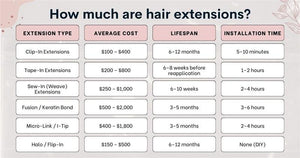
Average Costs for Each Type of Hair Extension
Hair extensions come in various types, each with distinct pricing structures. The following are average costs for popular types:
- Clip-in extensions: $100 to $300 for a full set, depending on the quality and length.
- Tape-in extensions: $200 to $600, with the cost influenced by hair quality and salon reputation.
- Micro-link extensions: $300 to $800, as the installation process is labor-intensive.
- Fusion extensions: $600 to $2,000, reflecting the complexity and longevity of the installation.
- Weft extensions: $200 to $500, plus additional costs for installation if sewn in.
Installation Costs: Salon vs. DIY
Installation costs vary significantly between professional salon services and DIY methods.
- Salon installation: Ranges from $100 to $500, depending on the type of extension and stylist expertise.
- DIY installation: Costs may be minimal, often limited to purchasing installation tools and products, totaling $30 to $100. However, this method requires skill and practice.
Ongoing Maintenance Costs and Frequency
Regular maintenance is essential for preserving the integrity and appearance of hair extensions. The following outlines typical maintenance costs:
- Clip-in extensions: Minimal maintenance; cleaning and storage are usually sufficient.
- Tape-in extensions: Requires reapplication every 6 to 8 weeks, costing $100 to $300 per session.
- Micro-link and fusion extensions: Need adjustment every 6 to 10 weeks, with costs ranging from $150 to $400.
- Weft extensions: Require tightening approximately every 6 to 8 weeks, costing $100 to $200.
Potential Hidden Costs to Be Aware Of
Several hidden costs may arise when investing in hair extensions:
- Hair care products: Specialized shampoos, conditioners, and serums can add $50 to $150 annually.
- Removal fees: Some salons charge for removal, typically $50 to $150.
- Color matching: If color adjustments are necessary, this may incur additional salon costs.
Nuance / Expert Layer
Many consumers underestimate the long-term financial commitment associated with hair extensions. While initial costs may appear manageable, ongoing maintenance, replacement, and care can lead to substantial cumulative expenses. Additionally, misconceptions abound regarding DIY installations; many believe they can easily replicate salon results, but improper application can result in damage to natural hair and increased long-term costs.
Practical Application
To effectively budget for hair extensions, consider the following steps:
- Research the type of hair extensions that suit your lifestyle and budget.
- Factor in both installation and maintenance costs to understand the total investment.
- Consult with a professional stylist to assess the best options for your hair type.
- Allocate funds for potential hidden costs to avoid surprises.
By assessing these elements, individuals can make informed decisions regarding how much it is for hair extensions and how to manage ongoing expenses effectively.
Common Mistakes to Avoid When Choosing Hair Extensions
Choosing the right hair extensions requires careful consideration to avoid costly errors. This section outlines common pitfalls that can lead to dissatisfaction and impact both the look and health of your natural hair.

Choosing the Wrong Hair Type for Your Texture
Selecting hair extensions that do not match your natural hair texture can result in an unnatural appearance. Common hair types include straight, wavy, and curly. Extensions made from synthetic fibers may not blend well with natural hair, leading to noticeable differences. Opt for human hair extensions when possible, as they offer more versatility in styling and better compatibility with your natural texture.
Ignoring Maintenance Requirements
Different hair extensions come with varying maintenance needs, which can affect both your time and budget. Key maintenance factors include:
- Washing frequency: Synthetic extensions often require less frequent washing, while human hair extensions may need regular cleansing to maintain their luster.
- Styling methods: Some extensions can withstand heat styling, while others may be damaged by high temperatures.
- Product compatibility: Certain hair products may not be suitable for specific extension types.
Understanding the maintenance requirements upfront can prevent frustration and additional costs.
Not Considering the Impact on Natural Hair Health
Extensions can place stress on natural hair if not applied or cared for properly. Heavy or improperly attached extensions can lead to traction alopecia, a condition caused by pulling on the hair follicles. To mitigate risks, consider the following:
- Weight: Choose lighter extensions to reduce strain on your natural hair.
- Application method: Seek professional application techniques, such as tape-in or micro-link extensions, which can minimize damage.
- Duration: Avoid leaving extensions in for extended periods without breaks.
Prioritizing hair health will ensure longevity and reduce the likelihood of damage.
Overlooking Color Matching for a Natural Look
Color matching is essential for achieving a seamless blend between extensions and natural hair. Failing to match shades can lead to an obvious contrast that detracts from the overall aesthetic. Consider these tips for effective color matching:
- Consult a professional: Stylists can help identify the best shade that complements your hair.
- Test swatches: Always test hair swatches under different lighting conditions before making a final decision.
- Consider highlights and lowlights: Extensions that incorporate multiple tones can provide a more natural look.
Beyond these common mistakes, many individuals underestimate the importance of researching different brands and types of extensions. Not all extensions are created equal; factors such as origin, processing methods, and ethical sourcing can significantly impact quality. For example, Remy hair extensions are often considered superior due to their cuticle alignment, providing a more natural appearance and longer lifespan.
To avoid costly decisions when selecting hair extensions, follow these actionable steps:
- Assess your natural hair texture and choose compatible extension types.
- Understand the maintenance requirements associated with your chosen extensions.
- Prioritize the health of your natural hair when selecting application methods.
- Invest time in color matching for a cohesive look.
By taking these steps, you can ensure a more satisfying and successful hair extension experience.
Expert Tips for Maintaining Hair Extensions
Proper maintenance of hair extensions is essential for longevity and appearance. This section provides expert insights on products, techniques, and routines to ensure extensions remain in optimal condition.

Best Products for Cleaning and Conditioning Extensions
Using the right products can significantly enhance the lifespan of hair extensions. Choose sulfate-free shampoos and conditioners specifically designed for extensions. These products help maintain moisture without stripping natural oils. Recommended brands include:
- Olaplex No. 4 & 5 – Known for restoring the internal strength of hair.
- Pureology Hydrate Shampoo and Conditioner – Provides hydration while being color-safe.
- Moroccanoil Moisture Repair Shampoo & Conditioner – Infuses hair with nutrients and moisture.
Techniques for Styling Without Damage
Styling hair extensions requires careful techniques to prevent damage. Follow these guidelines:
- Use a wide-tooth comb to detangle hair gently, starting from the ends.
- Limit heat styling. When necessary, apply a heat protectant and use tools on low settings.
- Avoid tight hairstyles that pull on the roots, which can lead to slippage or breakage.
Regular Maintenance Routines to Follow
Establishing a routine is vital for maintaining hair extensions. Key practices include:
- Wash extensions every 1-2 weeks to prevent product buildup.
- Deep condition every 2-4 weeks to restore moisture and elasticity.
- Trim extensions every 6-8 weeks to eliminate split ends and maintain shape.
When to Seek Professional Help for Maintenance
Professional maintenance can prolong the life of hair extensions. Schedule an appointment if:
- Extensions appear dull or lifeless despite at-home care.
- There is noticeable slippage or damage to the bonds.
- Styling becomes increasingly difficult due to tangling or matting.
Common misconceptions include the belief that all hair extensions require the same care. In reality, the type of extensions—be it tape-in, sew-in, or clip-in—dictates specific care needs. For instance, tape-in extensions may require more gentle handling during washing compared to sew-in types.
To apply this information effectively, create a personalized maintenance schedule. Select suitable products tailored to your hair type and the specific extensions you use. Implement the styling techniques to prevent damage, and consult a professional when necessary. Regular attention will ensure your investment in hair extensions remains worthwhile, enhancing both their appearance and durability.
Frequently Asked Questions
What factors affect the cost of hair extensions?
The cost of hair extensions is influenced by factors such as the type of hair used, the method of application, and the length and volume desired. Additionally, salon location and stylist expertise can also impact pricing.
How long do hair extensions last?
Hair extensions can last anywhere from 2 to 12 months, depending on the type and care. Remy human hair extensions typically have a longer lifespan compared to synthetic options.
What are the best types of hair extensions?
The best types of hair extensions include clip-ins, tape-ins, and sew-ins, with Remy human hair being the most recommended for a natural look. The choice depends on individual preferences and hair type.
Are hair extensions worth the cost?
Hair extensions can be worth the cost for those seeking versatility and enhanced volume or length. Their value often reflects the quality of the hair and the application method chosen.
How to care for hair extensions?
Caring for hair extensions involves using sulfate-free shampoos, avoiding excessive heat styling, and regularly moisturizing them. Proper maintenance is crucial to prolong their lifespan and maintain appearance.
What is the average price for different types of hair extensions?
The average price for hair extensions varies: clip-ins can range from $100 to $300, tape-ins from $200 to $600, and sew-ins can cost between $300 and $800. Prices depend on the quality and length of the extensions.
How do I choose the right hair extensions for my hair type?
Choosing the right hair extensions involves considering your hair texture, thickness, and desired style. Consulting with a professional stylist can help determine the best match for your natural hair.
Can I install hair extensions myself?
While some types of hair extensions, like clip-ins, can be easily installed at home, others, such as tape-ins or sew-ins, require professional application for optimal results. DIY installation may lead to improper placement or damage to natural hair.
Final Thoughts on how much is it for hair extensions
The investment in hair extensions is substantial, influenced by factors such as type, application method, and maintenance requirements. Understanding these elements not only aids in making informed decisions but also ensures that the chosen hair extensions align with personal expectations and lifestyle.
To navigate the complexities of hair extension costs effectively, consult with a licensed stylist who specializes in hair extensions. This expert can provide tailored advice based on your hair type, desired look, and budget, ensuring a satisfactory experience.
Choosing quality hair extensions is not just about aesthetics; it reflects a commitment to self-care and personal expression, making it a significant decision in one’s beauty regimen.
Leave a Reply