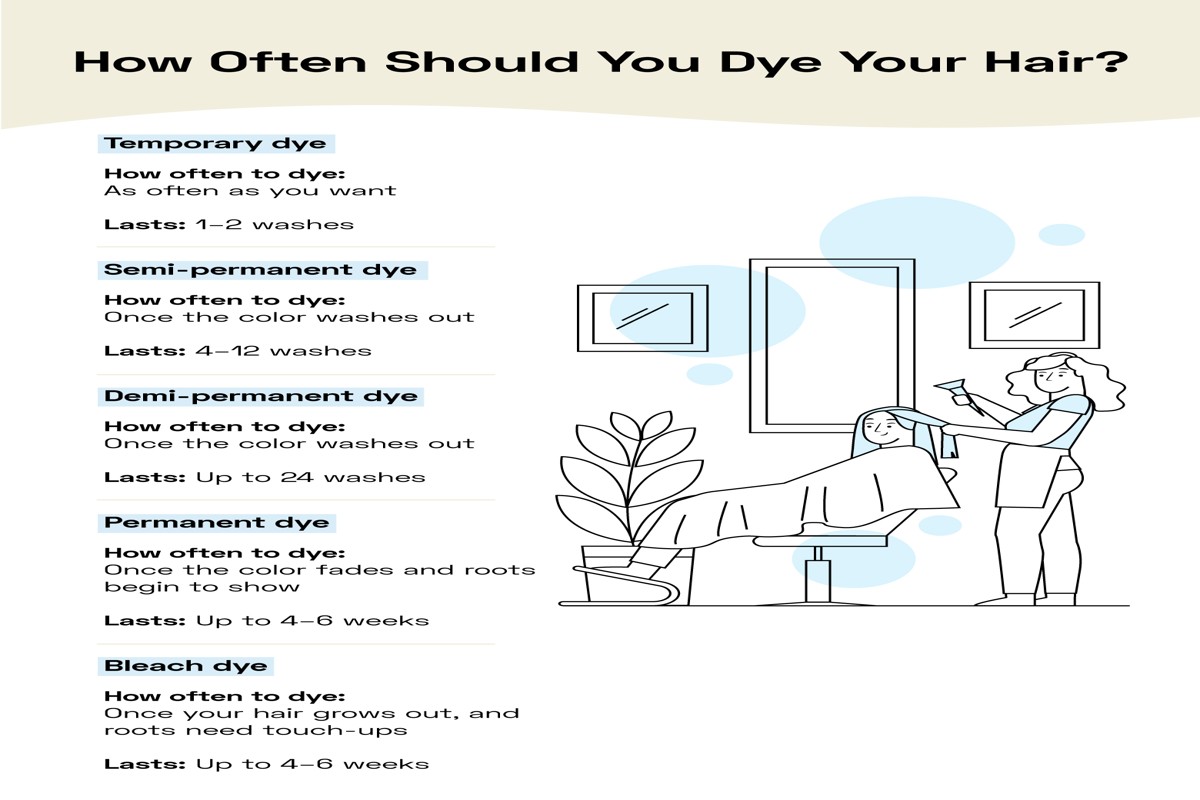
How often can you dye your hair? You can typically dye your hair every 4 to 6 weeks, but it’s important to consider hair health and type before dyeing.
Understanding how often to dye your hair is crucial for maintaining its health and vibrancy. Overly frequent dyeing can lead to damage, breakage, and an unhealthy appearance, making it essential for individuals who regularly color their hair to grasp these guidelines.
This article provides a comprehensive overview of safe dyeing practices, factors influencing dye frequency, and tips for maintaining hair health between applications.
How often can you dye your hair without damaging it?
Typically, hair can be dyed every 4 to 6 weeks without significant damage, depending on hair type and dye formulation. Factors such as the condition of the hair, the type of dye used, and the desired color change can affect this frequency.
To maintain hair health while coloring, consider the following best practices:
- Assess Hair Type: Fine or damaged hair may require longer intervals, such as 6 to 8 weeks, to recover between dye sessions. Coarse or thicker hair can often handle more frequent applications, around every 4 to 6 weeks.
- Choose Gentle Formulas: Use semi-permanent or ammonia-free dyes to minimize damage. These formulations are less harsh and allow more frequent coloring without compromising hair integrity.
- Incorporate Conditioning Treatments: Regularly use deep conditioning masks or treatments to restore moisture and repair damage. This practice can help offset the drying effects of dyeing.
- Limit Color Changes: Avoid drastic color changes, such as going from dark to light, frequently. Such processes typically involve bleaching, which can severely weaken hair and increase breakage risk.
- Monitor Scalp and Hair Health: Pay attention to signs of damage, such as excessive dryness or breakage. If these occur, extend the time between dye applications and consult a professional for advice.
Regular trims can also help maintain hair health. Even when using color, removing split ends will improve overall appearance and texture.
For optimal results, consider consulting with a professional stylist who can tailor recommendations based on individual hair characteristics and goals. This personalized approach can prevent damage while achieving desired color outcomes.
What are the risks of dyeing your hair too often?
Dyeing your hair too frequently can lead to various risks, including dryness, breakage, and scalp irritation. Overexposure to chemicals in hair dye can compromise hair health and overall scalp condition. These issues often result from the cumulative effects of repeated dye applications without adequate recovery time.
One significant risk associated with frequent hair dyeing is dryness. Hair dyes contain harsh chemicals that strip the hair of its natural moisture, leading to brittle strands that are prone to breakage. This is particularly true for permanent dyes, which lift the hair cuticle to deposit color. Over time, this can result in a lack of shine and an unhealthy appearance.
Breakage is another major concern. Repeated dyeing can weaken hair structure, making it more susceptible to damage from styling tools and environmental factors. When hair becomes excessively porous due to chemical treatments, it loses elasticity, increasing the risk of split ends and overall hair loss.
- Scalp irritation: The chemicals in hair dyes can irritate the scalp, causing redness, itching, or even allergic reactions. This risk is heightened with frequent application, particularly for those with sensitive skin.
- Color fading: Dyeing hair too often can also lead to uneven color and fading. Hair that has been previously colored may not hold new dye as effectively, requiring more frequent touch-ups.
- Increased maintenance: The more often hair is dyed, the more time and money are spent on upkeep. This can lead to a cycle of over-processing and further damage.
To mitigate these risks, consider extending the time between dye applications and utilizing deep conditioning treatments. Additionally, opting for semi-permanent dyes or natural alternatives can reduce chemical exposure while still allowing for color changes.
Expert Tip: Incorporate regular protein treatments into your hair care regimen to help strengthen hair and reduce the effects of chemical damage from frequent dyeing.
Can you dye your hair at home or should you go to a salon?
Dyeing hair can be done at home or at a salon, each option presenting distinct advantages and disadvantages. Home dyeing offers convenience and cost savings, while salon services provide professional expertise and potentially superior results. The choice largely depends on individual skill levels, desired outcomes, and budget considerations.
Home dyeing is often more affordable, with boxed hair color kits widely available for purchase. This option allows for flexibility in scheduling and can be a quick solution for those needing a touch-up. However, the results can vary significantly based on the user’s experience and the complexity of the desired color. Mistakes, such as uneven application or incorrect shade selection, can lead to unfavorable outcomes that may require professional correction.
On the other hand, visiting a salon ensures access to trained professionals who can assess hair type, condition, and desired results. Salon services typically yield more consistent and vibrant colors, especially for complex techniques like balayage or highlights. While the financial investment is higher, the expertise of a stylist can mitigate risks associated with hair damage or color mishaps. Below is a comparison of the two options:
- Cost: Home dyeing is generally cheaper than salon services.
- Results: Salons usually provide superior results due to professional techniques.
- Convenience: Home dyeing allows for scheduling flexibility, while salons require appointments.
- Expertise: Hairdressers can tailor color choices and techniques to individual needs.
For individuals with little experience or those seeking dramatic color changes, salon services are often recommended. Conversely, those comfortable with DIY methods can successfully maintain their color at home with proper techniques and products.
Expert Tip: When dyeing at home, always perform a patch test to avoid allergic reactions and conduct a strand test to gauge the final color outcome before applying it to the entire head.
How long should you wait between hair dyeing sessions?
You should generally wait between 4 to 6 weeks between hair dyeing sessions. This timeframe allows the hair to recover and minimizes damage from repeated chemical exposure. However, specific factors such as hair type, dye used, and overall hair health can influence this recommendation.
The type of hair dye significantly affects how often you can dye your hair. For example, permanent hair dyes typically require a longer wait time due to their lasting effects, while semi-permanent or temporary dyes may allow for more frequent applications. Additionally, if your dyeing process involves bleaching, it is advisable to extend the waiting period to at least 8 weeks to prevent excessive damage.
Hair type is another crucial factor. Individuals with fine or damaged hair may need to wait longer than those with thick or healthy hair. Fine hair is more susceptible to breakage, meaning a longer recovery time is essential after dyeing. Furthermore, the condition of the scalp plays a significant role; if irritation or sensitivity occurs, it may be necessary to delay further dyeing until the scalp heals.
Practical Implications
Regularly assessing hair health is vital when considering how often to dye. Incorporating deep conditioning treatments and avoiding heat styling between dye sessions can enhance hair resilience. Monitoring for signs of damage, such as split ends or excessive dryness, is also essential in determining the appropriate waiting period.
For optimal results, consult with a professional stylist who can assess hair condition and recommend a personalized timeline. This approach ensures that the hair retains its integrity while achieving desired color results.
Experts recommend using color-safe shampoos and conditioners to maintain vibrancy and minimize damage between dye sessions. Regular trims can also help remove damaged ends, promoting healthier hair growth and enhancing overall appearance.
What is the best hair dye for frequent use?
The best hair dye for frequent use is typically a semi-permanent or ammonia-free product designed to minimize damage. Brands such as Wella Color Charm and L’Oréal Paris Colorista offer formulations that are gentler on the hair, making them suitable for more regular application. These products provide vibrant color while maintaining hair integrity.
For instance, consider a scenario where an individual desires to refresh their color every four to six weeks. Using a semi-permanent dye like the Wella Color Charm can be beneficial. This product offers a wide range of shades and is designed to gradually fade over time, which helps in reducing the harshness of color application. Additionally, the absence of ammonia in these formulations means less risk of dryness and breakage, allowing for a healthier hair condition even with frequent dyeing.
Moreover, it’s essential to incorporate a strong hair care routine alongside any dyeing regimen. Using sulfate-free shampoos and deep conditioning treatments can further protect the hair from damage. Regular trims also help maintain hair health, minimizing split ends and promoting a fresher appearance. For those who dye their hair frequently, products that include nourishing ingredients such as argan oil or keratin can provide extra moisture and strength, enhancing overall hair quality.
Expert Tip: When selecting a hair dye for frequent use, always perform a patch test and consider consulting a professional stylist who can recommend specific products tailored to your hair type and condition.
How can you maintain hair health while dyeing frequently?
Maintaining hair health while frequently dyeing requires a strategic approach to care and treatment. Implementing a routine that focuses on hydration, minimizing damage, and using quality products is essential. By following specific practices, individuals can keep their hair vibrant and resilient despite regular coloring.
- Use sulfate-free shampoos: Opt for shampoos that do not contain sulfates, as these can strip color and moisture from dyed hair. A gentle, sulfate-free formula will help retain the vibrancy of the color while cleansing the scalp.
- Incorporate deep conditioning treatments: Regularly use deep conditioning masks or treatments designed for color-treated hair. These products will help restore moisture and repair any damage caused by the dyeing process.
- Limit heat styling: Reduce the use of heat styling tools such as blow dryers, straighteners, and curling irons. Excessive heat can exacerbate damage and dryness, so consider air-drying or using heat-protectant products when styling is necessary.
- Schedule regular trims: Regularly trimming the hair every 6-8 weeks can help eliminate split ends and keep the hair looking healthy. This practice prevents damage from traveling up the hair shaft.
- Choose quality hair dyes: Select professional-grade hair dyes that are less damaging to the hair. Products with nourishing ingredients can provide better results while minimizing harm.
- Stay hydrated and maintain a healthy diet: Consuming a balanced diet rich in vitamins and minerals, particularly those that support hair health like biotin, zinc, and omega fatty acids, will positively impact overall hair condition.
Incorporating these practices into a hair care routine can significantly mitigate damage from frequent dyeing. Regular maintenance and mindful choices will ensure that hair remains healthy and vibrant, regardless of how often it is colored.
Expert Tip: Consider using a color-depositing conditioner between dye sessions. This product not only refreshes your color but also conditions your hair, providing both vibrancy and moisture without the need for frequent chemical applications.
Is it safe to dye your hair during pregnancy?
Dyeing hair during pregnancy is generally considered safe, especially after the first trimester. Most hair dyes contain low levels of chemicals, and studies have not shown significant risks to the developing fetus. However, many experts recommend caution and suggest waiting until the second trimester to minimize exposure.
There are several factors to consider when deciding whether to dye hair during pregnancy:
- Type of Dye: Semi-permanent and temporary hair dyes are typically safer than permanent dyes, which contain stronger chemicals.
- Application Method: Using techniques that limit scalp exposure, such as highlights or balayage, can reduce the absorption of chemicals.
- Ventilation: Ensure the area where dyeing occurs is well-ventilated to minimize inhalation of fumes.
Pregnant women should also consider their individual health conditions and any allergies they may have. Consulting with a healthcare provider before using hair dye can provide personalized guidance. Additionally, patch testing the dye on a small area of skin is advisable to check for allergic reactions, which can be heightened during pregnancy.
Expert Tip: If concerned about chemical exposure, opting for natural hair dye alternatives, such as henna, may be a safer choice. Always prioritize personal comfort and health when making decisions regarding hair care during pregnancy.
What should you do if your hair is damaged from dyeing?
If your hair is damaged from dyeing, immediate action is required to restore its health. Follow a systematic approach to repair the damage, focusing on moisture restoration, gentle handling, and nourishing treatments.
- Assess the Damage: Examine your hair for signs of damage such as brittleness, split ends, and excessive dryness. Identifying the severity determines the appropriate treatment plan.
- Stop Chemical Treatments: Avoid further dyeing or chemical processes until your hair recovers. Give your hair a break to prevent exacerbating the damage.
- Use Moisturizing Products: Opt for sulfate-free shampoos and deep conditioning treatments rich in proteins and moisture. Look for ingredients like keratin, argan oil, and shea butter to help replenish lost hydration.
- Incorporate Regular Hair Masks: Apply nourishing hair masks once a week to restore moisture and strength. Masks with natural oils or avocado can significantly improve hair texture and elasticity.
- Limit Heat Styling: Reduce the use of heat styling tools such as blow dryers, straighteners, and curling irons. If styling is necessary, always use a heat protectant spray.
- Trim Your Hair: Schedule regular trims to remove split ends and prevent further breakage. Cutting off damaged sections promotes healthier growth.
- Hydrate and Nourish: Maintain hydration by drinking plenty of water and consuming a balanced diet rich in vitamins. Foods high in omega-3 fatty acids can also enhance hair health.
Consistency is key in restoring damaged hair. Implement these steps diligently to achieve optimal results, and consider consulting a professional for personalized advice.
Expert Tip: Incorporate a leave-in conditioner into your daily routine for ongoing hydration and protection. This can act as a barrier against environmental damage and keep your hair looking healthy and vibrant.
Understanding Hair Types and Their Response to Dyeing
This section delves into how various hair types react to dyeing, influencing both the frequency of dye applications and the selection of products used. Recognizing these differences is essential for maintaining hair health and achieving desired color outcomes.
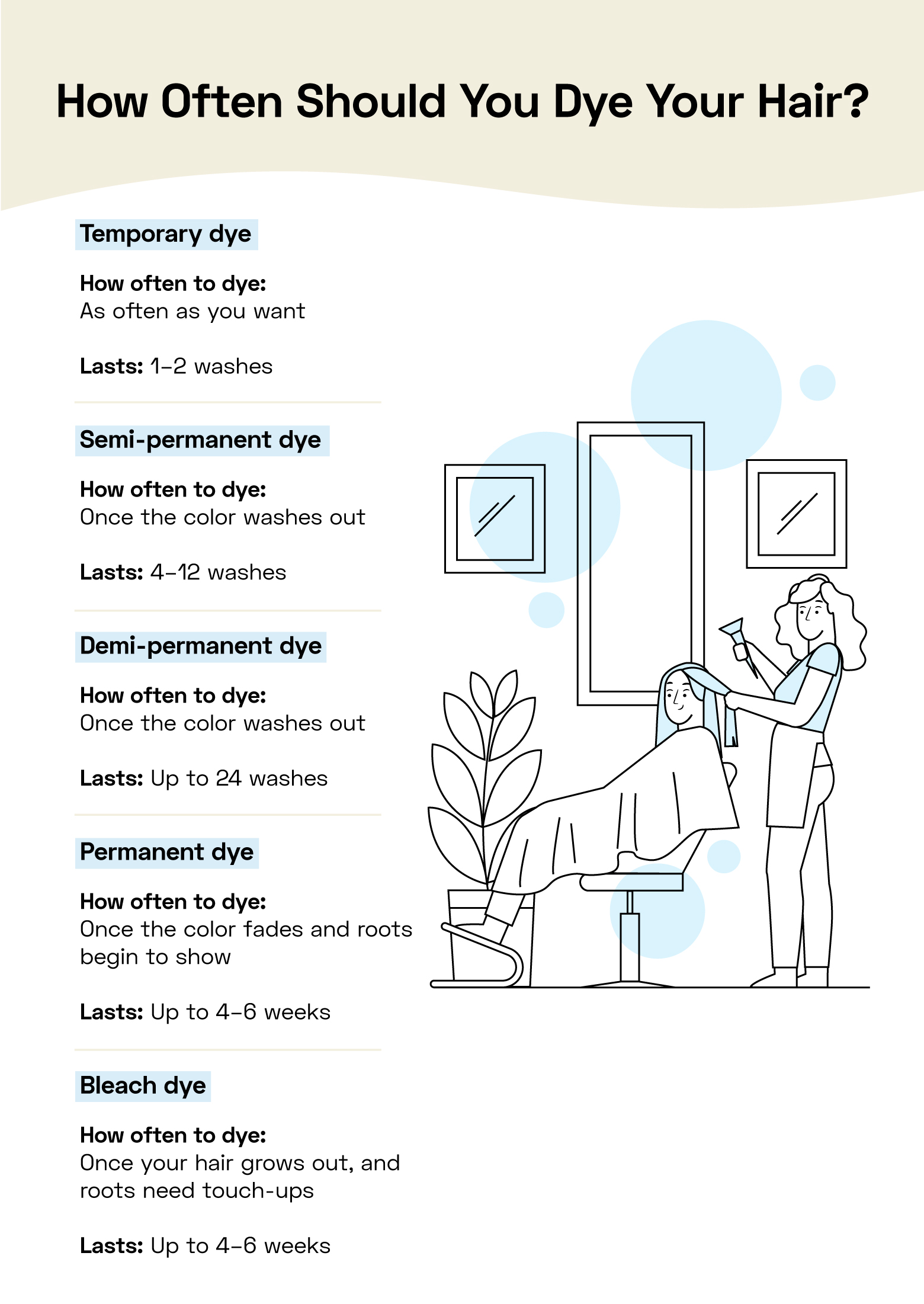
Hair Types and Their Dyeing Needs
Hair texture and thickness significantly impact how often dye can be applied. The three primary hair types—fine, thick, and curly—each have unique characteristics that dictate their dyeing requirements.
- Fine Hair: More susceptible to damage, fine hair requires gentler products and longer intervals between dye applications. Typically, fine hair can be dyed every 4-6 weeks.
- Thick Hair: This hair type often holds color better, allowing for less frequent dyeing, around every 6-8 weeks. Thick hair may also benefit from deeper conditioning treatments post-dyeing.
- Curly Hair: Curly hair tends to be drier and more porous, necessitating careful product selection. It is advised to dye curly hair every 8-12 weeks to prevent excessive dryness and damage.
The Role of Hair Porosity
Hair porosity refers to the hair’s ability to absorb and retain moisture and color. High porosity hair absorbs dye quickly but may also lose it rapidly. Conversely, low porosity hair requires more effort for dye penetration but retains color longer.
- High Porosity: Dyeing may be done every 4-6 weeks, but hydrating treatments are crucial to maintain hair health.
- Medium Porosity: A balanced approach allows for dyeing every 6-8 weeks, with regular conditioning.
- Low Porosity: Dyeing every 8-12 weeks is recommended, paired with heat applications to enhance dye absorption.
Frequency Recommendations Based on Hair Color
Natural and previously dyed hair requires different care protocols. Natural hair can typically withstand dyeing every 4-8 weeks, depending on the desired color change and the hair’s health. Dyed hair, particularly if previously treated with permanent color, usually demands longer intervals—generally every 6-12 weeks—to allow for recovery and minimize damage.
Impact of Hair Color on Dyeing Schedule
Transitioning from one hair color to another, especially if going from dark to light, often necessitates multiple sessions. This process can place additional stress on the hair, thereby extending the recommended waiting period between dye applications to ensure optimal hair health.
Common misconceptions about dyeing frequency include the belief that more frequent applications yield better color results. In reality, over-processing can lead to irreversible damage, regardless of hair type.
It is also a misconception that all hair types can utilize the same dye products. Fine hair might require ammonia-free dyes, while thick hair may benefit from high-lift formulations. Tailoring dye choices to hair type enhances color retention and minimizes damage.
To maintain healthy hair while dyeing, consider the following actionable steps:
- Assess your hair type and porosity before selecting dye products.
- Adhere to the recommended dyeing frequency based on your hair type and color history.
- Incorporate regular conditioning treatments to support hair health between dye applications.
- Consult with a professional stylist to tailor a dyeing schedule that aligns with your hair’s specific needs.
The Science Behind Hair Dye and Hair Health
This section explores the chemical processes involved in hair dyeing and the implications for hair structure and health. Understanding these factors is crucial for making informed decisions about dye frequency and maintaining hair integrity.
Chemical Composition of Hair Dyes
Hair dyes primarily consist of colorants, developers, and various chemical agents that facilitate the dyeing process. The most common types of hair dyes include ammonia-based and peroxide formulations. Ammonia opens the hair cuticle, allowing dye molecules to penetrate. Peroxide acts as a developer, oxidizing natural pigments and creating a longer-lasting color. These chemicals can alter the hair’s structure, leading to potential damage if used excessively.
Effects of Different Dye Types
Hair dyes can be categorized into three main types: permanent, semi-permanent, and temporary. Each type has distinct characteristics and implications for hair health.
- Permanent Dyes: These contain strong chemicals that alter the hair structure, providing long-lasting color. Frequent application can lead to significant damage and dryness.
- Semi-Permanent Dyes: These are less intense and typically do not contain ammonia. They provide a temporary color that washes out gradually, causing less damage.
- Temporary Dyes: These coat the hair shaft without penetrating, allowing for easy removal. They are the least damaging but offer limited longevity.
Understanding Oxidative Stress
Oxidative stress occurs when there is an imbalance between free radicals and antioxidants in the body. Hair dyeing, particularly with permanent dyes, can increase oxidative stress, leading to weakened hair structure and increased breakage. The hair cuticle can become compromised, resulting in frizz and loss of moisture.
Best Practices for Minimizing Damage
To protect hair health while dyeing, several best practices should be followed:
- Limit Frequency: Dyeing hair every 4-6 weeks is generally advisable to reduce damage.
- Use Professional Products: Opt for salon-grade products that are formulated to minimize damage.
- Deep Conditioning: Incorporate deep conditioning treatments into your routine to restore moisture and repair damage.
Many individuals mistakenly believe that more frequent dyeing leads to richer color. In reality, excessive exposure to chemicals can cause cumulative damage, resulting in dullness and brittleness. It is essential to balance coloring with restorative practices to maintain hair health.
To effectively manage hair dye application, consider your hair type and condition. Choose dyes formulated for specific needs, such as those designed for damaged hair. Additionally, schedule regular breaks between dyeing sessions to allow hair to recover. Implementing these strategies will help preserve both color and hair health over time.
Expert Tips for Safe and Effective Hair Dyeing
This section provides essential advice for achieving optimal hair dyeing results while minimizing damage. Following these professional tips can enhance color vibrancy and maintain hair health throughout the dyeing process.
Pre-Dyeing Hair Care Routines and Treatments
Preparing hair before dyeing is crucial for achieving even color and reducing damage. Start by incorporating a deep conditioning treatment into your routine at least one week before dyeing. This helps to strengthen hair and improve moisture retention. Avoid shampooing your hair 24-48 hours prior to dyeing, as natural oils protect the scalp and hair from irritation.
- Hydration: Use moisturizing shampoos and conditioners to maintain hair health.
- Protein Treatments: Consider protein-rich masks to fortify hair structure.
- Trim Ends: Regular trims can eliminate split ends, ensuring a smoother dye application.
Techniques for Applying Dye to Minimize Damage
Proper application techniques can significantly reduce hair damage. Begin by conducting a patch test to avoid allergic reactions. Divide hair into sections to ensure even application, using clips to keep sections separate. Apply dye starting from the roots, as they typically absorb color faster than the ends. Use a brush for precise application and to avoid overlapping previously dyed hair.
- Prepare the dye according to package instructions.
- Section hair into four parts for easier management.
- Apply dye to roots, then work through the lengths.
- Monitor processing time as indicated on the product label.
Post-Dye Care: Products and Routines to Maintain Vibrancy
After dyeing, maintaining color vibrancy is essential. Use sulfate-free shampoos designed for color-treated hair to prevent fading. Incorporate a color-protecting conditioner to enhance shine and softness. Limit the use of heat styling tools, as they can strip color and moisture. Instead, consider air-drying or using low-heat settings when styling.
- Color Safe Products: Invest in shampoos and conditioners specifically formulated for colored hair.
- Regular Conditioning: Use a leave-in conditioner to help lock in moisture.
- UV Protection: Apply hair products with UV filters to protect against sun fading.
When to Seek Professional Help versus DIY Dyeing
Choosing between professional services and DIY dyeing depends on various factors, including hair type, desired results, and experience level. For complex color changes, such as balayage or ombre, professional help is recommended. Additionally, individuals with previously dyed or chemically treated hair may benefit from expert advice to prevent adverse reactions. Simple touch-ups or single-process colors can often be managed at home with care.
Nuance: Common Misconceptions in Hair Dyeing
Many believe that frequent dyeing leads to irreversible damage, but this depends significantly on technique and product quality. Using high-quality dyes and following proper care routines can mitigate damage over time. Additionally, some assume that natural dyes do not cause damage; however, even natural options can lead to dryness and brittleness if not applied correctly. Understanding ingredient labels and selecting products based on individual hair needs is essential for successful dyeing.
Practical Application
To implement these expert tips effectively, create a personalized hair care plan. Schedule deep conditioning treatments weekly, invest in high-quality color-safe products, and practice proper dyeing techniques. If uncertain about DIY methods, consult a professional stylist for guidance, especially with significant changes in color. Following these steps will help maintain healthy, vibrant hair.
Real-Life Experiences: Case Studies of Frequent Hair Dyeing
This section explores firsthand accounts from individuals who regularly dye their hair, highlighting diverse experiences and outcomes. These insights provide a practical understanding of the implications of frequent hair dyeing on hair health and maintenance.
Diverse Experiences Across Hair Types
Individuals with varying hair types and colors report different challenges and successes when dyeing their hair frequently. For instance, those with coarse or curly hair often find that color treatments can enhance their natural texture but may also lead to dryness. Conversely, individuals with fine or straight hair may experience color fading more rapidly, necessitating more frequent applications.
- Curly Hair: Often retains color better, but requires intensive conditioning to maintain moisture.
- Straight Hair: Tends to show color fading quickly, leading to more frequent touch-ups.
- Color-Treated Hair: Requires specialized products to prevent damage and maintain vibrancy.
Lessons Learned About Frequency and Product Choices
Many individuals find that the choice of dye and application frequency significantly impacts their hair’s health. For example, some users report switching to ammonia-free products or semi-permanent dyes to minimize damage. Others emphasize the importance of selecting products specifically designed for their hair type to achieve the best results while reducing harm.
- Ammonia-Free Dyes: Less harsh, often resulting in less damage.
- Semi-Permanent Options: Allow for more frequent application without the same level of damage as permanent dyes.
- Professional vs. At-Home Kits: Professional applications may offer better results and less damage compared to DIY methods.
Impact on Hair Health and Maintenance Routines
Regular dyeing can lead to various hair health issues, including dryness, brittleness, and split ends. Many individuals report adopting intensive hair care routines to combat these effects. This often involves using deep conditioning treatments, reducing heat styling, and incorporating regular trims to maintain hair integrity.
Some users find that implementing a consistent maintenance routine, including sulfate-free shampoos and regular hydration treatments, helps mitigate damage. Users who dye their hair every 4-6 weeks often emphasize the importance of maintaining a balance between color vibrancy and hair health.
Advice from Experienced Dyers
Those who have successfully managed frequent dyeing share valuable insights. Key recommendations include:
- Schedule regular hair assessments with a professional stylist to monitor hair health.
- Invest in high-quality hair care products tailored for colored hair.
- Consider extending the time between dye sessions to allow for recovery.
Some individuals advocate for a less frequent dyeing schedule, suggesting that waiting 6-8 weeks between applications can significantly enhance hair resilience while still achieving desired color results.
Common misconceptions include the belief that all dyes cause equal damage or that frequent dyeing is always detrimental. In reality, the right products and techniques can allow for more frequent coloring without severe consequences.
To maintain healthy hair while dyeing frequently, individuals should regularly assess their hair’s condition and adapt their routines accordingly. Focus on using protective products and allowing sufficient time between applications to promote recovery. Implementing these strategies not only preserves color vibrancy but also supports overall hair health.
Frequently Asked Questions
How often can you dye your hair without damaging it?
Generally, it’s recommended to dye your hair every 4 to 6 weeks to minimize damage. This allows the hair to recover and maintain its health between applications.
What are the risks of dyeing your hair too often?
Dyeing hair too frequently can lead to dryness, brittleness, and breakage. Additionally, it may cause scalp irritation and allergic reactions over time.
Can you dye your hair at home or should you go to a salon?
>Dyeing hair at home is possible, but professional salons offer expertise and personalized color matching. For complex techniques or significant color changes, a salon is recommended.
How long should you wait between hair dyeing sessions?
It is advisable to wait at least 4 to 6 weeks between hair dyeing sessions. This interval helps to reduce damage and allows the hair to recover.
What is the best hair dye for frequent use?
For frequent use, semi-permanent dyes are often recommended as they are less damaging than permanent options. Look for products that are ammonia-free and enriched with conditioning agents.
How can you maintain hair health while dyeing frequently?
To maintain hair health, use deep conditioning treatments regularly and limit heat styling. Additionally, choose high-quality hair dyes and follow up with protective serums.
Is it safe to dye your hair during pregnancy?
While most experts consider it safe to dye hair during pregnancy, it is advisable to wait until the second trimester. Always consult with a healthcare provider for personalized advice.
What should you do if your hair is damaged from dyeing?
If hair is damaged from dyeing, stop further chemical treatments and focus on repair. Use protein-rich masks and hydrating conditioners to restore moisture and strength.
Final Thoughts on how often can u dye ur hair
Dyeing hair too frequently can compromise its integrity, leading to brittleness and breakage. It is essential to consider individual hair type and the specific products used, as these factors significantly influence how often one can safely apply hair dye. Maintaining healthy hair while achieving desired color results requires a balance of time between sessions and careful product selection.
To protect hair health, schedule dyeing sessions every 4 to 6 weeks and incorporate deep conditioning treatments between applications to restore moisture and strength.
Understanding the science of hair dye and its effects on hair health is crucial for anyone looking to enhance their appearance without sacrificing hair quality.
Leave a Reply