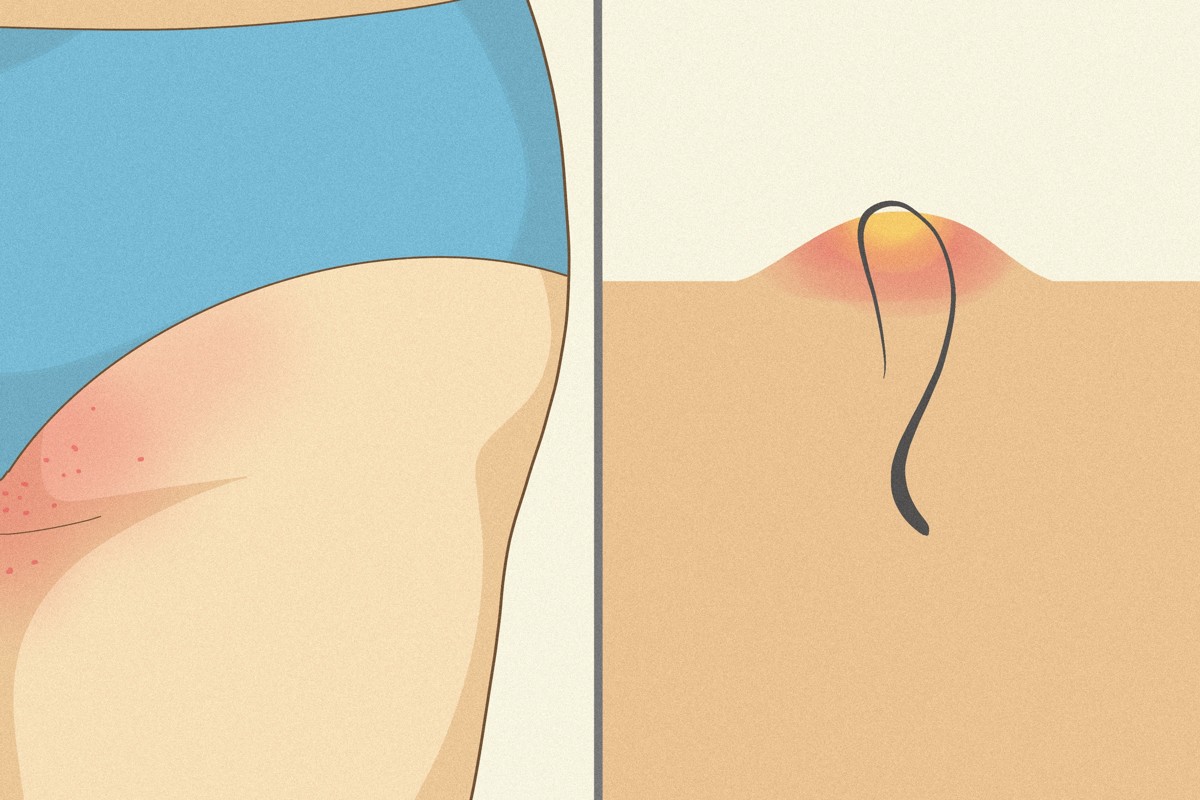
To get rid of booty hair, consider methods like shaving, waxing, or using hair removal creams. Each method varies in effectiveness and duration, allowing individuals to choose based on their preferences and skin sensitivity.
This topic is important for anyone seeking personal grooming solutions, as improper hair removal can lead to skin irritation, ingrown hairs, or unsatisfactory results. Understanding the best practices and options available is crucial for maintaining hygiene and comfort.
This article outlines effective methods for hair removal, including detailed instructions on shaving, waxing, and the use of hair removal creams, as well as tips for minimizing discomfort and achieving optimal results.
What are the best methods to get rid of booty hair?
The best methods to get rid of booty hair include shaving, waxing, and laser hair removal. Each method varies in effectiveness, cost, and duration of results, allowing individuals to choose based on their preferences and skin sensitivity.
Shaving is the most common and accessible method. It’s quick and can be done at home using a sharp razor and shaving cream to prevent irritation. However, results last only a few days, and there is a risk of ingrown hairs. For those seeking longer-lasting results, waxing is a viable option. Waxing removes hair from the root, leading to smoother skin for up to four weeks. It is advisable to seek professional waxing services for this sensitive area to minimize discomfort and ensure proper technique.
- Laser Hair Removal: This method offers a more permanent solution by targeting hair follicles with concentrated light. Multiple sessions are typically required, and results can last for months or even years. It is crucial to choose a certified professional to perform the procedure to ensure safety and effectiveness.
- Depilatory Creams: These chemical-based creams dissolve hair at the skin’s surface. They can be effective for sensitive areas but should always be patch-tested to avoid allergic reactions. Follow the instructions carefully and avoid leaving the cream on longer than recommended.
- Trimming: For those who prefer a low-maintenance approach, trimming with scissors or an electric trimmer can reduce hair length without completely removing it. This method minimizes irritation and can be done frequently without the risks associated with shaving or waxing.
Consulting with a dermatologist can provide tailored recommendations based on skin type and hair growth patterns. This is especially important for individuals with sensitive skin or specific concerns about hair removal methods.
For optimal results, consider combining methods, such as trimming before waxing or using laser treatments after shaving, to enhance effectiveness and comfort. Each method has unique benefits and potential drawbacks, so selecting the right approach is essential for personal care.
How long does hair removal last for booty hair?
The duration of hair removal for booty hair varies significantly based on the method used. Shaving typically lasts 2 to 5 days, while waxing can provide results for 3 to 6 weeks. Each method has its own factors that influence how long the effects last.
Shaving is a quick and convenient option, but it only removes hair at the surface level. The hair usually grows back quickly, often within a few days, depending on individual hair growth rates. Factors such as skin type, hair thickness, and hormonal influences can affect how fast the hair returns. Additionally, shaving can lead to stubble, which may be less desirable for some individuals.
On the other hand, waxing involves removing hair from the root, which leads to a longer-lasting result. Typically, waxing results last between 3 to 6 weeks before hair begins to regrow. The longevity of waxing results can be influenced by factors such as hair growth cycles and the individual’s hair type. Regular waxing may also lead to finer hair regrowth over time, further extending the duration between sessions.
Other methods, like laser hair removal, offer more permanent solutions. After multiple sessions, laser treatments can significantly reduce hair growth, with some individuals experiencing long-lasting results. However, the effectiveness and duration can vary based on skin and hair color, as well as the technology used.
Expert Tip: For those seeking a more permanent solution, consider consulting with a licensed professional about laser hair removal, as it can provide substantial long-term results compared to traditional methods.
Is it safe to shave booty hair?
Shaving booty hair is generally safe if done with care and proper techniques. However, this sensitive area carries a higher risk of irritation, cuts, and ingrown hairs compared to other body parts. Following specific guidelines can help minimize these risks.
Before shaving, ensure the skin is clean and exfoliated to remove dead skin cells and reduce the likelihood of ingrown hairs. Use a sharp, clean razor specifically designed for sensitive areas to avoid irritation. Consider the following tips for safe shaving:
- Hydration: Always shave after a warm shower or bath. This softens hair and opens pores, making the process easier.
- Shaving Cream: Utilize a gentle, fragrance-free shaving cream or gel to provide a protective barrier and reduce friction.
- Technique: Shave in the direction of hair growth to minimize irritation and prevent cuts.
Post-shaving care is equally vital. Rinse the area with cool water and apply a soothing lotion or aloe vera gel to calm the skin. Avoid tight clothing immediately after shaving to prevent chafing and irritation. If any redness or bumps occur, consider using an over-the-counter hydrocortisone cream to alleviate discomfort.
Expert Tip: For those prone to ingrown hairs, consider alternative hair removal methods such as trimming or laser hair removal, which may offer longer-lasting results with fewer side effects in sensitive areas.
How much does laser hair removal for booty hair cost?
The cost of laser hair removal for booty hair typically ranges from $200 to $500 per session. The total expense may vary depending on several factors, including the number of sessions required for optimal results and the geographic location of the treatment facility.
Several variables influence the overall cost of laser hair removal for this area. These include:
- Geographic Location: Prices can differ significantly between urban and rural areas, with metropolitan cities generally charging more.
- Clinic Reputation: Established clinics with experienced practitioners may charge higher rates due to their expertise and advanced technology.
- Session Frequency: Most clients require multiple sessions (usually 4-6) to achieve desired results, which can increase total costs.
- Type of Laser Used: Different laser technologies may have varying costs, with some being more effective and, thus, potentially more expensive.
Additionally, some clinics offer package deals or promotions that can reduce the overall cost per session. It is advisable to consult with a licensed practitioner to get a personalized estimate based on individual needs and treatment plans.
Expert Tip: Consider scheduling a consultation to discuss financing options and treatment packages, as many clinics offer flexible payment plans that can make the process more affordable over time.
What are the common mistakes when removing booty hair?
Common mistakes in removing booty hair include improper technique, neglecting skin preparation, and using unsuitable products. These missteps can lead to skin irritation, ingrown hairs, and suboptimal results. Addressing these issues can enhance both the effectiveness and comfort of the hair removal process.
One prevalent mistake occurs when individuals attempt to shave without adequately preparing the skin. For example, a person may head straight to shaving after a shower, believing that moist skin is sufficient. However, this approach often leads to nicks and irritation. A better method involves exfoliating the area beforehand to remove dead skin cells and using a shaving cream designed for sensitive skin to minimize friction and irritation.
Another significant error is using the wrong tools or products. Some may opt for a dull razor or an unsuitable hair removal cream, thinking that these will suffice. This can result in uneven hair removal or skin reactions. Instead, using a sharp razor specifically designed for sensitive areas or opting for professional waxing can yield cleaner results while reducing the risk of irritation.
Expert Tip: Always follow up hair removal with a soothing lotion or aloe vera gel to calm the skin. This practice can significantly reduce redness and promote healing, ensuring a smoother post-removal experience.
Can I use hair removal cream on my booty?
Yes, hair removal cream can be used on the booty area, but caution is necessary. These creams contain chemicals that dissolve hair, making them effective but potentially irritating to sensitive skin. Always choose a product specifically formulated for sensitive areas and conduct a patch test before widespread application.
Hair removal creams, also known as depilatories, offer a quick and painless method for removing hair. They work by breaking down the protein structure of the hair, allowing it to be wiped away easily. However, the effectiveness of these creams may vary based on hair thickness and skin type. Additionally, some individuals may experience allergic reactions or skin irritation, particularly in sensitive areas like the buttocks.
When comparing hair removal cream to other methods such as shaving, waxing, and laser hair removal, several factors come into play:
- Shaving: Quick and easy, but can lead to razor burn, ingrown hairs, and requires frequent maintenance.
- Waxing: Provides longer-lasting results by removing hair from the root, but can be painful and may cause skin irritation.
- Laser Hair Removal: Offers a permanent solution over time, but requires multiple sessions and can be costly.
Each method has its own advantages and drawbacks. Hair removal creams are generally less painful and quicker than waxing or laser treatments. However, they may not last as long as waxing and are not permanent solutions like laser hair removal. Skin sensitivity and personal preferences should guide the choice of hair removal method.
Expert Tip: Always follow the instructions provided with hair removal creams, and consider using a moisturizing lotion afterward to soothe the skin and reduce the risk of irritation.
How to prevent ingrown hairs after removing booty hair?
Preventing ingrown hairs after removing booty hair involves a combination of proper hair removal techniques and post-care practices. By following specific steps, individuals can significantly reduce the risk of ingrown hairs forming in this sensitive area. These methods focus on exfoliation, hydration, and maintaining skin health.
- Exfoliate regularly: Gently exfoliate the area 2-3 times a week using a mild scrub or exfoliating glove. This helps to remove dead skin cells that can block hair follicles and lead to ingrown hairs.
- Moisturize the skin: Apply a fragrance-free moisturizer to the area daily to keep the skin hydrated and supple. Well-hydrated skin is less likely to become irritated and helps hair grow out properly.
- Use proper hair removal techniques: Shave in the direction of hair growth and avoid pulling the skin taut. Using a clean, sharp razor minimizes irritation and reduces the likelihood of hairs curling back into the skin.
- Consider hair removal alternatives: Options such as waxing or laser hair removal can reduce the frequency of hair growth and the chances of ingrown hairs. These methods may be more effective for some individuals.
- Apply an ingrown hair treatment: After hair removal, use products containing salicylic acid or glycolic acid to help prevent ingrown hairs. These ingredients can help to keep the hair follicles clear and reduce inflammation.
Regular skin care practices are essential for minimizing ingrown hairs. Additionally, wearing loose-fitting clothing after hair removal can help reduce friction and irritation, further lowering the risk of developing ingrown hairs.
Expert Tip: For those prone to ingrown hairs, consider using a specialized ingrown hair serum that contains natural extracts, such as tea tree oil or witch hazel. These ingredients not only soothe the skin but also provide antibacterial properties, helping to prevent infections associated with ingrown hairs.
What is the best time to remove booty hair before an event?
The ideal time to remove booty hair is between 24 to 48 hours before an event. This timeframe allows for any potential irritation or redness to subside, ensuring smooth skin when it’s time to make an appearance.
Several factors influence the timing of hair removal. First, the method of hair removal plays a significant role. For instance, shaving can cause immediate irritation, while waxing may lead to redness that typically resolves within a day or two. Therefore, choosing a method that suits your skin type and sensitivity is crucial. Additionally, consider the nature of the event. If it is a formal occasion or involves swimwear, allowing extra time for any potential reactions can be beneficial.
Another consideration is the individual’s hair growth cycle. If hair grows quickly, scheduling removal closer to the event may be necessary. Conversely, if hair grows slowly, it might be feasible to remove it earlier. Lastly, personal grooming habits, such as regular exfoliation, can impact the overall health of the skin and may reduce the risk of irritation. Maintaining a consistent regimen can help prepare the skin in advance.
Expert Tip: Always test new hair removal products or techniques on a small skin area at least 72 hours before the event. This precaution helps to identify any adverse reactions and ensures optimal results on the day of the occasion.
Understanding Hair Growth Cycles and Their Impact on Removal
This section explains the phases of hair growth and their significance in selecting and timing hair removal methods. Recognizing these cycles can enhance the effectiveness of hair removal strategies.
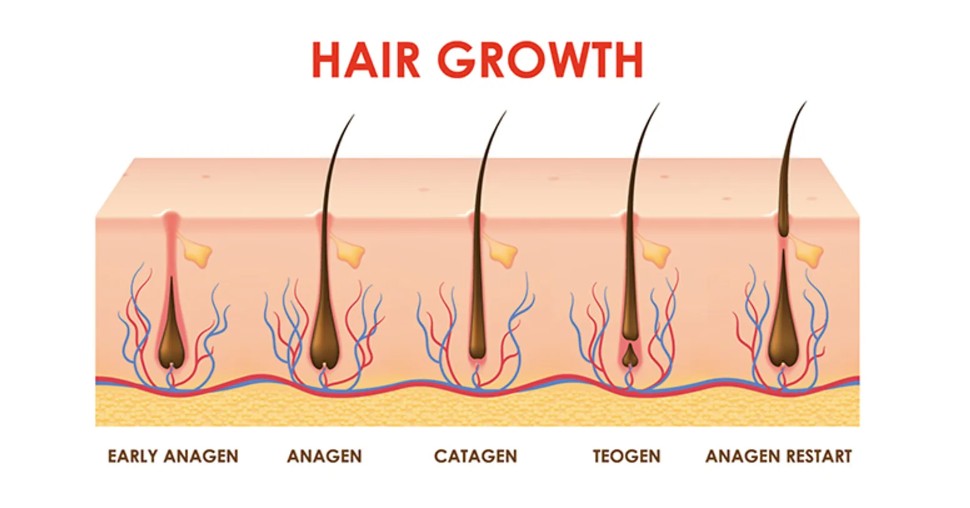
Overview of Hair Growth Phases
The hair growth cycle consists of three distinct phases: anagen, catagen, and telogen.
- Anagen: This is the active growth phase, lasting 2 to 7 years, during which hair follicles produce new hair. The duration of this phase varies by individual and body area.
- Catagen: This transitional phase lasts about 2 to 3 weeks. Hair growth slows, and the follicle shrinks, detaching from the blood supply.
- Telogen: In this resting phase, lasting around 3 months, hair does not grow but remains in the follicle. Eventually, it will shed and make way for new growth.
Influence of Hair Growth Cycles on Removal Methods
The effectiveness of hair removal methods is significantly influenced by the phase of hair growth. Different methods target specific phases, making timing essential:
- Waxing and Sugaring: Most effective during the anagen phase, as hair is fully rooted and can be removed from the follicle.
- Shaving: Effective at any time but only cuts hair at the skin’s surface, leading to quicker regrowth.
- Laser Hair Removal: Best results occur when hair is in the anagen phase. Multiple sessions are typically required to target hairs as they enter this phase.
Timing Hair Removal for Optimal Results
Timing hair removal sessions based on hair growth cycles can optimize results. Here are some recommendations:
1. **Track Hair Growth**: Monitor the hair growth in the target area to determine when it is in the anagen phase.
2. **Schedule Appointments**: Plan waxing or laser sessions approximately every 4 to 6 weeks, ensuring they coincide with the anagen phase for maximum effectiveness.
3. **Adjust Frequency**: After several sessions, hair growth may become sparser, allowing for extended intervals between treatments.
Tips for Scheduling Hair Removal Sessions
To further enhance the effectiveness of hair removal, consider the following tips:
- Maintain a hair growth log to identify patterns in hair cycle phases.
- Consult with a professional for personalized advice on the best timing for your specific hair type.
- Be consistent with your chosen method to allow hair to adapt and enter the same growth phase for subsequent sessions.
Many misconceptions exist about hair growth cycles and their influence on hair removal. A common error is believing that all hair is in the same growth phase at all times. In reality, hairs in different phases coexist, leading to variations in removal effectiveness. Additionally, not all methods are equal; laser hair removal, for example, requires careful timing to achieve the best outcomes.
To effectively apply this information, individuals should start tracking their hair growth cycles. This tracking will help determine the optimal timing for hair removal methods, tailoring sessions to coincide with the anagen phase. By scheduling appointments strategically and maintaining consistency, achieving smoother results will become more attainable.
Post-Removal Care: Keeping the Skin Smooth and Irritation-Free
Effective post-removal care is essential to maintain smooth skin and prevent irritation after hair removal. This section outlines key practices to ensure skin health and comfort in the sensitive area.

Exfoliation to Prevent Ingrown Hairs
Exfoliation plays a critical role in preventing ingrown hairs, which can occur when hair follicles become trapped beneath the skin. Regularly exfoliating the area helps to remove dead skin cells and promote healthy skin turnover.
- Use a gentle exfoliating scrub or a chemical exfoliant containing alpha hydroxy acids (AHAs) or beta hydroxy acids (BHAs).
- Exfoliate 2-3 times a week, ensuring not to irritate the skin further, especially right after hair removal.
- Consider using a soft-bristled brush or loofah to enhance circulation and slough off dead skin.
Recommended Moisturizers and Soothing Products
Moisturizing the skin after hair removal is vital for hydration and soothing irritation. Look for products that contain calming ingredients.
- Choose moisturizers with aloe vera, chamomile, or calendula to reduce redness and inflammation.
- Consider unscented options to minimize risk of irritation, especially in sensitive areas.
- Apply a soothing lotion or cream immediately after hair removal and continue daily to maintain skin softness.
Avoiding Tight Clothing and Irritants
Wearing tight clothing can exacerbate irritation and friction on freshly treated skin. To promote healing and comfort, follow these guidelines:
- Select loose-fitting underwear and clothing for at least 24-48 hours post hair removal.
- Avoid synthetic fabrics that trap moisture and heat, opting for breathable materials like cotton.
- Steer clear of harsh soaps, fragrances, and other skin irritants in the days following hair removal.
Signs of Irritation and Treatment Options
Recognizing signs of irritation is crucial for effective treatment. Common symptoms include redness, swelling, itching, or a burning sensation. If these occur, consider the following:
- Apply a cold compress to soothe inflammation and reduce discomfort.
- Use over-the-counter hydrocortisone cream to alleviate itching and redness.
- If symptoms persist or worsen, consult a dermatologist for further evaluation and treatment.
Many individuals assume that hair removal is the only step in achieving smooth skin. However, neglecting post-removal care can lead to complications such as ingrown hairs and persistent irritation. Emphasizing proper aftercare, including gentle exfoliation and appropriate moisturizing, significantly enhances skin recovery. Additionally, many skincare products marketed for soothing may contain irritants, so selecting quality, hypoallergenic options is essential.
To maintain optimal skin health after hair removal, implement these actionable steps:
- Exfoliate 2-3 times a week with a gentle scrub or chemical exfoliant.
- Moisturize daily with calming, unscented products.
- Wear loose-fitting clothing for at least 48 hours post-removal.
- Monitor the skin for signs of irritation and treat promptly.
By following these guidelines, skin will remain smooth and irritation-free, enhancing the overall experience of how to get rid of booty hair.
Comparing At-Home vs. Professional Hair Removal Options
This section examines the advantages and disadvantages of at-home and professional methods for removing booty hair, as well as their suitability for various skin types and hair growth patterns.

At-Home Methods: Shaving and Waxing
At-home hair removal methods, such as shaving and waxing, offer convenience and immediate results. However, they also come with drawbacks.
- Shaving: This method is quick and inexpensive, requiring only a razor and shaving cream. However, it can lead to razor burn, ingrown hairs, and requires frequent upkeep, typically every few days.
- Waxing: Waxing provides longer-lasting results than shaving, often up to four weeks. It can be painful and may cause skin irritation or allergic reactions, especially for sensitive skin types.
- Cost: At-home methods are generally more affordable. A good razor costs around $10, while wax kits range from $15 to $30. However, these costs accumulate with repeated use.
Professional Treatments: Laser Hair Removal
Professional hair removal services, particularly laser treatments, present a compelling alternative to at-home methods.
- Effectiveness: Laser hair removal targets hair follicles, leading to permanent reduction over multiple sessions. Most individuals see significant results within 6 to 8 treatments.
- Safety: Conducted by trained professionals, these treatments are generally safer and more effective than DIY methods, particularly for those with sensitive skin or prone to ingrown hairs.
- Cost: While the upfront cost of laser hair removal can be higher (ranging from $200 to $500 per session), the long-term savings from reduced maintenance may offset initial expenses.
Skin Types and Hair Growth Patterns
Selecting the right hair removal method depends significantly on individual skin types and hair growth patterns.
– **For sensitive skin**: Professional treatments like laser hair removal reduce the risk of irritation and ingrown hairs compared to at-home waxing or shaving.
– **For coarse hair**: Laser treatments can be particularly effective, leading to permanent hair reduction, while shaving may require more frequent sessions.
– **For fine hair**: At-home methods may suffice, although results may vary. Waxing can provide longer-lasting effects than shaving but may still irritate sensitive areas.
Expert Insights
A common misconception is that at-home methods are entirely safe and effective for everyone. However, individuals with certain skin conditions, such as eczema or psoriasis, may experience exacerbated symptoms from shaving or waxing. Additionally, many underestimate the number of sessions required for laser hair removal to achieve desired results. Consulting a dermatologist can provide tailored advice based on individual skin and hair characteristics, ensuring optimal outcomes.
Practical Application
To effectively manage booty hair, consider the following actionable steps:
1. Assess your skin type and hair thickness.
2. Determine your budget for hair removal.
3. Choose between at-home methods (shaving or waxing) for short-term solutions or professional laser hair removal for long-term results.
4. If opting for at-home methods, invest in quality products to minimize irritation.
5. Schedule a consultation with a professional if considering laser treatments to discuss personalized options and expected outcomes.
Expert Tips for Achieving Long-Lasting Results
This section provides advanced techniques and insights from professionals to enhance hair removal efficiency and comfort, ensuring long-lasting results when learning how to get rid of booty hair.

Improving Shaving Efficiency
To achieve a smooth shave with minimal cuts, begin by using a high-quality razor with multiple blades. A fresh blade is crucial; replace it after five to seven uses to maintain sharpness. Before shaving, exfoliate the area using a gentle scrub or a loofah to remove dead skin cells and prevent ingrown hairs.
Apply a moisturizing shaving cream or gel that contains soothing ingredients such as aloe vera or chamomile. This helps the razor glide smoothly over the skin, reducing friction and the likelihood of nicks. Shave in the direction of hair growth to minimize irritation, and rinse the blade frequently to keep it clean.
Waxing Tips for Better Hair Removal
Waxing can provide longer-lasting results compared to shaving, but it can be painful for some. To reduce discomfort, consider taking an over-the-counter pain reliever about 30 minutes before the process. Ensure the hair is at least ¼ inch long for effective removal.
Choose hard wax for sensitive areas, as it adheres better to the hair and not the skin, leading to less pain. Heat the wax to the right temperature—warm but not hot—to avoid burns. Apply the wax in the direction of hair growth and remove it quickly in the opposite direction for optimal results.
Selecting Products for Sensitive Skin
Individuals with sensitive skin should opt for products labeled as hypoallergenic and free from harsh chemicals. Look for waxes and shaving creams that contain natural ingredients, avoiding fragrances and dyes that can irritate the skin.
- Aloe vera gel: Soothes and hydrates post-hair removal.
- Tea tree oil: Known for its antiseptic properties, it can help prevent infections.
- Moisturizing lotions: Use products with ingredients like shea butter or coconut oil to nourish the skin post-removal.
Timing and Frequency Recommendations
For shaving, frequency will depend on individual hair growth rates. On average, shaving every 3-5 days maintains smoothness. Waxing can be done every 3-6 weeks, depending on hair regrowth. Scheduling hair removal after a shower can enhance effectiveness, as warm water opens pores, making hair easier to remove.
Nuance and Expert Insights
Many individuals overlook the importance of skin prep and aftercare. Proper exfoliation before hair removal is essential to prevent ingrown hairs. Additionally, using a soothing serum or lotion post-removal can help calm irritation. A common misconception is that all hair removal methods are equally effective for everyone; however, individual skin type and hair texture significantly influence the best approach. Consulting with a dermatologist can provide personalized recommendations tailored to specific needs.
Practical Application
To implement these expert tips, start by selecting a shaving or waxing method that suits your skin type. Prepare the area by exfoliating and using appropriate products. Schedule regular hair removal sessions based on your hair growth and skin response. After hair removal, always apply a soothing product to promote healing and prevent irritation. Following these steps will significantly enhance your experience and effectiveness in achieving smooth results.
Frequently Asked Questions
What are the best methods to get rid of booty hair?
The most effective methods for removing booty hair include shaving, waxing, and laser hair removal. Each method varies in terms of duration and comfort, so choose based on personal preference and skin sensitivity.
How long does hair removal last for booty hair?
The duration of hair removal for booty hair depends on the method used. Shaving typically lasts a few days, while waxing can last 3 to 6 weeks, and laser hair removal offers a more permanent solution over time.
Is it safe to shave booty hair?
Shaving booty hair is generally safe if done carefully with a clean, sharp razor. It’s important to use shaving cream or gel to minimize irritation and avoid nicks.
How much does laser hair removal for booty hair cost?
Laser hair removal for booty hair typically costs between $200 to $500 per session, depending on the clinic and location. Multiple sessions are usually required for optimal results.
What are the common mistakes when removing booty hair?
Common mistakes include using dull razors, skipping exfoliation, and not applying aftercare products. These errors can lead to irritation, ingrown hairs, and uneven results.
Can I use hair removal cream on my booty?
Yes, hair removal creams can be used on the booty, but it is essential to choose a product specifically designed for sensitive areas. Always perform a patch test to check for skin reactions before full application.
How to prevent ingrown hairs after removing booty hair?
To prevent ingrown hairs, exfoliate the area regularly and moisturize after hair removal. Using products containing salicylic acid can also help keep hair follicles clear.
What is the best time to remove booty hair before an event?
It is advisable to remove booty hair at least 24 to 48 hours before an event to allow any irritation to subside. This timing helps ensure smoother skin and reduces the risk of redness.
Final Thoughts on how to get rid of booty hair
Achieving a smooth and hair-free appearance in the buttock area requires understanding various hair removal methods and their implications on skin health. The choice between at-home solutions and professional treatments hinges on individual preferences, skin sensitivity, and desired longevity of results.
To ensure optimal results, consider scheduling a consultation with a licensed esthetician or dermatologist who specializes in hair removal; they can provide tailored advice based on your skin type and hair growth pattern.
The significance of personal grooming extends beyond aesthetics, impacting self-confidence and comfort in daily life.
Leave a Reply