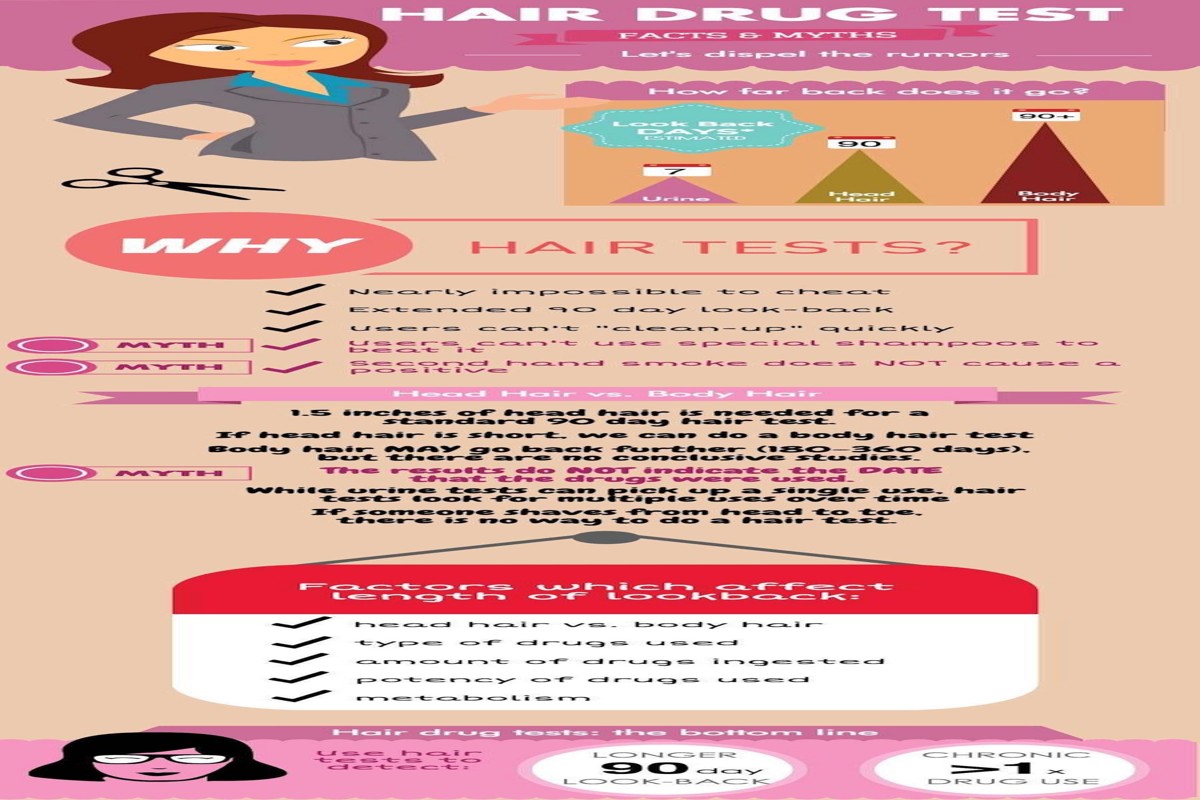
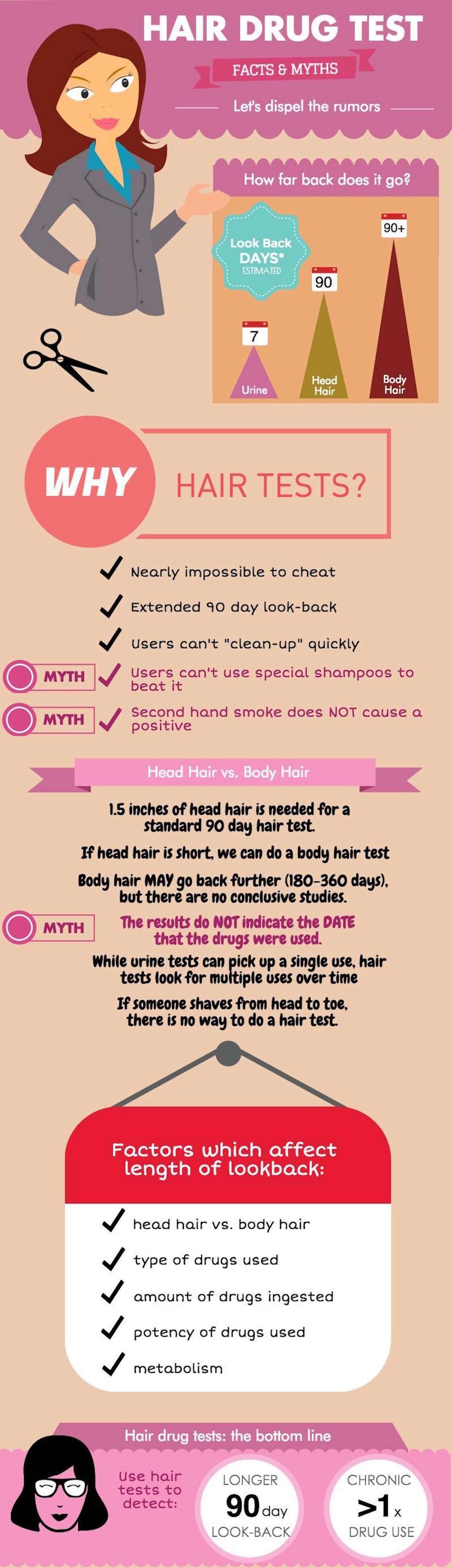
To pass a hair follicle test, abstain from drug use, use detox shampoos, and consider the time since your last use. Hair tests can detect substances for up to 90 days, making preparation crucial for a successful outcome.
Understanding how to pass a hair follicle test is essential for individuals facing employment screenings or legal situations. Failing such a test can result in job loss, legal consequences, or missed opportunities, emphasizing the importance of accurate knowledge and effective strategies.
This article outlines proven strategies for passing a hair follicle test, including detox methods, effective shampoos, and the significance of time since last drug use.
What is a hair follicle test and how does it work?
A hair follicle test is a drug screening method that analyzes hair samples to detect the presence of specific substances. This type of test is commonly used in various settings, including employment screening, legal cases, and rehabilitation programs. It can identify drug use over a longer timeframe compared to other testing methods, such as urine or saliva tests.
The process involves collecting a small sample of hair, typically from the scalp, although body hair can also be used. The hair is then sent to a laboratory where it undergoes analysis to detect metabolites of drugs. The substances commonly tested include:
- Marijuana (THC)
- Cocaine
- Opiates (e.g., heroin, morphine)
- Phencyclidine (PCP)
- Amphetamines (e.g., methamphetamine)
Hair follicle tests can detect drug use for a period of up to 90 days, depending on the length of the hair sample and the individual’s hair growth rate. As hair grows approximately half an inch per month, the window of detection can provide a historical overview of substance use. However, factors such as hair type, color, and treatment (e.g., dyeing, bleaching) can influence the results.
Moreover, the accuracy of a hair follicle test can vary based on the laboratory’s methods and the cut-off levels set for detecting substances. False positives can occur, highlighting the importance of confirmatory testing for any positive results.
Expert Tip: Individuals facing a hair follicle test should be aware that detox shampoos claim to remove drug residues but often lack scientific validation. For those concerned about their results, seeking professional guidance on testing procedures and potential legal rights is advisable.
How can I detox my hair to pass a follicle test?
Detoxing hair for a follicle test involves several steps aimed at removing toxins and drug residues. Effective detoxification requires the right products and techniques to ensure the hair is as clean as possible before testing.
Begin the detox process at least a week prior to the test for optimal results. The following steps outline a comprehensive approach to detoxifying hair effectively:
- Start with a Clarifying Shampoo: Use a clarifying shampoo to remove buildup from hair products and environmental pollutants. This type of shampoo penetrates the hair shaft and cleanses deeply.
- Apply a Detoxifying Hair Mask: Use a detoxifying hair mask containing ingredients like activated charcoal or clay. These ingredients help absorb impurities and toxins from the hair.
- Utilize Vinegar Rinse: Rinse your hair with a mixture of apple cider vinegar and water. This solution helps restore the hair’s pH balance and removes chemical residues.
- Incorporate Home Remedies: Consider using natural remedies such as lemon juice or baking soda for additional detoxification. These methods can help in breaking down residues and enhancing cleansing.
- Maintain Hydration: Drink plenty of water to help flush toxins from your body. Proper hydration supports overall detoxification processes.
- Limit Chemical Exposure: Avoid using hair products containing harsh chemicals, as these can contribute to residue buildup. Opt for natural or organic products during the detox period.
- Wash Regularly: Wash your hair daily during the detox process to ensure any remaining toxins are continually removed. Consistency is key for effective detoxification.
These methods can significantly enhance the chances of passing a hair follicle test, but results can vary based on individual factors such as hair type and the extent of exposure to substances. It is advisable to conduct a home test after following the detox regimen to assess progress.
For maximum effectiveness, consider combining these methods with a healthy diet and regular exercise to support overall detoxification. Prioritize natural solutions and allow sufficient time for the detox process to yield the best results.
Are there any home remedies to pass a hair follicle test?
While some home remedies claim to help individuals pass a hair follicle test, their effectiveness is often questionable compared to commercial products designed specifically for this purpose. Common home remedies include the use of vinegar, baking soda, and detox shampoos made from natural ingredients. However, these methods may not provide reliable results when faced with stringent testing protocols.
Vinegar, particularly apple cider vinegar, is frequently suggested as a cleansing agent. Proponents argue that it can help remove drug residues from hair. However, scientific evidence supporting this claim is minimal, and the acidity of vinegar may only offer superficial cleansing without addressing deeper contamination. Baking soda is another popular home remedy, touted for its alkalinity and potential to strip hair of substances. Similar to vinegar, while it may have some cleansing properties, it lacks the potency needed to thoroughly cleanse hair follicles.
In contrast, detox shampoos available in the market are formulated specifically to target drug metabolites embedded in hair. These products often contain powerful cleansing agents that can penetrate the hair shaft more effectively than home remedies. Many commercial detox shampoos are backed by research and user testimonials, suggesting a higher success rate. The main differences lie in their formulation, efficacy, and intended use, making them a more reliable option for individuals concerned about passing a hair follicle test.
- Vinegar: Natural cleansing agent; minimal evidence of effectiveness.
- Baking Soda: Mildly abrasive; lacks thorough cleansing capability.
- Detox Shampoos: Specifically formulated; higher success rate based on research.
Commercial detox products are typically more effective due to their targeted formulations. They are designed to address the specific challenges associated with hair follicle testing, making them a more prudent choice for those needing to ensure a negative result.
For best results, consider using a combination of a reputable detox shampoo along with a thorough cleansing regimen for several days before the test. This approach maximizes the chances of successfully passing a hair follicle test.
How much does a hair follicle test cost?
The cost of a hair follicle test typically ranges from $100 to $300. This price can vary based on several factors, including the testing facility’s location and the specific services provided.
Several factors influence the cost of hair follicle testing. The primary considerations include:
- Geographic Location: Costs can differ significantly between urban and rural areas. Tests in metropolitan regions often carry higher prices due to overhead and demand.
- Type of Test: There are various types of hair follicle tests, including standard drug panels and more comprehensive screenings. A more extensive analysis typically incurs higher fees.
- Laboratory Fees: Some facilities may charge additional fees for processing, interpretation, or reporting results. Always inquire about potential hidden costs.
In addition, certain employers or organizations may cover the cost of the test, influencing out-of-pocket expenses for the individual. It’s advisable to compare prices across different testing facilities to ensure competitive rates.
Expert Tip: When preparing for a hair follicle test, consider potential waiting periods for results. Some laboratories may offer expedited services at a premium, which can be beneficial if time is a crucial factor.
How long does it take to get results from a hair follicle test?
Results from a hair follicle test typically take between 5 to 10 business days. This timeframe can vary based on the laboratory processing the test and the specific type of analysis being conducted.
Several factors can influence the time it takes to receive test results. First, the laboratory’s workload and efficiency play a significant role; high demand can lead to delays. Additionally, if the test requires confirmation of initial results, such as in cases of positive findings, this process can extend the turnaround time. Some laboratories may offer expedited services for urgent testing, which can reduce the wait to as little as 24 to 48 hours.
Another consideration is the type of substances being tested for. Standard panels may yield results more quickly than specialized tests that look for a broader range of drugs or toxins. Furthermore, the method of collection and transportation of the hair sample can also impact timing; samples that are not properly packaged or shipped may require retesting, adding to the overall duration.
Expert Tip: To ensure the fastest possible results, select a reputable testing facility known for efficiency and accuracy, and confirm their processing times before proceeding with the test.
What are the best practices for passing a hair follicle test?
To pass a hair follicle test, adopting specific strategies leading up to the test is essential. These practices focus on minimizing detectable drug metabolites in the hair. Following a consistent regimen can significantly improve the chances of a negative result.
One of the most effective ways to prepare for a hair follicle test is to stop using any substances well in advance. Hair tests can detect drug use for up to 90 days, so abstaining is crucial. In addition to ceasing usage, consider the following best practices:
- Maintain a Healthy Hair Care Routine: Regularly wash your hair with detoxifying shampoos designed to remove drug residues. Look for products specifically marketed for hair follicle detoxification.
- Use Home Detox Kits: Consider utilizing home detox kits that include a series of shampoos and conditioners. These kits often contain special ingredients that help cleanse the hair shaft of toxins.
- Hydrate and Nourish: Drink plenty of water and eat a balanced diet rich in vitamins and minerals. Proper hydration and nutrition support the body’s natural detoxification processes.
- Avoid Chemical Treatments: Refrain from using hair dyes, relaxers, or other chemical treatments before the test. These can interfere with the effectiveness of detox shampoos and may affect test results.
- Consider a Haircut: If time allows, getting a haircut can reduce the amount of hair tested. This method is most effective if done several weeks prior, as it reduces the length of hair containing drug metabolites.
Implementing these strategies can enhance the likelihood of passing a hair follicle test. Additionally, individual factors such as hair type, growth rate, and the specific substances used may also influence results.
Expert Tip: Regularly testing your hair for drug residues using home testing kits can provide insight into your current status and help you adjust your detox strategies accordingly.
What substances can a hair follicle test detect?
A hair follicle test can detect a variety of substances, including illegal drugs, prescription medications, and certain toxins. Commonly tested substances include marijuana, cocaine, opiates, amphetamines, and phencyclidine (PCP). The detection window for these substances generally ranges from 7 to 90 days, depending on the specific drug and individual metabolism.
For example, if an individual has used cocaine, hair follicle testing may detect the substance for up to 90 days after use. In contrast, substances like marijuana may be detectable for a shorter period, typically up to 30 days, depending on usage frequency. Additionally, some prescription medications, such as benzodiazepines or barbiturates, may also show up in a hair follicle test, particularly if they have been used regularly.
The effectiveness of a hair follicle test in detecting substances also depends on the length of hair sampled. Generally, a standard test analyzes approximately 1.5 inches of hair, which equates to about a three-month history of drug use. Environmental factors, such as exposure to second-hand smoke or contamination from hair products, can also influence test results, although these instances are less common.
Expert Tip: For individuals concerned about passing a hair follicle test, abstaining from substance use for a minimum of 90 days prior to testing is advisable. Additionally, maintaining proper hair hygiene and avoiding exposure to potential contaminants can further support the chances of a negative result.
What are common mistakes to avoid when preparing for a hair follicle test?
Many individuals make critical errors that can jeopardize their chances of passing a hair follicle test. Common mistakes include ineffective detox methods, poor timing, and neglecting to consider the test’s window for detecting substances. Understanding these pitfalls can significantly enhance preparation efforts.
First, relying solely on home remedies or unverified detox products can be detrimental. Many detox shampoos and cleansing agents lack scientific backing and may not effectively remove drug metabolites from hair. Instead, consider using products that have been tested and proven to work, adhering strictly to the manufacturer’s instructions for use.
- Waiting until the last minute: Preparing too close to the test date can lead to inadequate detoxification. Start the cleansing process as early as possible to allow sufficient time for the body to expel toxins.
- Ignoring hair length: The length of hair tested can affect results. Hair grows approximately half an inch per month, and drugs can be detected in hair for up to 90 days. Ensure the hair sample is representative of the entire growth period relevant to the test.
- Neglecting personal hygiene: While detox methods are essential, maintaining regular hair washing and scalp care can aid in overall cleansing. Consistent hygiene practices help reduce the concentration of any remaining toxins.
- Not considering environmental exposure: Passive exposure to drugs through smoke or contact can also lead to positive test results. Avoid environments where drug use is prevalent in the weeks leading up to the test.
Employing these best practices can greatly improve the likelihood of passing a hair follicle test. Individuals should remain vigilant throughout the preparation process to mitigate potential risks.
Expert Tip: Consider having a preliminary hair test conducted prior to the official test. This can provide insight into potential results and allow for adjustments in preparation strategies as needed.
Understanding the Science Behind Hair Follicle Testing
This section delves into the biological mechanisms of hair growth and how substances are integrated into hair, crucial for comprehending hair follicle testing’s reliability and implications.
Hair Growth Cycles and Drug Detection
Hair growth occurs in three primary phases: anagen (growth), catagen (transition), and telogen (resting). The anagen phase is the most significant for drug testing, lasting several years, depending on the individual’s genetics and environmental factors. During this phase, hair follicles actively absorb substances from the bloodstream, including drugs and their metabolites. As hair grows, these substances are incorporated into the hair shaft, making it possible to detect drug use over a longer period than with other testing methods.
The Role of Metabolites in Hair Testing
Hair follicle tests primarily analyze metabolites, which are byproducts of drug metabolism. When a drug is consumed, it is broken down by the body into metabolites that can remain in the hair for extended periods. For example, cocaine metabolizes into benzoylecgonine, while THC from marijuana converts into several metabolites. The presence of these metabolites in hair provides a historical record of substance use, often spanning 90 days or more, depending on hair growth rate and length.
Differences Between Hair and Other Drug Testing Methods
- Urine tests: These are more common but typically only detect recent drug use (up to a few days). Hair tests provide a longer detection window.
- Saliva tests: Similar to urine tests, saliva tests detect substances used shortly before the test and are less reliable for chronic use.
- Blood tests: While highly accurate, blood tests only indicate recent use and require invasive procedures.
Factors Influencing Hair Test Results
Several factors can impact the accuracy of hair follicle tests, including:
- Hair type: Coarse, curly, or treated hair may absorb substances differently than fine, straight hair.
- Hair treatments: Chemical treatments like bleaching or dyeing can alter hair structure and potentially affect test results.
- Environmental exposure: Contamination from external sources, such as secondhand smoke, can lead to false positives in some cases.
Nuance and Expert Insights
Common misconceptions about hair follicle testing often include the belief that certain cleansing products can entirely eliminate drug metabolites from hair. While some products may reduce detectable levels, they cannot guarantee a clean test. Additionally, hair length plays a critical role; shorter hair may not provide sufficient history for accurate testing, while longer hair may retain substances longer. Understanding these nuances can aid individuals in better preparing for or addressing hair follicle test outcomes.
Practical Application
To effectively navigate hair follicle testing, individuals should consider the following actions:
- Maintain healthy hair growth through proper nutrition and care to ensure accurate testing.
- Avoid any substances well in advance of upcoming tests, acknowledging that detection windows can vary.
- Consult with professionals about potential hair treatments that may influence test results.
Evaluating Detox Products: What Works and What Doesn’t
This section provides a critical evaluation of various detox products available for passing hair follicle tests, examining their effectiveness and reliability. Understanding the science behind these products is essential for making informed decisions.
Popular Detox Shampoos: Effectiveness Analysis
Numerous detox shampoos claim to cleanse the hair of toxins and drug residues. The effectiveness of these products varies significantly based on their formulation and the specific substances being targeted. Key ingredients often include:
- Detoxifying agents: Such as activated charcoal and clay, which are intended to absorb impurities.
- Natural extracts: Ingredients like aloe vera and tea tree oil may enhance cleansing properties.
- Surfactants: Used to strip hair of oils and residues, though they may also damage hair if overused.
Independent studies on popular brands reveal mixed results, with some users reporting success while others experience failure. Notably, brands such as Old Style Aloe Toxin Rid have garnered a substantial following for their perceived efficacy based on anecdotal evidence.
Natural vs. Synthetic Detox Methods
Detox methods can be categorized into natural and synthetic approaches. Natural methods often involve dietary changes and the use of herbal supplements, while synthetic methods typically include detox shampoos and specialized cleansing products.
- Natural Methods
- Synthetic Products: Provide rapid results but may not be as effective for heavy users or those with long-term drug exposure.
- Combination Approaches: Some users achieve better results by combining both methods, using detox shampoos alongside dietary detoxification.
Research indicates that while natural methods support long-term health, synthetic products may offer quicker solutions, albeit with risks of chemical exposure.
User Testimonials and Scientific Backing
User testimonials provide insight into the effectiveness of detox products, but they should be approached with caution due to inherent biases. Scientific studies on detox products are limited, and many claims lack rigorous validation. When evaluating testimonials, consider:
- The credibility of the source: Verified users or independent reviews are more reliable.
- The consistency of results: Products with a high success rate across diverse user experiences are preferable.
- Duration of use: Many products require a specific regimen for optimal results.
While personal accounts can be compelling, they should not replace scientific evidence in decision-making.
Cost-Benefit Analysis of Detox Products
Cost is a significant factor when considering detox products. Prices can range from $20 to over $100, depending on brand and formulation. A thorough cost-benefit analysis involves evaluating:
- Effectiveness: Higher-priced products may offer better ingredients and proven results.
- Quantity: Some products require multiple applications, increasing overall cost.
- Long-term value: Investing in a reliable product may save costs associated with retesting or failed attempts.
Assessing the value of a detox product involves weighing its potential benefits against its cost and the likelihood of passing a hair follicle test.
For optimal results, users should carefully research and choose detox products based on scientific backing, user experiences, and a clear understanding of their own exposure levels. Consider combining detox shampoos with natural detox methods for enhanced effectiveness. Always follow instructions diligently and prepare in advance to ensure the best chance of success in passing a hair follicle test.
Real-Life Success Stories: How People Passed Their Tests
This section delves into real-life experiences of individuals who successfully navigated hair follicle tests, highlighting effective detox strategies, lessons learned from failures, and the emotional support systems that aided their journeys.

Case Studies of Successful Detox Strategies
Many individuals have reported success in passing hair follicle tests through various detox strategies. Common approaches include:
- Detox Shampoos: Many users credit specialized detox shampoos for helping to cleanse their hair of drug metabolites. Products like Old Style Aloe Toxin Rid have been frequently mentioned as effective.
- Natural Remedies: Some individuals turned to natural detox methods, such as using vinegar and baking soda mixtures, or essential oil treatments, believing these can help in removing toxins.
- Extended Abstinence: Several successful candidates reported that abstaining from drug use for several months prior to the test significantly improved their chances of passing.
Lessons Learned from Failures and Subsequent Success
Failure can be a powerful teacher. Many individuals who initially failed their hair follicle tests shared insights that led to eventual success. Common themes include:
- Comprehensive Planning: Those who failed often noted that they did not create a thorough detox plan, emphasizing the need for a detailed timeline and strategy.
- Researching Products: Many reported failing because they relied on unverified products. Learning from these experiences, they switched to well-reviewed and scientifically supported detox solutions.
- Emotional Preparedness: A recurrent theme was the lack of mental preparation. Individuals learned that managing anxiety and stress played a crucial role in their ability to pass subsequent tests.
Emotional and Psychological Aspects of Preparing for the Test
The psychological burden of preparing for a hair follicle test can be significant. Many individuals described feelings of anxiety and fear leading up to the test, which often impacted their overall performance. Strategies for emotional management included:
- Mindfulness Techniques: Practices like meditation and yoga helped many individuals to reduce stress and improve focus.
- Support Groups: Engaging with community support groups provided emotional backing and practical advice, fostering a sense of shared experience and hope.
- Professional Counseling: Some individuals sought professional help to address underlying issues related to substance use, finding that therapy improved their mental resilience.
Community Support and Resources
The journey to passing a hair follicle test can feel isolating. However, many individuals found that connecting with others facing similar challenges provided invaluable support. Resources include:
- Online Forums: Websites and social media groups dedicated to drug testing often share success stories, product reviews, and emotional support.
- Local Support Groups: Many communities offer local meetings for individuals dealing with substance-related issues, providing a space for sharing strategies and encouragement.
- Informational Websites: Numerous websites provide detailed guides and product recommendations based on user experiences, helping individuals make informed decisions.
Individuals preparing for a hair follicle test should take proactive steps by researching effective detox methods, building a supportive network, and managing emotional health. Establish a personalized detox plan, utilize community resources, and maintain a positive mindset to enhance the likelihood of passing the test.
Legal and Ethical Considerations Surrounding Hair Testing
This section explores the legal frameworks and ethical dilemmas surrounding hair follicle testing, emphasizing the significance of privacy, consent, and the implications of test accuracy in workplace settings.
Overview of Laws Governing Drug Testing in the Workplace
Drug testing laws vary significantly across jurisdictions, affecting how employers implement hair follicle testing. In the United States, federal regulations, such as the Drug-Free Workplace Act, set guidelines for testing, while states may impose additional requirements. Employers must adhere to these laws to avoid legal repercussions.
Key points include:
- Consent Requirements: Many states mandate that employers obtain written consent from employees before conducting drug tests.
- Notification Policies: Employers are often required to notify employees about testing policies and procedures.
- Privacy Protections: Legal guidelines exist to protect employees’ privacy, limiting who can access test results.
Ethical Concerns Related to Privacy and Consent
Hair follicle testing raises significant ethical questions, particularly regarding individual privacy and informed consent. The invasive nature of hair sampling can lead to discomfort and anxiety among employees. Ethical concerns also extend to the potential misuse of results, especially in contexts unrelated to job performance.
Employers must ensure that:
- Testing is relevant to the job and not overly intrusive.
- Employees are adequately informed about the testing process.
- Results are handled confidentially and shared only with authorized personnel.
Impact of False Positives and How They Are Handled Legally
False positives in hair follicle testing can have serious consequences for employees, including job loss and reputational damage. Legal frameworks require employers to have a clear process for addressing disputes arising from positive test results. This often includes:
- Confirmatory testing to verify initial results.
- Providing employees with a chance to contest the findings.
- Ensuring transparency in the appeal process to maintain trust.
Organizations that fail to manage false positives effectively may face legal challenges, including wrongful termination lawsuits.
Future Trends in Drug Testing and Potential Changes in Legislation
The landscape of drug testing is evolving, influenced by changing public attitudes toward substance use and advances in testing technologies. As marijuana legalization expands, lawmakers are reconsidering the legality and ethics of drug testing in various sectors.
Emerging trends include:
- Increased Regulation: Anticipated legislation may impose stricter guidelines on testing practices.
- Focus on Rehabilitation: Some employers are shifting towards supportive measures rather than punitive actions for positive tests.
- Integration of New Technologies: Advances in rapid testing methods could change how and when tests are administered.
Effective engagement with these trends is essential for employers to remain compliant and uphold ethical standards in drug testing.
To navigate the complexities of hair follicle testing, employers should implement clear policies that prioritize ethical considerations and legal compliance. Regular training on privacy rights and consent for all staff involved in the testing process can enhance understanding and foster a culture of respect and transparency.
Frequently Asked Questions
What is a hair follicle test and how does it work?
A hair follicle test is a drug screening method that analyzes hair samples for the presence of drugs and their metabolites. The test works by examining a small section of hair, typically from the scalp, to detect substances used within a specific timeframe.
How can I detox my hair to pass a follicle test?
To detox hair for a follicle test, consider using specialized detox shampoos designed to remove drug residues. Additionally, maintaining a healthy diet, hydration, and avoiding drug use in the weeks leading up to the test can aid in the detoxification process.
Are there any home remedies to pass a hair follicle test?
While some people suggest home remedies like vinegar or baking soda, their effectiveness is largely unproven. Relying on proven detox shampoos and proper hair care is more advisable for passing a hair follicle test.
How much does a hair follicle test cost?
The cost of a hair follicle test typically ranges from $100 to $300, depending on the testing facility and the number of substances being screened. Prices may vary based on location and specific testing requirements.
How long does it take to get results from a hair follicle test?
Results from a hair follicle test usually take between 3 to 10 business days to be processed and reported. Factors such as laboratory workload and testing complexity can influence the turnaround time.
What are the best practices for passing a hair follicle test?
Best practices include abstaining from drug use well in advance, using detox shampoos, and maintaining a healthy lifestyle. Regularly cleansing hair and avoiding exposure to drug residues can also improve the chances of passing the test.
What substances can a hair follicle test detect?
A hair follicle test can detect a variety of substances, including marijuana, cocaine, opiates, amphetamines, and PCP. The specific substances tested depend on the panel selected by the testing entity.
What are common mistakes to avoid when preparing for a hair follicle test?
Common mistakes include using unreliable detox methods, failing to abstain from drug use prior to the test, and not following instructions for detox products. Additionally, underestimating the time needed for detoxification can lead to unexpected results.
Final Thoughts on how to pass a hair follicle test
Successfully passing a hair follicle test requires a thorough understanding of the testing process and an informed approach to detoxification. Leveraging scientifically-backed detox products and techniques can significantly improve your chances of achieving a negative result.
To maximize your chances, consider investing in a reputable detox shampoo that has proven efficacy, and follow the manufacturer’s instructions meticulously to ensure optimal results.
Mastering the nuances of hair follicle testing is critical, as the implications of failing such a test can profoundly impact personal and professional lives.
Leave a Reply