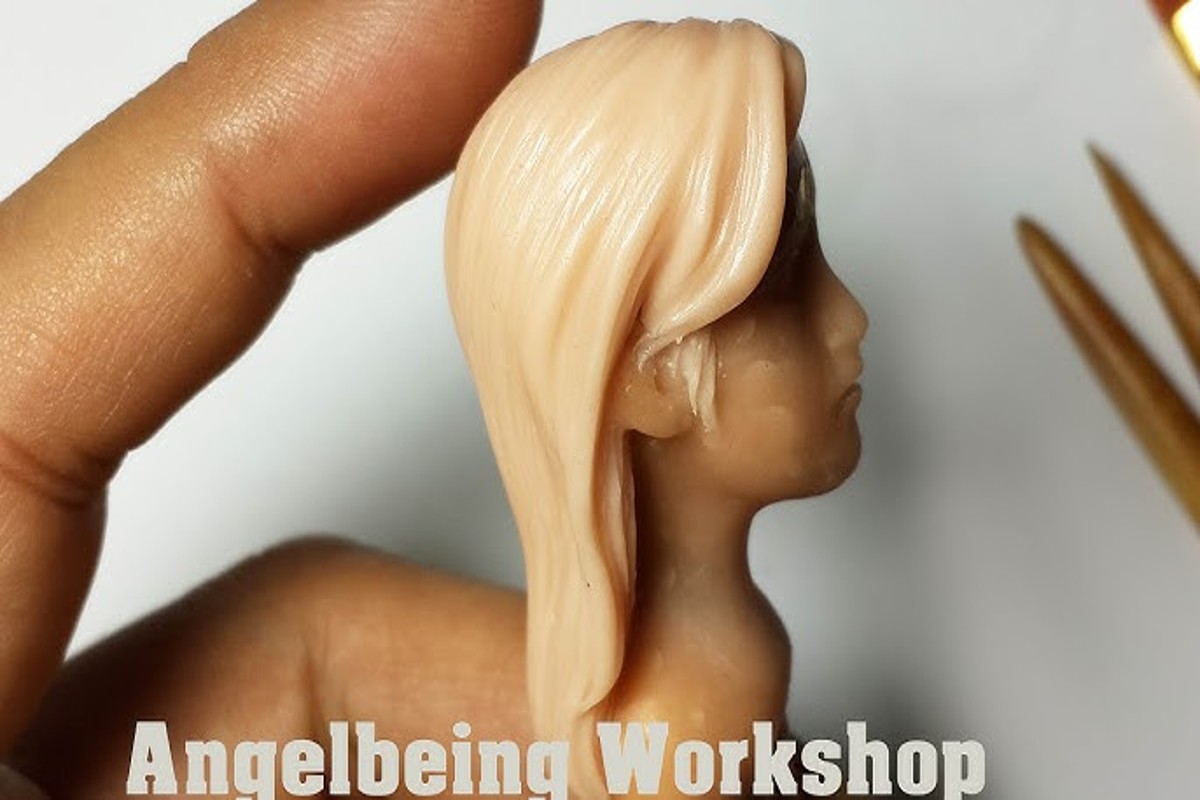
How to real hair figurine involves creating a miniature representation using real human hair as the primary material. This process requires specific techniques to ensure the figurine is both lifelike and durable, making it a unique form of artistic expression.
Understanding how to create a real hair figurine is essential for artists and crafters seeking to expand their skill set. Missteps in technique or material selection can lead to unsatisfactory results, diminishing the overall quality and realism of the final piece.
This guide covers essential materials needed, step-by-step body shaping techniques, methods for attaching hair, and tips for adding realistic detailing to your figurine. Each aspect is crucial for achieving a high-quality, lifelike result.
What materials do I need to make a real hair figurine?
To create a real hair figurine, you need a selection of specific materials and tools. This includes hair, a base structure, adhesive, and detailing tools. Each component plays a crucial role in achieving a realistic and durable final product.
- Real Hair: The primary material needed is real human hair, which can be sourced from various suppliers. Ensure the hair is clean and free of chemicals for the best results.
- Base Structure: A sturdy base, such as a wire armature or a foam core, provides support for the figurine. Choose a base that matches the desired size and pose of your figurine.
- Adhesive: A strong adhesive, such as clear-drying craft glue or a specialized hair adhesive, is essential for attaching the hair to the base. Select an adhesive that is safe for use with hair to avoid damage.
- Detailing Tools: Tools like scissors, tweezers, and a fine brush will help in shaping and arranging the hair. These tools are vital for achieving intricate details and a polished finish.
- Paint and Finishing Materials: Depending on the design, paints and other finishing materials may be used to add color or texture to the figurine. Ensure that all materials used are compatible with the hair and base structure.
- Work Surface and Safety Gear: A clean, flat work surface and safety gear, such as gloves and a mask, are recommended for a safe crafting environment. This minimizes mess and protects against adhesive fumes.
Each of these materials contributes significantly to the quality and realism of the figurine. Selecting high-quality components will enhance the overall appearance and longevity of the finished piece. Additionally, consider practicing on smaller projects to refine techniques before attempting more complex designs.
Expert Tip: When working with real hair, keep it organized by separating strands by color and length. This practice will streamline the crafting process and ensure a more cohesive look in the final figurine.
How long does it take to create a real hair figurine?
Creating a real hair figurine typically takes between 20 to 40 hours from start to finish. This timeframe includes preparation, sculpting, and finishing touches, which can vary based on the complexity of the design and the artist’s skill level.
The time required can be influenced by several factors. First, the intricacy of the figurine plays a significant role. A basic design with fewer details will take less time, while a highly detailed piece may extend the overall timeline considerably. Additionally, the quality of the materials used, particularly the hair, can affect the time spent on preparation and application. Sourcing high-quality hair and ensuring it is appropriately processed can add several hours to the project.
Another factor to consider is the artist’s experience. Beginners may take longer as they learn various techniques and methods, while experienced artists may have refined processes that streamline their work. Furthermore, drying times for adhesives and finishes can also impact the total time needed, as these must be factored into the schedule.
In terms of practical implications, planning is essential. Artists should allocate sufficient time for each phase of the process and account for any potential delays. Keeping a detailed timeline can help manage expectations and ensure a smoother workflow.
Expert Tip: Consider creating a prototype or sketch of the figurine before starting. This preparation can significantly reduce time spent on adjustments during the sculpting phase, ultimately leading to a more efficient creation process.
What are the best practices for making a real hair figurine?
To create a high-quality real hair figurine, several best practices should be followed to enhance realism and durability. These practices focus on hair selection, application techniques, and finishing touches that contribute to the final appearance. Implementing them will significantly improve the overall outcome of the figurine.
Choosing the right type of hair is essential. Human hair is often preferred for its natural look and texture, but synthetic hair can also be used for specific effects. Select strands that match the desired color and thickness of the figurine’s intended hairstyle. Clean and prepare the hair by washing it to remove any residues that may interfere with adhesive applications.
- Secure the base properly: Ensure the figurine’s base is solid and stable. Use a strong adhesive or clay to attach the hair securely, preventing any shedding or loosening over time.
- Layer the hair: Apply the hair in layers to create depth and dimension. Start with a base layer and gradually add more strands, ensuring even coverage and natural flow. This technique mimics the way hair naturally falls and adds authenticity.
- Trim and style: After applying the hair, trim it to achieve the desired length and style. Use sharp scissors for precision, and consider using styling products specifically designed for hair models to maintain shape and shine.
- Finishing touches: Incorporate details such as hair accessories or highlights to enhance realism. Small touches like these can significantly impact the figurine’s overall appearance and can help differentiate it from others.
Expertly crafted hair figurines require patience and attention to detail. Regularly assess the figurine during the creation process to ensure that the hair remains aligned and styled as intended. Adopting these best practices will yield a figurine that is not only aesthetically pleasing but also durable and lifelike.
Can I use synthetic hair for a real hair figurine?
Using synthetic hair for a real hair figurine is not recommended. While synthetic hair can be used for various crafts, it lacks the authenticity and realism that real hair provides in figurine making. The choice between real and synthetic hair significantly impacts the final appearance and quality of the figurine.
Real hair offers a natural look and feel, which is essential in creating lifelike figurines. It can be styled, dyed, and treated like natural hair, allowing for more intricate detailing. Synthetic hair, on the other hand, is typically made from plastic fibers, which can appear shiny and unnatural. This can detract from the overall realism of the figurine.
- Appearance: Real hair mimics the texture and sheen of natural hair, while synthetic hair often looks overly glossy and artificial.
- Durability: Real hair can withstand heat and styling products, maintaining its shape over time. Synthetic hair may melt or become damaged under heat, limiting styling options.
- Maintenance: Real hair requires regular care, similar to human hair, whereas synthetic hair is generally easier to maintain but may not hold styles as well.
When creating a real hair figurine, the choice of hair significantly affects the final product’s quality and realism. While synthetic hair can be a suitable option for other projects, those aiming for lifelike representation should prioritize real hair for optimal results.
Expert Tip: When sourcing real hair, consider using human hair from reputable suppliers to ensure consistent quality and color matching for your figurine project.
How do I attach hair to a figurine securely?
To securely attach hair to a figurine, use a combination of adhesive techniques and layering methods. Proper preparation of both the figurine and the hair material is essential for durability and realism. Selecting the right type of adhesive and ensuring the hair is applied in a structured manner will enhance the overall quality of the finished product.
- Prepare the figurine surface: Clean the area where the hair will be attached to remove any dust or oils. This ensures better adhesion and a longer-lasting bond.
- Select the right adhesive: Use a strong adhesive, such as a high-quality craft glue or a hot glue gun, suitable for the materials involved. Some adhesives work better with synthetic hair, while others are ideal for natural hair.
- Section the hair: Divide the hair into small, manageable sections. This allows for more control during application and helps create a more natural look.
- Layer the hair: Start attaching the hair from the bottom layers and work your way up. This layering technique adds volume and realism, mimicking natural hair growth.
- Secure each section: Apply a small amount of adhesive to each section of hair before pressing it onto the figurine. Hold it in place for a few seconds to ensure a strong bond.
- Trim and style: Once all sections are attached, trim the hair to achieve the desired length and style. This step helps refine the overall appearance and adds to the realism.
Properly attaching hair to a figurine not only enhances its aesthetic appeal but also ensures longevity. Consider using a waterproof sealant after the hair is fully attached and styled, especially if the figurine will be displayed in varying conditions.
Expert Tip: For extra durability, consider using a combination of adhesives, such as a strong craft glue followed by a clear sealant, to provide additional support and protect against wear over time.
What is the cost of making a real hair figurine?
The cost of making a real hair figurine typically ranges from $50 to $200, depending on various factors such as materials, tools, and the complexity of the design. Beginners may find initial expenses lower if they opt for basic supplies, while advanced techniques can increase costs significantly.
Several factors influence the overall cost of creating a real hair figurine:
- Materials: The primary material is real human hair, which can vary in price based on quality and origin. Other materials include clay, adhesives, and paint, all of which contribute to the total cost.
- Tools: Essential tools for crafting include sculpting tools, brushes, and a workspace setup. Investing in higher-quality tools can enhance the final product but will also raise initial costs.
- Complexity: The intricacy of the figurine affects time and resources. More detailed designs require additional materials and skills, increasing labor costs if hiring a professional.
Additionally, location and sourcing options can affect prices. Purchasing materials from local craft stores may lead to higher costs compared to online suppliers. Discounts or bulk purchasing options can also help in reducing the overall expenditure.
Expert Tip: Consider starting with a smaller project to gauge material costs and skill levels. This approach allows for better budgeting and skill development before tackling more complex figurines.
Are there any common mistakes to avoid when creating a real hair figurine?
Yes, there are several common mistakes to avoid when creating a real hair figurine. These errors can hinder the quality of the final product and lead to unsatisfactory results. By being aware of these pitfalls, beginners can enhance their crafting skills and achieve more realistic outcomes.
One frequent mistake is using hair that is not properly cleaned or prepared. For example, if the hair is not washed thoroughly, residual oils or products can prevent adhesive from properly bonding, resulting in clumps or uneven application. To avoid this, ensure the hair is cleaned with a gentle shampoo and dried completely before use. Additionally, consider the hair’s texture and color; mismatched or overly processed hair can detract from the figurine’s realism.
Another common error is neglecting the scale and proportion of the figurine. Beginners might create a head that is disproportionately large compared to the body, which can make the figurine appear unrealistic. To avoid this, it is essential to sketch a basic outline before beginning the assembly. Establishing clear dimensions will guide the sculpting process, ensuring that all elements are appropriately sized in relation to one another.
Expert Tip: Always use high-quality adhesives specifically designed for hair applications. This will not only improve adhesion but also maintain the integrity of the hair and the figurine’s overall appearance.
Advanced Techniques for Hair Texturing and Styling
This section explores specialized methods for achieving realistic hair textures and styles in real hair figurines. Mastering these techniques enhances the overall quality and authenticity of your creations.

Texturing Techniques for Various Hair Types
Different hair types require tailored texturing techniques to achieve a lifelike appearance. Consider the following methods:
- Straight Hair: Use a fine-toothed comb to create sleek, smooth strands. Apply a light coating of hair product for shine.
- Curly Hair: Utilize a curling iron or roller set to form defined curls. A texturizing spray can add volume and hold.
- Wavy Hair: Employ a flat iron to create soft waves. This technique mimics the natural flow of hair.
Using Heat Tools Safely for Styling
Heat tools can significantly impact the styling of hair figurines. Follow these safety measures to prevent damage:
- Always use a heat protectant spray before applying heat.
- Choose the appropriate temperature setting based on the hair type; lower settings for fine hair and higher for thicker strands.
- Limit the exposure time of hair to heat to avoid burning or melting.
Creating Volume and Movement
Volume and movement are essential for realism. Implement these strategies:
1. **Layering**: Create layers in the hair to promote natural movement. This can be achieved by cutting the hair at different lengths.
2. **Backcombing**: Gently tease sections of hair at the roots to add height and fullness.
3. **Product Application**: Use volumizing mousse or root-lifting sprays to enhance body and bounce.
Tips for Color Blending and Highlights
Realistic color blending adds depth to hair figurines. Consider these techniques:
- Base Color: Start with a solid base color that mimics natural hair tones.
- Highlighting: Use a fine brush to apply lighter shades strategically where natural light would hit.
- Color Mixing: Blend multiple shades to create dimension, ensuring transitions are smooth and gradual.
Applying these advanced techniques can significantly elevate the quality of your real hair figurine. When working with hair, always experiment with different textures and styles to find the best fit for your specific project.
Many beginners overlook the importance of understanding hair type distinctions. For example, using the same styling technique on straight hair as on curly hair can lead to unsatisfactory results. It is vital to adapt methods based on hair characteristics and desired outcomes.
To effectively implement these advanced techniques, start by selecting a specific hair type for your figurine. Gather the necessary tools, such as heat protectants, styling products, and color options. Practice texturing and styling on scrap materials before applying them to your final piece. This preparatory work will refine your skills and enhance the overall appearance of your real hair figurine.
Real Hair vs. Synthetic Hair: Pros and Cons
This section provides a detailed comparison of real hair and synthetic hair for figurine creation, focusing on durability, appearance, and cost considerations. Understanding these differences is essential for making informed decisions when crafting real hair figurines.

Durability and Maintenance Differences
Real hair offers a unique level of durability when properly maintained. It can withstand heat styling and is less prone to tangling compared to synthetic alternatives. However, real hair requires regular upkeep, including washing, conditioning, and careful storage to prevent damage.
Synthetic hair, while often more resistant to everyday wear, has a limited lifespan. It can degrade under heat exposure and may become matted or frizzy with time. Maintenance is generally easier, requiring less frequent cleaning and no special products, but synthetic hair may not hold its shape as well as real hair over time.
Visual Appeal and Realism Factors
Real hair provides unparalleled realism, mimicking the natural texture and sheen of human hair. Its ability to blend seamlessly with existing hair makes it the preferred choice for lifelike figurines. Additionally, real hair can be dyed, styled, and treated like natural hair, enhancing its versatility.
On the other hand, synthetic hair has improved significantly in recent years, with many options designed to resemble real hair closely. However, it often lacks the same depth and variation in color and texture. High-quality synthetic fibers can achieve a realistic look, but they may not match the authenticity of real hair.
Cost Analysis of Both Options
When considering cost, real hair generally commands a higher price due to sourcing and processing expenses. Depending on the quality and length, prices can range from $50 to several hundred dollars per ounce.
Synthetic hair is typically more budget-friendly, with costs ranging from $10 to $100 for comparable lengths. While it provides an economical choice, the lower price point comes with trade-offs in longevity and realism.
Best Use Cases for Each Type of Hair
- Real Hair: Ideal for high-end, lifelike figurines or projects requiring detailed styling and customization.
- Synthetic Hair: Suitable for beginner projects, budget-friendly creations, or temporary displays where longevity is not a concern.
Choosing between real and synthetic hair involves weighing the importance of durability, realism, and cost based on individual project needs. Each option serves distinct purposes in figurine creation.
Many articles overlook that the choice between real and synthetic hair often hinges on the intended use rather than just personal preference. For instance, while real hair is favored for high-fidelity art pieces, synthetic hair can be an excellent choice for educational purposes or prototypes where cost efficiency is prioritized.
To effectively apply this information, assess your project requirements and budget. Determine whether the realism of real hair or the convenience of synthetic hair better aligns with your goals. Consider potential maintenance needs and lifespan to make the most informed decision when creating your real hair figurine.
Troubleshooting Common Issues in Hair Figurine Creation
This section addresses specific problems that can arise during the creation of hair figurines, providing solutions to ensure a successful outcome. Identifying and resolving these issues is crucial for achieving a polished and professional look.

Fixing Hair That Won’t Stay in Place
One of the most common challenges in hair figurine creation is securing hair strands effectively. If the hair refuses to maintain its position, consider the following techniques:
- Use stronger adhesive: If your current glue is ineffective, switch to a high-strength craft adhesive or a specialized wig glue designed for hair applications.
- Layer the application: Instead of applying all hair in one go, work in smaller sections. This allows for better control and adherence.
- Pin or clamp: Use pins or clamps to hold strands in place while the adhesive cures. This method ensures that the hair sets properly.
How to Repair Damage to the Figurine
Damage to the figurine can occur during handling or assembly. To repair minor issues, follow these steps:
- Assess the damage: Identify the extent of the damage, whether it’s a crack, break, or missing piece.
- Use epoxy or resin: For cracks, apply a clear epoxy resin to bond the damaged areas. For breaks, ensure the pieces fit together snugly before applying the adhesive.
- Sand and paint: After the adhesive cures, sand the area lightly to smooth any rough edges, then repaint to match the surrounding area.
Dealing with Color Fading or Mismatches
Color fading can detract from the overall appearance of your hair figurine. To address this issue:
- Choose UV-resistant materials: Select hair and adhesive that resist fading from sunlight exposure.
- Use color-matching techniques: Mix paint or dye to achieve the desired shade before application, ensuring consistency across the figurine.
- Regular maintenance: Periodically check and refresh color using fabric or paint touch-ups to maintain vibrancy.
Preventing and Fixing Glue Residue Issues
Glue residue can detract from the clean finish of a hair figurine. To prevent and address this issue:
- Use minimal adhesive: Apply just enough glue to hold the hair in place without excess seeping out.
- Clean while wet: If glue oozes out, clean it immediately with a damp cloth before it dries.
- Use solvent for dried residue: For stubborn residue, apply a small amount of adhesive remover to a cotton swab and gently rub the area until clean.
Common misconceptions in hair figurine creation often involve the belief that any glue will suffice or that hair must be applied in one go. In reality, using appropriate adhesives and taking a methodical approach can significantly enhance the quality of the finished product. Additionally, understanding the material properties of both hair and figurine components can lead to better results.
To effectively troubleshoot common issues in hair figurine creation, implement the techniques outlined above. Ensure that you have the right tools and materials on hand, and practice patience during the application process. Regularly assess your work for potential issues and address them promptly to achieve a flawless finish.
Inspiration and Ideas for Unique Real Hair Figurines
This section explores creative themes and concepts for crafting real hair figurines, encouraging artisans to infuse personal stories and seasonal motifs into their designs. These ideas aim to elevate the artistry and emotional connection involved in each piece.
Themes for Seasonal or Holiday Figurines
Seasonal themes provide a rich source of inspiration for real hair figurines. Artisans can capture the essence of various holidays and seasons through their creations. Consider the following ideas:
- Winter Wonderland: Create figurines dressed in winter attire, complete with scarves and hats, using white or silver hair to mimic snow.
- Spring Awakening: Use vibrant colors and floral accents to represent spring, incorporating pastel hair shades and floral accessories.
- Halloween Haunt: Craft spooky figures like witches or ghosts, utilizing dark hair and themed decorations to enhance the festive spirit.
- Festive Celebrations: Design figurines that represent various cultural celebrations, such as Christmas or Diwali, focusing on traditional attire and hairstyles.
Incorporating Personal Stories or Memories into Designs
Personalization adds depth and significance to figurines. Artisans can draw inspiration from their own life experiences, family traditions, or cherished memories. For instance, creating a figurine that represents a beloved family member or a significant event can evoke nostalgia and connection. Consider these approaches:
- Family Heritage: Use hair from family members to create a figurine that embodies ancestral roots.
- Milestones: Capture important life events, such as graduations or weddings, through themed figurines that reflect the occasion.
- Travel Inspirations: Design pieces inspired by places visited, incorporating local cultural elements and hairstyles.
Collaborative Projects and Community Engagement
Engaging with the community can yield fresh ideas and foster creativity. Collaborating with other artists or participating in workshops can introduce new techniques and perspectives. Consider these collaborative approaches:
- Group Exhibitions: Organize or join exhibitions where multiple artists showcase their real hair figurines, creating a larger narrative.
- Community Workshops: Host or attend workshops to share techniques and inspire others, allowing for the exchange of ideas.
- Charity Projects: Create figurines for charity auctions, encouraging community involvement while supporting a cause.
Showcasing Finished Pieces for Motivation
Displaying finished real hair figurines can serve as motivation for both the creator and the audience. Consider the following methods for showcasing work:
- Online Platforms: Utilize social media and online galleries to display creations, gaining feedback and inspiring others.
- Local Art Shows: Participate in local art shows to reach a broader audience and connect with fellow artists.
- Personal Portfolio: Maintain a portfolio documenting the evolution of your work, showcasing unique designs and techniques.
To leverage these ideas, artisans should begin by selecting a theme that resonates personally. They can document their inspiration and design process, experiment with different materials, and actively seek collaboration opportunities. By showcasing their work, artists can engage with a broader community, fostering motivation and creativity in the realm of real hair figurines.
Frequently Asked Questions
What materials do I need to make a real hair figurine?
Essential materials include real hair, a figurine base, adhesive, and sculpting tools. Optional items may include paint and sealants for finishing touches.
How long does it take to create a real hair figurine?
The time required can vary, but typically it takes several hours to a few days, depending on the complexity of the design. Patience is key for detailed work.
What are the best practices for making a real hair figurine?
Best practices include using clean, high-quality hair and ensuring a secure attachment to the figurine base. Working in a well-lit environment and taking breaks to avoid fatigue is also recommended.
Can I use synthetic hair for a real hair figurine?
While synthetic hair can be used, it does not achieve the same authentic look as real hair. For the best results, real hair is preferred for a lifelike appearance.
How do I attach hair to a figurine securely?
Hair can be attached securely using a strong adhesive designed for crafts. Ensure even distribution and allow adequate drying time for the best bond.
What is the cost of making a real hair figurine?
The cost can range from $20 to $100 or more, depending on materials and complexity. Real hair and quality adhesives typically account for the majority of the expense.
Are there any common mistakes to avoid when creating a real hair figurine?
Common mistakes include using insufficient adhesive and not preparing the hair properly before attachment. Additionally, rushing the process can lead to poor results.
Final Thoughts on how to real hair figurine
Creating a real hair figurine is both an art and a science, demanding precision, creativity, and a deep understanding of materials. Mastery of techniques such as hair texturing and styling greatly enhances the final outcome, allowing for lifelike representations that resonate with viewers.
To elevate your skills, focus on sourcing high-quality real hair and experiment with advanced texturing methods. Dedicate time to practice and refine your techniques, as this will yield significant improvements in your craftsmanship.
Embracing the intricate process of crafting real hair figurines not only showcases artistic talent but also preserves a unique cultural heritage, making it a relevant pursuit in today’s creative landscape.
Leave a Reply