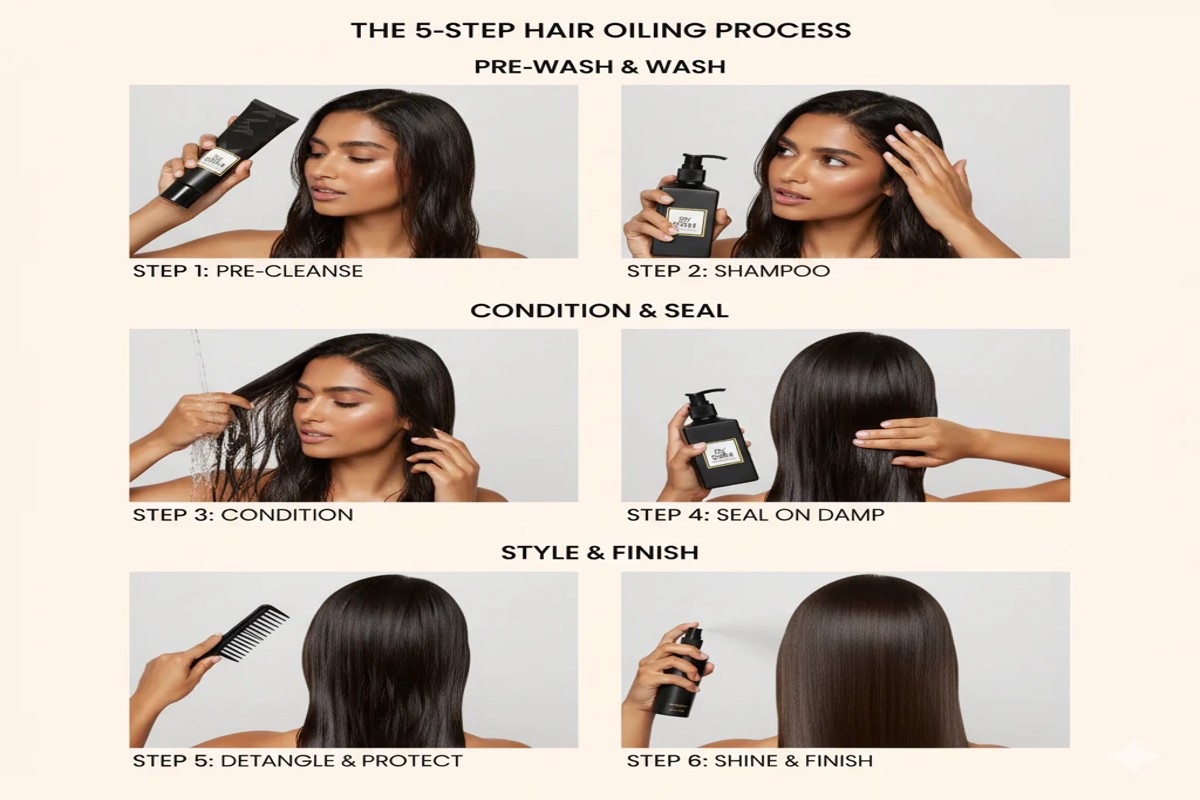
How to use hair oil involves applying a small amount to your palms, rubbing them together, and distributing the oil evenly through your hair, with an emphasis on the ends. This method can be enhanced by leaving the oil in for a few hours or overnight for deeper conditioning.
Understanding how to use hair oil is crucial for maintaining healthy hair. Improper application can lead to greasy strands or ineffective treatment, potentially exacerbating issues like dryness or damage. Knowledge of correct techniques ensures optimal results and enhances overall hair health.
This guide covers various methods of application, the types of hair oils suited for different hair types, and tips for maximizing benefits, including timing and frequency of use.
What is hair oil and what does it do?
Hair oil is a concentrated formulation made from various natural oils designed to nourish and protect hair. It penetrates the hair shaft, providing moisture, enhancing shine, and reducing frizz. Different types of hair oils offer specific benefits depending on their composition and intended use.
Hair oils can be broadly categorized based on their source and properties. Common types include:
- Coconut oil: Known for its deep penetration, it helps reduce protein loss and provides hydration.
- Argan oil: Rich in antioxidants, it promotes shine and softness while helping to tame frizz.
- Jojoba oil: Mimics the natural oils of the scalp, making it effective for moisturizing without weighing hair down.
- Olive oil: Contains vitamins and antioxidants, offering protection against damage and enhancing hair strength.
- Castor oil: Known for promoting hair growth and thickness, it also has antibacterial properties.
Using hair oil can significantly improve hair health when applied correctly. Regular application can lead to stronger, shinier hair while preventing issues like dryness and split ends. The method of application may vary; for instance, oils can be used as pre-wash treatments, leave-in conditioners, or styling aids. The choice of oil depends on hair type and individual needs, such as moisture retention, damage repair, or scalp health.
Expert Tip: For best results, warm the oil slightly before application to enhance absorption and effectiveness. Additionally, consider the climate and your hair’s condition when selecting an oil to maximize its benefits.
How often should I use hair oil?
Hair oil can be used anywhere from once a week to several times a week, depending on your hair type and condition. Regular use can nourish and protect hair, but the frequency should be tailored to individual needs.
For dry or damaged hair, using hair oil 2-3 times a week is beneficial. This frequency allows the oil to penetrate deeply, providing essential moisture and nutrients. Those with very dry hair may even consider overnight oiling, where the oil is applied and left in overnight before washing it out the next morning.
If you have oily or fine hair, limit usage to once a week or every two weeks. Excessive oil can weigh down fine strands and lead to greasiness. Opt for lighter oils, such as argan or jojoba, and focus on applying them primarily to the ends of the hair rather than the scalp.
- Curly or coily hair: Use hair oil 2-4 times a week to maintain moisture and control frizz. It can be particularly beneficial after washing and while styling.
- Color-treated hair: Apply hair oil 1-2 times a week to protect against color fade and maintain shine. This helps seal moisture and prevent damage from chemical treatments.
- Scalp treatment: For those dealing with dry scalp, consider a light oil application once a week to soothe irritation and promote healthy hair growth.
Consider environmental factors and hair health when determining frequency. Seasonal changes, such as winter dryness, may require more frequent applications, while summer humidity might necessitate less. Regular assessment of hair condition can guide adjustments in oil usage.
Expert Tip: Always warm the oil slightly before application to enhance absorption. This practice improves the oil’s effectiveness, allowing it to penetrate the hair shaft more easily.
Can I use hair oil on oily hair?
Yes, hair oil can be used on oily hair, but it requires careful selection and application. While traditional oils may weigh down oily hair, lighter oils can provide benefits without excessive greasiness. The key is to choose the right type of oil and use it sparingly.
When considering hair oil for oily hair, it is essential to differentiate between various oil types. Lighter oils, such as argan oil, grapeseed oil, and jojoba oil, can help balance scalp oiliness while providing moisture. In contrast, heavier oils like coconut oil and olive oil may exacerbate greasiness and should be avoided. The main differences lie in their molecular weight and absorption rates, which affect how they interact with the scalp and hair strands.
- Argan Oil: Lightweight and easily absorbed, argan oil hydrates without leaving a greasy residue. It also contains antioxidants that can improve hair health.
- Grapeseed Oil: Another light option, grapeseed oil is rich in linoleic acid, which can help regulate sebum production and leave hair smooth.
- Jojoba Oil: Closely mimicking the natural oils produced by the scalp, jojoba oil helps balance oil levels while providing moisture without heaviness.
Application techniques also play a vital role. Use hair oil primarily on the ends of the hair rather than the scalp to avoid adding excess oil. A few drops are usually sufficient; excess application can lead to buildup and greasiness. Regular use of lighter oils can condition hair and prevent dryness without compromising the scalp’s oil balance.
Expert Tip: For best results, consider using hair oil as a pre-shampoo treatment. Applying a light oil before washing can help protect hair from potential drying agents in shampoos, enhancing overall hair health without adding oiliness.
What are the best hair oils for different hair types?
The best hair oils vary based on hair type, with specific oils offering unique benefits tailored to individual needs. For example, coconut oil is ideal for dry and damaged hair, while argan oil works well for frizzy hair. Understanding these distinctions can enhance hair health and appearance.
For fine hair, lightweight oils such as grapeseed oil or jojoba oil are recommended. Grapeseed oil is easily absorbed, providing moisture without weighing hair down, making it perfect for those seeking volume. Jojoba oil mimics the natural oils produced by the scalp, helping to balance oil production while adding shine.
Thick or curly hair benefits from heavier oils that provide deeper hydration. Olive oil is an excellent choice, as it penetrates the hair shaft to nourish and strengthen strands. Another great option is castor oil, known for its ability to promote hair growth and improve overall texture. For color-treated hair, consider using argan oil, which helps to restore moisture and protect against damage from chemical processes.
When applying hair oil, consider the specific needs of your hair type. For example, fine hair should only use a few drops on the ends to avoid greasiness, while thicker hair may require more product for full moisture absorption. The application frequency also varies; fine hair may only need oil once a week, while dry or curly hair can benefit from more frequent use.
Expert Tip: When using hair oil, warm it slightly before application. This enhances penetration and effectiveness, allowing the oil to better nourish and hydrate the hair.
How long should I leave hair oil in?
For optimal results, hair oil should generally be left in for a minimum of 30 minutes to several hours, depending on hair type and oil composition. Some people may benefit from leaving it in overnight for deeper conditioning. However, the specific duration can vary based on individual hair needs and the type of oil used.
The effectiveness of hair oil treatment is influenced by several factors, including hair type, porosity, and the specific oil being used. For fine or thin hair, a 30-minute application may suffice to avoid weighing the hair down. In contrast, coarse or dry hair types often require longer exposure, ranging from 1 to 3 hours, or even overnight, allowing the hair to fully absorb the nutrients. Oils like coconut or olive oil can provide intensive hydration, making longer application times more beneficial.
Heat can also play a role in enhancing the effectiveness of hair oil treatments. Applying heat, such as using a warm towel or a heating cap, can open up the hair cuticles, allowing for deeper penetration of the oil. In this case, a 30-minute treatment can be as effective as an overnight soak. Additionally, consider your daily schedule; if time is limited, a shorter application can still provide benefits, especially if done consistently.
Expert Tip: For those with color-treated hair, leave the oil in for 1-2 hours to prevent color fading, while ensuring the oil is free of harsh chemicals that could affect the dye. Regularly alternating between short and long treatments can lead to healthier, shinier hair over time.
The Science Behind Hair Oils: How They Work
This section explores the scientific principles underlying hair oils, focusing on their composition, interaction with hair structure, moisture retention capabilities, and the role of essential fatty acids. Understanding these factors is essential for maximizing the benefits of hair oils.
Understanding the Composition of Hair Oils
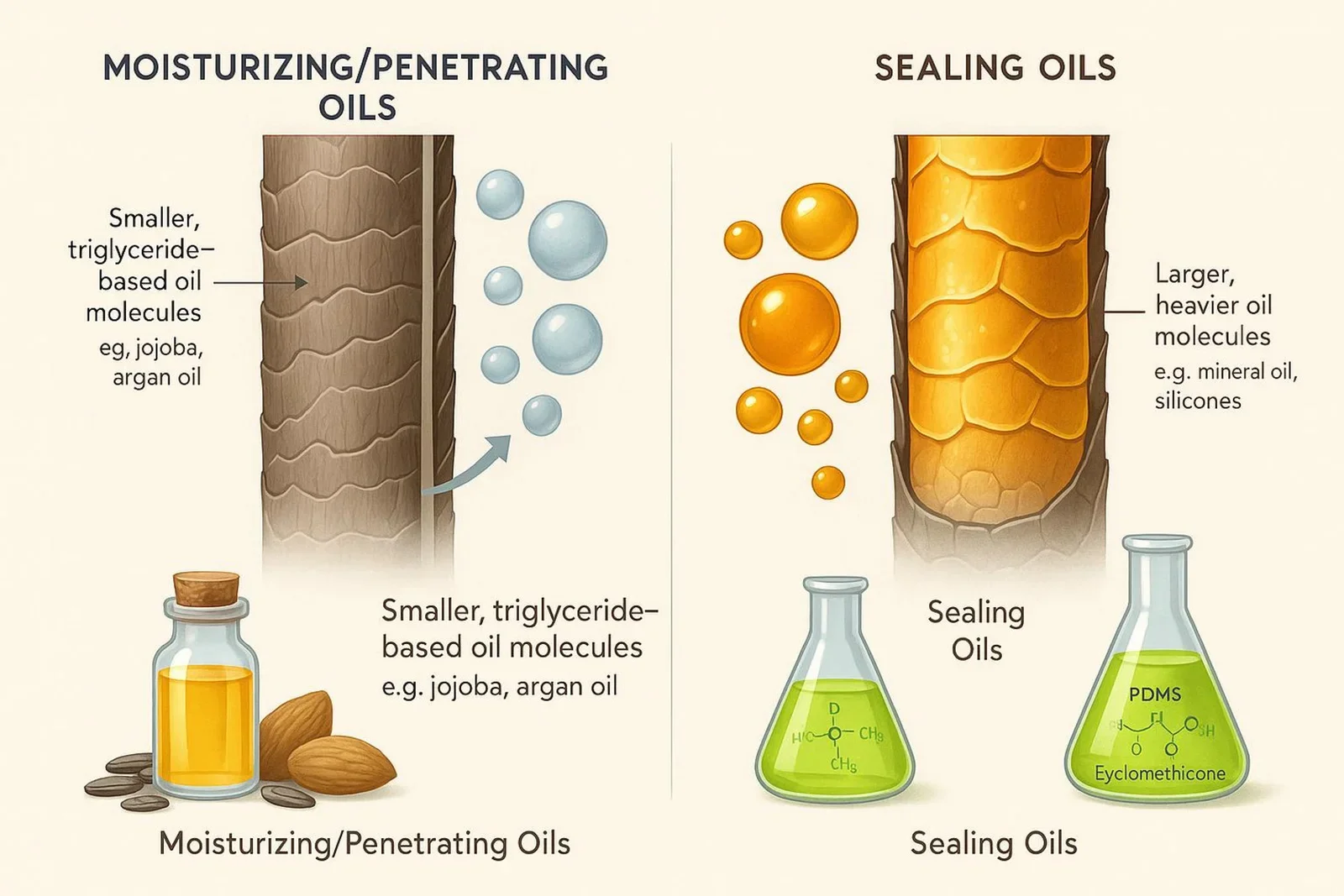
Hair oils are typically derived from various plant sources, each with unique properties beneficial for hair health. Common oils include coconut oil, argan oil, jojoba oil, and olive oil. These oils contain a blend of fatty acids, vitamins, and antioxidants.
– **Fatty Acids**: Oils often consist of saturated, monounsaturated, and polyunsaturated fatty acids, which contribute to their effectiveness.
– **Vitamins**: Many hair oils are rich in vitamin E and other antioxidants that protect hair from oxidative stress.
– **Minerals**: Some oils also provide essential minerals like zinc and iron, supporting overall scalp health.
How Oils Interact with Hair Structure
When applied to hair, oils penetrate the hair shaft and interact with its structure. Hair is composed primarily of a protein called keratin, which can become damaged due to environmental factors and styling practices. Hair oils help to:
– **Seal Cuticles**: Oils smooth the cuticle layer, reducing frizz and enhancing shine.
– **Strengthen Bonds**: Certain oils can penetrate the cortex, where they reinforce the protein structure of the hair.
– **Reduce Breakage**: By providing lubrication, oils minimize friction during styling, leading to less physical damage.
The Impact of Oil on Moisture Retention
Moisture retention is critical for maintaining healthy hair. Hair oils create a barrier that reduces water loss, helping to keep hair hydrated. Studies have shown that:
– **Oils Reduce Transepidermal Water Loss (TEWL)**: This prevents dehydration, particularly in dry climates.
– **Enhanced Elasticity**: Well-hydrated hair is more elastic, which reduces the likelihood of breakage during styling.
The Role of Essential Fatty Acids in Hair Health
Essential fatty acids (EFAs) play a significant role in hair health. These include omega-3, omega-6, and omega-9 fatty acids, which are vital for maintaining the integrity of cell membranes in hair follicles. Their benefits include:
– **Promoting Growth**: EFAs stimulate blood circulation in the scalp, promoting hair growth.
– **Reducing Inflammation**: They can help soothe scalp conditions such as dandruff and eczema.
– **Improving Texture**: Oils rich in EFAs contribute to softer, more manageable hair.
Nuance / Expert Layer
A common misconception is that all oils are equally effective for all hair types. In reality, the efficacy of hair oils depends on individual hair characteristics, including texture, porosity, and scalp condition. For instance, fine hair may benefit from lighter oils like argan or grapeseed oil, while thicker, coarser hair may require heavier oils such as castor or olive oil. Additionally, over-application can lead to buildup and greasiness, which can weigh hair down. Consult a professional or conduct patch tests to determine the best oil for specific hair types and needs.
Practical Application
To effectively use hair oil, follow these steps:
1. Identify your hair type and select an appropriate oil.
2. Apply a small amount (1-2 tablespoons) to damp or dry hair.
3. Focus on the ends and avoid the scalp to prevent greasiness.
4. Leave the oil on for at least 30 minutes or overnight for deep conditioning.
5. Wash out with a gentle shampoo to prevent buildup.
By understanding the science behind hair oils, you can make informed choices that enhance the health and appearance of your hair.
Common Mistakes When Using Hair Oil and How to Avoid Them
Many individuals seeking healthy hair fall into common traps when using hair oil. Addressing these mistakes can enhance the benefits of hair oil and contribute to more effective hair care routines.

Using Too Much Oil
Applying excessive hair oil can lead to greasy hair and an increased likelihood of product buildup. Less is often more when it comes to oil application. A general guideline is to use a dime-sized amount for medium-length hair. For longer hair, a quarter-sized amount may be appropriate. Overuse can weigh down hair, making it appear limp and unhealthy.
Applying Oil to Dry Hair Versus Wet Hair
The timing of oil application is crucial. Many users apply oil to dry hair, which can limit absorption and effectiveness. Instead, applying hair oil to damp hair post-wash allows for better moisture retention. Damp hair can absorb the beneficial properties of oils more effectively, leading to enhanced hydration and shine.
Neglecting to Wash Out Oil Properly
Failing to wash out hair oil thoroughly can result in a greasy residue that attracts dirt and pollutants. It is essential to use a clarifying shampoo to remove oil buildup effectively. When washing out oil, follow these steps:
- Wet hair thoroughly.
- Apply a small amount of shampoo directly to the oiled areas.
- Massage the scalp gently to emulsify the oil.
- Rinse and repeat if necessary.
This method ensures that hair is clean and free from excess oil.
Ignoring the Importance of Oil Temperature
The temperature of hair oil can significantly impact its effectiveness. Cold oil can solidify and may not penetrate hair strands efficiently. Warm oil, on the other hand, opens up the hair cuticle, allowing for deeper absorption of nutrients. To warm oil, place the bottle in a bowl of hot water for a few minutes before application. This practice enhances the oil’s ability to nourish and hydrate the hair.
Nuances and Expert Insights
One common misconception is that all hair types require the same oil application methods. Different hair types, such as fine, thick, curly, or straight, can react variably to oil application. For instance, individuals with fine hair may benefit from lighter oils like argan or jojoba, while those with thick or curly hair may prefer heavier oils like coconut or castor oil. Additionally, environmental factors such as humidity and temperature can affect how hair absorbs oil, leading to variations in hair care routines.
Practical Application
To maximize the benefits of hair oil, adhere to the following guidelines:
- Use a moderate amount of oil tailored to your hair length and type.
- Apply oil to damp hair for optimal absorption.
- Thoroughly wash out oil using a clarifying shampoo when necessary.
- Warm the oil slightly before application to enhance its effectiveness.
By implementing these strategies, users can improve their hair care regimen and achieve healthier, more vibrant hair.
DIY Hair Oil Blends: Customizing for Your Hair Needs
This section provides a comprehensive guide to creating personalized hair oil blends tailored to specific hair types and concerns. Understanding how to select and mix oils enhances the effectiveness of hair care routines, promoting healthier hair.

Selecting Base Oils for Specific Benefits
Choosing the right base oil is foundational for achieving desired results. Each oil offers unique properties suited for different hair types. Consider the following options:
- Coconut Oil: Renowned for its deep penetration, coconut oil is ideal for dry and damaged hair, providing moisture and reducing protein loss.
- Jojoba Oil: Closely resembles natural sebum, making it perfect for oily hair types. It helps balance oil production without clogging pores.
- Argan Oil: Rich in essential fatty acids and vitamin E, argan oil is beneficial for frizz control and adds shine, suitable for all hair types.
- Olive Oil: Known for its nourishing properties, olive oil is excellent for coarse hair, providing hydration and improving elasticity.
Incorporating Essential Oils for Added Effects
Essential oils can enhance the therapeutic benefits of your hair oil blends. Incorporate the following essential oils based on specific hair needs:
- Lavender Oil: Promotes hair growth and soothes the scalp, making it ideal for those experiencing hair thinning.
- Rosemary Oil: Known for stimulating blood circulation, this oil can encourage hair growth and prevent dandruff.
- Tea Tree Oil: An effective antifungal and antibacterial agent, tea tree oil is beneficial for treating scalp conditions like dandruff.
How to Mix Oils for Optimal Results
Creating an effective blend involves careful measurement and mixing. Follow these steps for optimal results:
- Select your base oil based on your hair type and needs (2-3 tablespoons recommended).
- Add 5-10 drops of essential oil(s) corresponding to your desired effects.
- Mix thoroughly in a small glass container; use a small whisk or shake gently.
- Perform a patch test on your skin to ensure no adverse reactions occur.
Storage and Shelf-life Considerations for DIY Blends
Proper storage extends the shelf life of your DIY hair oil blends. Consider these guidelines:
- Store blends in dark glass containers to protect from light exposure, which can degrade oil quality.
- Keep oils in a cool, dry place away from direct sunlight to prolong freshness.
- Most blends can last between 6-12 months, but always check for rancidity before use.
Common misconceptions suggest that all oils can be mixed without consideration for their properties. This is misleading; some oils can counteract each other’s benefits. For instance, mixing a light oil like jojoba with a heavier oil like coconut can create an imbalance, affecting absorption rates. Understanding the attributes of each oil allows for more effective blends tailored to individual hair needs.
To apply this information, start by assessing your hair type and specific concerns. Select appropriate base and essential oils, then create a custom blend. Test the mixture on a small section of your hair or skin to ensure compatibility. Regular application, ideally once or twice a week, will maximize the benefits of your personalized hair oil blend.
Real-Life Applications: Hair Oil in Different Cultures
This section delves into the cultural significance and diverse practices surrounding hair oil usage worldwide, highlighting how these traditions contribute to hair health and beauty routines.

Traditional Uses of Hair Oil in Indian Culture
In India, hair oil has a deep-rooted significance, often associated with rituals and family traditions. The practice of Champi, or oil massage, is a common custom where warm oil is massaged into the scalp. This technique is believed to stimulate hair growth, improve blood circulation, and strengthen hair follicles.
Commonly used oils include coconut oil, almond oil, and amla oil. These oils are often infused with herbs to enhance their benefits. For example, amla oil is rich in vitamin C, promoting scalp health and reducing premature greying.
Middle Eastern Oil Rituals for Hair Care
In Middle Eastern cultures, hair oil is an essential aspect of beauty rituals. Traditionally, oils such as argan oil and olive oil are used for their nourishing properties. These oils are often applied as deep-conditioning treatments to combat the dry climate’s effects on hair.
Rituals often involve applying warm oil to the hair and scalp, followed by a gentle massage. This practice not only nourishes the hair but also provides a relaxing experience, often accompanied by aromatic scents from essential oils.
The Rise of Hair Oil in Western Beauty Routines
In recent years, hair oil has gained popularity in Western beauty routines, shifting from a niche product to a mainstream staple. Many Western brands have begun to incorporate natural oils into their formulations, promoting benefits such as hydration and shine.
- Argan Oil: Known for its lightweight texture, ideal for taming frizz.
- Jojoba Oil: Mimics the scalp’s natural oils, making it effective for moisturizing.
- Castor Oil: Often used for promoting hair growth due to its ricinoleic acid content.
The incorporation of hair oils into styling products and leave-in treatments reflects a shift towards holistic hair care, emphasizing the importance of nourishment and protection.
Comparative Benefits of Cultural Approaches to Hair Oil
Different cultures approach hair oil usage with unique techniques and ingredients, each offering distinct benefits. Indian practices emphasize scalp health and hair growth, while Middle Eastern methods focus on hydration and nourishment. Western approaches often blend these traditions with modern formulations, creating versatile products that cater to various hair types.
These cultural differences underscore the versatility of hair oils, allowing individuals to choose methods that align with their specific hair needs and preferences.
Common misconceptions about hair oils include the belief that they are only suitable for dry hair. In reality, many oils can benefit all hair types when used correctly. For instance, lighter oils such as argan or jojoba are ideal for fine hair, while denser oils like castor are better for thicker, coarser hair.
To effectively incorporate hair oil into a personal routine, consider the following actionable steps:
- Identify your hair type and needs.
- Select an appropriate oil based on cultural practices or ingredient benefits.
- Apply the oil to the scalp and hair, massaging gently for enhanced absorption.
- Allow the oil to sit for at least 30 minutes or overnight for deep conditioning.
- Wash the oil out with a mild shampoo to avoid residue.
By understanding these cultural practices, individuals can enrich their hair care routines, drawing from the wisdom of diverse traditions to promote healthy, beautiful hair.
Frequently Asked Questions
What is hair oil and what does it do?
Hair oil is a product made from natural or synthetic oils designed to nourish and moisturize hair. It helps improve shine, reduce frizz, and promote overall hair health.
How often should I use hair oil?
The frequency of using hair oil depends on hair type and condition, but generally, 1-2 times a week is recommended. Oily hair may require less frequent application, while dry hair can benefit from more regular use.
Can I use hair oil on oily hair?
Yes, hair oil can be used on oily hair, but it is advisable to apply it sparingly and focus on the ends rather than the roots. Lightweight oils can help manage frizz without weighing hair down.
What are the best hair oils for different hair types?
Coconut oil is ideal for dry hair, while argan oil suits frizzy hair types. Jojoba oil works well for oily hair, and almond oil is great for fine hair.
How long should I leave hair oil in?
Hair oil can be left in for as little as 30 minutes or overnight for deeper conditioning. The duration may vary based on hair type and the specific oil used.
Final Thoughts on how to use hair oil
Proper utilization of hair oil can transform your hair health, making it stronger, shinier, and more resilient. Understanding hair types, application techniques, and avoiding common pitfalls ensures that you maximize the benefits of these nourishing oils.
To achieve optimal results, start by selecting a hair oil that aligns with your specific hair type and needs, then incorporate it into your routine, applying it consistently before washing or as a leave-in treatment to lock in moisture.
Embracing the right hair oil strategy is essential for maintaining vibrant, healthy hair, underscoring the importance of tailored hair care in today’s beauty landscape.
Leave a Reply