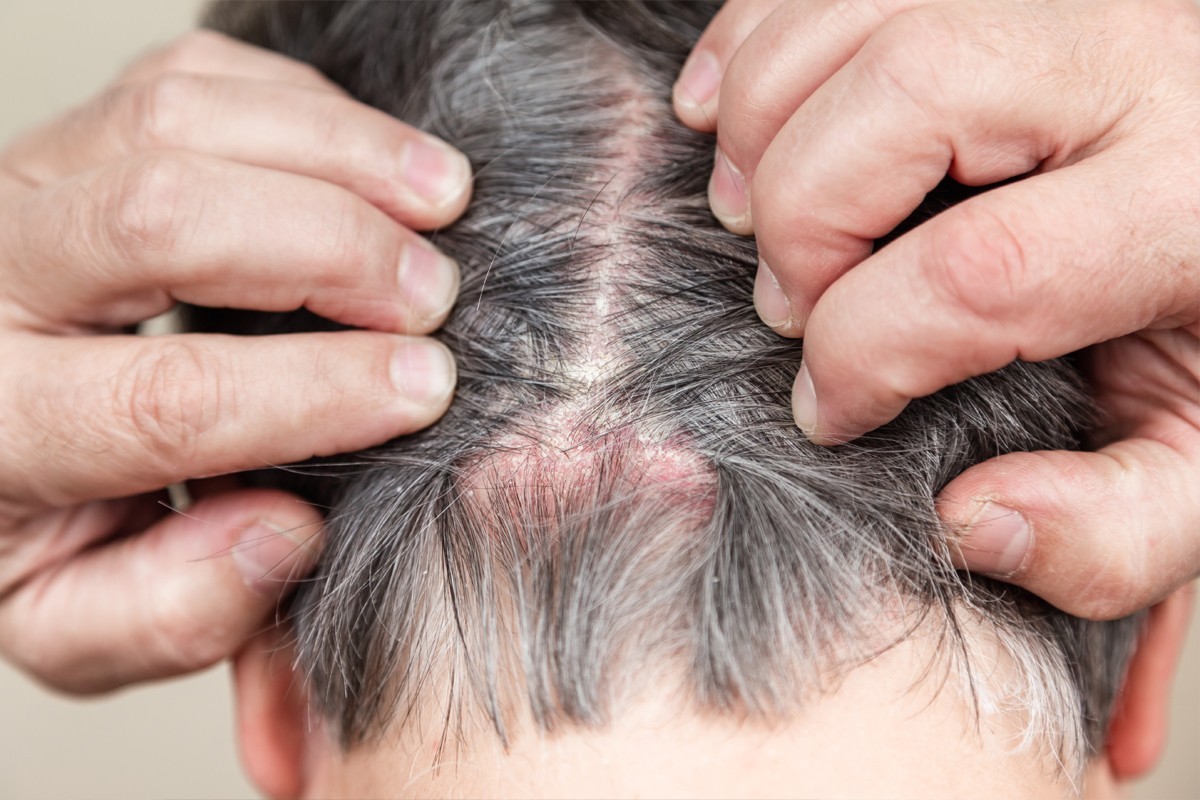
Can dandruff cause hair loss? Yes, while dandruff itself does not directly cause hair loss, it can lead to scalp inflammation and irritation that may contribute to hair shedding.
This topic is crucial for individuals experiencing dandruff and hair loss, as misunderstanding the relationship can result in inadequate treatment and worsening symptoms. Recognizing the nuances between dandruff and hair loss can significantly impact one’s approach to effective scalp care.
This article examines the mechanisms by which dandruff may contribute to hair loss, explores effective treatment options for dandruff, and discusses strategies for maintaining a healthy scalp to prevent hair shedding.
What is dandruff and how does it form?
Dandruff is a common scalp condition characterized by the presence of white or yellowish flakes of dead skin. It occurs when the scalp sheds skin cells at an accelerated rate, often due to a combination of biological and environmental factors.
The primary biological factor contributing to dandruff is the overgrowth of a yeast-like fungus called Malassezia, which is normally present on the skin. This fungus feeds on the natural oils produced by the scalp, leading to irritation and increased skin cell turnover. Environmental factors such as dry air, inadequate scalp hygiene, and certain skin conditions like eczema or psoriasis can exacerbate this condition.
- Biological Factors: Genetic predisposition, hormonal changes, and skin type can influence the likelihood of developing dandruff.
- Environmental Factors: Seasonal changes, especially in winter, can lead to dry scalp conditions, while excessive oiliness can also contribute to dandruff formation.
- Dietary Influences: A lack of certain nutrients, such as zinc and B vitamins, may impact scalp health and contribute to dandruff.
In addition to these factors, stress can play a significant role in triggering dandruff flare-ups. Psychological stress may disrupt the skin’s barrier function, leading to increased susceptibility to irritation and inflammation. While dandruff is typically harmless, persistent cases may require treatment to prevent further complications and improve scalp health.
Expert Tip: Regularly using a medicated shampoo containing active ingredients like salicylic acid or ketoconazole can help manage dandruff effectively. For individuals with persistent or severe symptoms, consulting a dermatologist is advisable to explore underlying conditions and tailored treatment options.
Can dandruff lead to permanent hair loss?
Dandruff itself does not cause permanent hair loss. However, while dandruff may lead to temporary shedding, it is distinct from conditions that result in lasting hair loss.
Temporary hair shedding related to dandruff typically occurs due to inflammation of the scalp. The flakes and irritation can cause scratching, leading to hair breakage. Once the underlying scalp condition is treated, hair usually regrows without lasting effects. In contrast, permanent hair loss often stems from genetic factors, hormonal changes, or certain medical conditions like alopecia areata or androgenetic alopecia. These conditions disrupt the hair growth cycle and can lead to irreversible follicle damage.
| Condition | Temporary Shedding (Dandruff) | Permanent Hair Loss |
|---|---|---|
| Causes | Scalp inflammation, irritation | Genetics, hormonal changes, medical conditions |
| Duration | Short-term, resolves with treatment | Long-term, may require medical intervention |
| Impact on Hair Follicles | No permanent damage | Can cause irreversible damage |
Effective treatment for dandruff often includes medicated shampoos containing ingredients like zinc pyrithione, ketoconazole, or salicylic acid. Addressing the root cause can alleviate symptoms and prevent temporary shedding. In contrast, conditions leading to permanent hair loss often require a multifaceted approach, including medications, lifestyle changes, or surgical options.
Regular scalp care is crucial for individuals experiencing dandruff. Maintaining a healthy scalp environment can help prevent inflammation and excessive shedding. Consulting a dermatologist for persistent issues is advisable to rule out other underlying conditions.
How can I treat dandruff effectively?
Dandruff can be effectively treated through a combination of specialized shampoos, lifestyle changes, and scalp care. The right approach can help alleviate symptoms and promote a healthier scalp, reducing the likelihood of hair loss associated with severe dandruff. Implementing these strategies can lead to noticeable improvements.
- Select an anti-dandruff shampoo: Look for shampoos containing active ingredients such as zinc pyrithione, ketoconazole, or selenium sulfide. These ingredients help combat the underlying causes of dandruff, such as yeast overgrowth and scalp inflammation.
- Follow a consistent washing routine: Wash your hair at least twice a week with the anti-dandruff shampoo, allowing it to sit on your scalp for several minutes before rinsing. This ensures the active ingredients have sufficient time to work effectively.
- Incorporate moisturizing treatments: Use a moisturizing conditioner after shampooing to prevent dryness. A dry scalp can exacerbate dandruff, so opt for conditioners that specifically target scalp hydration.
- Adjust your diet: Include foods rich in omega-3 fatty acids, zinc, and probiotics. These nutrients can help improve scalp health and reduce dandruff symptoms.
- Manage stress levels: High stress can worsen dandruff. Engage in stress-reducing activities such as exercise, meditation, or hobbies to promote overall well-being.
- Avoid hair products with harsh chemicals: Limit the use of hair gels, sprays, or other styling products that can irritate the scalp. Opt for gentle, natural alternatives instead.
- Consult a dermatologist: If over-the-counter treatments do not yield results, seek professional advice. A dermatologist can prescribe stronger medications or investigate other underlying skin conditions.
Regularly monitoring and adjusting your hair care routine can lead to effective dandruff management. Staying consistent with these treatments is key to maintaining a healthy scalp and minimizing the risk of hair loss.
Expert Tip: Consider using a scalp brush while shampooing to enhance exfoliation and improve blood circulation, promoting a healthier scalp environment conducive to hair growth.
What are the best anti-dandruff shampoos?
Some of the best anti-dandruff shampoos contain proven active ingredients that target the underlying causes of dandruff. Popular options include those formulated with zinc pyrithione, ketoconazole, and selenium sulfide. User reviews often highlight effectiveness and scalp health improvement.
When selecting an anti-dandruff shampoo, consider the active ingredients and their mechanisms. For instance, zinc pyrithione has antifungal and antibacterial properties, making it effective for controlling Malassezia yeast, a common cause of dandruff. Ketoconazole is a potent antifungal that can reduce flaking and itching, while selenium sulfide helps decrease the turnover of skin cells on the scalp. Each ingredient addresses dandruff from a different angle, offering various benefits depending on individual scalp conditions.
- Head & Shoulders Classic Clean: Contains zinc pyrithione; known for its effectiveness and accessibility. User reviews praise its ability to control flakes and soothe irritation.
- Nizoral A-D: Features ketoconazole; recommended for more severe cases of dandruff. Users report significant relief from itching and flaking after consistent use.
- Selsun Blue Medicated: Contains selenium sulfide; particularly effective for oily scalps. Many users appreciate its ability to reduce greasiness and dandruff simultaneously.
- Tea Tree Special Shampoo: Utilizes tea tree oil, known for its natural antifungal properties. Users often note a refreshing sensation and improved scalp health.
When trying a new anti-dandruff shampoo, it may take several weeks to see maximum results. Consistency is key; using the product as directed can lead to improved scalp health and reduced dandruff symptoms. Additionally, consider alternating between shampoos if one ingredient becomes less effective over time.
Expert Tip: For persistent dandruff, consult a dermatologist to explore prescription options or underlying conditions. Individual scalp responses can vary significantly, making professional guidance beneficial.
How long does it take for dandruff treatment to work?
Dandruff treatment typically takes about 2 to 4 weeks to show noticeable results. However, the exact timeframe can vary based on the treatment method used and the individual’s specific condition. Some may experience relief sooner, while others might need more time for significant improvement.
The type of dandruff treatment plays a crucial role in the speed of results. Over-the-counter shampoos that contain active ingredients like zinc pyrithione, selenium sulfide, or ketoconazole often yield quicker results, generally within 2 weeks. In contrast, treatments that focus on lifestyle changes, such as dietary adjustments or stress management, may take longer to exhibit effects, often requiring several weeks or even months to see full benefits.
Individual factors also influence the effectiveness and speed of treatment. For instance, the severity of the dandruff, the underlying causes (such as seborrheic dermatitis or fungal infections), and the person’s skin type can all affect how quickly improvements are observed. Consistency in treatment application is vital; sporadic use can delay results. Additionally, if symptoms persist despite treatment, consultation with a healthcare professional may be necessary to explore alternative options.
Expert Tip: When using medicated shampoos, follow the instructions carefully. Allow the shampoo to sit on the scalp for at least 5 minutes before rinsing to enhance its effectiveness. Regular use is essential for sustaining results and preventing recurrence.
Is there a link between stress and dandruff?
Yes, stress can exacerbate dandruff, creating a cycle that may also lead to hair loss. High levels of stress can trigger or worsen conditions like seborrheic dermatitis, which is a common cause of dandruff. This connection can have significant implications for overall hair health.
Consider a scenario where an individual is experiencing increased stress due to work deadlines and personal issues. This stress may lead to hormonal changes that affect the scalp’s oil production, contributing to an overgrowth of Malassezia yeast, a primary factor in dandruff development. As the scalp becomes more irritated and flaky, the individual may notice increased itching and scratching, which can further damage hair follicles and potentially lead to hair thinning.
Additionally, the psychological impact of dandruff can create a vicious cycle. Individuals may become more self-conscious about their appearance, leading to increased anxiety. This heightened stress can further aggravate the condition, making it harder to manage. Consequently, prolonged stress combined with untreated dandruff can contribute to hair loss, as the hair follicles may weaken over time due to the constant irritation and inflammation.
Expert Tip: Managing stress through mindfulness practices, regular exercise, and proper scalp care can help mitigate dandruff and protect hair health. Incorporating anti-dandruff shampoos that contain active ingredients like zinc pyrithione or ketoconazole can also be beneficial in reducing symptoms.
What lifestyle changes can help reduce dandruff?
Making specific lifestyle changes can significantly reduce dandruff and improve overall scalp health. These adjustments focus on diet, hygiene, and stress management, all of which play a crucial role in maintaining a healthy scalp environment.
First, incorporating a balanced diet rich in vitamins and minerals can greatly benefit scalp health. Foods high in omega-3 fatty acids, such as salmon and walnuts, help to nourish the skin and reduce inflammation. Additionally, vitamins B and D, found in leafy greens, nuts, and seeds, are essential for skin health and can help minimize flakiness.
- Stay Hydrated: Drinking adequate water daily supports skin hydration, which may help reduce dryness and flakiness associated with dandruff.
- Practice Good Scalp Hygiene: Regularly washing hair with a gentle shampoo helps remove excess oil and dead skin cells. Avoiding harsh hair products can prevent irritation.
- Manage Stress: High stress levels can exacerbate dandruff. Engaging in stress-reducing activities such as yoga, meditation, or regular exercise can help maintain a healthier scalp.
- Avoid Hot Showers: Hot water can strip the scalp of natural oils, leading to dryness. Opt for lukewarm water when washing hair to maintain moisture balance.
Implementing these lifestyle changes can create a more favorable environment for scalp health, which may alleviate dandruff symptoms. Each practice contributes to reducing irritation and promoting a balanced scalp ecosystem.
Expert Tip: Consider introducing probiotics into your diet. They may enhance gut health, which is linked to improved skin conditions, including dandruff. A healthy gut can support a balanced immune response, potentially reducing scalp inflammation.
Are there any natural remedies for dandruff?
Yes, several natural remedies can effectively treat dandruff. These remedies often focus on soothing the scalp, reducing inflammation, and eliminating excess flakes. While their effectiveness may vary among individuals, many people find relief through consistent use.
- Tea Tree Oil: Known for its antifungal properties, tea tree oil can reduce the Malassezia yeast that contributes to dandruff. Dilute a few drops in a carrier oil and massage it into the scalp before rinsing.
- Aloe Vera: Aloe vera has soothing and anti-inflammatory properties. Applying pure aloe vera gel directly to the scalp can help hydrate the skin and reduce irritation associated with dandruff.
- Coconut Oil: Coconut oil is both moisturizing and has antifungal effects. Massaging warm coconut oil into the scalp can help break down flakes and nourish the skin, promoting a healthier scalp environment.
- Apple Cider Vinegar: This natural remedy helps restore the scalp’s pH balance, which can inhibit yeast growth. Mix equal parts apple cider vinegar and water, apply it to the scalp, and leave it for 15-30 minutes before washing out.
- Fenugreek Seeds: Soaking and grinding fenugreek seeds into a paste can provide relief due to their antifungal properties. Apply the paste to the scalp, let it sit for 30 minutes, and then wash it out to help reduce dandruff.
While these natural remedies can be effective, individual results may vary. Consistency is key; it may take several applications to notice improvement. Additionally, if dandruff persists or worsens, consulting a healthcare professional is advisable, as this may indicate an underlying condition.
Expert Tip: Always conduct a patch test before trying new natural remedies to ensure there is no allergic reaction, particularly with essential oils and plant extracts.
The Science Behind Dandruff and Hair Loss
This section explores the biological mechanisms linking dandruff to hair loss, focusing on the scalp’s microbiome, inflammation, and the differentiation between scalp conditions.
The Scalp’s Microbiome and Dandruff

The scalp hosts a diverse community of microorganisms, collectively known as the microbiome. This ecosystem includes bacteria, fungi, and other microbes that contribute to scalp health. An imbalance in this microbiome can lead to an overgrowth of Malassezia, a type of yeast that is often associated with dandruff. When Malassezia proliferates, it produces fatty acids that can irritate the scalp, triggering flakiness and shedding of skin cells. This condition not only manifests as dandruff but may also impact hair follicles, potentially leading to hair loss.
Inflammation and Hair Follicle Health
Inflammation plays a critical role in the relationship between dandruff and hair loss. When the scalp becomes irritated due to dandruff, it can induce an inflammatory response. This response can lead to damage of the hair follicles, which are responsible for hair growth. Prolonged inflammation can disrupt the hair growth cycle, resulting in telogen effluvium, a temporary form of hair loss characterized by shedding. Chronic inflammation may also lead to more severe conditions like androgenetic alopecia, where hair loss becomes progressive.
Distinguishing Seborrheic Dermatitis from Other Scalp Conditions
While dandruff is often confused with other scalp conditions, such as psoriasis or eczema, seborrheic dermatitis is specifically characterized by greasy, yellowish flakes and redness. Unlike typical dandruff, seborrheic dermatitis can lead to more significant inflammation and, consequently, a higher risk of hair loss. Understanding this distinction is crucial for effective treatment, as the underlying causes and management strategies differ significantly.
Dandruff and Existing Hair Loss Conditions
Dandruff can exacerbate pre-existing hair loss conditions, particularly in individuals already predisposed to hair thinning. For example, those with alopecia areata may experience increased shedding due to the additional inflammation caused by dandruff. Moreover, individuals with a family history of hair loss may find that dandruff aggravates their condition, leading to accelerated hair thinning.
Common misconceptions suggest that dandruff itself directly causes hair loss. However, it is the inflammatory response and the underlying scalp conditions that are more critical factors. Addressing dandruff effectively may mitigate some of the risks associated with hair loss.
Practical Application: Steps to Manage Dandruff and Minimize Hair Loss
- Use medicated shampoos containing zinc pyrithione or ketoconazole to reduce yeast overgrowth.
- Incorporate anti-inflammatory treatments, such as topical corticosteroids, if recommended by a dermatologist.
- Maintain a balanced diet rich in vitamins and minerals to support overall scalp health.
- Consult with a healthcare professional for personalized treatment plans, especially if experiencing significant hair loss.
Common Misconceptions About Dandruff and Hair Loss
This section clarifies prevalent myths and facts regarding the relationship between dandruff and hair loss. Understanding these misconceptions is essential for addressing concerns related to scalp health and hair vitality.
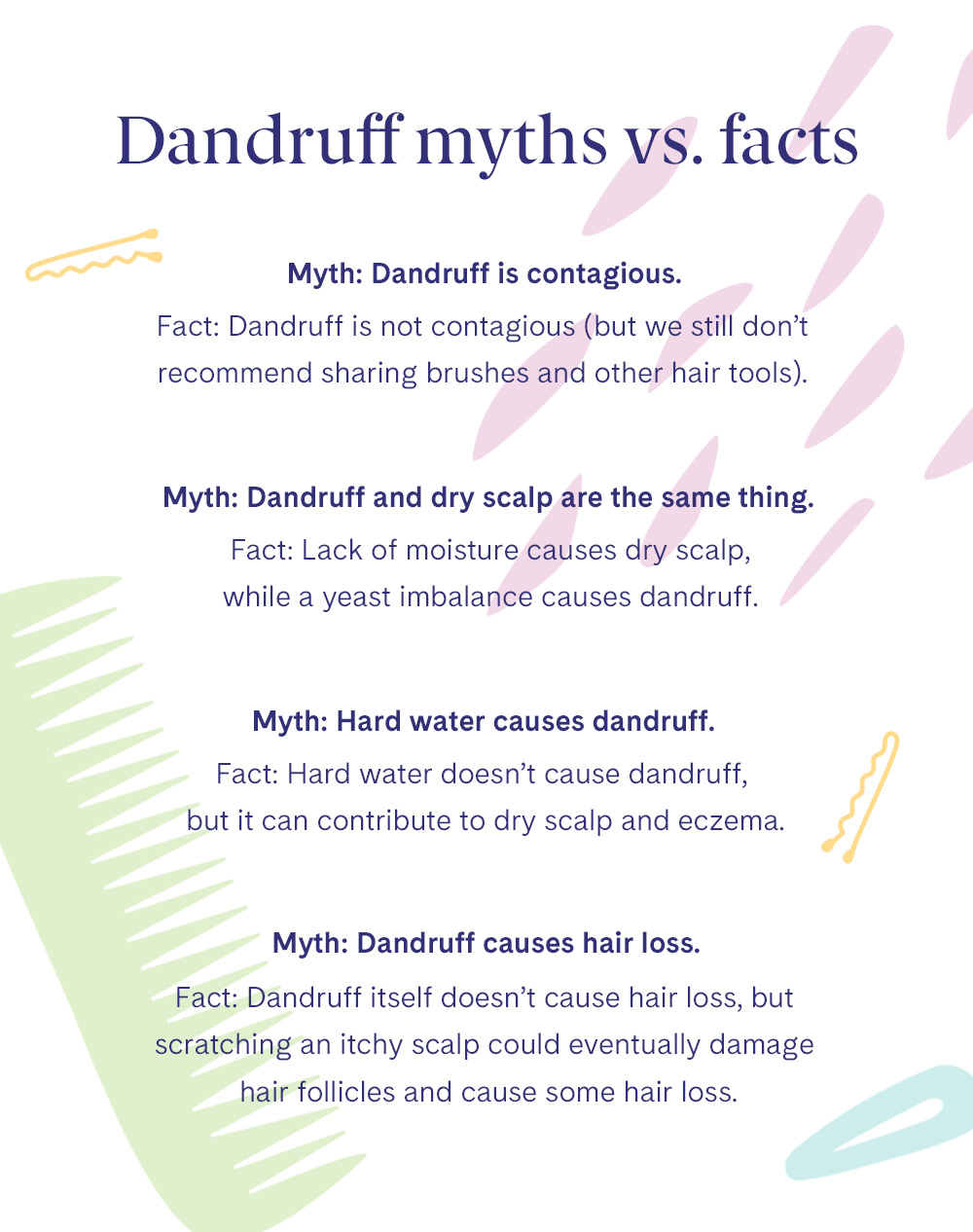
Debunking the Myth: Dandruff Alone Does Not Cause Hair Loss
A widespread belief is that dandruff directly leads to hair loss. While dandruff can cause an itchy and inflamed scalp, it does not inherently damage hair follicles or lead to hair thinning. Hair loss is primarily influenced by factors such as genetics, hormonal changes, and overall health. Dandruff may exacerbate existing hair loss conditions by causing inflammation, but it is not a standalone cause.
The Role of Genetics in Hair Loss
Genetic predisposition plays a significant role in hair loss. Conditions such as androgenetic alopecia, commonly known as male or female pattern baldness, are influenced by hereditary factors. According to the American Academy of Dermatology, approximately 80 million individuals in the United States are affected by this condition. Understanding one’s genetic background can provide insights into potential hair loss risks, independent of dandruff presence.
Scalp Hygiene: Impact on Dandruff and Hair Health
Maintaining proper scalp hygiene is crucial for controlling dandruff and promoting healthy hair growth. Poor hygiene can lead to an accumulation of dead skin cells and oil, which may worsen dandruff and irritate the scalp. Recommended practices include:
- Regularly washing hair with a gentle shampoo to remove excess oil and flakes.
- Using anti-dandruff shampoos containing active ingredients like zinc pyrithione or ketoconazole.
- Consulting a dermatologist for tailored advice on scalp care and treatment options.
Misunderstandings About Home Remedies
Home remedies for dandruff are popular but often misunderstood in their effectiveness. While some natural treatments, such as tea tree oil or apple cider vinegar, may provide temporary relief, they are not universally effective. The efficacy of these remedies can vary widely among individuals, and reliance solely on them may delay proper treatment for underlying conditions that could contribute to hair loss.
Nuance: The Connection Between Scalp Conditions and Hair Loss
While dandruff itself is not a direct cause of hair loss, certain scalp conditions associated with dandruff may exacerbate hair thinning. For instance, seborrheic dermatitis, a more severe form of dandruff, can lead to inflammation that damages hair follicles over time. Additionally, stress induced by the discomfort of dandruff may contribute to temporary hair shedding, known as telogen effluvium. Recognizing these complexities can aid in effective management.
Practical Application: Steps to Foster Scalp Health
To effectively address concerns related to dandruff and hair loss, consider the following actions:
- Implement a consistent hair care routine that includes appropriate cleansing and moisturizing.
- Incorporate anti-dandruff treatments as advised by a healthcare professional.
- Monitor and manage stress levels through relaxation techniques and adequate sleep.
- Seek professional evaluation if dandruff persists or is accompanied by significant hair loss.
Preventive Measures to Maintain Scalp Health
This section outlines essential strategies to maintain scalp health and prevent dandruff, which can contribute to hair loss. A proactive approach to scalp care can significantly reduce the risk of dandruff-related issues.

Daily Scalp Care Routines
Implementing a consistent scalp care routine is fundamental in promoting scalp health. Daily practices should include:
- Gentle Cleansing: Use a mild, sulfate-free shampoo to cleanse the scalp without stripping natural oils.
- Exfoliation: Incorporate a gentle scalp scrub or exfoliating treatment once a week to remove dead skin cells and product buildup.
- Moisturization: Apply a lightweight conditioner or scalp oil post-wash to maintain moisture balance.
Dietary Recommendations for a Healthier Scalp
A well-balanced diet plays a crucial role in maintaining scalp health and preventing dandruff. Focus on incorporating:
- Omega-3 Fatty Acids: Found in fish, flaxseeds, and walnuts, these fats help reduce inflammation and promote scalp hydration.
- Vitamins: Vitamins A, D, and E support skin health. Include leafy greens, nuts, and citrus fruits in your diet.
- Hydration: Drink plenty of water to keep the scalp and skin hydrated, which can lessen the severity of dandruff.
Stress Management Techniques
Stress can exacerbate dandruff flare-ups, which may indirectly lead to hair loss. Effective stress management techniques include:
- Mindfulness Meditation: Engage in daily mindfulness or meditation practices to reduce stress levels.
- Regular Exercise: Physical activity releases endorphins, which can improve overall mood and reduce stress.
- Sleep Hygiene: Aim for 7-9 hours of quality sleep per night to support overall health and stress reduction.
The Importance of Regular Haircuts and Scalp Massages
Maintaining regular haircuts can prevent split ends and promote healthier hair growth. Scalp massages stimulate blood circulation, enhancing nutrient delivery to hair follicles. Incorporate the following:
- Every 6-8 Weeks Haircuts: Regular trims help maintain hair health and prevent breakage.
- Scalp Massage Techniques: Use fingertips or a scalp massager for 5-10 minutes daily to improve circulation and relaxation.
While these preventive measures are effective, misconceptions about dandruff and hair loss persist. Many believe that dandruff directly causes hair loss, but the reality is more nuanced. While severe dandruff can contribute to scalp inflammation and disrupt hair growth, it is the underlying conditions—such as seborrheic dermatitis or fungal infections—that primarily lead to hair loss. Therefore, addressing these root causes is critical in managing both dandruff and hair loss.
To effectively implement these strategies, establish a daily routine that includes scalp cleansing, a balanced diet rich in nutrients, and stress management practices. Schedule regular haircuts and integrate scalp massages into your self-care regimen. By doing so, you can maintain a healthy scalp and significantly reduce the risk of dandruff and its potential impact on hair loss.
When to Seek Professional Help for Dandruff and Hair Loss
Recognizing when to seek professional help for dandruff and hair loss is essential for effective treatment. This section outlines signs that warrant a consultation and what to expect from a specialist visit.
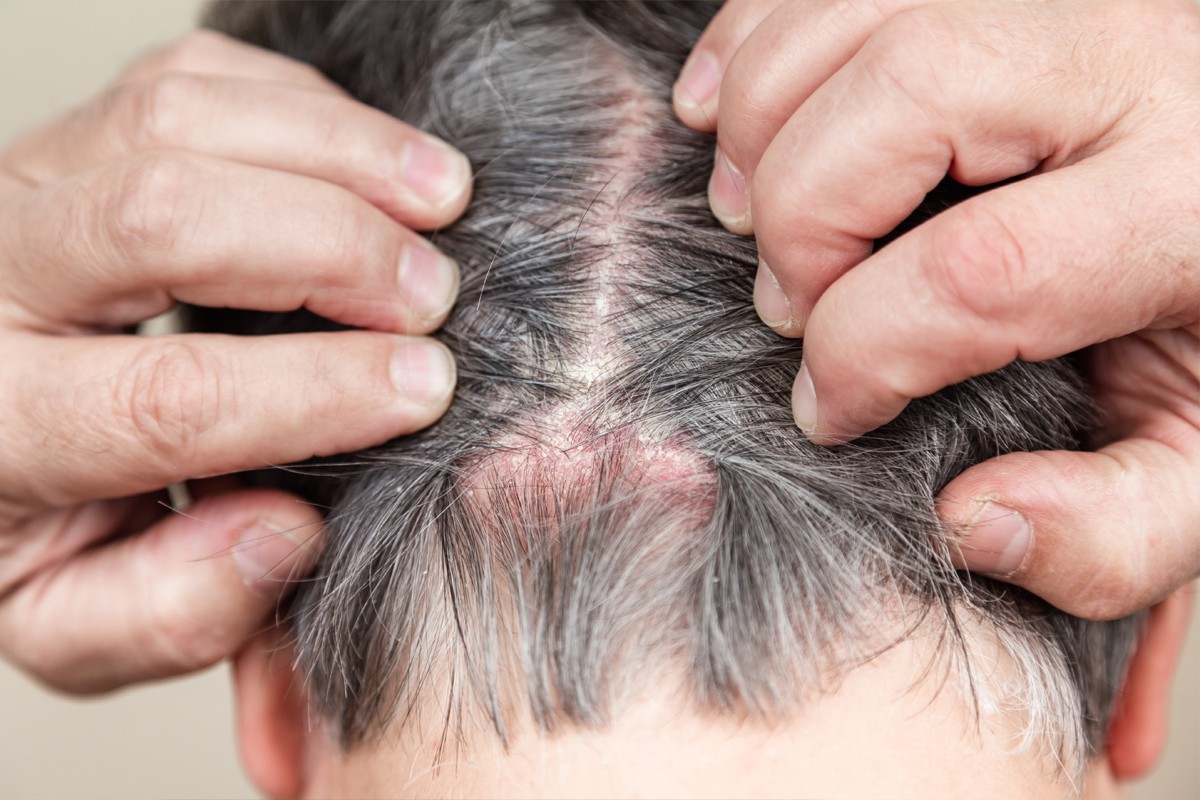
Signs Indicating the Need for Professional Evaluation
Several symptoms may suggest that over-the-counter treatments for dandruff are insufficient and that a healthcare professional should be consulted:
- Persistent Symptoms: If dandruff persists despite regular use of anti-dandruff shampoos for more than four to six weeks.
- Severe Flaking: Noticeable and severe flaking that affects daily life or self-esteem.
- Itching or Discomfort: Intense itching or discomfort on the scalp that disrupts normal activities.
- Hair Thinning: Observing thinning hair or patches of hair loss that coincide with dandruff symptoms.
- Redness or Inflammation: Signs of redness, inflammation, or irritation on the scalp or surrounding areas.
What to Expect During a Consultation
During a consultation with a dermatologist or trichologist, the following steps typically occur:
- Medical History Review: The specialist will review your medical history, including any previous treatments for dandruff or hair loss.
- Scalp Examination: A thorough examination of the scalp will be conducted to assess the severity of dandruff and evaluate hair density.
- Diagnostic Tests: In some cases, skin scrapings or scalp biopsies may be performed to rule out other conditions such as psoriasis or fungal infections.
Potential Treatments and Interventions
Depending on the evaluation results, specialists may recommend various treatments, including:
- Prescription Shampoos: Medicated shampoos containing ingredients like ketoconazole, ciclopirox, or coal tar.
- Topical Steroids: Corticosteroid solutions or lotions to reduce inflammation and itching.
- Oral Medications: In severe cases, oral antifungal medications or corticosteroids may be prescribed.
- Light Therapy: Treatment with UV light to reduce inflammation and promote healing.
The Role of Prescription Treatments in Severe Cases
In cases where dandruff is severe and leads to significant hair loss, prescription treatments become crucial. These medications target the underlying causes of dandruff, such as fungal infections or inflammatory conditions. They can effectively reduce symptoms and restore scalp health, which is vital for preventing further hair loss. Furthermore, addressing scalp health often leads to improved hair growth outcomes.
Common Misconceptions and Expert Insights
A common misconception is that dandruff is solely a cosmetic issue and does not lead to hair loss. While dandruff itself may not directly cause hair loss, the inflammation and scratching associated with severe dandruff can lead to traction alopecia or follicle damage. Additionally, many people overlook the potential for underlying conditions like seborrheic dermatitis or psoriasis, which require targeted treatment strategies. Consulting a specialist can clarify these distinctions and lead to more effective management.
Practical Steps to Take
If experiencing persistent dandruff and hair loss, take the following actions:
- Monitor symptoms and note any changes in severity.
- Document your hair care routine, including products used and their effectiveness.
- Schedule an appointment with a dermatologist or trichologist for a comprehensive evaluation.
- Follow the specialist’s recommendations for treatment and monitor progress over time.
Frequently Asked Questions
What is dandruff and how does it form?
Dandruff is a common scalp condition characterized by flaking and itching. It forms due to an overgrowth of yeast on the scalp, leading to increased skin cell turnover and resulting flakes.
Can dandruff lead to permanent hair loss?
While dandruff itself does not directly cause permanent hair loss, severe itching and scratching can damage hair follicles. This may lead to temporary hair thinning or loss if not managed properly.
How can I treat dandruff effectively?
Effective dandruff treatment often includes using medicated shampoos containing ingredients like zinc pyrithione or ketoconazole. Consistent use, combined with good scalp hygiene, can significantly reduce symptoms.
What are the best anti-dandruff shampoos?
Some of the best anti-dandruff shampoos include those containing selenium sulfide, coal tar, or salicylic acid. Popular brands include Head & Shoulders, Nizoral, and Selsun Blue.
How long does it take for dandruff treatment to work?
Most dandruff treatments begin to show results within a few weeks of consistent use. However, it may take up to several weeks to see significant improvement in scalp condition.
Is there a link between stress and dandruff?
Yes, stress can exacerbate dandruff symptoms by disrupting the balance of the scalp’s natural oils and immune response. Managing stress levels may help reduce the severity of dandruff.
What lifestyle changes can help reduce dandruff?
Incorporating a balanced diet, maintaining proper hydration, and managing stress can help reduce dandruff. Regularly washing hair and avoiding excessive heat styling also contribute to scalp health.
Are there any natural remedies for dandruff?
Natural remedies for dandruff include tea tree oil, apple cider vinegar, and coconut oil. These can help soothe the scalp and reduce flaking when used regularly.
Final Thoughts on can dandruff cause hair loss
Dandruff itself does not directly cause hair loss; however, the inflammation and scratching associated with severe dandruff can lead to temporary shedding. Understanding this connection is crucial for effective treatment and prevention, as maintaining scalp health is integral to preserving hair integrity.
To combat dandruff and mitigate any risk of hair loss, it is essential to incorporate a targeted anti-dandruff shampoo containing active ingredients like ketoconazole or zinc pyrithione into your daily hair care regimen, while also consulting a dermatologist for personalized treatment options.
Addressing dandruff proactively is vital, as neglecting scalp health can lead to broader issues that affect not only hair growth but overall confidence and well-being.
Leave a Reply