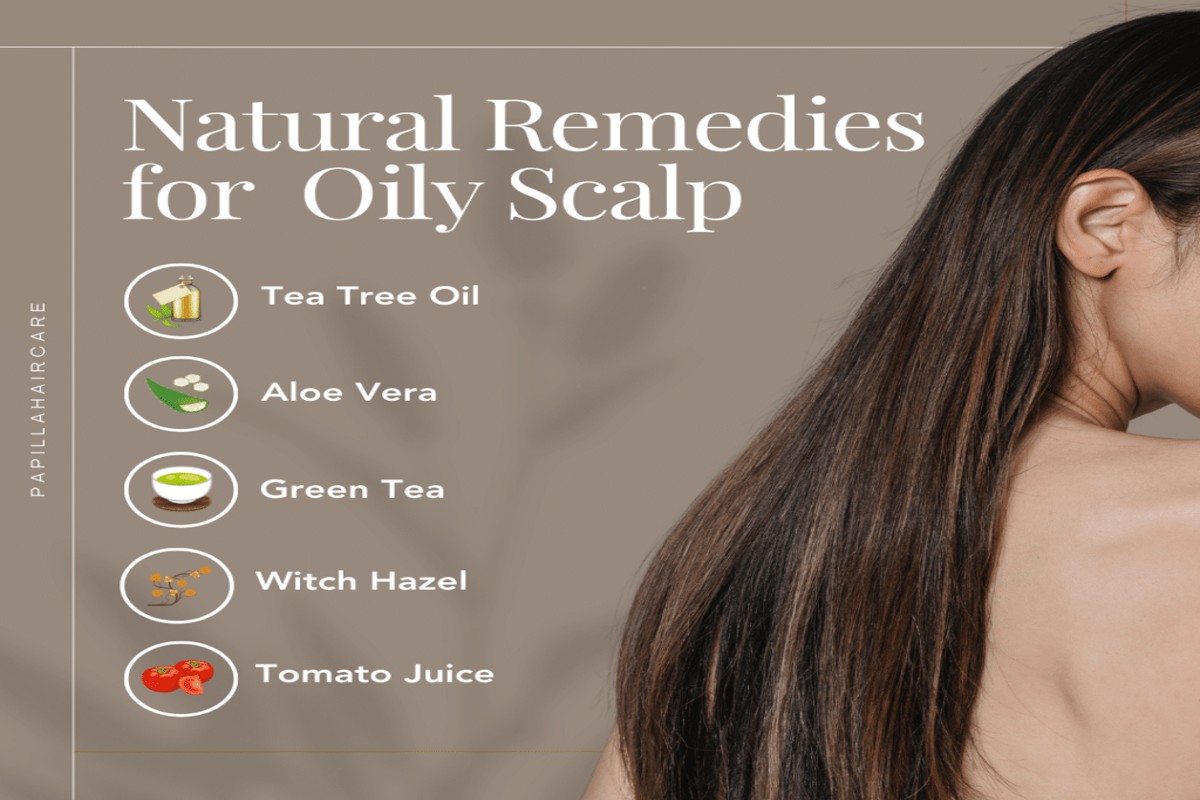
To get rid of oily hair, wash your hair regularly with a clarifying shampoo, use dry shampoo between washes, and avoid heavy hair products that can increase oiliness.
This topic is crucial for individuals struggling with oily hair, as excessive oil can lead to an unkempt appearance and potential scalp issues. Understanding the causes and solutions for oily hair is essential to maintaining healthy hair and confidence.
This article details effective methods to manage oily hair, including the use of clarifying shampoos, the strategic application of dry shampoo, and recommendations for lightweight hair products.
What causes oily hair?
Oily hair is primarily caused by the overproduction of sebum, an oily substance secreted by sebaceous glands in the scalp. Factors such as genetics, diet, and hair care habits can influence the amount of sebum produced, leading to varying levels of oiliness in hair.
The sebaceous glands are connected to hair follicles and produce sebum to help keep hair moisturized and protected. However, when these glands become overactive, they can produce excess oil. This condition can be exacerbated by hormonal changes, particularly during puberty, menstruation, or hormonal therapies, which can increase sebum production.
- Genetics: Family history plays a significant role; if parents had oily hair, their children are likely to experience the same condition.
- Diet: A diet high in refined sugars and unhealthy fats can promote sebum production, while a balanced diet rich in vitamins and minerals can help mitigate oiliness.
- Hair care habits: Overwashing can strip the scalp of natural oils, prompting the sebaceous glands to produce more oil. Conversely, infrequent washing can lead to a buildup of sebum.
Additionally, environmental factors such as humidity and pollution can contribute to oily hair by altering the scalp’s balance and increasing oiliness. Stress and certain medications can also impact sebum production, leading to oilier hair.
To effectively manage oily hair, individuals should consider their unique combination of genetic predisposition, dietary choices, and hair care routines. Adjusting these factors can help regulate sebum production and improve overall hair health.
Expert Tip: Incorporating products with ingredients like salicylic acid or tea tree oil can help control excess oil without overly drying the scalp, striking a balance that promotes healthier hair.
How often should I wash oily hair?
Individuals with oily hair should typically wash their hair every 1 to 3 days, depending on their hair type and oil production levels. Regular washing helps manage excess oil while maintaining scalp health. Over-washing can lead to dryness and irritation, so finding the right balance is essential.
Hair type plays a significant role in determining washing frequency. For fine, straight hair, oil can accumulate quickly, necessitating washing every day or every other day. In contrast, thicker or curly hair types may tolerate longer intervals between washes, allowing natural oils to nourish the hair without excessive greasiness.
- Daily washing: Ideal for those with very oily scalps or fine hair. Use a gentle, sulfate-free shampoo to avoid stripping essential moisture.
- Every other day: Suitable for individuals with moderate oiliness. This approach balances oil control and scalp hydration.
- Twice a week: Recommended for people with coarser or curly hair types. This frequency allows natural oils to condition the hair without resulting in buildup.
- Adjust based on activity: Increase washing frequency after intense workouts or exposure to humidity. Sweat and environmental factors can elevate oil production.
Consider incorporating dry shampoo on non-wash days to absorb excess oil and extend the time between washes. This method helps maintain a fresh appearance while minimizing potential damage from frequent washing.
Expert Tip: Pay attention to your scalp’s response. If it becomes itchy or irritated, reconsider your washing routine or the products used, as they may not align with your scalp’s needs.
What are the best shampoos for oily hair?
The best shampoos for oily hair are those specifically formulated to control excess oil while maintaining moisture balance. Effective products often contain ingredients like salicylic acid, tea tree oil, or charcoal, which help to absorb oil without over-drying the scalp. Here are some top options to consider.
- Neutrogena Anti-Residue Shampoo: This clarifying shampoo removes buildup and excess oil. It contains a unique formula that cleanses deeply without stripping moisture, making it suitable for regular use.
- Paul Mitchell Tea Tree Special Shampoo: Infused with tea tree oil, this shampoo has natural antibacterial properties. It effectively cleanses oily hair and scalp while providing a refreshing sensation.
- Biolage Clean Reset Normalizing Shampoo: This product is designed to remove impurities and excess oil. It uses a blend of natural ingredients, including lemongrass, to refresh hair and scalp without harsh chemicals.
Each of these shampoos has unique benefits tailored for oily hair. Neutrogena’s formula excels in removing product buildup, making it ideal for those who frequently use styling products. Paul Mitchell’s offering not only cleanses but also invigorates the scalp, which can be beneficial for oily hair types prone to dandruff. Biolage offers a gentler approach by utilizing natural ingredients, appealing to those who prefer eco-friendly options.
Considerations for Choosing a Shampoo
When selecting a shampoo, consider your hair type and the severity of oiliness. Some individuals may benefit from using a clarifying shampoo once a week, while others might require daily use of milder formulas. Additionally, avoid shampoos with heavy silicones and sulfates, as these can exacerbate oiliness and lead to buildup.
To maximize the effectiveness of your shampoo, follow up with a lightweight conditioner applied only to the ends of your hair. This practice helps maintain moisture without adding to the oiliness at the roots.
Expert Tip: Rotate shampoos periodically to prevent the scalp from becoming accustomed to a single formula, which can reduce effectiveness over time.
Can diet affect oily hair?
Yes, diet can significantly influence the oiliness of hair. Certain foods can increase oil production in the scalp, leading to oily hair. Making dietary adjustments may help improve the condition of your hair.
For example, a diet high in refined sugars and unhealthy fats can exacerbate oil production. Foods such as sugary snacks, fried items, and processed meats often trigger increased sebum secretion due to their impact on hormone levels and inflammation. Conversely, incorporating foods rich in omega-3 fatty acids, such as salmon and walnuts, can help regulate oil production. These healthy fats can support scalp health and balance oil levels.
Additionally, dairy products may also contribute to oily hair for some individuals. The hormones present in milk and cheese can stimulate sebaceous glands, leading to increased oiliness. Reducing dairy intake and replacing it with plant-based alternatives, like almond or oat milk, might benefit those struggling with oily hair. Including a variety of fruits and vegetables, particularly those high in antioxidants and vitamins, can also promote healthier hair.
Consider tracking your dietary habits to identify any specific triggers that may contribute to oily hair. Making targeted dietary changes can be a practical step in managing oiliness effectively.
How can I reduce oiliness without washing my hair?
Reducing oiliness without washing hair is achievable through several practical methods. Techniques such as using dry shampoo, hair powders, and natural remedies can absorb excess oil and refresh the scalp. These options can help maintain a cleaner appearance for longer periods.
- Use Dry Shampoo: Apply dry shampoo to the roots of your hair, allowing it to absorb excess oil. Wait a few minutes before brushing it out to ensure optimal oil absorption.
- Apply Talcum or Cornstarch Powder: Lightly sprinkle talcum powder or cornstarch on your scalp, focusing on oily areas. This acts similarly to dry shampoo by soaking up oil and providing a fresher look.
- Utilize Blotting Papers: For a quick fix, use oil blotting papers designed for skin on your scalp. Press them against the roots to remove excess oil without disturbing your hairstyle.
- Try Natural Remedies: Consider using natural ingredients like aloe vera or witch hazel. Both have astringent properties that can help reduce oiliness when applied directly to the scalp.
- Adjust Styling Products: Limit the use of heavy styling products that can contribute to oil buildup. Opt for lighter alternatives or use them sparingly to maintain a less greasy appearance.
These methods can significantly reduce oiliness in between washes, providing a quick refresh. Incorporating these techniques into your hair care routine can help extend the time between washes while keeping your hair looking clean.
Expert Tip: Consider your hair type when selecting products; fine hair may benefit more from lighter powders, while thicker hair might require more intensive oil-absorbing solutions. Regularly changing pillowcases and hair accessories can also prevent oil transfer and buildup.
Are there any home remedies for oily hair?
Yes, several effective home remedies can help reduce oily hair. Ingredients like vinegar, lemon juice, and baking soda can balance scalp oil production and cleanse hair without harsh chemicals. These remedies are often cost-effective and easy to use.
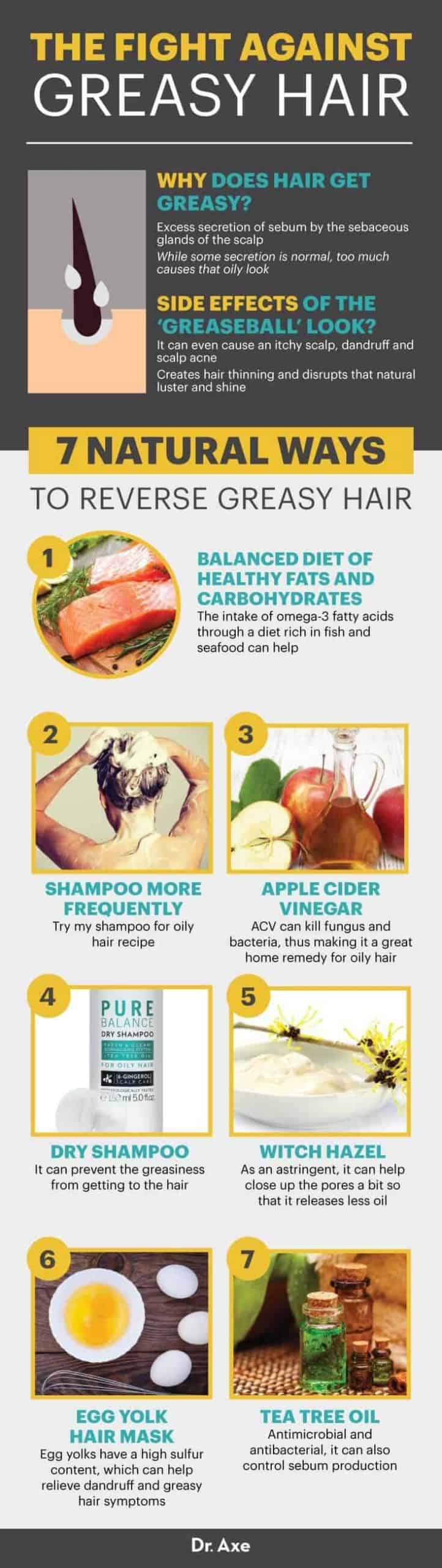
- Apple Cider Vinegar Rinse: Mix one part apple cider vinegar with two parts water. After shampooing, apply the mixture to your hair and scalp, leave it on for a few minutes, and then rinse thoroughly. This remedy helps to restore the natural pH of the scalp and removes excess oil.
- Lemon Juice Treatment: Squeeze the juice of one lemon into a cup of water and apply it to your scalp. Leave it on for about 10 minutes before rinsing. The acidity of lemon juice helps to cut through grease and prevent excess oil production.
- Baking Soda Scrub: Create a paste using three tablespoons of baking soda and a small amount of water. Gently massage this paste into your scalp and hair, then rinse thoroughly with water. Baking soda acts as a natural exfoliant, absorbing oil and removing buildup.
- Aloe Vera Gel: Apply fresh aloe vera gel directly to your scalp and hair. Let it sit for 20 minutes before rinsing. Aloe vera has soothing properties and can help regulate oil production while maintaining moisture balance.
- Tea Tree Oil Treatment: Add a few drops of tea tree oil to your regular shampoo or mix it with a carrier oil. Apply it to your scalp and leave it on for 15 minutes before rinsing. Tea tree oil has antibacterial properties that help to keep the scalp healthy and reduce oiliness.
These remedies can be used individually or in combination to find what works best for your hair type. Consistency is key; regular application may yield better results over time. Additionally, avoid heavy conditioners and styling products, as they can contribute to oiliness.
Expert Tip: For optimal results, consider incorporating a clarifying shampoo into your routine once a week to remove product buildup, as this can exacerbate oily hair conditions.
How long does it take to get rid of oily hair?
Getting rid of oily hair can take anywhere from a few days to several weeks, depending on individual hair care routines and the effectiveness of chosen products. Factors such as hair type, scalp condition, and lifestyle habits significantly influence this timeframe. Consistency in following a tailored hair care regimen is essential for achieving optimal results.
The time it takes to see improvements often hinges on the specific methods employed. For instance, switching to a clarifying shampoo may yield noticeable changes within 1-2 washes, while integrating natural remedies, like apple cider vinegar or tea tree oil, might require several applications over weeks to observe a reduction in oiliness. Additionally, the frequency of washing hair plays a crucial role; daily washing may accelerate results but can also lead to increased oil production if not managed correctly.
Other factors that affect the timeline include diet, hormonal fluctuations, and environmental influences. A diet high in processed foods and sugars may exacerbate oil production, prolonging the duration it takes to achieve desired results. Similarly, hormonal changes during menstruation or stress can lead to increased oiliness, making it essential to adopt a holistic approach for lasting solutions.
Expert Tip: To expedite the process of reducing oiliness, consider implementing a balanced hair care routine that combines effective cleansing with regular exfoliation of the scalp. This can help remove excess sebum while preventing buildup that contributes to oily hair.
Understanding the Science Behind Oily Hair
This section delves into the biological factors that contribute to oily hair, exploring the mechanisms of oil production and the influences of hormones, environment, and genetics.

Role of Sebaceous Glands in Oil Production
The sebaceous glands, located in the dermis layer of the skin, play a crucial role in hair oiliness. These glands secrete a substance known as sebum, which is composed of triglycerides, fatty acids, and wax esters. Sebum serves to lubricate and protect the hair and scalp. However, overactivity of these glands can lead to excessive oiliness, making hair appear greasy and unmanageable.
Impact of Hormones on Oiliness
Hormonal fluctuations significantly influence sebum production. Androgens, particularly testosterone, stimulate sebaceous glands, increasing oil output. Conditions such as puberty, menstruation, pregnancy, and hormonal disorders can lead to heightened androgen levels, resulting in oily hair. Understanding these hormonal influences is essential for developing effective strategies on how to get rid of oily hair.
Influence of Environmental Factors
- Humidity: High humidity levels can exacerbate oiliness by causing the scalp to produce more sebum in response to moisture in the air.
- Temperature: Warm temperatures can also stimulate sebaceous glands, leading to increased oil production.
- Pollution: Environmental pollutants can interact with scalp oils, making hair appear greasier and dull.
Genetic Predisposition to Oily Hair
Genetics play a significant role in determining the characteristics of hair and scalp. Individuals with a family history of oily hair are more likely to experience similar issues. The size and activity level of sebaceous glands can vary based on genetic factors, affecting oiliness. Understanding one’s genetic predisposition can help tailor hair care approaches for better management.
A common misconception is that oily hair is solely a hygiene issue. While regular washing is important, addressing the underlying biological and environmental factors is crucial for effective management.
Nuances of Oily Hair Management
Many articles suggest frequent washing as a remedy for oily hair. However, over-washing can strip the scalp of natural oils, prompting sebaceous glands to produce even more oil as a compensatory mechanism. It is essential to find a balanced hair care routine that cleanses without over-drying the scalp. Additionally, not all hair types react the same way to products; for instance, fine hair may appear oily more quickly than thicker strands, necessitating tailored approaches.
Practical Application
To effectively manage oily hair, consider the following actionable steps:
- Identify and monitor hormonal changes that may affect oil production.
- Choose a mild, sulfate-free shampoo designed for oily hair, and wash every other day to avoid over-drying.
- Incorporate a clarifying shampoo once a week to remove buildup from oils and products.
- Limit exposure to high humidity and pollutants when possible, using protective hairstyles and scarves.
- Consult with a healthcare provider if hormonal imbalances are suspected, as they may require specific treatments.
Effective Hair Care Routines for Oily Hair
This section provides a structured approach to daily and weekly hair care routines specifically designed for managing oily hair. By following these routines, individuals can effectively reduce oiliness and maintain healthier hair.

Daily Washing vs. Every Other Day
For oily hair types, determining the frequency of washing is crucial. Daily washing can help control excess oil but may lead to over-drying the scalp, prompting it to produce even more oil. A balanced approach involves washing every other day, allowing natural oils to distribute along the hair shaft without accumulating excessively. Adjusting this routine may be necessary based on individual oil production and lifestyle factors.
Choosing the Right Conditioner
Conditioning oily hair requires careful selection. Opt for lightweight, oil-free conditioners that hydrate without adding extra grease. Look for products labeled as “clarifying” or “volumizing,” which often contain ingredients that help absorb excess oil. Apply conditioner primarily to the ends of the hair, avoiding the scalp to prevent additional oiliness.
Importance of Scalp Exfoliation
Scalp exfoliation plays a vital role in managing oily hair. Regular exfoliation removes buildup from hair products, excess sebum, and dead skin cells, promoting a healthier scalp environment. Use a gentle exfoliating scrub or a clarifying shampoo once a week to maintain scalp health. This process not only helps in reducing oiliness but also improves hair growth and overall hair vitality.
Best Practices for Styling Oily Hair
- Minimize Heat Styling: Excessive use of heat tools can stimulate oil production. Limit their use and allow hair to air dry when possible.
- Choose Lightweight Products: Select styling products that are specifically formulated for oily hair, such as lightweight mousses or gels.
- Avoid Over-Brushing: Frequent brushing can distribute oils from the scalp throughout the hair, worsening the oily appearance. Limit brushing to necessary occasions.
Common misconceptions include the belief that oily hair requires harsh shampoos or frequent washing. In reality, using gentle, sulfate-free shampoos can effectively cleanse the scalp without stripping essential moisture, thus preventing an oil spike.
For practical application, consider the following actionable steps:
1. Establish a washing routine tailored to your oil production—start with every other day.
2. Invest in a lightweight, oil-free conditioner and apply it primarily to the hair ends.
3. Incorporate scalp exfoliation into your weekly routine to promote scalp health.
4. Choose styling products designed for oily hair and limit heat styling to maintain balance.
Common Mistakes That Worsen Oily Hair
Many individuals struggling with oily hair inadvertently exacerbate the issue through common missteps. Identifying and avoiding these mistakes is essential for achieving a balanced scalp and healthier hair.
Overusing Heavy Styling Products
Heavy styling products, such as gels, pomades, and waxes, can significantly contribute to oiliness. These products often contain silicones and oils that provide temporary hold but can weigh hair down and clog pores on the scalp. Over time, this buildup creates a greasy appearance, making the hair appear unclean.
Neglecting Regular Washing
Infrequent washing is a prevalent mistake that can worsen oily hair. While some may believe that washing too often strips the scalp of its natural oils, failing to wash regularly allows sebum to accumulate. This can lead to an overly oily appearance and may even encourage the scalp to produce more oil in response to the buildup.
Using the Wrong Hair Care Products
Selecting inappropriate hair care products can further aggravate oily hair. Products formulated for dry or damaged hair often contain moisturizing ingredients that can add excess oil. Instead, individuals should opt for clarifying shampoos and lightweight conditioners designed specifically for oily hair.
Ignoring Scalp Health
The health of the scalp plays a pivotal role in managing oiliness. Neglecting scalp care, such as failing to exfoliate or using harsh shampoos, can disrupt the natural balance. A healthy scalp is less likely to produce excess oil, making scalp health a critical focus in any oily hair management routine.
Common Misconceptions
One common misconception is that oily hair results solely from poor hygiene. In reality, factors such as hormonal changes, diet, and environmental influences can also contribute. Additionally, some individuals mistakenly believe that using more shampoo will resolve the issue; however, this can lead to irritation and increased oil production. Understanding these nuances can aid in developing a more effective approach to managing oily hair.
Practical Application
- Limit the use of heavy styling products; choose lighter alternatives.
- Establish a regular washing routine, ideally every 1-3 days.
- Select hair care products designed for oily hair, avoiding those meant for dry or damaged hair.
- Incorporate scalp treatments or exfoliants to promote health and balance.
By implementing these strategies, individuals can effectively reduce the oiliness of their hair and maintain a fresher, cleaner appearance. Adjusting habits and product choices is critical for achieving long-term results in managing oily hair.
Comparative Analysis of Commercial Products vs. Home Remedies
This section evaluates the effectiveness of commercial products against home remedies for oily hair, highlighting their pros and cons, cost implications, and user experiences. Understanding these options is essential for making an informed decision.
Pros and Cons of Commercial Shampoos
Commercial shampoos specifically formulated for oily hair often contain ingredients like sulfates and silicones.
- Pros:
- Targeted formulations that address oil control.
- Quick results, often noticeable after first use.
- Convenient and easy to use with clear instructions.
- Cons:
- Potentially harsh chemicals may irritate sensitive scalps.
- Regular use can lead to build-up, requiring clarifying shampoos.
- Higher long-term costs compared to home remedies.
Effectiveness of Natural Ingredients
Home remedies leverage natural ingredients, such as vinegar, baking soda, and essential oils, which can effectively reduce oiliness without the harsh effects of chemicals.
- Vinegar: Balances scalp pH and removes residue.
- Baking Soda: Absorbs excess oil and acts as a gentle exfoliant.
- Tea Tree Oil: Offers antimicrobial properties, reducing scalp irritation.
While results can vary, many users report significant oil reduction and improved scalp health after consistent use of these natural solutions.
Cost Comparison Between Products
When comparing costs, commercial shampoos typically range from $10 to $30 for a standard bottle, depending on brand and specialty ingredients.
Home remedies often involve minimal expense, as many common ingredients are already available in households. For instance, vinegar and baking soda usually cost less than $5 each and can be used multiple times, providing a more economical solution.
User Experiences and Testimonials
User experiences often highlight a preference for commercial products for immediate results. However, testimonials also emphasize the long-term benefits of home remedies.
- Many users of commercial products report satisfaction with quick oil reduction but express concerns over scalp health.
- Home remedy users frequently share stories of enhanced scalp condition and reduced oiliness over time, despite slower initial results.
Nuance / Expert Layer
A common misconception is that all commercial products are universally effective. Individual hair types and scalp conditions play a crucial role in determining product effectiveness. For instance, a sulfate-free shampoo may be better for sensitive scalps, while oily scalps may benefit from clarifying washes. Furthermore, over-washing hair with commercial products can paradoxically lead to increased oil production as the scalp compensates for dryness. Balancing product choice with hair care routines is essential for optimal results.
Practical Application
To effectively manage oily hair, consider the following steps:
1. Experiment with both commercial products and home remedies to identify what works best for your hair type.
2. If opting for home remedies, try a vinegar rinse after shampooing to balance scalp pH.
3. Monitor your scalp’s response to different products and adjust usage frequency to avoid over-washing.
4. Keep a record of your experiences to refine your hair care routine, ensuring you achieve the desired results in managing oiliness.
Frequently Asked Questions
What causes oily hair?
Oily hair is primarily caused by overactive sebaceous glands that produce excess sebum. Factors such as genetics, hormonal changes, and environmental conditions can also contribute to increased oiliness.
How often should I wash oily hair?
It is generally recommended to wash oily hair every 1-2 days to remove excess oil and prevent buildup. However, individual needs may vary based on hair type and lifestyle.
What are the best shampoos for oily hair?
Shampoos specifically formulated for oily hair often contain clarifying ingredients like salicylic acid, tea tree oil, or citrus extracts. Look for products labeled as “oil control” or “clarifying” for optimal results.
Can diet affect oily hair?
Yes, diet can influence the oiliness of hair. Consuming a diet high in processed foods, sugars, and unhealthy fats may exacerbate oil production, while a balanced diet rich in vitamins and minerals can help regulate it.
How can I reduce oiliness without washing my hair?
To reduce oiliness without washing, consider using dry shampoo, which absorbs excess oil and adds volume. Additionally, avoid touching your hair frequently and consider using hair products designed for oily hair.
Are there any home remedies for oily hair?
Home remedies for oily hair include using natural ingredients like apple cider vinegar, lemon juice, or aloe vera, which can help balance scalp oil production. Regularly rinsing with these solutions may provide relief from excess oil.
How long does it take to get rid of oily hair?
Reducing oily hair can take a few weeks of consistent care, including regular washing and using appropriate products. Results may vary based on individual factors such as hair type and lifestyle habits.
Final Thoughts on how to get rid of oily hair
Managing oily hair requires a comprehensive understanding of its underlying causes and effective care routines. By implementing targeted strategies—such as selecting the right products, adjusting washing frequency, and being mindful of dietary choices—individuals can achieve a balanced scalp environment that minimizes excess oil production.
To make an immediate impact, consider incorporating a clarifying shampoo into your weekly hair care regimen to remove buildup and restore freshness, while also monitoring your diet for any high-glycemic foods that may exacerbate oiliness.
Addressing oily hair not only enhances personal presentation but also contributes to overall scalp health, making it a crucial aspect of effective hair care.
Leave a Reply