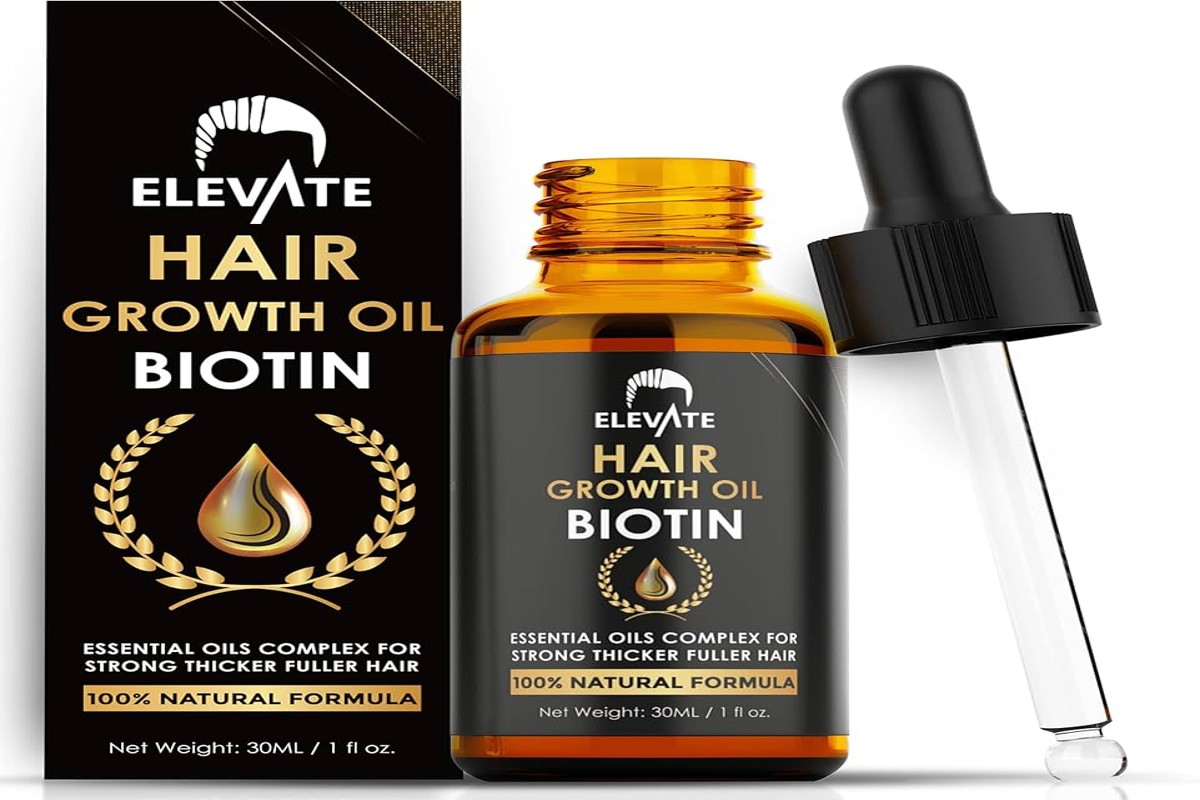
The best oils for hair growth and thickness include castor oil, coconut oil, and argan oil. These oils nourish the scalp, promote blood circulation, and strengthen hair follicles.
This topic is crucial for individuals experiencing hair thinning or loss, as the right oil can significantly enhance hair health and vitality. Understanding which oil is best for hair growth and thickness can lead to more effective hair care routines and prevent further damage.
This guide provides an in-depth analysis of the top oils for promoting hair growth and thickness, detailing their benefits, application methods, and scientific backing to help make informed choices.
What are the benefits of using oil for hair growth?
Using oil for hair growth provides essential nutrients that nourish the hair follicles and promote a healthy scalp environment. Oils can enhance blood circulation, reduce hair breakage, and improve overall hair texture and thickness. Regular application of the right oils can lead to stronger, shinier hair and may help in preventing hair loss.
Different oils offer specific benefits for hair health. For example, coconut oil penetrates the hair shaft effectively, reducing protein loss and enhancing moisture retention. Castor oil is rich in ricinoleic acid, which has anti-inflammatory properties and may promote hair growth by improving circulation to the scalp. Other oils, such as argan oil and jojoba oil, can provide essential fatty acids and antioxidants, contributing to overall hair vitality.
Additionally, oils can help maintain scalp health by preventing dryness and flakiness. A well-nourished scalp is crucial for optimal hair growth, as it creates a conducive environment for hair follicles to thrive. Regularly massaging oils into the scalp can stimulate blood flow, further supporting hair growth and thickness.
Choosing the right oil depends on individual hair types and needs. Some people may benefit from heavier oils like castor oil, while others with fine hair may prefer lighter oils such as argan or jojoba oil. Tailoring oil selection to specific hair concerns can maximize benefits.
Expert Tip: For enhanced absorption, warm the oil slightly before application. This not only improves penetration but also provides a soothing experience for the scalp, further supporting hair health.
How often should I apply oil for hair growth?
For optimal hair growth, it is recommended to apply oil 2 to 3 times per week. This frequency allows the scalp to absorb the nutrients without becoming overly greasy or clogged. Adjustments may be necessary based on individual hair type and scalp conditions.
When determining how often to apply oil, consider your hair type. Individuals with dry or curly hair may benefit from more frequent applications, while those with oily scalps might find that once a week suffices. Additionally, the type of oil used can influence the frequency; heavier oils like castor oil may require less frequent application compared to lighter oils such as argan oil.
- Assess your hair type: Identify whether your hair is dry, oily, or normal to tailor the oil application frequency accordingly.
- Choose the right oil: Consider the properties of the oil; heavier oils may need to be applied less frequently than lighter options.
- Monitor scalp health: Adjust the frequency based on how your scalp responds to the oil, ensuring it remains healthy and free from buildup.
Furthermore, consider the method of application. Massaging the oil into the scalp enhances blood circulation, promoting better nutrient absorption. Allow the oil to sit for at least 30 minutes or overnight for maximum benefits, depending on personal preference and hair needs.
For those experiencing specific hair concerns, such as thinning or breakage, consulting with a trichologist can provide personalized recommendations.
Expert Tip: Incorporating a hot oil treatment once a month can intensify the benefits of regular oil application, providing deeper penetration and nourishment to the hair follicles.
Which oil is better: castor oil or coconut oil for hair growth?
Castor oil is generally considered more effective than coconut oil for promoting hair growth and thickness. While both oils offer benefits, castor oil has unique properties that specifically support hair health, including its high ricinoleic acid content. Coconut oil, on the other hand, excels in moisturizing and protecting the hair shaft.
Castor oil is rich in ricinoleic acid, which has been shown to improve blood circulation to the scalp. This enhanced circulation can stimulate hair follicles, potentially leading to increased hair growth. Additionally, castor oil possesses anti-inflammatory and antimicrobial properties, which can help combat scalp issues that impede hair growth. However, its thick consistency can make it difficult to wash out, requiring more effort in the cleansing process.
Coconut oil is widely recognized for its ability to penetrate hair strands, providing deep moisture and reducing protein loss. It contains medium-chain fatty acids, which are beneficial for hydration and overall hair health. Coconut oil can also reduce frizz and improve manageability, making it an excellent choice for those with dry or damaged hair. However, it may not be as effective as castor oil in directly stimulating hair growth.
- Castor Oil: Rich in ricinoleic acid; stimulates blood circulation; promotes hair growth; thick consistency can make it hard to remove.
- Coconut Oil: Penetrates hair for deep moisture; reduces protein loss; improves manageability; less effective for direct hair growth stimulation.
For optimal results, consider combining both oils. Applying castor oil to stimulate growth, followed by coconut oil to maintain moisture, can create a balanced approach to hair care.
Expert Tip: When using castor oil, consider diluting it with a lighter oil, such as jojoba or argan oil, to enhance its spreadability and ease of application without compromising its benefits.
How long does it take for oil to promote hair growth?
Typically, it takes around 8 to 12 weeks of consistent oil application to notice significant improvements in hair growth and thickness. However, individual results may vary based on several factors, including hair type, the specific oil used, and overall health.
Factors affecting the timeframe for noticeable results include the type of oil applied. Oils rich in nutrients, like castor oil or rosemary oil, may promote faster results due to their inherent properties. Additionally, the frequency of application plays a crucial role; using oil 2-3 times a week is generally recommended for optimal absorption and effectiveness. Other individual factors, such as genetics and existing hair health, also influence how quickly results can be seen.
Furthermore, consistency in usage is vital. Hair growth is a gradual process, and sporadic application may lead to delayed or minimal results. It is also essential to combine oil treatments with a healthy diet and proper hair care practices to enhance overall effectiveness. Monitoring progress can be beneficial; individuals should track their hair growth over time to assess improvements and adjust their regimen as needed.
Expert Tip: For enhanced results, consider warming the oil before application. This can improve absorption and stimulate blood flow to the scalp, potentially accelerating hair growth.
Are there any side effects of using hair oils?
Using hair oils can lead to several side effects, including allergic reactions, scalp irritation, and clogged pores. While many oils promote hair growth and thickness, improper use can negate their benefits and cause discomfort or damage. Understanding potential side effects is crucial for effective and safe hair care.
One common side effect of hair oils is allergic reactions, which may manifest as redness, itching, or swelling on the scalp. Individuals with sensitive skin should perform a patch test before applying a new oil extensively. Additionally, some oils can cause scalp irritation, especially if used in excess. Overapplication can lead to an oily scalp, resulting in dandruff or an imbalance in scalp health.
- Conduct a patch test: Before using a new hair oil, apply a small amount to a discreet area of skin to check for any allergic reactions.
- Use sparingly: Apply oils in moderation to avoid clogging pores and causing scalp irritation. A few drops are usually sufficient.
- Choose non-comedogenic oils: Look for oils labeled as non-comedogenic, as they are less likely to clog pores. Examples include argan oil and jojoba oil.
- Wash hair regularly: Regular cleansing prevents buildup of oil on the scalp, which can lead to issues like dandruff or irritation.
- Consult a dermatologist: If experiencing persistent irritation or allergic reactions, seek professional advice to determine the best course of action.
It’s essential to choose oils that suit your hair type and scalp condition. Oils rich in essential fatty acids and vitamins can enhance hair health while minimizing side effects if used correctly.
What is the best way to apply oil for hair growth?
The best way to apply oil for hair growth involves a systematic approach that includes preparation, application, and follow-up. Properly applying hair oil can enhance its effectiveness in promoting growth and thickness. This process ensures that the oil penetrates the scalp and hair strands optimally.
- Choose the Right Oil: Select an oil known for its hair growth properties, such as castor oil, coconut oil, or argan oil. Each oil has unique benefits, so choose one that suits your hair type and needs.
- Warm the Oil: Slightly warm the oil before application. This increases blood circulation and helps the oil penetrate the scalp more effectively. Ensure the oil is warm, not hot, to avoid burns.
- Section Your Hair: Divide your hair into manageable sections to ensure even distribution. This allows for thorough application and prevents missed areas.
- Apply to Scalp: Use your fingertips to apply the oil directly to your scalp. Focus on areas that are thinning or where hair growth is desired. Gently massage in circular motions to stimulate blood flow.
- Coat the Hair Strands: After applying to the scalp, work the oil through the lengths of your hair. This helps nourish the hair and prevents dryness and split ends.
- Leave It On: Allow the oil to sit for at least 30 minutes to several hours, depending on your preference. For best results, consider leaving it overnight, covering your hair with a shower cap.
- Wash Out: Shampoo your hair thoroughly to remove the oil. Depending on the oil used, you may need to shampoo twice to ensure all residue is gone.
For optimal results, repeat this process 1-2 times a week. Consistency is key to seeing noticeable improvements in hair growth and thickness.
Expert Tip: Integrating essential oils, such as rosemary or peppermint, with carrier oils can significantly enhance their effectiveness. These oils have been shown to promote hair growth and improve scalp health when used consistently.
Can I mix different oils for hair growth?
Yes, mixing different oils can enhance hair growth by combining their unique beneficial properties. This approach allows for tailored treatments that target specific hair needs, such as nourishment, moisture retention, and scalp health.
For instance, consider creating a blend of castor oil and jojoba oil. Castor oil is rich in ricinoleic acid, which promotes circulation to the scalp and encourages hair growth. Jojoba oil, on the other hand, closely resembles the natural oils produced by the scalp, making it an excellent moisturizer that helps prevent dryness and breakage. Mixing these two oils in a 1:1 ratio creates a potent formula that can be massaged into the scalp and hair, ideally leaving it on for at least 30 minutes before washing out.
Another effective combination is coconut oil and rosemary essential oil. Coconut oil penetrates the hair shaft, providing deep hydration and reducing protein loss, while rosemary oil is known for its ability to stimulate hair follicles. Adding a few drops of rosemary oil to a tablespoon of coconut oil can create a nourishing treatment that supports both growth and thickness. Apply this mixture once or twice a week to see optimal results.
When mixing oils, consider the properties of each oil and how they complement each other. This tailored approach can maximize the benefits for hair growth and thickness, addressing individual hair issues effectively.
Expert Tip: Always perform a patch test before applying any new oil blend to ensure no allergic reactions occur. Additionally, consider the frequency of application; using oil treatments too often can lead to buildup, which may hinder hair health.
What is the cost of high-quality hair growth oils?
High-quality hair growth oils typically range from $10 to $50 for a 4-ounce bottle. Factors such as ingredient sourcing, brand reputation, and packaging can influence these prices significantly.
The price of hair growth oils is affected by several key factors:
- Ingredient Quality: Oils made from organic, natural ingredients tend to be more expensive. Premium oils like argan or jojoba are often sourced from specific regions, impacting their cost.
- Brand Reputation: Established brands with a proven track record in hair care often charge more. Consumers may pay a premium for trusted names that guarantee efficacy and safety.
- Production Methods: Cold-pressed or artisanal production methods require more labor and time, leading to higher prices. These methods often preserve the oil’s beneficial properties better than mass production.
- Packaging: High-quality packaging that protects the oil from light and air can add to costs. Dark glass bottles or air-tight containers are common in premium products.
Additionally, regional differences can affect pricing. Oils sourced from distant locations may incur higher shipping costs. Seasonal availability of certain ingredients can also lead to price fluctuations.
When selecting a hair growth oil, consider not only the price but also the formulation. Oils containing a blend of beneficial ingredients may provide better results than single-ingredient options, justifying a higher price point.
Expert Tip: Look for certifications such as USDA organic or cruelty-free labels, which can indicate higher quality and ethical sourcing, potentially offering better value for your investment.
The Science Behind Hair Growth Oils: How They Work
This section delves into the biological mechanisms through which hair growth oils promote hair growth and thickness. Understanding the science behind these oils provides insight into their efficacy and application.

Understanding Oil Penetration into Hair Follicles
Hair growth oils work primarily by penetrating the hair follicles, a process influenced by their molecular structure. Oils with smaller molecular weights, such as argan oil and jojoba oil, can more effectively infiltrate the hair shaft and follicle. This penetration enhances moisture retention, preventing dryness and brittleness, which can impede hair growth.
The Role of Essential Fatty Acids in Hair Health
Essential fatty acids (EFAs) are crucial for maintaining a healthy scalp and promoting hair growth. Oils rich in EFAs, such as flaxseed oil and coconut oil, provide key nutrients that support cell structure and function. These acids contribute to the integrity of cell membranes and help in the formation of keratin, a protein essential for hair strength and elasticity.
Impact of Oils on Scalp Circulation and Health
Scalp circulation plays a vital role in hair growth. Oils can stimulate blood flow to hair follicles, ensuring that they receive adequate nutrients and oxygen. Massaging oils into the scalp enhances this effect by promoting vasodilation, which increases blood flow. Oils such as peppermint and rosemary have been shown to have a stimulating effect on blood circulation, further supporting hair growth.
Nutrient Absorption and Its Effect on Hair Growth
The absorption of nutrients is critical for promoting hair growth. Oils can act as carriers for vitamins and minerals, aiding their delivery to hair follicles. For instance, oils infused with vitamin E and biotin can enhance the health of hair follicles. The presence of these nutrients can help combat hair thinning and promote overall hair thickness.
Nuance / Expert Layer
Common misconceptions surrounding hair growth oils often stem from oversimplified claims. For example, while many believe that all oils promote hair growth equally, the effectiveness of a specific oil can vary based on individual scalp conditions and hair types. Additionally, some oils may cause scalp irritation in sensitive individuals, negating their benefits. Understanding the unique properties of each oil and conducting patch tests can help avoid adverse reactions and optimize results.
Practical Application
- Choose oils that penetrate effectively, such as argan or jojoba oil, for daily use.
- Incorporate oils rich in essential fatty acids, like flaxseed or coconut oil, to nourish hair.
- Use stimulating oils, such as peppermint or rosemary, in scalp massages to enhance circulation.
- Consider oils infused with vitamins and minerals for added nutrient absorption.
By applying these insights, individuals can tailor their hair care routines to maximize the benefits of oils, thereby enhancing hair growth and thickness effectively.
DIY Hair Oil Blends: Recipes for Maximum Growth
This section provides practical recipes for creating custom hair oil blends designed to promote hair growth and thickness. Utilizing a combination of carrier and essential oils, these blends maximize the benefits for specific hair needs.

Combining Oils for Synergistic Effects
Creating a hair oil blend involves selecting the right combination of carrier oils, each offering unique properties that contribute to hair health. Consider these popular carrier oils:
- Coconut Oil: Known for its deep penetration and moisture retention, it reduces protein loss in hair.
- Castor Oil: Rich in ricinoleic acid, it enhances blood circulation to the scalp, promoting hair growth.
- Jojoba Oil: Mimics natural scalp oils, providing moisture without clogging pores.
Blending these oils can produce synergistic effects, enhancing their individual benefits. For instance, a mix of castor oil and coconut oil can provide both nourishment and hydration, leading to thicker hair.
Adding Essential Oils for Fragrance and Benefits
Essential oils can elevate your hair oil blend by adding fragrance and therapeutic properties. Consider incorporating:
- Rosemary Oil: Stimulates hair growth and improves circulation.
- Lavender Oil: Known for its calming scent, it also promotes hair growth and reduces hair loss.
- Peppermint Oil: Provides a cooling sensation while stimulating hair follicles.
Use essential oils sparingly; typically, 5-10 drops per ounce of carrier oil is sufficient for effective results.
Storage Tips for Homemade Oil Blends
Proper storage of oil blends is essential to maintain their efficacy. Store the oils in dark glass bottles to protect them from light exposure, which can degrade the oils. Keep them in a cool, dry place, and ideally use them within six months for maximum potency.
Application Frequency and Methods for DIY Blends
For optimal results, apply your homemade hair oil blend 1-2 times per week. Here’s a simple application method:
- Warm a small amount of the oil blend in your hands.
- Gently massage the oil into your scalp using circular motions.
- Distribute the oil through the lengths of your hair.
- Leave the oil on for at least 30 minutes, or overnight for deeper conditioning.
- Wash your hair with a mild shampoo to remove excess oil.
Common misconceptions suggest that more oil leads to better results; however, using excessive amounts can weigh hair down. Moderation is key to achieving the desired thickness and growth.
To maximize the benefits of these recipes, experiment with different combinations of carrier and essential oils to find what works best for your hair type. Regular application, combined with the right blend, can significantly enhance hair growth and thickness. Start by selecting your preferred oils, create your blend, and incorporate it into your weekly hair care routine for noticeable results.
Common Mistakes When Using Oils for Hair Growth
Using oils for hair growth can be highly beneficial, but several common mistakes can hinder results. Recognizing and avoiding these errors is essential for maximizing the effectiveness of hair oils.

Over-Application and Its Effects
Applying excessive amounts of oil can lead to product buildup on the scalp and hair. This buildup can clog hair follicles, potentially leading to irritation and hindering hair growth. A moderate approach is recommended, typically involving 1-2 tablespoons of oil, depending on hair length and thickness. Regular washing with a gentle shampoo can help remove excess oil and prevent buildup.
Neglecting Scalp Health
Focusing solely on hair strands while ignoring the scalp can undermine hair growth efforts. The scalp is the foundation for healthy hair, and maintaining its health is crucial. Neglecting to massage oils into the scalp can result in poor circulation and inadequate nutrient delivery to hair follicles. Incorporating a scalp massage during oil application can enhance blood flow, supporting overall hair health.
Using the Wrong Type of Oil
Different hair types require different types of oils. For instance, heavier oils like castor oil may not be suitable for fine hair, as they can weigh it down. Conversely, lighter oils such as argan or jojoba oil may not provide enough moisture for thicker hair types. Understanding the specific needs of your hair type is essential when selecting an oil. Here are some common oil types and their recommended uses:
- Coconut Oil: Ideal for all hair types, especially for deep conditioning.
- Argan Oil: Best for dry and frizzy hair, providing hydration and shine.
- Olive Oil: Suitable for thick and coarse hair, offering nourishment and moisture.
- Jojoba Oil: Mimics natural scalp oils, making it excellent for oily hair types.
Not Allowing Sufficient Time for Results
Many users expect immediate results from hair oils, which can lead to frustration and abandonment of the practice. Hair growth is a slow process, typically averaging half an inch per month. Consistent application over several weeks or months is often necessary to notice significant changes in thickness and growth. Setting realistic expectations is crucial for maintaining motivation and commitment.
Nuances and Misconceptions
One common misconception is that natural oils alone can solve all hair growth issues. While oils can enhance health and appearance, they are not a substitute for a balanced diet, proper hydration, and a healthy lifestyle. Additionally, the effectiveness of oils can be influenced by individual factors, such as genetics and hormonal balance. Therefore, combining oil use with a holistic approach to hair care is essential for optimal results.
Practical Application
To effectively use oils for hair growth, follow these steps:
- Choose an oil suitable for your hair type.
- Apply a moderate amount, focusing on the scalp and massaging gently.
- Allow the oil to sit for at least 30 minutes or overnight for deeper penetration.
- Wash out the oil using a mild shampoo to prevent buildup.
- Repeat this process 1-2 times a week for best results.
By avoiding these common mistakes and applying oils correctly, users can significantly enhance their potential for hair growth and thickness.
Real-Life Success Stories: Transformations with Hair Oils
This section presents testimonials and case studies illustrating how various individuals have successfully utilized hair oils to enhance growth and thickness. The experiences shared highlight the diversity of hair types and the transformative potential of targeted oil treatments.

Diverse Hair Types and Their Experiences
Individuals with different hair types have reported significant improvements in hair growth and thickness through the use of specific oils. For instance:
- Curly Hair: A 32-year-old woman with curly hair used castor oil and saw a 40% increase in hair density within six months.
- Straight Hair: A 28-year-old man applied jojoba oil and experienced noticeably thicker hair after three months, with a reduction in hair fall.
- Coily Hair: A 25-year-old woman utilized coconut oil, resulting in a 50% improvement in hair elasticity and less breakage over four months.
Before-and-After Comparisons
Visual transformations serve as powerful indicators of the effectiveness of hair oils. Consider the case of a 40-year-old woman who transitioned from thin, brittle hair to voluminous locks using argan oil consistently for five months. Her before-and-after photos reflect a dramatic change, with thicker strands and enhanced shine. Similarly, a 30-year-old man documented a marked difference in his hairline after using rosemary oil, showcasing improved hair regrowth over a six-month period.
Expert Commentary on Their Journeys
Hair care professionals highlight the importance of choosing the right oil based on individual hair needs. Dr. Lisa Johnson, a trichologist, emphasizes that “the efficacy of hair oils often hinges on their unique properties and how they cater to specific hair types.” She notes that while some oils provide moisture, others, like castor oil, are rich in ricinoleic acid, which can stimulate hair follicles and promote growth. This insight reinforces the significance of personalized hair care regimens.
Lessons Learned and Tips for Others
Many individuals who have successfully improved their hair condition through oils offer valuable lessons:
- Consistency is Key: Regular application of the chosen oil is crucial for visible results.
- Patch Test: Always conduct a patch test to avoid adverse reactions.
- Combine with Massage: Scalp massages enhance oil absorption and stimulate blood circulation.
While many users have confirmed the benefits of these oils, some misconceptions exist regarding their application. For instance, not all oils suit every hair type; lighter oils may be preferable for fine hair, while heavier oils benefit coarser textures. Additionally, a common error is expecting immediate results. Hair growth is a gradual process, and patience is essential.
For those looking to replicate these success stories, start by identifying your hair type and selecting an appropriate oil. Establish a regular routine for application, ideally accompanied by a gentle scalp massage to maximize absorption. Document progress through photographs to remain motivated and adjust your regimen as needed. With dedication and the right oil, achieving thicker, healthier hair is within reach.
Frequently Asked Questions
What are the benefits of using oil for hair growth?
Using oil for hair growth can nourish the scalp, improve blood circulation, and strengthen hair follicles. This can lead to healthier, thicker hair and may reduce hair loss.
How often should I apply oil for hair growth?
For optimal results, oil should be applied 2-3 times a week. Consistent application helps maintain scalp health and promotes hair growth.
Which oil is better: castor oil or coconut oil for hair growth?
Both castor oil and coconut oil offer unique benefits; castor oil is rich in ricinoleic acid, promoting hair growth, while coconut oil provides deep moisture and reduces protein loss. The choice depends on individual hair needs.
How long does it take for oil to promote hair growth?
Results can vary, but noticeable improvements in hair growth typically take 4-6 weeks with regular oil application. Patience and consistency are key to seeing benefits.
Are there any side effects of using hair oils?
While generally safe, some individuals may experience allergic reactions or scalp irritation from certain oils. It’s advisable to perform a patch test before full application.
What is the best way to apply oil for hair growth?
The best way to apply oil is to gently massage it into the scalp and hair, ensuring even distribution. This not only nourishes the hair but also stimulates blood circulation.
Can I mix different oils for hair growth?
Yes, mixing different oils can enhance their benefits and provide a broader range of nutrients. Popular combinations include castor oil with coconut oil or jojoba oil for added moisture.
What is the cost of high-quality hair growth oils?
High-quality hair growth oils typically range from $10 to $30, depending on the brand and ingredients. Investing in reputable products can yield better results for hair health.
Final Thoughts on which oil is best for hair growth and thickness
To achieve optimal hair growth and thickness, incorporating oils such as castor oil and coconut oil into a consistent hair care regimen is essential. These oils offer unique benefits, including increased moisture retention and enhanced circulation to the scalp, which are critical for promoting robust hair health.
Readers are encouraged to create a tailored DIY hair oil blend that combines the strengths of various oils, applying it at least twice a week for maximum effectiveness. This proactive approach can significantly enhance hair vitality and growth potential.
Understanding the science of hair growth oils is vital, as it empowers individuals to make informed choices that lead to healthier, thicker hair.
Leave a Reply