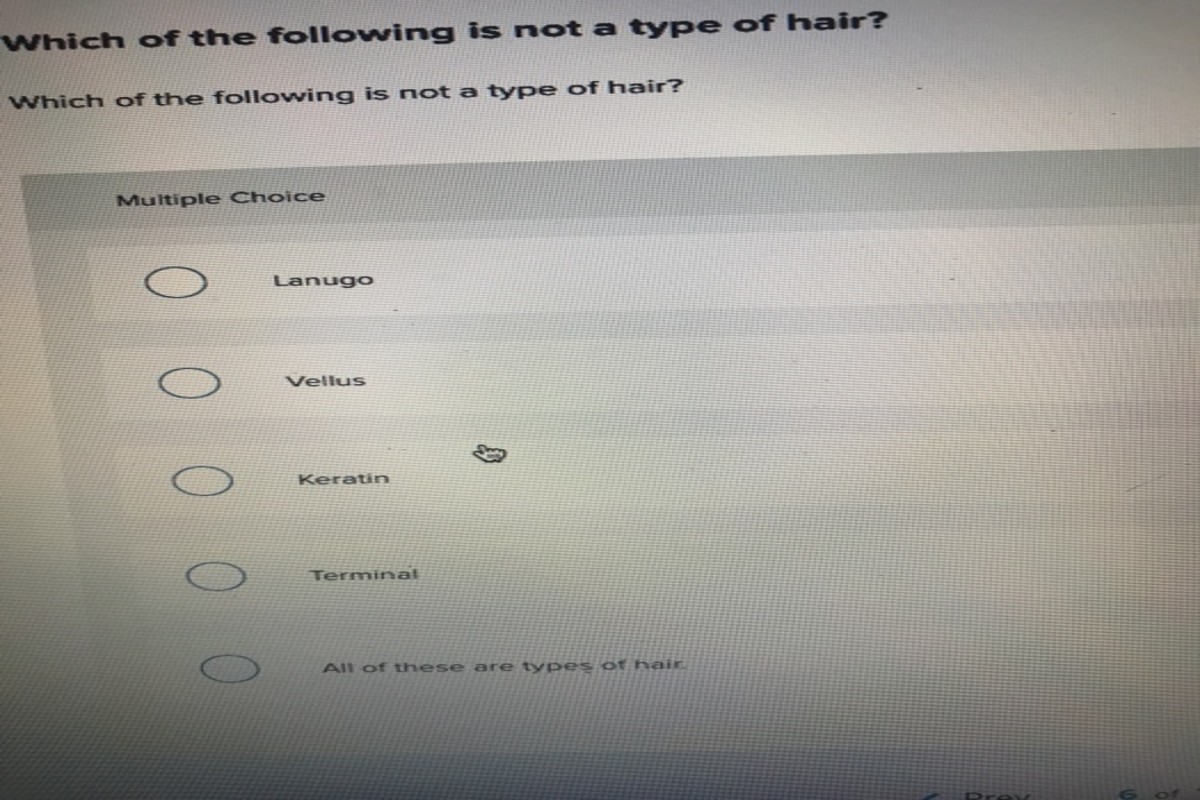
Which of the following is not a type of hair? Hair types generally include terminal hair, vellus hair, and lanugo. Any other type mentioned is not a recognized hair type.
Understanding the different types of hair is crucial for professionals in fields such as dermatology, cosmetology, and trichology. Misidentifying hair types can lead to improper treatments and recommendations, impacting both aesthetic outcomes and scalp health.
This article will clarify the recognized types of hair, including detailed characteristics of terminal, vellus, and lanugo hair, while identifying common misconceptions about hair classifications.
What are the different types of hair?
Human hair is classified into three main types: terminal hair, vellus hair, and lanugo. Each type varies in structure, function, and location on the body. Understanding these distinctions is essential for comprehending hair growth and its physiological roles.
Terminal hair is the thick, long hair found on the scalp, face, armpits, and pubic areas. This type of hair is typically darker and coarser than other types and is influenced by hormonal changes during puberty. Vellus hair, on the other hand, is fine, short, and often unpigmented, covering most of the body, including the face and arms. It serves primarily as insulation and helps regulate body temperature. Lanugo is the soft, downy hair that covers the fetus in utero, usually shedding before birth, although it may occasionally be present in newborns.
Several factors can influence hair type, including genetics, hormonal levels, and environmental conditions. For example, an increase in androgens during puberty can lead to the development of terminal hair in new locations, such as the beard in males. Additionally, certain medical conditions or hormonal imbalances can alter the distribution and characteristics of hair types.
Expert Tip: The presence and type of hair can serve as indicators of overall health. Changes in hair growth patterns or quality may warrant further investigation into potential underlying health issues.
How can I identify my hair type?
Identifying your hair type involves assessing its texture, thickness, and growth patterns. This process can help you choose appropriate hair care products and styling techniques. By following these steps, you can gain a clearer understanding of your unique hair characteristics.
- Examine Hair Texture: Start by determining whether your hair is straight, wavy, curly, or coily. This can be done by observing how your hair behaves naturally when dry, without any products applied.
- Assess Thickness: Thickness refers to the diameter of individual strands. To assess this, take a single strand and compare it to a piece of sewing thread. Fine hair is thinner than the thread, medium hair is similar, and coarse hair is thicker.
- Evaluate Density: Density is the number of hair strands on your scalp. To check this, part your hair in one section and observe the scalp. If you see a lot of scalp, you have low density; if it’s hard to see the scalp, you have high density.
- Analyze Porosity: Porosity indicates how well your hair absorbs and retains moisture. Conduct a simple water test: place a strand of hair in a glass of water. If it sinks quickly, you have high porosity; if it stays afloat, you have low porosity.
Understanding these factors provides valuable insights into your hair’s needs. Different hair types require specific care routines. For instance, curly hair often needs more moisture while straight hair may benefit from lighter products.
Consider keeping a hair journal to track your findings and experiment with various products over time. This documentation can help refine your hair care routine based on your unique type.
Expert Tip: Always adapt your hair care regime to seasonal changes, as humidity and temperature can significantly affect your hair’s behavior and needs. Regularly reassessing your hair type can help you stay attuned to these variations.
What is the difference between terminal and vellus hair?
Terminal hair and vellus hair are two distinct types of hair found on the human body. Terminal hair is thicker, darker, and longer, while vellus hair is fine, short, and lightly pigmented. Their differences are significant in terms of structure, function, and distribution across the body.
Terminal hair is primarily found on the scalp, face, armpits, and pubic region. It develops during puberty due to hormonal changes, particularly the influence of androgens. This type of hair is characterized by a larger diameter and a more pronounced pigmentation, contributing to its visibility and texture. In contrast, vellus hair covers most of the human body and is often referred to as “peach fuzz.” It is typically less than 2 mm in length and has a soft, fine texture, providing minimal insulation and protection.
- Thickness: Terminal hair is significantly thicker than vellus hair.
- Length: Terminal hair can grow much longer than vellus hair, which remains short.
- Color: Terminal hair is usually darker and more pigmented, while vellus hair is lighter and less visible.
- Location: Terminal hair is found in specific areas such as the scalp and face, while vellus hair is distributed more uniformly across the body.
The development of terminal hair is influenced by hormonal levels, particularly during puberty and certain medical conditions. In some cases, individuals may experience an increase in terminal hair growth due to hormonal imbalances, leading to conditions such as hirsutism. Understanding the differences between terminal and vellus hair can provide insights into hair growth patterns and related health issues.
Expert Tip: Monitoring changes in hair type and distribution can serve as an important indicator of hormonal health and may warrant further investigation if significant changes occur.
Are there any hair types that are considered unhealthy?
Yes, certain hair types can indicate underlying health issues. Hair that appears excessively dry, brittle, or thinning may suggest nutritional deficiencies, hormonal imbalances, or other medical conditions. Recognizing these signs can help in addressing potential health concerns.
Several factors can influence hair health, including genetics, diet, and environmental conditions. Hair that is consistently oily or greasy may signal overactive sebaceous glands, which could be caused by hormonal fluctuations. Conversely, hair that is excessively dry might indicate insufficient moisture, often linked to dehydration or poor dietary habits.
- Monitor for changes: Pay attention to any sudden changes in hair texture or thickness, as these may be signs of health issues.
- Maintain a balanced diet: Ensure adequate intake of vitamins and minerals, particularly biotin, zinc, and omega-3 fatty acids, to support healthy hair growth.
- Limit chemical exposure: Reduce the use of harsh hair products and heat styling tools, which can damage hair and exacerbate unhealthy conditions.
- Stay hydrated: Drink sufficient water daily to maintain moisture levels in both the body and hair.
Consulting with a healthcare professional is advisable if there are persistent concerns about hair health. They can conduct assessments to rule out any serious underlying conditions.
Regular scalp massages can stimulate blood flow, promoting healthier hair growth. Additionally, incorporating hair-friendly foods into the diet can enhance overall hair vitality and resilience.
What factors can change my hair type over time?
Hair type can change due to various factors, including genetics, age, and overall health. These changes can occur gradually and may not always be noticeable at first. For instance, a person’s hair may become curlier or straighter as they age, or due to hormonal changes.
Genetics plays a significant role in determining hair type. However, environmental factors and lifestyle choices can also influence hair texture. For example, a person with naturally straight hair may find that frequent exposure to heat styling tools leads to a wavier texture over time. Similarly, hormonal fluctuations during pregnancy or menopause can alter hair characteristics, transforming straight hair into a more textured form.
Health is another critical factor. Nutritional deficiencies, such as a lack of vitamins and minerals, can impact hair quality and texture. For example, insufficient protein intake might lead to brittle, thinning hair, which could change how the hair appears and feels. Moreover, medical conditions like thyroid disorders can also lead to significant changes in hair type, affecting thickness and curliness.
Expert Tip: Regularly assessing hair health and maintaining a balanced diet rich in vitamins A, C, D, and E, as well as omega-3 fatty acids, can help mitigate adverse changes in hair type over time.
How long does it take for hair to change from vellus to terminal?
The transformation from vellus to terminal hair typically takes several months to a few years, depending on various factors. This process is influenced primarily by hormonal changes, particularly during puberty, pregnancy, or hormone therapy. In some cases, it may take up to two years for complete transformation.
Several factors can affect the timing of this hair type transition. Hormonal changes are the most significant, as androgens like testosterone promote the conversion of vellus hair into terminal hair. Genetics also play a crucial role; individuals with a family history of early hair development may experience faster transitions. Additionally, health conditions, such as polycystic ovary syndrome (PCOS), can influence hair growth patterns and timing.
Environmental factors, including nutrition and overall health, can also impact the speed of this transformation. A diet rich in essential vitamins and minerals, particularly those that support hair health like biotin, zinc, and vitamin D, may encourage faster development of terminal hair. Conversely, stress and certain medical conditions can delay the process.
Key Takeaway: Monitoring hormonal levels and maintaining a healthy lifestyle can significantly impact the rate at which vellus hair transforms into terminal hair.
What is lanugo hair and why do we have it?
Lanugo hair is a fine, soft hair that covers the body of a fetus during the later stages of pregnancy. This type of hair serves multiple purposes, including insulation and protection for the developing skin. Typically, lanugo is shed before birth, but it can occasionally persist in premature infants.
Lanugo develops around the 16th week of gestation and is composed of a soft, downy texture. Its primary function is to provide warmth to the fetus, as it helps to maintain body temperature in the amniotic fluid. In addition, lanugo acts as a protective layer, helping to secure the vernix caseosa, a waxy substance that shields the skin from the harsh environment of the womb.
After birth, lanugo is usually replaced by vellus hair, which is finer and lighter. In some cases, premature infants may still have lanugo at birth, as their bodies have not yet completed the typical hair development cycle. While lanugo is generally temporary, its presence can indicate the infant’s gestational age and overall health.
Expert Tip: The presence of lanugo in newborns, especially those born prematurely, can be a useful indicator for healthcare professionals assessing the infant’s maturity and development.
Understanding Hair Growth Phases and Their Impact
The hair growth cycle comprises three distinct phases that significantly influence the development and characteristics of different hair types. Understanding these phases is essential for comprehending how hair health can vary over time.

The Three Phases of Hair Growth
The hair growth cycle consists of three primary phases: anagen, catagen, and telogen.
- Anagen Phase: This is the active growth phase, lasting 2 to 7 years, where hair follicles produce new hair. The duration of this phase varies significantly among individuals and hair types.
- Catagen Phase: Lasting about 2 to 3 weeks, this transitional phase marks the end of active growth. During catagen, hair follicles shrink and detach from the hair bulb.
- Telogen Phase: This resting phase lasts approximately 3 months. At the end of this period, the hair falls out, making way for new hair growth as the cycle begins again.
Variations in Growth Cycle by Hair Type
The duration of each phase can differ based on hair type. For instance, individuals with curly hair often experience a longer anagen phase, contributing to their unique hair texture. Conversely, those with fine hair may have a shorter anagen phase, leading to quicker shedding and thinning.
Additionally, ethnic backgrounds can play a role in hair growth cycles. Studies indicate that individuals of Asian descent may have a longer anagen phase compared to those of African descent, who often experience a shorter cycle.
Factors Influencing Hair Growth Phases
Several factors can affect the duration of the hair growth phases:
- Genetics: Inherited traits can dictate the length of each phase.
- Age: As individuals age, hair growth may slow down, and the duration of the anagen phase can decrease.
- Health and Nutrition: A well-balanced diet rich in vitamins and minerals supports optimal hair health, while deficiencies can lead to shorter growth phases.
Implications for Hair Health
The hair growth phases have direct implications for overall hair health. A longer anagen phase can lead to thicker, healthier hair, while a shorter phase may result in increased hair loss and thinning. Moreover, factors like stress and hormonal changes can disrupt the growth cycle, causing more hair to enter the telogen phase prematurely.
Common Misconceptions About Hair Growth
Many believe that hair growth is a linear process, but it is, in fact, cyclical. A common misconception is that all hair grows at the same rate. In reality, individual growth rates can vary widely depending on genetic factors and overall health. Additionally, some might think that cutting hair frequently accelerates growth; however, this affects only the hair’s appearance, not the growth cycle itself.
Practical Applications
To optimize hair health, consider the following actions:
- Maintain a balanced diet rich in essential nutrients to support longer anagen phases.
- Manage stress through relaxation techniques to minimize disruptions in hair growth.
- Consult a healthcare professional if experiencing excessive hair loss, as this can indicate underlying health issues.
Understanding these dynamics is essential for anyone interested in enhancing their hair health and recognizing the nuances of various hair types. This knowledge can also clarify which of the following is not a type of hair, as it underscores the biological processes that define hair characteristics.
Common Misconceptions About Hair Types
This section addresses prevalent myths and misunderstandings regarding hair types, helping readers differentiate between fact and fiction. Understanding these misconceptions is essential for informed hair care decisions.
Misunderstandings About Healthy Hair
Many individuals equate shiny and smooth hair with health. However, hair health is multifaceted, encompassing factors such as moisture balance, strength, and scalp condition. For instance, a person with textured hair may have a different standard for healthy hair compared to someone with straight hair. Focusing solely on appearance can lead to neglecting underlying issues like dryness or damage.
The Myth of Static Hair Types
Another common misconception is that hair types remain static throughout a person’s life. In reality, hair texture and type can change due to various factors including hormonal shifts, aging, and environmental influences. For example, many women experience changes in hair texture during pregnancy or menopause, which can alter their hair care needs significantly.
The Role of Hair Products
Many believe that specific products can permanently change hair type. While products can enhance or alter appearance temporarily, they do not fundamentally change the hair structure. Common products, such as curl enhancers or straightening serums, can modify the look of hair but will not change its inherent characteristics. Regular use of heat styling tools can, however, lead to long-term damage and changes in texture.
Cultural Perceptions of Hair Types
Cultural narratives often shape individuals’ perceptions of hair types, creating stereotypes around what is considered “desirable” or “professional.” These cultural biases can influence self-esteem and hair care practices. For instance, in some cultures, straight hair is often viewed as the ideal, leading to a preference for chemical straightening treatments, while others celebrate natural curls. Recognizing these influences can help individuals embrace their natural hair types.
Nuances in Hair Types
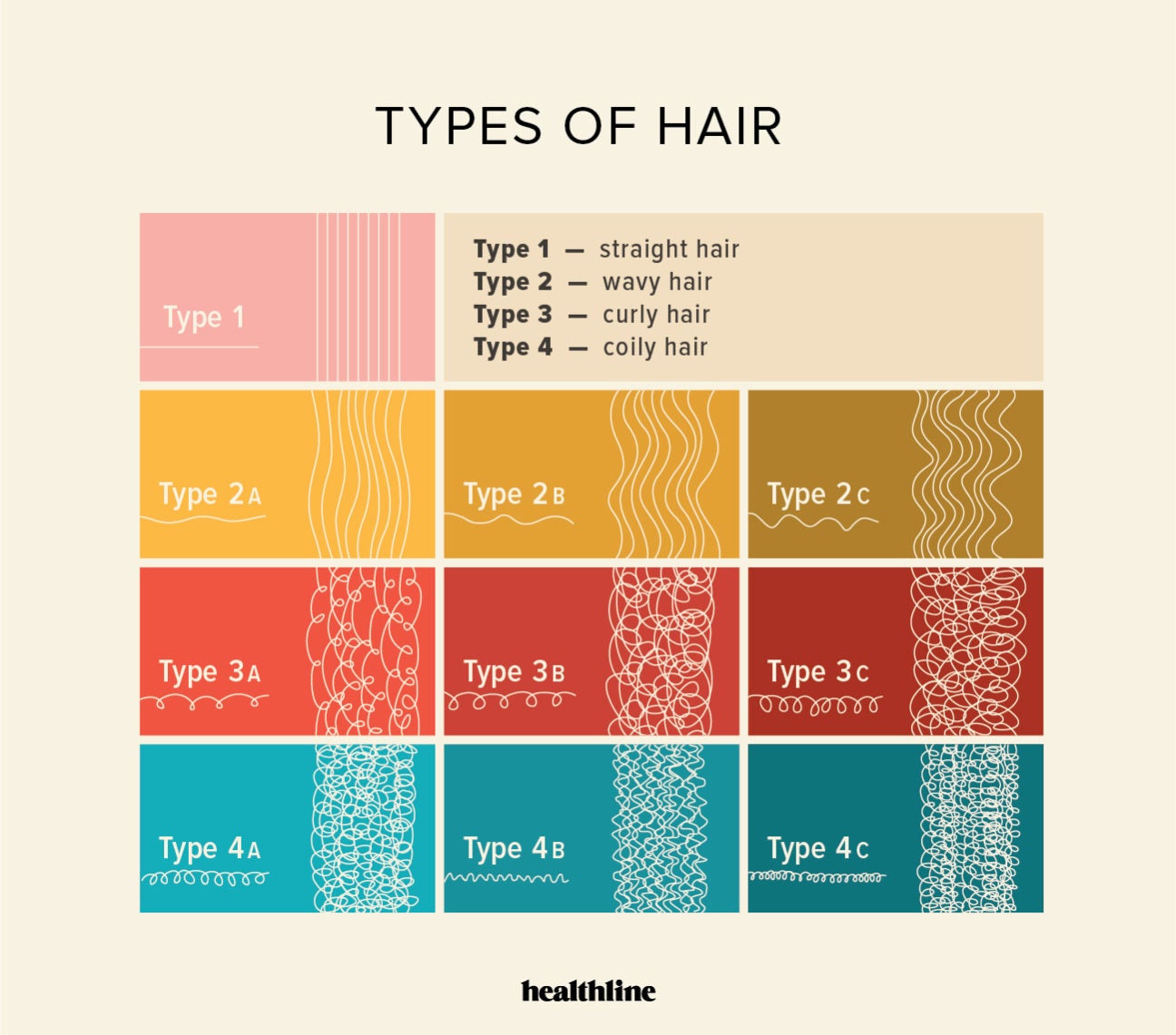
Beyond basic classifications such as straight, wavy, curly, and coily, hair can exhibit a range of textures and patterns. For example, multi-textured hair features different types within the same head of hair, which complicates care routines. Additionally, the porosity of hair—its ability to absorb moisture—can vary widely among individuals, affecting how hair responds to products and treatments. Misunderstanding these nuances can lead to ineffective hair care practices, as individuals may not tailor their approach to their unique hair characteristics.
Practical Application
To effectively manage hair health, consider the following actions:
- Assess your hair type and texture regularly, as this may change over time.
- Choose products that cater specifically to your hair’s needs, focusing on moisture and strength.
- Embrace your natural hair type, resisting societal pressures to conform to a specific standard.
By understanding these misconceptions, individuals can make informed decisions that promote true hair health rather than simply following trends.
The Role of Genetics and Environment in Hair Type
This section examines how genetic predisposition and environmental factors influence hair types and their characteristics. Understanding these elements is essential for addressing hair health and styling choices.
Genetic Predisposition and Hair Type
Genetics play a pivotal role in determining hair type, which encompasses texture, thickness, and curl pattern. Variations in genes such as the EDAR gene significantly influence hair morphology. For instance, individuals of East Asian descent often possess straight, thick hair due to specific genetic markers, while populations from Africa may exhibit tightly coiled hair, a trait linked to adaptations in their environment.
The Influence of Climate and Lifestyle
Environmental factors, including climate and lifestyle, also shape hair texture and health. For example, humid climates can enhance curl formation, while arid conditions may lead to dryness and brittleness. Additionally, lifestyle choices such as the use of heat styling tools, hair treatments, and exposure to pollutants can alter the natural state of hair, resulting in damage or changes in texture.
- Climate: Humidity can enhance curliness; dryness can lead to brittleness.
- Lifestyle: Frequent use of heat can damage hair structure.
- Pollutants: Environmental pollution can weaken hair and affect its appearance.
The Impact of Diet and Nutrition
Diet and nutrition significantly influence hair quality and growth. Nutrients such as proteins, vitamins (like B12 and biotin), and minerals (such as zinc and iron) are essential for maintaining healthy hair. Poor nutrition can lead to hair thinning or loss. A balanced diet rich in these nutrients supports not only hair health but also overall well-being.
Case Studies of Different Populations
Studying various populations reveals fascinating insights into the relationship between genetics, environment, and hair type. For example:
- Indigenous Australians: Generally have coarse, wavy hair, adapted to their hot climate.
- Scandinavian populations: Often possess straight, fine hair, which is a result of different genetic backgrounds.
- Sub-Saharan African groups: Exhibit a wide range of curl patterns, reflecting diverse genetic adaptations to their environments.
These case studies highlight how both genetic factors and environmental adaptations contribute to the diversity of hair types across different regions of the world.
Common misconceptions about hair types often suggest that they are solely determined by genetic factors. However, environmental influences and lifestyle choices can significantly alter hair characteristics, making it essential to consider all contributing elements.
To leverage this information, individuals should assess their genetic background and environmental conditions to tailor their hair care routines. Incorporating a nutrient-rich diet, adjusting hair care practices based on climate, and avoiding damaging treatments can enhance hair health. Regular consultations with hair care professionals can also provide personalized guidance aligned with one’s unique hair type and needs.
Practical Tips for Caring for Different Hair Types
This section provides essential strategies for effectively caring for various hair types. Tailoring hair care routines to specific hair characteristics can significantly enhance health and appearance.

Tailoring Hair Care Routines
Each hair type—straight, wavy, curly, and coily—requires a customized routine. For straight hair, focus on lightweight products that avoid weighing it down. Wavy hair benefits from a balance of moisture and definition, often requiring a combination of styling creams and gels. Curly hair thrives with rich conditioners and curl-enhancing products, while coily hair demands intense hydration and protective styles to maintain its structure.
Recommended Products
- Straight Hair: Use sulfate-free shampoos and lightweight conditioners. Recommended brands include Moroccanoil and Living Proof.
- Wavy Hair: Opt for curl creams and sea salt sprays. Look for products from Bumble and bumble or DevaCurl.
- Curly Hair: Choose deep conditioners and curl gels. SheaMoisture and Ouidad offer excellent options.
- Coily Hair: Use heavy moisturizers and leave-in conditioners. Brands like Cantu and Carol’s Daughter are popular choices.
Common Mistakes in Hair Care
Common errors can undermine the effectiveness of hair care routines. One frequent mistake is overwashing, which strips natural oils, leading to dryness. For most hair types, washing 2-3 times per week is adequate. Another mistake is using the wrong products; selecting items not suited to specific hair types can exacerbate issues. Lastly, neglecting heat protection can lead to serious damage, particularly for straight and wavy hair types.
The Importance of Regular Trims and Maintenance
Regular trims are essential for all hair types to remove split ends and maintain healthy growth. A trim every 6-8 weeks is generally recommended, although curly and coily hair may require less frequent cuts due to their unique growth patterns. Additionally, maintaining a consistent hair care routine, including regular deep conditioning treatments, can prevent damage and promote overall hair health.
Nuanced Considerations
Many articles fail to address the impact of environmental factors on hair health. Humidity can affect hair texture and moisture levels, especially for curly and coily hair types. Furthermore, understanding how different styling techniques—such as heat styling or protective styling—affect hair health is crucial. For instance, while heat can create beautiful styles, excessive use without proper protection can lead to irreversible damage.
Practical Application
To apply this information, assess your hair type and develop a tailored care routine. Start by selecting the appropriate products based on your specific needs. Schedule regular trims and avoid common pitfalls like overwashing and using unsuitable products. Monitor how environmental conditions affect your hair and adjust your routine accordingly. This proactive approach will lead to healthier, more manageable hair.
Frequently Asked Questions
What are the different types of hair?
The main types of hair are terminal, vellus, and lanugo. Terminal hair is thick and pigmented, vellus hair is fine and unpigmented, while lanugo is the soft hair found on fetuses.
How can I identify my hair type?
To identify your hair type, examine its thickness, texture, and growth patterns. Consider factors such as curliness, straightness, and the presence of pigmentation.
What is the difference between terminal and vellus hair?
Terminal hair is coarse, thick, and pigmented, typically found on the scalp, face, and body. In contrast, vellus hair is fine, soft, and often unpigmented, covering most of the body.
Are there any hair types that are considered unhealthy?
While hair types themselves are not inherently unhealthy, damaged or excessively dry hair can indicate underlying issues. Factors such as heat styling and chemical treatments can lead to unhealthy hair conditions.
What factors can change my hair type over time?
Hair type can change due to hormonal fluctuations, age, and environmental factors. Genetics also play a crucial role in determining how hair evolves throughout a person’s life.
How long does it take for hair to change from vellus to terminal?
The transition from vellus to terminal hair can vary significantly among individuals, typically taking several months to years. This process is influenced by hormonal changes, particularly during puberty.
What is lanugo hair and why do we have it?
Lanugo hair is a fine, soft hair that covers the bodies of fetuses, providing insulation and protection in the womb. It usually sheds before birth, though some infants may be born with it.
Final Thoughts on which of the following is not a type of hair
Understanding the various types of hair—terminal, vellus, and lanugo—is crucial for identifying personal hair characteristics and addressing specific hair care needs. Misconceptions about these types can lead to ineffective treatments and confusion regarding hair health.
To enhance your hair care routine, assess your hair type and its unique needs; consider consulting a dermatologist or a trichologist for tailored advice that aligns with your genetic predispositions and environmental factors.
Recognizing the distinctions in hair types not only informs better personal care but also empowers individuals to make informed choices about their hair health and aesthetics.
Leave a Reply