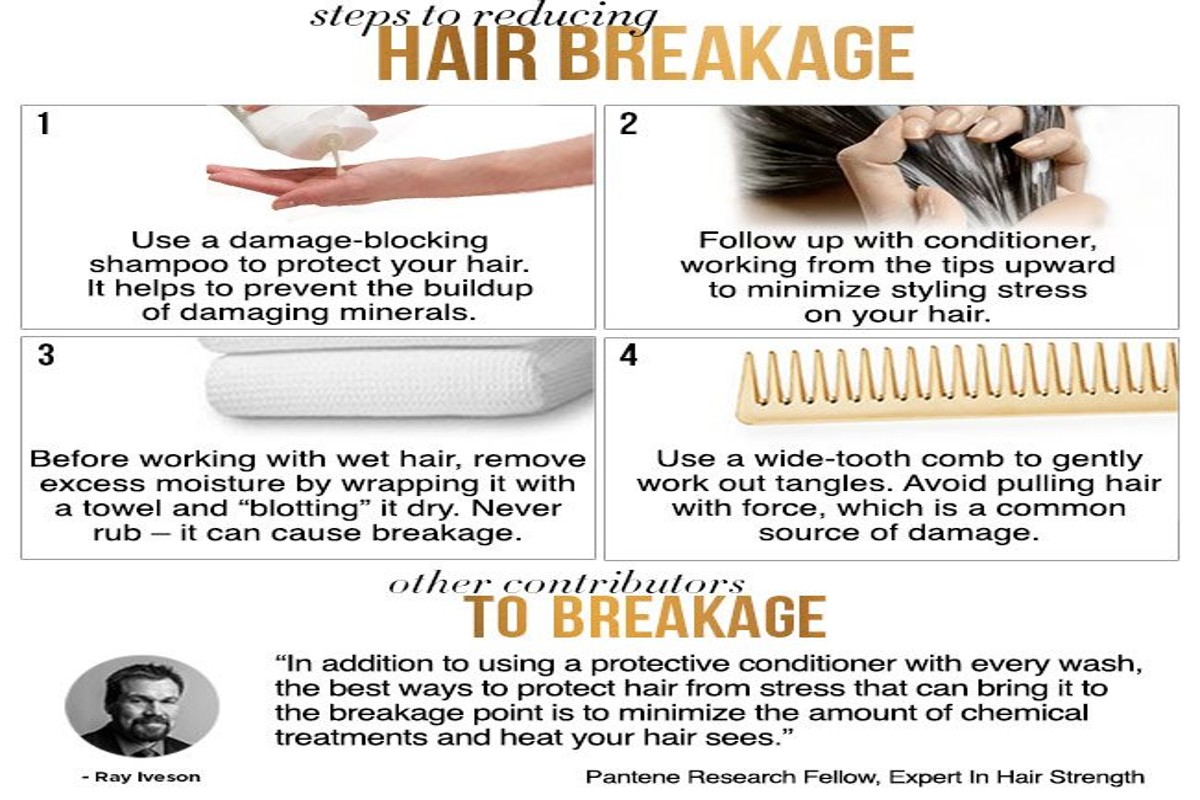
To stop hair breakage, focus on using gentle hair care products, minimize heat styling, and maintain a healthy diet rich in vitamins and minerals. These strategies are essential for promoting stronger, healthier hair and preventing further damage.
Understanding how to stop hair breakage is crucial for anyone experiencing hair health issues, as neglecting proper care can lead to irreversible damage and hair loss. This knowledge is vital for individuals seeking to maintain their hair’s integrity and overall appearance.
This article outlines effective strategies, including product recommendations, techniques to reduce heat exposure, and dietary tips that support hair health. Readers will gain actionable insights to effectively combat hair breakage and promote resilience.
What causes hair breakage?
Hair breakage occurs when the hair shaft becomes weak, leading to split ends and fraying. Several factors contribute to this condition, including environmental stressors, chemical treatments, and mechanical damage from styling practices.
Environmental factors such as excessive sun exposure, humidity, and cold weather can strip hair of its natural moisture, making it brittle. Similarly, harsh weather conditions can lead to dryness and increased vulnerability to breakage. Additionally, exposure to pollutants can weaken the hair structure over time.
Chemical treatments, such as coloring, perming, or relaxing, compromise the hair’s integrity. These processes often involve harsh substances that can strip natural oils and alter the hair’s protein structure, resulting in weakened strands. Frequent use of heat styling tools, like blow dryers and flat irons, further exacerbates this problem by causing thermal damage.
- Mechanical stressors: Over-brushing, tight hairstyles, and the use of rough hair accessories can lead to physical damage. These practices can create friction and tension on the hair shaft, contributing to breakage.
- Improper hair care: Neglecting to use conditioner, not trimming split ends, and failing to protect hair during sleep can all increase the likelihood of breakage.
- Health factors: Nutritional deficiencies, hormonal imbalances, and certain medical conditions can also impact hair strength and resilience.
Addressing these causes requires a comprehensive approach to hair care. Regularly using deep conditioning treatments, minimizing heat exposure, and employing gentle styling techniques can significantly mitigate hair breakage.
Expert Tip: Incorporating a protein-rich hair treatment into your routine can help fortify strands, especially after chemical treatments or heat styling. Look for products containing keratin or silk proteins for optimal results.
How can I prevent hair breakage at home?
Preventing hair breakage at home involves a combination of proper hair care techniques and the use of suitable products. By implementing these strategies, you can strengthen your hair and reduce the likelihood of damage. Consistency is key, as these practices will yield the best results over time.
- Limit heat exposure: Reduce the use of heat styling tools such as blow dryers, curling irons, and straighteners. When necessary, always apply a heat protectant spray to minimize damage.
- Choose gentle hair care products: Opt for sulfate-free shampoos and conditioners tailored to your hair type. Ingredients like argan oil and keratin can help nourish and strengthen the hair shaft.
- Practice proper washing techniques: Wash hair with lukewarm water and avoid scrubbing vigorously. Instead, gently massage the scalp to clean without causing friction.
- Deep condition regularly: Incorporate deep conditioning treatments into your routine at least once a week. Look for products that contain moisturizing agents such as shea butter or coconut oil.
- Be mindful of styling: Limit tight hairstyles like ponytails and braids that can cause tension on the hair. Use soft hair ties and avoid pulling hair too tightly.
- Protect hair while sleeping: Use a silk or satin pillowcase to minimize friction while you sleep. Alternatively, wrap your hair in a silk scarf to keep it protected.
- Maintain a balanced diet: Consume a diet rich in vitamins and minerals, particularly those that support hair health, such as biotin, vitamin E, and omega-3 fatty acids.
Incorporating these steps into your hair care routine can significantly reduce breakage. Remember that healthy hair starts from within, so prioritize nutrition alongside external care.
Expert Tip: Regularly trim your hair every 6-8 weeks to remove split ends, which can travel up the hair shaft and cause further breakage.
What are the best products to stop hair breakage?
Top-rated products to combat hair breakage include specialized shampoos, conditioners, and treatments. These products are formulated with ingredients that strengthen hair, enhance moisture retention, and reduce damage. Selecting the right combination can significantly improve hair health and resilience.
Shampoos designed to reduce hair breakage often contain proteins and amino acids that help fortify the hair shaft. Conditioners typically focus on hydration and nourishment, utilizing ingredients like keratin and natural oils to smooth the cuticle and prevent further damage. Treatments, such as masks and serums, provide intensive care and are applied less frequently but offer concentrated benefits.
- Olaplex No. 4 Bond Maintenance Shampoo: This shampoo focuses on repairing broken bonds in the hair structure. It is sulfate-free and effectively cleanses while maintaining moisture balance.
- Moroccanoil Moisture Repair Conditioner: Formulated with argan oil and keratin, this conditioner restores moisture and improves elasticity, making hair less prone to breakage.
- Redken Extreme Anti-Snap Leave-In Treatment: A leave-in treatment that targets split ends and strengthens hair. It contains proteins and a fortifying complex, ideal for damaged hair.
When selecting products, consider your hair type and any specific damage concerns. For example, fine hair may benefit from lightweight formulations, while coarse hair might require richer moisturizers. Additionally, consistent use of these products alongside a healthy hair care routine will yield the best results.
Expert Tip: Look for products that contain hydrolyzed proteins, as they penetrate the hair shaft more effectively, providing targeted repair. Regularly assess your hair’s response to treatments and adjust your regimen accordingly for optimal results.
How long does it take to stop hair breakage?
Visible improvement in hair breakage can typically be seen within 4 to 12 weeks after implementing effective prevention strategies. The exact timeline varies based on individual hair health, the extent of damage, and the specific methods used.
Several factors influence the duration for noticeable results. Firstly, the initial condition of the hair plays a significant role. Severely damaged hair may require a longer recovery period compared to hair with mild breakage. Additionally, the consistency and effectiveness of the chosen hair care regimen, including the use of nourishing treatments, protective styles, and appropriate products, can either accelerate or delay improvement.
Another key element is the growth cycle of hair. Hair grows at an average rate of half an inch (1.25 cm) per month, meaning that the effects of treatments may not be fully visible until new, healthier hair has grown in. Regular trims can also help eliminate split ends and breakage, contributing to an overall healthier appearance more quickly.
Practical Implications
For optimal results, a comprehensive approach should be adopted, addressing both internal and external factors affecting hair health. Incorporating a balanced diet rich in vitamins and minerals, along with hydration, can support hair recovery from within. Moreover, minimizing heat styling and chemical treatments will further enhance the effectiveness of preventative measures.
Expert Tip: Regularly assess the condition of your hair and adjust your care routine based on its specific needs. Consider consulting with a hair care specialist who can tailor strategies to your unique hair type and concerns.
Is hair breakage the same as hair loss?
Hair breakage and hair loss are not the same condition. Hair breakage occurs when strands weaken and fracture, while hair loss refers to the shedding of hair from the scalp. Understanding the differences between these two issues can help in effectively addressing them.
Hair breakage is primarily caused by physical or chemical damage to the hair shaft, which can result from factors such as excessive heat styling, harsh hair treatments, or environmental stressors. In contrast, hair loss can stem from a variety of reasons, including genetics, hormonal changes, medical conditions, or nutritional deficiencies. While hair breakage affects the integrity of the hair itself, hair loss involves the hair follicle and its ability to produce new hair.
- Appearance: Hair breakage results in uneven, frizzy, or split ends, while hair loss often leads to thinning or bald patches on the scalp.
- Causes: Hair breakage is linked to external damage and care practices, whereas hair loss can be influenced by internal factors like hormones or health issues.
- Treatment: To stop hair breakage, one may focus on improving hair care routines, such as using conditioners and minimizing heat exposure. For hair loss, treatments may involve addressing underlying health issues or using medications like minoxidil.
Effective management strategies for hair breakage include adopting gentle hair care practices, using protective hairstyles, and incorporating nourishing products. For hair loss, a comprehensive approach should be taken, which may include consulting a healthcare professional to evaluate possible medical causes and appropriate treatments.
Expert Tip: Regularly trimming hair can help prevent split ends and breakage, while maintaining a balanced diet rich in vitamins and minerals supports overall hair health, reducing the risk of both breakage and loss.
What are the signs of hair breakage?
Signs of hair breakage include split ends, frizz, and hair that feels brittle or dry. Additionally, you may notice an increase in hair fall during brushing or styling. Recognizing these signs early can prevent further damage and help maintain hair health.
Common indicators of hair breakage can manifest in various ways. For instance, split ends occur when the outer protective layer of the hair shaft wears away, leading to fraying. Brittleness is another sign; hair may lose its elasticity, making it more prone to snapping when pulled or styled. Increased frizz can also indicate that the cuticle layer is damaged, allowing moisture to escape and leading to an unhealthy appearance.
Other notable signs include uneven length and an overall lack of shine. If hair appears dull or lifeless, it may be a sign that it has suffered from excessive heat styling, chemical treatments, or environmental stressors. Regularly examining your hair for these signs can help in implementing preventative measures early, which is essential for maintaining hair integrity.
Expert Tip: Consider incorporating a protein treatment into your hair care routine if breakage is frequent, as it can help strengthen hair and rebuild its structure. Regular trims can also aid in removing damaged ends and promoting healthier growth.
Are there dietary changes to stop hair breakage?
Yes, dietary changes can significantly help prevent hair breakage. Incorporating specific nutrients and foods into your diet can strengthen hair and improve its resilience against damage. A balanced diet rich in essential vitamins and minerals is crucial for maintaining healthy hair.
Key nutrients that promote hair health include proteins, omega-3 fatty acids, vitamins A, C, D, E, and several B vitamins, including biotin. Foods rich in these nutrients can enhance hair strength and elasticity, making it less prone to breakage. For optimal results, consider the following dietary practices:
- Increase protein intake: Hair is primarily made of a protein called keratin. Incorporate lean meats, fish, eggs, legumes, and nuts into your meals to ensure adequate protein levels.
- Consume omega-3 fatty acids: These healthy fats nourish hair follicles and promote scalp health. Include fatty fish like salmon, walnuts, and flaxseeds in your diet.
- Focus on vitamins: Vitamins A, C, D, and E play vital roles in hair growth and health. Include fruits, vegetables, and whole grains to provide a rich source of these vitamins.
- Stay hydrated: Water is essential for overall health and helps maintain hair moisture. Aim for at least eight glasses of water daily.
Incorporating these dietary changes can create a foundation for healthier hair. However, individual responses may vary based on genetics, overall health, and lifestyle factors. Regularly monitoring your hair’s condition and making adjustments to your diet as necessary can yield the best results.
Expert Tip: Consider consulting with a nutritionist or healthcare provider to develop a personalized dietary plan tailored to your specific hair health needs. They can help identify any deficiencies and recommend appropriate supplements if necessary.
Understanding the Science Behind Hair Breakage
This section delves into the biological structure of hair and the various factors contributing to hair breakage. A thorough understanding of these mechanisms is essential for developing effective prevention strategies.
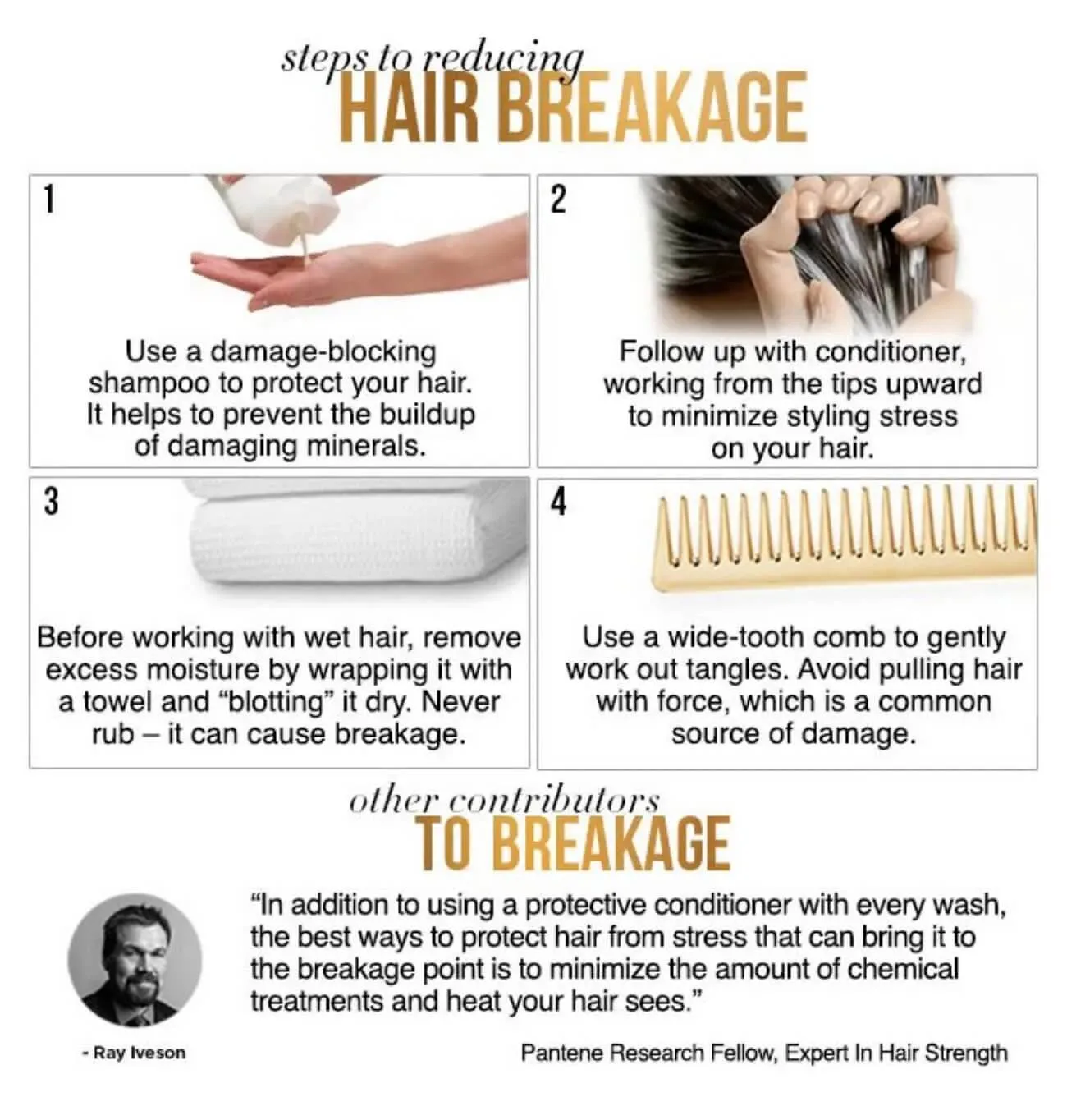
The Structure of Hair
Hair is primarily composed of three distinct layers: the cuticle, cortex, and medulla. The cuticle is the outermost layer, consisting of overlapping cells that protect the inner layers. The cortex, which makes up the bulk of the hair, contains keratin fibers and is responsible for the hair’s strength and elasticity. The medulla, the innermost layer, is present in some hair types and provides additional structural integrity. Damage to any of these layers can lead to increased hair breakage.
Moisture Levels and Hair Strength
Moisture is vital for maintaining hair strength and elasticity. Hair contains a certain percentage of water, and fluctuations in moisture levels can lead to brittleness. When hair becomes dehydrated, it loses its flexibility, making it more prone to breakage. Maintaining optimal moisture levels through proper hydration and conditioning treatments can significantly reduce the risk of hair damage.
The Role of pH Balance in Hair Health
The pH level of hair is crucial for its health. Hair typically has a pH ranging from 4.5 to 5.5, which helps keep the cuticle layer flat and intact. If hair becomes too alkaline, it can lead to raised cuticles, increased porosity, and a higher likelihood of breakage. Using pH-balanced hair products can help preserve the natural acidity of hair, promoting its overall health.
Impact of External Stressors on Hair Integrity
External factors such as heat styling, chemical treatments, environmental pollutants, and mechanical stress can compromise hair integrity. Frequent use of heat tools can strip moisture, while harsh chemicals can damage the cuticle and cortex. Moreover, environmental factors like UV exposure and humidity can weaken hair, leading to breakage. Implementing protective measures, such as minimizing heat exposure and using UV filters, can help safeguard hair from these stressors.
Expert Insights: Common Misconceptions
Many believe that hair breakage is solely a result of external damage. However, internal factors, such as nutritional deficiencies and hormonal imbalances, can also contribute significantly to hair health. For instance, inadequate protein intake can weaken the hair shaft, while hormonal fluctuations can alter hair texture and strength. Recognizing these internal influences is essential for a comprehensive approach to preventing hair breakage.
Practical Application
- Incorporate moisture-rich hair products to maintain hydration.
- Opt for pH-balanced shampoos and conditioners to protect hair structure.
- Limit heat styling and chemical treatments to reduce external stressors.
- Monitor your diet for adequate protein and essential vitamins to support hair health.
Expert Tips for Daily Hair Care Routines
This section provides advanced strategies for daily hair care that specifically target hair breakage, tailored to various hair types. Implementing these techniques can significantly enhance hair health and resilience.

Choosing the Right Shampoo and Conditioner
Selecting the appropriate shampoo and conditioner is foundational in preventing hair breakage. Consider hair type and specific needs when making your selection:
- Fine Hair: Opt for lightweight, volumizing formulas that cleanse without stripping natural oils.
- Curly Hair: Look for sulfate-free shampoos and moisturizing conditioners to maintain hydration and reduce frizz.
- Color-Treated Hair: Use products designed for color preservation to protect against fading and damage.
Drying and Styling Techniques
How hair is dried and styled can greatly influence its integrity. Implement the following techniques to minimize damage:
- Air-Drying: Whenever possible, allow hair to air-dry. If using a blow dryer, select a low heat setting and maintain a distance of at least six inches.
- Microfiber Towels: Use a microfiber towel to gently blot hair dry instead of rubbing it with a traditional towel, which can cause friction and breakage.
- Heat Protection: Apply a heat protectant spray before using styling tools to create a barrier against high temperatures.
The Importance of Regular Trims
Regular trims are essential for maintaining hair health. Aim for a trim every six to eight weeks to remove split ends and prevent further breakage. This practice also encourages healthier growth and enhances overall appearance.
Creating Protective Hairstyles
Protective hairstyles can significantly reduce hair breakage by minimizing exposure to environmental stressors. Popular options include:
- Braids: Loose braids can protect ends while allowing for versatility.
- Buns: A low, loose bun can keep hair secure and prevent tangling.
- Twists: Twists can minimize friction and protect the hair shaft.
Common misconceptions suggest that protective hairstyles must be tightly secured to be effective. In reality, tight styles can lead to traction alopecia and further damage. Loose styles that still provide coverage are preferable.
To apply this information effectively, establish a customized hair care routine based on hair type. Regularly assess the condition of hair and adjust products and styling techniques as needed. Incorporate trims into your schedule and explore various protective hairstyles that suit your lifestyle. Prioritizing these practices will significantly contribute to how to stop hair breakage and promote healthier hair overall.
Common Mistakes That Lead to Hair Breakage
This section identifies frequent errors in hair care that contribute to breakage, providing insights into how to effectively prevent damage. Understanding these pitfalls is essential for maintaining healthy hair.

Over-Washing and Using Harsh Products
Frequent washing strips the hair of its natural oils, leading to dryness and breakage. Many commercial shampoos contain sulfates and other harsh ingredients that can exacerbate this issue. Opt for sulfate-free shampoos and limit washing to 2-3 times per week to maintain moisture levels.
Neglecting Heat Protection When Styling
Heat styling tools like blow dryers, straighteners, and curling irons can significantly damage hair if not used correctly. High temperatures can weaken the hair structure, leading to breakage. Always apply a heat protectant spray or serum before styling to shield hair from thermal damage.
Ignoring the Importance of Hydration and Nutrition
Hair health begins from within. A diet lacking in essential nutrients such as vitamins A, C, D, E, and B-complex, as well as minerals like zinc and iron, can lead to weakened hair. Incorporate foods rich in these nutrients, such as leafy greens, nuts, and lean proteins, to promote stronger hair growth.
Using the Wrong Tools for Detangling and Styling
Using inappropriate tools can cause unnecessary stress on hair, resulting in breakage. Avoid fine-toothed combs on wet hair; instead, use a wide-toothed comb or a detangling brush designed for wet hair. This minimizes breakage during the detangling process.
- Choose tools made from materials that reduce friction, like wood or silicone.
- Never tug or pull on knots; gently work through them starting from the ends.
- Consider using a microfiber towel to reduce friction during drying.
Nuances in Hair Care
Many people mistakenly believe that all hair types require the same care. For instance, curly hair often needs more moisture and less frequent washing compared to straight hair. Additionally, certain products marketed as “gentle” may still contain alcohol or other drying agents. Conducting a patch test and researching product ingredients can help in making informed choices tailored to individual hair needs.
Practical Application
To mitigate hair breakage, implement the following strategies:
- Limit washing frequency and choose sulfate-free products.
- Always apply heat protectants before using styling tools.
- Enhance your diet with nutrient-rich foods to support hair health.
- Invest in quality detangling tools and use them correctly.
By addressing these common mistakes, individuals can take significant strides towards achieving healthier hair and effectively learning how to stop hair breakage.
Real-World Applications: Success Stories and Case Studies
This section explores practical examples of individuals who successfully stopped hair breakage through targeted strategies and product selections. These real-world applications demonstrate the effectiveness of tailored hair care routines and dietary changes.

Case Study: Curly Hair Transformation
One notable case is that of Sarah, a 28-year-old with naturally curly hair prone to breakage. After years of struggle, she adopted a multi-faceted approach to hair care. Initially, she identified that her hair was suffering from excessive dryness and damage caused by heat styling. Sarah implemented a new routine that included:
- Switching to sulfate-free shampoos to preserve natural oils.
- Incorporating deep conditioning treatments twice a month.
- Minimizing heat styling and opting for protective hairstyles.
After six months, her hair showed significant improvement, with less frizz and more defined curls. Sarah reported a noticeable reduction in breakage, stating that her curls felt healthier and more resilient.
Dietary Changes for Hair Health
Several individuals have reported success in reducing hair breakage by altering their diets. For instance, Mark, a 35-year-old, shifted from a processed food diet to one rich in vitamins and minerals. His new regimen included:
- Increased intake of omega-3 fatty acids from fish and nuts.
- Consuming leafy greens for iron and vitamins A and C.
- Hydration through adequate water consumption.
Within three months, Mark noted enhanced hair thickness and a reduction in fall and breakage. He attributed these changes to improved nutrient absorption, which fortified his hair from within.
Before-and-After Comparisons of Hair Care Routines
Visual evidence underscores the impact of refined hair care routines. Consider the case of Lisa, who transitioned from a basic hair care regimen to a comprehensive plan that incorporated:
- Regular trims every six to eight weeks.
- The use of silk pillowcases to minimize friction during sleep.
- Application of leave-in conditioners enriched with proteins.
Before implementing these changes, Lisa’s hair was visibly damaged, with split ends and a lackluster appearance. Six months later, her hair appeared shinier, healthier, and significantly less prone to breakage, illustrating the importance of consistent care.
Expert Insights on Hair Breakage Prevention
Interviews with hair care professionals reveal common strategies for preventing hair breakage. Experts recommend:
- Choosing the right products based on hair type and condition.
- Limiting chemical treatments that can weaken hair structure.
- Incorporating regular scalp massages to improve circulation.
These insights emphasize that a customized approach to hair care, combined with professional guidance, can lead to substantial improvements in hair health.
Nuances in Hair Care
A common misconception is that all hair types require the same care. However, variations in hair texture, porosity, and environmental exposure necessitate personalized routines. For example, individuals with high-porosity hair may require heavier oils to seal moisture, while those with low-porosity hair benefit from lighter products. Understanding these distinctions is essential for effectively addressing hair breakage.
Practical Application: Steps to Implement
To effectively combat hair breakage, consider the following actionable steps:
- Assess your current hair care routine and identify areas for improvement.
- Experiment with dietary changes that support hair health.
- Consult with a professional stylist for personalized recommendations.
Implementing these strategies can lead to a significant reduction in hair breakage, resulting in healthier, more resilient hair over time.
Frequently Asked Questions
What causes hair breakage?
Hair breakage is often caused by environmental factors, such as heat styling, chemical treatments, and excessive brushing. Lack of moisture and nutritional deficiencies can also contribute to weakened hair strands.
How can I prevent hair breakage at home?
To prevent hair breakage at home, use a gentle shampoo and conditioner, avoid excessive heat styling, and limit chemical treatments. Regularly moisturizing and using protective hairstyles can also help maintain hair health.
What are the best products to stop hair breakage?
Look for products containing ingredients like keratin, argan oil, and biotin, which strengthen and nourish hair. Deep conditioning masks and leave-in treatments can also be effective in reducing breakage.
How long does it take to stop hair breakage?
It typically takes several weeks to months to see significant improvement in hair breakage, depending on the severity and the care regimen implemented. Consistency in using protective measures and nourishing products is key to recovery.
Is hair breakage the same as hair loss?
No, hair breakage refers to the strands snapping due to damage, while hair loss involves the shedding of hair from the scalp. Both issues can occur simultaneously but are distinct conditions.
What are the signs of hair breakage?
Signs of hair breakage include split ends, frizz, and uneven hair length. Hair may also feel dry and brittle, and you may notice more strands falling out during styling.
Are there dietary changes to stop hair breakage?
Yes, incorporating a balanced diet rich in vitamins and minerals, particularly biotin, zinc, and omega-3 fatty acids, can help strengthen hair. Staying hydrated and consuming adequate protein is also essential for healthy hair growth.
Final Thoughts on how to stop hair breakage
To effectively combat hair breakage, it is essential to understand the underlying causes and implement a comprehensive care regimen tailored to individual hair types. By prioritizing nutrient-rich products, adopting gentle styling techniques, and maintaining optimal hydration levels, one can significantly strengthen hair and minimize breakage.
Begin by conducting a thorough assessment of your current hair care products and routines, and replace any that contain harsh chemicals with those formulated to nourish and protect hair integrity.
Addressing hair breakage is crucial not only for aesthetic reasons but also for overall hair health, as strong, resilient hair contributes to a confident and empowered presence.
Leave a Reply