How long to leave hair dye in depends on the type of dye used. Generally, 30 to 45 minutes is recommended for permanent dye, while semi-permanent may require 20 to 40 minutes.
Understanding the appropriate duration for leaving hair dye in is crucial for achieving desired results without damaging hair. Incorrect timing can lead to uneven color, unwanted tones, or hair damage, making it essential for both professionals and at-home users to follow guidelines carefully.
This article provides specific recommendations for various types of hair dye, including permanent, semi-permanent, and temporary options, along with tips for optimal application and results.
How long should I leave hair dye in for best results?
The optimal time for leaving hair dye in varies based on the type of dye used and the condition of the hair. Generally, most permanent hair dyes should be left in for 30 to 45 minutes, while semi-permanent dyes may require only 20 to 40 minutes. Always refer to the specific product instructions for the best results.
- Consider the type of dye: Permanent hair dyes usually require a longer processing time due to their formulation, which includes ammonia and other chemicals that open the hair cuticle. Semi-permanent dyes, on the other hand, contain no ammonia and typically need less time to deposit color.
- Assess hair condition: The porosity of your hair plays a crucial role in dye absorption. Highly porous hair may absorb dye faster, potentially requiring a shorter processing time to prevent over-saturation and damage. Conversely, low-porosity hair may benefit from slightly extended timing.
- Follow product guidelines: Each hair dye brand provides specific instructions on application and timing. Adhering closely to these guidelines ensures optimal color results while minimizing the risk of hair damage. If you are unsure, a patch test can help determine the best processing time for your hair.
For those using bleach or high-lift dyes, monitoring the hair closely during the process is essential. These products can quickly damage hair if left on too long, so a strand test is advisable to gauge the right timing.
Expert Tip: Utilize a timer to track the processing time accurately, and check the color development periodically, especially for high-porosity hair. This proactive approach helps achieve the desired shade without compromising hair health.
What happens if I leave hair dye in too long?
If hair dye is left in for an extended period, it can lead to significant damage and undesirable color results. Over-processing hair can cause the cuticle to lift excessively, resulting in brittleness and breakage. Additionally, the color may become darker or excessively vibrant, leading to an unnatural appearance.
Leaving hair dye in beyond the recommended time can impact both the hair’s health and the final color. Factors such as hair type, condition, and the specific dye formulation can influence the degree of damage. For example, coarse or previously damaged hair may absorb color more quickly, making it more susceptible to over-processing. Conversely, finer hair may not hold the color as effectively, potentially leading to uneven results.
- Dryness: Extended exposure can strip moisture from the hair, leading to a dry and frizzy texture.
- Breakage: Hair may become brittle, increasing the risk of split ends and breakage.
- Color Fallout: The dye may not only darken but also fade unevenly, resulting in patchy colors.
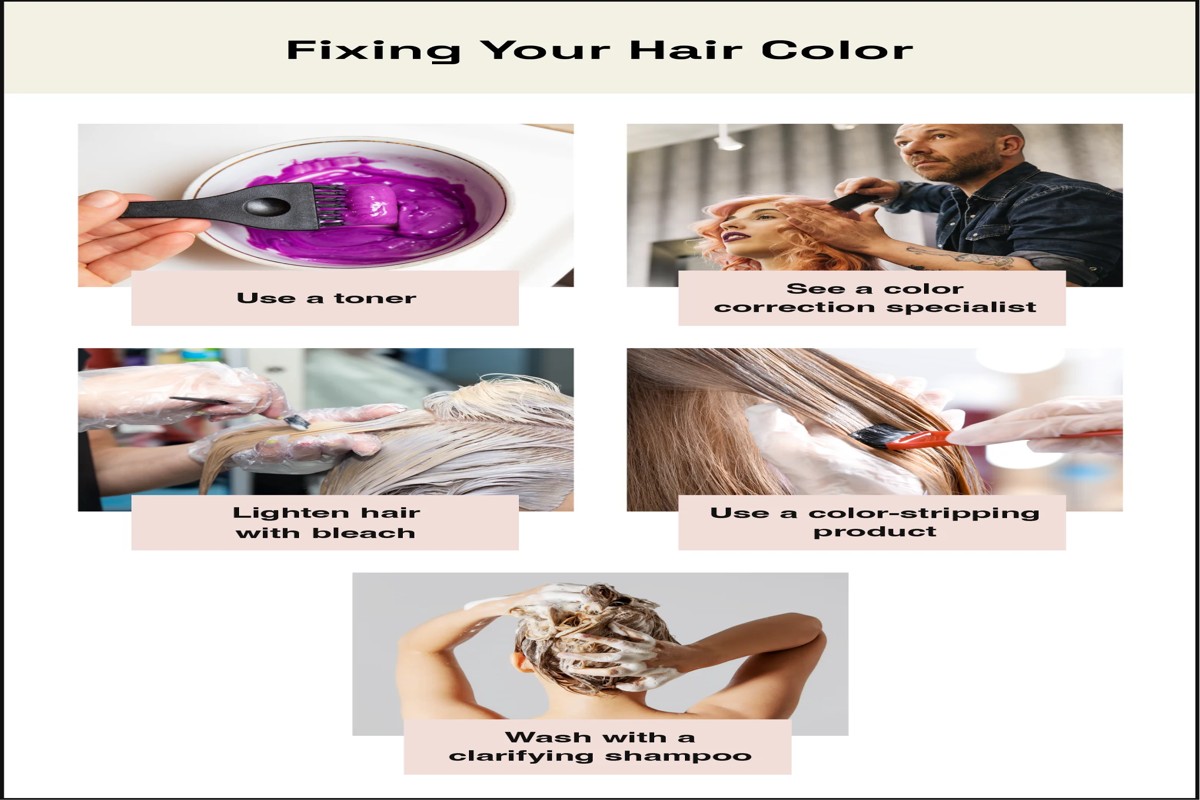
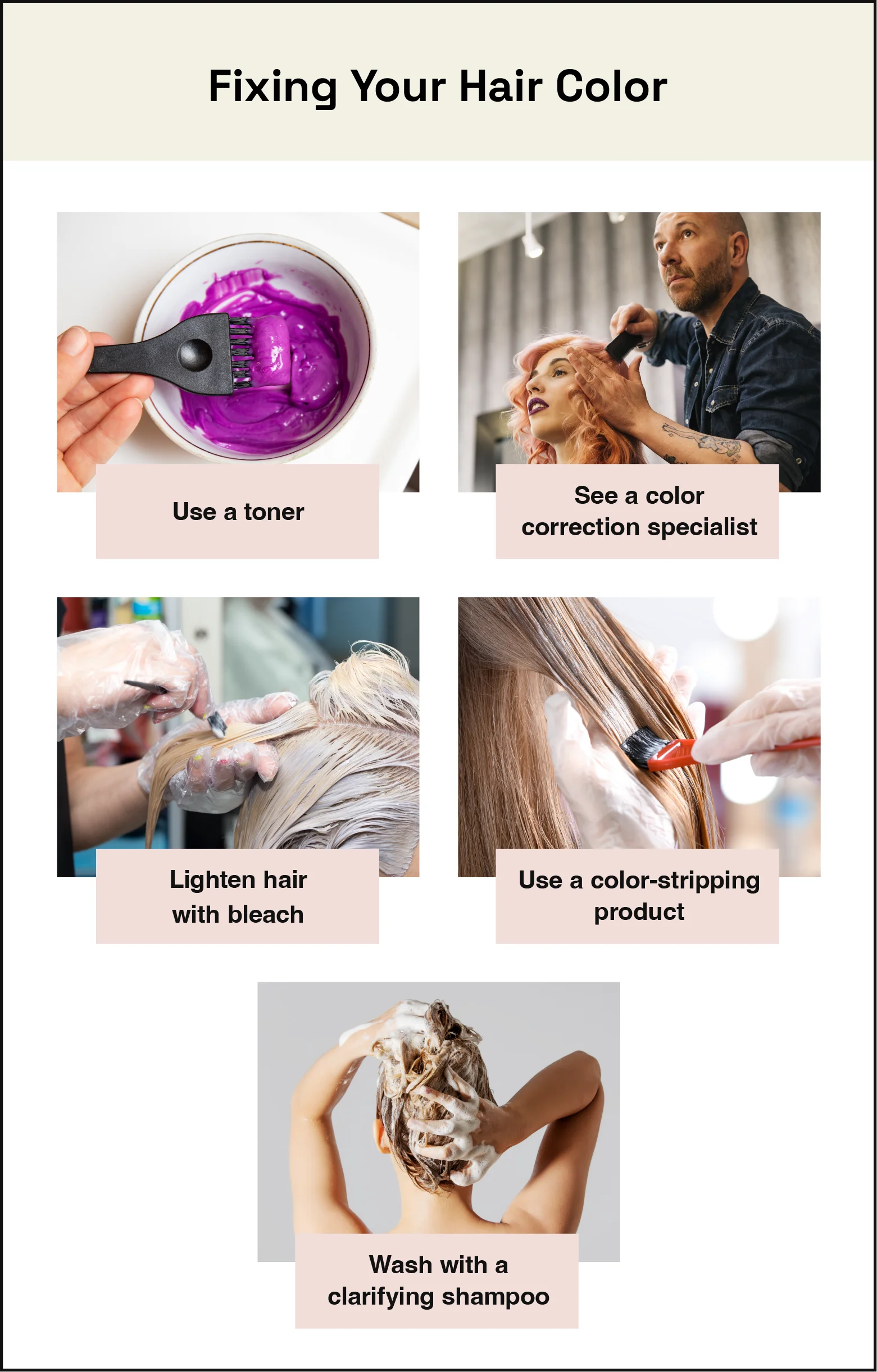
In situations where dye is left in too long, immediate corrective actions may be necessary. This can include deep conditioning treatments to restore moisture or, in extreme cases, seeking professional help for color correction. Regularly monitoring the hair’s condition during the dyeing process can help mitigate these risks.
For optimal results, adhere strictly to the recommended processing time for the specific dye used. Conducting a strand test prior to full application can help assess how your hair responds, providing a clearer picture of the ideal timing.
Is there a difference in timing for permanent vs semi-permanent hair dye?
Yes, there is a significant difference in the timing required for permanent and semi-permanent hair dye. Permanent hair dye typically requires a longer processing time, usually between 30 to 45 minutes, while semi-permanent dye generally needs only 20 to 40 minutes. These differences are crucial for achieving the desired color and maintaining hair health.
Permanent hair dye works by penetrating the hair shaft and changing the natural pigment. This process involves a chemical reaction that requires time to ensure the dye effectively locks into the hair. Factors such as hair texture, color, and desired intensity can influence the exact timing within the recommended range. On the other hand, semi-permanent hair dye coats the hair without altering its structure, making it less damaging. As a result, it requires less time to develop, allowing for a quicker application and rinse.
- Permanent Hair Dye: 30-45 minutes processing time; penetrates hair shaft, alters natural color.
- Semi-Permanent Hair Dye: 20-40 minutes processing time; coats hair, no structural change.
- Factors Influencing Timing: Hair texture, porosity, desired shade.
For individuals with damaged or processed hair, semi-permanent options may be beneficial due to their gentler formulation. However, permanent dye is often necessary for significant color changes or gray coverage. It is also noteworthy that overexposure to hair dye, especially permanent formulations, can lead to dryness and breakage, highlighting the importance of adhering to recommended timings.
Expert Tip: Always conduct a strand test before full application to determine the optimal timing for your specific hair type and condition. This approach minimizes the risk of damage and ensures a more satisfying color outcome.
How much does professional hair dye application cost?
The cost of professional hair dye application typically ranges from $50 to $200, depending on various factors. Prices can vary widely based on the salon’s location, the stylist’s experience, and the complexity of the service. Specialty treatments or high-end salons may charge even more.
Several factors influence the overall cost of hair dye services:
- Salon Location: Salons in urban areas or affluent neighborhoods generally charge higher rates than those in smaller towns.
- Stylist Experience: Experienced stylists or colorists often command higher prices due to their expertise and reputation.
- Type of Service: Different techniques, such as balayage, highlights, or full-color applications, come with varying costs. More intricate methods typically require more time and skill, thus increasing the price.
- Hair Length and Thickness: Longer or thicker hair requires more product and time, which can raise the service cost.
- Additional Treatments: If a client opts for additional services like deep conditioning or a haircut, the total cost will increase accordingly.
When considering professional hair dye application, it is advisable to consult with the stylist about the specific services needed and their associated costs. Many salons offer consultations that can help clarify pricing based on individual preferences.
Expert Tip: Always ask about the products being used during your hair dye application. High-quality dyes and treatments can yield better results and may justify a higher price point.
Can I leave hair dye in longer for a darker color?
Leaving hair dye in longer than recommended can sometimes lead to a darker color, but it also increases the risk of hair damage. Hair dye contains chemicals that can cause dryness and breakage if left on for too long. To achieve the desired shade without compromising hair health, it is essential to follow best practices.
First, consider the type of dye being used. Permanent dyes generally require a specific development time to achieve the intended color. Exceeding this time can result in an overly intense shade, which may not wash out evenly. For semi-permanent dyes, leaving them on slightly longer may enhance color depth, but always adhere to the manufacturer’s guidelines to avoid adverse effects.
- Perform a strand test: Before applying dye to your entire head, conduct a strand test. This helps determine how long to leave the dye in for the desired color without risking damage.
- Follow the manufacturer’s instructions: Every dye has a recommended processing time. Stick to this guideline to ensure optimal color results and minimize damage.
- Monitor hair condition: Check the condition of your hair during the dyeing process. If hair feels overly dry or brittle, rinse the dye out immediately, even if the recommended time hasn’t elapsed.
- Consider your hair type: Different hair types absorb dye differently. Fine hair may process color faster than thicker hair. Adjust timing based on your hair’s texture and porosity.
For the best results, always prioritize hair health alongside color goals. If in doubt, consult with a professional stylist to tailor the dyeing process to your hair’s unique needs.
What are the common mistakes when dyeing hair at home?
Common mistakes when dyeing hair at home include inadequate preparation, incorrect application, and not following timing guidelines. These errors can lead to uneven color, damaged hair, and disappointing results.
One frequent mistake occurs during the application process. For instance, a person may not section their hair properly, leading to missed spots and uneven color distribution. Without dividing the hair into manageable sections, the dye may not reach all strands effectively. This oversight can result in a patchy appearance, where some areas are vibrant while others remain untouched or faded.
Another common error is miscalculating the processing time. Many individuals may leave the dye in for too long, thinking that extended exposure will enhance the color. However, this can lead to significant hair damage, causing dryness and breakage. Conversely, not leaving the dye in long enough can result in a lack of desired intensity or even inconsistent coloring. Following the manufacturer’s instructions regarding how long to leave hair dye in is essential for achieving the best results.
Furthermore, improper aftercare can exacerbate any initial mistakes. For example, using harsh shampoos or failing to use conditioner after dyeing can strip color faster, diminishing vibrancy. This oversight can lead to frequent touch-ups and ultimately more damage to the hair.
Expert Tip: Always perform a patch test before dyeing to check for allergic reactions and conduct a strand test to gauge the final color outcome. This can prevent both health issues and dissatisfaction with the dye results.
How can I tell if my hair dye is still effective?
To determine if hair dye is still effective, check the expiration date and assess its consistency and smell. If the dye has expired or shows any changes in texture or odor, it is best to discard it.
Follow these steps to evaluate the efficacy of your hair dye:
- Check the expiration date: Most hair dyes have a shelf life of 1-3 years. If the date has passed, the dye may not perform as intended.
- Inspect the packaging: Look for any signs of damage or leaks. If the packaging is compromised, the dye may have been contaminated.
- Examine the dye’s consistency: Fresh dye should be smooth and creamy. If it appears lumpy or has separated, it may not effectively adhere to the hair.
- Smell the product: A strong, unpleasant odor can indicate that the dye has gone bad. Fresh hair dye typically has a pungent but recognizable scent.
- Perform a patch test: If in doubt, conduct a patch test on a small section of hair. This will help determine if the dye still produces the desired color and results.
Environmental factors also play a role in hair dye effectiveness. Exposure to extreme temperatures or humidity can degrade the quality of the dye. Store hair dye in a cool, dry place to prolong its shelf life.
When applying hair dye, always follow the manufacturer’s instructions for mixing and timing. Using expired or ineffective dye can lead to uneven color and unwanted results.
Expert Tip: For the best results, use hair dye within six months of opening the product, even if it has not reached the expiration date. This ensures optimal performance and color vibrancy.
What should I do if my hair dye didn’t take?
If the hair dye didn’t take, there are several steps to remedy the situation. Often, the issue can be traced back to application methods, hair condition, or dye selection. Addressing these factors can enhance color retention and vibrancy.
- Assess your hair’s condition. If your hair is overly damaged or porous, it may not absorb dye effectively. Consider deep conditioning treatments to improve hair health before reapplying dye.
- Choose the right dye. Ensure that the dye selected is appropriate for your hair type and desired outcome. Permanent dyes typically provide better coverage than semi-permanent options, especially for gray hair.
- Follow application instructions closely. Review the manufacturer’s guidelines regarding mixing and application. Ensure an even distribution of dye and avoid leaving it on for too short a time.
- Conduct a strand test. Before reapplying, perform a strand test to check how your hair reacts to the dye. This can help avoid further issues and ensure the desired color result.
- Consider a color remover. If the color is uneven or too dark, using a color remover can help strip the unwanted dye. Follow the product instructions carefully for best results.
- Reapply dye if necessary. If the initial application was insufficient, wait a few days before reapplying dye. This gives your hair time to recover and increases the chances of better absorption.
Proper preparation and careful execution are key to achieving the desired hair color. If problems persist, consulting a professional stylist may provide additional insights tailored to your specific hair type and dye.
Expert Tip: Always ensure that hair is clean but not freshly washed before dyeing; natural oils can help protect the scalp and enhance dye absorption.
Understanding Hair Dye Chemistry: How Timing Affects Results
The timing of hair dye application is critical for achieving desired color results while maintaining hair health. This section delves into the chemistry of hair dye, focusing on key components and their interactions with hair structure, which ultimately impact how long to leave hair dye in.

The Role of Ammonia and Developer in Permanent Dyes
Permanently altering hair color involves a chemical reaction facilitated by ammonia and a developer, typically hydrogen peroxide. Ammonia acts as an alkaline agent, opening the hair cuticle to allow dye molecules to penetrate the hair shaft. The developer contains hydrogen peroxide, which helps in lifting the natural hair pigment while activating the dye. The balance between these two components is essential; too much ammonia can damage hair, while insufficient developer may lead to inadequate color uptake.
How pH Levels Affect Dye Penetration
The pH level of hair dye formulations significantly influences dye penetration. Most permanent hair dyes have a pH between 9 and 11, promoting cuticle opening. If the pH is too high, it can lead to excessive cuticle swelling, resulting in hair damage and color fading. Conversely, a lower pH can hinder the dye from fully penetrating the hair shaft. Understanding the pH balance in hair dye formulations aids in determining the optimal application time.
The Importance of Hair Porosity in Timing
Hair porosity refers to the hair’s ability to absorb moisture and products, significantly affecting how long to leave hair dye in. High-porosity hair, often porous due to damage or chemical treatments, absorbs color quickly but may also lose it rapidly. Conversely, low-porosity hair, characterized by tightly closed cuticles, may require longer processing times to achieve desired color saturation. Assessing individual hair porosity is essential for tailoring dye application times.
Differences in Processing Times for Various Hair Types
- Fine Hair: Typically absorbs dye more quickly due to its lower density, often requiring shorter processing times.
- Thick Hair: May necessitate longer application times as the dye must penetrate multiple layers of hair.
- Curly Hair: Often has uneven porosity; sections may require different processing times based on texture and damage levels.
Understanding these processing times helps in achieving even color results across different hair types while minimizing damage.
Common misconceptions suggest that leaving hair dye in longer guarantees better results. In reality, the ideal processing time varies depending on the dye formulation, hair type, and overall hair health. For instance, overly lengthy exposure can lead to hair damage and color fading rather than enhancement.
To effectively apply hair dye, consider the following actionable steps:
- Assess hair porosity to determine initial processing time.
- Follow the manufacturer’s instructions for ammonia and developer ratios.
- Monitor the color development at regular intervals, especially for fine or damaged hair types.
- Conduct a strand test before full application to gauge color absorption and processing needs.
By integrating this knowledge into hair dye application, individuals can achieve vibrant, lasting colors while safeguarding hair integrity.
Expert Tips for Home Hair Dyeing: Achieving Salon-Quality Results
Mastering the art of hair dyeing at home requires more than just following instructions on the box. This section delves into advanced techniques and insider tips that ensure professional-looking results, focusing on preparation, timing, and post-dye care.
Preparing Hair for Optimal Dye Absorption
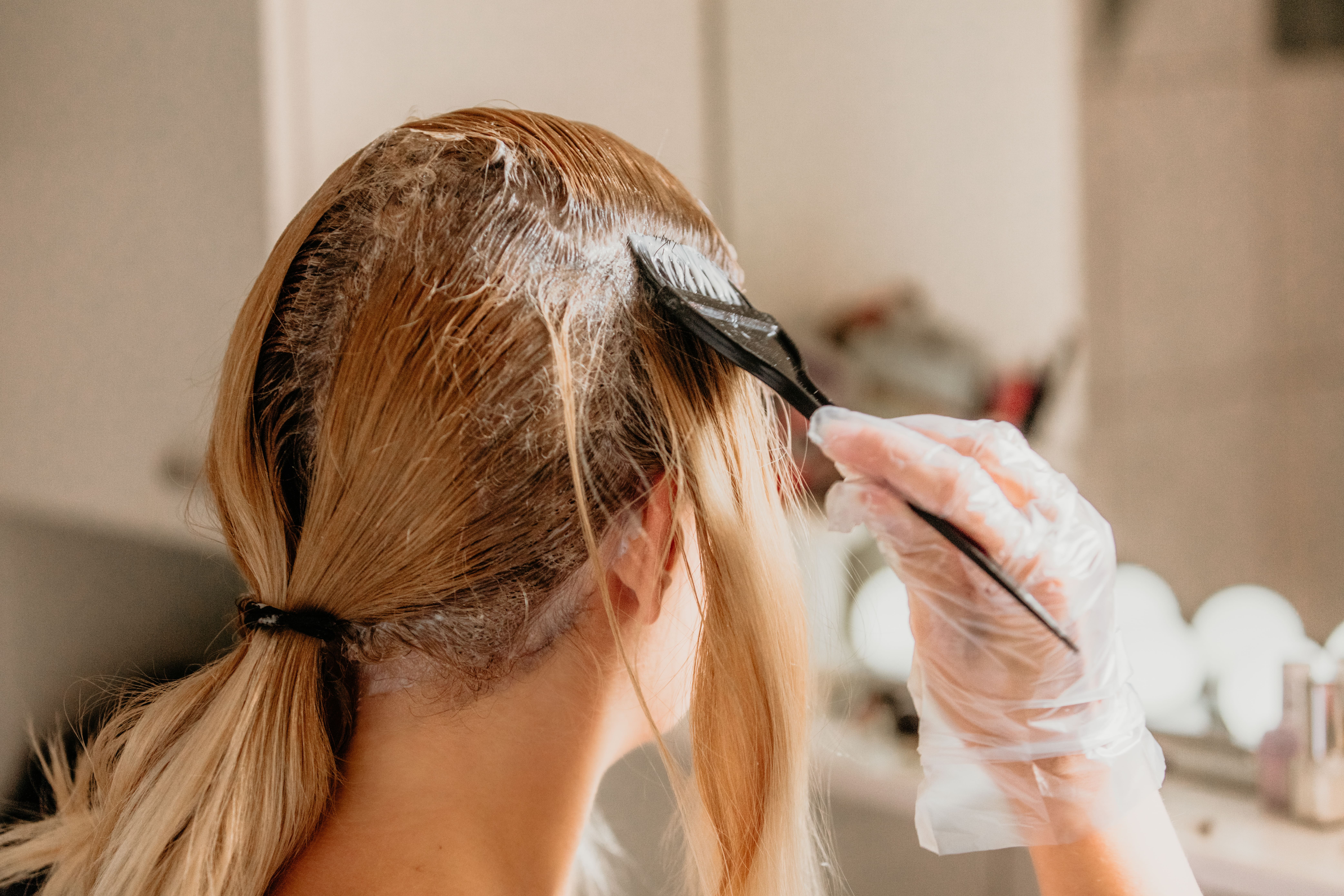
Effective hair dyeing begins long before the dye touches the hair. Proper preparation enhances dye absorption, leading to richer and more vibrant color. Start by ensuring that hair is clean but not freshly washed; a light layer of natural oils aids in protecting the scalp and promoting even color distribution. Use a clarifying shampoo a few days prior to dyeing to remove product buildup. Additionally, avoid using conditioner right before application, as it can create a barrier that hinders dye penetration.
Using Heat to Enhance Color Development
Applying heat during the dyeing process can significantly improve color intensity and longevity. Heat opens the hair cuticle, allowing the dye to penetrate more deeply. There are several methods to achieve this:
- Plastic Wrap: After applying the dye, cover the hair with plastic wrap to trap heat.
- Heat Cap: Use a salon-quality heat cap designed for color treatments.
- Blow Dryer: Gently blow dry the hair for a few minutes while the dye is in place.
Ensure that the heat is not excessive, as this can damage the hair and alter the dye’s effectiveness.
Timing Adjustments Based on Hair Condition and Color Goals
The recommended processing time for hair dye varies depending on the product and desired outcome. Generally, the standard time is between 30 to 45 minutes. However, adjustments may be necessary based on hair type and condition:
- Fine or Damaged Hair: Reduce processing time to 20-30 minutes to prevent further damage.
- Thick or Coarse Hair: May require the full 45 minutes or slightly longer for optimal results.
- Vibrant Colors: For bold colors, leave the dye in for the maximum time recommended on the packaging.
Always conduct a strand test before full application to determine the ideal timing for achieving the desired shade.
Post-Dye Care to Maintain Color Longevity
After dyeing, proper care is essential to extend the life of the color. Use sulfate-free shampoos and conditioners specifically designed for color-treated hair. These products help retain moisture and prevent fading. Additionally, minimize heat styling and direct sun exposure, as both can significantly diminish color vibrancy. Consider regular touch-ups every 4-6 weeks to maintain the desired look.
Common misconceptions surround the timing of hair dye. Many assume that leaving dye in longer guarantees a more vibrant color. However, over-processing can lead to unwanted results, such as uneven color or damage. This emphasizes the necessity of understanding individual hair characteristics and adjusting application times accordingly.
To achieve salon-quality results at home, follow these actionable steps: prepare your hair by cleansing without conditioning, utilize heat to enhance dye absorption, adjust processing times based on hair condition, and invest in quality post-dye care products. Regularly assess your hair’s response to dyeing and adapt techniques to ensure optimal outcomes. By employing these expert tips, anyone can achieve professional results in the comfort of their own home.
Common Mistakes in Hair Dye Application and How to Avoid Them
This section identifies common errors in hair dye application that can lead to unsatisfactory results. Addressing these mistakes is essential for achieving the desired hair color and maintaining hair health.
Overlapping Dye on Previously Colored Hair
One frequent mistake is overlapping dye onto sections of hair that have already been colored. This can lead to uneven color results, causing certain areas to become overly saturated or darker than intended. To avoid this, section hair carefully and apply dye only to the new growth. Use a clear distinction between previously colored hair and virgin hair by creating small, manageable sections during application.
Ignoring the Manufacturer’s Timing Guidelines
Every hair dye product comes with specific timing instructions that are crucial for achieving optimal results. Ignoring these guidelines can result in either insufficient color deposit or damage to the hair. Always adhere to the recommended processing time, which typically ranges from 20 to 45 minutes depending on the product and desired result. Setting a timer can help manage the application effectively.
Neglecting Patch Tests and Strand Tests
Skipping patch tests and strand tests can lead to allergic reactions or unexpected color results. A patch test, conducted 48 hours prior to application, checks for allergic responses to the dye. A strand test allows the user to preview the hair color on a small section before full application. Both tests are essential for ensuring safety and satisfaction with the final outcome.
Failing to Account for Hair Texture and Condition
Different hair types and conditions require tailored approaches to dye application. For instance, coarse or curly hair may absorb dye differently than fine or straight hair. Additionally, damaged hair may react unpredictably to chemicals. Assessing hair texture and condition allows for adjustments in processing time and formula strength, ensuring a more uniform and vibrant color.
- Always perform a patch test 48 hours before dyeing.
- Conduct a strand test to preview color on a small section.
- Follow the manufacturer’s timing guidelines precisely.
- Section hair to prevent overlapping on previously colored areas.
- Consider hair texture and condition when applying dye.
Common misconceptions include the belief that leaving dye in longer will yield better results. In reality, exceeding the recommended time can lead to hair damage without enhancing color vibrancy. Additionally, many assume that all hair types can use the same dye formula without adjustments. This is not accurate, as individual hair characteristics significantly impact how dye interacts with the strands.
To apply this information effectively, always prepare thoroughly before dyeing. Schedule time for patch and strand tests, read the product instructions carefully, and assess hair condition. During application, ensure precise sectioning to avoid overlapping and monitor timing closely for optimal results. By adhering to these guidelines, the likelihood of achieving the desired hair color while maintaining hair integrity increases significantly.
Real-World Case Studies: Success Stories and Lessons Learned
This section delves into real-life hair dye applications, highlighting various hair types and dye choices. By analyzing these case studies, readers can gain insights into effective timing and techniques for optimal results.

Case Studies by Hair Type and Dye Choices
- Fine Hair with Semi-Permanent Dye: A client with fine, straight hair used a semi-permanent dye for a vibrant red hue. The dye was left in for the recommended 20 minutes, resulting in a rich color that faded gracefully over six weeks.
- Thick Hair with Permanent Dye: Another case involved thick, curly hair dyed blonde. The stylist applied the dye for 40 minutes, achieving a bright, even finish. However, some areas showed slight damage due to over-processing.
- Coarse Hair with Highlights: A client with coarse hair opted for highlights using a balayage technique. The dye was left on for 30 minutes, providing a natural sun-kissed effect while preserving hair integrity.
Analyzing Results Based on Timing and Technique
The timing of hair dye application is crucial in determining the final outcome. In the case of the fine hair dye application, leaving the dye in for the full recommended time maximized color saturation without compromising hair health. Conversely, the thick hair application showed that exceeding the recommended time can lead to unwanted damage, emphasizing the importance of adhering to guidelines.
The balayage case illustrates the effectiveness of technique over time. The stylist’s skill in applying the dye strategically allowed for a stunning result, despite a shorter processing time. Techniques like balayage or ombre can yield excellent results even when dyeing time is reduced.
Lessons Learned from Common Dyeing Scenarios
Several lessons emerge from these case studies:
- Always follow the dye manufacturer’s instructions regarding timing for optimal results.
- Consider the hair type and condition before deciding on dye choices and application times.
- Consult a professional stylist for complex techniques to mitigate the risk of damage.
Feedback from Hair Professionals
Hair professionals emphasize the significance of conducting a strand test prior to full application. This test reveals how hair responds to dye and helps determine the appropriate processing time. Additionally, professionals recommend using a timer to avoid over-processing, particularly with permanent dyes. They also advise clients to communicate openly about their hair history and desired outcomes to tailor the dyeing process effectively.
Nuance in Hair Dyeing Practices
One common misconception is that longer processing times always yield better results. In reality, hair porosity, texture, and existing color can dramatically affect outcomes. For instance, porous hair absorbs color more quickly, necessitating shorter dyeing times to prevent unwanted shades. Additionally, some semi-permanent dyes may not require extended exposure to achieve desired vibrancy.
Practical Application
To achieve the best results when dyeing hair, follow these steps:
- Identify your hair type and select a dye that complements it.
- Conduct a strand test to determine the ideal processing time.
- Adhere strictly to the manufacturer’s instructions for timing.
- Consult with a professional stylist for complex techniques or if uncertain about the process.
Utilizing these insights can enhance the hair dyeing experience, ensuring vibrant, healthy results.
Frequently Asked Questions
How long should I leave hair dye in for best results?
For optimal results, leave hair dye in for the duration specified on the product’s instructions, typically between 30 to 45 minutes. This ensures the dye fully penetrates the hair shaft for even color.
What happens if I leave hair dye in too long?
Leaving hair dye in for too long can lead to hair damage, including dryness and breakage. It may also result in an undesired color outcome, such as overly intense or uneven shades.
Is there a difference in timing for permanent vs semi-permanent hair dye?
Yes, permanent hair dye generally requires a longer processing time, often around 30 to 45 minutes, while semi-permanent dye usually needs about 20 to 40 minutes. Always refer to the specific product instructions for accurate timing.
How much does professional hair dye application cost?
The cost of professional hair dye application typically ranges from $50 to $150, depending on the salon, stylist experience, and the complexity of the service. Additional services like highlights or color corrections may incur extra charges.
Can I leave hair dye in longer for a darker color?
Leaving hair dye in longer does not necessarily result in a darker color and can lead to hair damage. It is advisable to follow the recommended processing time for the best results.
What are the common mistakes when dyeing hair at home?
Common mistakes include not performing a patch test, applying dye unevenly, and failing to read instructions thoroughly. Skipping the pre-dye preparation steps can also lead to suboptimal results.
How can I tell if my hair dye is still effective?
Hair dye can lose effectiveness over time; check the expiration date on the package. If the dye has changed color, consistency, or smell, it is likely no longer effective.
What should I do if my hair dye didn’t take?
If hair dye didn’t take, it may be due to improper application or hair condition. Consider consulting a professional stylist for advice or reapplying the dye following the correct techniques and instructions.
Final Thoughts on how long to leave hair dye in
Understanding the precise timing for leaving hair dye in is crucial for achieving optimal results while maintaining hair health. Different formulations, such as permanent versus semi-permanent dyes, require distinct application times to ensure color vibrancy without compromising hair integrity.
To enhance your hair dyeing experience, conduct a strand test before full application; this allows you to gauge the ideal timing tailored to your hair type and desired outcome.
Mastering the timing of hair dye application not only elevates personal grooming but also empowers individuals to confidently express their unique style.
Leave a Reply