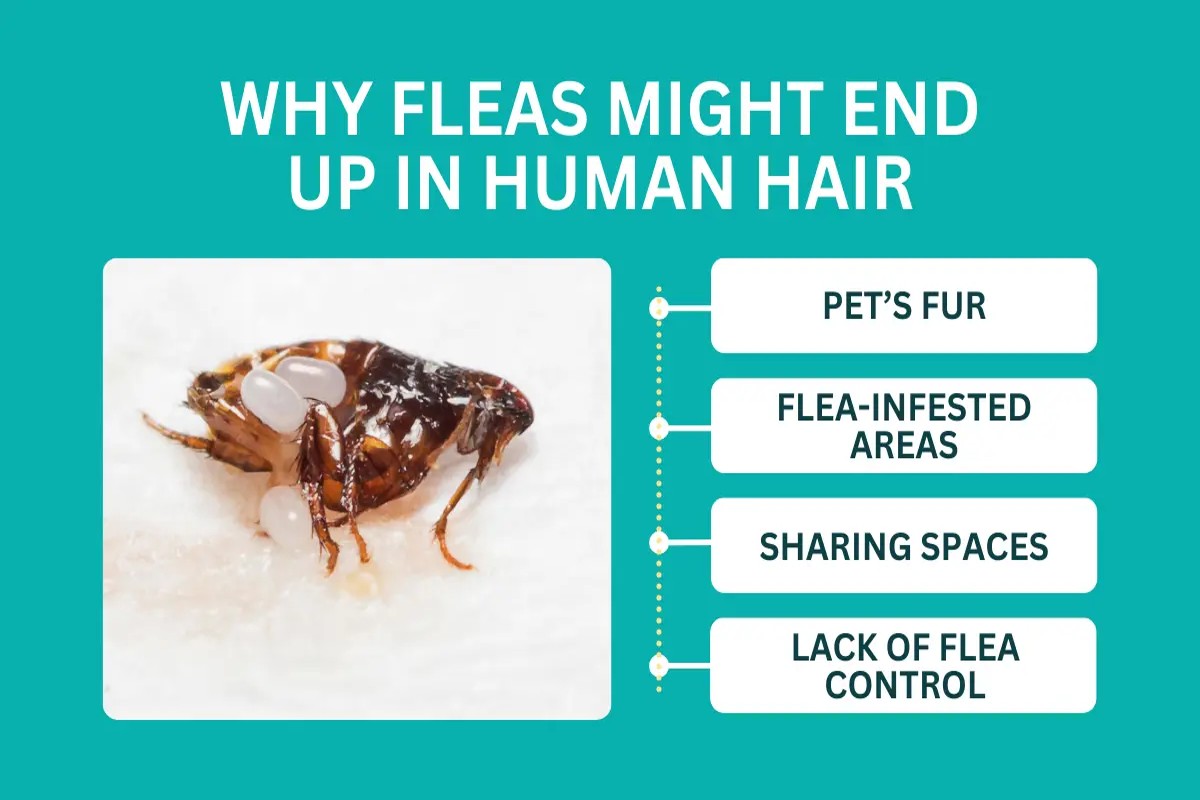
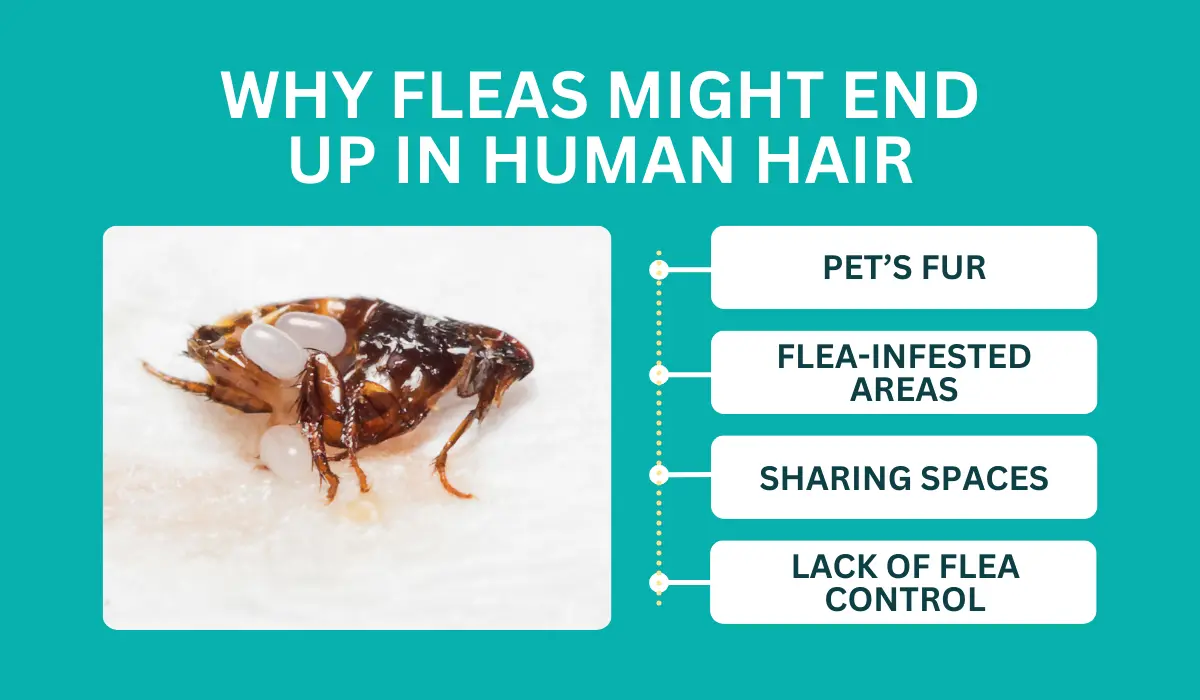
Dog fleas do not live in human hair. They primarily infest dogs and cats, using these animals as hosts for survival. While fleas can bite humans, they do not establish themselves in human hair or skin.
Understanding the behavior and habitat of dog fleas is crucial for pet owners and anyone living in close proximity to animals. Misconceptions about flea infestations can lead to ineffective pest control measures and unnecessary anxiety regarding human exposure.
This article provides key insights into the biology of dog fleas, their feeding habits, and effective strategies for managing infestations in pets and homes.
Can dog fleas bite humans?
Yes, dog fleas can bite humans. While they primarily prefer to feed on dogs, they will bite humans if their preferred host is not available. These bites can lead to itching and irritation, similar to mosquito bites.
Fleas are ectoparasites that thrive on blood from their hosts. When a dog is infested with fleas, these parasites may jump onto humans, especially if they are in close contact with the infested animal. The bites usually occur on areas of exposed skin, such as the ankles and legs, and can cause localized swelling and discomfort.
- Identify flea bites: Look for small, red, itchy welts on your skin, often grouped in clusters. Flea bites typically have a characteristic appearance that distinguishes them from other insect bites.
- Clean the affected area: Wash the bites with soap and water to reduce the risk of infection. Applying an antiseptic can also help soothe irritation.
- Use topical treatments: Over-the-counter creams or lotions containing hydrocortisone can alleviate itching. Antihistamines may also be effective in reducing allergic reactions to the bites.
- Prevent further bites: Treat your pets with veterinarian-approved flea control products. Regularly clean and vacuum your home to eliminate flea eggs and larvae.
- Consult a healthcare professional: If you experience severe allergic reactions or secondary infections from flea bites, seek medical attention promptly.
Regularly inspecting and treating pets for fleas is essential. This proactive approach minimizes the risk of fleas transferring to humans and helps maintain a healthy living environment.
Implementing a comprehensive pest control strategy, including treating both pets and home environments, is critical for effective flea management. This dual approach ensures that fleas do not persist and minimizes the likelihood of bites on humans.
What are the signs of fleas on humans?
The primary signs of fleas on humans include itchy red welts and small, raised bumps on the skin. These symptoms typically occur in clusters and are often concentrated around areas like the ankles, waist, and behind the knees. Flea bites may also cause irritation and discomfort, leading to scratching or secondary infections.
Flea bites are usually characterized by their distinctive appearance. They often manifest as small, red, itchy spots that can become inflamed due to scratching. In some cases, individuals may also experience allergic reactions to the saliva of fleas, resulting in more severe symptoms such as hives or dermatitis. Additionally, flea bites can lead to secondary infections if the skin is broken from excessive scratching.
- Itching and irritation: The most immediate and common symptom is intense itching, which can vary in severity.
- Red welts: Bites typically appear as small, red bumps, often in groups or lines.
- Location of bites: Bites are commonly found around the ankles, lower legs, and waist, where fleas tend to jump onto humans.
In some cases, individuals may not notice flea bites immediately, as reactions can differ based on skin sensitivity and the presence of fleas. It’s also possible to carry fleas into the home from infested pets or environments, leading to bites even if direct contact with fleas does not occur. Therefore, maintaining a clean environment and treating pets for fleas is essential to prevent infestation.
Expert Tip: Keeping track of any unusual skin reactions after being in contact with animals or infested areas can help in early identification and treatment of flea bites. Regularly inspecting pets and their living areas for fleas can significantly reduce the risk of bites.
How to get rid of fleas in your home?
To effectively eliminate fleas in your home, a multi-step approach is necessary. This involves treating your pets, cleaning your living space, and following up with preventive measures. Fleas reproduce quickly, so prompt action is essential to break the cycle.
- Treat Your Pets: Begin by administering a veterinarian-approved flea treatment to your pets. This can include topical treatments, oral medications, or flea collars, which help reduce the flea population on your animals.
- Vacuum Thoroughly: Vacuum carpets, rugs, upholstery, and any fabric surfaces in your home. Ensure you dispose of the vacuum bag or empty the canister outside to prevent re-infestation.
- Wash Bedding and Fabrics: Wash all pet bedding, human bedding, and any removable fabric items in hot water. This helps kill fleas and their eggs, ensuring no remnants are left behind.
- Use Flea Sprays or Powders: Apply a flea spray or powder specifically designed for indoor use on carpets and floors. Follow the manufacturer’s instructions carefully to maximize effectiveness and ensure safety.
- Implement Environmental Controls: Consider using flea traps or insect growth regulators (IGRs) that prevent flea eggs from hatching. These products can significantly reduce the flea population over time.
- Regular Maintenance: Establish a routine for vacuuming and treating your pets. Regularly check for fleas and maintain cleanliness to prevent future infestations.
Flea control requires diligence and continuous effort. Ensure all pets are treated simultaneously to avoid cross-infestation. Additionally, maintaining a clean environment is key to keeping fleas at bay.
Expert Tip: Consider hiring a professional pest control service for severe infestations, as they can provide targeted treatments that are often more effective than DIY methods.
Do fleas prefer certain hair types?
Fleas do not specifically prefer certain hair types, but their behavior can vary based on environmental factors and the host’s characteristics. While dog fleas (Ctenocephalides canis) primarily target dogs, they can occasionally infest humans. However, their presence in human hair is rare, regardless of hair type.
Fleas are more attracted to body heat, carbon dioxide, and movement than to hair texture or type. They are typically drawn to furry hosts, particularly dogs and cats, where they can find a suitable environment to thrive. The hair on humans provides a less favorable habitat since it lacks the insulation and warmth found in animal fur. Additionally, the density and length of human hair do not provide the same level of protection and warmth that flea populations require.
- Straight Hair: Straight hair is less likely to trap fleas compared to curly or textured hair. Fleas may struggle to navigate straight strands, making it more difficult for them to latch on.
- Curly Hair: Curly hair can offer more hiding spots for fleas due to its volume and texture. However, the overall likelihood of fleas residing in human hair remains low.
- Short Hair: Short hair presents fewer opportunities for fleas to cling and hide, reducing the chances of infestation. This may help in minimizing flea presence significantly.
Factors such as a person’s hygiene, the presence of pets, and the environment play a more significant role in flea infestation than hair type alone. Regular grooming and cleaning can help reduce the likelihood of fleas transferring from pets to humans.
Expert Tip: Maintaining a clean environment, along with regular pet grooming and flea treatments, significantly decreases the chances of fleas coming into contact with humans, regardless of hair type.
How long can fleas live without a host?
Fleas can survive without a host for approximately one to two weeks, depending on environmental conditions. In favorable conditions, such as cool, humid environments, they may extend their survival up to several months, although they will not breed without a host. This capability significantly impacts flea infestations and control strategies.
The survival of fleas without a host is influenced by several factors, including temperature and humidity. Fleas thrive in warm, humid conditions, which allows them to remain viable longer without feeding. Conversely, in dry or excessively hot environments, their lifespan without a host can decrease significantly. For example, fleas exposed to temperatures above 95°F (35°C) may only survive a few days without a blood meal.
Another critical factor is the flea life stage. Adult fleas can survive longer without a host compared to larvae or pupae. While adult fleas may live up to a week or more, flea eggs and larvae are more vulnerable and require a host to continue their development. Understanding these dynamics is essential for effective flea control, as even in the absence of pets, fleas can persist in the environment, waiting for a suitable host to feed on.
Flea infestations can be challenging to eradicate due to their resilience. Regular vacuuming and washing of pet bedding can help eliminate flea eggs and larvae, disrupting their lifecycle. Furthermore, treating your pet with veterinarian-recommended flea prevention products is crucial to breaking the cycle and preventing future infestations.
Expert Tip: Consider using environmental treatments, such as insect growth regulators, which can disrupt flea development and significantly reduce their survival rates in your living space. This approach is especially effective when combined with regular cleaning and pet treatments.
What is the best flea treatment for dogs?
The best flea treatment for dogs includes a combination of topical treatments, oral medications, and environmental control. These approaches work together to eliminate fleas from the dog and prevent future infestations. Selecting the right treatment depends on the dog’s age, health, and lifestyle.
Topical treatments, such as spot-on solutions, provide quick relief and long-lasting protection. Oral medications, including chewable tablets, can work systemically to kill fleas within hours. Additionally, regular grooming and vacuuming can help manage and prevent flea populations in the home environment.
- Use topical treatments: Apply veterinarian-recommended spot-on treatments monthly to kill adult fleas and prevent new infestations.
- Administer oral medications: Give chewable flea tablets as prescribed for fast-acting relief, especially for severe infestations.
- Regular grooming: Brush your dog with a fine-toothed comb weekly to remove fleas and their eggs, which also helps detect infestations early.
- Maintain a clean environment: Vacuum carpets, rugs, and furniture frequently, and wash your dog’s bedding in hot water to eliminate flea eggs and larvae.
- Consult your veterinarian: Discuss the best flea control options tailored to your dog’s specific needs and health status.
Effective flea management requires a comprehensive approach that targets both the pet and its environment. Fleas can reproduce rapidly, so prompt action is crucial to prevent re-infestation.
Expert Tip: Consider using flea preventatives year-round, as fleas can survive in indoor environments even during colder months. This proactive approach minimizes the risk of infestations and keeps your dog comfortable.
Can fleas survive on humans for long periods?
No, fleas cannot survive on humans for long periods. While they may jump onto a human host, they prefer animals such as dogs and cats for their primary source of nourishment. Fleas typically spend most of their life cycle on their preferred hosts and will not thrive on human hair or skin.
Fleas are ectoparasites that primarily feed on the blood of mammals, particularly pets. Their anatomy and behavior are adapted for life on furry animals, making it difficult for them to survive on humans. Although a flea may bite a human, it can only do so for a limited time before it needs to return to its primary host.
- Lifespan on humans: Fleas can only survive for a few hours to a few days on a human, depending on environmental conditions.
- Feeding habits: Fleas require a consistent source of blood to reproduce and live; without access to animal hosts, they cannot sustain their life cycle.
- Environmental factors: Humidity and temperature play crucial roles in flea survival; they thrive in warm, humid conditions that are typically found on pets, not on human bodies.
In practical terms, while fleas may temporarily land on humans, they do not establish prolonged infestations. This distinction is important for understanding flea control and management in households with pets. Fleas will often migrate back to their primary host, where they can reproduce and continue their life cycle.
Expert Tip: Regular grooming and flea treatments for pets can significantly reduce the likelihood of fleas jumping onto humans, protecting both the pets and their owners from potential discomfort.
Understanding Flea Life Cycle and Behavior
This section explores the life cycle of fleas and their interaction with the environment, pets, and common misconceptions. Understanding these dynamics is essential for effective flea control and prevention.
Flea Life Cycle Stages
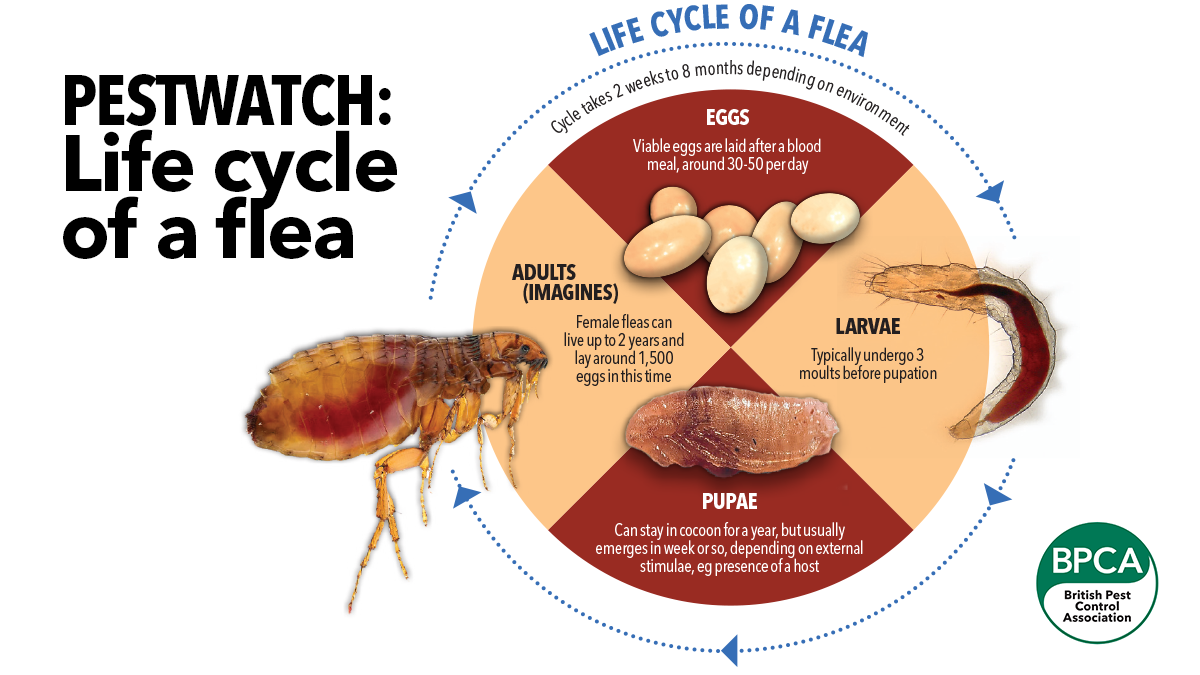
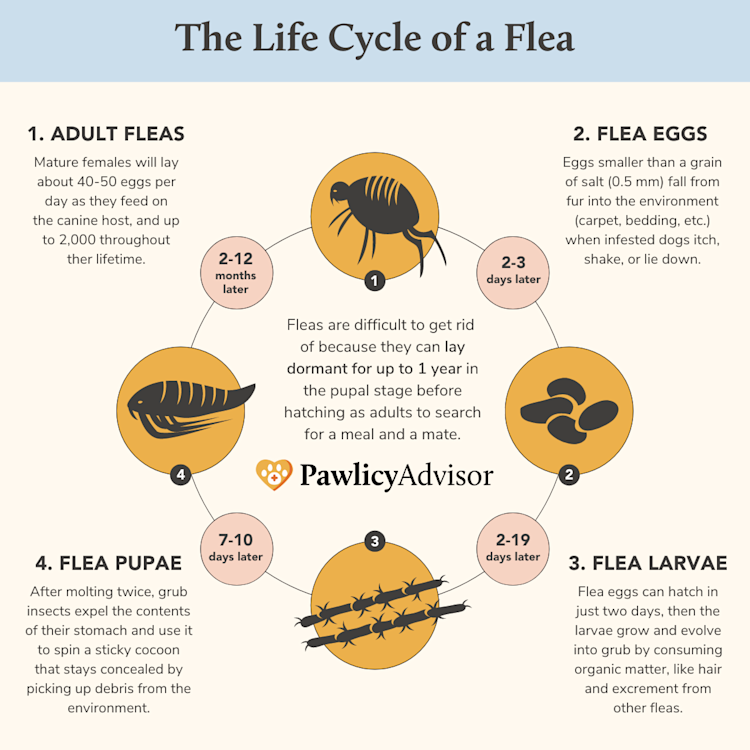
Fleas undergo a complex life cycle consisting of four distinct stages: egg, larva, pupa, and adult.
- Egg: Female fleas lay about 20-30 eggs daily, which typically fall off the host into the environment, such as carpets or bedding.
- Larva: Eggs hatch into larvae within 2 to 10 days. Larvae are blind and feed on organic debris, including adult flea feces.
- Pupa: Larvae spin cocoons and enter the pupal stage, where they can remain dormant for weeks to months, depending on environmental conditions.
- Adult: Once conditions are favorable, adults emerge from cocoons, seeking a blood meal to reproduce.
Environmental Factors Affecting Flea Populations
Flea populations are heavily influenced by environmental factors, including temperature and humidity. Ideal conditions for flea development are temperatures between 70°F and 85°F (21°C to 29°C) with humidity levels above 50%. In cooler or drier environments, flea development slows or halts.
The Role of Pets in the Flea Life Cycle
Pets serve as primary hosts for fleas, playing a critical role in their life cycle. Fleas rely on the warmth and carbon dioxide emitted by pets to locate them. Once on a host, adult fleas can reproduce rapidly, contributing to an escalating infestation.
Common Misconceptions About Fleas
Several misconceptions exist regarding fleas and their behavior:
- Fleas only infest dogs and cats: While pets are common hosts, fleas can also infest other animals and humans.
- Fleas only live on pets: Fleas can survive in the environment for extended periods, waiting for a host to provide a blood meal.
- Fleas cannot jump high: Fleas are capable of jumping up to 7 inches vertically, allowing them to easily transfer between hosts.
Nuance / Expert Layer
A common misconception is that fleas prefer human hair over other environments. In reality, fleas do not live in human hair; they are adapted to live on furry mammals. Fleas may occasionally land on humans, but they do not reproduce or thrive on human hosts. Instead, they seek out pets for blood meals necessary for their reproduction. Furthermore, fleas can remain dormant in the pupal stage for an extended period, leading to sudden infestations when conditions become favorable.
Practical Application
To effectively manage and prevent flea infestations, consider the following actions:
- Regularly treat pets with veterinarian-recommended flea control products.
- Maintain a clean home environment, vacuuming carpets and washing pet bedding frequently.
- Monitor environmental conditions, as humidity and temperature can influence flea activity.
Understanding these dynamics is essential in addressing the question of whether dog fleas live in human hair and implementing effective pest control strategies.
Effective Prevention Strategies for Fleas
This section outlines practical and effective strategies to prevent flea infestations in both pets and homes. Implementing these measures is essential for maintaining a flea-free environment, safeguarding the health of pets and humans alike.
Regular Grooming and Bathing of Pets
Consistent grooming and bathing of pets are foundational in flea prevention. Regularly brushing your dog’s coat helps to remove fleas and their eggs before they become a larger problem. Aim to groom your pet at least once a week, using a flea comb specifically designed for this purpose. Bathing should occur every month or as recommended by a veterinarian. Use a veterinarian-approved flea shampoo, which can help kill adult fleas and reduce the overall flea population.
Home Maintenance Tips to Reduce Flea Habitats
Homes can provide ideal environments for fleas to thrive. To minimize these habitats, consider the following maintenance tips:
- Vacuum carpets, rugs, and upholstery thoroughly at least once a week. Pay special attention to corners and under furniture where fleas may hide.
- Wash pet bedding, blankets, and any removable fabric items in hot water weekly to eliminate any flea eggs or larvae.
- Seal cracks and crevices in floors and walls to prevent fleas from nesting in your home.
- Consider using flea traps and insect growth regulators (IGRs) to disrupt the flea life cycle in your home.
The Importance of Regular Veterinary Check-Ups
Regular veterinary visits are crucial for maintaining your pet’s health and preventing flea infestations. A veterinarian can assess your pet for signs of fleas and recommend appropriate preventive treatments. Annual check-ups are ideal, but semi-annual visits may be necessary for pets with a history of flea problems. Early detection enables timely intervention, significantly reducing the risk of infestations.
Using Preventative Flea Treatments Effectively
Preventative flea treatments are essential in protecting pets from infestations. Options include topical treatments, oral medications, and flea collars. When selecting a treatment, consult a veterinarian for recommendations tailored to your pet’s needs and lifestyle. Follow the application instructions meticulously to ensure efficacy:
- Administer topical treatments directly to the skin, ensuring to part the fur for direct contact.
- For oral medications, ensure that your pet consumes the entire dose as directed.
- Replace flea collars as recommended to maintain effectiveness.
Common misconceptions suggest that dog fleas can thrive in human hair; however, they prefer animal hosts. While fleas may occasionally jump onto humans, they do not establish permanent infestations. Understanding this distinction is vital for effective flea management.
To implement these prevention strategies effectively, pet owners should create a comprehensive flea control plan. Begin by establishing a regular grooming schedule, incorporating veterinary check-ups, and maintaining a clean home environment. Additionally, choose a preventative flea treatment that aligns with your pet’s lifestyle. By taking these actionable steps, you can significantly reduce the likelihood of flea infestations in your home and protect both pets and family members from discomfort and health risks associated with fleas.
Health Risks Associated with Flea Bites
This section examines the health implications of flea bites on humans and pets, highlighting the risks and management strategies associated with these pests.
Allergic Reactions to Flea Bites
Flea bites can trigger allergic reactions in both humans and pets. The body may respond to flea saliva, resulting in conditions such as flea allergy dermatitis (FAD) in dogs and cats. Symptoms include intense itching, redness, and hair loss. In humans, reactions may manifest as localized swelling, redness, and itching at the bite site. Some individuals may experience more severe reactions, including hives or anaphylaxis in extreme cases.
Diseases Transmitted by Fleas
Fleas are known vectors for various diseases that can affect both pets and humans. Common illnesses associated with flea infestations include:
- Tapeworms: Fleas can carry tapeworm eggs, which can infect pets when ingested during grooming.
- Bubonic plague: Historically significant, this disease can be transmitted to humans through flea bites.
- Cat scratch fever: Caused by Bartonella henselae, fleas can transmit this bacteria from cats to humans.
While the risk of transmission varies by region and flea species, understanding these diseases is critical for both pet and human health.
Long-Term Effects of Flea Infestations
Chronic flea infestations can lead to more serious health issues. In pets, ongoing exposure can result in severe skin infections, anemia due to blood loss, and secondary bacterial infections resulting from constant scratching. In humans, persistent flea bites can lead to psychological distress, sleep disturbances, and reduced quality of life due to discomfort and irritation.
Managing and Treating Flea Bite Reactions
Effective management of flea bite reactions is essential. Recommended steps include:
- Clean the bite area with soap and water to reduce the risk of infection.
- Apply topical antihistamines or corticosteroids to alleviate itching and inflammation.
- Consider oral antihistamines for more severe allergic reactions.
- Consult a healthcare provider if symptoms persist or worsen.
For pets, topical flea treatments and regular grooming can help prevent flea infestations and associated reactions.
Many assume that fleas primarily affect pets, overlooking the potential for human health risks. Fleas do not typically reside in human hair; however, they may bite humans if a suitable host is nearby. Misunderstandings often arise regarding the transmission of diseases, suggesting that fleas are harmless to humans. In reality, the health implications can be significant, particularly for vulnerable populations.
To mitigate the health risks associated with fleas, implement a comprehensive flea control program for pets, including regular veterinary check-ups, appropriate treatments, and environmental management. For humans, prompt treatment of flea bites and maintaining a clean living environment can help reduce the likelihood of severe reactions and disease transmission.
Comparing Flea Treatments: Natural vs. Chemical
This section examines the various flea treatment options available, focusing on both natural and chemical methods. Understanding these alternatives is essential for making informed choices about pet and household care.
Natural Flea Control Methods
Natural flea control methods often utilize ingredients derived from plants or other organic sources. Common options include:
- Essential Oils: Oils such as lavender, peppermint, and cedarwood can repel fleas when diluted and applied to pets or their environment.
- Diatomaceous Earth: This powdery substance can be sprinkled in areas frequented by pets. It works by dehydrating fleas upon contact.
- Apple Cider Vinegar: Diluted vinegar can be sprayed on pets to repel fleas, though it may not eliminate them entirely.
While many pet owners prefer these methods due to their lower toxicity, their effectiveness can vary significantly based on the severity of the infestation and the specific environment.
Effectiveness of Chemical Treatments
Chemical flea treatments are typically formulated to target fleas at various life stages. These include:
- Topical Treatments: Products like Frontline and Advantage are applied directly to the pet’s skin and offer long-lasting protection.
- Oral Medications: Pills such as Comfortis and NexGard work systemically, killing fleas within hours of ingestion.
- Flea Collars: Collars like Seresto release chemicals that repel and kill fleas over several months.
Chemical treatments tend to provide faster results and higher efficacy against severe infestations. However, they may pose safety concerns, particularly for pets with sensitivities or pre-existing health conditions.
Cost Comparison
The cost of flea treatments can vary widely between natural and chemical options. Natural treatments generally range from $10 to $50, depending on the type and quantity. Chemical treatments can be more expensive, often costing between $30 and $100 for a single treatment or package. Long-term costs should also be considered, as some treatments require monthly applications while others may offer extended protection.
User Reviews and Expert Opinions
Reviews of flea treatments often highlight user satisfaction and effectiveness. Natural methods receive mixed reviews; some users praise their safety and ease of use, while others report limited effectiveness. In contrast, chemical treatments, while generally more effective, sometimes receive criticism regarding potential side effects. Veterinary professionals often recommend a combination of both approaches, utilizing natural methods for prevention and chemical treatments for active infestations.
Common misconceptions exist regarding the ability of dog fleas to live in human hair. While fleas can jump onto humans, they do not typically infest human hair, making chemical treatments specifically designed for pets more relevant.
Nuanced Considerations
While both natural and chemical treatments have their merits, it is essential to consider the specific circumstances surrounding each case. For example, pets with compromised immune systems may be more vulnerable to adverse reactions from chemical treatments, necessitating a more cautious approach. Conversely, infestations in households with multiple pets may require the immediate and aggressive action that chemical treatments can provide. Additionally, the presence of environmental factors, such as humidity and temperature, can influence the effectiveness of all treatment types.
Practical Application
To effectively manage fleas, pet owners should assess their specific situation and preferences. For prevention, consider integrating natural methods into your routine. For active infestations, consult a veterinarian to determine the most effective chemical treatment. Regularly monitor your pet’s environment for signs of fleas and maintain a consistent treatment schedule to prevent reinfestation.
Frequently Asked Questions
Can dog fleas bite humans?
Yes, dog fleas can bite humans. While they primarily prefer dogs as hosts, they will feed on human blood if necessary.
What are the signs of fleas on humans?
Signs of fleas on humans include itchy red bites, often clustered around the ankles and legs. You may also notice flea dirt, which appears as small black specks on the skin or clothing.
How to get rid of fleas in your home?
To eliminate fleas in your home, vacuum thoroughly, wash bedding in hot water, and use flea treatments like sprays or foggers. Regularly treating pets with veterinarian-recommended flea prevention is also essential.
Do fleas prefer certain hair types?
Fleas do not have a specific preference for hair types; they are more attracted to the warmth and carbon dioxide emitted by a host. However, longer hair may provide more hiding spots for fleas.
How long can fleas live without a host?
Fleas can survive without a host for several days up to two weeks, depending on environmental conditions. They require a blood meal to reproduce and thrive.
What is the best flea treatment for dogs?
The best flea treatment for dogs includes topical treatments, oral medications, and flea collars recommended by veterinarians. It is important to choose a product that is safe and effective for your dog’s age and weight.
Can fleas survive on humans for long periods?
Fleas cannot survive on humans for long periods as they require animal hosts for feeding and reproduction. They may bite humans but typically return to pets for sustenance.
Final Thoughts on does dog fleas live in human hair
While dog fleas do not thrive in human hair, they can bite humans and cause discomfort, especially if infestations are present in the home. Understanding flea behavior and effective prevention strategies is crucial for maintaining a pest-free environment and minimizing health risks associated with flea bites.
To combat potential flea infestations, it is essential to conduct regular inspections of your pets and living spaces, employing targeted treatments and preventive measures to ensure the health and comfort of both humans and animals.
Addressing flea issues promptly not only protects your well-being but also contributes to the overall health of your household, making it a critical concern for pet owners and families alike.
Leave a Reply