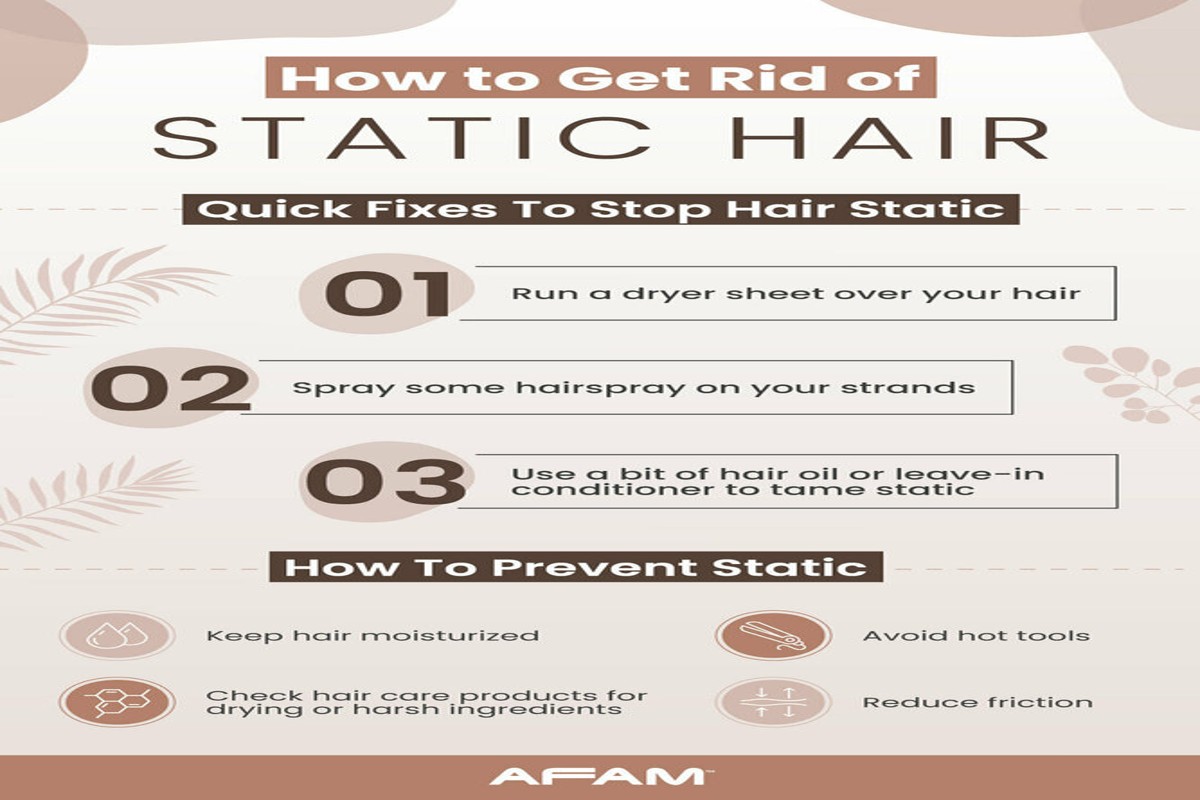
Why is my hair staticky? Hair becomes staticky due to a lack of moisture, which causes it to lose electrons and gain a positive charge. This imbalance results in frizz and flyaways, making hair difficult to manage.
Understanding why hair becomes staticky is essential for anyone seeking to maintain healthy, manageable hair. Improper handling of static hair can lead to damage, frustration, and a less polished appearance.
This article will explain the causes of static hair, effective solutions to combat it, and tips for maintaining optimal moisture levels to prevent future occurrences.
What causes static hair in winter?
Static hair in winter is primarily caused by low humidity and dry air, which increase the likelihood of static electricity buildup. As moisture in the air decreases, hair loses its natural moisture, leading to increased friction and static charge. This results in hair becoming more prone to flying away from the scalp and clinging to other surfaces.
During winter months, indoor heating systems further exacerbate the problem by reducing humidity levels even more. The lack of moisture means that hair strands do not have enough water content to conduct electricity effectively, leading to a greater accumulation of static charge. The following factors contribute to this phenomenon:
- Low Humidity: Cold air holds less moisture, which is particularly evident in winter. This dry environment causes hair to lose its natural oils.
- Dry Hair: Hair that is already dry or damaged is more susceptible to static. This can be due to over-washing, heat styling, or chemical treatments.
- Friction: Wearing hats, scarves, or using certain hair accessories can create friction that generates static electricity.
The implications of static hair extend beyond aesthetics. Increased static can lead to hair breakage and frizz, making it essential to adopt strategies to mitigate static buildup. Regular moisturizing treatments, using humidifiers, and choosing anti-static hair products can significantly reduce static electricity in hair during winter months.
To effectively manage static hair, consider incorporating leave-in conditioners or serums that help retain moisture. Additionally, using metal hair accessories can help dissipate static charge, preventing your hair from becoming a source of frustration.
How can I fix my staticky hair quickly?
To quickly fix staticky hair, use a leave-in conditioner or an anti-static spray. These products provide moisture and help to neutralize the static charge in your hair. Additionally, there are simple techniques you can apply using common household items to manage static effectively.
- Apply a leave-in conditioner: After washing your hair, towel-dry it gently. Apply a small amount of leave-in conditioner to your damp hair, focusing on the ends. This will help to hydrate your hair and reduce static.
- Use anti-static spray: Anti-static sprays are specifically designed to combat static cling. Lightly spray it on your hair from a distance, ensuring even coverage without oversaturating. This will create a barrier that helps to prevent static buildup.
- Rub a dryer sheet on your hair: A common household remedy is to take a clean dryer sheet and gently rub it over your hair. This can help to neutralize static electricity and leave your hair feeling smoother.
- Moisturize your environment: Static is often worse in dry conditions. Use a humidifier in your home to add moisture to the air. This can help reduce static in your hair, especially during winter months.
- Switch your hairbrush: Opt for a brush made with natural bristles instead of plastic. Natural bristles help distribute oils more evenly and reduce static electricity in your hair.
Implementing these quick fixes can significantly reduce static in your hair. Experiment with a combination of these methods to find what works best for your hair type and environmental conditions.
Expert Tip: Regular deep conditioning treatments can also improve your hair’s overall moisture levels, making it less prone to static. Aim for a deep conditioning treatment once a week to maintain optimal hair health.
Is there a difference between frizzy and staticky hair?
Yes, there is a distinct difference between frizzy and staticky hair. Frizzy hair is characterized by a rough, unruly texture often caused by humidity, damage, or dryness. In contrast, staticky hair appears to stand up or repel itself due to an imbalance of electric charge, typically influenced by dry air or synthetic materials.
Frizz usually occurs when hair cuticles lift, allowing moisture to enter and swell the strands, leading to a fuzzy appearance. This issue is often exacerbated in humid conditions, where the excess moisture in the air interacts with the hair. On the other hand, static hair is primarily a result of low humidity, causing hair strands to lose moisture and become electrically charged, which leads to them repelling each other.
- Causes: Frizz is mainly caused by humidity and hair damage, while static is caused by dry air and lack of moisture.
- Appearance: Frizzy hair appears puffy and unkempt, whereas staticky hair looks flat or stands up due to electrical charge.
- Solutions: To combat frizz, moisturizing products and anti-frizz serums are effective. For static, using anti-static sprays or moisturizing leave-in conditioners can help.
Humidity levels play a significant role in both conditions, impacting how hair behaves. While frizz may be more common in humid environments, static can become problematic in winter months when indoor heating reduces humidity levels.
Expert Tip: For long-term management of both issues, consider incorporating a weekly deep conditioning treatment to maintain moisture levels and minimize texture discrepancies in hair.
What hair products help reduce static?
To effectively reduce static in hair, use products that provide moisture and control. Moisturizing shampoos, conditioners, and leave-in treatments are essential for combating dryness, which is a primary cause of static electricity. Additionally, specific styling products like serums and creams can help maintain smoothness and reduce frizz.
- Moisturizing Shampoos: Choose shampoos that contain hydrating ingredients such as glycerin or natural oils. These formulations help retain moisture, preventing hair from becoming dry and staticky.
- Hydrating Conditioners: Use conditioners rich in emollients like shea butter or argan oil. These products coat the hair cuticle, reducing friction and static buildup.
- Leave-In Conditioners: A good leave-in conditioner can provide extra moisture throughout the day. Look for those with anti-static properties to help keep hair smooth and manageable.
- Smoothing Serums: Apply a small amount of smoothing serum to the ends of your hair. These products often contain silicones, which create a barrier that reduces static and enhances shine.
- Anti-Frizz Creams: Consider using creams designed specifically for frizz control. They help to weigh down the hair slightly, minimizing static while adding definition.
Environmental factors also play a role in static hair. Low humidity levels can exacerbate static, particularly in winter months. Therefore, incorporating a humidifier into your living space can also complement the use of these products.
For best results, combine multiple products tailored to your hair type and texture. Experimenting with different combinations may be necessary to find the most effective routine for static reduction.
Expert Tip: Always avoid overusing styling products, as too much product can lead to buildup and exacerbate static issues instead of alleviating them. Regular clarifying treatments can help maintain hair health and manage static effectively.
How long does static hair usually last?
Static hair typically lasts from a few minutes to several hours, depending on environmental conditions and hair care practices. In dry climates or during winter months, static can persist longer due to lower humidity levels. Conversely, in humid conditions, static may dissipate more quickly.
The duration of static hair is influenced by several factors. Humidity plays a crucial role; higher moisture levels in the air can reduce static electricity by allowing moisture to enter the hair strands. Products used on the hair, such as conditioners and anti-static sprays, can also extend or reduce static duration. For example, using a leave-in conditioner can help combat static by adding moisture and weight to the hair.
Hair texture matters as well. Fine hair tends to be more prone to static because it lacks the weight to ground the static charge. Curly or coily hair may experience static less frequently due to its natural moisture retention. Additionally, the presence of build-up from styling products can exacerbate static issues, making it last longer. Regular cleansing and proper conditioning can mitigate this effect.
Expert Tip: To minimize static in your hair, consider using a humidifier in dry environments and opt for anti-static hair care products, such as serums or sprays, which can provide a protective barrier against humidity fluctuations.
Can diet affect hair static?
Yes, diet can significantly affect hair static by influencing the moisture content of hair. A diet low in essential nutrients can lead to dryness, which in turn increases the likelihood of static electricity in hair.
For example, consider an individual who primarily consumes processed foods and lacks adequate intake of vitamins A, C, and E, as well as omega-3 fatty acids. These nutrients play a critical role in maintaining healthy hair. Vitamin A helps produce sebum, the natural oil that keeps hair hydrated, while vitamins C and E provide antioxidant protection. A deficiency in these nutrients can result in brittle and dry hair, making it more susceptible to static cling, especially in dry environments.
Additionally, inadequate hydration can exacerbate the issue. If an individual does not drink enough water, the hair can lose moisture, leading to increased static. In contrast, a balanced diet rich in fruits, vegetables, and healthy fats can improve hair health, reducing static and enhancing overall appearance. Foods such as avocados, nuts, and fatty fish not only nourish the hair but also support scalp health, which is essential for preventing dryness.
Expert Tip: Incorporating a daily multivitamin that includes biotin and essential fatty acids may help mitigate static hair issues, particularly during winter months when indoor heating exacerbates dryness.
What are some common mistakes that cause static hair?
Static hair often results from common hair care mistakes that disrupt moisture balance and create friction. Issues such as over-washing, using the wrong products, and improper drying techniques can exacerbate static electricity in hair. Addressing these mistakes can significantly reduce static and improve hair health.
One frequent error is over-washing hair, which strips natural oils and moisture. This can lead to dryness, making hair more prone to static. Reducing the frequency of washing and using a gentle, sulfate-free shampoo can help maintain moisture levels.
- Using the wrong products: Many hair products contain alcohol or harsh chemicals that can dry out hair. Opt for moisturizing shampoos and conditioners specifically designed to combat static.
- Skipping conditioner: Conditioner helps to lock in moisture and smooth the hair cuticle. Always apply conditioner after shampooing to keep hair hydrated and less likely to become staticky.
- Improper drying techniques: Rubbing hair with a towel can create friction and lead to static. Instead, gently squeeze excess water out and use a microfiber towel or an old cotton t-shirt to dry hair.
- Using high heat styling tools: Excessive heat can damage hair and strip it of moisture. Use heat protectant sprays and lower heat settings when styling to minimize damage.
Additionally, environmental factors such as low humidity can contribute to static hair. During dry seasons, consider using a humidifier in your home to add moisture to the air, which can help reduce static buildup.
Expert Tip: Incorporating leave-in conditioners or anti-static serums can provide an extra layer of moisture and protection against static. Look for products containing silicones or natural oils, which can help smooth the hair and reduce friction.
Understanding the Science Behind Hair Static
This section explores the scientific principles underlying static electricity and its specific effects on hair, illuminating the factors that contribute to static buildup and how to manage it effectively.

What is Static Electricity?
Static electricity arises from an imbalance of electric charges on the surface of materials. When two surfaces come into contact, electrons can transfer from one to another, causing one surface to become positively charged and the other negatively charged. Hair, composed of keratin, can easily lose or gain electrons, leading to a buildup of static charge. This is particularly noticeable when hair strands repel each other, resulting in the characteristic “flyaway” appearance.
The Role of Humidity and Moisture
Humidity significantly influences hair health and static electricity. In high humidity conditions, moisture in the air helps to neutralize static charges. Water molecules can form a conductive layer on hair surfaces, allowing electrons to disperse more easily. Conversely, dry environments, such as during winter months or in air-conditioned spaces, increase static buildup. The lack of moisture allows hair to retain its charge, making it more prone to static.
Influence of Hair Texture
Hair texture plays a crucial role in susceptibility to static. Different hair types exhibit varying levels of porosity and surface roughness, impacting how they interact with static electricity. For instance:
- Straight hair tends to lie flat, making it more susceptible to static when dry.
- Curly hair may resist static to some extent due to its shape, which can disrupt the even distribution of charge.
- Coarse hair often has a rougher surface, which can trap moisture and reduce static buildup compared to finer hair.
Scientific Studies on Hair and Static Electricity
Research into the relationship between hair and static electricity has provided valuable insights. A study published in the journal *Applied Physics* examined how hair’s electrostatic properties change with varying humidity levels. Results indicated that when humidity rises above 50%, the static charge on hair decreases significantly. Another study from the *Journal of Cosmetic Science* explored how different hair treatments, such as conditioning and moisturizing, can reduce static by enhancing hair’s moisture retention and surface smoothness.
Common Misconceptions
A prevalent misconception is that static electricity solely results from environmental factors. While humidity and temperature do play important roles, individual hair characteristics are equally critical. Furthermore, many believe that static can be entirely eliminated. In reality, static is a natural phenomenon that can be managed but not completely eradicated. Understanding both environmental and personal hair factors is essential for effective static control.
Practical Applications
To effectively manage hair static, consider the following approaches:
- Increase humidity in your environment using a humidifier.
- Use moisturizing shampoos and conditioners to improve hair hydration.
- Incorporate anti-static hair products, such as serums or sprays, that can provide a protective barrier.
- Avoid plastic combs and brushes; opt for those made from wood or natural fibers to minimize static buildup.
By applying these strategies, individuals can significantly reduce instances of static in their hair, addressing the common concern of why is my hair staticky.
Long-Term Solutions for Preventing Static Hair
This section outlines effective strategies for maintaining hair moisture and overall health to combat static hair. By adopting a consistent hair care routine and making informed product choices, individuals can significantly reduce hair static.
Daily Hair Care Routines to Maintain Moisture
Establishing a daily hair care routine is essential for keeping hair hydrated and minimizing static. Incorporate the following practices:
- Hydrating Shampoo: Use a sulfate-free shampoo that helps retain moisture.
- Conditioning: Apply a moisturizing conditioner after every wash to seal in hydration.
- Leave-in Conditioner: Utilize a leave-in product to provide additional moisture throughout the day.
Choosing the Right Products for Your Hair Type
Selecting hair products tailored to your specific hair type enhances moisture retention and reduces static. Consider the following:
- Fine Hair: Lightweight, hydrating products that won’t weigh hair down.
- Thick or Curly Hair: Rich creams and oils designed to lock in moisture.
- Color-Treated Hair: Products specifically formulated for color preservation and hydration.
Lifestyle Changes That Contribute to Healthier Hair
Incorporating lifestyle changes can significantly impact hair health and static levels. Implement these adjustments:
- Hydration: Drink plenty of water to keep hair hydrated from within.
- Diet: Include omega-3 fatty acids, vitamins A, C, and E in your diet for improved hair health.
- Humidity Control: Use a humidifier during dry seasons to maintain moisture in the air.
Regular Hair Treatments and Deep Conditioning
Incorporating regular treatments into your hair care routine can provide deep hydration and prevent static. Recommended practices include:
- Weekly Deep Conditioning: Use a deep conditioning mask once a week for intensive moisture.
- Oil Treatments: Apply natural oils like argan or coconut oil to nourish hair and reduce static.
- Protein Treatments: Use protein-rich treatments to strengthen hair and improve elasticity.
Many people mistakenly believe that static hair is solely a winter issue. However, static can occur year-round, particularly when hair is dry or damaged. Overusing heat styling tools, not using protective products, and neglecting regular hydration can exacerbate static issues. Furthermore, certain fabrics, such as polyester and wool, can contribute to static buildup. Choosing materials that do not generate static can also play a role in managing hair health.
To effectively reduce static in hair, follow these actionable steps:
1. Establish a daily moisturizing routine with suitable products.
2. Opt for hair care products designed for your specific hair type.
3. Make dietary and lifestyle changes that promote overall hair health.
4. Schedule regular deep conditioning and oil treatments.
By committing to these practices, individuals can maintain healthier hair and minimize static, answering the question, “why is my hair staticky?” with effective solutions.
Seasonal Changes and Their Impact on Hair Static
Seasonal variations significantly influence hair static, primarily through changes in moisture levels. Understanding these effects is essential for maintaining healthy hair year-round.

Effects of Winter vs. Summer on Hair Moisture Levels
During winter, cold air holds less moisture, leading to lower humidity levels. This dry environment exacerbates static electricity in hair, causing strands to repel each other. Conversely, summer often brings higher humidity, which can help keep hair moisturized, reducing static. However, excessive heat and sun exposure can strip hair of its natural oils, leading to dryness and increased static.
- Winter: Cold, dry air creates static by reducing moisture in hair.
- Summer: High humidity can help maintain moisture, but heat exposure can lead to dryness.
Adapting Hair Care Routines for Seasonal Changes
Adjusting hair care routines according to the season is vital. In winter, it is beneficial to incorporate moisturizing shampoos and conditioners that combat dryness. Look for products containing ingredients like glycerin or hyaluronic acid, which attract moisture. In summer, lightweight, hydrating products can help maintain moisture without weighing hair down.
- Winter: Use rich, emollient-based products.
- Summer: Opt for light, hydrating formulas.
How to Protect Hair During Extreme Weather Conditions
Extreme weather conditions can further aggravate hair static. To protect hair during winter, wearing hats or using silk or satin pillowcases can minimize friction. In summer, applying UV protectant sprays can shield hair from sun damage. Additionally, regular trims help eliminate split ends, which can contribute to static.
- Winter Protection: Wear hats, use silk pillowcases.
- Summer Protection: Apply UV protectant sprays.
- Regular Trims: Maintain hair health and reduce split ends.
Tips for Maintaining Hair Health Year-Round
To keep hair healthy and reduce static, certain practices should be adopted year-round. Hydration is critical; drinking sufficient water supports overall hair health. Incorporating a weekly deep conditioning treatment can help maintain moisture levels. Using a humidifier indoors during winter months can also combat dryness.
- Stay hydrated: Drink ample water daily.
- Use weekly deep conditioning treatments.
- Utilize a humidifier in dry indoor environments.
Many individuals mistakenly believe that static hair is solely due to winter conditions. In reality, summer heat and humidity can also contribute to static through moisture imbalance. Furthermore, the choice of hair care products can significantly influence hair’s response to seasonal changes. Selecting appropriate products based on seasonal needs is often overlooked but is essential for maintaining optimal hair health.
To effectively combat static hair throughout the year, implement these strategies:
1. Adjust hair care products according to the season.
2. Protect hair with appropriate accessories based on weather conditions.
3. Maintain hydration both internally and externally.
4. Regularly assess and modify your routine as seasons change.
Expert Tips from Hairstylists on Managing Static Hair
Static hair can be a frustrating issue, particularly during dry seasons. Professionals in the hairstyling industry offer practical solutions to manage and minimize static, ensuring your hair remains smooth and manageable.
Hairstylist-Recommended Products for Static Control
Choosing the right products can significantly impact static control. Hairstylists often recommend the following:
- Leave-in Conditioners: These products provide moisture and help to reduce static.
- Anti-static Sprays: Specifically formulated to combat static, they are applied lightly to the hair.
- Hair Oils: Natural oils, such as argan or jojoba, can add weight and moisture, mitigating static electricity.
Techniques for Styling Hair to Minimize Static
How hair is styled plays a crucial role in its tendency to become staticky. Consider these techniques:
- Use a Humidifier: Adding moisture to the air can help reduce static buildup.
- Opt for Natural Fiber Brushes: Brushes made from boar bristles or wood create less friction compared to plastic.
- Keep Hair Damp While Styling: Applying products to slightly damp hair can help lock in moisture and reduce static.
The Importance of Regular Trims and Hair Health
Regular trims are essential for maintaining hair health. Split ends and damaged hair are more prone to static. A trim every 6-8 weeks can keep hair healthy and reduce the likelihood of static buildup. Additionally, maintaining overall hair health through a balanced diet and appropriate hair care regimen is critical.
Advice on Tools and Techniques to Avoid Static Buildup
Specific tools and styling techniques can also help prevent static. Hairstylists suggest:
- Silk or Satin Pillowcases: These materials reduce friction while sleeping, helping hair maintain moisture.
- Static-Free Hair Ties: Opt for ties that do not create tension or friction on hair strands.
- Limit Heat Styling: Excessive heat can dry out hair and contribute to static; use heat protectants when necessary.
Many articles on static hair fail to address that the underlying cause can vary based on hair type and environmental conditions. For instance, fine hair is more susceptible to static due to its lightweight nature, while curly or coarse hair may retain more moisture and thus experience less static. Additionally, misconceptions exist about the effectiveness of certain products. While some may rely solely on anti-static sprays, a comprehensive approach that includes hydration, moisturizing products, and proper tools is more effective in managing static hair.
To effectively manage static hair, follow these actionable steps:
1. Invest in a quality leave-in conditioner and an anti-static spray.
2. Incorporate a humidifier into your environment, especially during winter months.
3. Regularly trim your hair to maintain its health.
4. Use natural fiber brushes and avoid plastic tools.
By implementing these recommendations, you can significantly reduce static and enjoy smoother, healthier hair.
Frequently Asked Questions
What causes static hair in winter?
Static hair in winter is primarily caused by low humidity levels, which strip moisture from hair. This dryness leads to an imbalance of electrical charges, resulting in static cling.
How can I fix my staticky hair quickly?
To quickly fix staticky hair, apply a small amount of leave-in conditioner or hair oil to tame frizz and add moisture. Alternatively, lightly mist hair with water or a styling spray to reduce static.
Is there a difference between frizzy and staticky hair?
Yes, frizzy hair occurs when the hair cuticle is raised, causing it to look unruly, while staticky hair results from an electrical charge causing strands to repel each other. Both can occur simultaneously, but they are distinct issues.
What hair products help reduce static?
Products containing moisturizing ingredients, such as leave-in conditioners, anti-static sprays, and hair oils, are effective in reducing static. Look for products with silicones or natural oils for added benefits.
How long does static hair usually last?
Static hair typically lasts until the hair absorbs moisture or is treated with anti-static products. Environmental factors, like humidity levels, can also influence how long static persists.
Can diet affect hair static?
Yes, a diet lacking in essential fatty acids and hydration can contribute to dry hair, increasing static. Consuming a balanced diet with adequate hydration can help maintain healthy, moisture-rich hair.
What are some common mistakes that cause static hair?
Common mistakes include using harsh shampoos, over-washing hair, and not using conditioner. Additionally, wearing synthetic fabrics can exacerbate static issues by creating friction against the hair.
Final Thoughts on why is my hair staticky
Understanding the underlying causes of static hair is essential for effectively managing this common issue. By recognizing the role of environmental factors, hair care routines, and product choices, individuals can implement targeted strategies to maintain smooth, manageable hair.
To combat static hair immediately, consider incorporating a leave-in conditioner or anti-static serum into your daily hair care routine, which can provide the moisture needed to reduce friction and static electricity.
Addressing static hair is not merely a cosmetic concern; it reflects broader principles of hair health and maintenance, underscoring the importance of informed care practices for optimal hair vitality.
Leave a Reply