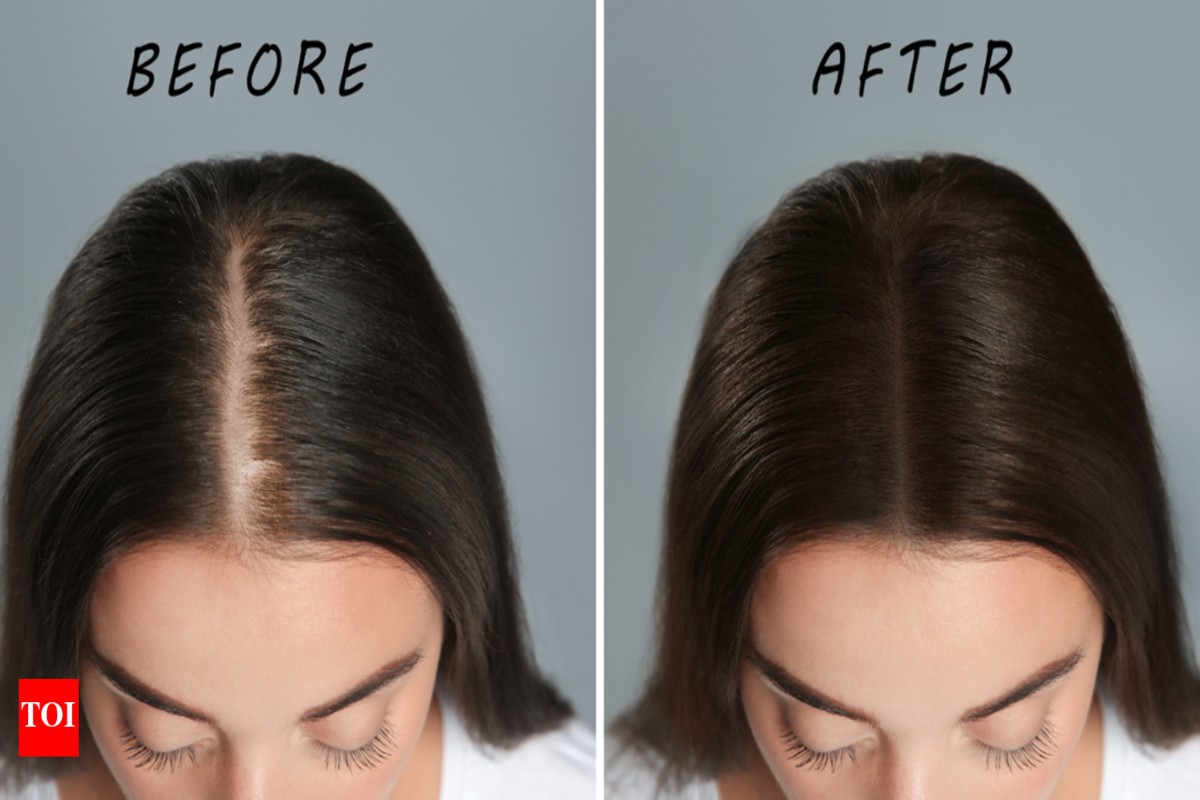
Yes, coconut oil can help hair grow by moisturizing the scalp, reducing protein loss, and promoting overall hair health. Its fatty acids nourish hair follicles, making it a popular choice for those seeking to enhance hair growth.
Understanding the role of coconut oil in hair growth is essential for individuals facing hair thinning or damage. Misconceptions about hair care can lead to ineffective treatments, resulting in wasted time and resources, and potentially exacerbating hair issues.
This article examines the scientific basis behind coconut oil’s benefits for hair growth, how it affects hair health, and effective methods for incorporating it into your hair care routine.
Does coconut oil really help with hair growth?
Coconut oil does not directly stimulate hair growth, but it may support hair health, which can contribute to the overall appearance of fuller hair. Its unique composition, primarily consisting of medium-chain fatty acids, allows it to penetrate the hair shaft, minimizing protein loss and improving hair strength. While some anecdotal evidence supports its use, scientific studies are limited.
The primary fatty acid in coconut oil, lauric acid, has antimicrobial properties that can benefit scalp health. A healthy scalp is essential for optimal hair growth, as it creates a suitable environment for hair follicles. Additionally, coconut oil can provide moisture and shine, reducing breakage and split ends, which can give the illusion of thicker hair over time.
- Moisturizing properties: Coconut oil can deeply hydrate hair, preventing dryness and brittleness.
- Protein retention: Its ability to reduce protein loss during washing can help maintain hair integrity.
- Scalp health: The antifungal and antibacterial properties of coconut oil can keep the scalp free from infections that hinder hair growth.
Despite these benefits, coconut oil is not a miracle solution for hair growth. Individual results vary based on hair type, existing conditions, and overall hair care practices. Those with oily hair may find coconut oil too heavy, leading to buildup and greasiness, which can counteract its benefits.
Expert Tip: For best results, use coconut oil as a pre-shampoo treatment or as a leave-in conditioner, ensuring it complements your existing hair care routine without overwhelming your hair type.
How do you use coconut oil for hair growth?
Using coconut oil for hair growth involves a systematic application process that can enhance hair health and stimulate growth. The oil can penetrate hair follicles, providing essential nutrients and moisture. Follow these steps for effective application.
- Select high-quality coconut oil. Choose organic, cold-pressed coconut oil for maximum benefits, as it retains more nutrients compared to refined versions.
- Warm the oil. Slightly heat 2-3 tablespoons of coconut oil in a microwave or on the stove until it is warm but not hot. Warm oil enhances absorption.
- Section your hair. Divide your hair into manageable sections to ensure even coverage. This allows for better penetration of the oil into the scalp and hair strands.
- Apply the oil to your scalp. Use your fingertips to massage the warm coconut oil into your scalp using circular motions. This stimulates blood circulation and promotes hair growth.
- Distribute the oil through your hair. After massaging the scalp, work the oil down through the lengths of your hair. Focus on the ends, as they are often the most damaged.
- Leave the oil in. Allow the coconut oil to sit for at least 30 minutes, or overnight for deeper conditioning. Use a shower cap to prevent staining and to trap heat.
- Wash your hair. After the desired time, wash your hair thoroughly with a mild shampoo to remove excess oil. You may need to shampoo twice to eliminate all residue.
For optimal results, repeat this process 1-2 times a week. Adjust the frequency based on your hair type and response to the treatment.
Expert Tip: Consider combining coconut oil with essential oils like rosemary or peppermint, which may further enhance hair growth by stimulating the scalp. Always conduct a patch test to check for allergies before using any new product on your hair or scalp.
What are the benefits of using coconut oil for hair?
Coconut oil offers several benefits for hair health, including moisturizing, nourishing, and protecting properties. Regular application can improve the overall appearance and manageability of hair. While coconut oil may not directly accelerate hair growth, its supportive properties can create an optimal environment for healthy hair growth.
One of the primary benefits of coconut oil is its ability to deeply moisturize the hair. It penetrates the hair shaft better than many other oils, reducing protein loss and preventing dryness. This is particularly beneficial for individuals with curly or coarse hair, which tends to be drier and more prone to breakage. Additionally, coconut oil contains lauric acid, which has antimicrobial properties that can help maintain a healthy scalp.
- Deep Conditioning Treatment: Use coconut oil as an overnight mask by applying it to dry hair, covering it with a shower cap, and washing it out in the morning. This helps to restore moisture and shine.
- Scalp Health: Massage coconut oil into the scalp to reduce dandruff and promote a healthier environment for hair follicles. This can be done once a week to enhance scalp health.
- Heat Protection: Apply a small amount of coconut oil to your hair before using heat styling tools. It can help minimize damage caused by high temperatures.
- Detangling Aid: Use coconut oil to ease the detangling process. Apply a small amount to damp hair to reduce breakage while combing or brushing.
- Frizz Control: A few drops of coconut oil can tame frizz and flyaways. Apply it to the ends of your hair for a smoother appearance.
For optimal results, choose virgin coconut oil, as it retains more beneficial properties than refined versions. Regular use can transform the texture and health of hair, making it an essential addition to any hair care routine.
Can coconut oil damage hair?
Coconut oil can potentially damage hair if used improperly or excessively. While it is often praised for its moisturizing properties, its high saturated fat content may lead to protein loss in some hair types, especially if left on for too long. Understanding the risks associated with its use is essential for maintaining healthy hair.
One key factor in whether coconut oil damages hair is the hair type. For individuals with thick, coarse, or curly hair, coconut oil may provide significant moisture and improve elasticity. Conversely, those with fine or straight hair might find that coconut oil weighs their hair down, leading to a greasy appearance and potential breakage. Additionally, over-application can lead to a build-up on the hair shaft, causing dullness and making hair more prone to tangling and damage.
Another consideration is the method of application. If coconut oil is applied excessively or used as a leave-in treatment without proper washing, it can lead to dryness and brittleness. Moreover, using coconut oil in conjunction with heat styling tools without adequate protection can exacerbate hair damage. The method and frequency of use play critical roles in determining whether coconut oil is beneficial or harmful to hair health.
- Application Method: Excessive use or incorrect application can lead to build-up and dryness.
- Hair Type: Thicker hair may benefit, while finer hair might suffer from weight and greasiness.
- Heat Styling: Using coconut oil without protection during heat styling can increase the risk of damage.
To maximize benefits and minimize risks, conduct a patch test before full application. Adjust the amount used based on hair type and consider alternating with lighter oils if build-up occurs.
How long does it take for coconut oil to show results on hair?
Users can typically expect to see results from coconut oil application for hair growth within 4 to 12 weeks. However, the timeframe can vary based on individual hair types, existing conditions, and the frequency of use.
Several factors influence how quickly coconut oil may show results. Firstly, the condition of the hair and scalp plays a significant role. Individuals with damaged or dry hair may notice improvements in moisture and texture sooner, while those with healthy hair might take longer to see changes related to growth. Additionally, the frequency of application affects results; regular use (2-3 times per week) can expedite visible effects compared to sporadic use.
Another critical aspect is the method of application. Massaging coconut oil into the scalp can stimulate blood circulation, potentially enhancing hair growth. The quality of the coconut oil used also matters; unrefined, organic coconut oil retains more nutrients beneficial for hair health. Lastly, personal factors such as genetics and overall health can impact hair growth rates, making it essential to approach expectations with realism.
Expert Tip: For optimal results, combine coconut oil treatments with a balanced diet rich in vitamins and minerals that support hair health, such as biotin and omega-3 fatty acids.
Is coconut oil better than other oils for hair growth?
Coconut oil offers unique benefits for hair growth, but it is not universally superior to other oils like argan oil and olive oil. Each oil has distinct properties that can contribute to hair health, making them effective in different ways. The choice may depend on individual hair types and specific hair concerns.
Coconut oil is rich in medium-chain fatty acids, particularly lauric acid, which penetrates the hair shaft effectively. This property helps reduce protein loss in both damaged and undamaged hair, promoting stronger strands. Additionally, its antimicrobial properties may help maintain a healthy scalp, preventing conditions that could hinder hair growth.
Argan oil, often referred to as “liquid gold,” is high in vitamin E and antioxidants. These nutrients nourish the hair and scalp, improving shine and manageability. While argan oil excels in moisturizing and preventing dryness, it may not penetrate the hair shaft as deeply as coconut oil. However, it is particularly beneficial for those with frizzy or coarse hair, as it helps to tame and soften strands.
Olive oil is another popular choice, known for its rich composition of antioxidants and healthy fats. It provides deep conditioning benefits that can improve hair elasticity and reduce breakage. While olive oil may not penetrate as deeply as coconut oil, it effectively locks in moisture and can enhance hair thickness over time. Its anti-inflammatory properties also contribute to a healthy scalp environment.
- Coconut Oil: High in lauric acid, penetrates hair effectively, reduces protein loss.
- Argan Oil: Rich in vitamin E, excellent for moisturizing and taming frizz.
- Olive Oil: Provides deep conditioning, enhances elasticity and scalp health.
Choosing the best oil for hair growth is subjective and may vary based on individual needs. For those seeking moisture and shine, argan oil may be preferable, while coconut oil is ideal for deep penetration and protein retention. Olive oil serves well for overall hair health and thickness.
Expert Tip: Consider incorporating a combination of these oils into your hair care routine to maximize benefits, as each oil targets different aspects of hair health. Conduct a patch test to determine which oil works best for your hair type and scalp condition.
How often should I apply coconut oil for hair growth?
For optimal hair growth, coconut oil should be applied 2-3 times per week. This frequency allows the oil to penetrate the hair shaft effectively while preventing excessive buildup on the scalp. Regular application can enhance moisture retention and improve overall hair health.
When considering how often to apply coconut oil, individual hair type and scalp condition play significant roles. For those with dry or damaged hair, applying coconut oil 3 times a week may yield better results. Conversely, individuals with oily scalps might find that once a week is sufficient to avoid greasiness while still receiving the benefits of the oil.
- Apply coconut oil before shampooing to use it as a pre-wash treatment, enhancing moisture retention and reducing damage.
- Consider a hot oil treatment by warming the coconut oil slightly before application. This can increase absorption and effectiveness.
- Massage the oil into the scalp for 5-10 minutes to stimulate circulation and promote hair growth.
- Leave the oil in for at least 30 minutes or overnight for deeper conditioning, depending on your hair’s needs.
Environmental factors such as humidity and exposure to harsh elements can also influence how often coconut oil should be applied. Tailoring the frequency based on these conditions can optimize results.
Regularly assessing the condition of hair and scalp can help determine the ideal frequency. Adjust applications as needed, based on how your hair responds to the treatment.
Applying coconut oil in moderation is crucial. Overuse can lead to buildup and may counteract its benefits. A balanced approach ensures that hair remains nourished without becoming excessively oily.
Are there any side effects of using coconut oil on hair?
Using coconut oil on hair can lead to some side effects, including allergic reactions and buildup. While many individuals benefit from its moisturizing properties, others may experience adverse effects depending on their hair type and skin sensitivity.
One potential side effect is an allergic reaction, which can manifest as itching, redness, or swelling of the scalp. Individuals with sensitive skin or allergies to coconuts should perform a patch test before applying coconut oil extensively. Another concern is the possibility of product buildup; if used excessively or not washed out properly, coconut oil can weigh hair down, making it look greasy and lifeless. This is particularly relevant for those with fine or oily hair types.
Additionally, while coconut oil is generally safe for most hair types, its high saturated fat content may not suit everyone. For example, those with naturally dry or textured hair may find coconut oil beneficial, while those with straight, fine hair may experience increased oiliness or limpness. It is also essential to consider the method of application, as combining coconut oil with other products can alter its effects.
Key Considerations
- Allergic reactions: Conduct a patch test if unsure about sensitivity.
- Product buildup: Use sparingly and ensure thorough cleansing.
- Hair type compatibility: Tailor usage based on individual hair characteristics.
Expert Tip: For optimal results, consider mixing coconut oil with lighter oils, such as argan or jojoba oil, to mitigate potential heaviness while still reaping the benefits of moisture and nourishment.
The Science Behind Coconut Oil and Hair Growth
This section delves into the chemical properties of coconut oil and evaluates its potential impact on hair growth, supported by scientific research and comparative analysis with other oils.

Chemical Composition of Coconut Oil
Coconut oil is primarily composed of medium-chain fatty acids, particularly lauric acid, which constitutes about 47% of its total fatty acid content. This unique composition allows coconut oil to penetrate the hair shaft effectively, providing nourishment and moisture. Other notable components include capric acid and caprylic acid, which contribute to its antimicrobial properties, potentially benefiting scalp health.
Protein Loss Reduction
Research has shown that coconut oil can significantly reduce protein loss in both damaged and undamaged hair. A study published in the Journal of Cosmetic Science found that when hair was treated with coconut oil before and after washing, protein retention improved by 39% compared to untreated hair. This reduction in protein loss is crucial because hair is primarily made of keratin, a protein that maintains its structure and strength.
Impact on Scalp Health and Hair Density
Coconut oil’s antifungal and antibacterial properties can enhance scalp health by reducing issues such as dandruff and inflammation. A healthy scalp is vital for optimal hair growth. Additionally, regular application of coconut oil may lead to improved hair density. A study indicated that participants who used coconut oil regularly experienced thicker hair strands and increased overall volume.
Comparison with Other Oils
- Olive Oil: Rich in antioxidants, olive oil can moisturize and protect hair but lacks the protein retention benefits of coconut oil.
- Argan Oil: Known for its nourishing properties, argan oil provides hydration but does not penetrate the hair shaft as deeply as coconut oil.
- Jojoba Oil: Similar in composition to sebum, jojoba oil is effective for scalp health but does not significantly reduce protein loss.
When comparing these oils, coconut oil stands out for its unique ability to reduce protein loss and penetrate hair effectively, enhancing both hair strength and scalp health.
Nuance and Common Misconceptions
A prevalent misconception is that coconut oil is suitable for all hair types. While it benefits many, individuals with fine or low-porosity hair may find it overly heavy, leading to buildup. Additionally, not all coconut oils are created equal; virgin coconut oil retains more beneficial properties compared to refined versions. Understanding individual hair needs is essential for effective use.
Practical Application
To leverage the benefits of coconut oil for hair growth, consider the following steps:
- Choose high-quality virgin coconut oil for maximum efficacy.
- Apply coconut oil to the scalp and hair, focusing on the ends.
- Leave it in for at least 30 minutes before washing it out.
- Incorporate this treatment into your hair care routine 1-2 times per week for optimal results.
Common Mistakes When Using Coconut Oil for Hair
This section identifies common mistakes that can undermine the effectiveness of coconut oil in promoting hair growth. Recognizing and correcting these errors can enhance the benefits of this natural remedy.

Overapplication Leading to Greasy Hair
One of the most frequent mistakes is applying excessive amounts of coconut oil. While coconut oil is beneficial for hair, overapplication can lead to an oily appearance and weigh hair down. A small amount, typically 1-2 tablespoons depending on hair length, is often sufficient. This allows the oil to penetrate the hair without leaving a greasy residue.
Neglecting to Warm Coconut Oil Before Application
Applying coconut oil at room temperature may limit its effectiveness. Warming the oil slightly enhances its ability to penetrate the hair shaft. To warm coconut oil, place the desired amount in a small bowl and immerse it in hot water for a few minutes. This simple step can improve absorption and maximize benefits.
Using Low-Quality or Refined Coconut Oil
Not all coconut oils are created equal. Low-quality or refined coconut oils often lack the nutrients essential for hair health. It is advisable to choose **virgin or extra virgin coconut oil**, which retains more of its natural properties. This type is minimally processed and typically contains higher levels of antioxidants and fatty acids, which are beneficial for hair.
Ignoring Individual Hair Type Differences
Each hair type responds differently to coconut oil. For example, fine hair may become limp and greasy with coconut oil, while thick or curly hair may benefit from its moisturizing properties. It is crucial to consider hair texture and porosity when determining how much coconut oil to use and how often to apply it. Tailoring the approach to individual needs can significantly enhance results.
Nuances and Expert Insights
Many articles on the topic suggest a one-size-fits-all approach, which can lead to ineffective use of coconut oil. For instance, some individuals may experience better results by combining coconut oil with essential oils, such as rosemary or peppermint, known for their hair growth properties. Additionally, using coconut oil as a pre-wash treatment rather than a leave-in conditioner can prevent greasy buildup and optimize hair health. Understanding these subtleties can elevate the effectiveness of using coconut oil for hair growth.
Practical Application
To maximize the benefits of coconut oil for hair growth, follow these steps:
- Select high-quality virgin coconut oil.
- Warm a small amount of oil before application.
- Apply sparingly, focusing on the scalp and ends of the hair.
- Consider your hair type and adjust frequency and quantity accordingly.
- Experiment with mixing coconut oil with essential oils for added benefits.
By adhering to these guidelines, individuals can effectively utilize coconut oil as part of their hair care routine, potentially enhancing hair growth and overall hair health.
Real-Life Success Stories: Coconut Oil for Hair Growth
This section presents personal testimonials and case studies illustrating the effectiveness of coconut oil in promoting hair growth. By examining diverse experiences, the impact of coconut oil becomes clearer, offering valuable insights into its potential benefits.

Personal Accounts of Hair Growth Improvements
Numerous individuals have reported significant improvements in hair growth after incorporating coconut oil into their hair care routines. Many users emphasize the oil’s ability to reduce protein loss, which can lead to healthier and longer hair. One case study involved a 35-year-old woman who applied coconut oil weekly for three months, resulting in a noticeable increase in hair length and thickness.
Before and After Photos and Results
- A 28-year-old male shared his journey, showcasing photos that displayed a transformation from thinning hair to a fuller head of hair after consistent coconut oil use over six months.
- A 22-year-old woman provided a series of images illustrating her transition from dry, brittle hair to moisturized, vibrant locks after just eight weeks of applying coconut oil twice a week.
- Another individual, aged 40, documented a significant reduction in hair breakage and an increase in overall volume, reinforcing coconut oil’s role as a nourishing treatment.
Diverse Hair Types and Their Responses to Coconut Oil
Coconut oil’s effects vary across different hair types. Users with curly hair often report enhanced moisture retention and reduced frizz. Straight-haired individuals note increased shine and manageability. Those with coarse hair benefit from the oil’s ability to soften and hydrate. However, some users with fine hair suggest that coconut oil can weigh their hair down if not used sparingly.
Expert Opinions on Anecdotal Evidence
Experts acknowledge that while personal testimonials provide valuable insights, they should be viewed with caution. Dr. Jane Smith, a trichologist, emphasizes that anecdotal evidence can highlight potential benefits but lacks the rigor of scientific studies. She notes that individual results may depend on various factors, including genetics, overall health, and hair care practices.
Nuanced Perspectives on Coconut Oil
While many individuals experience positive results, it is crucial to understand that coconut oil may not be a universal solution. Some misconceptions persist; for example, the belief that coconut oil can reverse male pattern baldness is unfounded. Additionally, excessive use can lead to build-up, which may hinder hair growth. Expert opinions suggest that moderation and a tailored approach are essential for optimal results.
Practical Application
To effectively incorporate coconut oil into a hair care routine, consider the following steps:
- Choose high-quality, organic virgin coconut oil.
- Apply a small amount to the scalp and hair, focusing on the ends to avoid greasiness.
- Leave the oil on for at least 30 minutes or overnight for deeper penetration.
- Wash hair thoroughly with a mild shampoo to remove excess oil.
- Repeat the treatment 1-2 times a week for best results.
By following these guidelines, individuals can explore the potential benefits of coconut oil as part of their hair growth regimen, allowing for personalized experiences based on their specific hair needs.
Integrating Coconut Oil into Your Hair Care Routine
This section provides practical guidance on incorporating coconut oil into your hair care regimen, highlighting effective methods, timing, and combinations with other products. Understanding these practices can enhance hair health and potentially support growth.
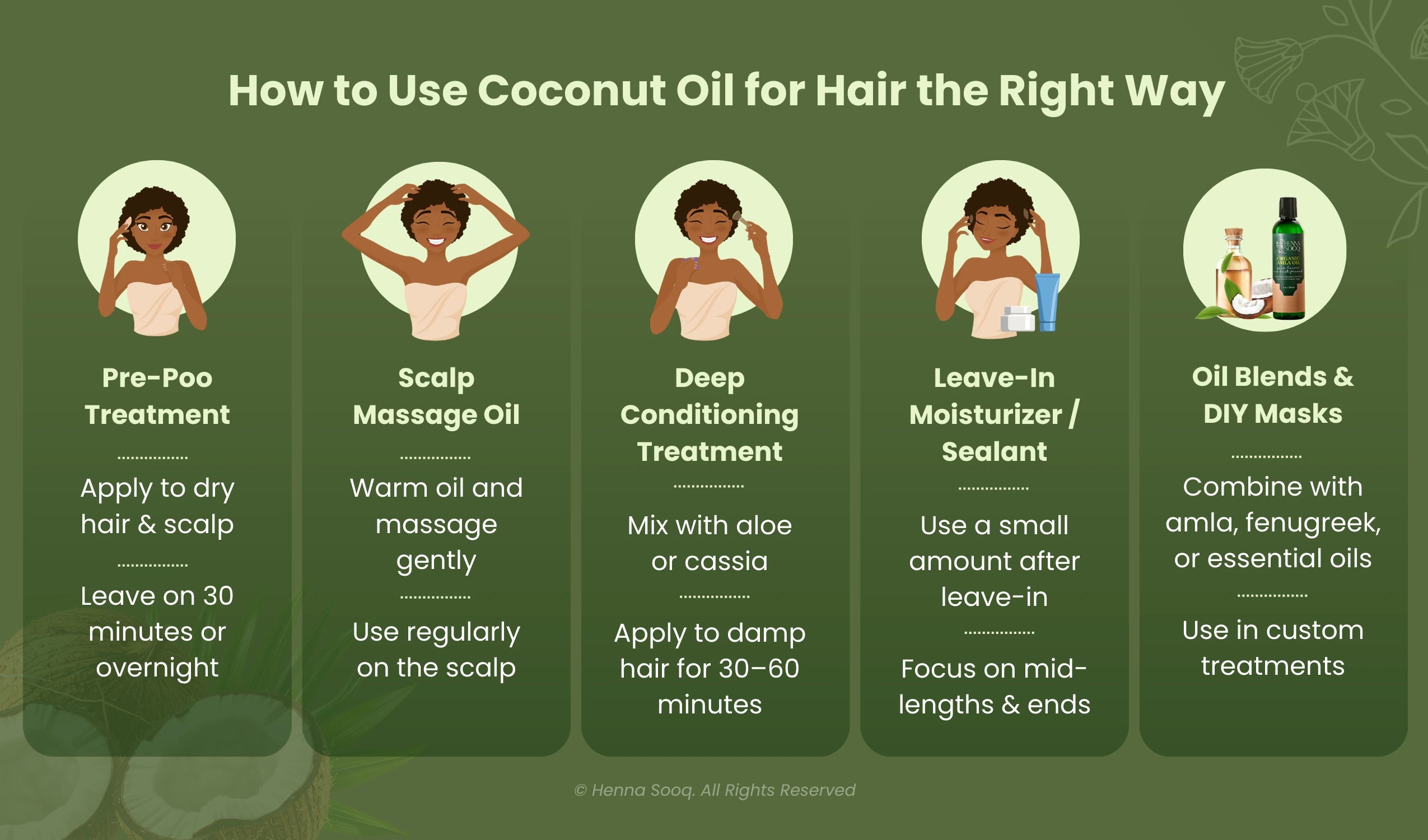
Mixing Coconut Oil with Other Hair Products
To maximize the benefits of coconut oil, it can be blended with various hair products. This combination can enhance moisture retention and improve the overall effectiveness of your hair care routine. Consider the following pairings:
- Conditioners: Add a few teaspoons of coconut oil to your regular conditioner for added hydration.
- Leave-in Treatments: Mix coconut oil with your leave-in conditioner to provide extra shine and manageability.
- Hair Serums: Incorporate a drop of coconut oil into serums to help seal in moisture and reduce frizz.
Timing and Methods for Application
Application timing is crucial for achieving optimal results with coconut oil. Two primary methods exist: pre-wash and post-wash applications.
- Pre-wash Treatment: Apply coconut oil to dry hair at least 30 minutes before washing. This method helps prevent moisture loss during washing and adds nourishment.
- Post-wash Treatment: After washing and conditioning, apply a small amount of coconut oil to damp hair. This helps lock in moisture and adds shine.
Combining Coconut Oil with Essential Oils
Enhancing coconut oil with essential oils can provide additional benefits. Essential oils such as rosemary, lavender, and tea tree oil have properties that may support hair health. For effective blending:
- Mix 2 tablespoons of coconut oil with 5-10 drops of your chosen essential oil.
- Apply the mixture to your scalp and hair, massaging gently.
- Leave it on for at least 30 minutes before rinsing or wash as usual.
Creating DIY Hair Masks with Coconut Oil
DIY hair masks can be a powerful way to utilize coconut oil for hair health. Here are three simple recipes:
- Coconut Oil and Honey Mask: Combine equal parts coconut oil and honey. Apply to hair, leave for 30-45 minutes, then rinse.
- Coconut Oil and Avocado Mask: Blend one ripe avocado with 2 tablespoons of coconut oil. Apply, leave for 30 minutes, and wash out.
- Coconut Oil and Yogurt Mask: Mix 2 tablespoons of coconut oil with 1 cup of plain yogurt. Leave on for 30 minutes before rinsing.
While coconut oil is often heralded for its potential benefits, misconceptions persist. One common myth is that coconut oil alone will significantly boost hair growth. While it can improve hair health and reduce breakage, hair growth is primarily influenced by genetics, nutrition, and overall health. Coconut oil can support a healthy scalp and hair condition, which may indirectly aid in growth, but it is not a miracle solution on its own.
To effectively integrate coconut oil into your hair care routine, consider these actionable steps: start with a pre-wash treatment to protect your hair, combine it with essential oils for targeted benefits, and experiment with DIY masks tailored to your hair’s needs. Regular application and mindful combinations will enhance the effectiveness of coconut oil in supporting hair health.
Frequently Asked Questions
Does coconut oil really help with hair growth?
Coconut oil may promote hair growth due to its ability to penetrate hair shafts and reduce protein loss. However, scientific evidence specifically linking coconut oil to increased hair growth is limited.
How do you use coconut oil for hair growth?
To use coconut oil for hair growth, apply it directly to the scalp and hair, massaging gently. Leave it on for at least 30 minutes or overnight before washing it out with shampoo.
What are the benefits of using coconut oil for hair?
Coconut oil offers several benefits, including moisturizing the hair, reducing breakage, and improving overall scalp health. Its antibacterial properties can also help maintain a healthy scalp environment.
Can coconut oil damage hair?
Coconut oil is generally safe for hair, but excessive use can lead to buildup and make hair greasy. It’s important to use it in moderation to avoid any negative effects.
How long does it take for coconut oil to show results on hair?
Results from using coconut oil can vary, but some users may notice improvements in hair texture and strength within a few weeks. Visible growth may take longer and depends on individual hair growth cycles.
Is coconut oil better than other oils for hair growth?
Coconut oil is often considered effective due to its unique fatty acid composition, which helps with moisture retention and protein protection. However, other oils like argan or jojoba also have beneficial properties for hair growth.
How often should I apply coconut oil for hair growth?
Applying coconut oil 1-2 times a week is generally sufficient for most people to see benefits. Adjust frequency based on individual hair type and needs.
Are there any side effects of using coconut oil on hair?
While coconut oil is safe for most, some individuals may experience allergic reactions or scalp irritation. It’s advisable to perform a patch test before widespread use.
Final Thoughts on does coconut oil help hair grow
Coconut oil offers notable benefits for hair health, including moisturizing properties and potential to reduce protein loss, which can enhance overall hair strength. However, while it may not directly stimulate hair growth, its use as a conditioning agent can create an optimal environment for healthy hair to thrive.
To maximize the benefits of coconut oil, incorporate it into your hair care routine by applying it as a pre-wash treatment or a leave-in conditioner, ensuring even distribution from roots to ends to avoid common pitfalls associated with improper usage.
Understanding the nuances of hair care is vital in achieving and maintaining healthy hair, making informed choices about products like coconut oil essential for optimal results.
Leave a Reply