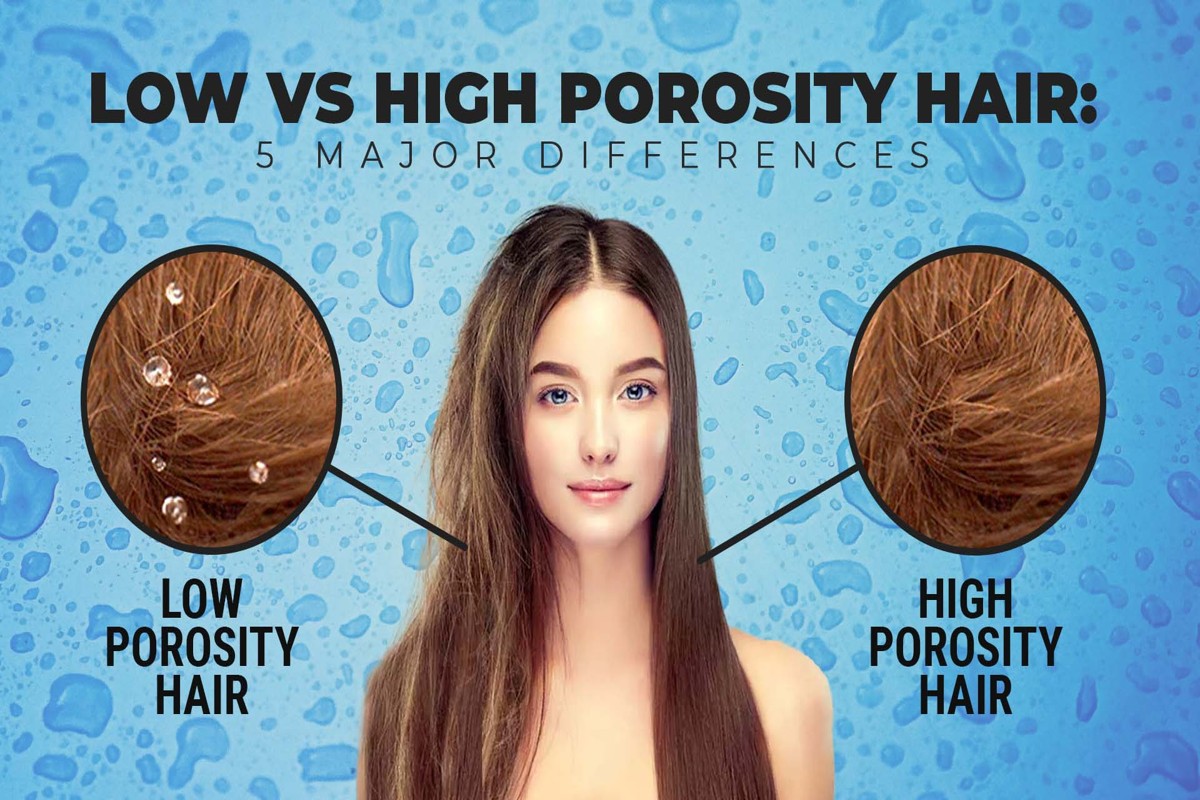
High porosity hair is a hair type characterized by an open cuticle layer that absorbs moisture easily but loses it just as quickly. This makes it prone to dryness and damage.
Understanding high porosity hair is crucial for individuals seeking effective hair care solutions. Mismanagement of this hair type can lead to increased breakage and an inability to retain moisture, resulting in unhealthy hair.
This article will explain the characteristics of high porosity hair, how to identify it, and provide targeted care tips to maintain its health and vitality.
What causes high porosity hair?
High porosity hair is primarily caused by structural damage to the hair cuticle, which can result from a combination of genetics, chemical treatments, and environmental factors. This condition allows hair to absorb moisture quickly but also leads to significant moisture loss. As a result, managing high porosity hair requires different care strategies compared to lower porosity types.
Several factors contribute to high porosity hair:
- Genetics: Some individuals are genetically predisposed to have hair with a naturally higher porosity. These traits may be inherited from family members, making it a fundamental characteristic of the hair type.
- Chemical Treatments: Frequent use of hair dyes, relaxers, or perms can damage the hair cuticle. These treatments disrupt the protective layers of the hair, leading to increased porosity.
- Environmental Factors: Exposure to harsh weather conditions, UV rays, and pollutants can weaken the hair structure. Additionally, frequent swimming in chlorinated water can further exacerbate damage and increase porosity.
Moreover, physical damage from heat styling tools can also play a significant role. Using blow dryers, flat irons, or curling wands frequently may weaken the hair cuticle and lead to higher porosity. It’s essential to recognize that while some causes are unavoidable, many can be managed through proper hair care practices.
For optimal care, individuals with high porosity hair should focus on moisture retention strategies. This includes using leave-in conditioners, deep conditioning treatments, and oils that create a barrier against moisture loss. Regular trims are also recommended to minimize split ends and further damage.
Expert Tip: Incorporating protein treatments can help strengthen high porosity hair temporarily, but excessive protein can lead to brittleness. Balance is key; finding the right moisture-to-protein ratio is crucial for maintaining healthy hair.
How can I tell if my hair is high porosity?
High porosity hair absorbs moisture quickly but loses it just as fast, making it prone to dryness. To determine if your hair is high porosity, you can conduct a simple water test and observe certain characteristics. Look for visual and tactile signs that indicate your hair’s porosity level.
- Water Test: Take a clean strand of hair and place it in a glass of water. If the hair sinks within a few minutes, it is likely high porosity. If it floats, it may be low porosity.
- Texture and Feel: High porosity hair often feels rough or “bumpy” to the touch due to raised cuticles. Run your fingers along the strand; if it feels coarse or has a frizzy appearance, it may indicate high porosity.
- Drying Time: Observe how quickly your hair dries after washing. High porosity hair tends to dry faster than other types, which is a sign that it absorbs moisture quickly but also loses it rapidly.
- Elasticity Test: Gently stretch a wet strand of hair. High porosity hair may stretch easily and could break or snap, indicating a lack of strength. Healthy elasticity is crucial for maintaining hair integrity.
- Product Absorption: Pay attention to how your hair responds to products. If your hair quickly absorbs leave-in conditioners or oils but still feels dry, it may be high porosity.
Conducting these tests and observations will help you identify if your hair is high porosity. Keep in mind that individual hair types can vary, and factors such as chemical treatments can influence porosity levels.
Key Takeaway: High porosity hair benefits from moisture-rich products and regular deep conditioning treatments. Incorporating protein treatments can also help strengthen the hair, as it often lacks structural integrity.
What are the best products for high porosity hair?
The best products for high porosity hair are those that provide intense hydration and strengthen the hair shaft. Look for products with rich moisturizers and proteins that can effectively penetrate the hair cuticle, addressing the unique needs of high porosity hair.
High porosity hair often absorbs moisture quickly but also loses it just as fast. Therefore, using products that create a moisture barrier is essential. Ingredients like oils, butters, and humectants are particularly beneficial. Here are some recommended products and ingredients:
- Leave-in conditioners: Formulas rich in glycerin and aloe vera can help retain moisture throughout the day.
- Deep conditioners: Look for products containing hydrolyzed proteins, such as keratin or silk, which help strengthen and reduce breakage.
- Hair oils: Coconut oil, argan oil, and jojoba oil can seal in moisture and provide essential nutrients.
- Moisturizing creams: Products with shea butter or mango butter can offer a protective layer, preventing moisture loss.
- Protein treatments: Use these sparingly to reinforce the hair structure, but avoid overuse to prevent stiffness.
Choosing the right products also involves considering individual hair behavior and environmental factors. High porosity hair may react differently to various products based on humidity and temperature. Regularly assessing hair needs will guide product selection.
Expert Tip: Incorporate a sealing method after moisturizing, using a light oil to lock in hydration and minimize frizz. This practice can significantly improve the health and appearance of high porosity hair over time.
Is high porosity hair bad?
No, high porosity hair is not inherently bad, but it does come with specific challenges. Hair with high porosity tends to absorb moisture quickly but also loses it just as fast. This can lead to dryness and frizz if not managed properly.
High porosity hair is characterized by gaps and holes in the hair cuticle, allowing for rapid absorption of moisture. However, this same structure makes it difficult for the hair to retain moisture, leading to potential issues such as brittleness and breakage. In contrast, low and medium porosity hair types have a tighter cuticle layer, which allows for better moisture retention but may require more effort to absorb products.
- High Porosity Hair: Absorbs moisture quickly but loses it fast. Needs heavier, more moisturizing products and regular deep conditioning.
- Medium Porosity Hair: Balances moisture absorption and retention well. Can use a variety of products without specific restrictions.
- Low Porosity Hair: Struggles to absorb moisture due to tightly packed cuticles. Requires lighter products and heat to help with absorption.
While high porosity hair can be styled easily and tends to hold curls well, it often requires more diligent care to prevent damage. This may involve using protein treatments to strengthen the hair, employing sealing techniques with oils, and avoiding excessive heat styling. The key is to find the right balance of moisture and protein to maintain hair health.
Expert Tip: Regularly assess the condition of high porosity hair and adjust product routines accordingly. Incorporating a weekly deep conditioning treatment can significantly improve moisture retention and overall hair health.
How often should I moisturize high porosity hair?
High porosity hair should typically be moisturized every 1 to 3 days, depending on individual needs and environmental factors. This frequency helps maintain adequate hydration levels and prevents dryness. However, factors such as climate, hair condition, and product choice can influence how often moisturizing is necessary.
Environmental conditions play a significant role in determining moisturizing frequency. In dry climates or during winter months, hair may lose moisture more rapidly, necessitating daily or every-other-day moisturizing. Conversely, in humid climates, hair might retain moisture better, allowing for less frequent moisturizing, potentially extending to every three days. Additionally, personal factors like hair texture, porosity, and overall health should be considered. For example, damaged or chemically treated high porosity hair may require more frequent attention to maintain moisture balance.
Product choice also impacts how often moisturizing is needed. Lightweight, water-based moisturizers may require more frequent application compared to heavier creams or oils that offer prolonged hydration. It is essential to pay attention to your hair’s response; if dryness or frizz occurs, increasing the frequency of moisturizing can help restore balance. Establishing a routine that adapts to these variables ensures optimal hair health.
Expert Tip: Consider incorporating a sealant after moisturizing, such as an oil or butter, to lock in moisture and enhance hydration retention, especially in challenging environments or seasons.
Can high porosity hair be repaired?
Yes, high porosity hair can be repaired and improved with the right treatments and practices. While it may not return to its original state, consistent care can enhance its overall health and appearance. This often includes using specific products and following a tailored hair care routine.
For instance, consider a person with high porosity hair resulting from chemical treatments. This hair type often absorbs moisture quickly but struggles to retain it, leading to dryness and frizz. To address this, they might start using a deep conditioning treatment containing proteins and natural oils, such as coconut or argan oil. Applying this treatment weekly can help strengthen the hair cuticle and improve moisture retention. Additionally, incorporating a leave-in conditioner with humectants can provide ongoing hydration throughout the week.
Another effective strategy is to limit exposure to heat styling tools, which can exacerbate porosity issues. Instead, the individual could opt for air drying or using a heat protectant spray if heat styling is necessary. Regular trims also play a crucial role in maintaining hair health, as they remove split ends and prevent further damage. Over time, these practices can lead to noticeably healthier hair, even if it remains high porosity.
Expert Tip: Look for products labeled as “moisture-locking” or “strengthening” to specifically target high porosity hair needs. Additionally, consider the water temperature when washing; lukewarm water helps maintain the natural oils while still effectively cleansing the scalp and hair.
What hairstyles are best for high porosity hair?
Hairstyles that minimize damage and maintain moisture are ideal for high porosity hair. This hair type absorbs moisture quickly but also loses it just as fast, so protective styles are essential. Selecting the right hairstyles can help keep the hair healthy and hydrated.
To maintain moisture and reduce breakage, consider the following styles:
- Protective Updos: Styles such as buns, braids, or twists keep the ends protected and minimize exposure to environmental damage. These styles can also help retain moisture by reducing manipulation.
- Loose Braids: Loose braids provide a low-tension option that keeps hair together while allowing for some airflow. This helps prevent tangling and breakage while still being gentle on the hair shaft.
- Low Manipulation Styles: Opt for styles that do not require daily styling, such as wigs or crochet braids. These can provide a break from heat and styling tools, allowing the hair to recover and retain moisture.
- Twist-Outs and Braid-Outs: These styles create defined curls while allowing hair to dry in a stretched state, which can minimize shrinkage and tangling. Using a leave-in conditioner can enhance moisture retention.
Keep in mind that high porosity hair benefits from low-tension styles to avoid unnecessary stress on the hair shaft. Additionally, using moisturizing products and sealing with oils can further enhance the effectiveness of these hairstyles.
Expert Tip: Incorporating a silk or satin scarf or pillowcase while sleeping can significantly reduce moisture loss and friction, ensuring that hairstyles last longer and remain healthy.
Understanding the Science Behind Hair Porosity
This section explores the biological structure of hair, specifically focusing on the cuticle layer and its impact on porosity. Understanding these concepts is essential for grasping how porosity influences moisture retention and overall hair health.
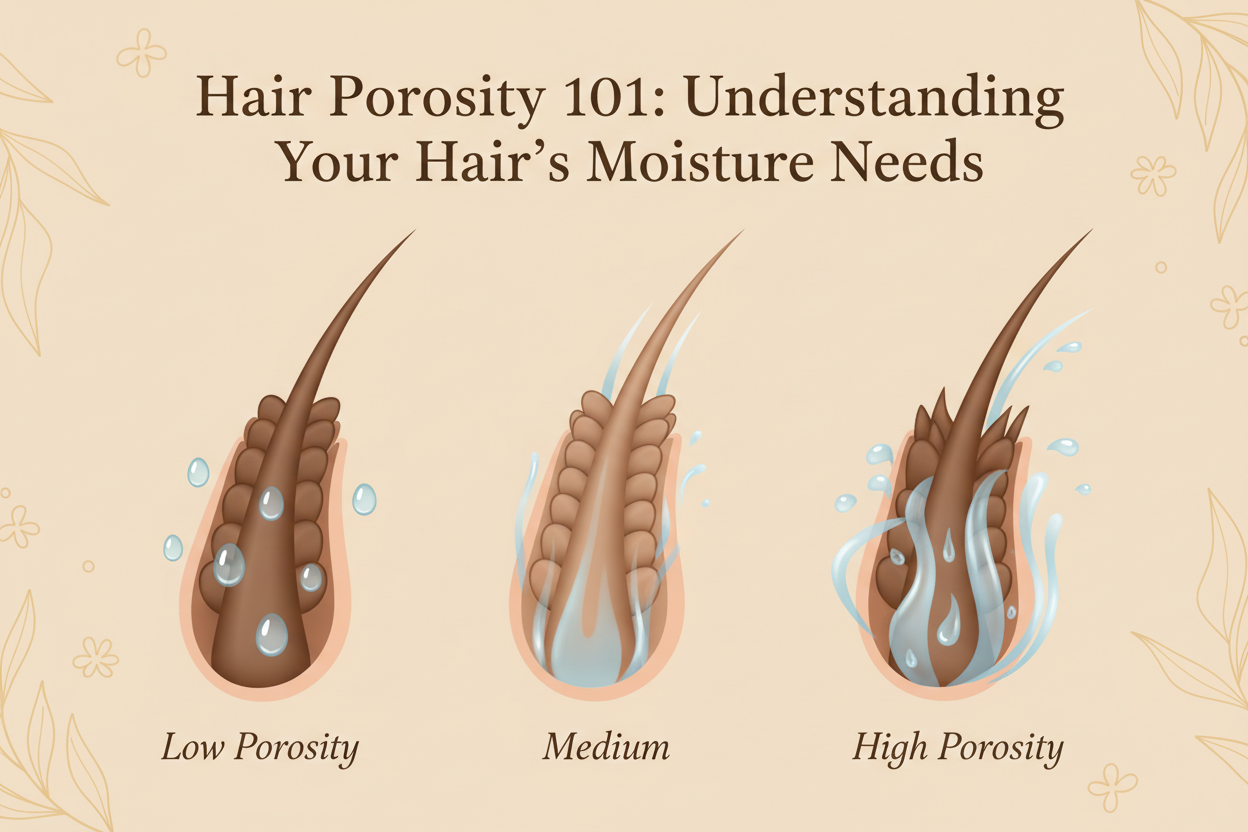
The Hair Cuticle and Its Role in Porosity
The hair cuticle consists of overlapping scales that form a protective layer around the hair shaft. This outermost layer plays a crucial role in determining hair porosity. In high porosity hair, the cuticle layers are either damaged or more widely spaced, allowing moisture and other substances to enter and escape easily. Conversely, low porosity hair has tightly packed cuticles that create a barrier against moisture loss.
How Porosity Affects Moisture Retention
Porosity directly influences a hair strand’s ability to retain moisture. High porosity hair absorbs moisture rapidly but struggles to hold onto it, leading to dryness and brittleness. On the other hand, low porosity hair resists moisture absorption but retains it effectively once penetrated. This difference is critical for maintaining healthy hair, as moisture balance is essential for elasticity and shine.
Environmental Factors Impacting Hair Porosity
Various environmental factors can affect hair porosity. These include:
- Humidity: High humidity can increase the porosity of hair by causing cuticles to swell and lift.
- Chemical Treatments: Frequent coloring, perming, or relaxing can damage the cuticle and increase porosity.
- Heat Styling: Excessive heat can weaken the cuticle layer, leading to higher porosity.
Understanding these influences can guide individuals in selecting appropriate hair care routines.
Differences in Porosity Levels Among Hair Types
Hair porosity varies significantly across different hair types. Curly and coily hair often has higher porosity due to its structure, which can create gaps in the cuticle. Straight hair, particularly fine strands, usually has lower porosity. Additionally, genetic factors play a role in determining hair porosity, further complicating the landscape of hair care.
Nuanced Understanding of Hair Porosity
Common misconceptions about porosity often lead to ineffective hair care practices. For instance, many assume that all high porosity hair is damaged. However, some individuals naturally have high porosity hair due to genetic factors, which may not indicate damage. Moreover, high porosity hair can still be healthy and vibrant if properly cared for with the right moisture retention strategies.
Practical Applications for Hair Care
To manage high porosity hair effectively, consider the following actionable steps:
- Use protein-rich conditioners to help strengthen the hair shaft.
- Incorporate heavy oils, such as castor or avocado oil, to seal in moisture.
- Avoid excessive heat styling and chemical treatments to minimize damage.
By understanding what is high porosity hair and applying these strategies, individuals can enhance the health and appearance of their hair.
Effective Care Routines for High Porosity Hair
This section outlines essential daily and weekly care routines tailored for high porosity hair, emphasizing hydration and protection to maintain its health and integrity.
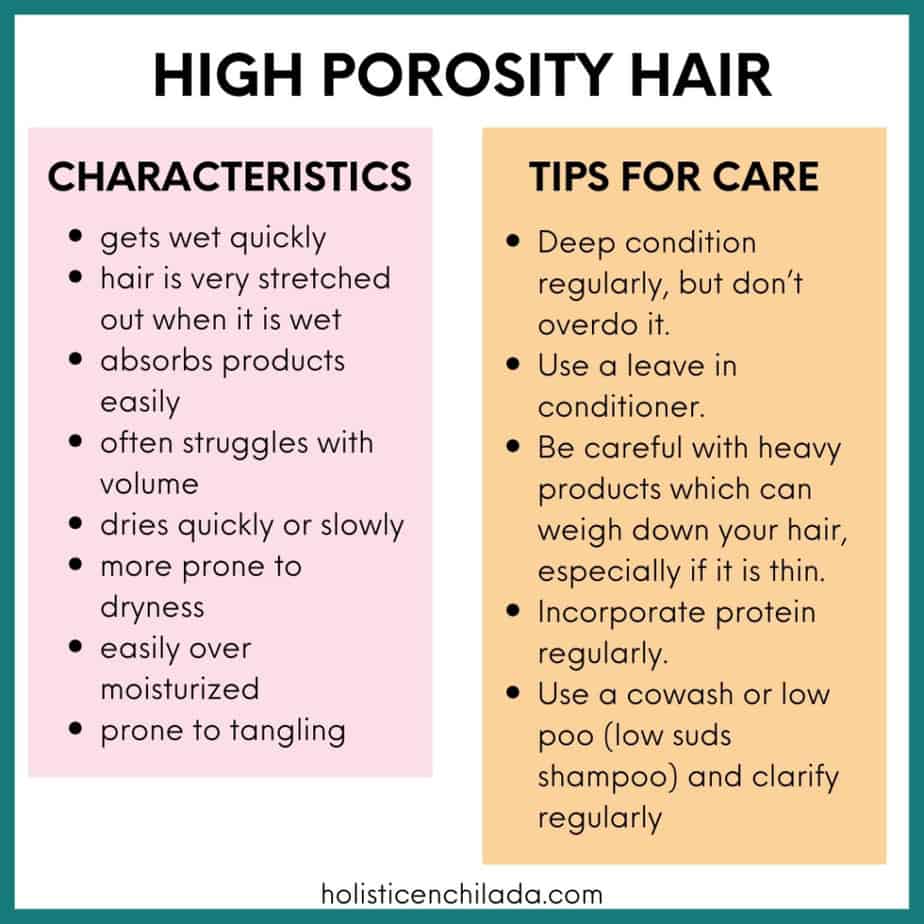
Daily Moisturizing Techniques
High porosity hair often loses moisture quickly, making daily hydration vital. Incorporating a consistent moisturizing routine can significantly improve the hair’s texture and overall health.
- Water-Based Moisturizers: Choose products that list water as the primary ingredient. Look for lightweight options, such as leave-in conditioners or moisturizing sprays.
- Humectants: Ingredients like glycerin and aloe vera attract moisture. Ensure these are included in your daily products to help retain hydration.
- Sealants: After moisturizing, apply a light oil or butter to seal in moisture. Options like jojoba oil or shea butter work well without weighing the hair down.
Weekly Deep Conditioning Treatments
Deep conditioning treatments are crucial for high porosity hair, as they provide intense hydration and repair. These treatments should be performed at least once a week.
- Protein Treatments: Use protein-rich deep conditioners to help strengthen the hair shaft. Look for products with hydrolyzed proteins, which can temporarily fill gaps in the cuticle.
- Moisture Masks: Alternate protein treatments with moisture masks containing natural oils and butters to restore elasticity and softness.
- Heat Application: Applying heat while deep conditioning enhances product penetration. Consider using a hooded dryer or a heat cap for optimal results.
Avoiding Common Hair Care Mistakes
Certain practices can exacerbate porosity issues, leading to further damage. Being aware of these can enhance the effectiveness of your care routine.
- Over-Washing: Washing hair too frequently strips natural oils. Limit washing to 1-2 times per week using sulfate-free shampoos.
- Neglecting pH Balance: High porosity hair benefits from products that maintain a balanced pH level. Use acidic rinses, like diluted apple cider vinegar, to help close the cuticle.
- Skipping Moisture: Failing to moisturize regularly can lead to dryness and brittleness. Stick to a consistent moisturizing schedule.
The Role of Protective Hairstyles
Protective hairstyles can significantly reduce moisture loss and prevent damage. These styles help shield hair from environmental factors and physical stress.
- Low-Manipulation Styles: Opt for styles that require minimal daily handling, such as braids, twists, or buns.
- Wigs and Weaves: Consider protective wigs or weaves that allow the natural hair to rest and retain moisture.
- Scarves and Bonnets: Use silk or satin scarves and bonnets at night to minimize friction and moisture loss while sleeping.
For optimal care of high porosity hair, implement the following actionable steps:
1. Establish a daily moisturizing routine with water-based products and sealants.
2. Incorporate weekly deep conditioning with alternating protein and moisture treatments.
3. Avoid over-washing and maintain pH balance with acidic rinses.
4. Utilize protective hairstyles regularly to shield hair and retain moisture. Consistency is key to improving the health and appearance of high porosity hair.
Common Myths About High Porosity Hair
This section addresses common misconceptions surrounding high porosity hair that can lead to ineffective care practices. Understanding these myths is essential for properly managing and nurturing high porosity hair.

Myth 1: High Porosity Hair is Unmanageable
Many believe that high porosity hair is inherently difficult to manage. While high porosity hair can absorb moisture quickly, it can also lose it just as easily. This characteristic can lead to frizz and dryness if not properly managed. However, with the right techniques and products, high porosity hair can be styled effectively and maintained in a healthy condition.
Myth 2: Certain Products are Ineffective for High Porosity Hair
There is a misconception that high porosity hair cannot benefit from traditional moisturizing products. In reality, high porosity hair often requires heavier creams and oils to lock in moisture. Products containing ingredients like shea butter, coconut oil, or castor oil can be particularly beneficial. The key is to select products that provide sufficient hydration and sealing properties to mitigate moisture loss.
Myth 3: Porosity Equals Hair Damage
Many people conflate high porosity with damaged hair. While high porosity hair can be a result of damage, it is not inherently damaged itself. Hair porosity refers to the hair’s ability to absorb and retain moisture, which can be influenced by genetics, environmental factors, and hair care practices. High porosity hair can be healthy if properly cared for, even if its structure allows for more moisture intake and loss.
Myth 4: High Porosity Hair Cannot Be Healthy
Another prevalent myth is that high porosity hair is incapable of being healthy. This is incorrect. High porosity hair can thrive with appropriate care. Individuals with high porosity hair can achieve healthy strands by implementing a consistent routine that focuses on moisture retention, protection from environmental stressors, and minimizing damage from heat styling or chemical treatments.
Nuance and Expert Insights
High porosity hair can vary significantly among individuals. Some may experience porosity as a result of chemical processes or heat exposure, while others may be genetically predisposed to it. Additionally, environmental factors such as humidity and temperature can influence how high porosity hair behaves. It is crucial to assess individual hair needs and tailor care regimens accordingly. Furthermore, not all high porosity hair types are the same; some may require lighter products, while others may thrive on heavier formulations. This distinction is often overlooked in common discussions about hair care.
Practical Application
To effectively care for high porosity hair, consider the following actionable steps:
- Use a deep conditioning treatment at least once a week to replenish moisture.
- Incorporate leave-in conditioners and oils rich in fatty acids to help seal in hydration.
- Limit the use of heat styling tools and always apply a heat protectant when necessary.
- Experiment with the “LOC” method (Liquid, Oil, Cream) to find the best way to retain moisture.
- Regularly trim split ends to maintain hair health and prevent further damage.
Real-Life Experiences: Success Stories and Challenges
This section explores personal anecdotes and case studies from individuals with high porosity hair, highlighting both the successes and challenges they encounter in their hair care journeys.
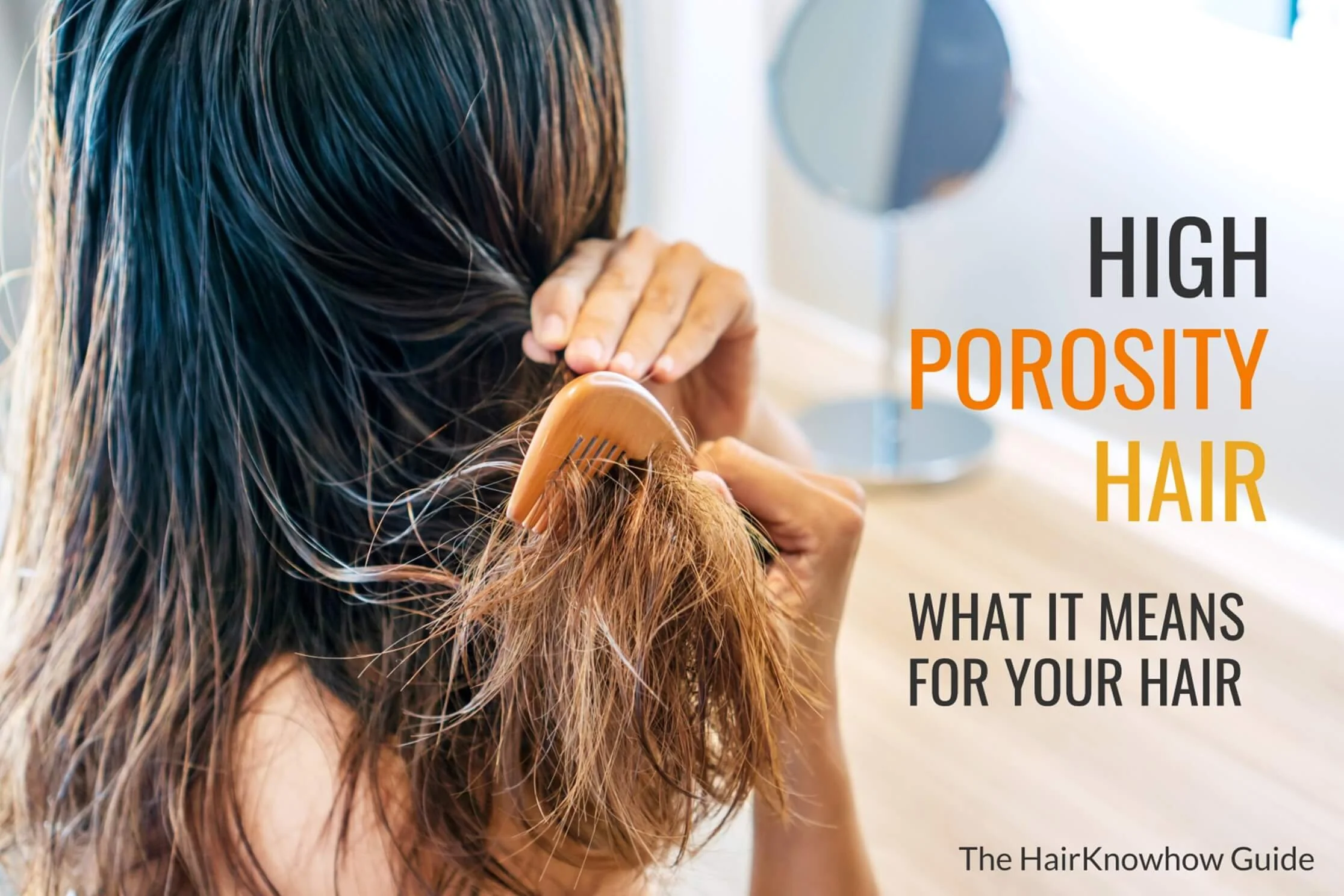
Interviews with Individuals Who Have High Porosity Hair
Many individuals with high porosity hair share similar experiences regarding moisture retention and product absorption. Their stories reveal a spectrum of strategies tailored to their unique hair types. For instance, one participant, a natural hair enthusiast, emphasized the significance of incorporating a protein treatment into her routine, which helped strengthen her strands and improve moisture retention. Another interviewee identified the use of heavier oils, such as castor oil, as essential for locking in hydration.
Success Stories of Effective Care Routines
- Layering Products: Several individuals reported success by layering products—starting with a leave-in conditioner, followed by a cream, and finishing with an oil. This method creates a barrier that helps maintain moisture.
- Regular Deep Conditioning: Consistent deep conditioning treatments, particularly those rich in humectants, emerged as a common theme in success stories. Participants noted significant improvements in hair texture and moisture levels.
- Heat Protection: Using heat protectants before styling also proved beneficial. Many individuals found that protecting their hair from heat damage preserved its integrity and moisture balance.
Challenges Faced and How They Were Overcome
Despite successes, managing high porosity hair presents notable challenges. One major issue is the hair’s tendency to become dry and frizzy, often leading to breakage. To combat this, many individuals have turned to low manipulation styles to minimize damage. Another common challenge is the hair’s susceptibility to environmental factors. Participants frequently reported adjusting their routines based on seasonal changes, such as increasing humidity levels, by incorporating heavier moisturizing products in summer months and lighter products during the dry winter.
Community Resources and Support Networks
The journey of managing high porosity hair is often made easier through community resources and support networks. Online forums and social media groups provide platforms for individuals to share experiences, product recommendations, and tips. Websites dedicated to natural hair care often feature articles and videos that specifically address the needs of those with high porosity hair, offering valuable insights into effective routines. Additionally, local salons that specialize in textured hair can provide personalized consultations and treatments tailored to individual needs.
Nuances and Expert Insights
Common misconceptions about high porosity hair often include the belief that it is inherently damaged or unhealthy. In reality, high porosity can be a natural trait influenced by genetics or hair care practices. Experts note that while high porosity hair may absorb moisture quickly, it can also lose it just as rapidly. This duality requires a tailored approach, focusing not only on moisture retention but also on strengthening the hair. For example, individuals may benefit from alternating between moisture-rich and protein-rich treatments to maintain balance.
Practical Application
To effectively manage high porosity hair, individuals should consider implementing the following strategies:
- Establish a consistent deep conditioning routine, using products specifically designed for high porosity hair.
- Experiment with layering products to create a moisture-retaining barrier.
- Utilize community resources for ongoing support and new product discoveries.
- Adjust hair care practices seasonally to address changing environmental conditions.
By applying these insights, individuals with high porosity hair can enhance their hair care routines and achieve healthier, more manageable hair.
Frequently Asked Questions
What causes high porosity hair?
High porosity hair is often caused by damage from chemical treatments, heat styling, or environmental factors. This condition results in gaps and holes in the hair cuticle, allowing moisture to enter and escape easily.
How can I tell if my hair is high porosity?
To determine if your hair is high porosity, perform a water test: place a strand of hair in a glass of water. If it sinks quickly, your hair likely has high porosity.
What are the best products for high porosity hair?
Products rich in protein, oils, and humectants are ideal for high porosity hair. Look for leave-in conditioners, deep moisturizers, and oils like argan or jojoba to help seal moisture.
Is high porosity hair bad?
High porosity hair is not inherently bad, but it can be more prone to dryness and damage. Proper care and moisture retention techniques can help maintain its health.
How often should I moisturize high porosity hair?
High porosity hair typically requires more frequent moisturizing, often every 1-2 days. Regular moisture helps to prevent dryness and maintain the hair’s integrity.
Can high porosity hair be repaired?
While high porosity hair cannot be fully “repaired,” it can be managed effectively. Using the right products and techniques can improve its condition and reduce damage.
What hairstyles are best for high porosity hair?
Protective hairstyles, such as braids, buns, or twists, are beneficial for high porosity hair. These styles minimize manipulation and help retain moisture.
Final Thoughts on what is high porosity hair
High porosity hair, characterized by its ability to absorb moisture quickly yet struggle to retain it, requires a tailored approach to care that acknowledges its unique needs. Understanding the science behind high porosity hair empowers individuals to dispel myths and adopt effective routines that ensure optimal health and vitality.
To effectively manage high porosity hair, invest in a high-quality leave-in conditioner that contains protein and moisture-rich ingredients; this will help strengthen and seal the hair cuticle, promoting better moisture retention.
Addressing high porosity hair is essential for achieving healthy, resilient locks, making it imperative for individuals to adopt informed and intentional hair care practices.
Leave a Reply