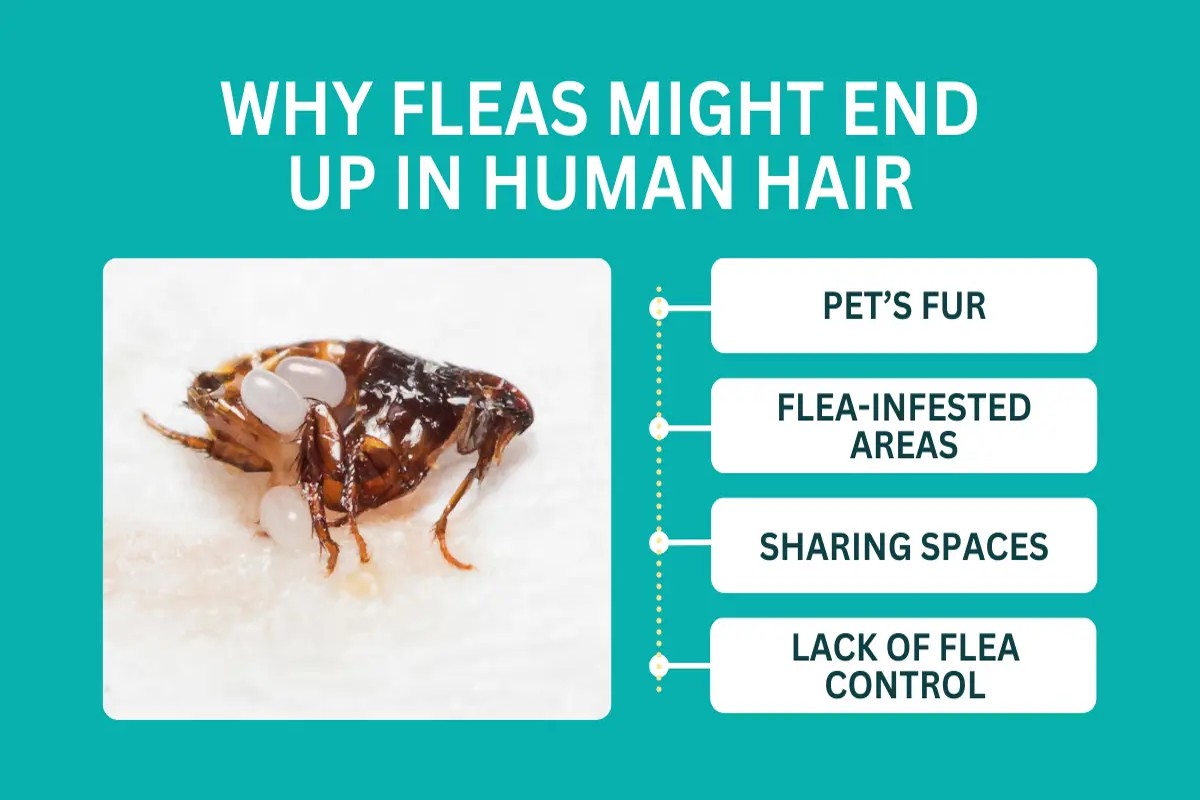
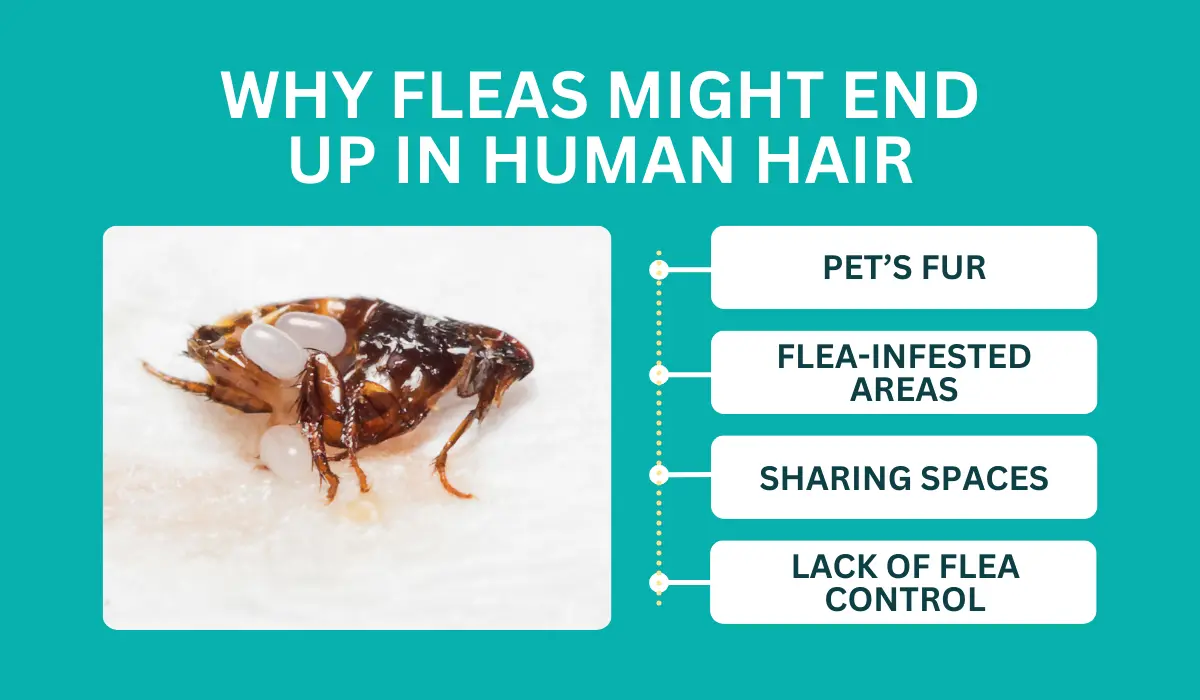
Fleas do not typically stay in human hair. They prefer to live on animals, especially pets like cats and dogs, but can jump onto humans when seeking a blood meal.
Understanding flea behavior is crucial for pet owners and anyone dealing with a flea infestation. Misconceptions about fleas can lead to ineffective control measures and prolonged discomfort for both humans and animals.
This article examines flea habits, their preferred hosts, and effective strategies for managing flea infestations, providing insights into prevention and treatment options.
Can fleas live in human hair?
No, fleas do not live in human hair. While they can jump onto humans, they prefer animal hosts, especially those with fur, such as dogs and cats, for feeding and reproduction.
Fleas are ectoparasites that primarily thrive on the blood of mammals and birds. Their biological structure and feeding habits are adapted to cling to fur, making it easier for them to access their preferred food source. Although they can bite humans, they typically do not establish long-term infestations in human hair.
A few factors influence flea behavior:
- Host Preference: Fleas are specifically evolved to inhabit animals with dense fur, which provides both shelter and a consistent food source.
- Environmental Conditions: Fleas prefer warm, humid environments. Human hair does not offer the same favorable conditions for breeding as animal fur.
- Feeding Behavior: Fleas need to feed frequently to survive. They are more likely to stay on a host that provides easy access to blood, which is more readily available from furry animals.
While fleas can bite humans, any infestation is typically temporary. If a human is bitten, it may be due to close contact with infested animals or environments, such as carpets or bedding. Maintaining good hygiene and regular grooming of pets can help prevent fleas from transferring to humans.
Expert Tip: Regularly treating pets with veterinary-approved flea prevention methods can significantly reduce the risk of fleas transferring to humans, as well as help manage potential infestations in the home environment.
How to check for fleas in human hair?
Checking for fleas in human hair involves a systematic inspection of both the hair and scalp. Although fleas typically prefer animal hosts, they can occasionally be found in human hair. Follow these steps to effectively check for fleas or flea dirt.
- Gather necessary supplies. You will need a fine-toothed comb, a bright light or magnifying glass, and a white piece of paper or cloth to catch any fleas or flea dirt that may fall out.
- Prepare the environment. Ensure you are in a well-lit area where you can easily see any small insects or debris. Good lighting is essential for spotting fleas and flea dirt.
- Section the hair. Divide the hair into small sections, using hair clips if necessary. This will allow for a thorough inspection of the scalp and hair.
- Inspect the scalp. Part the hair close to the scalp and look for any signs of fleas or flea dirt, which appears as small black or brown specks. Use the comb to gently brush through the hair and examine the roots.
- Use the fine-toothed comb. Run the comb through each section of hair, starting at the scalp and moving towards the ends. Look closely at the comb for any fleas or flea dirt that may be caught in the teeth.
- Check the white cloth. After combing, inspect the white paper or cloth for any fallen fleas or flea dirt. This is a useful way to identify flea debris, as it stands out against a light background.
Fleas are more likely to be found on pets than on humans. However, if you suspect you have been exposed, thorough inspection is key. Perform this check regularly if you are in an environment where fleas are prevalent.
Expert Tip: If fleas are found, immediate action is necessary. Treat both the infested individual and any pets in the household to prevent re-infestation and ensure effective flea control measures are implemented in your living environment.
What do fleas look like on humans?
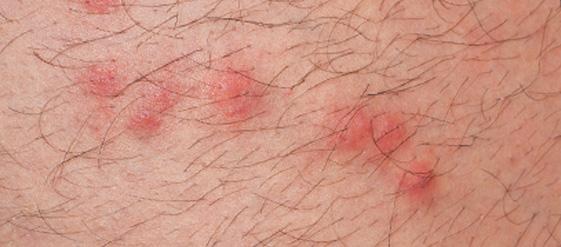
Fleas themselves are small, wingless insects that typically measure 1.5 to 3.3 millimeters in length. On human skin, they can be difficult to spot due to their size and rapid movement. However, the most noticeable signs of fleas on humans are their bites, which appear as small, red, itchy welts, often clustered in groups.
When observing a flea bite on human skin, the affected area usually shows a raised, reddish bump that can become inflamed and itchy. These bites often occur in areas where clothing is tight against the skin, such as around the waist, ankles, and underarms. The bites may also be surrounded by a halo of redness. In some cases, individuals may experience an allergic reaction, resulting in more severe itching and swelling. Fleas are not known to live in human hair, but they can jump onto humans from infested pets or environments.
Identifying fleas on humans can also involve looking for flea dirt, which consists of tiny black specks that are flea feces. If these specks are placed on a damp tissue, they will turn reddish-brown, indicating that they are composed of digested blood. This can serve as a further indication of a flea problem in the household or nearby environment. While fleas primarily infest pets, their bites can lead to discomfort and potential secondary infections if scratched excessively.
Expert Tip: Regularly inspect pets for fleas and maintain a clean living environment to minimize the risk of human exposure to fleas. Vacuuming carpets and washing pet bedding frequently can significantly reduce flea populations in the home.
Are flea treatments safe for humans?
Flea treatments are generally not formulated for human use, and many can pose health risks if applied to humans. While some treatments designed for pets can be effective against fleas, their safety for human application varies significantly. It is crucial to choose the right product based on the intended user.
Flea treatments can be categorized primarily into topical treatments, oral medications, and environmental sprays. Each of these categories comes with its own set of safety considerations when used on humans versus pets:
- Topical Treatments: These are applied directly to the skin. While many are safe for pets, they often contain potent insecticides that can cause skin irritation or allergic reactions in humans.
- Oral Medications: Designed primarily for pets, these medications work systemically to eliminate fleas. They are not safe for human consumption and can lead to serious side effects if ingested.
- Environmental Sprays: These sprays target fleas in the home environment. They can be safe for humans after drying but may contain chemicals that require caution during application and ventilation.
Key differences in safety stem from the specific chemicals used in flea treatments. Products for pets often contain ingredients like fipronil or imidacloprid, which are not approved for human use due to potential toxicity. In contrast, some household sprays may include pyrethrins, which are derived from chrysanthemum flowers and can be safer for humans but still pose risks if not used correctly.
When using flea treatments, always read labels carefully and follow the manufacturer’s instructions. In case of exposure to flea products, seek medical advice if adverse reactions occur.
Expert Tip: For flea infestations in homes, consider using integrated pest management strategies that include regular cleaning, vacuuming, and using products specifically designed for human safety to minimize risks while effectively controlling flea populations.
How long can fleas survive without a host?
Fleas can survive without a host for up to two weeks under optimal conditions. However, their lifespan can vary significantly based on environmental factors such as temperature and humidity.
Adult fleas typically live for about two to three months when they have access to a host for feeding. If deprived of a host, they can enter a state of dormancy, which allows them to survive longer periods without food. In cooler, drier environments, fleas may struggle to survive beyond a few days without a host. Conversely, in warm, humid conditions, they can endure for about a week or two.
Other life stages of fleas, such as eggs and larvae, do not rely on a host for feeding and have different survival capacities. Flea eggs can last for several weeks in the environment before hatching, while larvae can survive on organic debris for extended periods. This adaptability contributes to the resilience of flea populations, making it essential to address infestations promptly.
Effective flea control requires understanding these survival tactics. Regular vacuuming, washing pet bedding, and treating both pets and home environments can significantly reduce flea populations and break their life cycle.
Expert Tip: Fleas can remain dormant for several months in a host-free environment, especially in low-light conditions. This allows them to re-emerge when conditions become favorable, so ongoing prevention is crucial to manage flea infestations effectively.
What are the best practices for preventing flea infestations?
Preventing flea infestations requires a proactive approach that includes both home and pet care. Effective strategies can significantly reduce the likelihood of fleas entering your living space and affecting your pets. Implementing these measures can help maintain a flea-free environment.
Start by regularly treating pets with veterinarian-recommended flea control products. These can include topical treatments, oral medications, and flea collars, which effectively kill fleas and prevent new infestations. Ensure that all pets in the household are treated simultaneously, as untreated animals can reintroduce fleas.
- Maintain Cleanliness: Vacuum carpets, rugs, and upholstery frequently, as this removes flea eggs, larvae, and adults. Dispose of the vacuum bag or empty the canister outdoors to prevent re-infestation.
- Wash Bedding Regularly: Launder pet bedding, blankets, and any fabric items pets frequently use in hot water. This helps eliminate any fleas or eggs that may have settled in these fabrics.
- Yard Maintenance: Keep the yard tidy by mowing the lawn regularly and trimming overgrown bushes. Fleas thrive in shaded, moist areas, so reducing these spots limits their habitat.
- Use Flea Traps: Set up flea traps around the home to monitor and reduce flea populations. These traps attract fleas with light and heat, capturing them on sticky surfaces.
Additionally, consider professional pest control services if an infestation occurs. These experts can identify the source and apply targeted treatments that are often more effective than over-the-counter solutions.
To enhance prevention, regularly inspect pets for fleas and their droppings, which resemble black specks. Early detection allows for immediate action, reducing the risk of a larger infestation.
How to get rid of fleas in your home?
To effectively eliminate fleas from your home, a comprehensive approach is necessary. This includes treating pets, cleaning the environment, and using insecticides. A multi-step strategy ensures that all life stages of fleas are addressed.
- Treat Your Pets: Start by treating pets with veterinarian-recommended flea treatments such as topical solutions, oral medications, or flea collars. This will help eliminate fleas on pets and prevent re-infestation.
- Wash Bedding and Fabrics: Wash all pet bedding, human bedding, and any fabric items that may harbor fleas in hot water. This will kill adult fleas, larvae, and eggs.
- Vacuum Thoroughly: Vacuum carpets, rugs, and upholstery to remove fleas and their eggs. Dispose of the vacuum bag or clean the canister immediately to prevent re-infestation.
- Use Flea Insecticides: Apply an appropriate insecticide designed for indoor use, focusing on areas where pets spend time. Follow the manufacturer’s instructions closely for safety and effectiveness.
- Consider Professional Pest Control: If the infestation persists, consider hiring a professional pest control service. Professionals have access to more potent treatments and can provide a thorough evaluation of your home.
- Maintain a Flea Prevention Routine: After treatment, maintain a regular cleaning schedule and continue using preventative flea treatments on pets to minimize the risk of future infestations.
Flea infestations can be persistent due to their life cycle, which includes eggs, larvae, pupae, and adults. It is essential to target all stages to ensure complete eradication. Regular cleaning and monitoring are crucial in maintaining a flea-free environment.
Expert Tip: Utilize diatomaceous earth as a natural, non-toxic option for treating carpets and cracks. This substance is effective against fleas by dehydrating them upon contact, adding another layer of defense in your flea control efforts.
Can fleas cause health problems in humans?
Yes, fleas can cause various health problems in humans, primarily through their bites and the potential transmission of diseases. While fleas do not live in human hair, their bites can lead to itching, allergic reactions, and secondary infections. In some cases, fleas can carry pathogens that may affect human health.
Flea bites typically result in localized inflammation and intense itching, which can lead to scratching and subsequent skin infections. Some individuals may experience an allergic reaction to flea saliva, resulting in hives or a more severe allergic dermatitis. This is particularly concerning for sensitive populations, such as children and those with compromised immune systems.
- Flea-borne diseases: Fleas are vectors for diseases such as the bubonic plague and murine typhus. Although these diseases are rare in many regions, they can pose serious health risks in areas where these vectors are present.
- Transmission of parasites: Fleas can also carry tapeworms, which may infect humans, particularly children who may accidentally ingest flea-infested soil or surfaces.
- Secondary infections: Prolonged scratching from flea bites can lead to bacterial infections, requiring medical treatment and potentially resulting in further complications.
Proper pest control measures are essential to prevent flea infestations in homes and on pets. Regular vacuuming, washing pet bedding, and using veterinarian-recommended flea treatments can significantly reduce the risk of flea bites and associated health issues.
Expert Tip: Individuals with a history of allergic reactions to insect bites should consult a healthcare professional for personalized advice and potential preventive treatments, especially in endemic areas for flea-borne diseases.
Understanding Flea Behavior and Habitat Preferences
This section delves into the behavioral patterns and habitat preferences of fleas, elucidating why these pests predominantly favor animal hosts over humans. Understanding these aspects is essential for effective flea control and prevention strategies.
Flea Adaptations to Animal Hosts
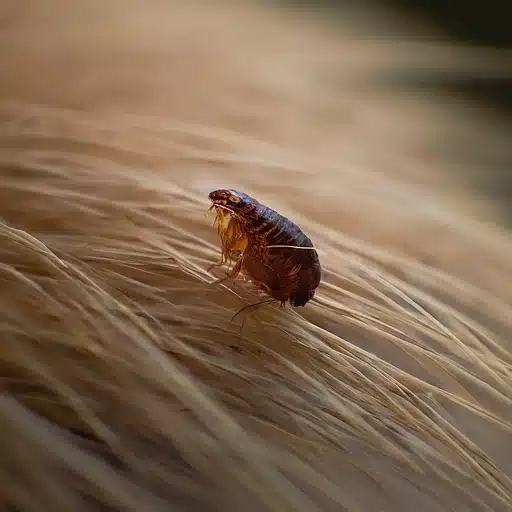
Fleas are primarily adapted to live on animals, particularly mammals like dogs and cats. Their physiological characteristics, such as specialized mouthparts, allow them to pierce the skin of furry hosts and consume blood efficiently. The presence of fur provides a suitable environment for fleas, offering protection and warmth. Unlike humans, animals present an ideal habitat that meets the fleas’ biological needs for survival and reproduction.
Factors Influencing Host Choice
Several factors influence a flea’s choice of host, including:
- Body Temperature: Fleas are ectothermic and thrive at the higher body temperatures of mammals. This warmth is crucial for their metabolic processes and reproductive cycles.
- Fur Density: The fur of animals not only provides shelter but also facilitates the flea’s ability to cling and navigate. The density of fur allows fleas to hide from predators and maintain moisture.
- Skin Composition: The skin of mammals contains oils and proteins that attract fleas. These substances help sustain the flea’s life while feeding on blood.
Environmental Conditions and Flea Survival
Environmental factors play a significant role in flea survival and reproduction. Fleas thrive in warm, humid conditions, which are conducive to their life cycle. The typical flea life cycle consists of four stages: egg, larva, pupa, and adult. Humidity levels above 50% are ideal for flea eggs and larvae, as they require moisture to develop effectively. Conversely, dry conditions can lead to increased mortality rates among flea populations.
The presence of hosts in a given environment further enhances flea survival rates. Areas with high animal density, such as homes with pets, provide ample opportunities for fleas to feed and reproduce. In contrast, human-centric environments lack the specific conditions that favor flea habitation, making it unlikely for fleas to thrive in human hair.
Common Misconceptions About Fleas
A prevalent misconception is that fleas can easily infest human hair as they do with animal fur. In reality, the anatomical and behavioral adaptations of fleas make them ill-suited for prolonged habitation in human hair. While fleas can occasionally jump onto humans, they do not establish themselves there. The absence of fur and the lower body temperature of humans do not provide the necessary environment for fleas to thrive.
Moreover, many individuals mistakenly believe that fleas can live indefinitely on human hosts. In truth, fleas are transient visitors on humans and will seek out more suitable hosts soon after a brief encounter.
Practical Implications
To effectively manage flea infestations, take the following actions:
1. Regularly treat pets with veterinarian-recommended flea control products.
2. Maintain clean living environments by vacuuming and washing pet bedding frequently.
3. Monitor humidity levels in your home; consider using dehumidifiers in damp areas.
Understanding the behavior and habitat preferences of fleas can significantly enhance efforts to prevent flea infestations and protect both pets and humans from these pests. By implementing proactive measures, the risk of encountering fleas can be substantially reduced.
Identifying Flea Bites and Their Effects on Humans
This section explores the signs and symptoms of flea bites on humans, helping to differentiate them from other insect bites and highlighting potential long-term effects.
Common Symptoms of Flea Bites on Humans
Flea bites typically present as small, red, itchy welts on the skin. The most commonly affected areas include the ankles, feet, and legs, although bites can occur anywhere on the body. Symptoms often manifest within a few hours of being bitten and can include:
- Intense itching: The primary symptom that can lead to scratching and further irritation.
- Red bumps: Small, raised areas that may appear in clusters or lines.
- Swelling: Surrounding tissue may become swollen, particularly in sensitive individuals.
Differentiating Flea Bites from Other Insect Bites
Flea bites can easily be confused with bites from other insects, such as mosquitoes or bedbugs. However, there are distinct characteristics that can help identify flea bites:
- Location: Flea bites often occur on lower extremities, while mosquito bites can be anywhere on the body.
- Appearance: Flea bites are usually smaller and may have a red halo, while bedbug bites often appear in a linear pattern.
- Itchiness: Flea bites tend to be much itchier compared to mosquito bites, which may be more painful than itchy.
Long-Term Effects of Flea Bites
While most flea bites are harmless, they can lead to complications in some cases. Repeated scratching may cause skin infections due to bacteria entering the broken skin. Furthermore, some individuals may develop allergic reactions to flea saliva, which can result in:
- Increased itchiness: Allergic reactions can amplify the body’s response to flea bites.
- Dermatitis: Persistent scratching may lead to eczema-like conditions.
- Secondary infections: Bacterial infections can occur if the skin is broken through scratching.
Expert Insights on Flea Bites
Many believe that fleas only infest pets, but they can also bite humans. A common misconception is that fleas can live in human hair, which is not accurate. Fleas prefer fur-covered hosts for survival and reproduction. They do not typically stay in human hair; instead, they may jump onto humans temporarily when seeking a meal. Understanding this behavior is essential for effective flea control measures.
Practical Steps for Managing Flea Bites
If bitten by fleas, take the following steps to alleviate symptoms and prevent further bites:
- Wash the affected area with soap and water to reduce irritation.
- Apply a topical anti-itch cream or hydrocortisone to soothe the skin.
- Avoid scratching to minimize the risk of infection.
- Consider consulting a healthcare professional if severe reactions occur.
- Implement pest control measures to eliminate fleas in your environment.
Effective Home and Pet Flea Control Strategies
Flea infestations can be a persistent problem for both pets and homes. Implementing effective control strategies is essential to eliminate fleas and prevent their return.
Treating Pets with Flea Medications
Administering appropriate flea medication to pets is crucial in managing infestations. Select treatments that are veterinary-approved and suited to the specific animal. Common options include:
- Topical Treatments: Applied directly to the skin, these treatments are effective and long-lasting.
- Oral Medications: These are taken by the pet and work systemically to kill fleas quickly.
- Flea Collars: These provide continuous protection and can be effective for several months.
Consult a veterinarian for personalized recommendations, considering the pet’s age, weight, and health status. Regularly check pets for fleas and reapply treatments as recommended to maintain effectiveness.
Home Cleaning Techniques
Cleaning is a pivotal aspect of flea control. Flea eggs and larvae can hide in carpets, upholstery, and bedding. Adopt the following strategies:
- Vacuum Thoroughly: Vacuum carpets, rugs, and furniture to remove fleas, eggs, and larvae. Dispose of the vacuum bag or empty the canister immediately to prevent re-infestation.
- Wash Bedding: Wash pet bedding, blankets, and any fabric items in hot water weekly to kill fleas and their eggs.
- Steam Clean: Use a steam cleaner on carpets and upholstery to eliminate fleas at all life stages.
Focus on areas where pets spend time, as these are more likely to harbor infestations. Regular cleaning routines will significantly reduce the flea population in the home.
Natural Remedies vs. Chemical Treatments
Both natural remedies and chemical treatments can be effective in flea control, though each has its pros and cons. Natural options include:
- Essential Oils: Oils such as lavender and cedar can repel fleas but should be used with caution, especially around pets.
- Diatomaceous Earth: This powder can be sprinkled in areas where fleas are present; it dehydrates and kills fleas on contact.
- Herbal Flea Sprays: Made from natural ingredients, these sprays can be applied around the home but may require frequent application.
Chemical treatments often provide faster and more reliable results. However, they may contain toxic substances. Always read labels and follow safety instructions carefully.
Many articles fail to address the lifecycle of fleas adequately. Fleas can remain dormant as eggs or larvae for months, making it crucial to maintain control measures consistently. The misconception that fleas only thrive on pets can lead to ineffective treatment; in reality, they can also infest home environments, which necessitates a dual approach to control.
To effectively manage flea infestations, implement a comprehensive strategy that combines pet treatments, rigorous cleaning, and a choice between natural and chemical solutions. Regularly monitor both pets and living spaces for signs of fleas, and adjust control measures accordingly. By maintaining diligence, the question of “does fleas stay in human hair” can be effectively answered with a resounding no.
Debunking Myths About Fleas and Human Hair
This section addresses prevalent misconceptions regarding fleas and their interaction with humans, emphasizing the importance of accurate information for effective flea management.
Common Myths About Fleas
One of the most pervasive myths is that fleas can live in human hair. In reality, fleas are highly specialized parasites that primarily target furry mammals, particularly cats and dogs. They prefer warmer, fur-covered environments, making human hair an unsuitable habitat for them. The following points clarify the relationship between fleas and humans:
- Host Preference: Fleas are adapted to host animals with fur, such as dogs and cats, rather than humans who have much less body hair.
- Survival Without a Host: Fleas can only survive for a few days to a week without a host, which limits their ability to thrive on humans.
- Transmission of Fleas: Humans may carry fleas inadvertently on clothing or in their homes, but these pests do not infest human hair.
The Science Behind Flea Behavior
Flea behavior is closely linked to their biological and ecological needs. Fleas possess sensory organs that help them detect body heat, carbon dioxide, and movement, which guide them to suitable hosts. Their lifecycle includes egg, larval, pupal, and adult stages, with adults needing a host to feed on blood for reproduction. This dependency on specific host animals reinforces the idea that fleas do not stay in human hair.
Impact of Misinformation on Flea Control
Misinformation about fleas can lead to ineffective control measures. For instance, assuming that fleas inhabit human hair may prompt unnecessary treatments targeting humans instead of addressing infested pets or the environment. Effective flea management requires a comprehensive approach that focuses on:
- Treating pets with veterinarian-approved flea control products.
- Cleaning and vacuuming living spaces to remove flea eggs and larvae.
- Utilizing environmental insecticides specifically designed for flea control.
Common Misconceptions
Many people mistakenly believe that fleas are equally attracted to humans as they are to animals. This misconception can lead to panic and ineffective prevention strategies. Fleas are not biologically equipped to thrive in human hair and are primarily drawn to the warmth and fur of their natural hosts. Moreover, some individuals confuse flea bites with other insect bites, reinforcing the myth of fleas infesting humans.
Expert Insights
While fleas do not inhabit human hair, they can jump onto humans from infested animals or environments. In rare cases, fleas may bite humans, especially if they are close to their preferred hosts. Understanding this distinction is crucial for effective flea prevention. Most articles fail to emphasize the significance of targeting flea treatment toward pets and the living environment rather than humans.
Practical Applications
To effectively combat fleas, individuals should:
- Regularly groom pets and apply veterinarian-recommended flea treatments.
- Wash pet bedding and vacuum frequently to eliminate potential flea habitats.
- Consult with pest control professionals for targeted treatments if infestations occur.
By focusing on appropriate flea management strategies, individuals can protect themselves and their pets from these parasites without falling prey to common misconceptions about flea behavior.
Frequently Asked Questions
Can fleas live in human hair?
Fleas do not typically live in human hair, as they prefer fur or hair of animals. However, they can jump onto humans and may occasionally be found on the scalp.
How to check for fleas in human hair?
To check for fleas in human hair, use a fine-toothed comb to examine the scalp and hair for fleas or flea dirt. Look for small, dark specks or the fleas themselves, which are tiny and brown.
What do fleas look like on humans?
Fleas on humans appear as small, brownish insects, about 1/8 inch long. They may be difficult to spot due to their size and quick movements.
Are flea treatments safe for humans?
Most flea treatments are designed for pets and may not be safe for human use. It’s essential to consult a healthcare professional before using any flea treatment on humans.
How long can fleas survive without a host?
Fleas can survive without a host for several days to a week, depending on environmental conditions. They rely on a blood meal from a host to reproduce and thrive.
What are the best practices for preventing flea infestations?
To prevent flea infestations, regularly groom pets, vacuum your home frequently, and wash pet bedding. Additionally, consider using flea prevention products on pets.
How to get rid of fleas in your home?
To eliminate fleas in your home, vacuum thoroughly and wash all bedding in hot water. Use flea sprays or foggers specifically designed for indoor use to treat affected areas.
Can fleas cause health problems in humans?
Fleas can cause health problems in humans, including allergic reactions and skin irritation. They may also transmit diseases, although this is less common in humans than in pets.
Final Thoughts on does fleas stay in human hair
Fleas do not inhabit human hair as their primary choice for living; instead, they thrive in the fur of animals. However, they can occasionally latch onto humans, leading to bites and discomfort. Understanding flea behavior and their preferred habitats is crucial for effective control and prevention.
Immediate action should involve a thorough inspection of pets and living environments, coupled with the implementation of a comprehensive flea control treatment for both pets and home to eliminate these pests effectively.
Addressing flea infestations promptly and knowledgeably is vital not only for comfort but also for preventing potential health issues associated with flea bites.
Leave a Reply