What gets hair dye off skin includes rubbing alcohol, baby oil, and vinegar. These substances effectively dissolve and remove the dye without harming the skin.
Understanding how to remove hair dye from skin is crucial for anyone who regularly colors their hair. Failure to address staining promptly can lead to skin irritation or unsightly marks that may last for days, affecting personal appearance and confidence.
This article outlines effective methods for removing hair dye from skin, detailing the use of rubbing alcohol, baby oil, vinegar, and other practical solutions to ensure a clean, dye-free finish.
How do you remove hair dye from skin quickly?
To remove hair dye from skin quickly, use products like rubbing alcohol, baby oil, or specialized stain removers. These substances can effectively lift the dye from the skin’s surface, helping to restore its natural appearance. For best results, act promptly after dye application.
Follow these steps for efficient removal:
- Rubbing Alcohol: Soak a cotton ball or pad with rubbing alcohol and gently rub the stained area. This method works quickly and is effective for most hair dye formulations.
- Baby Oil: Apply a small amount of baby oil to a cotton ball and rub it over the dye stain. The oil helps break down the dye, making it easier to wipe away.
- Dish Soap and Baking Soda: Mix equal parts of dish soap and baking soda to form a paste. Apply the paste to the stained skin and gently scrub with a soft cloth. Rinse with warm water for best results.
- Makeup Remover: Use a makeup remover that contains oils. Apply it to a cotton pad and wipe over the stained area. This method is gentle on the skin while effectively removing the dye.
- Commercial Stain Removers: Consider using a product specifically designed for removing hair dye. Follow the directions on the packaging for optimal results.
Timing is crucial when dealing with hair dye stains. The sooner a cleaning method is applied, the easier it will be to remove the dye. Always test a small area first to ensure no adverse reaction occurs.
Expert Tip: After removing the dye, apply a moisturizer to the area. Hair dye removal methods can be drying, and moisturizing helps to soothe the skin and prevent irritation.
What are the best products to get hair dye off skin?
Several products effectively remove hair dye from skin, including makeup removers, alcohol-based solutions, and specialized stain removers. The best choice often depends on the dye’s formulation and the skin’s sensitivity. Here is a comparison of popular options.
- Makeup Remover: These products are designed to break down pigments in cosmetics, making them effective against hair dye. They are generally gentle on the skin and come in various formulations, including liquids and wipes. However, they may require multiple applications for stubborn stains.
- Isopropyl Alcohol: This common household item is a powerful solvent that can effectively lift hair dye from skin. It works quickly but may cause dryness or irritation, especially on sensitive skin. Use with caution and follow up with a moisturizer.
- Baby Oil or Mineral Oil: These oil-based products can dissolve hair dye while being gentle on the skin. They are suitable for sensitive skin types and provide moisturizing benefits. However, they may take longer to work compared to alcohol-based solutions.
- Stain Remover Wipes: Specifically formulated for removing dye and other stains, these wipes are convenient and easy to use. They often contain a blend of solvents and moisturizers. Some may be less effective on certain types of dye, so checking the product’s specifications is essential.
When choosing a product, consider the type of dye used—permanent dyes may require stronger solvents compared to semi-permanent options. Additionally, skin type plays a crucial role; sensitive skin may react poorly to harsher chemicals. Testing a small area before widespread application can help prevent irritation.
Expert Tip: For best results, apply the chosen product immediately after dyeing. The sooner the dye is addressed, the easier it is to remove. Always follow up with a gentle moisturizer to soothe the skin after using alcohol-based solutions.
Can hair dye stain skin permanently?
Hair dye can stain skin, but the permanence of the stain largely depends on the type of dye used and the duration of contact with the skin. While many stains can be removed with proper cleaning methods, some dyes—especially those with strong pigments—may leave marks that can persist for days or even weeks if not treated promptly.
The potential for staining varies based on several factors:
- Type of Hair Dye: Permanent dyes contain chemicals that bond more intensely to the skin, increasing the likelihood of lasting stains compared to semi-permanent or temporary dyes.
- Skin Type: Oily or combination skin may be more susceptible to staining due to the presence of natural oils that can trap pigments, whereas dry skin might allow for easier removal.
- Duration of Exposure: The longer the dye remains on the skin, the more likely it is to stain. Immediate cleaning can significantly reduce staining risks.
Practical implications of hair dye stains involve prompt action. Using barrier products, such as petroleum jelly or specialized skin protectants, can help prevent dye from adhering to the skin. If staining occurs, various methods such as rubbing alcohol, baby oil, or specific stain removers can effectively lift the dye.
For those frequently coloring hair, wearing gloves and applying a thin layer of barrier cream to exposed skin can minimize staining. Additionally, testing a small area with a dye remover before widespread application can help gauge the effectiveness of cleaning methods.
Expert Tip: To ensure the best results in removing hair dye stains, act quickly and avoid harsh scrubbing, which can irritate the skin and worsen the discoloration.
How long does hair dye stay on skin?
Hair dye can remain on skin for anywhere from a few hours to several days, depending on various factors. Generally, if not removed promptly, stains may last up to 2-3 days. However, timely intervention can significantly reduce this duration.
Several factors influence how long hair dye stays on skin. The type of dye used plays a crucial role; semi-permanent dyes tend to stain less than permanent formulas. Additionally, the skin type affects stain retention. Oily skin may hold onto dye longer than dry skin, while the texture and thickness of the skin can also impact how deeply the dye penetrates. Other variables include the color of the dye, as darker shades tend to leave more noticeable stains.
Environmental conditions, such as humidity and temperature, can also affect the longevity of hair dye on the skin. Higher humidity levels may cause the dye to set more firmly, while washing the area with soap and water soon after application can help lessen the stain’s duration. The method of application and the area of the skin affected are further considerations; larger areas or those that are more sensitive may retain dye longer.
Expert Tip: For the most effective removal, act quickly. The sooner you use a stain-removing agent, such as rubbing alcohol or a specialized hair dye remover, the less likely the dye will set into the skin.
Is it safe to use bleach to remove hair dye from skin?
Using bleach to remove hair dye from skin is generally not safe. Bleach can cause severe skin irritation, burns, and allergic reactions. It is advisable to consider safer alternatives before resorting to such harsh chemicals.
Bleach contains strong chemicals, such as sodium hypochlorite, which can damage the skin’s protective barrier. This may lead to more significant issues than the hair dye itself. Individuals with sensitive skin should exercise particular caution, as the risks of irritation and adverse reactions increase with the skin’s fragility.
- Opt for gentler alternatives: Use products specifically formulated for removing hair dye from skin, such as alcohol-based hand sanitizers or makeup removers. These options are designed to be less harsh than bleach.
- Test on a small area: If considering any product, even gentler ones, perform a patch test on a small area of skin to check for adverse reactions before applying it to larger areas.
- Use protective barriers: Apply a thin layer of petroleum jelly or a similar barrier cream around the hairline and ears before dyeing hair. This can help minimize skin staining in the first place.
- Act quickly: The sooner a dye stain is addressed, the easier it is to remove. Clean the affected area promptly after dye application, using a damp cloth or cotton pad.
For those who accidentally use bleach on skin, rinse the area immediately with plenty of water and seek medical advice if irritation occurs. It is crucial to prioritize skin health and safety over quick fixes.
Using natural remedies, such as baking soda or olive oil, can be effective and safer alternatives for removing hair dye stains. Incorporating these methods reduces the risk of skin damage while effectively addressing the dye issue.
What household items can remove hair dye from skin?
Common household items that can effectively remove hair dye from skin include baking soda, vinegar, and dish soap. These items are readily available and can be used to tackle stubborn stains left by hair dye.
For instance, baking soda combined with water creates a gentle abrasive paste that can help lift dye from the skin. Simply mix two parts baking soda with one part water to form the paste, apply it to the stained area, and gently rub in circular motions for a few minutes. Rinse thoroughly with warm water. This method is particularly effective for minor stains and can be repeated as necessary without irritating the skin.
Another effective option is using vinegar, which has natural stain-removing properties. Soak a cotton ball in white vinegar and dab it onto the stained skin, allowing it to sit for a minute. Then, wipe it away with a clean cloth or rinse off with water. This method not only helps in lifting the dye but also leaves the skin feeling refreshed. Additionally, a mixture of dish soap and a few drops of hydrogen peroxide can be used as a quick remedy. Apply the mixture directly to the stain, scrub gently, and rinse well. However, caution should be exercised with hydrogen peroxide, as it can lighten skin tone if left on for too long.
Expert Tip: For optimal results, always test a small area of skin before applying any household remedy. This ensures no adverse reactions occur, particularly for sensitive skin types.
How to prevent hair dye from staining skin?
To prevent hair dye from staining skin, use several protective measures before applying the dye. Proper preparation can significantly reduce the risk of unwanted stains on your skin. Follow these steps for effective prevention.
- Apply a barrier cream: Use a thick layer of petroleum jelly or a specialized barrier cream around the hairline, ears, and neck. This creates a protective barrier that prevents dye from adhering to the skin.
- Wear gloves: Always wear disposable gloves during the dyeing process. This keeps your hands clean and minimizes the risk of dye transfer to your skin.
- Choose appropriate clothing: Wear old clothes or an apron specifically designated for hair dyeing. This prevents any accidental dye spills from staining your garments and keeps the area cleaner.
- Section your hair carefully: Divide your hair into small sections and secure them with clips. This minimizes the amount of dye you need to apply and reduces the likelihood of splattering.
- Limit dye exposure: Apply dye only to the hair and avoid excessive overlap onto the scalp or skin. The less dye you use on your skin, the lower the chances of staining.
Each of these preventive measures can significantly reduce the likelihood of hair dye stains on the skin. Additionally, it is advisable to conduct a patch test on a small area of skin before the full application. This helps identify any potential allergic reactions and allows for adjustments to your technique.
Expert Tip: Consider using a hair dye formula specifically designed for minimal staining, as these products often contain ingredients that reduce skin adhesion. This can further enhance your protection against unwanted stains.
Understanding Hair Dye and Skin Interactions
This section delves into the chemistry of hair dye and its interaction with skin, elucidating why stains occur and how various factors influence this process.
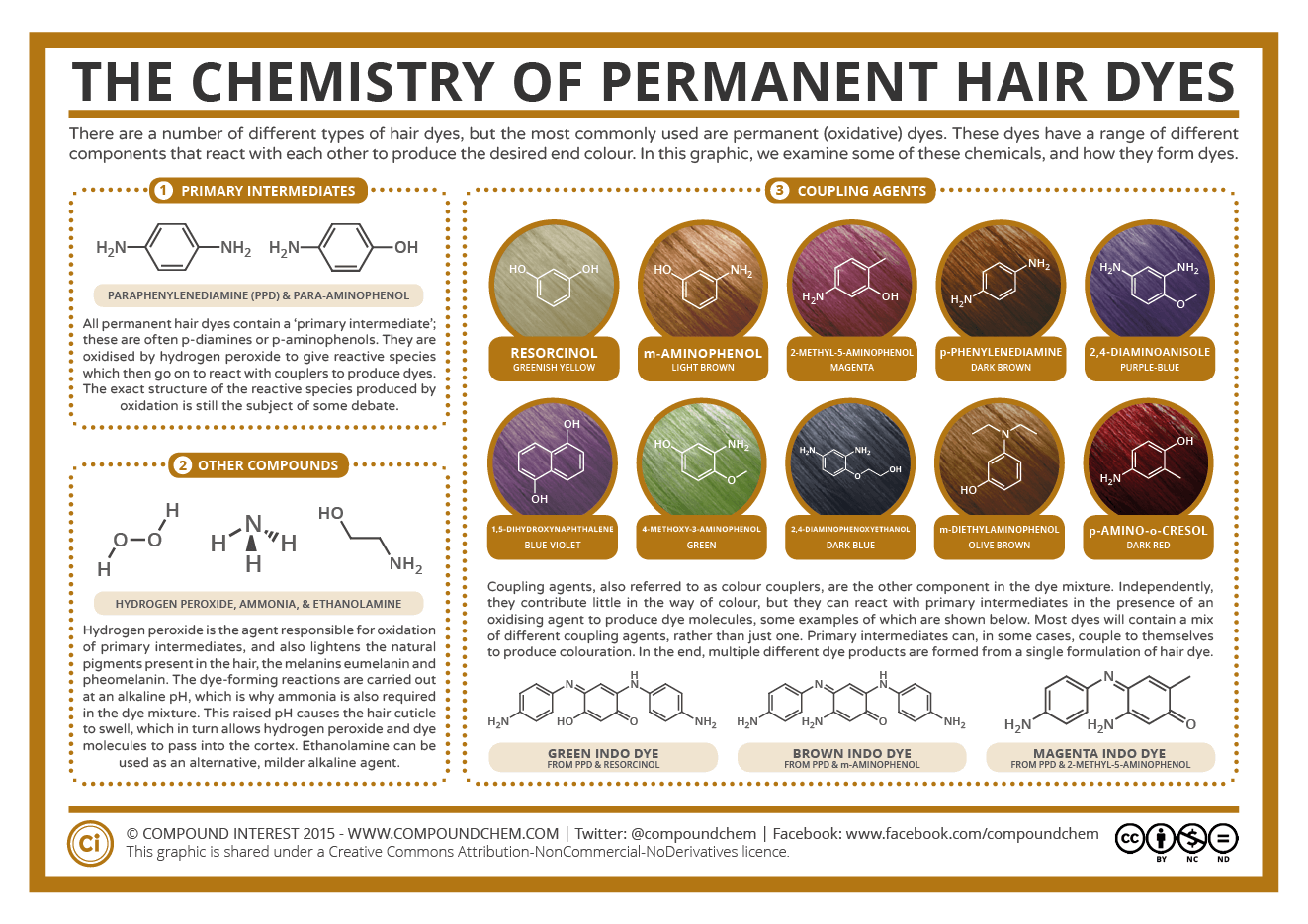
Chemical Composition of Hair Dye
Hair dyes typically contain a combination of coloring agents, solvents, and additives. The primary coloring agents are often derived from aromatic amines, which form strong chemical bonds with keratin in hair. When these dyes come into contact with skin, their small molecular size allows them to penetrate the outer epidermal layer, leading to potential staining.
Factors Influencing Dye Absorption into the Skin
Several factors determine how readily hair dye can stain skin, including:
- Skin Integrity: Broken or damaged skin can absorb dye more easily than intact skin.
- Dye Formulation: Permanent dyes typically contain more potent staining agents than semi-permanent or temporary dyes.
- Application Method: Techniques such as direct application or spills during the dyeing process can increase exposure to skin.
Types of Hair Dye and Their Staining Potential
Hair dyes can be categorized into three main types, each with varying staining potential:
- Permanent Dyes: These dyes penetrate deeply and are designed to last, resulting in a higher likelihood of skin staining.
- Semi-Permanent Dyes: These have a shorter lifespan and often do not penetrate as deeply, reducing their staining capability.
- Temporary Dyes: These primarily coat the hair surface and are less likely to stain skin, though they can still cause minor discoloration.
Skin Types and Their Reactions to Hair Dye
Individual skin types can influence how hair dye interacts with the skin. For instance:
- Oily Skin: May repel some dyes, leading to less staining.
- Dry Skin: Can absorb dyes more readily, resulting in more pronounced stains.
- Sensitive Skin: May react negatively to certain dye chemicals, causing irritation or allergic reactions.
Nuance in Hair Dye and Skin Interactions
Common misconceptions suggest all hair dyes stain equally; however, the formulation significantly impacts staining potential. Additionally, the timing of dye application and removal plays a critical role. For instance, immediate cleaning efforts can prevent deeper absorption, whereas allowing the dye to set increases the likelihood of a lasting stain. Understanding these subtleties can enhance the effectiveness of prevention and removal strategies.
Practical Application
To minimize the risk of staining, consider the following actions:
- Apply a protective barrier, such as petroleum jelly, around the hairline.
- Choose semi-permanent or temporary options when possible to reduce potential staining.
- Immediately clean any spills with a suitable solvent, such as rubbing alcohol or a commercial stain remover.
Expert Tips for Effective Hair Dye Removal
This section provides advanced techniques and insider tips for effectively removing hair dye from skin. Mastering these methods ensures a clean and irritation-free experience.
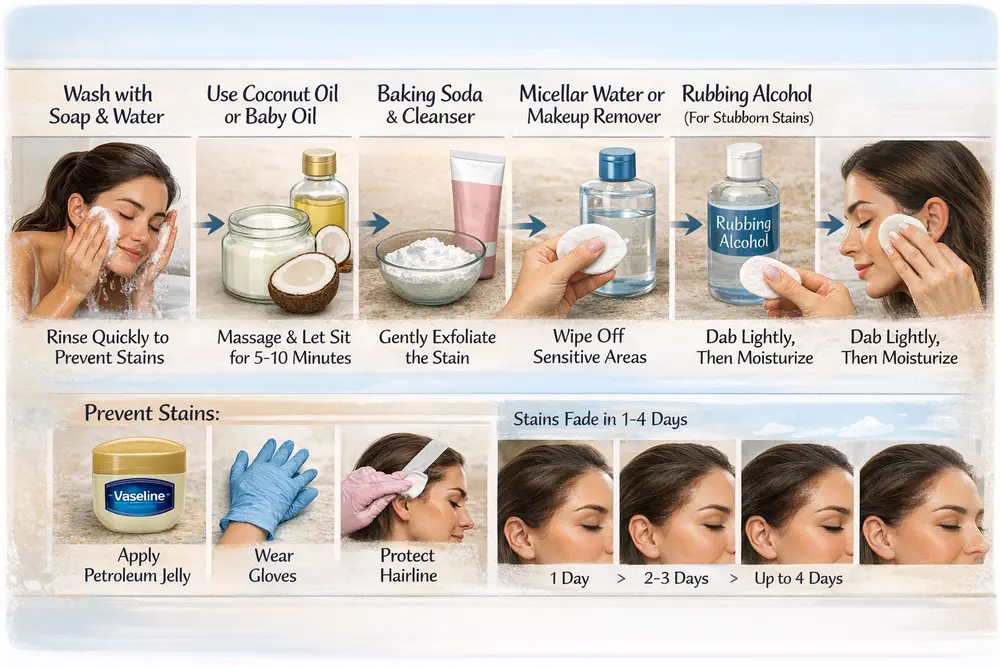
Step-by-Step Guide for Using Various Removal Products
Different products can be utilized for removing hair dye, each with its own method of application. Here’s a detailed guide:
- Baby Oil or Mineral Oil:
- Apply a generous amount of baby oil or mineral oil onto a cotton ball or pad.
- Gently rub the stained area in circular motions for 1-2 minutes.
- Wipe the area with a clean cloth to remove excess oil and dye.
- Makeup Remover:
- Soak a cotton ball with a non-oily makeup remover.
- Press it against the stain for 10-15 seconds to loosen the dye.
- Wipe away the dye using firm strokes until the area is clean.
- Dish Soap and Baking Soda:
- Mix equal parts of dish soap and baking soda to form a paste.
- Apply the paste directly onto the dye-stained skin.
- Gently scrub with your fingers or a soft cloth for 1-2 minutes, then rinse with warm water.
Timing and Techniques for Optimal Results
Timing is crucial for effective dye removal. The sooner the dye is addressed, the easier it is to remove. Ideally, attempt removal within:
- 1-2 hours after application for fresh stains.
- 24 hours for older stains, using more intensive methods.
Employ gentle pressure throughout the process. Aggressive scrubbing can irritate the skin and worsen the stain. Always test any removal product on a small skin area first to avoid allergic reactions.
Post-Removal Skincare to Soothe and Protect Skin
After successfully removing hair dye, it is essential to care for the skin to prevent irritation. Follow these steps:
- Clean the area with a mild soap and lukewarm water.
- Apply a soothing lotion or aloe vera gel to hydrate the skin.
- Consider using a gentle exfoliator 2-3 days later to ensure any residual dye is fully removed.
Common Myths About Hair Dye Removal Debunked
Several misconceptions can lead to ineffective removal attempts:
- Myth: Rubbing alcohol is the best solution for hair dye removal.
- Fact: While it can work, it often irritates the skin and should be used cautiously.
- Myth: Toothpaste can effectively remove hair dye stains.
- Fact: Toothpaste may contain abrasive ingredients that can damage the skin.
Understanding these myths helps in selecting the right approach for what gets hair dye off skin without causing harm.
Practical Application
To effectively remove hair dye from your skin, choose a suitable removal product based on the stain’s age. Apply the chosen method gently and follow up with proper skincare. Avoid common misconceptions and opt for skin-friendly alternatives to ensure both efficacy and safety.
Real-World Applications: Case Studies and Experiences
This section explores real-life examples and testimonials regarding effective methods for removing hair dye from skin. Understanding various experiences enhances knowledge of practical solutions available for common dye removal challenges.

Case Studies of Successful Dye Removal Methods
- Case Study 1: A user reported using a combination of baking soda and water to effectively remove semi-permanent dye from their forehead. After creating a paste and gently scrubbing for five minutes, the dye faded significantly, with complete removal after three applications.
- Case Study 2: Another individual utilized a commercial hair dye remover wipe, which resulted in immediate removal of dye from their hands. The product was praised for its ease of use and quick results, particularly for fresh stains.
- Case Study 3: A professional hair stylist shared that applying baby oil to stained skin worked well, especially for clients with sensitive skin. The oil effectively loosened the dye, allowing for easy removal with a cotton pad.
User Experiences with Different Products and Techniques
Experiences with various products reveal varying levels of effectiveness. Users have reported the following:
- Dish Soap: Many found that using dish soap combined with vinegar can lift dye stains. However, some experienced skin irritation, indicating the need for caution.
- Rubbing Alcohol: Effective for many, rubbing alcohol quickly removes dye but can be drying to the skin. Users recommended moisturizing afterward.
- Toothpaste: While some claimed success with whitening toothpaste, results varied widely, with many finding it ineffective for darker dyes.
Lessons Learned from Common Mistakes During Dye Removal
Several common mistakes can hinder successful dye removal:
- Waiting too long to treat the stain can make removal more difficult, as the dye sets into the skin.
- Using abrasive scrubs may cause skin irritation, especially for sensitive areas like the face.
- Forgetting to patch test new products can lead to adverse reactions, particularly with chemical removers.
Comparative Analysis of Results from Various Methods
A comparative analysis of popular removal methods reveals distinct advantages and disadvantages:
- Natural Remedies: Methods like baking soda and baby oil are generally safe but may require multiple applications for complete removal.
- Commercial Products: Items specifically designed for dye removal often yield quick results but may contain harsh chemicals that irritate the skin.
- Homemade Solutions: Mixtures like dish soap and vinegar can be effective, but results may vary based on skin type and dye formulation.
Many articles overlook the importance of individual skin chemistry and dye types, which can significantly affect results. For example, the same removal method may work well for a semi-permanent dye but fail for a permanent one. Additionally, misconceptions about the safety of various products can lead to adverse skin reactions, emphasizing the need for careful product selection.
To effectively remove hair dye from skin, consider the following actionable steps:
- Identify the type of dye used and choose a corresponding removal method.
- Perform a patch test with any new product to avoid skin irritation.
- Act quickly; the sooner the dye is treated, the easier it is to remove.
- Be gentle; avoid harsh scrubbing that can damage the skin.
Safety Considerations When Removing Hair Dye
This section addresses critical safety precautions and potential skin reactions associated with hair dye removal. Understanding these factors is essential for preventing adverse effects during and after the dyeing process.
Identifying Allergic Reactions and Skin Sensitivities
Allergic reactions to hair dye can manifest as redness, itching, swelling, or blistering. Ingredients such as **paraphenylenediamine (PPD)** are common allergens found in many commercial hair dyes. Conducting a patch test 48 hours prior to dye application can help identify sensitivities. If any symptoms occur, discontinue use immediately and rinse the area with cool water.
Safe Usage of Chemicals vs. Natural Remedies
When selecting products for removing hair dye from skin, consider the following:
- Chemical Products: Products containing alcohol or acetone are effective but may cause irritation. Use them sparingly and follow the instructions carefully.
- Natural Remedies: Options such as olive oil, baby oil, or coconut oil are gentler alternatives. These can effectively lift dye without harsh chemicals.
- pH-Balanced Cleaners: Mild cleansers designed for sensitive skin can also aid in removing stains without causing damage.
First Aid for Skin Irritation Caused by Hair Dye
If skin irritation occurs during hair dye removal, follow these steps:
1. Rinse the affected area with cool water immediately to remove any residual dye.
2. Apply a soothing cream or ointment, such as **hydrocortisone** or **aloe vera**, to alleviate discomfort.
3. If swelling or severe irritation persists, take an over-the-counter antihistamine to manage allergic responses.
When to Consult a Dermatologist for Persistent Stains
Persistent stains or severe skin reactions warrant professional evaluation. Consult a dermatologist if the following occurs:
– Stains remain after multiple attempts to remove them.
– Skin irritation does not improve after a few days of at-home care.
– You experience symptoms beyond localized irritation, such as widespread rashes or difficulty breathing.
Nuance / Expert Layer
A common misconception is that all hair dye removal methods are safe for all skin types. Individuals with **sensitive skin** may react differently to chemical solvents than those with robust skin. Additionally, many natural remedies can cause reactions as well; for instance, essential oils can irritate sensitive skin despite being considered “natural.” Understanding one’s skin type and doing thorough research on ingredients can prevent complications.
Practical Application
To safely remove hair dye from skin, begin with a patch test on a small area to assess any potential reactions. Choose natural remedies first, escalating to chemical options only if necessary. Always keep soothing agents on hand to address any irritation immediately. For persistent issues, do not hesitate to seek professional advice from a dermatologist.
Frequently Asked Questions
How do you remove hair dye from skin quickly?
To remove hair dye from skin quickly, use a cotton ball soaked in rubbing alcohol or hand sanitizer. Gently rub the stained area until the dye begins to lift.
What are the best products to get hair dye off skin?
Effective products for removing hair dye from skin include makeup remover, baby oil, and specialized dye removers. These products help dissolve the dye without irritating the skin.
Can hair dye stain skin permanently?
Hair dye can stain skin temporarily, but most stains can be removed with proper techniques. If left untreated, some dyes may take longer to fade but are generally not permanent.
How long does hair dye stay on skin?
Hair dye typically stays on the skin for a few hours to a few days, depending on the dye type and skin type. Prompt cleaning can significantly reduce the duration of the stain.
Is it safe to use bleach to remove hair dye from skin?
Using bleach to remove hair dye from skin is not recommended due to the risk of skin irritation and chemical burns. Safer alternatives exist that effectively remove stains without damaging the skin.
What household items can remove hair dye from skin?
Household items like baking soda, vinegar, and toothpaste can effectively remove hair dye from skin. These ingredients can help lift the stain when gently scrubbed on the affected area.
How to prevent hair dye from staining skin?
To prevent hair dye from staining skin, apply a thin layer of petroleum jelly or a barrier cream around the hairline before dyeing. Wearing gloves and using a cape can also help minimize contact with skin.
Final Thoughts on what gets hair dye off skin
Effectively removing hair dye from skin hinges on understanding the dye’s chemical interactions and employing targeted methods for removal. Quick action combined with the right products can prevent long-lasting stains, ensuring that the skin remains unblemished.
To achieve the best results, immediately apply a specialized hair dye remover or a combination of household items like rubbing alcohol or baby oil to the stained area, using gentle scrubbing motions to lift the color without damaging the skin.
Mastering hair dye removal techniques is essential not only for aesthetic reasons but also for maintaining skin health and confidence during hair coloring procedures.
Leave a Reply