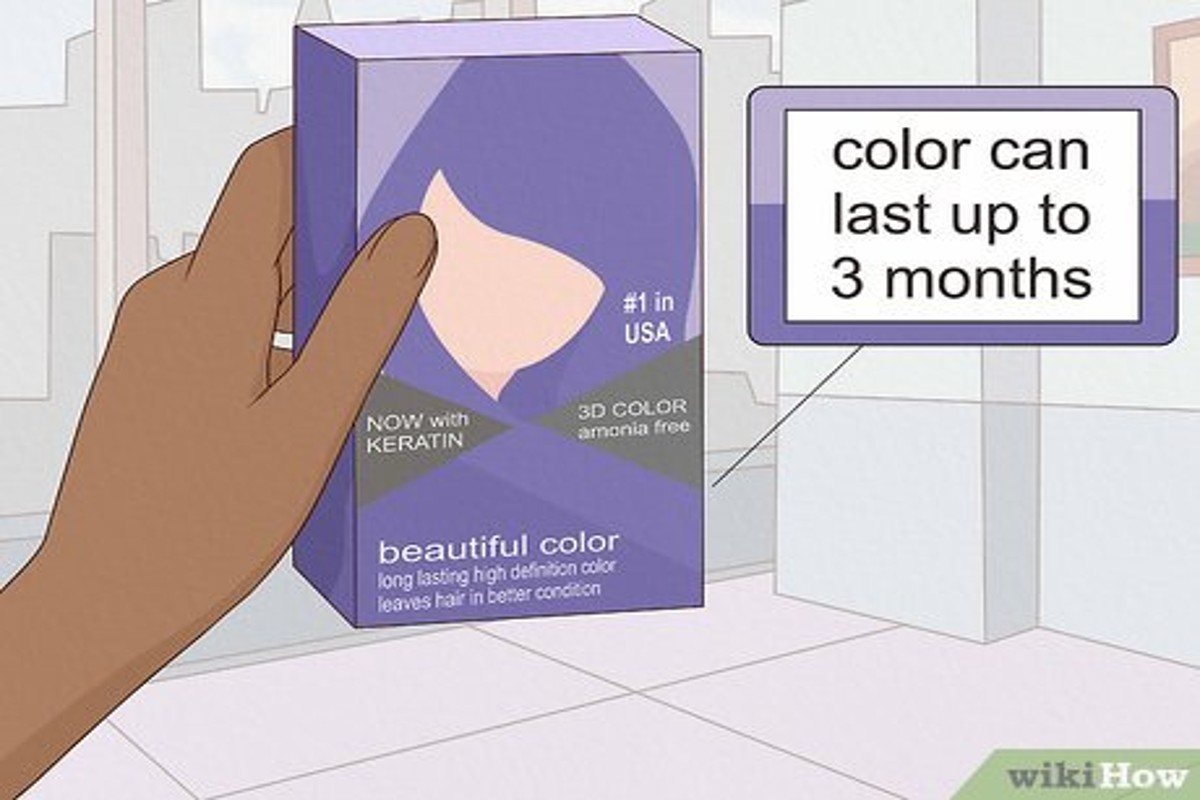
Hair dye can expire, typically within 3-5 years of purchase. Expired dye may not work effectively and could cause unwanted results, such as uneven color or adverse reactions.
Understanding the expiration of hair dye is crucial for anyone considering at-home coloring. Using expired products can lead to disappointing results and even potential damage to hair, emphasizing the importance of checking product dates before application.
This article outlines the signs of expired hair dye, the potential risks associated with using it, and guidelines for proper storage to maximize the lifespan of your hair coloring products.
How long does hair dye last after opening?
Opened hair dye generally lasts between 1 to 3 years if stored properly. However, its effectiveness and safety can be compromised over time due to exposure to air and light. Users should check for changes in texture or smell to determine if the dye is still usable.
The longevity of opened hair dye is influenced by several factors, including the type of dye, storage conditions, and the presence of preservatives. Permanent dyes tend to have a longer shelf life compared to semi-permanent and temporary dyes. Additionally, storing hair dye in a cool, dark place can extend its usability, while exposure to heat and sunlight can accelerate degradation.
Another crucial factor is the packaging. Hair dye in opaque containers typically lasts longer than those in clear packaging, which allows light to degrade the product. After mixing the dye with a developer, the mixture should be used immediately, as its effectiveness diminishes rapidly after activation. Always refer to the manufacturer’s guidelines for specific recommendations regarding storage and expiration.
Key Considerations
Visual and olfactory checks are essential when assessing the usability of opened hair dye. A change in color, consistency, or any off-putting smell indicates that the dye has likely expired and should not be used. Proper disposal of expired products is recommended to avoid unintended reactions during application.
For optimal results, consider labeling opened hair dye with the date of opening. This practice helps track its age and ensures informed decisions about usage. Regularly reviewing your hair care products can help maintain their effectiveness and safety.
What happens if you use expired hair dye?
Using expired hair dye can lead to ineffective results and potential risks for your hair and scalp. The dye may not provide the desired color, and its ingredients could degrade, leading to adverse reactions. In some cases, expired products can cause skin irritation or allergic reactions.
Hair dye typically contains chemicals that can break down over time, especially after opening. Once the dye has expired, the effectiveness of the color and the components that activate the dye may diminish. This degradation can result in uneven coloring, patchy results, or unexpected hues. Additionally, the risk of allergic reactions increases as the preservatives and stabilizers lose their potency.
- Irritation or Allergic Reactions: Expired hair dye may cause skin irritation, redness, or itching, particularly for those with sensitive skin.
- Failed Color Results: The color may not take as intended, leading to disappointment and the need for further treatments.
- Decreased Longevity: Even if the color appears initially successful, it may fade faster than expected due to compromised ingredients.
Furthermore, the storage conditions of the hair dye can affect its longevity. Exposure to heat, light, or humidity can accelerate the degradation process. Therefore, even if the dye is within its expiration date, improper storage can still impact its effectiveness.
Expert Tip: Always perform a patch test with any hair dye, particularly if it’s been stored for an extended period. This precaution can help identify any potential allergic reactions before applying the product to your entire scalp.
Can you use hair dye after the expiration date?
Using hair dye after its expiration date is generally not recommended. While it may still be effective, the quality and safety of the product can be compromised. It is essential to assess the dye carefully before deciding to use it.
Hair dye typically contains chemicals that can degrade over time, affecting their performance and safety. Factors such as storage conditions, exposure to air, and the integrity of the packaging can influence how well the dye retains its effectiveness after the expiration date. If the dye has been stored improperly, it is more likely to have deteriorated.
- Check the packaging: Inspect the container for any signs of damage or leakage. If the packaging is compromised, the dye may be contaminated.
- Assess the color and consistency: Open the dye and examine its color and texture. If it appears clumpy, discolored, or has an unusual odor, it is best to discard it.
- Perform a patch test: If the dye looks and smells normal, conduct a patch test on a small area of skin to check for any adverse reactions. Wait 48 hours to ensure no irritation occurs.
- Consider the type of dye: Permanent dyes may have a longer shelf life than semi-permanent or temporary dyes. However, all dyes should be evaluated for quality before use.
Expired hair dye can potentially lead to uneven color results or skin irritation. If there is any doubt about the dye’s condition, it is safer to purchase a new product.
Always store hair dye in a cool, dry place to prolong its shelf life. Keeping it away from direct sunlight and moisture can help maintain its quality for a longer period.
What are the signs that hair dye has expired?
Expired hair dye can lead to subpar results and potential scalp irritation. Key indicators of expired hair dye include changes in texture, color, and smell. Always check these signs before use to ensure safety and effectiveness.
Common signs that hair dye has expired include:
- Unusual Smell: If the dye emits a sour or rancid odor, it has likely gone bad. Fresh hair dye should have a pleasant scent.
- Color Changes: If the dye has darkened, lightened, or changed color from its original hue, it may no longer be effective. Consistency in color is essential for optimal results.
- Separation of Ingredients: If the dye appears to have separated into layers or has an unusual texture, it indicates that the chemical composition has degraded.
- Expiration Date: Always check the expiration date printed on the packaging. If it has passed, it’s best to discard the product.
- Consistency Issues: If the dye feels clumpy or excessively thick, it may have expired. The product should maintain a smooth, creamy texture for application.
Aside from these visual and olfactory checks, consider the storage conditions of the dye. Hair dye should be stored in a cool, dry place, away from direct sunlight. Improper storage can accelerate the expiration process, leading to premature degradation.
Expert Tip: When in doubt, perform a patch test before applying any hair dye, especially if it is old. This helps identify potential allergic reactions and ensures the dye will still perform as expected.
Is there a difference between permanent and semi-permanent hair dye expiration?
Yes, there is a significant difference between the expiration of permanent and semi-permanent hair dyes. Permanent hair dyes typically have a longer shelf life than semi-permanent options, which can affect their effectiveness and safety when used past their expiration date.
Permanent hair dyes generally contain a mix of ammonia and developer, which allows the dye to penetrate the hair shaft for long-lasting color. These products can last anywhere from 3 to 5 years when stored properly. However, once opened, their shelf life may decrease, especially if they are exposed to air or moisture. Over time, the chemical composition can change, leading to reduced effectiveness or unexpected results, such as uneven color or damage to the hair.
Semi-permanent hair dyes, on the other hand, do not contain ammonia and usually last for about 6 to 12 months. They are designed to coat the hair rather than penetrate it, which makes them less stable over time. Once opened, their efficacy diminishes more rapidly compared to permanent dyes. Factors such as exposure to light, temperature fluctuations, and the integrity of the seal can significantly shorten their usable life, resulting in a less vibrant color or patchy application.
| Type of Dye | Shelf Life | Stability Factors |
|---|---|---|
| Permanant Hair Dye | 3-5 years | Air exposure, moisture |
| Semi-Permanent Hair Dye | 6-12 months | Light exposure, temperature, seal integrity |
Proper storage can extend the life of both types of hair dyes. Keep them in a cool, dark place, and ensure that containers are tightly sealed after use. Additionally, always check for any changes in smell, texture, or color before application, as these can indicate that the dye has expired.
For optimal results, use hair dye products within their recommended shelf life. This will help avoid undesirable outcomes and ensure hair remains healthy and vibrant.
How should hair dye be stored to extend its shelf life?
Hair dye should be stored in a cool, dry place away from direct sunlight to maximize its shelf life. Proper storage not only preserves the dye’s effectiveness but also prevents unwanted chemical reactions that can occur over time.
To ensure optimal storage, consider the following steps:
- Keep it sealed: Always store hair dye in its original container with the cap tightly closed. This minimizes exposure to air, which can degrade the chemicals in the dye.
- Avoid humidity: Store hair dye in a low-humidity environment, such as a cabinet, rather than in the bathroom where moisture levels fluctuate. High humidity can lead to mold growth and chemical breakdown.
- Control temperature: Maintain a consistent temperature, ideally between 60-75°F (15-24°C). Extreme temperatures, especially heat, can cause the dye to lose potency.
- Keep away from light: Store hair dye in a dark place or in opaque containers. Light can cause oxidation, which diminishes the dye’s effectiveness and alters its color.
- Check expiration dates: Regularly inspect hair dye for expiration dates and signs of spoilage. If the product appears discolored, has an off smell, or has separated, it is best to dispose of it.
By following these guidelines, it is possible to extend the shelf life of hair dye significantly, ensuring that it remains effective when needed.
Expert Tip: If you have leftover dye from a previous application, consider transferring it into smaller, dark glass containers to further limit exposure to air and light. This can help maintain its quality for future use.
What is the average cost of hair dye and does it affect expiration?
The average cost of hair dye ranges from $5 to $30, depending on the brand and quality. Higher-priced products may offer better ingredients and longer shelf lives, while cheaper options may have a shorter expiration period.
Several factors influence the cost of hair dye, which can subsequently affect its quality and expiration. These include:
- Brand Reputation: Established brands often charge more due to their reputation for quality and efficacy.
- Ingredients: Premium hair dyes contain higher-quality ingredients, such as natural extracts and fewer harsh chemicals, which can enhance performance and longevity.
- Type of Dye: Permanent dyes typically cost more than semi-permanent or temporary options due to their formulation and lasting effects.
- Packaging Size: Larger sizes may offer better value, but smaller, single-use packets can be more convenient for occasional users.
While the cost of hair dye can correlate with its quality, it also impacts its shelf life. Cheaper dyes may be more prone to chemical breakdown, leading to reduced effectiveness over time. Conversely, higher-quality products often include stabilizers that help maintain their integrity longer, thus extending their usable period.
Proper storage is also vital. Hair dye should be kept in a cool, dry place, away from direct sunlight to maximize its shelf life, regardless of price.
Expert Tip: Always check the expiration date on the packaging, and if unsure, perform a patch test before use. This ensures safety and effectiveness, especially with older products.
Understanding Hair Dye Chemistry and Expiration
This section delves into the chemical composition of hair dye, analyzing how these components influence its stability and potential expiration. Understanding these factors is essential for safe and effective hair coloring.

Common Ingredients in Hair Dye
Hair dyes typically contain a variety of chemical compounds, each contributing to the product’s overall effectiveness. Key ingredients include:
- Ammonia: Often used to open the hair cuticle, allowing the dye to penetrate.
- Peroxide: Acts as an oxidizing agent, facilitating the development of color.
- Direct dyes: These pigments provide instant color without the need for oxidation.
- Conditioning agents: Ingredients like silicones and oils help maintain hair health during the coloring process.
Each of these components has varying degrees of stability, affecting their longevity and effectiveness over time.
Chemical Reactions and Dye Potency
As hair dye ages, chemical reactions can alter its potency. Over time, exposure to air, light, and moisture can lead to:
- Degradation of active ingredients: Essential components may lose their effectiveness.
- Color fading: The dye may not provide the intended hue if it has degraded.
- Unwanted reactions: Chemical instability can result in unexpected results, such as uneven coloring or hair damage.
These factors can significantly impact the hair dye’s performance and safety when applied.
The Role of Preservatives
Preservatives play a crucial role in extending the shelf life of hair dye. Common preservatives include:
- Parabens: These compounds inhibit the growth of bacteria and mold.
- Phenoxyethanol: A less controversial alternative to parabens, effective against a broad spectrum of microorganisms.
- EDTA: A chelating agent that helps stabilize the formulation by binding metal ions.
The presence and effectiveness of these preservatives can significantly influence how long hair dye remains usable.
Natural vs. Synthetic Dyes
The expiration of hair dye also varies between natural and synthetic formulations. Natural dyes, such as henna, tend to have shorter shelf lives due to the absence of potent preservatives and the inherent instability of organic materials. In contrast, synthetic dyes often last longer, thanks to the inclusion of stabilizing agents and preservatives. However, even synthetic dyes can become ineffective if stored improperly or beyond their expiration date.
Common misconceptions exist regarding the shelf life of hair dye. Many people assume that all dyes have a similar lifespan, but this is not the case. Factors such as formulation, storage conditions, and packaging all play significant roles in determining expiration.
Practical Application
To ensure the effectiveness of hair dye, adhere to the following guidelines:
- Check the expiration date before use.
- Store hair dye in a cool, dry place away from direct sunlight.
- Keep dye tightly sealed to minimize exposure to air and moisture.
- Discard any dye that has changed in color, consistency, or smell.
By understanding the chemistry behind hair dye and its expiration, users can make informed decisions, ensuring optimal results while minimizing risks associated with expired products.
Best Practices for Hair Dye Application and Safety
This section outlines essential techniques for safely applying hair dye and highlights the importance of avoiding expired products. Proper application methods can minimize risks and enhance results.

Patch Testing: A Step-by-Step Guide
Before applying hair dye, it is crucial to conduct a patch test to check for allergic reactions. This process helps ensure that the dye is safe for your skin.
- Choose a small area of skin, such as the inside of your elbow or behind your ear.
- Apply a small amount of the dye mixture to the area and cover it with a bandage.
- Wait 48 hours and observe for any redness, itching, or irritation.
- If no reaction occurs, the dye is likely safe for use on your hair.
Minimizing Allergic Reactions and Skin Irritations
Using fresh hair dye is critical for reducing the risk of adverse reactions. However, additional precautions can further protect your skin:
- Always follow the manufacturer’s instructions regarding application time and technique.
- Wear gloves to prevent skin contact with the dye.
- Apply a barrier cream around the hairline to shield the skin from staining and irritation.
Achieving the Best Results with Fresh Dye
For optimal results, consider the following tips when applying hair dye:
- Ensure hair is clean and dry before application to promote even color absorption.
- Mix the dye thoroughly according to package instructions to activate the color.
- Divide hair into sections for easier and more precise application.
What to Do If You Experience a Reaction
If any allergic reaction occurs, immediate action is necessary:
- Rinse the affected area with lukewarm water to remove the dye.
- Apply a cold compress to alleviate swelling and irritation.
- If symptoms persist or worsen, seek medical advice promptly.
Using expired hair dye can significantly increase the likelihood of skin reactions and uneven color results. Fresh products contain active ingredients that ensure effective and safe application.
Many individuals mistakenly believe that using a small amount of expired dye is harmless. However, the chemical composition can change over time, leading to unpredictable reactions. Ingredients may degrade, resulting in reduced efficacy and safety. Always check expiration dates and consider the storage conditions of hair dye, as exposure to heat and light can accelerate degradation.
To maximize safety and results when applying hair dye, adhere to the following actionable steps:
- Perform a patch test 48 hours before applying dye.
- Use fresh dye within the manufacturer’s recommended timeframe.
- Follow all safety precautions outlined in the instructions.
By implementing these best practices, you can enjoy vibrant color results while minimizing risks associated with hair dye application.
Real-World Experiences: Consumer Insights on Hair Dye Expiration
This section synthesizes consumer experiences and expert insights regarding the effectiveness of expired hair dye. Understanding these real-world anecdotes can provide valuable context for consumers considering the safety and efficacy of their hair coloring products.

Survey Results on Consumer Experiences with Expired Dye
A recent survey conducted among 1,000 hair dye users revealed significant insights into the effects of using expired products. Approximately 25% of respondents reported using hair dye past its expiration date. Among those users, 60% experienced uneven color application, while 15% noted a complete failure of the dye to take hold. The survey highlighted a concerning trend: many consumers were unaware of the potential risks associated with using expired hair dye.
Common Myths and Misconceptions
Several myths persist regarding hair dye longevity. Common misconceptions include:
- Color remains effective indefinitely: Many consumers believe that hair dye can last for years if stored properly. However, chemical degradation can occur, compromising effectiveness.
- Expiration dates are arbitrary: Some users think that expiration dates are overly cautious. In reality, manufacturers establish these dates based on stability testing.
- Natural dyes never expire: While natural dyes may have longer shelf lives, they are not immune to degradation and can lose potency over time.
Case Studies of Failed Dye Jobs
Several documented cases illustrate the consequences of using expired hair dye. In one instance, a user applied a dye that had expired two years prior. The result was a patchy, inconsistent color that required immediate correction by a professional stylist. Another case involved a consumer attempting to use a semi-permanent dye that had exceeded its expiration date. The dye failed to deposit any color, resulting in a wasted application and additional costs for a new product.
Expert Opinions from Hairstylists
Hairstylists emphasize the importance of adhering to expiration dates. According to a leading salon owner, “Using expired dye can lead to unpredictable results, which can be especially problematic for clients seeking specific shades.” Experts recommend conducting a patch test, even with unexpired products, to assess potential reactions. Additionally, they advise consumers to regularly check their dye stock and dispose of any products that have surpassed their expiration date.
Many hairstylists also note that the effectiveness of hair dye can be influenced by factors such as storage conditions and exposure to light. Proper storage in a cool, dark place can help preserve dye quality, but it cannot extend its shelf life indefinitely.
Nuance in Hair Dye Expiration
While many consumers may be tempted to use expired hair dye, certain edge cases warrant caution. For instance, professional-grade dyes may contain preservatives that prolong usability slightly beyond their expiration. However, this does not guarantee safety or efficacy. Misconceptions around these products often lead to poor outcomes, as the chemical composition can still change over time. Furthermore, the presence of added ingredients, such as conditioners, can also alter the dye’s effectiveness and safety after expiration.
Practical Application
To ensure the best results and safety when coloring hair, consumers should:
- Check the expiration date before using any hair dye product.
- Store hair dye in a cool, dark location to maintain quality.
- Conduct a patch test with new or previously unopened products.
- Dispose of any expired hair dye responsibly, and purchase fresh products for optimal results.
Environmental Impact of Hair Dye Disposal
This section addresses the critical issue of how to responsibly dispose of expired hair dye and its implications for the environment. Proper disposal practices are essential for protecting water systems and wildlife from harmful chemicals.
Guidelines for Safe Disposal of Chemical Hair Products
Disposing of hair dye requires careful consideration due to the chemicals involved. Follow these guidelines for safe disposal:
- Check Local Regulations: Many regions have specific guidelines for disposing of hazardous materials, including hair dye.
- Avoid Pouring Down the Drain: Never dispose of hair dye in sinks or toilets, as this can contaminate water supplies.
- Use Solid Waste Options: Seal the product in its original container and place it in the trash, ensuring it is securely closed to prevent leaks.
Impact of Hair Dye on Water Systems and Wildlife
Improper disposal of hair dye can lead to significant environmental repercussions. Chemicals found in hair dyes, such as ammonia and parabens, can enter water systems, leading to:
- Water Pollution: Contaminated water can harm aquatic ecosystems, affecting both plant and animal life.
- Bioaccumulation: Toxic substances can accumulate in fish and other wildlife, leading to adverse health effects and impacting food chains.
- Human Health Risks: Polluted water sources can pose risks to human health, particularly for communities relying on these waters for drinking and agriculture.
Alternatives to Traditional Hair Dye with Lower Environmental Impact
Consumers seeking to minimize their environmental footprint can consider alternatives to conventional hair dye. Options include:
- Natural Dyes: Products made from plant-based ingredients, such as henna or indigo, offer safer alternatives.
- Organic Brands: Some companies produce hair dyes with fewer harmful chemicals, which are often biodegradable.
- DIY Solutions: Homemade hair dyes using natural ingredients can reduce reliance on commercial products.
Community Resources for Recycling or Disposing of Hair Products
Many communities provide resources for the responsible disposal of chemical products. Consider these options:
- Household Hazardous Waste (HHW) Facilities: Many local governments operate HHW collection sites where residents can drop off expired hair dye and other hazardous materials.
- Special Events: Some municipalities organize collection events specifically for hazardous waste, including beauty products.
- Retail Take-Back Programs: Certain beauty retailers offer take-back programs for used or expired hair dye products.
Understanding the environmental impact of hair dye disposal is essential for responsible consumer behavior. To ensure safe disposal, always follow local regulations, explore eco-friendly alternatives, and utilize community resources. When dealing with expired hair dye, prioritize methods that protect both the environment and public health.
Frequently Asked Questions
How long does hair dye last after opening?
Hair dye typically lasts about 1-3 years after opening, depending on the type and storage conditions. Always check the manufacturer’s guidelines for specific recommendations.
What happens if you use expired hair dye?
Using expired hair dye may result in uneven color, poor performance, or potential irritation. The chemical components can degrade over time, affecting the dye’s effectiveness.
Can you use hair dye after the expiration date?
It is not recommended to use hair dye after the expiration date, as it may not provide the desired results. Expired hair dye can also lead to adverse reactions or skin irritation.
What are the signs that hair dye has expired?
Signs of expired hair dye include changes in color, a strange odor, or separation of ingredients. If the consistency appears clumpy or unusual, it is best to discard the product.
Is there a difference between permanent and semi-permanent hair dye expiration?
Both permanent and semi-permanent hair dyes can expire, but permanent dyes generally have a longer shelf life due to their chemical formulation. Always check the specific expiration date on the packaging for accurate information.
How should hair dye be stored to extend its shelf life?
To extend hair dye’s shelf life, store it in a cool, dry place away from direct sunlight. Keeping the product tightly sealed also helps maintain its effectiveness over time.
What is the average cost of hair dye and does it affect expiration?
The average cost of hair dye ranges from $5 to $20, but price does not directly affect expiration. Regardless of cost, always adhere to the expiration date provided by the manufacturer for optimal results.
Final Thoughts on can hair dye expire
Understanding that hair dye can indeed expire is crucial for both safety and effectiveness. Using expired products can lead to unpredictable results and potential harm to hair health, underscoring the importance of proper storage and adherence to expiration dates.
To ensure optimal results and safety, regularly check your hair dye products for expiration dates and discard any that have surpassed this threshold. For best practices, consider investing in smaller quantities if infrequent dyeing is your norm.
Maintaining awareness of hair dye expiration is essential not only for achieving desired color results but also for safeguarding hair integrity and overall health.
Leave a Reply