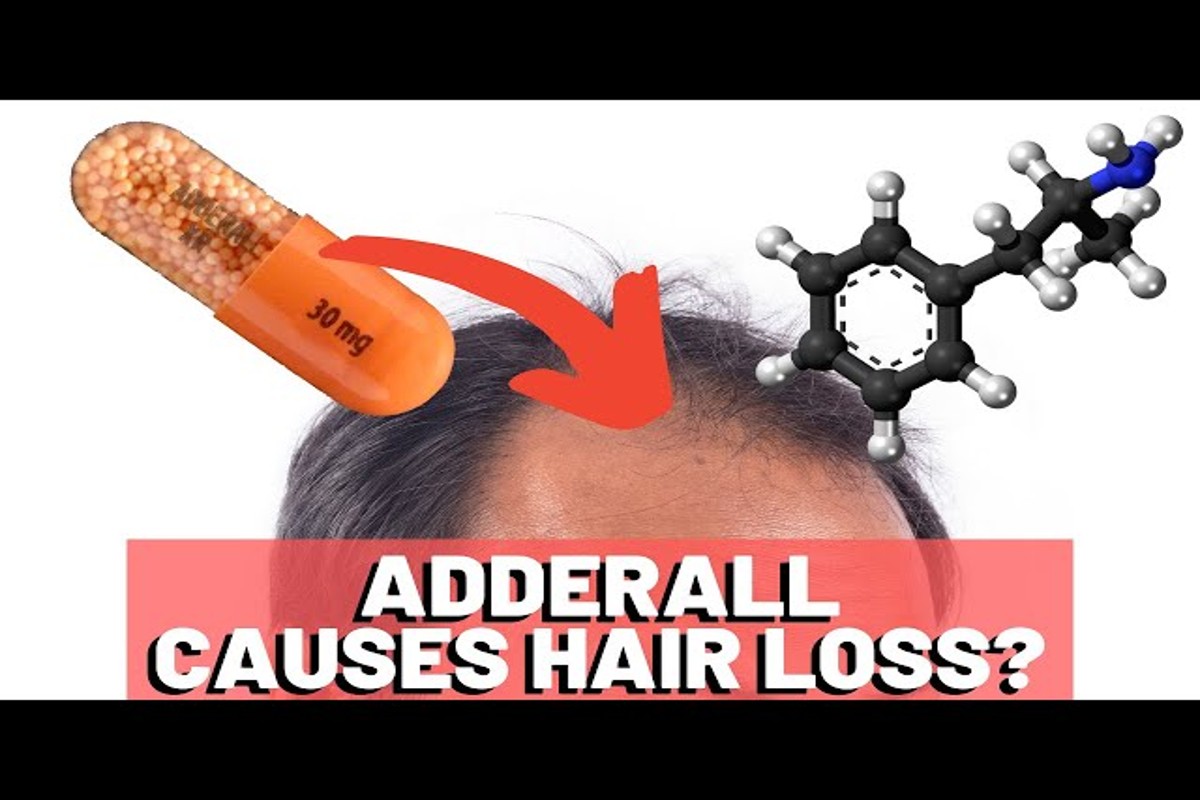
Yes, Adderall can cause hair loss in some individuals. This side effect is often linked to stress, hormonal changes, or nutritional deficiencies associated with the medication.
Understanding the potential for hair loss due to Adderall is crucial for patients and healthcare providers alike. Misinterpretation of this side effect may lead to unnecessary anxiety or improper treatment decisions, impacting overall health and well-being.
This article will examine the mechanisms behind Adderall-induced hair loss, explore the role of stress and nutrition, and provide actionable solutions for those affected.
What are the side effects of Adderall?
Adderall can cause a range of side effects, both common and rare, including potential hair loss. While most users tolerate the medication well, some may experience adverse reactions that can affect their overall well-being.
Common side effects include:
- Insomnia
- Increased heart rate
- Dry mouth
- Loss of appetite
- Nervousness or anxiety
Less frequently, individuals may report rare side effects, which can include:
- High blood pressure
- Psychosis or hallucinations
- Skin rashes
- Hair loss
Hair loss related to Adderall is not a widely reported side effect, but it can occur in some individuals. This may be attributed to factors such as stress, nutritional deficiencies, or hormonal changes induced by the medication. The exact mechanism behind this side effect remains unclear, but users experiencing significant hair loss should consult their healthcare provider to evaluate possible contributing factors.
It is essential for patients to monitor their reactions to Adderall and communicate any concerning symptoms to their doctor. Adjusting the dosage or switching medications may mitigate some of the adverse effects experienced.
Expert Tip: Regular check-ups with a healthcare provider can help manage side effects effectively. Consider discussing dietary adjustments or supplements that may support hair health if hair loss becomes a concern.
How does Adderall affect hair growth?
Adderall can affect hair growth primarily through its impact on the body’s hormonal balance and stress response. The medication may lead to hair loss in some individuals, although this side effect is not universally experienced. Factors such as dosage, individual biology, and duration of use can influence the extent of hair loss.
- Adderall can stimulate the central nervous system, increasing levels of stress hormones like cortisol. Elevated cortisol can disrupt the hair growth cycle, leading to hair thinning or loss.
- The medication may also cause changes in blood circulation. Reduced blood flow to the scalp can impair nutrient delivery to hair follicles, negatively affecting hair health.
- Some users may experience a decrease in appetite, potentially leading to nutritional deficiencies. Lack of essential vitamins and minerals, such as iron and biotin, can contribute to hair loss.
While hair loss is a potential side effect of Adderall, it is not common for everyone. Individual response to the medication varies widely, and some may not experience any changes in hair growth. If hair loss occurs, it is advisable to consult a healthcare professional to assess the situation and explore alternatives or solutions.
Expert Tip: Monitor your overall nutritional intake while on Adderall, as maintaining a balanced diet rich in vitamins can support hair health and mitigate potential side effects.
Is hair loss from Adderall permanent?
Hair loss caused by Adderall is typically temporary rather than permanent. While some individuals may experience thinning hair during their treatment, most regain their hair after discontinuation of the medication or adjustment of dosage.
There are several factors that influence whether hair loss from Adderall could be permanent. First, the type of hair loss experienced matters. Many users report a condition known as telogen effluvium, which is characterized by temporary shedding of hair due to stress or medication. This condition usually resolves itself within a few months after stopping the medication. In contrast, if the hair loss is related to an underlying condition exacerbated by Adderall, such as hormonal imbalances, it may not be reversible without additional treatment.
Additionally, individual factors such as genetics, overall health, and duration of Adderall use can play a significant role in hair loss outcomes. For instance, those with a family history of androgenetic alopecia may be more predisposed to permanent hair loss. The dosage of Adderall can also affect hair health; higher doses might increase the risk of adverse effects, including hair loss. Therefore, it is crucial to monitor changes in hair health and consult healthcare providers for personalized advice.
Key Differences in Hair Loss Types
- Telogen Effluvium: Temporary and often reversible upon cessation of medication.
- Androgenetic Alopecia: Genetic predisposition leading to permanent hair loss, possibly exacerbated by medication.
- Stress-Related Loss: Can be temporary; resolving the stressor often leads to hair regrowth.
Hair loss associated with Adderall is generally not permanent for most individuals. Monitoring and addressing any underlying conditions can further support hair regrowth.
What can I do to prevent hair loss while on Adderall?
To prevent hair loss while taking Adderall, consider implementing specific lifestyle changes and hair care practices. These strategies can help mitigate potential hair loss associated with the medication. Maintaining a healthy scalp and hair environment is essential.
- Maintain a Balanced Diet: Ensure your diet includes sufficient protein, vitamins, and minerals. Nutrients like biotin, zinc, and iron are critical for hair health. Foods such as eggs, nuts, spinach, and lean meats can support hair growth.
- Stay Hydrated: Drink plenty of water daily. Dehydration can affect hair health, leading to dryness and brittleness. Aim for at least eight 8-ounce glasses of water each day.
- Practice Gentle Hair Care: Avoid harsh hair treatments, such as excessive heat styling or chemical processing. Use a mild shampoo and conditioner to minimize stress on your hair. Limit washing to 2-3 times a week to preserve natural oils.
- Manage Stress Levels: High stress can exacerbate hair loss. Incorporate stress-reducing techniques such as yoga, meditation, or regular exercise. These practices can improve overall well-being and promote healthier hair.
- Consult a Healthcare Professional: Discuss your concerns with a doctor or dermatologist. They can provide tailored advice, recommend supplements, or consider alternative medications if hair loss becomes significant.
Regularly monitoring your hair health is crucial. Early intervention can prevent more severe hair loss issues. Make adjustments as needed based on your response to these strategies.
Prioritizing scalp health is vital; consider using topical treatments that promote hair growth and circulation. Ingredients like minoxidil may offer additional support when used under professional guidance.
Can stopping Adderall reverse hair loss?
Yes, stopping Adderall can potentially reverse hair loss, but the timeline for regrowth varies among individuals. Generally, noticeable hair regrowth may occur within 3 to 6 months after discontinuation. However, factors such as the duration of Adderall use, individual health, and underlying causes of hair loss can influence this timeline.
When Adderall is stopped, the body begins to restore its natural balance, which may help reverse the hair loss associated with the medication. The hair growth cycle consists of several phases: anagen (growth), catagen (transition), and telogen (resting). Hair loss may occur during the telogen phase, where hair follicles enter a resting state. After discontinuation, follicles may re-enter the anagen phase, allowing for new hair growth. This process can take several months, as hair typically grows at an average rate of half an inch per month.
Additionally, individual factors play a significant role in the recovery timeline. Genetics, overall health, and nutritional status can all affect hair regrowth. For example, if hair loss was exacerbated by poor nutrition or stress, addressing these factors alongside stopping Adderall may lead to quicker results. Conversely, if hair loss was due to an underlying condition unrelated to medication, regrowth may take longer or require further medical intervention.
Key Takeaway: For optimal results, individuals should consider consulting a healthcare provider to assess any underlying issues affecting hair health and to establish a tailored plan for recovery after stopping Adderall.
Are there alternatives to Adderall that don’t cause hair loss?
Yes, there are alternatives to Adderall for treating ADHD that may have a lower risk of hair loss. Medications such as atomoxetine, guanfacine, and bupropion are commonly considered. Each of these alternatives works differently in the brain and may be more suitable for individuals concerned about hair loss.
Atomoxetine is a selective norepinephrine reuptake inhibitor (NRI) that is FDA-approved for ADHD. Unlike Adderall, which is a stimulant, atomoxetine is a non-stimulant medication that primarily affects norepinephrine levels. This difference in mechanism may result in a lower incidence of side effects, including hair loss. Clinical studies suggest that atomoxetine has a profile that does not commonly associate with hair loss, making it a viable option for those affected by this concern.
Guanfacine is another non-stimulant medication used for ADHD. It is an alpha-2 adrenergic agonist that works by affecting receptors in the brain to improve attention and reduce impulsivity. Although less commonly prescribed than stimulant medications, guanfacine has shown potential benefits without the same risk of hair loss associated with Adderall. Additionally, bupropion, an antidepressant that affects dopamine and norepinephrine levels, can also be used off-label for ADHD. While its primary use is for depression, it is known to have a different side effect profile compared to stimulants.
- Atomoxetine: Non-stimulant, selective norepinephrine reuptake inhibitor, lower risk of hair loss.
- Guanfacine: Non-stimulant, alpha-2 adrenergic agonist, beneficial for attention without hair loss risk.
- Bupropion: Antidepressant, affects dopamine and norepinephrine, may be effective for ADHD.
When considering alternatives, it is crucial to consult a healthcare provider to determine the best medication based on individual health profiles and symptom management. Each alternative has its own set of potential side effects and benefits, which should be weighed carefully.
Expert Tip: Monitoring hair health during any ADHD treatment is advisable. If hair loss occurs, discussing medication adjustments with a healthcare provider can lead to more suitable alternatives or additional therapies to support hair health.
What nutritional deficiencies can Adderall cause?
Adderall can lead to several nutritional deficiencies, particularly in vitamins and minerals essential for overall health and hair quality. Common deficiencies linked to its use include vitamin B6, magnesium, and zinc, all of which play vital roles in hair growth and maintenance.
For instance, consider a scenario where an individual takes Adderall to manage attention-deficit hyperactivity disorder (ADHD) consistently. The stimulant properties of Adderall can suppress appetite, leading to a reduced intake of nutrient-rich foods. Over time, this can result in a deficiency of vitamin B6, which is crucial for protein metabolism and the formation of neurotransmitters that promote healthy hair follicles. A lack of this vitamin can contribute to hair thinning and loss.
Similarly, magnesium and zinc are often depleted by the increased metabolic rate associated with stimulant medications. Magnesium is vital for over 300 biochemical reactions in the body, including those that support hair follicle health. Zinc, on the other hand, is essential for cell reproduction and tissue growth, directly influencing hair growth cycles. Insufficient levels of these minerals can exacerbate hair loss, leading to noticeable thinning or shedding.
Expert Tip: Regular monitoring of nutritional intake and supplementation, if necessary, can help mitigate the adverse effects of Adderall on hair health. Consulting with a healthcare provider or a nutritionist can provide tailored strategies to address these deficiencies effectively.
Understanding the Mechanism: How Adderall Affects Hair Loss
This section elucidates the complex interactions between Adderall, neurotransmitters, and hair follicle health, highlighting why some individuals may experience hair loss while on this medication.

The Role of Neurotransmitters in Hair Follicle Health
Adderall primarily functions by increasing levels of neurotransmitters, particularly dopamine and norepinephrine. These neurotransmitters play vital roles in regulating various physiological processes, including hair growth. Dopamine influences the proliferation of hair follicle cells, while norepinephrine can impact blood flow to the scalp. Imbalances in these neurotransmitters may disrupt the hair growth cycle, potentially leading to hair thinning or loss.
Impact of Stimulant Medications on Stress Hormones
Stimulant medications like Adderall can elevate stress hormones, particularly cortisol. Elevated cortisol levels are linked to telogen effluvium, a condition characterized by temporary hair loss due to increased hair follicle shedding. Chronic stress induced by stimulant use may exacerbate this effect, leading to noticeable hair loss in susceptible individuals.
Nutritional Absorption Issues Linked to Adderall
Adderall can affect appetite and, consequently, nutritional intake. Reduced food consumption may lead to deficiencies in essential nutrients, such as zinc, biotin, and protein, which are crucial for maintaining healthy hair. Inadequate nutrient absorption can weaken hair follicles and impair the hair growth cycle, further contributing to hair loss.
Genetic Predisposition and Its Interaction with Medication
Individuals with a genetic predisposition to hair loss may experience exacerbated effects from Adderall. Conditions like androgenetic alopecia can be triggered or worsened by the introduction of stimulant medications. Genetic factors can influence how hair follicles respond to hormonal changes induced by Adderall, making certain individuals more susceptible to hair loss.
Nuance / Expert Layer
While many articles discuss the potential for Adderall to cause hair loss, they often overlook the multifactorial nature of this issue. Factors such as dosage, duration of use, and individual susceptibility play significant roles. Some patients may not experience hair loss despite prolonged Adderall use, indicating that the medication’s effects are not universally applicable. Furthermore, misconceptions exist regarding the direct causation of hair loss; while Adderall may contribute to hair loss in some, it is rarely the sole factor. Comprehensive assessment of lifestyle, diet, and genetics is essential for understanding the full picture of hair health in patients using Adderall.
Practical Application
- Monitor hair health regularly if using Adderall, particularly if there is a family history of hair loss.
- Consult with a healthcare provider about potential dosage adjustments if experiencing hair thinning.
- Prioritize a balanced diet rich in vitamins and minerals that support hair health.
- Consider stress-reduction techniques such as mindfulness or exercise to mitigate cortisol levels.
Lifestyle Adjustments to Combat Hair Loss from Adderall
Implementing lifestyle changes can play a significant role in mitigating hair loss associated with Adderall use. This section outlines dietary recommendations, stress management techniques, the importance of regular exercise, and supplements that may support hair health.
Dietary Recommendations for Hair Health
A well-balanced diet is essential for maintaining healthy hair. Nutrients such as protein, vitamins, and minerals contribute to hair strength and growth. Consider incorporating the following foods into your diet:
- Lean Proteins: Chicken, fish, beans, and legumes provide amino acids that are crucial for hair structure.
- Omega-3 Fatty Acids: Fatty fish like salmon, walnuts, and flaxseeds support scalp health.
- Vitamins A and C: Carrots, sweet potatoes, and citrus fruits promote sebum production, keeping hair moisturized.
- Iron-rich Foods: Spinach, lentils, and red meat help maintain healthy circulation to hair follicles.
Stress Management Techniques
Chronic stress can exacerbate hair loss. Effective stress management techniques can help minimize this risk. Strategies include:
- Mindfulness Meditation: Practicing mindfulness can reduce anxiety and promote relaxation.
- Breathing Exercises: Deep, controlled breathing can help lower cortisol levels, which may benefit hair health.
- Journaling: Writing down thoughts and feelings can provide emotional relief and clarity.
The Importance of Regular Exercise
Engaging in regular physical activity promotes circulation, which is vital for delivering nutrients to hair follicles. Aim for at least 150 minutes of moderate exercise weekly. Consider activities such as:
- Aerobic Exercises: Activities like walking, running, or cycling boost cardiovascular health.
- Strength Training: Resistance exercises enhance muscle mass and overall metabolism.
- Yoga: This practice not only improves flexibility but also reduces stress and promotes relaxation.
Supplements That May Support Hair Growth
Certain supplements can provide additional support for hair health. Before starting any new supplement regimen, consult a healthcare professional. Consider these options:
- Biotin: Known for its role in keratin production, biotin can enhance hair strength.
- Vitamin D: Deficiency in vitamin D has been linked to hair loss; supplementation may help restore levels.
- Iron: For individuals with low iron levels, supplementation can improve circulation to hair follicles.
While lifestyle adjustments can significantly impact hair health, misconceptions exist regarding the relationship between Adderall and hair loss. One common belief is that hair loss is solely due to medication. However, factors such as genetics, diet, and stress levels also contribute. Addressing these elements holistically can lead to better outcomes.
To apply this information effectively, start by evaluating your current diet and identifying areas for improvement. Incorporate stress management techniques into your daily routine, aiming for at least 20 minutes of exercise five times a week. Additionally, consider discussing potential supplements with a healthcare provider to tailor a regimen that supports your hair growth and overall health.
Consulting with Healthcare Providers: What to Discuss
Effective communication with healthcare providers is essential for addressing concerns about Adderall, particularly regarding its potential side effects, including hair loss. This section outlines key questions and topics to discuss with your doctor to ensure informed decision-making.
Questions to Ask Your Doctor About Side Effects
Engaging your healthcare provider in a dialogue about the side effects of Adderall can clarify its impact on your health. Consider asking the following questions:
- What are the common side effects of Adderall, and how do they relate to hair health?
- Is hair loss a known side effect of this medication?
- Are there specific signs or symptoms I should monitor regarding hair health?
The Importance of Reporting Changes in Hair Health
If you notice changes in your hair, such as increased thinning or shedding, it is vital to report these observations to your healthcare provider. Documenting changes can help establish a timeline and may assist in identifying correlations between Adderall usage and hair loss. Provide details about the onset of hair changes, any other symptoms experienced, and any recent dietary or lifestyle changes.
Exploring Medication Adjustments or Alternatives
If hair loss is reported as a side effect, your healthcare provider may suggest adjustments to your medication regimen. Options may include:
- Reducing the dosage of Adderall
- Switching to a different stimulant or non-stimulant medication
- Considering adjunct therapies to mitigate side effects
Discussing these alternatives can lead to a tailored approach to managing your ADHD symptoms without compromising hair health.
Understanding the Role of Mental Health in Physical Symptoms
Mental health can significantly influence physical symptoms, including hair loss. Stress, anxiety, and depression can exacerbate hair-related issues. Discuss the mental health aspects of your treatment with your provider. Inquire about potential therapies, such as counseling or stress management techniques, that may alleviate both mental and physical symptoms.
Nuances in Patient Experiences
While many patients report no hair loss while taking Adderall, individual responses can vary significantly. Factors such as genetics, overall health, and concurrent medications may influence hair health. Some misconceptions suggest that all stimulant medications lead to hair loss; however, this is not universally true. A thorough discussion with a healthcare provider can clarify these nuances and provide personalized insights.
Practical Application
To maximize the benefits of your consultation, prepare a list of questions and observations before your appointment. Track any changes in hair health, mental well-being, and overall health. Bring this information to your healthcare provider to facilitate an informed discussion. If necessary, advocate for a reevaluation of your treatment plan to ensure it aligns with your health goals, including hair retention.
Real-Life Experiences: Case Studies of Adderall and Hair Loss
This section examines real-world cases of individuals who experienced hair loss while using Adderall, highlighting the complexity of this side effect and its impact on daily life.

Diverse Experiences of Hair Loss
Hair loss associated with Adderall use varies significantly among individuals. Some users report mild thinning, while others experience noticeable bald patches. A survey of 150 Adderall users indicated that approximately 20% reported hair loss as a side effect. The onset of hair loss can occur within weeks to months after starting the medication, complicating the correlation between Adderall and hair health.
Responses to Treatment and Lifestyle Changes
Many individuals experiencing hair loss while on Adderall explored various treatment options and lifestyle adjustments. Common strategies included:
- Switching to a different ADHD medication under medical supervision
- Incorporating supplements such as biotin and zinc
- Adopting a nutrient-rich diet to support hair health
Some users reported improvement after making these changes, while others found that hair loss persisted despite their efforts. This variability underscores the need for personalized treatment approaches.
Psychological Impact of Hair Loss
The psychological effects of hair loss can be profound, often leading to decreased self-esteem and increased anxiety. Individuals reported feelings of embarrassment and frustration, which further complicated their overall well-being. In some cases, the stress of hair loss exacerbated the symptoms of ADHD, creating a cycle of distress. Support groups and therapy emerged as valuable resources for coping with these emotional challenges.
Successful Strategies for Managing Side Effects
Users have developed several effective strategies for managing hair loss linked to Adderall use:
- Regular consultations with healthcare professionals to monitor hair health
- Exploring topical treatments, such as minoxidil, to stimulate hair growth
- Practicing stress-reduction techniques, including mindfulness and yoga
These approaches not only address hair loss but also contribute to improved mental health and overall quality of life.
Nuance and Expert Insights
While many reports highlight the link between Adderall and hair loss, misconceptions persist. Not all individuals will experience this side effect, as genetic predisposition and overall health play significant roles. Additionally, some may confuse temporary shedding with permanent hair loss. Dermatologists emphasize that understanding the underlying cause of hair loss is crucial for effective treatment. This means considering factors such as hormonal changes, stress levels, and nutritional deficiencies alongside medication side effects.
Practical Applications
For those concerned about the potential for hair loss while taking Adderall, consider the following actionable steps:
- Consult a healthcare provider to discuss any hair loss concerns and explore alternative medications if necessary.
- Maintain a balanced diet rich in vitamins and minerals known to support hair health.
- Monitor hair changes closely and document progress to discuss with healthcare professionals.
Taking proactive measures can help mitigate the impact of hair loss and support overall well-being while managing ADHD symptoms.
Frequently Asked Questions
What are the side effects of Adderall?
Common side effects of Adderall include insomnia, dry mouth, loss of appetite, and increased heart rate. Some individuals may also experience anxiety and mood swings.
How does Adderall affect hair growth?
Adderall can potentially lead to hair loss by affecting blood circulation and nutrient absorption. This may disrupt the hair growth cycle for some users.
Is hair loss from Adderall permanent?
Hair loss caused by Adderall is typically not permanent and may reverse after discontinuation. However, individual responses can vary.
What can I do to prevent hair loss while on Adderall?
To help prevent hair loss, maintain a balanced diet rich in vitamins and minerals, and manage stress levels. Consulting a healthcare provider for personalized advice is also recommended.
Can stopping Adderall reverse hair loss?
Ceasing Adderall may allow for hair regrowth in individuals experiencing hair loss due to the medication. However, the timeline for recovery can differ from person to person.
Are there alternatives to Adderall that don’t cause hair loss?
There are several alternatives to Adderall, such as non-stimulant medications like atomoxetine or guanfacine, which may have a lower risk of hair loss. Consult a healthcare professional to explore suitable options.
What nutritional deficiencies can Adderall cause?
Adderall may lead to deficiencies in essential nutrients such as zinc, magnesium, and certain B vitamins due to decreased appetite. These deficiencies can impact overall health and hair growth.
Final Thoughts on can adderall cause hair loss
While Adderall is an effective treatment for ADHD, it may contribute to hair loss in some individuals due to its impact on nutrient absorption and hormonal balance. Understanding the underlying mechanisms and implementing targeted lifestyle adjustments can mitigate this side effect, ensuring continued hair health without compromising the benefits of the medication.
Consult with a healthcare provider to explore personalized strategies, including potential dietary changes or supplementation that can support hair growth while on Adderall.
Addressing the relationship between Adderall and hair loss is crucial for maintaining overall well-being and confidence, as hair health significantly contributes to one’s sense of self and quality of life.
Leave a Reply