Can dying hair cause thinning? Yes, dying hair can lead to thinning if harsh chemicals are used or if the process is done too frequently. Proper hair care and techniques can help mitigate these effects.
This topic is crucial for anyone considering hair dye, especially those with existing hair concerns. Understanding the potential risks associated with chemical treatments can prevent irreversible damage and maintain hair health.
This article will address the specific chemicals that contribute to hair thinning, the impact of frequent dyeing, and effective care techniques to preserve hair integrity while enjoying color treatments.
Can hair dye cause permanent damage to my hair?
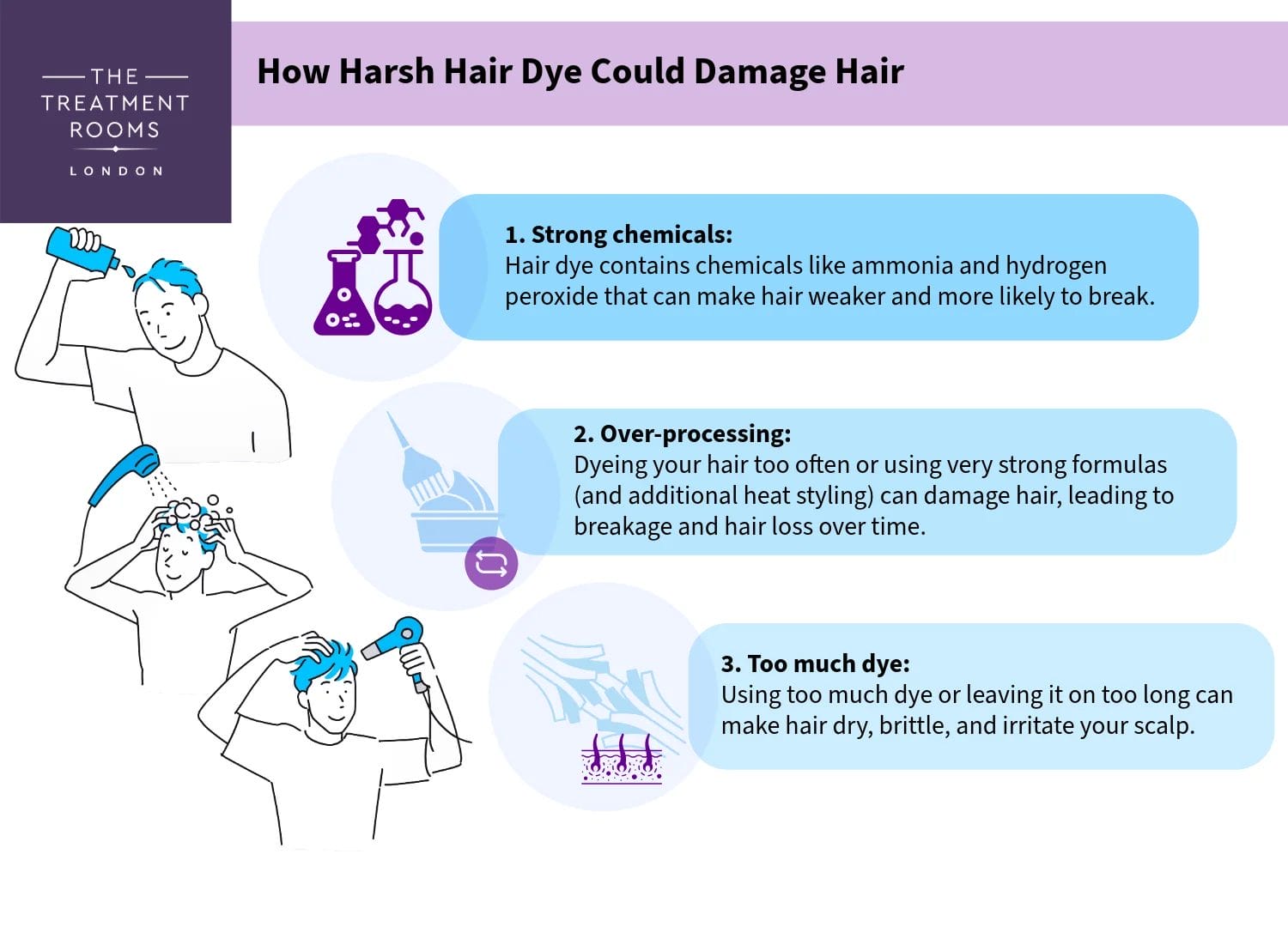
Yes, certain hair dyes can cause permanent damage to your hair, depending on their ingredients and the techniques used during application. Chemical processes in hair dye can lead to structural changes in the hair shaft, resulting in dryness, brittleness, and breakage. While some dyes are less damaging, others, particularly those containing ammonia or high levels of peroxide, pose a greater risk.
The potential for permanent damage from hair dye largely depends on several factors, including:
- Type of Dye: Permanent dyes typically penetrate the hair shaft deeper than semi-permanent or temporary dyes, leading to a higher likelihood of damage.
- Frequency of Use: Regular dyeing can exacerbate damage. Frequent applications can strip moisture and weaken hair over time.
- Hair Condition: Pre-existing damage, dryness, or health conditions can make hair more susceptible to the harmful effects of dye.
Additionally, the application technique plays a crucial role. Techniques such as bleaching, which lightens hair by removing its natural pigment, can significantly weaken hair fibers. This process can lead to a condition known as “bleach burn,” where the hair becomes so damaged that it may break off or become unmanageable. Proper aftercare, including the use of conditioning treatments and minimizing heat styling, can help mitigate some of the damage caused by dyeing.
To minimize the risk of permanent damage, consider consulting a professional stylist who can recommend suitable products and techniques tailored to your hair type. They can also assess the health of your hair before proceeding with any chemical treatments.
Expert Tip: Always perform a patch test before using a new dye and consider using a deep conditioning treatment post-dyeing to help restore moisture and improve hair resilience.
What are the best practices for dyeing hair to prevent thinning?
To prevent hair thinning when dyeing, follow safe and effective practices that minimize damage. Proper techniques and products can help maintain hair health while achieving desired colors. Implementing these strategies will protect hair integrity during the dyeing process.
First, choose a high-quality, ammonia-free dye. Ammonia can strip moisture and weaken hair structure, leading to brittleness and thinning. Opt for products labeled as “gentle” or “nourishing,” which often contain conditioning agents that help maintain hair strength. Additionally, consider semi-permanent dyes, which are less damaging than permanent options.
- Conduct a patch test: Before applying dye, perform a patch test to check for allergic reactions. This simple step can prevent scalp irritation and damage that might contribute to hair thinning.
- Limit frequency of dyeing: Reduce the number of times hair is dyed each year. Frequent dyeing can lead to cumulative damage, which increases the risk of thinning. Aim for no more than every 6-8 weeks.
- Use protective treatments: Apply a deep conditioning treatment before and after dyeing. These treatments can help restore moisture and elasticity, mitigating damage and promoting healthier hair growth.
- Follow proper application techniques: Avoid applying dye directly to the scalp. Instead, focus on the mid-lengths and ends. This reduces the risk of chemical exposure to the scalp, which can weaken hair follicles.
Regularly trimming hair can also help remove damaged ends, promoting overall hair health. Incorporating a regimen of nourishing hair products can further support hair strength, reducing the likelihood of thinning.
Expert-level insight: Consider consulting a professional stylist for color treatments. They can recommend products tailored to your hair type and ensure techniques are applied safely to minimize any adverse effects.
How often can I dye my hair without causing thinning?
Generally, hair can be safely dyed every 4 to 6 weeks without significantly increasing the risk of thinning. However, this frequency may vary based on the type of dye used, hair condition, and individual scalp sensitivity.
Several factors influence how often hair can be dyed. Permanent hair dyes contain strong chemicals that can lead to increased damage and thinning if used too frequently. In contrast, semi-permanent or temporary dyes are less damaging and can be applied more often. Hair texture and porosity also play a role; finer hair is typically more susceptible to damage than coarser hair, meaning individuals with finer hair may need to extend the time between dyeing sessions.
Additionally, the overall health of the hair and scalp should be considered. If the hair appears brittle, dry, or shows signs of thinning, it may be advisable to wait longer between dyeing sessions. Regular treatments, such as deep conditioning or protein masks, can help maintain hair health and mitigate damage from dyeing. Consulting with a professional stylist can provide personalized recommendations based on individual hair characteristics.
For those who dye their hair frequently, incorporating nourishing hair care products is crucial. Look for shampoos and conditioners designed for color-treated hair, as they help preserve color while providing hydration and protection. Regular trims can also prevent split ends and breakage, ensuring the hair remains healthy.
Expert Tip: Consider alternating between permanent and semi-permanent dyes to reduce chemical exposure while maintaining color vibrancy. Regular scalp massages can also promote blood circulation, supporting hair health.
Is there a difference between semi-permanent and permanent hair dye in terms of hair health?
Yes, there is a significant difference between semi-permanent and permanent hair dye regarding their impact on hair health. Semi-permanent dyes coat the hair shaft without penetrating deeply, while permanent dyes alter the hair structure by opening the cuticle and infusing color. This fundamental difference influences how each type affects hair health over time.
Semi-permanent hair dyes typically contain fewer harsh chemicals and do not require a developer, which means they are less damaging to the hair. They usually last for about 4 to 12 shampoos, fading gradually without leaving a strong residue. This gentler approach can help maintain the integrity of the hair, making it a preferable option for those with fine or damaged hair.
Conversely, permanent hair dyes involve a chemical process that opens the hair cuticle to deposit color deep within the hair shaft. This process can lead to increased dryness and potential breakage, especially if used frequently or improperly. Permanent dyes often contain ammonia and other harsh chemicals, which can strip moisture from the hair and contribute to thinning over time. Those with healthy hair may tolerate permanent dye better, but caution is advised for those with pre-existing damage.
- Damage Level: Semi-permanent dyes cause less damage compared to permanent dyes.
- Longevity: Permanent dyes offer long-lasting color, while semi-permanent options fade after several washes.
- Chemical Composition: Permanent dyes typically contain ammonia and require a developer, whereas semi-permanent dyes are often ammonia-free.
For optimal hair health, consider your hair’s condition before choosing a dye type. Regular conditioning treatments can help mitigate damage from any chemical process.
What ingredients in hair dye should I avoid to prevent hair thinning?
Avoiding certain ingredients in hair dyes can help mitigate the risk of hair thinning. Key harmful substances include ammonia, peroxide, and certain synthetic dyes, which can damage hair follicles and lead to breakage. These components can strip moisture and weaken the hair structure, making it more prone to thinning.
Ammonia is a common ingredient in many permanent hair dyes. It opens the hair cuticle to allow dye penetration, but this process can also lead to significant drying and damage. Prolonged exposure to ammonia may weaken the hair shaft, resulting in brittleness and thinning over time. Similarly, hydrogen peroxide, often used as a bleaching agent, can cause oxidative stress to the hair and scalp. This oxidative damage can weaken hair follicles and lead to increased hair loss.
Certain synthetic dyes, particularly coal tar dyes, have been linked to allergic reactions and scalp irritation. These reactions can cause inflammation, which may contribute to hair thinning. Additionally, some formulations contain parabens and sulfates, which can further irritate the scalp and disrupt natural oil production, exacerbating thinning hair. It is advisable to choose hair dyes that are free from these harmful ingredients and instead opt for gentler, ammonia-free alternatives that are less likely to damage hair.
Expert Tip: Always conduct a patch test before using a new hair dye to identify potential allergic reactions. Consider consulting a dermatologist or a trichologist for personalized recommendations on hair care products that maintain hair health while minimizing thinning.
Can I dye my hair if I already have thinning hair?
Yes, you can dye your hair if you have thinning hair, but caution is advised. Certain hair dyes, particularly those containing harsh chemicals, may exacerbate hair thinning or damage. Selecting the right products and techniques is critical to minimize any potential negative effects on your hair.
- Choose a gentle dye: Opt for semi-permanent or ammonia-free hair dyes. These formulas are less damaging and can provide color without stripping essential moisture from your hair.
- Conduct a patch test: Before applying any dye, perform a patch test to check for allergic reactions. This step helps ensure that you won’t experience any adverse effects from the dye itself.
- Consult a professional: Seek advice from a licensed hairstylist experienced with thinning hair. A professional can recommend the best products and techniques tailored to your specific hair condition.
- Limit dye frequency: Reduce the frequency of dye applications. Longer intervals between coloring will help your hair recover and minimize stress on thinning strands.
- Maintain scalp health: Focus on scalp care by using nourishing treatments and avoiding excessive heat styling. A healthy scalp promotes stronger hair growth and can offset some thinning effects.
When dyeing thinning hair, it is essential to prioritize hair health and choose products wisely. Regularly assess your hair’s response to dyeing and adjust your routine as necessary to maintain both color and hair integrity.
Expert Tip: Consider using a color-depositing conditioner that enhances your hair color without the damaging effects of traditional dyes. This approach can maintain vibrancy while supporting hair health.
What is the cost of professional hair dyeing vs. at-home dyeing?
Professional hair dyeing typically ranges from $50 to $300, while at-home dyeing can cost between $5 and $30. The vast difference in price reflects various factors, including the quality of products used and the expertise of the stylist.
Several factors influence the cost of hair dyeing. For professional dyeing, costs can vary based on:
- Salon Reputation: High-end salons often charge more due to skilled staff and premium products.
- Type of Service: Full color treatments, highlights, or balayage techniques require more time and expertise, increasing costs.
- Location: Urban areas generally have higher service fees compared to rural settings.
At-home dyeing is often seen as a budget-friendly alternative. However, the initial cost may not reflect the potential for mishaps or the need for additional products. Factors affecting at-home dyeing expenses include:
- Product Quality: Higher-quality dyes may cost more but could yield better results.
- Additional Supplies: Items like gloves, brushes, and mixing bowls can add to the overall cost.
- Frequency of Application: Frequent touch-ups are necessary for maintaining color, which may increase long-term expenses.
When deciding between professional and at-home options, consider not just the upfront costs but also potential outcomes and long-term effects on hair health.
Expert Tip: Investing in professional dyeing may prevent damage and costly corrections later, particularly for complex color changes. Weighing the overall value against the price is crucial for informed decision-making.
How long does it take for hair to recover after dyeing?
Hair typically takes about 4 to 6 weeks to show signs of recovery after dyeing. However, the exact timeframe can vary based on several factors such as the hair’s condition before dyeing, the type of dye used, and the care regimen followed post-treatment.
The recovery process begins immediately after dyeing, as the hair cuticle, which protects the inner structure, may become damaged. If the hair was already healthy, it might bounce back more quickly compared to damaged or previously treated hair. Additionally, permanent and bleach-based dyes tend to cause more significant damage, leading to a longer recovery period.
Post-dye care plays a crucial role in how quickly hair can recover. Using deep conditioning treatments, hydrating masks, and avoiding heat styling can significantly expedite the healing process. Regular trims can also help eliminate split ends, which can exacerbate the appearance of damaged hair. Furthermore, a balanced diet rich in vitamins and minerals supports hair health from within, aiding recovery.
Factors Influencing Recovery Time
Several factors influence how long it takes for hair to recover after dyeing. These include the hair’s initial health, the dye’s chemical composition, and the individual’s hair type. For instance, fine or color-treated hair may require more time to restore its integrity than coarse or virgin hair. Additionally, environmental factors such as exposure to sun and chlorine can further complicate recovery.
Hydration is essential during this period. Incorporating leave-in conditioners and oil treatments can provide moisture and elasticity, reducing breakage. It’s advisable to avoid excessive washing, as this can strip essential oils and prolong recovery.
Prioritizing a gentle hair care routine will facilitate a quicker recovery. Techniques such as using a wide-tooth comb, minimizing heat application, and opting for sulfate-free shampoos can significantly enhance hair resilience.
Expertly maintaining a consistent post-dye regimen, including protein treatments, can help restore and strengthen hair structure more efficiently. Regular assessments of hair health will also inform necessary adjustments to the care routine.
Understanding Hair Structure and Damage Mechanics
This section examines the anatomy of hair, the impact of chemical processes involved in dyeing, and how these factors relate to hair thinning. Understanding these mechanics is essential for evaluating the risks associated with hair dyeing.
Overview of Hair Anatomy
Hair is composed of three main layers: the cuticle, cortex, and medulla. The cuticle is the outermost layer, consisting of overlapping cells that protect the inner structures. The cortex, located beneath the cuticle, contains fibrous proteins and is responsible for hair’s strength and elasticity. The innermost layer, the medulla, is present in some hair types and may contribute to overall hair thickness.
Chemical Processes in Dyeing and Their Effect on Hair Integrity
Hair dyeing typically involves chemical processes that alter the hair’s structure. Permanent dyes use ammonia to open the cuticle, allowing color molecules to penetrate the cortex. This process can lead to the following damages:
- Cuticle damage: The protective layer can become rough and porous, leading to moisture loss.
- Cortex weakening: Alterations in chemical bonds can reduce strength and elasticity, making hair more susceptible to breakage.
- Color fading: Frequent dyeing can strip hair of its natural oils, resulting in a dull appearance.
Differences in Damage Among Hair Types
Hair types, categorized as straight, wavy, curly, or coily, exhibit varying levels of damage from dyeing. Curly and coily hair types often have a more fragile structure due to their unique shape, which can result in greater susceptibility to chemical damage. Conversely, straight hair types tend to retain moisture better, though they can still experience significant damage if not properly cared for during and after dyeing.
The Role of pH Levels in Hair Dye Formulations
The pH level of hair dye formulations plays a critical role in determining the extent of damage. Most permanent dyes have a pH between 9 and 11, which opens the cuticle effectively but can also lead to excessive damage if used improperly. Lower pH formulations, such as semi-permanent dyes, are less damaging as they do not require ammonia and cause less disruption to the cuticle.
Nuances and Common Misconceptions
A prevalent misconception is that all hair dyeing leads to thinning. While it is true that chemical processes can weaken hair, not all dyeing methods result in significant thinning. Factors such as the frequency of dye application, the condition of the hair prior to dyeing, and the specific products used can mitigate or exacerbate damage. Additionally, proper aftercare with conditioning treatments and minimizing heat styling can prevent excessive thinning.
Practical Application
To minimize the risk of thinning while dyeing hair, consider the following actions:
- Select a dye with a lower pH level or a semi-permanent option.
- Limit dyeing frequency to reduce cumulative damage.
- Incorporate deep conditioning treatments to restore moisture and strengthen hair.
- Consult with a professional stylist to assess hair health before dyeing.
Expert Tips for Safe Hair Dyeing Practices
This section provides essential strategies for minimizing hair damage during the dyeing process. Implementing these practices can help maintain hair health and prevent thinning.

Choosing the Right Products Based on Hair Type
Selecting suitable hair dye products is crucial for minimizing damage. Different hair types require specific formulations to ensure the best results without compromising hair integrity. Consider the following factors:
- Hair Texture: Fine hair often requires lighter formulations to avoid overwhelming the strands, while coarse hair may benefit from more robust dyes.
- Hair Condition: Damaged or chemically treated hair needs products designed for repair and hydration, such as ammonia-free dyes or those enriched with conditioning agents.
- Desired Color: Permanent dyes typically penetrate deeper, offering long-lasting results, while semi-permanent options provide a gentler approach with less risk of damage.
The Importance of Patch Tests and Strand Tests
Conducting patch tests and strand tests before full application is a critical step in the dyeing process. These tests help to identify potential allergic reactions and assess how the hair will respond to the dye.
- Patch Test: Apply a small amount of dye to a discreet area of skin 48 hours prior to dyeing. Watch for any signs of irritation or allergic reaction.
- Strand Test: Apply dye to a small section of hair. This helps determine the final color and how the hair texture may change post-application.
Aftercare Routines to Restore Hair Health Post-Dyeing
After dyeing, it is essential to implement a robust aftercare routine to restore and maintain hair health. Follow these guidelines:
- Moisturizing Treatments: Use deep conditioning masks or leave-in conditioners weekly to replenish moisture.
- Gentle Cleansing: Opt for sulfate-free shampoos that cleanse without stripping natural oils.
- Avoid Heat Styling: Limit the use of heat styling tools for at least a week post-dyeing to prevent additional stress on the hair.
Professional vs. DIY Dyeing: When to Seek Help
Choosing between professional services and DIY dyeing can significantly impact hair health.
- Professional Services: Ideal for complex color transformations or substantial changes, as professionals can assess hair condition and apply products safely.
- DIY Dyeing: Suitable for simple touch-ups or maintaining color, provided the right products and techniques are employed.
For individuals with a history of hair thinning or damage, consulting with a professional stylist is advisable before proceeding with any dyeing technique to prevent exacerbating existing issues.
Common misconceptions suggest that all hair dyeing leads to thinning. In reality, the risk of thinning often stems from improper techniques, harsh products, or neglecting hair care before and after dyeing.
To maximize hair health during and after the dyeing process, consider the following actionable steps:
- Research and select hair dye products formulated for your specific hair type.
- Always perform patch and strand tests prior to full application.
- Implement a dedicated aftercare routine with appropriate moisturizing treatments.
- Assess your hair’s condition to determine whether to dye at home or seek professional assistance.
Common Myths About Hair Dyeing and Thinning
This section addresses the prevalent myths regarding hair dyeing and its potential impact on hair thinning. Understanding these misconceptions is essential for anyone considering hair dyeing as part of their grooming routine.

Myth vs. Reality: Does Dyeing Really Cause Thinning?
Many believe that dyeing hair leads to thinning or hair loss. However, research indicates that hair dye itself does not directly cause hair thinning. Hair thinning is primarily influenced by genetics, hormonal changes, and overall health. While harsh chemical treatments can damage the hair shaft and lead to breakage, this is not equivalent to true hair loss from the follicle.
Understanding the Role of Genetics in Hair Thinning
Genetic factors play a significant role in hair thinning and loss. Conditions such as androgenetic alopecia, commonly known as male or female pattern baldness, are inherited traits. According to the American Academy of Dermatology, approximately 50 million men and 30 million women experience genetic hair loss in the United States. These hereditary factors are often the primary cause of thinning hair, overshadowing the impact of hair dyeing.
The Impact of Lifestyle Factors on Hair Health
Lifestyle choices significantly affect hair health and thickness. Factors include:
- Diet: A nutrient-rich diet is crucial for hair health. Deficiencies in vitamins and minerals, such as biotin, iron, and zinc, can lead to thinning.
- Stress: High-stress levels can trigger telogen effluvium, a temporary form of hair loss. Managing stress through relaxation techniques can help maintain hair thickness.
- Heat and Styling Tools: Frequent use of heat styling tools can weaken hair, causing breakage and an appearance of thinning.
Clarifying Misconceptions About Natural vs. Chemical Dyes
There is a common belief that natural hair dyes, such as henna, are safer and do not affect hair health. While natural dyes may be less damaging than some chemical options, they can still lead to dryness or breakage if used excessively or improperly. Conversely, modern chemical dyes have improved significantly, with many products designed to minimize damage while providing vibrant color.
Nuances and Expert Insights
Many articles on this topic neglect to mention that hair thinning can also be exacerbated by the cumulative effects of multiple treatments. For example, individuals frequently dyeing, perming, or bleaching their hair may experience greater damage due to the combination of chemical processes. Additionally, improper application techniques can lead to localized damage, which may be mistaken for overall thinning. Understanding these nuances allows for more informed decisions regarding hair care.
Practical Application
To maintain healthy hair while dyeing, consider the following actionable steps:
- Choose high-quality hair dye products with conditioning agents.
- Limit the frequency of chemical treatments to reduce cumulative damage.
- Incorporate a balanced diet rich in essential nutrients to support hair health.
- Utilize heat protectants when styling to minimize damage from tools.
By discerning fact from myth, individuals can make informed choices about hair dyeing without fear of unnecessary thinning.
Long-term Effects of Hair Dye on Scalp Health
This section examines the relationship between scalp health and hair growth, the signs of scalp irritation caused by hair dye, preventative measures, and post-dyeing soothing treatments.

Connection Between Scalp Health and Hair Growth
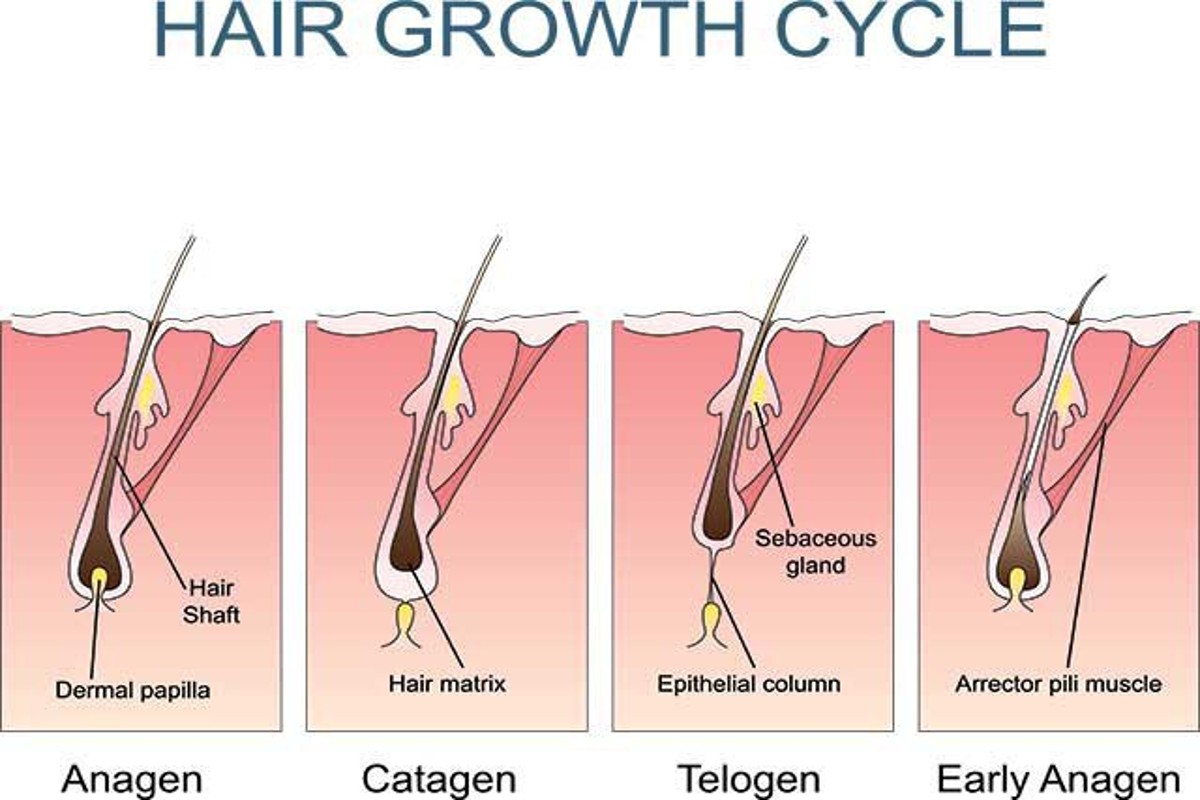
The scalp serves as the foundation for healthy hair growth. A well-maintained scalp supports the hair follicles, ensuring optimal nutrient delivery and minimizing inflammation. Conversely, poor scalp health can lead to issues such as hair thinning or even hair loss. Factors such as excessive dryness, irritation, and inflammation can disrupt the hair growth cycle, impacting the overall density and strength of hair.
Signs of Scalp Irritation from Hair Dye
Hair dye can contain a variety of chemicals that may irritate the scalp. Common signs of irritation include:
- Redness: Visible inflammation or redness on the scalp.
- Itching: Persistent itching, often accompanied by discomfort.
- Flaking: Dry, flaky patches that may resemble dandruff.
- Burning Sensation: A stinging or burning feeling during or after dye application.
These symptoms can indicate an allergic reaction or sensitivity to the ingredients in the dye, potentially leading to long-term scalp issues and hair thinning.
Preventative Measures for Maintaining Scalp Health
To minimize the risk of scalp irritation and promote healthy hair growth, consider the following preventative measures:
- Patch Testing: Always perform a patch test 48 hours before dyeing to check for allergic reactions.
- Choosing Gentle Formulas: Opt for hair dyes that are free from harsh chemicals, such as ammonia and parabens.
- Moisturizing: Keep the scalp hydrated with natural oils or specialized scalp treatments before and after dyeing.
- Limiting Frequency: Reduce the frequency of dyeing to allow the scalp to recover and maintain its natural balance.
Recommendations for Soothing Treatments Post-Dyeing
After dyeing, the scalp may require additional care to alleviate any irritation. Recommended soothing treatments include:
- Aloe Vera Gel: Its anti-inflammatory properties can help cool and soothe the scalp.
- Coconut Oil: Known for its moisturizing abilities, it can help reduce dryness and flaking.
- Tea Tree Oil: This essential oil can combat inflammation and prevent infection, but should be diluted before application.
- Hydrating Scalp Masks: Use masks designed to nourish and hydrate the scalp, promoting recovery.
While some individuals may experience minimal effects from dyeing their hair, others may be more susceptible to irritation and thinning due to underlying scalp sensitivity. Common misconceptions suggest that all hair dyes are equally harmful; however, the formulation and individual skin sensitivity play significant roles in determining scalp health outcomes.
To maintain a healthy scalp and promote robust hair growth, individuals should adopt a proactive approach. This includes conducting patch tests, selecting hair dyes with fewer harsh chemicals, and implementing a moisturizing routine. Following dyeing sessions, using soothing treatments can further support scalp recovery and minimize the risk of irritation and thinning hair.
Frequently Asked Questions
Can hair dye cause permanent damage to my hair?
Hair dye can cause damage, particularly if it contains harsh chemicals like ammonia or bleach. Over time, this damage may lead to dryness, breakage, and thinning.
What are the best practices for dyeing hair to prevent thinning?
To prevent thinning, use high-quality dyes with nourishing ingredients, and limit the use of heat styling tools. Additionally, follow the manufacturer’s instructions and consider deep conditioning treatments post-dyeing.
How often can I dye my hair without causing thinning?
It is generally recommended to wait at least 6-8 weeks between dyeing sessions to minimize the risk of thinning. This allows hair to recover and reduces cumulative damage.
Is there a difference between semi-permanent and permanent hair dye in terms of hair health?
Semi-permanent hair dye is typically less damaging than permanent dye, as it contains fewer harsh chemicals and does not penetrate the hair shaft as deeply. However, both types can still contribute to hair thinning if used excessively.
What ingredients in hair dye should I avoid to prevent hair thinning?
Avoid hair dyes containing ammonia, peroxide, and sulfates, as these can weaken hair and lead to thinning. Look for dyes that use natural ingredients or are labeled as ammonia-free.
Can I dye my hair if I already have thinning hair?
Dyeing hair with existing thinning can exacerbate the issue, so caution is advised. It’s best to consult a professional stylist who can recommend gentler options and techniques.
What is the cost of professional hair dyeing vs. at-home dyeing?
Professional hair dyeing typically ranges from $50 to $200, depending on the salon and services provided. At-home dyeing kits are generally more affordable, costing between $5 and $30.
How long does it take for hair to recover after dyeing?
Recovery time for hair after dyeing can vary, but it typically takes 4 to 6 weeks for hair to regain strength and moisture. Regular conditioning and care can help expedite the recovery process.
Final Thoughts on can dying hair cause thinning
While hair dyeing can contribute to thinning if not done carefully, it is not an inevitable outcome. By understanding hair structure and employing best practices in dye application, individuals can minimize potential damage and maintain hair health effectively.
To optimize hair health while dyeing, choose high-quality products with nourishing ingredients and limit the frequency of dye applications to every 6-8 weeks, ensuring adequate time for hair recovery between treatments.
Understanding the impact of hair dye on your hair’s integrity is crucial for making informed decisions that promote both aesthetic appeal and long-term hair health.
Leave a Reply