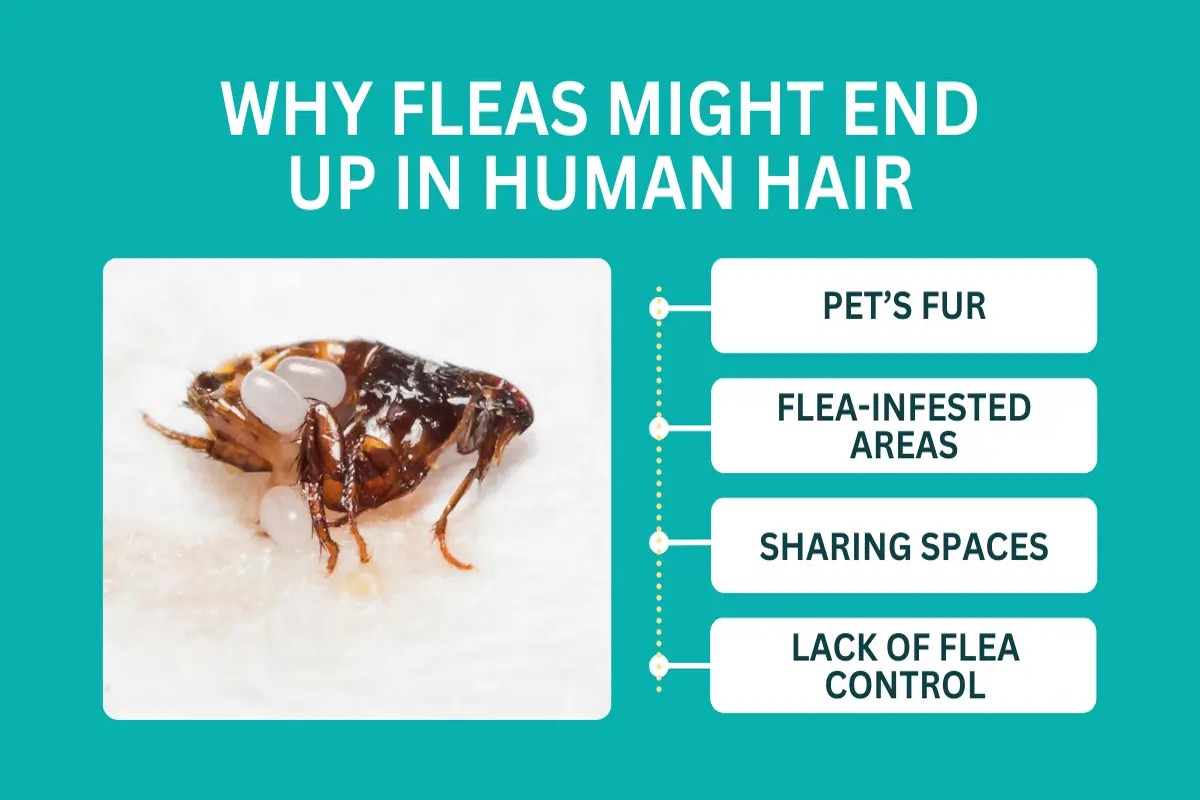
Can a dog flea live in human hair? No, dog fleas primarily infest dogs and cannot survive long in human hair. They prefer animal hosts for feeding and reproduction.
This topic is crucial for pet owners and individuals concerned about flea infestations. Misunderstanding flea behavior can lead to ineffective pest control measures and unnecessary anxiety about human health risks.
This article will clarify the biology of dog fleas, their preferred habitats, and the implications for human health. Additionally, it will provide practical advice on managing flea infestations in pets and homes.
Can dog fleas bite humans?
Yes, dog fleas can bite humans. While they primarily prefer to feed on dogs and other animals, they will bite humans if their preferred hosts are unavailable.
Dog fleas, specifically the species Ctenocephalides canis, are not exclusive to dogs; they can also target humans. The bite of a dog flea can cause localized itching, redness, and swelling, similar to other insect bites. In some cases, individuals may experience an allergic reaction, leading to more severe symptoms such as hives or intense discomfort.
Flea bites generally occur in clusters, often found on the ankles or lower legs. This is due to the flea’s jumping ability, which allows it to easily reach these areas when they land on a human. The bite process involves the flea piercing the skin to draw blood, which can lead to secondary infections if the area is scratched excessively. The following are common effects of dog flea bites on humans:
- Itching and irritation: The bites can cause significant discomfort, prompting scratching.
- Redness and swelling: The skin may become inflamed and red at the bite site.
- Allergic reactions: Some individuals may develop more severe reactions, requiring medical attention.
While dog fleas cannot reproduce in human hair, they can still bite and cause irritation. Preventive measures, such as maintaining a flea-free environment for pets and using flea control products, can reduce the likelihood of bites. Regularly treating pets and cleaning living spaces are essential steps in minimizing human exposure to dog fleas.
Flea bites can lead to more than just discomfort; they may also transmit diseases. Regular veterinary check-ups for pets and timely flea control treatments are recommended to mitigate health risks for both animals and humans.
How to treat flea bites on humans?
Treating flea bites on humans involves several steps to alleviate discomfort and prevent infection. Immediate care can minimize itching and irritation, while proper hygiene helps avoid further complications. Follow these steps for effective treatment.
- Wash the affected area: Use mild soap and warm water to clean the skin where the bites occurred. This helps remove irritants and reduces the risk of infection.
- Apply a cold compress: Place a clean, cold cloth or ice pack wrapped in a towel on the bites for 10-15 minutes. This can help reduce swelling and numb the area, providing immediate relief.
- Use anti-itch cream: Apply over-the-counter hydrocortisone cream or calamine lotion to soothe itching. Follow the instructions on the packaging for the best results.
- Take oral antihistamines: Consider using an antihistamine like diphenhydramine (Benadryl) to alleviate itching and allergic reactions. Consult with a healthcare provider for appropriate dosage.
- Avoid scratching: Refrain from scratching the bites, as this can lead to further irritation or infection. Keep fingernails trimmed and clean to minimize damage if scratching occurs.
- Monitor for signs of infection: Watch for increased redness, swelling, or pus around the bites. If these symptoms occur, seek medical attention promptly.
Flea bites typically resolve on their own within a week. However, persistent symptoms may require professional evaluation to rule out allergic reactions or secondary infections.
Expert Tip: Consider using essential oils, such as tea tree or lavender oil, diluted in a carrier oil for additional relief. These oils possess anti-inflammatory properties that can further soothe itchy skin. Always perform a patch test first to ensure there are no adverse reactions.
What are the differences between dog fleas and human fleas?
Dog fleas (Ctenocephalides canis) and human fleas (Pulex irritans) are distinct species with differing characteristics and behaviors. While both can bite humans, they have unique habitats and biological adaptations that cater to their respective hosts. Understanding these differences can help in effectively managing flea infestations.
One of the primary differences lies in their preferred hosts. Dog fleas primarily infest dogs and cats, whereas human fleas target humans. This host specificity affects their behavior; dog fleas are more likely to be found in environments frequented by pets, such as homes with animals, while human fleas are often found in areas where people gather, such as public transport or crowded living spaces. Additionally, dog fleas tend to reproduce rapidly in pet bedding and carpets, while human fleas are more associated with human clothing and bedding.
- Size: Dog fleas are generally larger than human fleas, measuring about 1-3 mm in length compared to 1-2 mm for human fleas.
- Body Shape: Dog fleas have a more flattened body shape, which aids their movement through fur, while human fleas have a less pronounced flattening, making them less adapted to navigate through hair.
- Feeding Behavior: Both types of fleas feed on blood, but dog fleas may prefer the blood of canines, whereas human fleas are better adapted to feed on human blood.
Another notable difference is their life cycle and reproduction. Dog fleas can lay up to 50 eggs per day, leading to rapid population growth in pet-friendly environments. In contrast, human fleas also reproduce quickly but are less prolific in comparison, typically laying around 20 eggs daily. This difference in reproductive rates impacts the severity of infestations in their respective environments.
To manage flea infestations effectively, it is crucial to identify the type of flea present. Treatment strategies may vary based on whether one is dealing with dog fleas or human fleas. Using appropriate flea control products designed for the specific species can enhance efficacy and reduce the risk of re-infestation.
Expert Tip: Regularly vacuuming and washing pet bedding can significantly reduce dog flea populations, while maintaining good hygiene and using flea-repellent clothing can help prevent human flea infestations. Implementing these preventive measures is key to minimizing the risk of flea-related issues.
How long do dog fleas live without a host?
Dog fleas can survive without a host for approximately 1 to 2 weeks. Their lifespan is influenced by factors such as environmental conditions and their life stage at the time they lose their host.
The survival time of dog fleas can vary significantly based on temperature and humidity. Fleas thrive in warm, humid environments, which can extend their lifespan when a host is unavailable. In cooler or drier conditions, their life expectancy decreases, sometimes resulting in death within just a few days. Additionally, the flea’s life cycle stage plays a role; adult fleas generally have a shorter survival time without a host compared to larvae, which can remain dormant in a cocoon for several months until conditions become favorable.
Moreover, the availability of organic debris, such as skin flakes and hair, can affect how long a flea survives without a host. While fleas primarily feed on blood, they can derive some sustenance from these materials. This ability to adapt to their surroundings enhances their chances of survival in the absence of a host, but it does not guarantee a prolonged life without blood meals.
Expert Tip: To effectively manage flea infestations, it’s essential to treat both pets and their environment simultaneously. This dual approach minimizes the chances of fleas surviving long enough to re-infest pets after treatment.
What is the best way to prevent fleas in pets?
Preventing fleas in pets requires a proactive approach that combines regular treatments and environmental management. By implementing effective strategies, pet owners can significantly reduce the risk of flea infestations. Consistent application of preventive measures is essential for maintaining a flea-free environment.
One of the most effective ways to prevent fleas is through the use of veterinarian-recommended flea control products. These may include topical treatments, oral medications, or flea collars designed to kill fleas at various life stages. Regularly applying these products according to the manufacturer’s directions ensures pets remain protected.
- Maintain a clean environment: Vacuum carpets, rugs, and upholstery frequently to remove flea eggs and larvae. Dispose of the vacuum bag or empty the canister outside to prevent re-infestation.
- Wash pet bedding: Regularly wash your pet’s bedding and any fabric they frequently contact in hot water. This helps eliminate any existing fleas and eggs that may be hiding in the fabric.
- Regular grooming: Use a flea comb on pets during grooming sessions. This can help detect and remove fleas early, reducing the chance of an infestation.
- Yard maintenance: Keep your yard tidy by mowing the lawn and removing debris where fleas can thrive. Consider treating outdoor areas with flea control products if pets frequently roam outside.
- Consult a veterinarian: Regular veterinary check-ups can help ensure that pets are receiving the best flea prevention tailored to their specific needs and health conditions.
Establishing a comprehensive flea prevention plan is crucial for pet health. Fleas not only cause discomfort but can also lead to serious health issues, such as flea allergy dermatitis or transmission of diseases. Implementing these strategies consistently can greatly reduce the risk of flea infestations.
Regularly reassess flea control measures, especially during peak flea seasons, to ensure their effectiveness. Staying informed about new products and treatments can enhance preventive efforts and keep pets safe from fleas.
Are there any home remedies for fleas on pets?
Yes, there are several effective home remedies for managing fleas on pets. These remedies can help reduce flea populations without resorting to chemical treatments. Common options include using natural ingredients such as diatomaceous earth, essential oils, and vinegar.
For instance, diatomaceous earth is a natural powder made from fossilized algae. When sprinkled on your pet’s fur and in their living environment, it can effectively dehydrate and kill fleas. It is safe for pets but should be applied carefully to avoid inhalation. Additionally, a mixture of equal parts vinegar and water can be sprayed onto your pet’s coat, acting as a natural repellent. This solution not only helps repel fleas but also can provide relief from itching caused by existing bites.
Another popular method involves using essential oils like lavender or cedarwood. These oils can be diluted in a carrier oil and applied to your pet’s fur. However, it is crucial to use pet-safe oils and consult with a veterinarian before application, as some oils can be harmful to animals. Regular bathing with flea shampoo can also be effective, especially when combined with these home remedies.
Expert Tip: Always monitor your pet for any adverse reactions when using home remedies, and combine these methods with regular vacuuming and washing of pet bedding to enhance effectiveness against fleas.
Can fleas live in carpets and furniture?
Yes, fleas can live in carpets and furniture. These pests thrive in warm, dark environments, making carpets and upholstered furniture ideal habitats. Fleas can lay eggs in these areas, leading to infestations if not properly managed.
Fleas are primarily external parasites that require a host for survival, but they can establish themselves within domestic environments. They often hide in soft furnishings where they can find shelter and food sources from pets. The life cycle of a flea includes eggs, larvae, pupae, and adults, each stage capable of residing in carpets and furniture.
- Eggs: Flea eggs are tiny and can fall off a pet onto carpets or furniture. They usually hatch within a week, depending on environmental conditions.
- Larvae: Flea larvae feed on organic debris, including adult flea feces, which can accumulate in carpets and upholstery.
- Pupae: The pupal stage can remain dormant for extended periods, waiting for a suitable host to emerge, making them difficult to eliminate.
Regular vacuuming and cleaning of carpets and furniture can help control flea populations. Using flea treatments on pets is essential, as it breaks the flea life cycle and prevents re-infestation. Homeowners should consider professional pest control if infestations persist, as fleas can reproduce rapidly and establish a stronghold in the home.
Expert Tip: Consider using a steam cleaner on carpets and upholstery, as high temperatures can kill fleas at all life stages, enhancing your pest control efforts and reducing reliance on chemical treatments.
Understanding Flea Biology and Behavior
This section delves into the life cycle, feeding habits, and environmental preferences of dog fleas, providing a comprehensive understanding of their behavior and host selection, which is essential for addressing potential infestations.
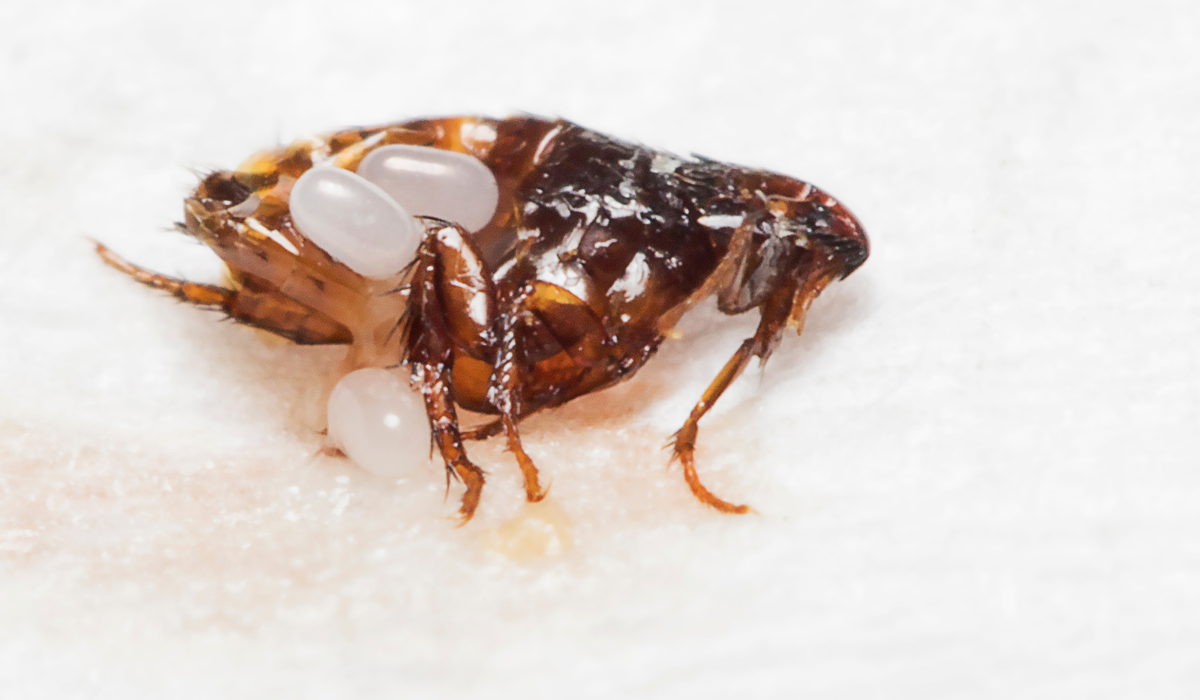
Life Cycle Stages of Dog Fleas
Fleas undergo a complex life cycle consisting of four stages: egg, larva, pupa, and adult. Each stage has distinct characteristics and requirements for survival:
- Egg: Flea eggs are tiny, oval, and typically white. A female flea can lay up to 50 eggs per day, which fall off the host into the environment.
- Larva: The larvae emerge from eggs and are about 2-5 mm long. They are blind, seeking dark, humid areas to feed on organic debris, including adult flea feces.
- Pupa: Larvae spin cocoons and enter the pupal stage. This stage can last several days to months, depending on environmental conditions.
- Adult: Adult fleas emerge from the pupa when they detect vibrations, heat, and carbon dioxide from potential hosts, ready to feed and reproduce.
Feeding Habits and Preferences of Dog Fleas
Dog fleas primarily feed on the blood of their hosts. Their feeding habits are critical for their survival and reproduction. Key aspects include:
- Fleas require blood meals to develop from larvae to adults and to reproduce.
- While they prefer dogs, they can also feed on other mammals, including cats and humans, though they are less effective at establishing populations on these alternative hosts.
- Adult fleas can survive for several weeks without feeding, but they will die within a few days if they cannot find a host.
Environmental Conditions Favoring Flea Survival
Fleas thrive in specific environmental conditions that support their life cycle and survival. These include:
- Temperature: Fleas flourish in temperatures between 70°F and 85°F (21°C to 29°C).
- Humidity: High humidity levels (50-95%) are essential for larval development and survival.
- Habitat: Fleas are often found indoors in carpets, bedding, and upholstery where they can easily find hosts and suitable conditions.
Impact of Host Selection on Flea Infestations
Host selection is crucial for flea survival and population growth. Dog fleas are highly specialized for living on canines, but their ability to infest other hosts, including humans, raises concerns. Factors influencing host preference include:
- Body temperature and skin texture: Dogs provide an ideal environment due to their warm blood and fur.
- Availability of hosts: Areas with high dog populations tend to attract more fleas.
- Behavior of hosts: Fleas are drawn to hosts that exhibit behavior conducive to their feeding, such as resting in areas where fleas are prevalent.
Common misconceptions suggest that dog fleas can thrive in human hair, but while they can bite humans, they do not live or reproduce effectively in human hair due to differences in body temperature and fur density.
To effectively manage flea infestations, homeowners should implement regular pet grooming, vacuum frequently, and treat pets with veterinarian-recommended flea control products. Additionally, treating the environment, including carpets and bedding, is crucial for breaking the flea life cycle. Monitoring pets for signs of fleas and addressing infestations promptly can prevent them from becoming a significant issue.
Identifying and Treating Flea Infestations in Pets
This section provides a comprehensive guide on recognizing and effectively treating flea infestations in dogs, which is critical for maintaining pet health and comfort.
Signs of Flea Infestation in Dogs
Recognizing a flea infestation early can prevent discomfort for your pet and larger infestations in your home. Common signs include:
- Excessive scratching or biting: Dogs may scratch or bite at their skin, particularly around the neck, ears, and base of the tail.
- Flea dirt: Small black specks, known as flea dirt, can be found on your dog’s skin or in their bedding. This is actually flea feces.
- Skin irritation: Red, inflamed skin or hot spots may develop as a result of flea bites.
- Fleas in fur: Adult fleas are visible to the naked eye and can be seen hopping in your pet’s fur, particularly in warm areas like the groin or armpits.
Effective Treatments
Treating fleas involves a multi-faceted approach that targets both the pet and their environment. Effective treatments include:
- Topical treatments: These are applied directly to the skin and can provide immediate relief. Common options include fipronil and imidacloprid.
- Oral medications: Options such as nitenpyram or spinosad kill fleas quickly and are often more effective than topical treatments.
- Environmental treatments: Flea sprays, powders, and foggers can help eliminate fleas in the home. Regular vacuuming and washing pet bedding also disrupt the flea life cycle.
Creating a Flea-Free Environment
Establishing a flea-free environment is essential for long-term control. Consider the following steps:
- Regularly vacuum carpets, rugs, and upholstery to remove fleas and eggs.
- Wash pet bedding and any fabric items your pet frequents in hot water at least once a week.
- Use flea-proof covers on cushions and mattresses to prevent infestations.
- Consider treating your yard with appropriate insecticides or natural deterrents.
The Importance of Regular Flea Prevention
Routine flea prevention is vital for keeping your dog comfortable and healthy. Using preventive treatments year-round reduces the risk of infestations and protects against diseases transmitted by fleas. Consult with a veterinarian to determine the best preventive measures for your pet’s lifestyle and health.
Many pet owners mistakenly believe that fleas are only a concern during warmer months. However, fleas can survive indoors year-round. This misconception can lead to repeated infestations. Regular inspection, combined with preventive treatments, is essential to maintaining your pet’s health and comfort.
Practical Application
To effectively manage flea infestations in dogs, follow these actionable steps:
- Inspect your dog weekly for signs of fleas and flea dirt.
- Administer recommended flea treatments consistently, as prescribed by your veterinarian.
- Maintain a clean home environment by vacuuming and washing pet items regularly.
- Educate yourself on flea life cycles to understand when to implement treatments effectively.
Implementing these strategies will help ensure a flea-free life for both your pet and your household.
The Impact of Fleas on Human Health
This section explores the health implications of flea infestations in humans, including the symptoms associated with bites and potential diseases. Understanding these factors is essential for effective prevention and treatment.

Common Symptoms of Flea Bites in Humans
Flea bites on humans typically manifest as small, red, itchy welts. These bites often appear in clusters or lines, especially around the ankles, waist, and inner thighs. The most common symptoms include:
- Itching: Intense itching occurs due to the body’s reaction to flea saliva.
- Redness: Bites may cause localized redness and inflammation.
- Swelling: In some cases, the area around the bite may swell significantly.
While most individuals experience mild reactions, some may develop more severe symptoms.
Potential Diseases Transmitted by Fleas
Fleas are not just a nuisance; they can also transmit diseases to humans. Notable diseases associated with flea bites include:
- Plague: Caused by *Yersinia pestis*, this disease can be transmitted through flea bites from infected rodents.
- Typhus: Flea-borne typhus can occur when flea feces contaminate an open wound or are inhaled.
- Cat Scratch Fever: Caused by *Bartonella henselae*, this disease can be transmitted when fleas jump from infected cats to humans.
While the risk of contracting these diseases is low in many regions, awareness is crucial for those living in or visiting endemic areas.
Allergic Reactions to Flea Bites
Some individuals may experience allergic reactions to flea bites, leading to symptoms such as severe itching, hives, or even anaphylaxis in rare cases. Managing these reactions involves:
- Topical Treatments: Over-the-counter hydrocortisone creams can alleviate itching and inflammation.
- Antihistamines: Oral antihistamines help reduce allergic responses and itching.
- Consulting a Doctor: If symptoms persist or worsen, seeking medical advice is essential.
Identifying and eliminating flea infestations in the home is also critical to prevent future bites and allergic reactions.
When to Seek Medical Attention for Flea-Related Issues
While most flea bites can be managed at home, certain circumstances warrant medical attention. Seek help if:
- Bites become infected, showing signs of pus or increasing redness.
- Severe allergic reactions occur, such as difficulty breathing or swelling of the face.
- Unusual symptoms develop, such as fever or prolonged malaise.
Timely intervention can prevent complications and ensure proper treatment.
In summary, understanding the health implications of flea bites is crucial for effective management. Individuals should take proactive measures to eliminate fleas from their environment and seek medical advice when experiencing severe or persistent symptoms. Regularly inspecting pets, maintaining cleanliness in living spaces, and using preventive treatments can significantly reduce the risk of flea infestations and potential health issues associated with them.
Comparing Flea Control Products: What Works Best?
This section analyzes various flea control products, including topical and oral treatments, natural remedies, and their effectiveness. Understanding these options enables pet owners to make informed decisions regarding flea management for their pets.

Topical vs. Oral Flea Treatments
Flea treatments are commonly categorized into two main types: topical and oral. Topical treatments, such as spot-on treatments, are applied directly to the skin and provide quick relief by killing fleas on contact. These products often contain insecticides like fipronil or imidacloprid and can offer protection for up to a month.
Oral treatments, typically available in the form of tablets or chews, work by entering the pet’s bloodstream. These medications, including nitenpyram and spinosad, kill fleas upon ingestion, usually within hours. Oral treatments often provide a rapid response but may require more frequent administration.
Effectiveness of Natural Remedies
Natural flea control remedies, such as diatomaceous earth, essential oils, and vinegar solutions, are gaining popularity among pet owners seeking chemical-free alternatives. However, studies indicate that while these remedies may repel fleas, they generally lack the efficacy of chemical treatments. For example, diatomaceous earth can dehydrate fleas, but it may not eliminate an infestation effectively.
- Diatomaceous Earth: Effective for prevention; requires consistent application.
- Essential Oils: Can repel fleas but must be used cautiously due to potential toxicity.
- Vinegar Solutions: May deter fleas but lacks evidence for treating infestations.
Cost Analysis of Flea Control Solutions
The cost of flea control products varies significantly. Topical treatments range from $10 to $50 per month, depending on the brand and size of the pet. Oral treatments typically cost between $15 to $60 per month. Natural remedies can be less expensive, with prices often under $10, but may require more frequent applications and may not address severe infestations.
Investing in a comprehensive flea control plan can save money in the long run by preventing future infestations. Additionally, consider the long-term health implications of untreated flea infestations, which can lead to serious conditions in pets.
User Reviews and Expert Recommendations
User reviews provide valuable insights into the effectiveness of flea control products. Many pet owners report success with brands like Frontline and Advantage for topical treatments, while Comfortis and Bravecto are frequently recommended for oral options. Experts often emphasize the importance of selecting a product based on a pet’s specific needs, including age, weight, and health status.
Common misconceptions include the belief that natural remedies are entirely safe and effective. While they can be beneficial for prevention, they should not replace proven chemical treatments, especially in severe infestations. Additionally, some pet owners underestimate the need for consistent flea control throughout the year.
Practical Application
To effectively manage flea infestations, consider the following steps:
- Evaluate your pet’s specific needs based on age and health.
- Select a flea control product that aligns with your preferences for chemical or natural solutions.
- Implement a comprehensive flea management plan, including regular treatments and home environment cleaning.
- Monitor your pet for any adverse reactions and consult a veterinarian for guidance.
Frequently Asked Questions
Can dog fleas bite humans?
Yes, dog fleas can bite humans. While they prefer to feed on dogs, they will bite humans if necessary, causing irritation and itching.
How to treat flea bites on humans?
Flea bites can be treated with over-the-counter antihistamines or topical creams to relieve itching and inflammation. Keeping the affected area clean and avoiding scratching can also help prevent infection.
What are the differences between dog fleas and human fleas?
Dog fleas (Ctenocephalides canis) primarily infest dogs, while human fleas (Pulex irritans) target humans. Dog fleas are generally larger and have specific adaptations for their canine hosts.
How long do dog fleas live without a host?
Dog fleas can survive for several days to weeks without a host, depending on environmental conditions. They rely on blood meals for reproduction and survival.
What is the best way to prevent fleas in pets?
The best prevention methods include regular use of veterinarian-recommended flea treatments and maintaining a clean living environment. Regular grooming and vacuuming can also help reduce flea populations.
Are there any home remedies for fleas on pets?
Home remedies for fleas on pets include using a mixture of vinegar and water as a spray or applying diatomaceous earth to the pet’s fur. However, these methods may not be as effective as veterinarian-approved treatments.
Can fleas live in carpets and furniture?
Yes, fleas can live in carpets and furniture, where they lay eggs and develop into larvae. Regular vacuuming and cleaning can help eliminate these pests from your home.
Final Thoughts on can a dog flea live in human hair
While dog fleas are primarily adapted to live on their canine hosts, they can bite humans but do not thrive in human hair. Understanding the biology and behavior of dog fleas is crucial for effective prevention and treatment of infestations that can impact both pets and humans.
To protect against flea bites, it is essential to implement a comprehensive flea control regimen for pets, including regular grooming and veterinary-recommended treatments to mitigate the risk of infestation in the household.
Addressing flea issues promptly is vital for maintaining the health and comfort of both pets and humans, underscoring the importance of vigilance in managing these pests.
Leave a Reply