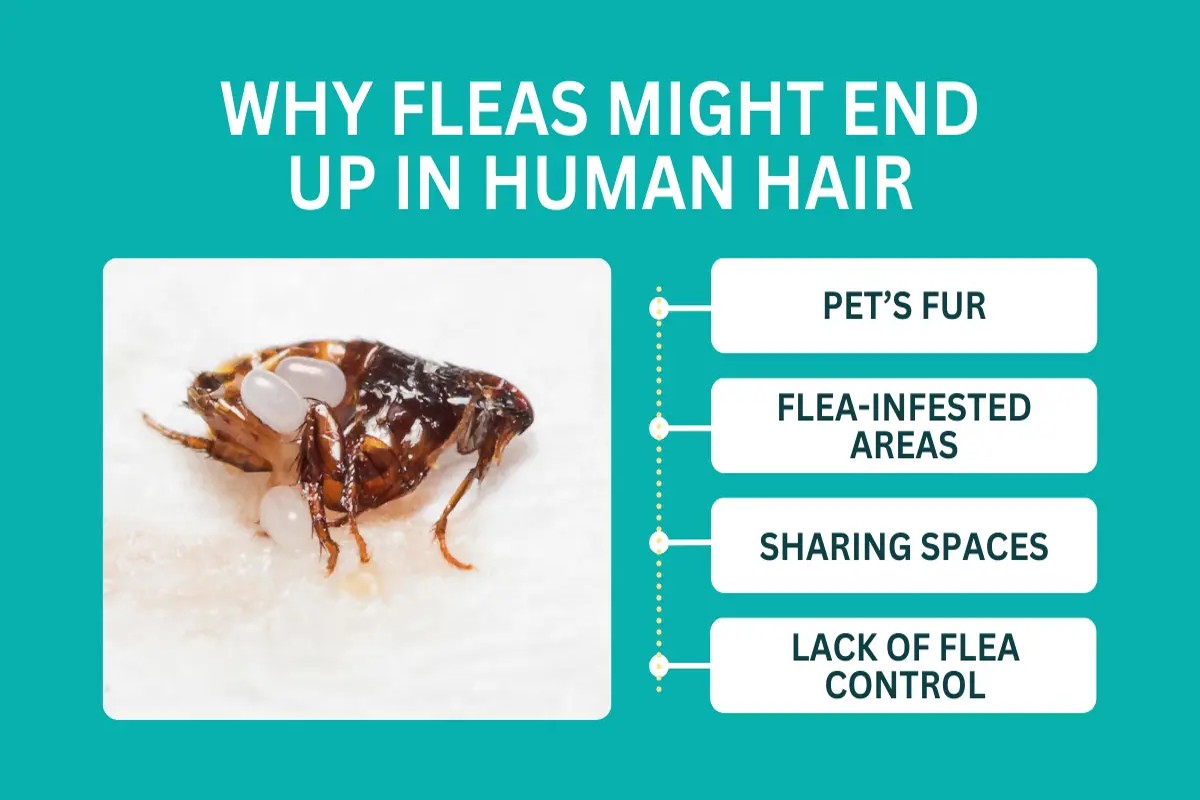
Do fleas go in human hair? Fleas do not typically inhabit human hair, as they prefer animal hosts for feeding. However, they can jump onto humans and bite, causing discomfort and potential allergic reactions.
Understanding the behavior of fleas is crucial for pet owners and anyone living in close proximity to animals. Misconceptions about flea infestations can lead to inadequate pest control measures, resulting in prolonged discomfort and potential health risks.
This article provides insights into flea behavior, effective prevention tips, and strategies for managing flea bites on humans. Readers will gain a clear understanding of how to protect themselves and their pets from these pests.
Can fleas live in human hair?
Fleas do not live in human hair, but they can occasionally land on humans. These pests primarily inhabit animals, especially pets like dogs and cats, where they find ideal conditions for feeding and reproduction. While they may jump onto humans from infested animals, they do not stay long or establish a colony.
Fleas are attracted to warm-blooded hosts, and humans can serve as a temporary food source. However, their anatomy and behavior are adapted for life on fur-covered animals. Fleas prefer the dense fur of animals, which provides protection, moisture, and a suitable environment for their eggs. On humans, they may bite but generally do not find the conditions conducive to survival.
- Feeding Behavior: Fleas feed on blood and will bite humans if they are in proximity to an infested animal, resulting in itchy welts.
- Duration: Fleas that land on humans typically do not remain for long, as they require the fur of animals to lay eggs and complete their life cycle.
- Prevention: Keeping pets treated for fleas and maintaining cleanliness in living spaces can significantly reduce the likelihood of fleas coming into contact with humans.
While fleas can occasionally be found on humans, they are not capable of establishing a population in human hair. Understanding the behavior of fleas and their preference for animal hosts can help in effective pest control and prevention strategies.
Regularly treating pets with veterinarian-approved flea control products is essential. This not only protects pets but also minimizes the risk of fleas transferring to human hosts.
How to tell if fleas are in your hair?
Identifying fleas in your hair involves recognizing specific signs and symptoms. Fleas do not typically infest human hair, but they can bite the scalp, leading to irritation and discomfort. Observing for bite marks and other indicators can help confirm their presence.
- Examine your scalp for red, itchy welts. Flea bites often appear as small, raised bumps that can be intensely itchy, particularly around the hairline and neck.
- Check for flea feces, which appear as tiny black specks on the scalp or in your hair. This feces, often referred to as “flea dirt,” is digested blood and may be found on your skin or bedding.
- Brush your hair over a white surface, such as a piece of paper or cloth. If fleas are present, you may see small, dark specks fall, potentially indicating flea presence.
- Monitor for excessive itching or scratching. If you find yourself frequently scratching your scalp, it could be a response to flea bites or other irritants.
- Look for signs of fleas in your environment. If you have pets, inspect them for fleas, as this increases the likelihood of fleas being present in your home.
Fleas primarily infest animals, but they can bite humans, leading to discomfort. If you suspect fleas are in your hair or on your scalp, taking immediate action is essential to prevent further irritation.
Regularly treating pets for fleas can significantly reduce the risk of infestations in humans. Using a flea comb on pets and maintaining a clean living environment will help minimize exposure.
What do flea bites look like on humans?
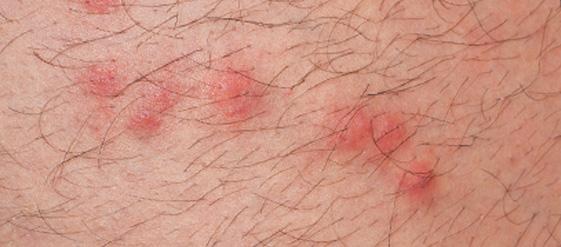
Flea bites on humans typically appear as small, red, itchy bumps. They often resemble mosquito bites and are usually found in clusters, particularly around the ankles and waistline.
When a person is bitten by a flea, the bite may create a small, raised, red spot with a central puncture point. These bites can become very itchy, leading to scratching and potential secondary infections. In some cases, individuals may develop an allergic reaction, resulting in more pronounced swelling and redness. The severity of the reaction can vary based on a person’s sensitivity to flea saliva.
For example, a person who spends time in a flea-infested environment, such as a home with pets, may notice multiple bites on their lower legs. They may experience intense itching, prompting them to scratch the affected areas. Over time, this can lead to skin irritation or small sores. In contrast, someone with a mild reaction may only notice a few isolated bites that are less itchy and resolve quickly without further complications.
Expert Tip: Immediate treatment of flea bites can help alleviate symptoms. Over-the-counter antihistamines and topical corticosteroids can reduce itching and inflammation. Additionally, maintaining a flea-free environment is essential to prevent future bites.
How to get rid of fleas in your home?
To effectively eliminate fleas from your home, a comprehensive approach is necessary. This includes treating pets, cleaning the environment, and using appropriate insecticides. Consistency in these methods is key to breaking the flea life cycle.
- Treat your pets: Start by bathing your pets with a flea shampoo specifically designed to kill fleas. Follow this with a veterinarian-approved flea treatment, such as topical solutions or oral medications, to prevent reinfestation.
- Vacuum thoroughly: Vacuum carpets, rugs, and upholstery meticulously to remove fleas, eggs, and larvae. Dispose of the vacuum bag or empty the canister outside immediately to prevent fleas from re-entering your home.
- Wash bedding and fabrics: Wash all pet bedding, blankets, and any other fabric items in hot water. This helps eliminate fleas and their eggs that may be residing in these materials.
- Use insecticides: Apply a flea spray or fogger in your home, focusing on areas where pets spend time. Choose products labeled for indoor use and follow the manufacturer’s instructions carefully for safety and effectiveness.
- Consider professional pest control: If the infestation persists, hiring a professional pest control service may be necessary. They can offer targeted treatments and guidance tailored to your specific situation.
Maintaining a clean environment is crucial in preventing future flea infestations. Regularly vacuuming and washing pet items will help control flea populations and minimize the chances of re-infestation.
Expert Tip: Incorporate diatomaceous earth into your cleaning routine. This natural substance can effectively kill fleas by damaging their exoskeletons, enhancing your flea control strategy.
Do fleas prefer certain types of hair?
Fleas do not exhibit a strong preference for specific types of human hair. While they can inhabit various environments, their primary focus is on finding a suitable host rather than the characteristics of hair types.
Fleas are external parasites that thrive on warm-blooded animals, including humans. Their behavior is largely influenced by factors such as body heat, carbon dioxide emissions, and the availability of blood. While the texture or length of hair may have some impact on how easily fleas can cling to a host, it does not significantly dictate their presence or preference. For instance, individuals with thick or curly hair might find fleas more challenging to remove, but this does not mean fleas prefer these hair types over others.
In terms of hair type, the following comparisons can be made:
- Straight Hair: May provide less friction, allowing fleas to move quickly but also making them easier to spot and remove.
- Curly Hair: Offers more hiding spaces for fleas, possibly making them harder to detect. However, the curliness does not inherently attract fleas.
- Short Hair: Generally allows for easier detection and removal of fleas, as there are fewer places for these parasites to hide.
Ultimately, fleas are opportunistic in their choice of hosts. They are attracted to the warmth and scent of humans rather than the type of hair they possess. Environmental factors, such as the presence of pets or infested areas, play a more significant role in flea infestations than hair characteristics.
Expert Tip: Regular grooming and vacuuming can help eliminate fleas in the home environment, regardless of hair type. Additionally, maintaining a clean living space reduces the likelihood of attracting fleas.
What are the best flea treatments for pets?
The best flea treatments for pets include a combination of topical treatments, oral medications, and environmental control methods. These treatments not only eliminate existing fleas but also help prevent future infestations, reducing the risk of fleas jumping to humans. Selecting the right combination based on the pet’s age, weight, and health status is essential for effectiveness.
Effective flea treatments can be categorized into several types, each with distinct advantages:
- Topical Treatments: Products like Frontline or Advantage are applied directly to the pet’s skin. These treatments kill fleas on contact and provide ongoing protection for weeks.
- Oral Medications: Flea pills such as Capstar or Comfortis work systemically to kill fleas within hours of ingestion. They are particularly useful for rapid infestations and can be combined with topical treatments for enhanced effectiveness.
- Flea Collars: Collars like Seresto release active ingredients that repel and kill fleas. They provide long-lasting protection, making them a convenient option for continuous flea control.
- Environmental Control: Regular vacuuming and washing pet bedding can significantly reduce flea populations in the home. Additionally, using insect growth regulators (IGRs) in the environment can prevent flea eggs and larvae from developing.
It is crucial to consult with a veterinarian before starting any flea treatment regimen. They can provide tailored advice based on the pet’s specific needs and health conditions. Additionally, some treatments may not be suitable for young or pregnant pets, so vet guidance is vital.
Expert Tip: Monitor your pet regularly for signs of fleas, such as excessive scratching or flea dirt. Early detection and treatment can prevent a full-blown infestation, minimizing the risk of fleas transferring to humans.
How long can fleas survive without a host?
Fleas can survive without a host for approximately two to three months. However, survival time can vary based on environmental conditions and the life stage of the flea.
Adult fleas typically live for about two weeks to a few months when they do not have a host. Their lifespan is significantly influenced by temperature and humidity. In warmer and more humid conditions, fleas can survive longer, as they can remain active and seek out a host more effectively. Conversely, in dry or cold environments, their survival rate diminishes, potentially narrowing their lifespan to just a few days.
Flea eggs and larvae, which are the immature stages of the flea life cycle, have different survival tactics. Flea eggs can remain dormant for months in carpets, bedding, or soil until conditions are favorable for hatching. This ability to wait for suitable conditions allows flea populations to persist even in the absence of a host, contributing to their resilience and the challenges of controlling infestations. Adult fleas can also enter a state of diapause, a form of dormancy that allows them to survive longer periods without feeding.
Effective flea control measures require an understanding of these survival tactics. Regular vacuuming, washing bedding, and treating pets with appropriate flea prevention can significantly reduce flea populations in the home. Additionally, using environmental treatments can target eggs and larvae, disrupting their life cycle.
Expert Tip: Monitor humidity levels in your home, as maintaining a lower humidity can help inhibit flea survival and reproduction, making it less likely for fleas to thrive in your environment.
Are there any home remedies for flea bites?
Yes, several home remedies can effectively alleviate the itching and discomfort associated with flea bites. These remedies use common household items to provide relief and reduce inflammation. Quick action can help minimize irritation and prevent further scratching.
Here are some practical home remedies for flea bites:
- Cold Compress: Apply a cold, damp cloth or ice pack wrapped in a towel to the affected area for 10-15 minutes. This helps reduce swelling and numbs the area, providing immediate relief.
- Oatmeal Paste: Mix oatmeal with water to form a paste and apply it to the bites. Leave it on for 30 minutes before rinsing. Oatmeal has anti-inflammatory properties that can soothe the skin.
- Aloe Vera Gel: Use pure aloe vera gel directly from the plant. Its natural healing properties can help reduce itching and promote skin healing. Apply generously to the affected areas as needed.
- Apple Cider Vinegar: Dilute apple cider vinegar with water (1:1 ratio) and apply it to the bites using a cotton ball. The acidity can help alleviate itching and prevent infection.
- Baking Soda Paste: Combine baking soda with water to make a thick paste. Apply it to the bites and leave it on for 10-15 minutes before rinsing. This remedy can help reduce itchiness and inflammation.
While these remedies can provide relief, it’s essential to monitor the bites for signs of infection, such as increased redness or swelling. If symptoms persist or worsen, consulting a healthcare professional is advisable.
Expert Tip: Maintaining good hygiene and preventing scratching can significantly reduce the risk of secondary infections. Regularly cleaning pet bedding and living areas can also help manage flea populations and prevent future bites.
Understanding Flea Behavior and Life Cycle
This section explores the biology and behavior of fleas, highlighting their life cycle stages and feeding habits. Understanding these aspects is essential for effective flea control and prevention.

Life Cycle Stages of Fleas
Fleas undergo a complete metamorphosis, which includes four distinct stages: egg, larva, pupa, and adult.
1. **Egg**: Female fleas lay approximately 20-30 eggs per day on their host or in the surrounding environment. These eggs are small, white, and oval-shaped, typically falling off the host onto bedding, carpets, or soil.
2. **Larva**: After about 2-10 days, eggs hatch into larvae, which are blind and prefer dark, moist environments. They feed on organic debris, including adult flea feces, which is rich in nutrients.
3. **Pupa**: The larval stage lasts about 5-11 days before they spin a cocoon and enter the pupal stage. This stage can last several days to months, depending on environmental conditions such as temperature and humidity.
4. **Adult**: Once conditions are favorable, adults emerge from the cocoon. They can live for several weeks to months, relying on their hosts for blood meals.
Feeding Habits and Preferred Hosts
Fleas are hematophagous, meaning they feed exclusively on blood. Their primary hosts are mammals, especially domestic animals such as cats and dogs. While fleas do not prefer humans, they can bite and feed on human blood if other hosts are unavailable.
- Cats and Dogs: The most common hosts for fleas, providing a stable environment for reproduction.
- Other Mammals: Fleas can infest various mammals, including rodents and wildlife.
- Humans: While not a primary host, humans can be bitten, especially in heavily infested areas.
Environmental Factors Affecting Flea Survival
Fleas thrive in warm, humid environments. The ideal temperature for flea development is between 70°F and 85°F (21°C to 29°C), with humidity levels above 50%. These conditions facilitate rapid reproduction and growth. Conversely, extreme temperatures and low humidity can reduce their survival rates significantly.
How Fleas Jump and Their Mobility
Fleas are renowned for their remarkable jumping ability. They can leap up to 7 inches vertically and 13 inches horizontally. This mobility is due to their powerful hind legs, which can propel them up to 350 times their body length. This ability allows fleas to quickly move between hosts and evade potential threats.
Nuances in Flea Behavior
One common misconception is that fleas prefer human hair as a nesting site. In reality, fleas are not adapted to live in human hair. They prefer fur or feathers, which provide better protection and ease of movement. While fleas can bite humans, they do not establish themselves in human hair like they do in animal fur. Additionally, flea bites can often be mistaken for other insect bites, leading to misdiagnoses in infestations.
Practical Application
To prevent flea infestations, consider the following actions:
– Regularly groom pets and use veterinarian-recommended flea treatments.
– Vacuum carpets, rugs, and furniture frequently to eliminate eggs and larvae.
– Wash pet bedding and human bedding in hot water to kill any fleas in the environment.
– Maintain a clean, dry environment to deter flea survival.
Understanding flea behavior and their life cycle stages can significantly aid in effective prevention and control measures, ensuring a flea-free home.
Preventing Fleas from Infesting Your Home
Flea infestations pose a significant challenge for pet owners and can affect the comfort of any household. Implementing effective prevention strategies reduces the likelihood of fleas entering your home and ensures a healthier environment for both pets and humans.
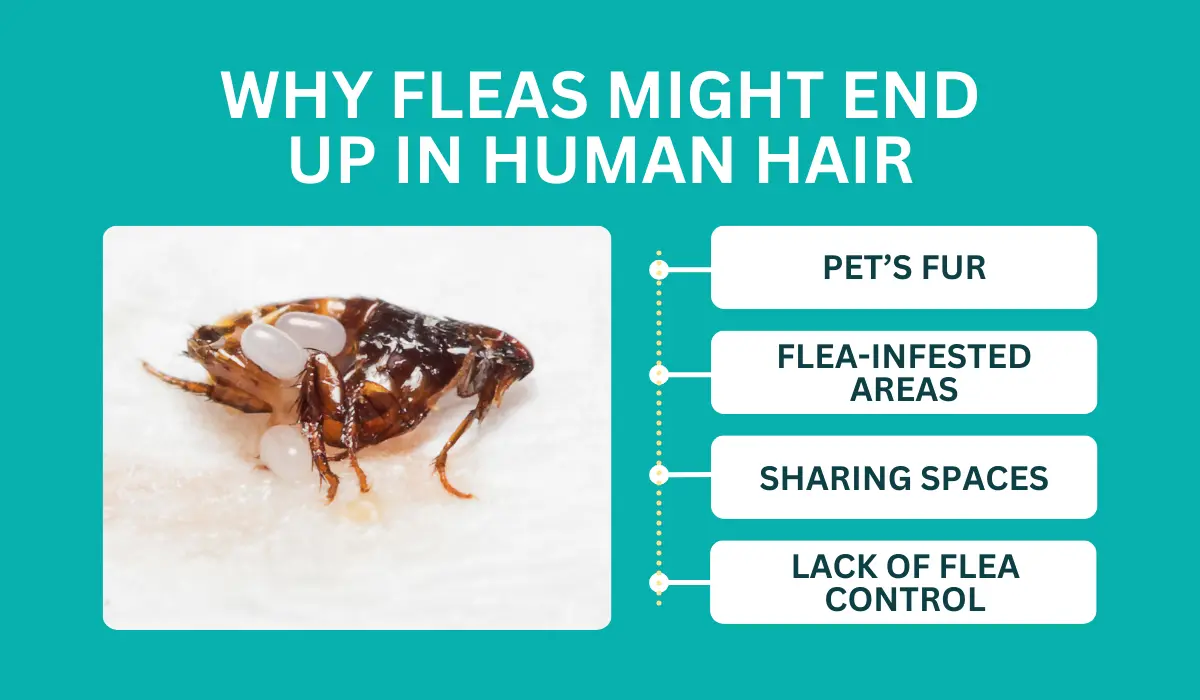
Regular Grooming and Bathing of Pets
Consistent grooming and bathing of pets play a critical role in flea prevention. Use a fine-toothed flea comb weekly to catch fleas before they can reproduce. Bathing pets with a veterinarian-recommended flea shampoo can eliminate existing fleas and soothe irritated skin. Aim to bathe pets at least once a month, or more frequently if they spend considerable time outdoors.
Using Flea Prevention Products Effectively
Select and apply flea prevention products according to the specific needs of your pets. Options include topical treatments, oral medications, and flea collars. Follow these guidelines:
- Consult a veterinarian to determine the most suitable product based on your pet’s health and lifestyle.
- Apply treatments consistently, adhering to the recommended schedule for each product.
- Monitor for side effects and consult a veterinarian if any adverse reactions occur.
Cleaning and Vacuuming Strategies
Thorough cleaning practices are essential in eliminating fleas and their eggs from your home. Regular vacuuming of carpets, rugs, and upholstery can significantly decrease flea populations. Follow these steps for effective cleaning:
- Vacuum high-traffic areas and pet resting spots daily.
- Dispose of vacuum bags or empty canisters immediately to prevent fleas from escaping.
- Wash pet bedding and any removable fabric covers in hot water weekly.
Creating a Flea-Free Environment Indoors and Outdoors
Establishing a flea-free environment requires attention to both indoor and outdoor spaces. Indoors, ensure that areas where pets frequent are clutter-free to minimize hiding spots for fleas. Outdoors, maintain a well-groomed yard by:
- Mowing the lawn regularly and keeping shrubs trimmed.
- Removing debris and leaves that can serve as habitats for fleas.
- Using outdoor flea control products in shaded areas where pets spend time.
Nuance / Expert Layer
Common misconceptions suggest that fleas can only thrive in dirty environments. In reality, fleas can infest clean homes, especially if pets are frequently exposed to outdoor areas where fleas are prevalent. Furthermore, flea eggs can remain dormant for long periods, complicating eradication efforts. Recognizing that flea control is an ongoing process rather than a one-time event is essential for effective management.
Practical Application
To implement these prevention strategies, start by establishing a grooming routine for your pets and selecting suitable flea prevention products. Set a cleaning schedule that includes daily vacuuming and weekly washing of pet items. Additionally, enhance your outdoor space by maintaining a tidy yard. By committing to these actions, you significantly reduce the risk of fleas invading your home and protect your pets from infestation.
Identifying and Treating Flea Bites on Humans
This section details how to identify flea bites on humans, their symptoms, and effective treatment methods. Recognizing and addressing flea bites promptly can prevent further discomfort and complications.
Symptoms of Flea Bites
Flea bites typically appear as small, red, and itchy welts. They often occur in clusters or lines, commonly on the ankles, legs, and waist. Key symptoms include:
- Redness and swelling around the bite site.
- Intense itching that can lead to scratching.
- Pustules or blisters may develop if the area is scratched excessively.
Differentiating flea bites from other insect bites is crucial. Unlike mosquito bites, which are usually solitary and not grouped, flea bites tend to occur in clusters. Additionally, flea bites often have a distinctive halo of redness surrounding them.
First Aid Tips for Treating Flea Bites
Immediate care for flea bites can alleviate discomfort and prevent infection. Follow these steps:
- Wash the affected area with soap and water to reduce the risk of infection.
- Apply a cold compress to the bites for 10-15 minutes to relieve itching and swelling.
- Use over-the-counter antihistamines, such as diphenhydramine, to reduce allergic reactions and itching.
- Consider applying topical corticosteroids or hydrocortisone cream to minimize inflammation.
Avoid scratching the bites, as this can lead to secondary infections.
When to Seek Medical Attention
Most flea bites resolve without medical intervention. However, certain situations warrant professional evaluation:
- If symptoms escalate to severe swelling or widespread rash.
- Signs of infection, such as pus or increased redness.
- Severe allergic reactions, including difficulty breathing or swelling of the face and throat.
Individuals with a history of allergic reactions to insect bites should remain vigilant and consult a healthcare provider promptly.
Long-Term Effects of Flea Bites
In most cases, flea bites heal without complications. However, some individuals may experience long-term effects, particularly those with allergic reactions. Chronic scratching can lead to skin infections and scarring. Additionally, flea bite hypersensitivity may develop, causing heightened reactions to future bites.
Nuance / Expert Layer
A common misconception is that fleas only bite pets. In reality, humans can be affected, especially in environments with infested animals. Fleas prefer to feed on their primary hosts, but they will bite humans when necessary. Furthermore, some individuals may exhibit no symptoms despite being bitten, complicating the identification of infestations. Understanding individual reactions to flea bites is essential for effective management.
Practical Application
To effectively manage flea bites, maintain a clean living environment and treat pets for fleas regularly. If bitten, administer first aid promptly and monitor symptoms. Keep a record of any unusual reactions and consult a healthcare professional if necessary. Understanding how to identify and treat flea bites can help minimize discomfort and prevent complications.
Common Myths About Fleas and Humans
This section clarifies prevalent myths regarding fleas and their interaction with humans, emphasizing the importance of accurate information for effective pest management.
Fleas Do Not Live in Human Hair
A common misconception is that fleas inhabit human hair. In reality, fleas are primarily adapted to live on animals, particularly cats and dogs. They prefer the fur of these hosts due to the warmth and accessibility of blood. While fleas may jump onto humans, they do not establish themselves in human hair or scalp. Their anatomy is not suited for gripping human hair, making it highly unlikely for them to reside there.
Fleas and Cleanliness: A Misunderstanding
Another myth suggests that fleas only thrive in dirty or unsanitary environments. While it is true that cluttered spaces can harbor fleas, cleanliness alone does not guarantee a flea-free home. Fleas can infest clean environments, especially if pets are present. These pests can hitch rides on clothing or shoes, spreading from infested areas to clean ones. Therefore, maintaining cleanliness is important, but it is not a foolproof method of prevention.
Health Implications of Flea Infestations
Beyond the discomfort of itching, fleas pose several health risks to humans. They can transmit diseases such as the plague and murine typhus. Additionally, flea bites can lead to allergic reactions in some individuals, causing severe itching and inflammation. Understanding these risks is crucial for effective pest management and personal health.
Fleas and Their Relationship with Other Pests
Fleas often coexist with other pests, including ticks and lice. This relationship can complicate pest control efforts. For example, pets infested with fleas may also harbor ticks, which can further pose risks to human health. Integrated pest management strategies should consider the potential for multiple infestations to ensure comprehensive treatment.
Nuanced Understanding of Flea Behavior
Many articles overlook the fact that while fleas do not live in human hair, they can still cause significant distress. Fleas are highly mobile and can jump up to 7 inches vertically, making them adept at finding hosts. They can also survive for several months without a host, complicating eradication efforts. Flea eggs can lay dormant in environments, hatching when conditions are favorable. This lifecycle means that simply treating pets may not be sufficient; addressing the living space is equally vital.
Practical Steps for Flea Prevention
- Regularly groom pets and check for fleas.
- Vacuum carpets, upholstery, and pet bedding frequently.
- Use flea prevention treatments recommended by veterinarians.
- Wash pet bedding and blankets in hot water regularly.
- Consider professional pest control services if infestations persist.
By understanding the myths surrounding fleas and implementing effective prevention strategies, individuals can better protect themselves and their pets from these pests. Awareness of flea behavior and health implications is essential for maintaining a healthy living environment.
Frequently Asked Questions
Can fleas live in human hair?
No, fleas do not live in human hair. They prefer to reside on animals, particularly pets like cats and dogs, where they can easily feed and reproduce.
How to tell if fleas are in your hair?
Signs of fleas in human hair include intense itching and the presence of small red bumps on the scalp. However, fleas are unlikely to infest human hair as they primarily target animals.
What do flea bites look like on humans?
Flea bites on humans typically appear as small, red, itchy welts. They often occur in clusters or lines and may be accompanied by swelling and irritation.
How to get rid of fleas in your home?
To eliminate fleas in your home, vacuum thoroughly and wash bedding in hot water. Additionally, consider using insecticides specifically designed for flea control and treat your pets with appropriate flea treatments.
Do fleas prefer certain types of hair?
Fleas do not have a preference for human hair types, as they primarily infest animals. They are more attracted to the warmth and fur of pets rather than human hair.
What are the best flea treatments for pets?
The best flea treatments for pets include topical treatments, oral medications, and flea collars. Consult a veterinarian for recommendations based on your pet’s specific needs and health conditions.
How long can fleas survive without a host?
Fleas can survive without a host for several days to a few weeks, depending on environmental conditions. They can enter a dormant state during this time, waiting for a suitable host to feed on.
Are there any home remedies for flea bites?
Home remedies for flea bites include applying a cold compress, using anti-itch creams, or applying aloe vera gel to soothe irritation. These methods can help alleviate discomfort and reduce inflammation.
Final Thoughts on do fleas go in human hair
While fleas do not thrive in human hair, the risk of bites or indirect transfer remains a concern, particularly in environments heavily infested with these pests. Identifying flea activity early and understanding their behavior can mitigate the likelihood of encountering them in your personal space.
To effectively protect yourself from potential flea exposure, consider investing in a comprehensive flea prevention plan for your home, including regular vacuuming and the use of flea treatments for pets, as this will create an unwelcoming environment for these parasites.
Addressing flea infestations promptly is crucial, as it safeguards not only personal comfort but also public health, emphasizing the importance of proactive pest management.
Leave a Reply