Hair dye does not kill lice. While some ingredients in hair dye may have the potential to harm lice, they are not effective for complete eradication of these pests.
This topic is crucial for parents, educators, and anyone dealing with lice infestations. Misunderstanding the efficacy of hair dye in treating lice can lead to ineffective treatments, prolonged infestations, and unnecessary frustration.
This article clarifies the relationship between hair dye and lice, explores the myths surrounding this topic, and provides insights into effective lice treatment options.
Can hair dye be used to treat lice?
Hair dye is not an effective treatment for lice. While some may believe that the chemicals in hair dye can kill lice, studies have shown that it does not eradicate these pests or their eggs.
Using hair dye as a lice treatment is ineffective for several reasons. First, the primary ingredients in most hair dyes are not formulated to target lice or their eggs, which require specific insecticidal action to eliminate. Second, lice have developed resistance to many over-the-counter treatments, and hair dye does not contain the active ingredients needed to tackle this resistant population.
- Use an FDA-approved lice treatment. These products contain specific insecticides, such as permethrin or pyrethrin, which effectively kill lice and their eggs.
- Follow the instructions carefully. Ensure the treatment is applied to dry hair, and leave it on for the recommended duration to maximize effectiveness.
- Comb through the hair with a fine-toothed nit comb after the treatment. This step helps remove dead lice and eggs from the hair, preventing re-infestation.
- Repeat the treatment as necessary. Most products recommend a follow-up treatment 7 to 10 days after the initial application to ensure any newly hatched lice are eliminated.
- Wash all bedding and clothing. Hot water and a high-heat dryer cycle will help kill any lice and eggs that may have fallen off the scalp.
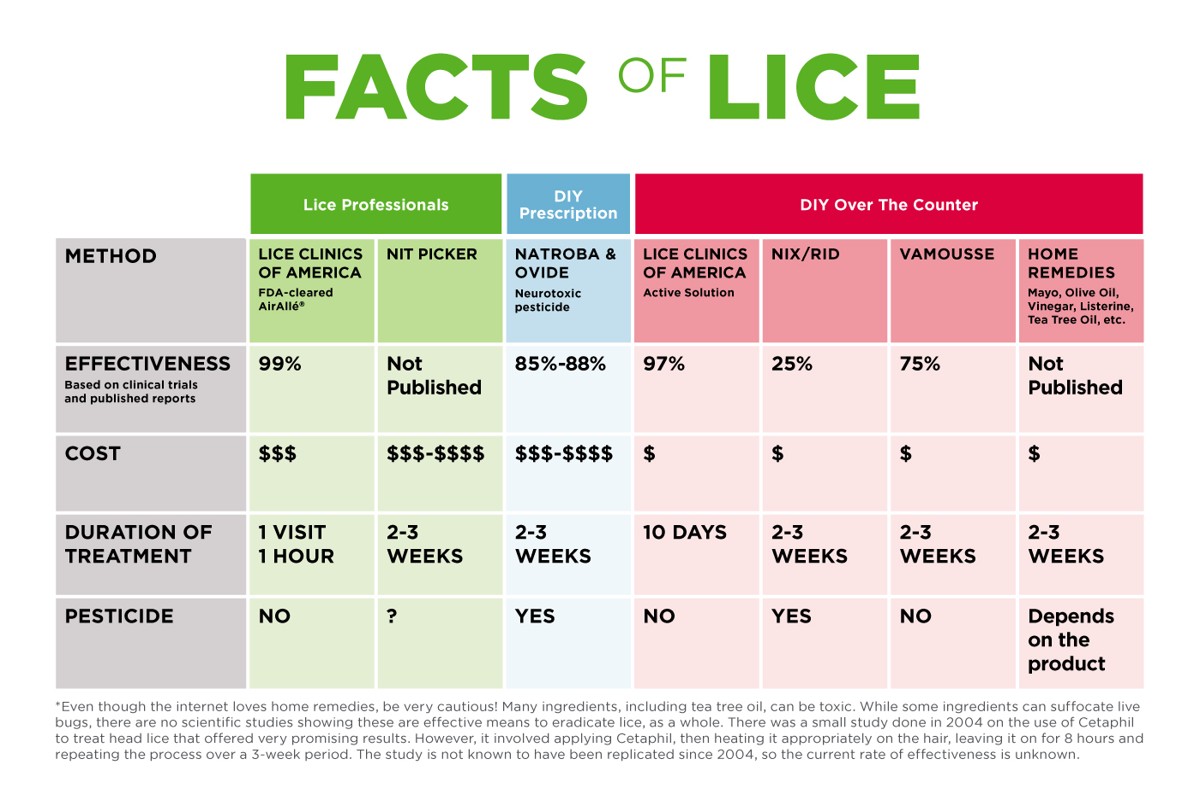
Alternative methods, such as essential oils or home remedies, lack sufficient scientific backing and may not provide reliable results. Consulting a healthcare professional for guidance on effective lice treatments is advisable.
For optimal results, consider combining over-the-counter treatments with thorough combing and hygiene practices. This multi-faceted approach enhances the likelihood of completely eradicating lice from the hair and home environment.
What are the best lice treatment options?
The best lice treatment options include over-the-counter (OTC) products, prescription medications, and natural remedies. Each option varies in effectiveness, application methods, and potential side effects. Understanding these differences can help in selecting the most suitable treatment.
Over-the-counter treatments typically contain pyrethrins or permethrin, which are insecticides that target lice. These products are widely available and generally effective for mild infestations. Prescription medications, such as malathion or benzyl alcohol, may be recommended for more persistent cases. These treatments often have stronger active ingredients and may work when OTC options fail.
- Over-the-Counter (OTC) Treatments: Commonly used, easy to access, and effective for mild to moderate lice infestations. However, some lice populations have developed resistance to these treatments.
- Prescription Medications: Typically more potent and effective against resistant lice strains. These may require a healthcare provider’s prescription and can be more expensive.
- Natural Remedies: Options such as essential oils (tea tree, lavender) or vinegar are favored for those seeking chemical-free solutions. However, their effectiveness varies and may not be supported by scientific evidence.
Natural remedies often appeal to parents concerned about chemical exposure, but their efficacy is less reliable than that of OTC or prescription treatments. It’s crucial to follow application instructions carefully to ensure adequate coverage and effectiveness, regardless of the treatment chosen.
Expert Tip: When using any lice treatment, combing with a fine-toothed lice comb is essential for removing both live lice and nits. This step significantly increases the likelihood of successful eradication.
How long does it take to get rid of lice?
Typically, it takes about 1 to 2 weeks to completely eliminate lice from the scalp and hair. This timeframe includes the initial treatment and necessary follow-up actions to ensure all lice and their eggs, or nits, are eradicated.
The effectiveness of lice treatment can depend on several factors. First, the choice of treatment method plays a crucial role. Over-the-counter shampoos or prescription treatments may require multiple applications, often spaced 7 to 10 days apart, to ensure that newly hatched lice are killed. Additionally, the severity of the infestation affects timing; a more extensive infestation may necessitate longer treatment periods and more intensive cleaning measures.
Follow-up is essential in lice treatment. Even after the initial application, it’s vital to comb through the hair with a fine-toothed lice comb every few days to remove any remaining nits or lice. This process can take additional time but is key to preventing reinfestation. Furthermore, washing bedding, clothing, and any personal items that may harbor lice is necessary and can add to the overall time required to fully resolve the issue.
Keep in mind that follow-up treatments may be required based on the specific product used. Always read the instructions provided with any lice treatment product to ensure maximum effectiveness.
Expert Tip: For optimal results, combine chemical treatments with manual removal methods, such as using a lice comb, to improve the chances of complete elimination within the stated timeframe.
Are there any home remedies for lice?
Yes, there are several home remedies that people often use to treat lice infestations. Common methods include using essential oils, vinegar, and mayonnaise. However, the effectiveness of these remedies can vary significantly, and they may not eliminate the problem entirely.
One popular home remedy is the use of tea tree oil. Some studies suggest that tea tree oil has insecticidal properties that can help kill lice. To use it, mix a few drops of tea tree oil with a carrier oil, such as coconut or olive oil, and apply it to the scalp. After letting it sit for several hours, wash it out thoroughly. While some users report success with this method, it may not work for everyone, and multiple applications might be necessary to ensure all lice and their eggs are eliminated.
Another common approach is using vinegar. The acetic acid in vinegar is believed to help dissolve the glue that holds lice eggs (nits) to hair strands. A common method involves rinsing the hair with a mixture of vinegar and water, allowing it to sit for about 30 minutes before combing the hair with a fine-toothed nit comb. Although vinegar can help in loosening nits, it does not kill lice and should be used in conjunction with other methods for better results.
For those considering a thicker application, mayonnaise is often touted as a lice remedy due to its suffocating properties. Applying mayonnaise to the scalp and covering it with a shower cap for several hours may help trap and kill lice. However, this method can be messy and may require multiple washes to remove the product from the hair completely.
Combining these remedies with a fine-toothed nit comb is essential to effectively remove lice and nits. Regular combing is necessary, regardless of the treatment used, to ensure comprehensive removal.
When using home remedies, be mindful that they may not be as effective as over-the-counter or prescription treatments. Always monitor the scalp for signs of persistent infestation and consult a healthcare professional if necessary.
Does hair dye harm lice eggs?
Hair dye does not harm lice eggs, also known as nits. While the chemicals in hair dye can affect adult lice, they do not penetrate the protective shell of the eggs, allowing them to survive the dyeing process. Consequently, using hair dye as a treatment for lice is not a reliable solution.
The primary reason hair dye fails to eliminate lice eggs is due to their unique structure. Lice eggs are firmly attached to the hair shaft with a glue-like substance that protects them from external agents, including chemical treatments. This adhesive property makes it challenging for any topical treatment, including hair dye, to effectively reach and kill the eggs.
Moreover, different types of hair dye contain varying chemical formulations, which may include ammonia, peroxide, or other harsh agents. While these chemicals can effectively kill adult lice, they generally lack the potency needed to penetrate the protective shell of lice eggs. Thus, even after dyeing, any remaining nits can hatch and lead to a reinfestation.
For effective lice treatment, proven methods include over-the-counter pediculicides specifically designed to target both lice and their eggs. These products typically contain active ingredients such as permethrin or pyrethrin, which are formulated to break down the protective barriers of nits. Additionally, thorough combing with a fine-toothed lice comb is essential to physically remove nits from the hair.
Expert Tip: Always combine chemical treatments with mechanical removal methods to ensure complete eradication of lice and their eggs. Regularly checking for reinfestation after treatment is crucial to prevent ongoing issues.
Understanding Lice Life Cycle and Treatment Needs
This section dissects the life cycle of lice and the implications for effective treatment strategies. Grasping the biology of lice is vital for selecting appropriate interventions.

Lice Life Cycle Stages
The life cycle of lice consists of three primary stages: egg, nymph, and adult.
- Eggs (Nits): Lice eggs, commonly referred to as nits, are oval-shaped and typically attach firmly to the hair shaft near the scalp. They are often yellow or white and can take about 7 to 10 days to hatch.
- Nymphs: Once hatched, nymphs resemble smaller versions of adult lice. They mature into adults within approximately 7 to 10 days and require blood meals to grow.
- Adults: Adult lice are about the size of a sesame seed and can live up to 30 days on a human host. They can lay approximately 6 to 10 eggs daily, contributing to rapid infestations if left untreated.
Importance of Understanding the Life Cycle
Recognizing the life cycle stages of lice is essential for successful treatment. Different treatments target specific stages of this cycle. For instance, most over-the-counter treatments focus on killing adult lice and nymphs but may not effectively eliminate nits.
Comprehending the time frames associated with each stage can guide treatment timing. For successful eradication, treatments should be applied when lice are most vulnerable, particularly during the nymph and adult stages.
Targeting Lice with Treatments
Effective lice treatments vary based on the life stage they target:
- Permethrin and Pyrethrin: These common topical treatments primarily kill adult lice and nymphs but often require a second application to eliminate any remaining nits.
- Prescription Treatments: Products like malathion and benzyl alcohol are designed to kill lice at multiple life stages, including nits.
- Mechanical Removal: Using a fine-toothed comb can physically remove nits and lice from hair, which is effective when combined with chemical treatments.
Common Misconceptions About Lice and Hair Care Products
Several myths exist surrounding lice and their treatment:
- Hair Dye’s Effectiveness: A prevalent belief is that hair dye can kill lice. However, most hair dyes lack the necessary active ingredients to eradicate lice effectively.
- Hygiene Factors: Many people assume lice infestations are linked to poor hygiene. In reality, lice spread through close contact and do not discriminate based on cleanliness.
- Household Products: Some individuals mistakenly use household insecticides or other non-approved products, which can be harmful and ineffective against lice.
Many articles on lice treatment overlook the significance of a comprehensive understanding of lice biology. For instance, while certain treatments may claim to be effective, they often fail to address the nits, leading to persistent infestations. Additionally, lice can develop resistance to common over-the-counter treatments, necessitating a more nuanced approach.
To effectively combat lice, it is essential to:
- Identify the life stage of the lice present.
- Select a treatment that targets that specific stage.
- Consider mechanical removal methods alongside chemical treatments.
By following these steps, individuals can enhance their chances of complete lice eradication and prevent future infestations.
The Science Behind Hair Dye and Its Ingredients
This section examines the chemical composition of hair dye and its potential effectiveness against lice. A clear understanding of these elements helps clarify common misconceptions regarding hair dye as a lice treatment.

Common Chemicals in Hair Dye and Their Properties
Hair dye formulations typically include several key chemicals, each serving a specific purpose. The most prevalent ingredients are:
- Ammonia: This chemical acts as a pH adjuster, opening the hair cuticle for better dye penetration.
- Hydrogen peroxide: Often used as a developer, it lightens hair by breaking down natural pigments.
- PPD (p-Phenylenediamine): A common dye component that provides color but can cause allergic reactions in some individuals.
- Alcohol: Used to dissolve other ingredients, it can also dry out hair and scalp.
These chemicals primarily target hair structure and pigmentation, not pests.
Can These Chemicals Kill Lice?
The primary concern when addressing lice infestations is the efficacy of various substances against these resilient parasites. Research indicates that the chemicals in hair dye do not possess insecticidal properties. For instance, while ammonia and hydrogen peroxide can be damaging to organic material, their concentrations in hair dye are insufficient to kill lice effectively.
Studies suggest that lice have a robust exoskeleton and a life cycle that requires targeted insecticides to eliminate effectively. The typical exposure duration of hair dye (30-60 minutes) is also inadequate for any potential lethal effect.
Comparison of Hair Dye Ingredients vs. Lice Treatment Ingredients
Lice treatments are specifically formulated to target the biology of lice. Common ingredients in these treatments include:
- Permethrin: A synthetic pesticide that disrupts the nervous system of lice, leading to paralysis and death.
- Piperonyl butoxide: Often combined with permethrin to enhance its effectiveness.
- Dimethicone: A silicone-based compound that suffocates lice by coating them and blocking their respiratory system.
In contrast, hair dye ingredients lack the targeted action required for effective lice eradication.
Implications for Using Hair Dye as a Lice Remedy
Using hair dye in an attempt to treat lice is not only ineffective but may also lead to unwanted side effects. Hair dyes can cause irritation or allergic reactions, particularly on sensitive scalps already affected by lice. Moreover, relying on hair dye can delay appropriate treatment with proven lice remedies, allowing the infestation to worsen.
Expert Insights and Common Misconceptions
A prevalent misconception is that the chemicals in hair dye can effectively kill lice due to their harshness. However, the concentration and exposure time are critical factors that render hair dye ineffective as a lice treatment. Professional dermatologists emphasize that while some components in hair dye may damage the lice’s outer structure, they do not penetrate deep enough or act quickly enough to eliminate them.
Additionally, the notion that frequent dyeing can prevent lice infestations is unfounded. Lice are primarily transmitted through direct head-to-head contact, not through hair products.
Practical Application
For those dealing with lice infestations, the following steps are recommended:
1. **Use FDA-approved lice treatments** that contain active insecticidal ingredients.
2. **Follow the instructions carefully**, ensuring complete coverage of the hair and scalp.
3. **Comb through hair with a fine-tooth nit comb** to remove dead lice and nits after treatment.
4. **Avoid using hair dye** as a lice treatment, as it does not provide any effective solution.
By adhering to these guidelines, individuals can more effectively manage lice infestations and avoid the pitfalls of relying on hair dye.
Effective Strategies for Preventing Lice Infestations
Preventing lice infestations requires proactive measures that many families often overlook. Understanding the best practices, educating children, maintaining hygiene, and knowing how to respond to lice cases in the household are essential components of an effective prevention strategy.

Best Practices for Avoiding Lice in Schools and Homes
Schools and homes are common environments for lice transmission. Implementing specific practices can significantly reduce the risk of infestation:
- Avoid head-to-head contact: Encourage children to refrain from close physical contact during play, especially in group settings.
- Personal items management: Teach children not to share personal items such as hats, helmets, hairbrushes, and scarves.
- Regular cleaning: Frequently wash bedding, clothing, and plush toys in hot water and dry them on high heat to eliminate any lice or eggs that may be present.
How to Educate Children About Lice Prevention
Education is a powerful tool in preventing lice infestations. Children should be informed about lice in an age-appropriate manner:
- Explain what lice are: Use simple language to describe lice and their effects, helping children understand the importance of prevention.
- Encourage communication: Foster an environment where children feel comfortable discussing lice and reporting any signs of infestation.
- Promote personal responsibility: Teach children to take care of their belongings and respect others’ personal space.
The Importance of Regular Hair Checks and Hygiene
Regular hair checks can help identify lice early, preventing a larger outbreak. Establishing a routine can be beneficial:
- Weekly inspections: Check children’s hair weekly for any signs of lice or nits, particularly behind the ears and at the nape of the neck.
- Maintain clean hair: Encourage regular washing and conditioning of hair, as clean hair is less attractive to lice.
- Use protective hairstyles: For long hair, consider tight braids or buns that minimize exposure during social activities.
What to Do If Someone in Your Household Has Lice
Immediate action is necessary if lice are discovered in the household. Follow these steps to contain the spread:
- Isolate the infested person: Ensure that the individual does not share personal items and limit close contact with others.
- Treat the infestation: Use appropriate lice treatment products, following the instructions carefully.
- Notify close contacts: Inform family members and friends who may have been in close contact, enabling them to check for signs of lice.
Many families underestimate the importance of preventive measures against lice infestations. While some believe that hair dye can kill lice, its effectiveness is not proven. Instead, focus on consistent prevention strategies, such as the ones outlined above, to maintain a lice-free environment.
To apply this information effectively, establish a household routine that includes regular hair checks and discussions about lice prevention. Equip children with the knowledge and responsibility to protect themselves, and create a plan for immediate action if lice are detected. By prioritizing prevention, families can reduce the risk of lice infestations significantly.
Professional vs. At-Home Lice Treatments: What to Choose?
This section explores the differences between professional lice removal services and at-home treatments, providing insights into effectiveness and cost. Understanding these options is essential for making an informed decision when faced with a lice infestation.

Overview of Professional Lice Removal Services
Professional lice removal services offer comprehensive treatments that often include both chemical and manual methods. These services typically employ trained specialists who use FDA-approved products and techniques designed to eliminate lice and nits effectively. Many services also provide follow-up checks to ensure complete eradication.
Cost Comparison: Professional vs. At-Home Treatments
Cost is a significant factor when deciding between professional and DIY solutions. On average, professional lice removal services range from $100 to $300 per treatment, depending on the severity of the infestation and the geographic location. In contrast, at-home treatments, which include over-the-counter shampoos and combs, can cost as little as $10 to $30.
- Professional Treatments: $100 – $300
- At-Home Treatments: $10 – $30
While at-home treatments are more cost-effective, they may require multiple applications and additional products, potentially increasing the overall expense.
Effectiveness of DIY Treatments and Common Pitfalls
At-home lice treatments can be effective but often come with pitfalls. Many over-the-counter shampoos contain pyrethrins or permethrin, which may not work on resistant lice strains. Moreover, improper application or failure to follow instructions can lead to incomplete treatment, leaving behind surviving lice and nits.
Common pitfalls include:
- Not following the instructions precisely.
- Failing to treat all household members simultaneously.
- Neglecting to comb through hair thoroughly after treatment.
When to Seek Professional Help for Lice Infestations
While many lice infestations can be managed at home, certain situations warrant professional intervention. If home treatments fail after two weeks, if the infestation is severe, or if the affected individual has allergies or sensitive skin, professional help is advisable. Additionally, schools or childcare centers may recommend or require a professional treatment to ensure the lice are eradicated.
Nuance / Expert Layer
Many individuals believe that simply using hair dye or other cosmetic products can eliminate lice. However, this is a misconception. Hair dye may not kill all lice or nits effectively, as their primary function is to alter hair color rather than treat infestations. Furthermore, some lice have developed resistance to common treatment chemicals, making it crucial to select appropriate methods based on the specific strain of lice present. Experts emphasize the importance of thorough combing and follow-up treatments to ensure complete removal.
Practical Application
To make an informed choice between professional and at-home treatments, consider the severity of the infestation, budget constraints, and individual circumstances. If opting for at-home treatments, ensure to:
- Follow the instructions meticulously.
- Perform a thorough combing post-treatment.
- Monitor for any signs of reinfestation and be prepared to seek professional help if necessary.
Frequently Asked Questions
Can hair dye be used to treat lice?
No, hair dye is not an effective treatment for lice. While it may change the color of hair, it does not kill lice or their eggs.
What are the best lice treatment options?
The best lice treatment options include over-the-counter pediculicides and prescription medications. These products are specifically designed to kill lice and their eggs effectively.
How long does it take to get rid of lice?
Are there any home remedies for lice?
Home remedies for lice include using essential oils, vinegar, or mayonnaise, but their effectiveness is often unproven. It is advisable to rely on clinically proven treatments for reliable results.
Does hair dye harm lice eggs?
Hair dye does not harm lice eggs, as the chemicals in hair dye do not penetrate the eggs’ protective shell. Effective lice treatments specifically target both lice and their eggs.
Final Thoughts on does hair dye kill lice
Hair dye does not effectively kill lice due to its chemical composition, which lacks the necessary efficacy against these resilient pests. While many may consider it a quick fix, it is essential to rely on proven lice treatment options that target both the adult lice and their eggs, ensuring a comprehensive eradication.
To address a lice infestation effectively, utilize an FDA-approved pediculicide treatment and follow up with thorough combing to remove nits. Additionally, implement preventive strategies to avoid future outbreaks.
Understanding the limitations of hair dye in lice treatment is crucial for effective management and prevention, ultimately safeguarding both personal hygiene and public health.
Leave a Reply