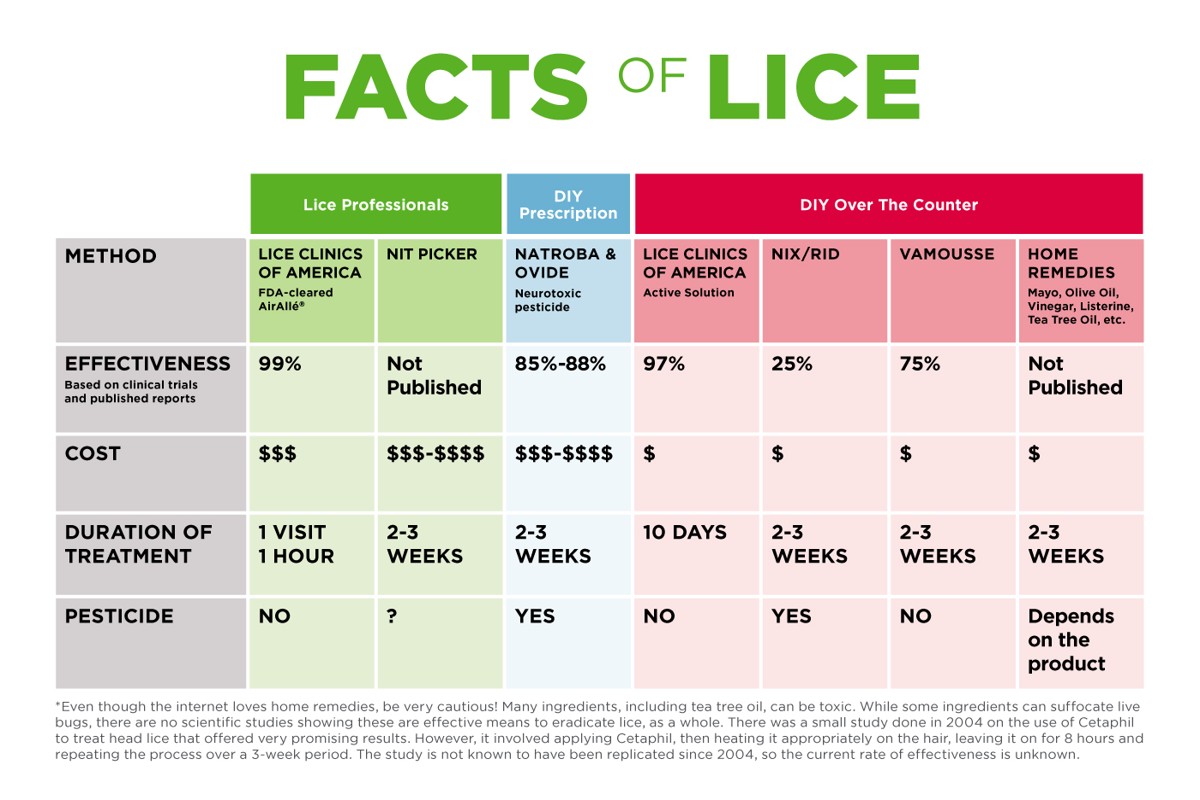
Do lice die with hair dye? Hair dye is not an effective treatment for lice, as it does not kill them. Specialized lice treatments are recommended for eradication.
This topic is crucial for parents, educators, and anyone dealing with lice infestations, as misinformation can lead to ineffective treatments and prolonged discomfort. Understanding the limitations of hair dye in lice treatment is essential to prevent the spread of these pests.
This article will clarify the ineffectiveness of hair dye against lice, discuss proven treatment options, and debunk common myths surrounding lice eradication.
Does hair dye kill lice instantly?
No, hair dye does not kill lice instantly. While some individuals may believe that the chemicals in hair dye can eliminate lice, this method is not scientifically proven. Lice are resilient parasites, and standard hair dye formulations do not contain the ingredients necessary to effectively kill them.
- The primary reason hair dye does not kill lice is that it lacks the active ingredients found in specialized lice treatments. Most lice shampoos contain insecticides specifically designed to target and eradicate lice and their eggs.
- Additionally, the application of hair dye typically does not involve the same contact time as recommended lice treatments. Lice treatments are formulated to remain on the hair for an extended period to ensure effectiveness, while hair dye is often rinsed out much sooner.
- Some people may experience a reduction in lice presence due to the dye’s potential to suffocate or irritate the lice, but this is not a reliable or effective method for complete eradication. The best approach is to use FDA-approved lice treatments that are proven to work.
Regularly combing through hair with a fine-toothed lice comb can also help remove lice and their eggs, complementing any treatment used. This method is essential for ensuring that any remaining lice or nits are physically removed from the hair.
Expert Tip: If you suspect a lice infestation, consult a healthcare professional for the most effective treatment options. Additionally, ensure that all personal items, such as hats and hair accessories, are cleaned to prevent re-infestation.
What are the best treatments for lice?
The best treatments for lice include a combination of over-the-counter products and natural remedies. Effective treatments are designed to kill lice and their eggs, ensuring complete eradication. Selecting the right approach depends on personal preferences and the severity of the infestation.
Over-the-counter treatments often contain active ingredients like permethrin or pyrethrin, which are insecticides specifically formulated to target lice. These products are widely available and typically come in shampoos or lotions. Additionally, follow these best practices when treating lice:
- Use a fine-toothed comb: After applying treatment, use a lice comb to remove dead lice and nits from the hair. This step is crucial for ensuring that all eggs are eliminated.
- Follow instructions carefully: Adhere to the application instructions on the product label. Some treatments may require a second application after a week to ensure all lice are killed.
- Wash bedding and clothing: Wash all clothing, bedding, and personal items that may have come into contact with lice in hot water. This helps prevent re-infestation.
- Consider natural remedies: Some individuals opt for natural treatments like tea tree oil or coconut oil. These may help suffocate lice but often require consistent application and combing.
It is essential to monitor for signs of re-infestation after treatment. If lice persist, consult with a healthcare professional for prescription options that may be more effective against resistant strains.
Expert Tip: Combining multiple treatments, such as using a medicated shampoo followed by a natural remedy, can enhance effectiveness and reduce the likelihood of lice returning.
Can lice survive hair dye?
Lice can indeed survive hair dye due to their resilience and the chemical composition of most hair dyes. While hair dye contains various chemicals intended to alter hair color, these substances do not effectively kill lice or their eggs (nits). Thus, using hair dye as a method to eliminate lice is ineffective.
Lice are small, parasitic insects that feed on human blood and can reproduce quickly, making them challenging to eradicate. The primary components of standard hair dye, such as ammonia, peroxide, and various colorants, do not possess insecticidal properties strong enough to eliminate lice. Instead, lice can often withstand these chemicals, allowing them to survive even after treatment.
- Ammonia: While it opens the hair cuticle for dye penetration, it is not lethal to lice.
- Peroxide: This oxidizing agent can lighten hair but does not kill lice or nits.
- Colorants: These chemicals change hair color but lack any effect on lice survival.
Practical implications of this are significant for individuals dealing with lice infestations. Relying on hair dye as a treatment is counterproductive. Instead, specialized treatments, such as topical insecticides or prescription medications, should be used to effectively eliminate lice and prevent re-infestation.
Expert Tip: For effective lice treatment, consider using products specifically designed to target lice, often containing active ingredients like permethrin or pyrethrins, which disrupt the lice’s nervous system and ensure complete eradication.
How long does it take to get rid of lice?
Getting rid of lice typically takes about 1 to 2 weeks, depending on the treatment method and follow-up care. Effective treatment involves applying lice-killing products, combing out nits, and conducting regular checks for reinfestation. Consistency and thoroughness are key to success.
The initial treatment usually requires a single application of a lice medication, which can take around 30 minutes to an hour. After this, it is essential to comb the hair with a fine-toothed nit comb to remove any remaining lice and nits. This combing process may take several hours, particularly for long or thick hair. Following the first treatment, a second application is generally recommended 7 to 10 days later to eliminate any newly hatched lice.
Factors influencing the time frame for lice removal include the severity of the infestation, the effectiveness of the treatment used, and adherence to follow-up instructions. If lice remain after the initial treatment, it may indicate resistance to the product used or incomplete removal of nits. In such cases, additional treatments or a different product may be necessary.
Regularly checking for lice after treatment is crucial. This involves inspecting the scalp and hair every few days for signs of live lice or nits. Addressing any new infestations promptly can prevent a prolonged battle with lice.
Expert Tip: When selecting a lice treatment, consider products that contain permethrin or pyrethrin, as these are proven effective. Always follow the instructions on the packaging for the best results.
Is there a comparison between hair dye and lice treatments?
Hair dye and clinically approved lice treatments serve different purposes and have distinct active ingredients and mechanisms of action. While hair dye is primarily designed to change the color of hair, lice treatments are formulated to eradicate lice and their eggs. Consequently, hair dye is not an effective solution for lice infestations.
Hair dye typically contains chemicals such as ammonia and hydrogen peroxide, which alter the hair’s color but do not possess insecticidal properties. In contrast, lice treatments often include active ingredients like permethrin, pyrethrin, or malathion, specifically aimed at killing lice and disrupting their life cycle. These ingredients are tested for their effectiveness against lice, making them a reliable choice for treating infestations.
- Hair Dye: Alters hair color; contains no insecticides; ineffective against lice.
- Lice Treatments: Designed to kill lice; contains active insecticidal ingredients; clinically proven efficacy.
- Application and Effectiveness: Hair dye applied for cosmetic purposes; lice treatments require specific application instructions to ensure effectiveness against live lice and nits.
Moreover, the use of hair dye on infested hair may mask the presence of lice, making it harder to detect and treat the problem effectively. It may also irritate the scalp, especially when used in conjunction with lice treatments, which can cause additional discomfort. For those dealing with lice, the best approach is to use products specifically designed for lice removal, as they are formulated to target and eliminate these pests effectively.
Expert Tip: Always follow the manufacturer’s instructions for lice treatments, including any necessary follow-up applications, to ensure complete eradication of lice and their eggs.
What happens if you dye your hair while having lice?
Dyeing hair while having an active lice infestation does not effectively kill the lice. The chemicals in hair dye may not penetrate the lice’s protective exoskeleton or eliminate their eggs, known as nits.
For example, if an individual with lice decides to dye their hair, the process can lead to several complications. The dye may irritate the scalp, which is already affected by itching and inflammation due to the lice. This irritation can worsen the discomfort and may even lead to secondary infections if the scalp becomes scratched. Furthermore, while some people believe hair dye could suffocate lice, studies indicate that the formulation of most dyes is insufficient to eradicate them.
Additionally, if the hair dye contains strong chemicals, it can potentially cause the lice to scatter, making them more difficult to treat. The act of applying dye often involves thorough combing or sectioning of the hair, which can disturb the lice and their nits, leading to a wider spread on the scalp and hair. Therefore, it is advisable to treat the lice infestation with approved lice treatments before considering any hair coloring.
Expert Tip: For effective lice removal, use over-the-counter or prescription treatments specifically designed for lice before applying hair dye. This ensures that the infestation is resolved and minimizes the risk of complications.
Are there any home remedies that can kill lice?
Several home remedies claim to kill lice, but their effectiveness varies widely. While some may offer temporary relief, most lack scientific backing and may not eliminate all lice or their eggs. Traditional over-the-counter treatments are generally more effective.
Here are some popular home remedies for lice, along with an evaluation of their effectiveness:
- Mayonnaise: Applying mayonnaise to the hair is believed to suffocate lice. However, there is limited evidence supporting this method, and it may not be effective against all lice and nits.
- Olive Oil: Similar to mayonnaise, olive oil may coat and suffocate lice. It can take several applications over a few days to see any results and may not address the eggs effectively.
- Vinegar: Vinegar is often used to rinse hair after shampooing, as it may help loosen nits from the hair shaft. While it can aid in removal, it does not kill lice and is best used in conjunction with other treatments.
- Tea Tree Oil: Some studies suggest that tea tree oil has insecticidal properties. Diluted tea tree oil can be applied to the scalp, but caution is advised due to potential skin irritation.
- Salt: Saltwater solutions are sometimes used as a lice treatment. However, they lack scientific support and may not effectively kill lice or nits.
While these remedies can help manage lice infestations, they are not foolproof. Over-the-counter treatments specifically designed to eliminate lice are often recommended for more reliable results. Additionally, thorough combing with a fine-toothed lice comb is essential to remove nits and dead lice, regardless of the treatment method used.
For effective lice management, consider combining home remedies with proven treatments. Always consult a healthcare professional for persistent lice problems to ensure comprehensive care.
How much do lice treatments typically cost?
Lice treatments generally range from $10 to $50, depending on the type of treatment used. Over-the-counter products tend to be less expensive, while prescription treatments or professional services can significantly increase costs. Additional expenses may arise from follow-up treatments or necessary combs and cleaning supplies.
Several factors influence the overall cost of lice treatments:
- Type of Treatment: Over-the-counter treatments are usually the most affordable, costing between $10 and $20. Prescription treatments can range from $30 to $50 or more, depending on the medication.
- Professional Services: Hiring a lice removal service can cost anywhere from $100 to $300, depending on the severity of the infestation and the size of the area being treated.
- Follow-Up Treatments: Lice may require multiple treatments for effective eradication. This can add to the total cost, as additional products or services may be necessary.
- Additional Supplies: Combs, shampoos, and cleaning supplies (such as laundry detergents for infested clothing and bedding) can also contribute to the total expense.
When considering lice treatments, it is essential to evaluate both immediate and potential future costs. Investing in a quality treatment may reduce the likelihood of repeated infestations and the need for further spending.
Expert Tip: Always read the instructions carefully and adhere to treatment timelines to maximize effectiveness and minimize additional costs.
Understanding Lice Biology and Resistance
This section delves into the biology of lice, their life cycle, and the factors contributing to their resistance against various treatments, including hair dye. A comprehensive understanding of these aspects is essential for effective lice eradication.
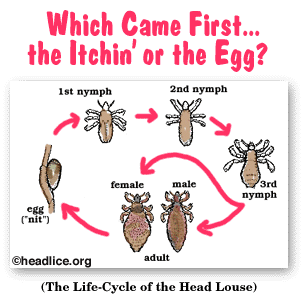
Life Cycle of Lice
The life cycle of lice consists of three stages: egg (nit), nymph, and adult. Each stage has distinct characteristics that influence treatment efficacy. Nits are laid by adult female lice and adhere firmly to hair shafts, making them difficult to remove. Nymphs, which hatch from nits, mature into adults within about 7 to 10 days. Adult lice can live for approximately 30 days on the human scalp, during which they reproduce rapidly. This life cycle allows lice to establish large populations quickly, complicating eradication efforts.
Resistance to Common Treatments
Lice have developed resistance to many over-the-counter treatments, including those containing pyrethroids and organophosphates. Resistance arises from genetic mutations that enable lice to survive chemical exposure. Hair dye, while capable of altering hair color, does not possess the insecticidal properties necessary to kill lice effectively. The primary components of hair dye do not penetrate the exoskeleton of lice or disrupt their biological functions, leading to the misconception that hair dye can eliminate these pests.
Importance of Understanding Lice Biology
Recognizing the biological characteristics of lice is critical for effective treatment. Lice are not merely a nuisance; their resilience demands targeted approaches for eradication. Treatments must not only kill adult lice but also address nits and nymphs. Effective lice management strategies often include the use of specialized shampoos, combing techniques, and environmental controls, rather than relying solely on chemical treatments like hair dye.
Environmental Factors in Lice Survival
Environmental factors significantly impact lice survival and transmission. Lice thrive in warm, humid conditions, making human hosts ideal for their life cycle. They can survive off the scalp for short periods, usually up to 48 hours, on items like clothing, bedding, and hair accessories. Regular washing of these items in hot water and the use of heat treatments can help eliminate lice in the environment.
Common misconceptions about lice management often stem from a lack of understanding of these biological and environmental factors. For example, some believe that frequent washing of hair can prevent infestations, but this does not address the underlying issue of lice survival and reproduction.
To effectively combat lice, individuals should:
- Use proven pediculicides specifically designed to kill lice and nits.
- Combine chemical treatments with thorough combing to remove nits and nymphs.
- Wash all clothing and bedding in hot water and dry on high heat to eliminate lice in the environment.
By applying this knowledge, individuals can implement a robust strategy for lice eradication, moving beyond myths like “do lice die with hair dye” to effective, scientifically backed solutions.
Effective Lice Treatment Protocols
This section outlines a comprehensive approach to treating lice infestations, emphasizing proven methods and best practices for effective removal and prevention. Adhering to these protocols can significantly reduce the likelihood of reinfestation and ensure a thorough eradication of lice.

Step-by-Step Lice Removal Process
- Identify the Infestation: Look for live lice and nits (eggs). Check behind the ears, the nape of the neck, and along the hairline.
- Choose a Treatment: Select an appropriate over-the-counter or prescription lice treatment. Options include pyrethrin-based products or prescription treatments containing permethrin or spinosad.
- Apply the Treatment: Follow the manufacturer’s instructions carefully. Ensure the product is applied to dry hair, covering all areas thoroughly.
- Leave the Treatment in Place: Allow the treatment to remain on the hair for the recommended time, usually 10 to 20 minutes.
- Rinse and Dry: Rinse the hair thoroughly with water. Towel dry and avoid using a hairdryer immediately after treatment.
- Comb Out the Nits: Use a fine-toothed lice comb to remove dead lice and nits. Comb sections of hair meticulously, wiping the comb on a tissue after each pass.
Recommended Over-the-Counter and Prescription Treatments
Several effective lice treatments are available, both over-the-counter and by prescription:
- Over-the-Counter: Permethrin (Nix), Pyrethrin (Rid), and Dimethicone (LiceMD).
- Prescription: Ivermectin (Sklice), Benzyl alcohol lotion (Ulesfia), and Spinosad (Natroba).
- Natural Remedies: Some individuals opt for essential oils like tea tree or lavender; however, their efficacy varies.
Importance of Combing and Vacuuming in Treatment
Effective lice treatment requires diligent combing and cleaning:
- Combing: This step is crucial for eliminating nits and dead lice. Use a lice comb every 2-3 days for at least two weeks post-treatment.
- Vacuuming: Vacuum carpets, upholstery, and car seats to remove any fallen lice or nits. Dispose of the vacuum bag or empty the canister immediately.
- Washing Linens: Wash all bed linens, hats, and clothing in hot water (at least 130°F) and dry on high heat to kill any remaining lice.
Follow-Up Care and Monitoring for Reinfestation
After initial treatment, ongoing monitoring is essential. Check for signs of lice every 2-3 days for the next few weeks. If live lice or nits are found, a second treatment may be necessary. It is also vital to inform close contacts, as lice can easily spread.
Nuance / Expert Layer
A common misconception is that hair dye can kill lice. While some formulations may have insecticidal properties, most commercial hair dyes do not effectively eradicate lice or nits. Additionally, misapplication or incomplete treatment can lead to persistent infestations. Treatment must be thorough, and relying solely on hair dye can result in the need for more intensive measures later.
Practical Application
To effectively combat lice, follow the outlined treatment protocols meticulously. Choose a proven treatment, ensure thorough application, and engage in diligent combing and cleaning. Regular monitoring for reinfestation is crucial in maintaining a lice-free environment. If lice persist, consult a healthcare provider for alternative treatments.
Debunking Myths About Lice and Hair Dye
This section clarifies prevalent misconceptions regarding lice treatment with hair dye and explores scientifically backed alternatives. Understanding these myths is essential for effective lice management.

Common Myths Surrounding Lice and Hair Dye
Several myths exist about the efficacy of hair dye in treating lice infestations. These include:
- Hair dye kills lice: Many believe that the chemicals in hair dye can effectively eliminate lice. However, this is unsupported by scientific evidence.
- Hair dye suffocates lice: Some assume that the thick consistency of hair dye can suffocate lice. In reality, lice are resilient and can survive in various conditions.
- All hair dyes are equally effective: Users often think that any type of hair dye will work against lice. However, many dyes lack the necessary active ingredients to address lice infestations.
Scientific Evidence Against Using Hair Dye as a Treatment
Research indicates that hair dye is not a reliable treatment for lice. A study published in the Journal of Medical Entomology found that while some ingredients in hair dye may affect lice, they do not eliminate them. Furthermore, lice can adapt to various chemical treatments, rendering hair dye ineffective.
Professionals in parasitology emphasize that lice possess a robust exoskeleton, providing them with significant resistance to many substances, including those found in hair dye. Thus, relying on hair dye can lead to prolonged infestations and unnecessary frustration.
Alternative Solutions That Are Effective
For effective lice treatment, consider the following options:
- Over-the-counter treatments: Products containing pyrethrins or permethrin are designed specifically to kill lice and their eggs.
- Prescription medications: In cases of severe infestations, healthcare providers may prescribe stronger treatments, such as malathion or benzyl alcohol.
- Manual removal: Using a fine-toothed comb to remove lice and nits is a time-consuming but effective method when combined with other treatments.
Real-Life Testimonials and Expert Opinions
Parents and caregivers often share experiences highlighting the ineffectiveness of hair dye. Many report that lice persisted despite multiple dye applications. Experts in the field, including pediatricians and dermatologists, consistently advise against using hair dye for lice treatment. They recommend evidence-based approaches that are proven to work.
Nuance / Expert Layer
While some individuals may experience temporary relief when using hair dye, such as reduced visible lice, this does not equate to effective treatment. Misconceptions persist, particularly regarding home remedies and alternative treatments, which often lack clinical validation. Furthermore, lice resistance to common insecticides poses an ongoing challenge, making it essential to follow treatment protocols outlined by health professionals.
Practical Application
To effectively manage lice, follow these actionable steps:
- Choose a clinically proven lice treatment product and follow the instructions carefully.
- Utilize a fine-toothed comb to meticulously remove nits and lice from the hair.
- Wash bedding and clothing in hot water to eliminate any remaining lice or eggs.
- Consult a healthcare provider if over-the-counter treatments fail, as prescription options may be necessary.
Preventing Lice Infestations: Best Practices
This section outlines effective strategies to prevent lice infestations in various environments, emphasizing hygiene, education, and proactive measures to protect high-risk groups.

Hygiene Practices to Reduce the Risk of Lice
Maintaining proper hygiene is a fundamental step in preventing lice infestations. Regular personal grooming, including frequent hair washing with shampoo, can help reduce the likelihood of lice establishing themselves. Additionally, avoid sharing personal items such as combs, hats, and hair accessories, as lice can easily transfer from one individual to another through these items.
- Wash bedding and clothing in hot water at least once a week.
- Vacuum carpets and upholstered furniture regularly.
- Encourage children to keep their hair tied back in tight styles to minimize contact with others.
Handling Lice Exposure in Schools and Daycare Centers
Schools and daycare centers are common environments for lice transmission. Establishing clear policies for lice management can help mitigate outbreaks. Schools should implement regular checks for lice, particularly after reported cases. If a case is identified, the affected child should be treated promptly, and parents should be notified to check siblings and other close contacts.
- Conduct routine head checks during school health screenings.
- Provide information on lice prevention and treatment to parents and staff.
- Encourage immediate reporting of any suspected cases to facilitate rapid response.
The Importance of Educating Children About Lice
Education plays a critical role in lice prevention. Children should be taught about lice and how they spread, which can help reduce stigma and promote proactive behavior. Encourage children to avoid head-to-head contact and to refrain from sharing personal items.
- Incorporate educational programs about lice in health classes.
- Use age-appropriate resources to explain lice and prevention strategies.
- Empower children to report any signs of lice to adults without fear of embarrassment.
Regular Checks and Proactive Measures for High-Risk Groups
Certain groups, such as school-aged children and their families, are at higher risk for lice infestations. Implementing regular head checks can catch infestations early. Parents should conduct thorough inspections of their children’s hair and scalp weekly, looking for live lice or nits.
Steps for Regular Checks:
- Use a fine-toothed comb on dry hair to detect lice and nits.
- Part the hair into sections for thorough examination.
- Look closely at the scalp and behind the ears, as these are common hiding spots for lice.
Proactive measures include using preventive sprays or oils that contain essential oils known for repelling lice. While these do not guarantee lice prevention, they can serve as an additional layer of protection, particularly in high-risk environments.
Nuance and Expert Layer
A common misconception is that lice are attracted to dirty hair, leading to the belief that only those with poor hygiene get infested. In reality, lice prefer clean hair because it allows them to grip the strands more effectively. Furthermore, the effectiveness of hair dye in killing lice is not well-supported by scientific evidence. While some chemicals in hair dyes may harm lice, they are not a reliable treatment method.
Practical Application
To effectively prevent lice infestations, implement the following actionable strategies:
- Educate children about lice and encourage them to practice good hygiene.
- Conduct regular head checks, especially after known exposures.
- Establish clear lice management policies in schools and daycare centers.
- Utilize preventive products as an additional precaution in high-risk settings.
Frequently Asked Questions
Does hair dye kill lice instantly?
No, hair dye does not kill lice instantly. While some ingredients in hair dye may affect lice, they are not a reliable method for extermination.
What are the best treatments for lice?
The best treatments for lice include over-the-counter pediculicides and prescription medications. These treatments are specifically formulated to kill lice and their eggs effectively.
Can lice survive hair dye?
Yes, lice can survive hair dye. Many lice are resistant to the chemicals found in hair dye, making it an ineffective treatment option.
How long does it take to get rid of lice?
It typically takes about 1 to 2 weeks to completely eliminate lice with proper treatment. Consistent application of lice treatments and combing is essential for success.
Is there a comparison between hair dye and lice treatments?
Hair dye is not designed to treat lice, whereas lice treatments are specifically formulated to kill lice and their eggs. Therefore, lice treatments are far more effective than hair dye for this purpose.
What happens if you dye your hair while having lice?
Dyeing hair while having lice may not eliminate the infestation and can potentially irritate the scalp. It is recommended to treat lice before applying hair dye.
Are there any home remedies that can kill lice?
Some home remedies, such as essential oils and vinegar, may help deter lice, but they are not proven to be effective in killing them. Over-the-counter or prescription treatments are more reliable for complete eradication.
How much do lice treatments typically cost?
Lice treatments typically cost between $10 to $40, depending on the brand and type of treatment. Prescription treatments may vary in price based on insurance coverage.
Final Thoughts on do lice die with hair dye
Hair dye does not effectively eradicate lice, as these pests possess biological resilience that allows them to survive chemical treatments commonly found in hair products. Effective lice management requires targeted treatments specifically designed to eliminate lice and their eggs, rather than relying on myths surrounding hair dye.
To effectively address a lice infestation, use FDA-approved lice treatment products and follow the instructions carefully, ensuring thorough combing and cleaning of personal items to prevent reinfestation.
Understanding the limitations of common misconceptions about lice is crucial in tackling infestations effectively and safeguarding against potential outbreaks in communal settings.
Leave a Reply