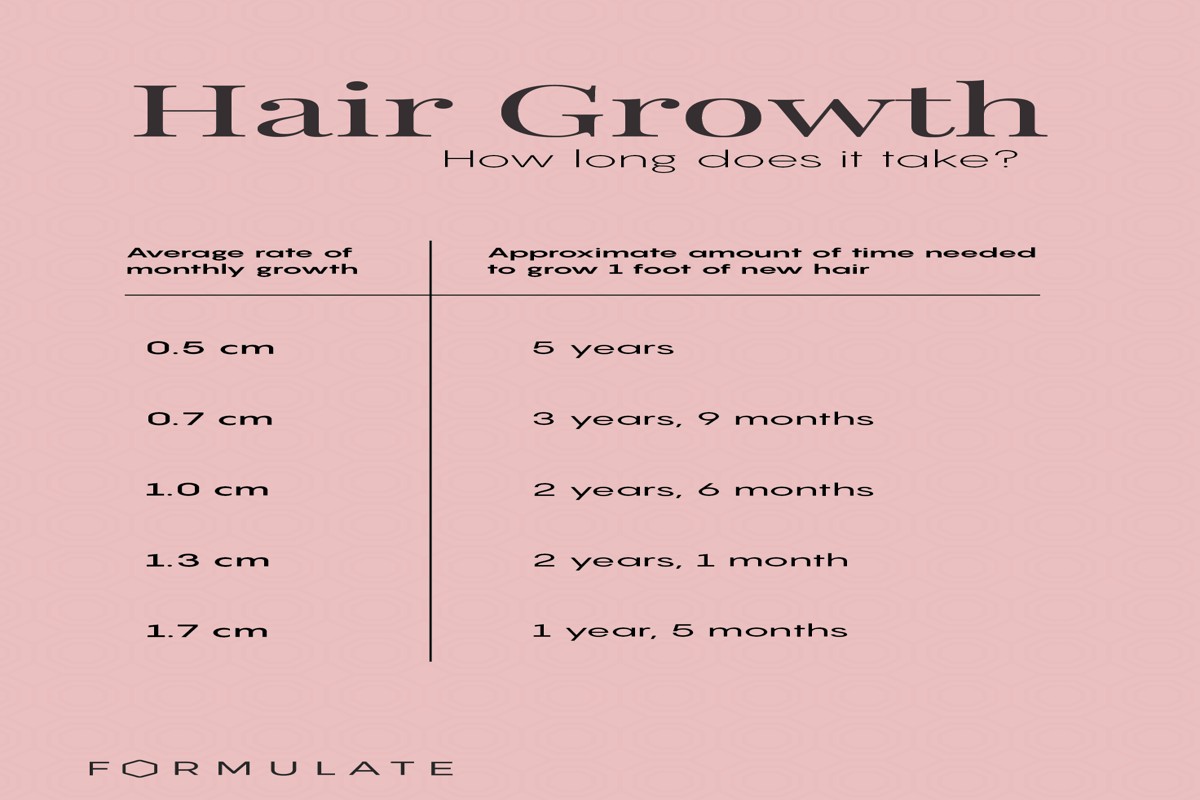
How long does it take to get long hair? On average, hair grows about half an inch per month, meaning it can take 18 months or more to achieve long hair, depending on your starting length.
Understanding the time required to grow long hair is crucial for anyone looking to enhance their hairstyle or achieve specific looks. Misestimating this timeline can lead to frustration, unrealistic expectations, and potentially harmful decisions regarding hair care and styling.
This guide provides a detailed analysis of hair growth rates, factors influencing hair length, and practical tips for promoting healthy hair growth. Readers will gain insights into effective hair care routines and what to expect during their hair growth journey.
What factors affect how long it takes to grow long hair?
Several factors influence the rate of hair growth, determining how long it takes to achieve long hair. These factors include biological characteristics, environmental conditions, and overall health. Understanding these elements can help set realistic expectations for hair growth.
Biological factors encompass genetics, age, and gender. Genetic predisposition plays a significant role in hair growth rates; individuals with a family history of fast-growing hair may experience similar results. Age affects hair growth as well, with younger individuals typically experiencing faster growth due to higher metabolic rates. Additionally, hormonal differences between genders can influence growth patterns, with men often experiencing faster growth than women on average.
- Environmental factors include climate, exposure to sunlight, and hair care practices. Warmer climates can promote faster hair growth, while harsh weather conditions, such as extreme cold or humidity, may hinder it. Proper hair care—using suitable products and minimizing heat damage—can also significantly impact growth rates.
- Health-related factors encompass nutrition, medical conditions, and stress levels. A balanced diet rich in vitamins and minerals, such as biotin and zinc, supports healthy hair growth. Conversely, medical conditions like hypothyroidism or excessive stress can slow down hair growth or even lead to hair loss.
In summary, the interplay of genetic, environmental, and health-related factors creates a complex picture of hair growth. Each individual’s experience may vary significantly based on these influences.
Expert Tip: To optimize hair growth, focus on a nutrient-rich diet and adopt a consistent hair care routine tailored to your hair type. Regular trims can also help prevent split ends, promoting healthier hair growth over time.
How can I speed up my hair growth effectively?
To speed up hair growth effectively, focus on a combination of proper nutrition, adequate hair care, and lifestyle adjustments. Implementing these strategies can significantly enhance your hair’s growth potential. While individual results may vary, consistent practices yield better outcomes.
1. Maintain a balanced diet: Include protein-rich foods such as eggs, fish, and legumes, which provide the building blocks for hair. Additionally, vitamins like A, C, D, and E, along with minerals such as zinc and iron, support healthy hair growth.
2. Stay hydrated: Drinking sufficient water is essential for maintaining overall health and promoting hair growth. Aim for at least eight 8-ounce glasses of water daily to keep your hair follicles hydrated.
3. Incorporate scalp massages: Regularly massaging the scalp increases blood circulation, delivering more nutrients to hair follicles. Use your fingertips to gently massage your scalp for 5-10 minutes daily.
4. Avoid heat styling: Minimize the use of heat-styling tools like blow dryers and curling irons, which can damage hair and slow growth. Air-dry your hair whenever possible and opt for heat-free styling methods.
5. Use hair growth supplements: Consider supplements that contain biotin, keratin, or other ingredients known to promote hair health. Always consult a healthcare professional before starting any new supplement regimen.
6. Limit chemical treatments: Reduce the frequency of chemical treatments like coloring or perming, which can weaken hair. If treatments are necessary, ensure they are performed by a qualified professional to minimize damage.
7. Get regular trims: Regularly trimming split ends helps prevent breakage, allowing hair to grow healthier and longer. Aim for a trim every 6-8 weeks to maintain hair health.
Implementing these practices can create an optimal environment for hair growth. Remember that patience is key, as hair typically grows about half an inch per month, and results may take time.
Expert Tip: Consider using essential oils, such as rosemary or peppermint, which have been shown to promote hair growth when diluted and massaged into the scalp.
Is there a difference in hair growth rates between men and women?
Yes, there is a difference in hair growth rates between men and women. On average, hair grows about half an inch (1.25 cm) per month for both genders, but various factors can influence these rates differently based on sex. Hormonal differences, genetics, and health conditions play a significant role in these variations.
Men typically experience faster hair growth due to higher levels of testosterone, which can accelerate the hair growth cycle. Additionally, men often have thicker hair strands, which can give the appearance of faster growth. In contrast, women may experience slower growth rates particularly during hormonal fluctuations, such as those occurring during menstruation or pregnancy. Factors like pregnancy and menopause can also lead to changes in hair density and growth patterns for women.
- Hormonal Influence: Testosterone in men promotes faster hair growth, while fluctuations in estrogen and progesterone in women can slow it down.
- Genetics: Family history can affect hair growth rates and hair health differently in men and women.
- Health Factors: Conditions such as thyroid disorders or nutritional deficiencies can impact hair growth rates, with women often being more susceptible to these issues.
Moreover, lifestyle factors such as diet, stress levels, and hair care practices can also influence growth rates. Men and women may respond differently to these factors, further contributing to the overall differences in hair growth.
To optimize hair growth, maintaining a balanced diet rich in vitamins and minerals, managing stress, and using appropriate hair care products are essential strategies for both genders.
For individuals aiming to achieve long hair, understanding personal health and hormonal profiles can provide insights into expected growth rates and help set realistic goals.
What is the average hair growth rate per month?
The average hair growth rate is approximately half an inch (1.25 cm) per month. This translates to about six inches (15 cm) per year under typical circumstances. However, individual growth rates can vary significantly due to several factors.
Several elements influence hair growth rates, including genetics, age, hormonal changes, and overall health. For example, individuals with a family history of fast hair growth may experience similar rates. Additionally, younger individuals typically see faster growth compared to older adults, as hair follicles tend to slow down with age.
- Nutrition: A diet rich in vitamins and minerals, particularly biotin, vitamin D, and iron, can promote healthy hair growth.
- Health Conditions: Medical issues like thyroid disorders or alopecia can negatively affect hair growth rates.
- Hair Care Practices: Regular trimming and avoiding excessive heat styling can contribute to healthier hair, which may appear to grow faster.
Furthermore, seasonal changes can impact hair growth as well. Many individuals report increased hair growth during the summer months due to improved circulation and increased nutrient availability in the scalp.
Expert Tip: To maximize hair growth potential, maintain a balanced diet, manage stress levels, and consider consulting a healthcare provider for any underlying health issues that may affect hair growth. Regular scalp massages may also stimulate circulation and promote healthier hair growth.
How long does it take to grow hair from a buzz cut to long hair?
Growing hair from a buzz cut to long hair typically takes between 18 to 36 months. This time frame depends on various factors, including individual hair growth rates, hair health, and genetics. The average hair growth rate is about half an inch per month, amounting to approximately six inches per year.
Several factors influence how quickly hair grows. Genetics plays a significant role; individuals with a family history of fast hair growth may experience quicker results. Additionally, overall health, including diet and nutrition, impacts hair growth. A balanced diet rich in vitamins and minerals, particularly biotin, zinc, and vitamins A and D, can enhance the rate of growth. Hormonal changes and certain medical conditions can also affect hair growth speed.
Hair care practices significantly affect the growth journey. Regular trimming every 8 to 12 weeks can help maintain hair health, removing split ends that may impede growth. Avoiding excessive heat styling and harsh chemical treatments can prevent damage and breakage, allowing hair to grow longer and healthier. Moreover, staying hydrated and managing stress levels contribute positively to hair health.
Factors Affecting Hair Growth
- Genetics: Family history can determine hair growth speed.
- Health and Nutrition: A balanced diet supports optimal growth.
- Hair Care Practices: Regular trims and gentle care prevent damage.
To maximize hair growth potential, consider incorporating a specialized hair growth supplement. Products containing biotin and other hair-boosting ingredients can enhance results over time. Additionally, maintaining a consistent hair care routine tailored to individual needs can significantly support achieving long hair more efficiently.
What are the best practices for maintaining healthy long hair?
Maintaining healthy long hair requires consistent care and attention to various aspects of hair health. By implementing effective hair care practices, individuals can promote growth and prevent damage. Here are some essential best practices for achieving and maintaining long, healthy hair.
- Regular Trims: Schedule trims every 6 to 8 weeks to remove split ends and prevent further damage. This practice keeps hair looking fresh and healthy while allowing it to grow longer over time.
- Gentle Washing: Use a sulfate-free shampoo to cleanse hair without stripping natural oils. Aim to wash hair 2-3 times per week to maintain moisture levels and prevent dryness.
- Conditioning Treatments: Apply a deep conditioner or hair mask weekly. This nourishes hair and restores moisture, enhancing elasticity and reducing breakage.
- Heat Protection: Minimize heat styling and always use a heat protectant spray when styling with heat tools. This reduces the risk of damage from high temperatures.
- Balanced Diet: Consume a diet rich in vitamins and minerals, particularly biotin, omega-3 fatty acids, and proteins. Nutrients play a crucial role in hair strength and growth.
In addition to these practices, consider factors such as water quality and environmental influences, which can affect hair health. Hard water, for instance, can lead to buildup on hair, making it dull and lifeless. Regularly assessing these external factors can help maintain optimal hair condition.
Expert Tip: Consider incorporating scalp massages into your routine. This stimulates blood circulation, promoting hair growth and enhancing overall scalp health. Regular attention to the scalp can significantly impact the quality and growth rate of hair.
Can hair extensions help achieve long hair faster?
Yes, hair extensions can significantly enhance the appearance of long hair within a short time frame. They provide an immediate solution for individuals looking to add length and volume without waiting for natural hair growth. Depending on the type and method of application, results can be seen instantly.
For example, consider a person with shoulder-length hair who desires a dramatic change for an upcoming event. By opting for clip-in extensions, they can achieve waist-length hair in just a few minutes. This method allows for flexibility, as extensions can be easily applied and removed, making them ideal for temporary use. Alternatively, methods such as tape-in or sew-in extensions offer a more semi-permanent solution, lasting from 6 to 8 weeks, depending on maintenance and hair care practices.
However, there are pros and cons to using hair extensions. On the positive side, extensions can provide immediate gratification and allow for various styling options, including braids and updos that might not be achievable with natural hair alone. On the downside, improper application or maintenance can lead to damage, such as breakage or thinning of natural hair. Additionally, the cost of high-quality extensions and professional installation can be significant, making it essential to weigh the benefits against potential drawbacks.
Expert Tip: To minimize damage when using extensions, ensure that they are applied by a qualified stylist and prioritize maintaining the health of your natural hair through proper care and regular conditioning treatments.
What are the common mistakes that slow down hair growth?
Several common hair care mistakes can significantly hinder hair growth. These errors often stem from improper treatments, poor nutrition, and neglecting hair health. Addressing these issues can promote healthier, faster hair growth.
- Over-washing: Washing hair too frequently strips natural oils, leading to dryness and breakage. Aim to wash hair 2-3 times a week to maintain moisture and scalp health.
- Heat damage: Frequent use of heat styling tools can weaken hair strands and cause split ends. Minimize heat exposure by using protective products and opting for air-drying whenever possible.
- Poor nutrition: A diet lacking essential vitamins and minerals can slow hair growth. Incorporate foods rich in protein, iron, and vitamins A, C, D, and E to support hair health.
- Lack of regular trims: While it may seem counterintuitive, regular trims prevent split ends and breakage, allowing hair to grow healthier. Schedule trims every 6-8 weeks to maintain hair integrity.
- Inadequate hydration: Dehydration affects hair health. Drinking sufficient water daily helps maintain scalp hydration and promotes growth.
Additionally, using harsh chemicals found in some hair products can weaken hair and hinder growth. Opt for gentle, sulfate-free shampoos and conditioners that nourish rather than strip hair. Furthermore, tight hairstyles can cause traction alopecia, a form of hair loss due to excessive pulling on the hair shafts. Looser styles can help prevent this issue.
Maintaining a healthy scalp is also critical for hair growth. Scalp massages can increase blood circulation, promoting hair follicles’ health. Incorporating these practices into a hair care routine can create a supportive environment for hair growth.
Expert Tip: Consider supplements such as biotin or omega-3 fatty acids if dietary sources are insufficient. These can provide additional support for hair growth and overall scalp health.
Understanding Hair Growth Phases and Their Impact
This section delves into the biological phases of hair growth and their implications for achieving long hair. Understanding these phases is essential for anyone seeking to enhance their hair length effectively.

The Phases of Hair Growth
Human hair undergoes three primary phases: anagen, catagen, and telogen. Each phase plays a distinct role in hair growth and contributes differently to overall hair length.
- Anagen Phase: This is the active growth phase, lasting anywhere from 2 to 7 years. Hair can grow approximately half an inch per month during this period, which translates to an annual growth of about 6 inches. The duration of the anagen phase varies significantly among individuals, influenced by genetics and overall health.
- Catagen Phase: This transitional phase lasts about 2 to 3 weeks. During catagen, hair follicles shrink and prepare to enter the resting phase. Hair growth ceases, and the hair may detach from the follicle but remains in place until the next phase.
- Telogen Phase: Lasting around 3 months, this is the resting phase where hair does not grow. Approximately 10-15% of hair is in this phase at any given time. After telogen, hair sheds, and the cycle begins anew with the anagen phase.
Factors Influencing Hair Growth Phases
Several factors can affect the duration of each hair growth phase:
- Genetics: Genetic predisposition plays a significant role in determining the length of the anagen phase, influencing how long hair can grow.
- Age: Hair growth tends to slow down with age, often leading to shorter anagen phases.
- Health and Nutrition: A balanced diet rich in vitamins and minerals supports healthy hair growth, while deficiencies can hinder the anagen phase.
- Stress: Chronic stress can lead to premature entry into the telogen phase, resulting in increased hair shedding.
- Scalp Health: An unhealthy scalp can impair hair follicle function, affecting growth phases.
The Importance of Scalp Health
Maintaining a healthy scalp is crucial for optimal hair growth. A clean and well-nourished scalp ensures that hair follicles operate effectively. Regular cleansing removes buildup, while moisturizing treatments can prevent dryness and irritation. Incorporating scalp massages can also stimulate blood circulation, further promoting hair growth.
Nuances in Hair Growth
Common misconceptions surround hair growth, particularly regarding the speed at which hair grows. For instance, many believe that frequent trimming accelerates growth; however, hair growth occurs at the follicle level, not at the ends. Additionally, some individuals may experience prolonged telogen phases due to hormonal changes or medical conditions, leading to hair thinning. Understanding these nuances allows for more effective hair care strategies tailored to individual needs.
Practical Application
To maximize hair growth potential, consider the following actionable steps:
1. **Adopt a nutrient-rich diet:** Focus on vitamins such as biotin, vitamin D, and omega-3 fatty acids.
2. **Maintain scalp hygiene:** Use gentle, sulfate-free shampoos to prevent buildup.
3. **Incorporate scalp massages:** Spend a few minutes daily massaging the scalp to enhance blood circulation.
4. **Manage stress:** Engage in stress-reducing activities such as yoga or meditation.
5. **Consult a dermatologist:** If experiencing excessive hair loss, seek professional advice to rule out underlying issues.
By understanding the biological phases of hair growth and their influencing factors, individuals can adopt informed strategies to enhance their hair length effectively.
Nutrition and Lifestyle: Fueling Hair Growth
This section explores how diet and lifestyle choices directly influence hair growth and overall hair health. Understanding these factors is essential for anyone seeking to enhance their hair length and quality.

Essential Vitamins and Minerals for Hair Growth
A well-rounded diet rich in specific vitamins and minerals plays a critical role in promoting hair growth. Key nutrients include:
- Biotin: This B-vitamin is crucial for keratin production, the primary protein in hair. A deficiency can lead to hair loss.
- Vitamin D: Low levels of vitamin D are linked to hair thinning. This vitamin helps create new hair follicles.
- Iron: Essential for oxygen transport to hair follicles, iron deficiency can result in hair shedding.
- Zinc: This mineral supports hair tissue growth and repair, and its deficiency can lead to hair loss.
- Omega-3 Fatty Acids: Found in fish and flaxseeds, these fats nourish hair follicles and promote scalp health.
The Role of Hydration
Hydration significantly affects hair health. Hair is composed of approximately 25% water, and adequate hydration ensures that hair remains strong and less prone to breakage. Insufficient water intake can lead to dry, brittle hair, which hampers growth. Aim for at least eight 8-ounce glasses of water daily, adjusting for activity level and climate.
Stress Management and Hair Health
Chronic stress can trigger hair loss through a condition known as telogen effluvium, where hair prematurely enters the shedding phase. Implementing stress management techniques such as mindfulness, yoga, or regular physical exercise can help mitigate this risk. Studies indicate that reducing stress not only enhances overall well-being but also supports healthier hair growth.
Lifestyle Habits that Promote or Hinder Hair Growth
Several lifestyle choices directly influence the rate of hair growth:
- Sleep Quality: Lack of sleep can affect hormone levels, leading to hair loss. Aim for 7-9 hours of quality sleep per night.
- Avoiding Heat and Chemical Damage: Excessive use of styling tools and harsh chemical treatments can weaken hair. Limit their use to maintain hair integrity.
- Regular Scalp Care: Maintaining a clean and healthy scalp promotes hair growth. Regularly exfoliating and using appropriate shampoos can enhance scalp health.
Most sources suggest that simply consuming supplements will guarantee hair growth, which is a misconception. While supplements can support growth, they should complement a balanced diet and healthy lifestyle. Additionally, genetic factors play a significant role in hair growth rates and patterns, often overlooked in discussions about nutrition and lifestyle.
To effectively apply this information, consider the following actionable steps:
1. Integrate foods rich in biotin, vitamin D, iron, zinc, and omega-3 fatty acids into your daily diet.
2. Maintain hydration by drinking adequate water throughout the day.
3. Incorporate stress management techniques into your routine to promote a healthier scalp environment.
4. Prioritize sleep and minimize exposure to damaging hair treatments.
By adopting these habits, individuals can create a supportive environment for optimal hair growth, ultimately addressing the question of how long does it take to get long hair.
Hair Care Regimens: Best Practices for Long Hair
This section explores essential hair care routines that promote healthy growth and reduce damage, ultimately supporting the quest for long hair.

Daily Hair Care Routines for Optimal Growth
Maintaining a consistent daily hair care routine is vital for fostering an environment conducive to hair growth. Key practices include:
- Gentle Cleansing: Use a sulfate-free shampoo suited to your hair type. Aim to wash hair 2-3 times per week to avoid stripping natural oils.
- Conditioning: Apply a nourishing conditioner after each wash. Focus on the ends to prevent dryness and brittleness.
- Leave-In Treatments: Incorporate a leave-in conditioner or serum to provide additional moisture and protection throughout the day.
- Protective Styling: Opt for loose hairstyles that minimize tension on the scalp and strands, reducing the risk of breakage.
Weekly Hair Care Routines
In addition to daily practices, weekly routines enhance hair health significantly. Consider the following:
- Deep Conditioning: Engage in a deep conditioning treatment once a week to restore moisture and elasticity.
- Scalp Care: Exfoliate the scalp bi-weekly to remove dead skin and product buildup, promoting a healthier growth environment.
- Hair Masks: Use a nourishing hair mask weekly, tailored to your hair’s specific needs, whether for hydration, repair, or nourishment.
Choosing the Right Products
Selecting the appropriate products is crucial for hair health. Identify your hair type—be it straight, wavy, curly, or coily—to choose products that cater to its specific needs. For instance, fine hair benefits from lightweight formulas, while thick or curly hair may require richer, more hydrating products. Look for ingredients like keratin, argan oil, and shea butter, which promote strength and shine.
Minimizing Breakage and Split Ends
To maintain long hair, minimizing breakage and split ends is essential. Implement the following techniques:
- Heat Protection: Always apply a heat protectant before using styling tools to shield hair from thermal damage.
- Use the Right Tools: Employ wide-tooth combs or brushes with flexible bristles to detangle hair gently.
- Limit Heat Styling: Reduce the frequency of heat styling. Embrace air drying or heat-free styling methods to minimize damage.
Trimming: Timing and Importance
Regular trims are vital for maintaining hair health. Trimming every 6-8 weeks removes split ends, preventing them from traveling up the hair shaft and causing further damage. This practice does not hinder growth; rather, it promotes healthier hair, enabling a focus on length retention.
Expert Insights
A common misconception is that trimming hair stunts growth. In reality, regular trims facilitate healthier growth by ensuring split ends do not lead to more significant breakage. Additionally, factors such as genetics, diet, and overall health significantly influence hair growth rates. Understanding the interplay between these factors can lead to more effective hair care strategies.
Actionable Steps for Healthy Hair Growth
To maximize hair growth and health, implement the following actionable steps:
- Establish a daily and weekly hair care routine tailored to your hair type.
- Invest in high-quality products that suit your specific hair needs.
- Incorporate regular trims into your hair care regimen.
- Adopt protective hairstyles to minimize damage.
By adhering to these best practices, individuals can enhance their hair’s growth potential and achieve their desired length more effectively.
Real-Life Hair Growth Journeys: Inspiring Stories and Tips
This section presents real-life stories from individuals who successfully grew their hair long, showcasing their journeys and the practical strategies they employed. These testimonials highlight the common challenges faced, along with valuable lessons and motivation for others on similar paths.
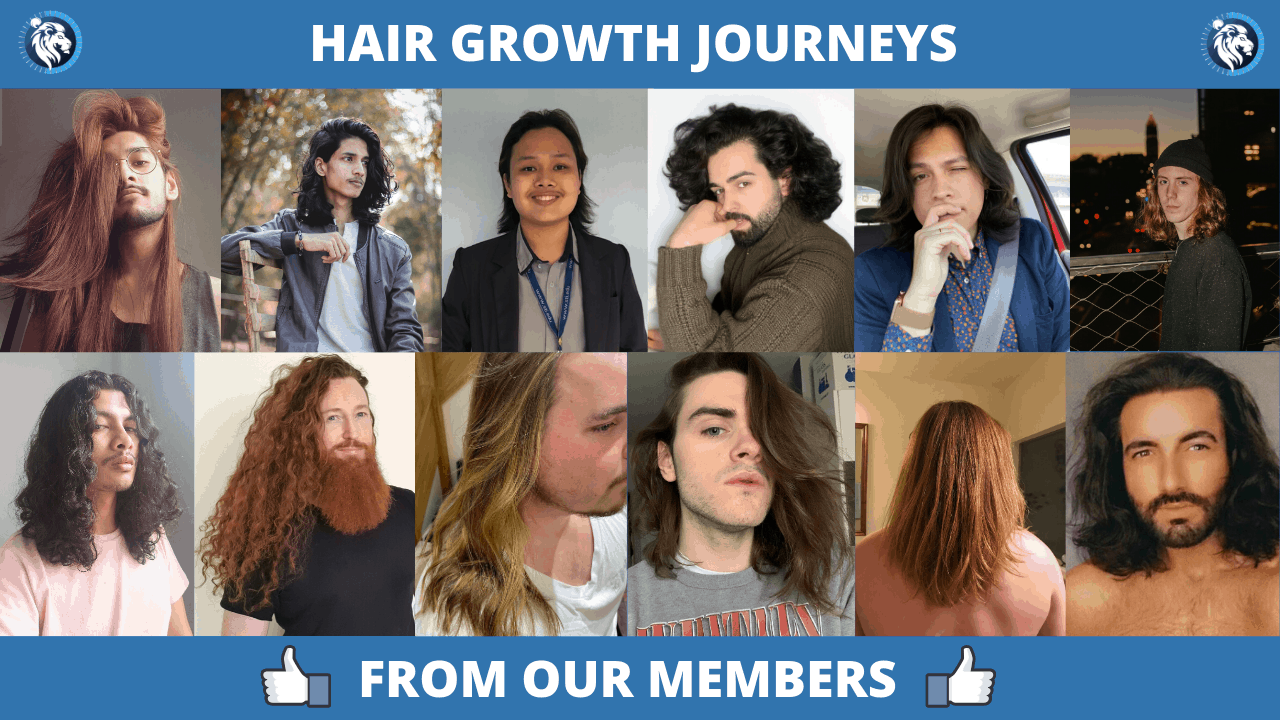
Successful Growth Stories
Many individuals have shared their hair growth journeys, illustrating the diverse experiences and outcomes. Here are a few notable examples:
- Jessica’s Transformation: After years of struggling with short hair, Jessica committed to a healthy hair care regimen. Over 18 months, she grew her hair from a bob to mid-back length by incorporating regular trims, maintaining a balanced diet, and using essential oils.
- Mark’s Patience: Mark faced slow growth rates, initially gaining only half an inch per month. By researching and implementing hair growth supplements rich in biotin and vitamins, he achieved significant results within two years, reaching waist-length hair.
- Aisha’s Resilience: After a major haircut, Aisha felt discouraged. However, she focused on scalp health through massages and hydration. In just a year, she regained her length and learned the importance of self-care in the hair growth process.
Lessons Learned and Tips
Each individual’s journey offers unique insights into effective practices for hair growth. Common lessons include:
- Consistency is Key: Regular maintenance, including trims every 8-12 weeks, helps prevent split ends and promotes healthier growth.
- Nutrition Matters: A diet rich in vitamins A, C, D, E, and omega-3 fatty acids can significantly support hair growth.
- Patience is Essential: Hair growth takes time. Understanding that the average rate is about half an inch per month can help set realistic expectations.
Common Challenges Faced
Throughout their journeys, many individuals encountered similar challenges, such as:
- Frustration with slow growth rates.
- Dealing with breakage and split ends.
- Finding the right products that suit their hair type.
These hurdles can be discouraging, yet they often lead to valuable learning experiences that contribute to long-term hair health.
Encouragement and Motivation
For those embarking on their own hair growth journeys, the stories of Jessica, Mark, and Aisha serve as powerful reminders that persistence pays off. Celebrating small milestones, such as achieving an inch of growth or improving hair health, can provide motivation and a sense of accomplishment. Connecting with supportive communities online or offline can also enhance the experience, offering shared tips and encouragement.
Nuance in Hair Growth Perception
Many misconceptions surround hair growth, particularly the belief that products alone can drastically accelerate the process. While certain treatments can improve the health of hair and scalp, genetics plays a substantial role in determining growth rates. Moreover, the notion that frequent washing or styling hinders growth is misleading; proper techniques can enhance the health of hair without negatively impacting growth. Understanding these nuances allows individuals to adopt more effective strategies tailored to their unique circumstances.
Practical Application
To implement these insights into your hair growth journey, consider the following actionable steps:
- Establish a consistent hair care routine that includes regular trims and a balanced diet.
- Experiment with natural oils and supplements known for promoting hair health.
- Set realistic goals for growth, acknowledging that patience is part of the process.
By integrating these practices, individuals can better navigate their hair growth journeys with informed strategies and unwavering determination.
Frequently Asked Questions
What factors affect how long it takes to grow long hair?
Factors influencing hair growth include genetics, age, overall health, and hormonal levels. Additionally, hair care practices and diet can significantly impact growth rates.
How can I speed up my hair growth effectively?
To promote faster hair growth, maintain a balanced diet rich in vitamins and minerals, stay hydrated, and minimize heat styling. Regular scalp massages and using hair growth products can also help.
Is there a difference in hair growth rates between men and women?
Generally, men and women experience similar hair growth rates, averaging about half an inch per month. However, hormonal differences may affect individual growth patterns.
What is the average hair growth rate per month?
The average hair growth rate is approximately half an inch (1.25 cm) per month. This translates to about six inches (15 cm) per year under optimal conditions.
How long does it take to grow hair from a buzz cut to long hair?
Growing hair from a buzz cut to long hair typically takes about 12 to 24 months, depending on the desired length and individual growth rates. Average growth is about six inches per year.
What are the best practices for maintaining healthy long hair?
To maintain healthy long hair, avoid excessive heat styling, use a gentle shampoo, and condition regularly. Additionally, trimming split ends every few months can promote overall hair health.
Can hair extensions help achieve long hair faster?
Yes, hair extensions provide an immediate solution for achieving long hair without waiting for natural growth. They can be applied in various methods, including clip-ins and tape-ins, depending on preference.
What are the common mistakes that slow down hair growth?
Common mistakes include over-washing, using harsh chemicals, and neglecting regular trims. Additionally, poor nutrition and excessive heat exposure can hinder hair growth significantly.
Final Thoughts on how long does it take to get long hair
Achieving long hair is a multifaceted process influenced by genetics, nutrition, and proper hair care. Understanding the dynamics of hair growth phases and implementing effective practices can significantly enhance the rate at which hair reaches your desired length.
To maximize hair growth, incorporate a nutrient-rich diet paired with a tailored hair care regimen that minimizes damage and promotes health. Regularly assess your hair’s needs and adjust your routine accordingly.
This topic matters because healthy, long hair is not just a cosmetic goal; it reflects overall wellness and self-care practices that can enhance personal confidence and vitality.
Leave a Reply