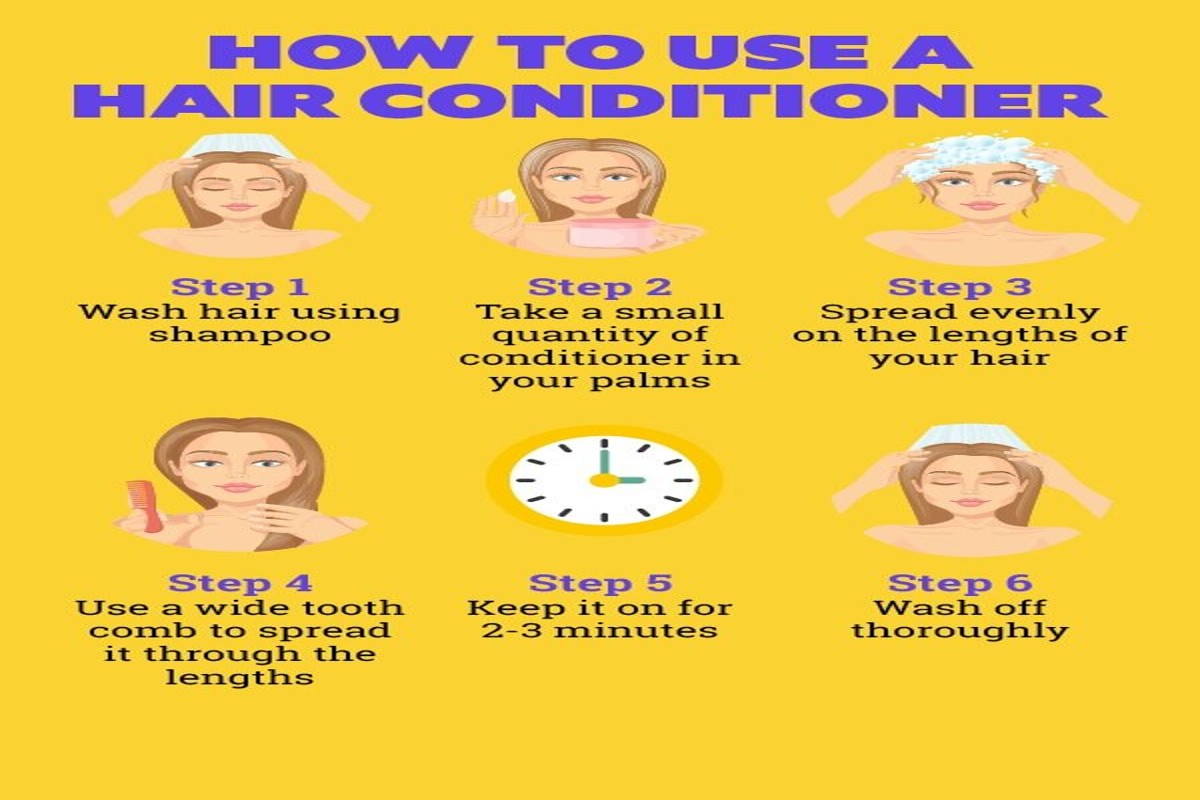
To apply conditioner to hair, start with clean, wet hair. Use a quarter-sized amount, focusing on the mid-lengths and ends. Leave it in for a few minutes before rinsing thoroughly.
Understanding how to apply conditioner to hair is essential for maintaining healthy locks. Proper application can enhance moisture retention, improve manageability, and prevent damage, while incorrect techniques can lead to buildup or dryness. This knowledge is particularly crucial for individuals with specific hair types or conditions.
This guide outlines the step-by-step process for effective conditioner application, including tips for different hair types, common mistakes to avoid, and recommendations for product selection.
What is the best way to apply conditioner to hair?
The best way to apply conditioner to hair is on clean, damp strands, focusing primarily on the ends. This technique ensures that the conditioner penetrates the hair effectively, providing optimal hydration and nourishment. Avoid applying conditioner directly to the scalp unless specifically directed by the product instructions.
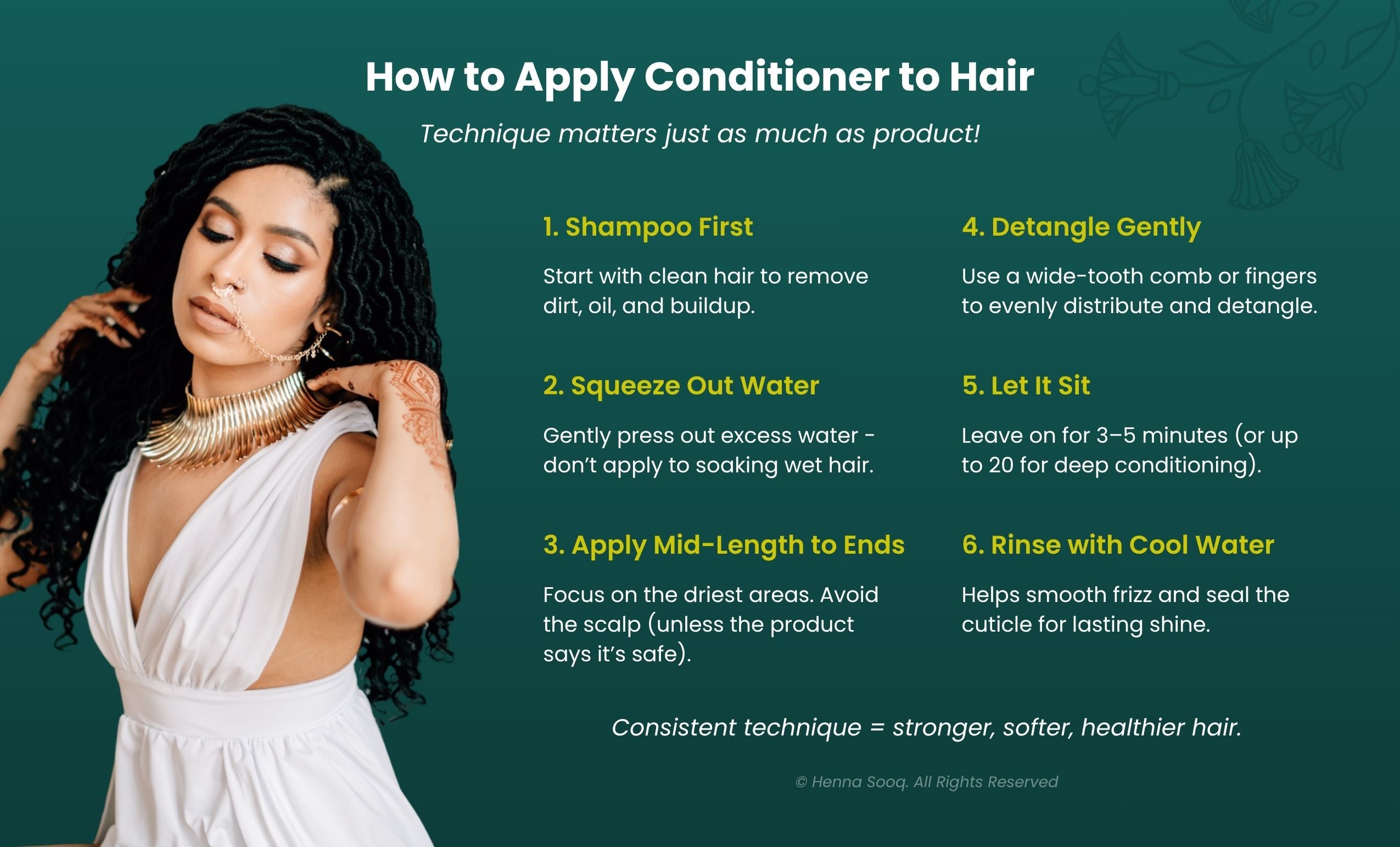
- Start with clean hair. Wash your hair with a suitable shampoo to remove dirt and oil. Rinse thoroughly to ensure no shampoo residue remains.
- Remove excess water. Gently squeeze your hair to eliminate excess water without rubbing or twisting. Hair should be damp but not dripping wet to allow the conditioner to adhere properly.
- Dispense the right amount. Pour a quarter-sized amount of conditioner into your palm. Adjust the quantity based on your hair length and thickness; longer or thicker hair may require more product.
- Apply to the ends first. Begin applying the conditioner to the mid-lengths and ends of your hair. These areas typically need the most moisture and can benefit from concentrated application.
- Use a comb or your fingers. Distribute the conditioner evenly through your hair using a wide-tooth comb or your fingers. This helps prevent tangles and ensures every strand is coated.
- Leave it in for a few minutes. Allow the conditioner to sit in your hair for the recommended time, typically 2-5 minutes. This waiting period enhances the absorption of the conditioning agents.
- Rinse thoroughly. Rinse your hair with cool or lukewarm water to close the hair cuticles. Ensure that no conditioner residue remains, as this can lead to buildup.
For those with fine or oily hair, consider applying conditioner only to the ends or using a lightweight product to prevent weighing hair down. Additionally, experimenting with leave-in conditioners can provide extra moisture without the need for rinsing.
Expert Tip: For enhanced results, consider using a heat cap or towel wrap after applying conditioner. The added warmth can help open the hair cuticles, allowing for deeper penetration of the conditioning agents.
How long should I leave conditioner in my hair?
Most conditioners should be left in the hair for 2 to 5 minutes. However, deep conditioners may require a longer application time, typically ranging from 10 to 30 minutes, depending on the product and hair type.
The timing for leaving conditioner in hair can vary based on several factors, including hair type, conditioner formulation, and desired results. For standard rinse-out conditioners, the 2 to 5-minute window is generally sufficient to allow the product to penetrate the hair shaft and provide moisture. In contrast, those with dry or damaged hair might benefit from leaving a deep conditioning treatment on for a longer duration to achieve optimal hydration and repair.
Additionally, some conditioners are designed to work quickly, while others are formulated for extended wear. For instance, a leave-in conditioner may only require a few minutes for initial absorption before being styled, whereas a treatment mask may instruct users to leave it on for up to 30 minutes for maximum effect. Always refer to the specific product instructions, as they will provide the best guidance for achieving desired results.
Expert Tip: For enhanced effectiveness, consider wrapping your hair in a warm towel while the conditioner is in. The heat helps to open the hair cuticles, allowing for deeper penetration of the conditioning ingredients.
Can you apply conditioner to dry hair?
Yes, conditioner can be applied to dry hair, but this method is generally less effective than applying it to wet hair. While applying conditioner to dry hair can provide some moisture, it may not penetrate the hair shaft as efficiently as when applied to damp hair.
When conditioner is applied to wet hair, the hair cuticles are open, allowing the moisturizing ingredients to penetrate more deeply. This process enhances the conditioner’s effectiveness, leading to better hydration and overall hair health. On the other hand, applying conditioner to dry hair often results in a superficial application. The hair may feel temporarily smoother, but the benefits are usually limited compared to the wet application.
- Applying to Wet Hair: Maximizes penetration of moisturizing ingredients, enhances hydration, and improves overall hair texture.
- Applying to Dry Hair: Provides temporary moisture and shine but lacks deep conditioning benefits.
- Hair Type Considerations: Curly or coarse hair may benefit more from dry application for added moisture, while fine hair typically requires wet application to avoid weighing it down.
For individuals with specific hair care needs, such as enhanced moisture retention for curly hair, applying conditioner to dry hair can be beneficial when used as an occasional treatment. However, for regular conditioning, applying to damp hair is recommended for optimal results.
Expert Tip: Incorporate a leave-in conditioner after washing and conditioning to lock in moisture and provide ongoing hydration throughout the day. This approach combines the benefits of both wet and dry application techniques for improved hair health.
What are the benefits of using conditioner on hair?
Conditioner serves to moisturize, detangle, and protect hair, contributing to reduced frizz and enhanced shine. Regular use of conditioner can significantly improve hair texture and manageability, making styling easier and more effective. It also helps to maintain the hair’s natural moisture balance, which is crucial for overall hair health.
One of the key benefits of conditioner is its ability to provide hydration. Hair can become dry and brittle due to environmental factors, heat styling, and chemical treatments. Conditioners often contain ingredients like glycerin, silicones, and natural oils that help lock in moisture, making hair softer and more pliable. This is particularly beneficial for individuals with curly or textured hair, which tends to be drier than straight hair.
Conditioners also play a critical role in detangling hair. The slippery texture of conditioner allows for easier combing and brushing, reducing the risk of breakage. Additionally, using conditioner can create a protective barrier around the hair shaft. This barrier shields hair from damage caused by UV rays, pollution, and heat styling tools, thereby prolonging the lifespan of hair color and treatments.
Types of Conditioners
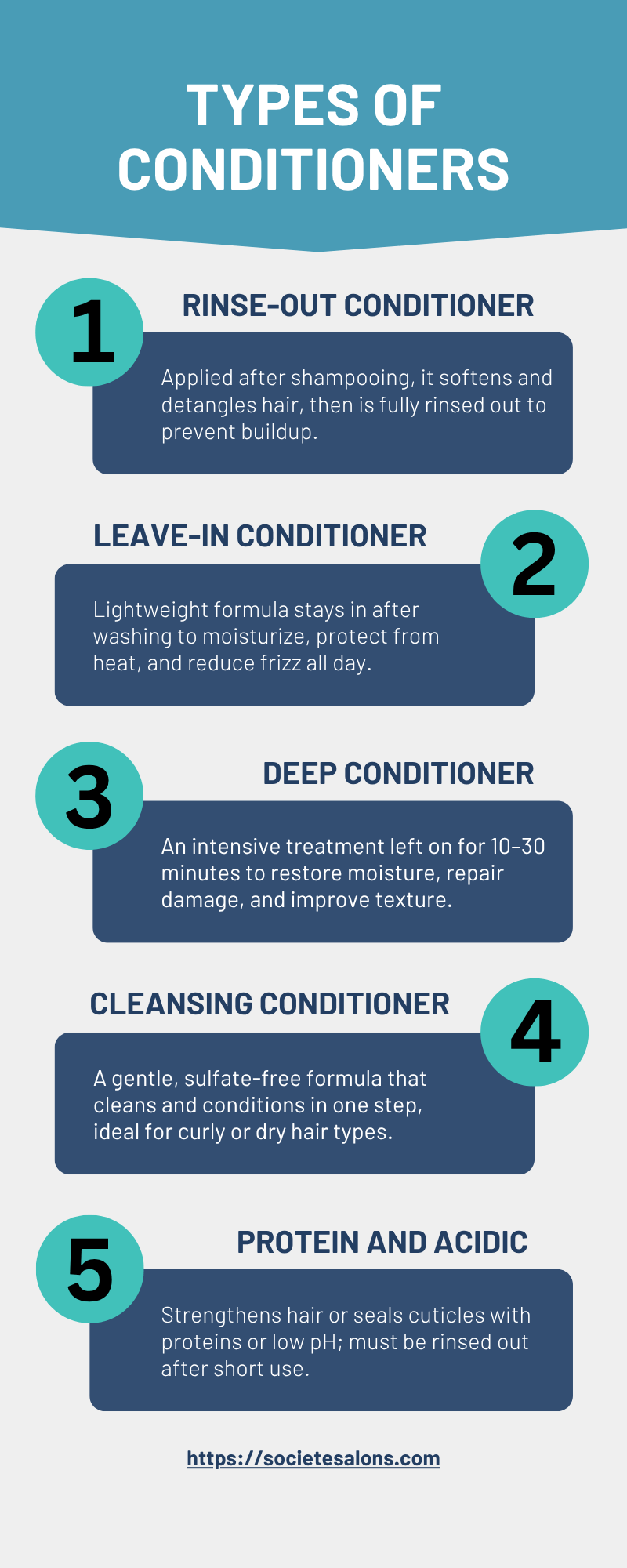
- Rinse-out conditioners: Used after shampooing, these are washed out after a few minutes.
- Leave-in conditioners: Applied to damp hair and left in to provide ongoing moisture and protection.
- Deep conditioners: Designed for intensive treatment, these are typically used weekly for added hydration.
For optimal results, selecting a conditioner that matches your hair type and specific needs is essential. For example, fine hair may benefit from lightweight formulas, while thick or curly hair might require richer, more hydrating options. Experimentation will help identify the best product for individual hair health.
Regularly assessing the condition of your hair can guide adjustments in your conditioning routine. For instance, during dry seasons, increasing the frequency of conditioning treatments can help maintain hydration levels.
Is it necessary to use conditioner every time I wash my hair?
Yes, using conditioner every time you wash your hair is generally recommended for most hair types. Conditioner helps maintain moisture balance, reduces frizz, and improves manageability. Skipping it can lead to dryness and damage over time, particularly for those with textured or color-treated hair.
Using conditioner on every wash is especially beneficial for individuals with dry, curly, or chemically treated hair. These hair types tend to lose moisture more quickly and require additional hydration. On the other hand, those with very fine or oily hair may find that using conditioner every wash can weigh their hair down. In such cases, focusing on the ends rather than the roots can provide the necessary moisture while minimizing heaviness.
- Choose the right conditioner: Select a product formulated for your specific hair type, such as moisturizing for dry hair or lightweight for fine hair.
- Apply to damp hair: After shampooing, apply conditioner to damp hair to help it penetrate effectively. Avoid the scalp unless the product specifically targets scalp health.
- Leave it on: Allow the conditioner to sit for at least 2-5 minutes to maximize its benefits. For deeper conditioning, consider a longer leave-in time or using a heat source.
- Rinse thoroughly: Ensure all conditioner is washed out to prevent buildup, which can lead to greasiness and dullness.
For optimal results, consider incorporating a deep conditioning treatment once a week, especially if hair is frequently exposed to heat styling or environmental stressors. This practice can enhance the overall health and appearance of your hair.
How much conditioner should I use for my hair length?
For short hair, a quarter-sized amount of conditioner is usually sufficient, while longer hair may require a palm-sized amount. The right quantity ensures proper distribution and effective conditioning without weighing the hair down.
When determining the appropriate amount of conditioner, several factors come into play. Hair thickness, texture, and porosity can influence how much product your hair absorbs. For instance, fine hair may need less conditioner, while thick or curly hair often requires more to achieve optimal moisture and manageability. Additionally, if the hair is particularly dry or damaged, increasing the amount can enhance its hydration.
Consider the application technique as well. Apply conditioner primarily to the mid-lengths and ends of the hair, where it typically needs the most moisture. Avoid applying conditioner directly to the scalp unless the product is specifically formulated for that purpose. This method not only prevents excess oiliness but also ensures that the conditioner effectively nurtures the areas that require it most.
Expert Tip: For those with long, thick hair, sectioning the hair into manageable parts can help evenly distribute the conditioner, ensuring comprehensive coverage and reducing the likelihood of product buildup.
What is the difference between rinse-out and leave-in conditioner?
Rinse-out conditioners are designed to be applied to wet hair and washed out after a short period, typically ranging from a few minutes to several minutes. In contrast, leave-in conditioners are formulated to remain in the hair, providing continuous moisture and protection throughout the day. The main distinction lies in their intended use and duration of application.
Rinse-out conditioners primarily focus on detangling and hydrating hair temporarily. They contain heavier ingredients that provide immediate benefits, such as smoothing the hair cuticle and enhancing shine. These conditioners are generally used after shampooing, allowing for a quick treatment before rinsing. This makes them suitable for daily or frequent use without the risk of buildup.
Leave-in conditioners, on the other hand, are specifically designed to be left in the hair. They often contain lighter formulas that hydrate and protect hair without weighing it down. These products offer ongoing benefits, such as frizz control, heat protection, and enhanced manageability. Leave-in conditioners can be used on both damp and dry hair, making them versatile for various styling routines.
- Application: Rinse-out conditioners are washed out after a few minutes, while leave-in conditioners stay in the hair.
- Formula: Rinse-out conditioners typically have richer formulations, whereas leave-in conditioners are lighter.
- Benefits: Rinse-out conditioners provide immediate hydration; leave-in conditioners offer long-lasting moisture and protection.
When choosing between the two, consider hair type and specific needs. For example, thicker or coarser hair may benefit more from a leave-in conditioner for added moisture, while fine hair may require a rinse-out product to avoid weighing it down.
Expert Tip: For optimal results, use a rinse-out conditioner to treat your hair after every wash, and follow up with a leave-in conditioner on days when you style your hair. This combination maximizes hydration and ensures hair remains manageable and healthy.
Can conditioner help with hair damage?
Yes, conditioner can help repair and protect damaged hair by providing moisture and reducing breakage. Conditioners contain ingredients that penetrate the hair shaft, improving its overall health and appearance. Regular use can lead to softer, more manageable hair while minimizing frizz and split ends.
Conditioners work primarily by replenishing moisture that may be lost due to environmental factors, heat styling, or chemical treatments. They typically contain emollients and humectants, which help to lock in moisture and create a protective barrier around each strand. This protective layer can reduce the impact of future damage and make hair less prone to breakage.
- Hydrating conditioners: These products contain ingredients like glycerin and aloe vera that attract and retain moisture.
- Protein-rich conditioners: Formulated with keratin or silk proteins, these conditioners help strengthen hair and repair structural damage.
- Leave-in conditioners: These provide ongoing moisture and protection throughout the day, ideal for very dry or damaged hair.
While conditioners can significantly improve the condition of damaged hair, the effectiveness may vary based on hair type and the specific product used. For example, fine hair may become weighed down by heavy, moisturizing conditioners, while coarser hair often benefits from richer formulations. Identifying the right conditioner for your hair type is essential for optimal results.
Expert Tip: Consider incorporating a deep conditioning treatment into your routine once a week for enhanced repair benefits, especially if your hair has been subjected to frequent heat styling or chemical processes. Look for products that contain natural oils, such as argan or coconut oil, for added nourishment.
Advanced Techniques for Applying Conditioner
This section delves into specialized methods for applying conditioner tailored to different hair types and conditions. By understanding these advanced techniques, individuals can significantly enhance their hair care routine, ensuring optimal results.
Tailoring Application Techniques for Curly vs. Straight Hair
Curly hair often requires more moisture and definition, while straight hair may benefit from lightweight conditioning. For curly hair, apply conditioner in sections, using your fingers or a wide-tooth comb to ensure even distribution. This method helps to define curls and reduce frizz.
In contrast, for straight hair, a more streamlined approach is effective. Work the conditioner through from mid-length to the ends, avoiding the scalp to prevent greasiness. For both hair types, consider the following:
- Curly Hair: Use a leave-in conditioner or styling cream post-wash for additional moisture.
- Straight Hair: A lightweight conditioner or serum can prevent flatness.
Using Heat to Enhance Conditioner Absorption
Applying heat can significantly improve the absorption of conditioner into the hair shaft. This technique is particularly beneficial for dry or damaged hair. To incorporate this method:
- Apply the conditioner generously, ensuring even coverage.
- Cover your hair with a shower cap or a warm towel.
- Leave the conditioner on for 15 to 30 minutes to allow the heat to open the hair cuticles, facilitating deeper penetration.
For an even more effective treatment, consider using a hooded dryer or a heated cap. This method can enhance the conditioning effects, making hair softer and more manageable.
Layering Products for Maximum Effectiveness
Layering products can optimize conditioning results, especially for those with specific hair needs. Start with a rinse-out conditioner to moisturize, followed by a leave-in conditioner to provide ongoing hydration. Then, seal in moisture with a lightweight oil or serum. This technique helps to lock in hydration while providing additional protection against environmental stressors.
When layering:
- Choose products that complement each other; for example, pair a moisturizing conditioner with a hydrating leave-in.
- Be mindful of the amount used; too many products can weigh hair down.
- Consider the order of application; heavier products should be applied first, followed by lighter ones.
Incorporating Scalp Care with Conditioner Use
Scalp health plays a crucial role in overall hair condition. Incorporating scalp care into the conditioning process can improve hair health significantly. When applying conditioner, gently massage it into the scalp to stimulate blood circulation and promote hair growth.
Consider using a conditioner specifically designed for scalp care, which can help address issues such as dryness or dandruff. Regular scalp treatments, including exfoliating scrubs or oils, can be beneficial when combined with conditioner application.
Advanced techniques for applying conditioner can transform hair care routines. By tailoring methods for different hair types, utilizing heat for absorption, layering products effectively, and caring for the scalp, individuals can achieve healthier, more vibrant hair. To implement these techniques, assess your hair type and condition, choose suitable products, and follow the outlined application methods for optimal results.
Common Mistakes When Applying Conditioner
Applying conditioner correctly is essential for maximizing its benefits. This section identifies common mistakes that can hinder the effectiveness of hair conditioning, helping readers achieve optimal results.

Applying Too Much Product
Many individuals mistakenly believe that more conditioner equates to better results. However, using excessive product can lead to buildup, making hair feel greasy or weighed down. A quarter-sized amount is typically sufficient for medium-length hair. Adjust the amount based on hair thickness and length, ensuring even distribution without excess.
Neglecting the Scalp Area
Another common oversight is ignoring the scalp when applying conditioner. While the primary focus should be on the mid-lengths and ends, conditioning the scalp can help maintain moisture balance, particularly for dry or flaky scalps. Use a lightweight conditioner in moderation on the scalp, as heavy products can cause unwanted oiliness.
Rinsing Out Too Quickly
Conditioner requires time to penetrate the hair shaft effectively. Rinsing out conditioner too quickly can prevent the hair from absorbing essential nutrients. Allow the conditioner to sit for at least 2-5 minutes, depending on the product instructions. This waiting period enhances the conditioning effect, leading to smoother and healthier hair.
Using the Wrong Type of Conditioner
Selecting a conditioner that does not match your hair type can significantly impact results. Common categories include:
- Moisturizing conditioners for dry or damaged hair
- Volumizing conditioners for fine or limp hair
- Color-protecting conditioners for color-treated hair
Using a formula designed for your specific hair needs ensures that the conditioner delivers the intended benefits, promoting overall hair health.
Nuance / Expert Layer
Many people believe that conditioner is solely for hydration, but its benefits extend beyond moisture. Conditioners can also offer heat protection, detangling properties, and frizz control. Misconceptions persist regarding the necessity of conditioner for all hair types; however, even oily hair can benefit from lightweight formulas that prevent dryness without adding excess grease. In addition, the technique of application matters; massaging conditioner into the hair can enhance blood circulation to the scalp, promoting healthier hair growth.
Practical Application
To avoid common mistakes when applying conditioner, follow these steps:
- Choose the right conditioner for your hair type.
- Use a quarter-sized amount, adjusting for longer or thicker hair.
- Apply conditioner primarily to the mid-lengths and ends, with minimal application to the scalp.
- Allow the conditioner to sit for 2-5 minutes before rinsing thoroughly.
By adhering to these guidelines, you will enhance the effectiveness of your conditioning routine and achieve healthier, more manageable hair.
Comparing Different Types of Conditioners
This section explores the various types of conditioners available, including their unique benefits and appropriate usage. Understanding these distinctions is essential for selecting the right product for effective hair care.
Types of Conditioners
Conditioners generally fall into three primary categories: moisturizing conditioners, protein conditioners, and leave-in conditioners.
- Moisturizing Conditioners: These are designed to hydrate and soften hair, making them ideal for dry, frizzy, or damaged strands. They typically contain ingredients like glycerin and natural oils.
- Protein Conditioners: These conditioners help strengthen hair by repairing the protein structure. They are most beneficial for hair that is weak, brittle, or chemically treated. Ingredients may include keratin and silk proteins.
- Leave-in Conditioners: Applied after the regular washing and rinsing process, leave-in conditioners provide ongoing hydration and protection throughout the day. They are lightweight and can help detangle hair.
Regular Conditioners vs. Deep Conditioners
Deep conditioners penetrate the hair shaft more thoroughly than regular conditioners. Typically used once a week or as needed, they contain higher concentrations of moisturizing and repairing ingredients. Regular conditioners, on the other hand, are suitable for daily use and maintain moisture levels.
Natural vs. Synthetic Ingredients
Conditioners can be formulated with natural or synthetic ingredients. Natural conditioners utilize plant-based oils, butters, and extracts, often appealing to those seeking organic options. Synthetic conditioners typically contain chemical compounds that may offer enhanced performance, such as silicones for smoothness and shine.
Choosing the Best Conditioner for Your Hair Type
Selecting the right conditioner requires understanding your hair type and needs:
- Fine Hair: Opt for lightweight moisturizing or volumizing conditioners to prevent weighing hair down.
- Thick or Curly Hair: Choose richer, hydrating formulas or deep conditioners to manage frizz and enhance curl definition.
- Color-Treated Hair: Use products specifically formulated for color protection to maintain vibrancy and prevent fading.
Common Misconceptions
Many individuals believe that using more conditioner automatically leads to better results. In reality, excessive application can result in buildup, making hair greasy or limp. Additionally, some assume that all conditioners serve the same purpose, overlooking the importance of selecting a product that addresses specific hair needs. Recognizing the right balance of moisture and protein is vital for maintaining healthy hair.
Practical Application
To effectively apply conditioner to hair, follow these steps:
- Choose a conditioner that matches your hair type and needs.
- After shampooing, squeeze excess water from your hair.
- Apply a generous amount of conditioner, focusing on the mid-lengths and ends.
- Leave the conditioner on for the recommended time, usually 2-5 minutes for regular conditioners, or as directed for deep conditioners.
- Rinse thoroughly with cool water to seal the cuticle and enhance shine.
Regularly assess your hair’s condition and adjust your conditioner choice accordingly to ensure optimal health and appearance.
Real-World Application: Conditioner in Hair Care Routines
This section outlines practical strategies for integrating conditioner into daily hair care routines, emphasizing the importance of consistency and adaptability for optimal hair health.

Creating a Hair Care Schedule
Establishing a hair care schedule ensures regular conditioning, which is essential for maintaining hair hydration and overall health. A typical schedule might include:
- Daily Conditioning: For those with dry or curly hair, use a leave-in conditioner daily.
- Weekly Deep Conditioning: Allocate time once a week for a deep conditioning treatment to repair and nourish.
- Co-Washing: Incorporate co-washing (using conditioner instead of shampoo) once a week to cleanse without stripping moisture.
Combining Conditioner with Other Hair Treatments
Conditioners can be effectively combined with other hair treatments to enhance results. Consider these combinations:
- Hair Masks: Use a hair mask post-wash for added nourishment; apply it after regular conditioner for deeper penetration.
- Oils: Mix a few drops of hair oil into your conditioner for added moisture and shine.
- Leave-In Products: Follow up with a leave-in conditioner to lock in hydration throughout the day.
Adapting Conditioner Use for Seasonal Changes
Seasonal shifts can significantly impact hair health, necessitating adjustments in conditioning routines. In winter, hair often becomes dry due to lower humidity levels, so a richer, more hydrating conditioner is advisable. Conversely, during summer, a lighter conditioner may suffice to avoid weighing down hair, particularly for those with fine textures.
Tips for Maintaining Hair Health Between Washes
Maintaining hair health between washes is crucial. Implement the following strategies:
- Dry Shampoo: Use dry shampoo to absorb excess oil, allowing for extended time between washes without compromising hair health.
- Protective Styles: Opt for protective hairstyles to minimize damage and reduce the need for frequent conditioning.
- Hydration: Stay hydrated and maintain a balanced diet rich in vitamins and minerals that support hair health.
Conditioner application is often misunderstood. Many believe that more product equates to better results. However, using an appropriate amount based on hair type is crucial. For instance, thick or curly hair may require a generous amount, whereas fine hair benefits from a lighter application to avoid product buildup. Additionally, leaving conditioner on for a sufficient duration allows for better absorption, enhancing effectiveness.
To effectively integrate conditioner into your hair care routine, establish a consistent schedule that includes daily or weekly conditioning practices. Pair conditioners with other treatments for enhanced benefits, adapt your products to seasonal changes, and utilize strategies to maintain hair health between washes. Implement these actionable steps to achieve healthier, more manageable hair.
Frequently Asked Questions
What is the best way to apply conditioner to hair?
The best way to apply conditioner is to use a small amount, focusing on the mid-lengths to ends of the hair. Avoid applying it directly to the scalp to prevent greasiness.
How long should I leave conditioner in my hair?
Conditioner should typically be left in the hair for 2 to 5 minutes, depending on the product instructions. Leaving it in longer can enhance moisture and softness.
Can you apply conditioner to dry hair?
Yes, conditioner can be applied to dry hair as a pre-wash treatment or for extra moisture. However, it is most effective when applied to wet hair after shampooing.
What are the benefits of using conditioner on hair?
Using conditioner helps to hydrate, detangle, and smooth hair, reducing frizz and improving manageability. It also protects hair from damage and enhances shine.
Is it necessary to use conditioner every time I wash my hair?
While it is not strictly necessary, using conditioner every time you wash your hair is recommended for maintaining moisture and health. Skipping it can lead to dryness and damage over time.
How much conditioner should I use for my hair length?
The amount of conditioner to use varies by hair length: a quarter-sized amount is usually sufficient for short hair, while longer hair may require up to a palm-sized amount. Adjust based on hair thickness and texture.
What is the difference between rinse-out and leave-in conditioner?
Rinse-out conditioner is designed to be applied after shampooing and washed out, providing temporary hydration. Leave-in conditioner remains in the hair to offer ongoing moisture and protection throughout the day.
Can conditioner help with hair damage?
Conditioner can help mitigate hair damage by providing moisture and strengthening the hair cuticle. While it cannot repair damage, it can improve the overall appearance and texture of damaged hair.
Final Thoughts on how to apply conditioner to hair
The effectiveness of conditioner hinges not only on the product itself but also on the technique used during application. Proper distribution and timing are crucial for maximizing benefits, ensuring hair remains nourished and manageable.
To elevate your hair care routine, consider integrating a leave-in conditioner tailored to your hair type, applied after your standard conditioning process, to enhance hydration and protection throughout the day.
Mastering the application of conditioner is essential for maintaining healthy hair, ultimately leading to a more vibrant and resilient appearance.
Leave a Reply