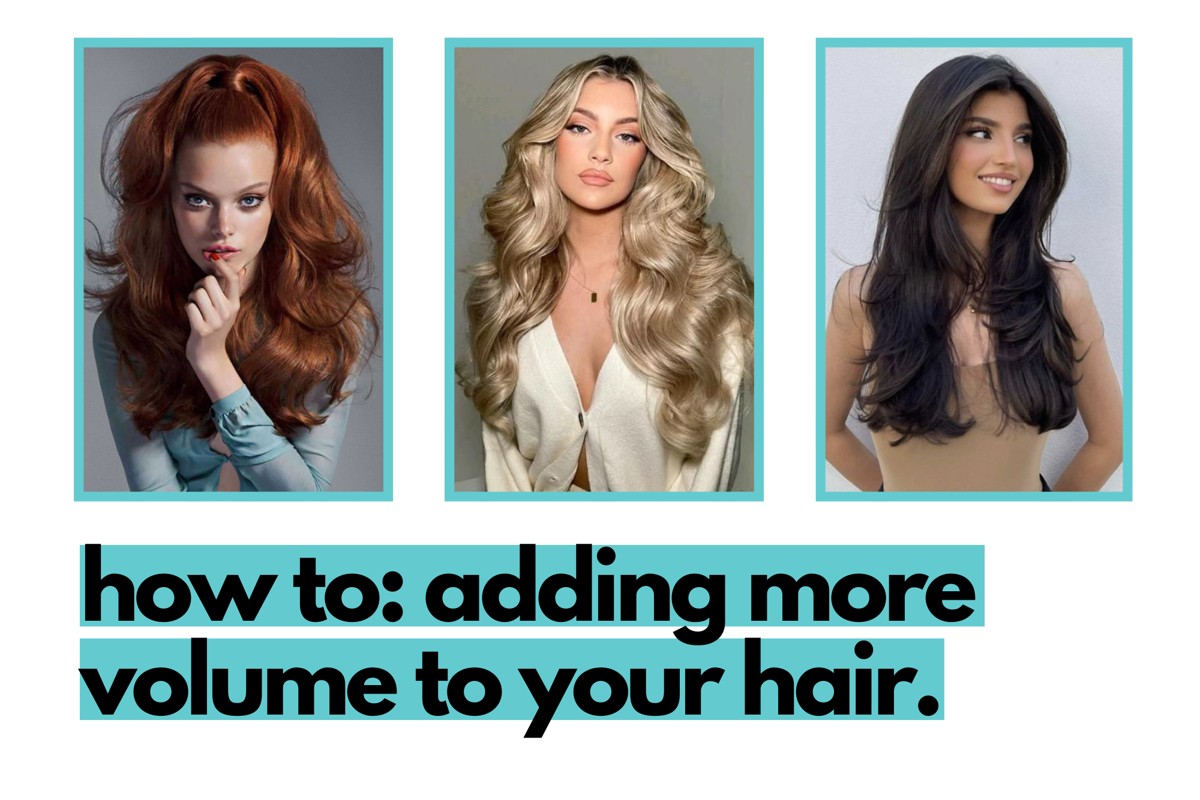
To add volume to hair, start by using volumizing shampoo and conditioner, apply a root-lifting mousse, and use a blow dryer with a round brush for styling. These techniques enhance the hair’s body and fullness, providing a more luxurious appearance.
Understanding how to add volume to hair is crucial for individuals seeking to achieve a fuller look, especially for those with fine or limp hair. Missteps in technique or product choice can lead to flat, lifeless hair, undermining overall style and confidence.
This article will detail specific methods for adding volume, including product recommendations, styling techniques, and tips for maintaining volume throughout the day.
What are the best products to add volume to hair?
The best products to add volume to hair include volumizing shampoos, conditioners, and styling products specifically formulated to enhance lift and fullness. These products work by creating a lightweight barrier around each hair strand, making hair appear thicker and more voluminous. Selecting the right combination tailored to your hair type can significantly improve volume.
Volumizing shampoos are essential for lifting hair at the roots. Look for sulfate-free options that cleanse without stripping natural oils, as this helps maintain hair health. Follow with a lightweight volumizing conditioner that detangles without weighing hair down. Ingredients such as hydrolyzed proteins and botanical extracts can enhance texture and manageability.
- Volumizing Mousse: Apply a volumizing mousse to damp hair before blow-drying. This product adds body and support, especially at the roots.
- Texturizing Spray: After styling, use a texturizing spray to create a tousled look and add lift. It provides a matte finish and enhances grip without heaviness.
- Root-Lifting Spray: Focus on root-lifting sprays for targeted volume. Spray directly at the roots and use a round brush while blow-drying to maximize lift.
- Dry Shampoo: Incorporate dry shampoo into your routine for instant volume. It absorbs excess oil and adds texture, making hair look fuller between washes.
Choosing the right products based on hair type—fine, thick, or curly—will yield the best results. Fine hair benefits from lightweight formulations, while thicker hair may require more robust products to achieve desired volume.
Using a combination of volumizing products and proper styling techniques creates lasting volume. For optimal results, avoid heavy oils or silicones that can weigh hair down.
How can I add volume to my hair without heat?
Adding volume to hair without using heat is achievable through various techniques that enhance fullness and body. Methods such as braiding, using rollers, and overnight styling can provide noticeable results without the risk of heat damage. These approaches are particularly beneficial for maintaining hair health while achieving the desired lift.
Here are effective methods to add volume to hair without heat:
- Braiding: Braid damp hair before bed. The braids will create natural waves and volume by morning. For more texture, create multiple smaller braids.
- Rollers: Use foam or velcro rollers on damp hair. Roll sections of hair away from the scalp and secure them in place. Leave the rollers in for several hours or overnight for best results.
- Overnight Ponytail: Gather hair into a high ponytail on top of your head. This position encourages lift at the roots while you sleep. When you release it in the morning, you’ll have added volume.
- Texturizing Products: Apply a volumizing mousse or sea salt spray to damp hair. These products can enhance texture and provide lift when hair dries naturally.
- Upside-Down Drying: When drying hair, flip your head upside down. This technique allows the roots to lift away from the scalp, creating more volume as the hair dries.
Each of these methods leverages your hair’s natural texture and movement, minimizing damage while promoting volume. Experiment with combinations of these techniques to discover what works best for your hair type and desired style.
Expert Tip: For optimal results, consider incorporating a lightweight volumizing shampoo and conditioner into your routine. These products can help provide a solid foundation for volume without the need for heat styling.
How long does it take to add volume to hair with products?
Adding volume to hair with products typically takes less than 10 minutes. The effects can be seen immediately after application and can last throughout the day, depending on the product used and individual hair type.
Volumizing products, such as mousses, sprays, and powders, work by providing lift and texture to the hair. When applied correctly, these products can create an impression of fuller hair almost instantly. However, the longevity of the volume achieved can vary. For example, some lightweight sprays may offer volume for a few hours, while more robust mousses can maintain their effects longer, especially if paired with heat styling. Humidity and hair texture also play significant roles; fine hair may require more frequent touch-ups compared to thicker hair.
Technique is key. Proper application methods can enhance the effectiveness of volumizing products. For best results, apply products at the roots and use a blow dryer to help set the volume. Additionally, layering products can enhance the effect, but too much product can make hair feel heavy or greasy, counteracting the desired volume. Therefore, it’s essential to strike a balance between the amount used and the desired effect.
Expert Tip
For optimal results, consider using a volumizing shampoo and conditioner in conjunction with styling products. This foundational step can significantly improve the overall volume and texture of the hair, setting the stage for effective styling.
What hairstyles add volume to thin hair?
Hairstyles that create layers, waves, or curls can significantly enhance the appearance of volume in thin hair. Options such as a layered bob, tousled waves, or a textured pixie cut are particularly effective. These styles not only add dimension but also help to create the illusion of thicker hair.
A layered bob is a versatile choice that works well for various face shapes. By incorporating shorter layers around the crown, this style lifts the hair away from the scalp, creating an airy feel. For added texture, consider using a volumizing mousse before blow-drying, which can help enhance the layers and provide a bouncy finish.
Tousled waves are another great option for adding volume. This hairstyle can be achieved using a curling wand or by braiding damp hair overnight. Loose waves create movement, giving the impression of fullness. To maintain this style, utilize a texturizing spray that adds grip and body without weighing the hair down.
Textured Pixie Cut
A textured pixie cut is an ideal choice for those who prefer shorter hair. This style involves choppy layers that add depth and dimension, making thin hair appear thicker. Styling with a lightweight styling cream or pomade can also help define the layers while providing a natural, voluminous look.
For optimal results, using the right products is crucial. Look for volumizing shampoos and conditioners that are designed to lift roots and add body. Additionally, regular trims will keep the hairstyle looking fresh and prevent split ends, which can detract from the overall volume.
Incorporating these hairstyles can transform thin hair, but individual hair texture and face shape should guide the final choice. Consulting with a hairstylist for personalized advice can lead to the most flattering and volumizing results.
Is it better to use mousse or spray for volume?
Choosing between mousse and spray for adding volume depends on hair type and desired results. Mousse generally provides a lightweight texture and flexible hold, while spray offers a more concentrated application for immediate volume. Each product has its unique benefits and potential drawbacks.
Mousse is a foam product that expands when applied, creating a fuller appearance without weighing down the hair. It is particularly effective for fine or limp hair, as it adds body and movement. Mousse can be applied to damp hair and styled as desired, allowing for a natural look. However, excessive use may lead to a sticky residue if not rinsed out properly.
On the other hand, volumizing spray delivers a more intense lift and can be applied to both dry and damp hair. This option is beneficial for creating instant volume at the roots and can provide a stronger hold, making it ideal for styles that require additional support. However, some sprays may leave hair feeling stiff or crunchy if over-applied. Additionally, volumizing sprays may contain alcohol, which can dry out hair if used excessively.
- Mousse: Lightweight, adds body, flexible hold, suitable for fine hair.
- Spray: Immediate volume, stronger hold, can be used on dry or damp hair.
- Drawbacks: Mousse can become sticky; sprays may lead to stiffness or dryness.
For optimal results, consider combining both products. Apply mousse for a base lift, followed by a light mist of volumizing spray to lock in the style. Tailoring your approach based on your hair’s unique characteristics will yield the best volume-enhancing results.
What techniques can I use to add volume to my hair at home?
Several effective techniques can be employed at home to add volume to hair. These methods include backcombing, using volumizing products, and employing specific styling tools. Each technique can enhance hair’s fullness and body, offering a versatile approach to achieving desired volume.
- Backcombing: This technique involves teasing the hair to create a fuller appearance. Use a fine-toothed comb to gently backcomb sections of hair at the roots, working in small sections to avoid damage.
- Volumizing Products: Apply a volumizing mousse or spray to damp hair before styling. These products are designed to lift hair at the roots and provide lasting hold without weighing the hair down.
- Blow-Drying Techniques: Blow-dry hair upside down or use a round brush to lift hair at the roots. This method helps create natural volume and shape as the hair dries.
- Use of Hot Rollers: Hot rollers can add significant volume and curl to hair. Roll sections of hair into the rollers while they are heated, then allow them to cool before removing for bouncy, voluminous locks.
- Hair Products for Texture: Incorporate texturizing sprays or dry shampoos into your routine. These products add grip and body, making hair appear fuller and more textured.
Combining these techniques can yield even better results. For instance, using volumizing products before blow-drying enhances the effects of both methods. Additionally, be mindful of hair health; overuse of heat or styling products can lead to damage.
To maintain the best results, regularly assess the health of your hair and adjust your techniques accordingly. Consider using heat protectants and moisturizing treatments to keep hair healthy while achieving volume.
For optimal results, layer volumizing techniques. For instance, backcombing followed by a light spritz of volumizing spray can significantly amplify volume while maintaining texture and style.
Can diet affect hair volume?
Yes, diet can significantly affect hair volume by influencing the health and structure of hair follicles. A balanced diet rich in essential nutrients supports hair growth and can enhance its thickness and body. Deficiencies in key vitamins and minerals may lead to weaker hair and reduced volume.
The health of hair is closely tied to nutrition. Hair is primarily made of a protein called keratin, which relies on adequate protein intake for strength and volume. Additionally, specific vitamins and minerals play crucial roles in promoting healthy hair. Consider the following nutrients:
- Biotin: This B-vitamin is essential for keratin production and can help improve hair thickness.
- Vitamin D: Linked to hair follicle cycling, adequate levels may help prevent hair thinning.
- Iron: Essential for oxygen transport, iron deficiency can lead to hair loss and reduced volume.
- Zinc: Important for hair tissue growth and repair, zinc deficiency can result in hair loss and a lack of fullness.
Beyond vitamins and minerals, adequate hydration is also vital for maintaining the moisture balance of hair, which can influence its appearance and volume. Foods rich in healthy fats, such as avocados and nuts, can contribute to hair’s overall health, making it look fuller and more vibrant. A holistic approach to nutrition, focusing on a varied diet, can yield the best results for hair volume.
To maximize hair volume through diet, consider incorporating a variety of nutrient-dense foods into meals and snacks. Regularly consuming foods high in protein, vitamins, and minerals will support not only hair health but overall well-being.
Expert Tip: For optimal results, consider consulting with a healthcare provider or a nutritionist to tailor dietary choices to your specific hair needs. Individual hair health can vary greatly based on genetics and existing health conditions, so personalized guidance can be beneficial.
How much do professional volume treatments cost?
Professional volume treatments typically range from $50 to $250, depending on the type of service and salon location. Basic volume-boosting services, such as blowouts, may cost less, while more complex treatments like volumizing perms or extensions can be significantly more expensive.
Several factors influence the cost of volume treatments. These include:
- Type of Treatment: Different services, such as volumizing haircuts, blowouts, or chemical treatments, carry varying price points.
- Salon Reputation: High-end salons with established reputations often charge more than smaller, local establishments.
- Location: Urban areas generally have higher service costs due to increased operational expenses compared to rural areas.
- Stylist Experience: Stylist skill and experience can affect pricing, with more experienced professionals often charging higher rates.
Additionally, the length and thickness of the hair can influence treatment costs. Longer or thicker hair may require more product and time, leading to higher charges. Clients should also consider any follow-up treatments or maintenance required, which can add to the overall expense.
For those seeking volume, exploring various options and consulting with a stylist can help determine the most effective treatment within budget constraints.
Key Takeaway: Always inquire about consultation fees and potential package deals at salons, as this can lead to significant savings on volume treatments over time.
Understanding Hair Structure and Volume
This section delves into the fundamental aspects of hair structure, revealing how these elements influence hair volume. Understanding these principles is essential for effectively implementing volumizing techniques.
The Anatomy of Hair and Its Impact on Volume
Hair consists of three primary layers: the cuticle, cortex, and medulla. The cuticle is the outer layer, made up of overlapping cells that protect the inner structures. The cortex, which makes up the bulk of the hair, contains keratin and is responsible for the hair’s strength and texture. The medulla, present in some hair types, is the innermost layer that can influence overall thickness.
Hair volume is affected by the arrangement and health of these layers. Healthy cuticles lay flat, allowing light reflection and creating a shiny appearance, which can enhance the perception of volume.
Factors Influencing Hair Thickness and Density
Several factors contribute to hair thickness and density:
- Genetics: Genetic predisposition plays a significant role in determining hair thickness and density.
- Age: As individuals age, hair often becomes thinner due to hormonal changes and decreased hair follicle activity.
- Health Conditions: Conditions such as thyroid disorders or alopecia can significantly impact hair density.
Addressing these factors can provide insights into personalized volumizing strategies.
The Role of Hair Health in Achieving Volume
Healthy hair is crucial for volume. Hair that is damaged or over-processed tends to become limp and lacks body. Regular conditioning, minimizing heat exposure, and using products designed to nourish hair can enhance its overall health. Additionally, maintaining a balanced diet rich in vitamins and minerals, such as biotin and zinc, supports hair vitality.
How Different Hair Types Respond to Volumizing Techniques
Hair type significantly influences the effectiveness of volumizing strategies:
- Fine Hair: Fine hair often benefits from lightweight volumizing products that provide lift without weighing it down.
- Curly Hair: Curly hair may require more moisture and defined styling products to maintain volume while avoiding frizz.
- Thick Hair: Thick hair can handle heavier products, and volumizing techniques may focus on creating movement and layering.
Recognizing these distinctions allows for tailored approaches to adding volume.
Many articles on this topic oversimplify the relationship between hair health and volume. A common misconception is that any volumizing product will work universally. However, the specific needs of each hair type must be addressed for optimal results. For instance, using a volumizing mousse on coarse hair may yield different results than on fine hair due to varying texture and porosity.
To effectively add volume to hair, consider the following actionable steps:
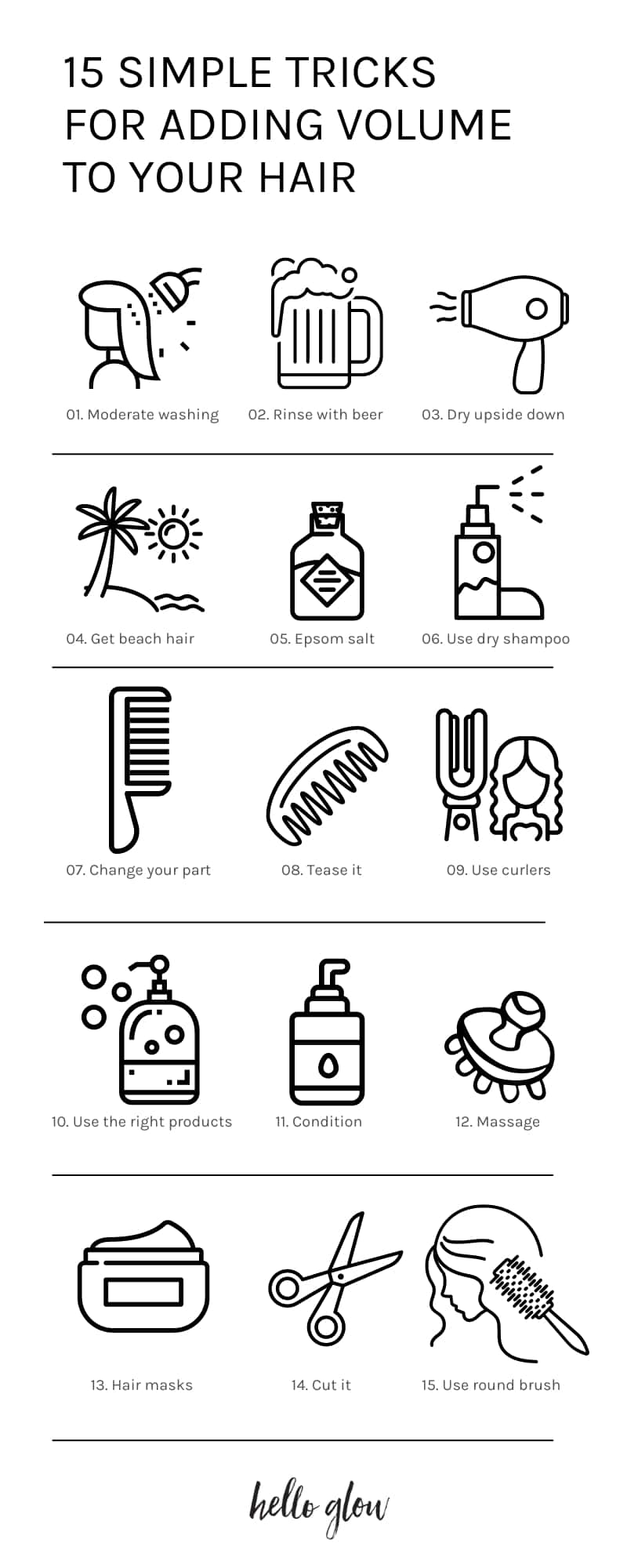
- Assess your hair type and texture to choose appropriate volumizing products.
- Incorporate a regular hair health regimen, including deep conditioning treatments and a balanced diet.
- Experiment with different styling techniques, such as blow-drying with a round brush or using velcro rollers for added body.
- Limit the use of heavy products that can weigh hair down.
By applying these strategies, individuals can enhance their hair volume effectively and sustainably.
Advanced Styling Techniques for Maximum Volume
This section explores expert-level styling methods designed to enhance and maintain volume in hair. These advanced techniques go beyond basic tips, ensuring long-lasting lift and fullness.
Blow-Drying Techniques for Maximum Lift
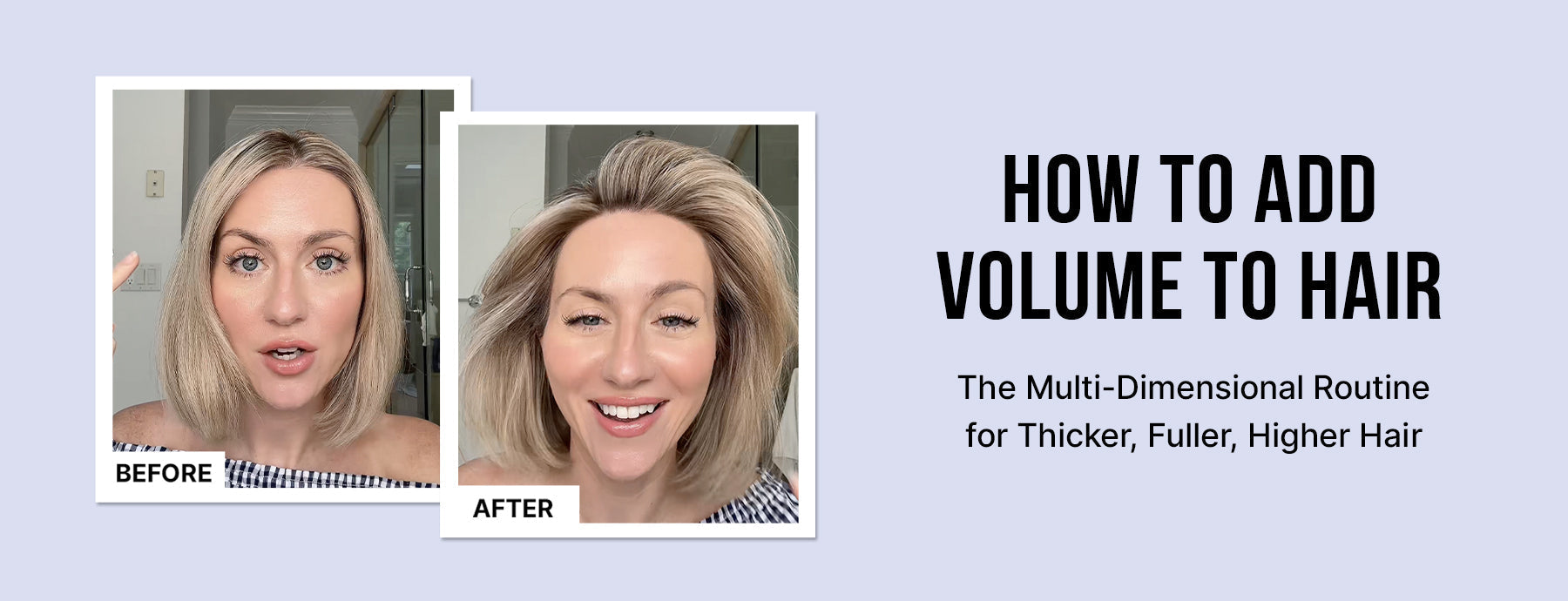
Blow-drying is a crucial step in achieving volume. To maximize lift, start by flipping your head upside down while blow-drying. This technique allows gravity to assist in creating bounce. Use a round brush to lift sections of hair at the roots, directing the airflow from the roots to the ends. For best results, keep the blow dryer nozzle facing downward to smooth the cuticle and reduce frizz.
- Section hair for even drying and styling.
- Use a medium heat setting to avoid damage.
- Finish with a cool blast of air to set the style and enhance shine.
Choosing the Right Tools for Volume
The right tools can significantly impact the volume of your hairstyle. A high-quality round brush with a ceramic or ionic barrel helps distribute heat evenly, adding lift and shine. Additionally, a diffuser attachment for curly or wavy hair allows for gentle drying without flattening the natural texture. The size of the brush should match the length of the hair; larger brushes work best for longer hair, while smaller ones are suitable for shorter styles.
Layering Products for Optimal Volume
Using multiple products can create volume without weighing hair down. Start with a volumizing mousse applied to damp hair, focusing on the roots. Follow with a lightweight styling spray for added hold. For extra texture, consider using a dry shampoo or texturizing spray on dry hair. These products absorb excess oil and provide grip, essential for maintaining volume throughout the day.
Maintaining Volume Throughout the Day
To preserve volume, avoid touching your hair frequently, as this can lead to flattening. Invest in a good hairspray that offers flexible hold, allowing movement while keeping styles intact. Carrying a travel-sized dry shampoo can be beneficial for refreshing volume in the afternoon. Spritzing the roots and massaging the scalp can revive lift and absorb excess oil.
Many believe that using heavy products is necessary for volume, which can lead to a weighed-down appearance. In reality, lightweight formulations are often more effective. Additionally, frequent washing can strip natural oils and volume; aim to wash hair every other day to maintain its natural body.
To implement these advanced techniques, start by selecting the right products and tools tailored to your hair type. Practice blow-drying with your head upside down, using the round brush to create lift. Layer products strategically, beginning with volumizing mousse, and finish with a flexible hold hairspray. Finally, incorporate dry shampoo into your routine for mid-day volume boosts. By mastering these methods, you will enhance your hair’s volume and achieve lasting results.
Common Mistakes When Trying to Add Volume
Achieving voluminous hair often requires avoiding common pitfalls that can counteract your efforts. This section outlines frequent mistakes that hinder volume and offers insights into effective solutions.

Overusing Heavy Products
Many individuals mistakenly rely on heavy styling products such as gels, creams, and oils, which can weigh hair down. These products often contain silicones and waxes that create a dense layer on the hair strands, leading to a flat appearance. Opt for lightweight formulations designed specifically for volume enhancement, such as volumizing mousses or sprays that provide hold without heaviness.
Neglecting Hair Health and Maintenance
Healthy hair is essential for achieving volume. Neglecting regular trims, failing to address split ends, and overlooking the importance of conditioning can diminish hair’s natural body. Implement a hair care routine that includes:
- Regular trims every six to eight weeks to remove split ends.
- Deep conditioning treatments to maintain moisture and elasticity.
- Using sulfate-free shampoos to prevent stripping of natural oils.
Incorrect Blow-Drying Techniques
Blow-drying can significantly impact hair volume when done correctly. However, using the wrong technique can lead to a flat finish. Common errors include:
- Blow-drying hair while it is too wet; damp hair is harder to lift.
- Pointing the dryer directly down the hair shaft, which can flatten strands.
- Using high heat without a round brush, which can cause hair to lose shape.
Instead, dry hair upside down or use a round brush to lift the roots, ensuring a more voluminous appearance.
Ignoring Haircuts and Styles
The choice of haircut can significantly influence hair volume. Certain styles, such as blunt cuts, may weigh hair down, while layered cuts can create movement and body. Additionally, styling techniques such as teasing or using rollers can enhance volume. Consider the following styles for added lift:
- Long layers to create movement.
- Face-framing layers to add dimension.
- Textured cuts that remove bulk while enhancing volume.
Nuances in Volume Enhancement
A common misconception is that all hair types require the same approach to volume. For instance, fine hair may benefit from volumizing products, while thicker hair may require lightweight serums to avoid heaviness. Additionally, environmental factors such as humidity can affect the longevity of volume. Understanding your hair type and its unique needs plays a crucial role in effective volume enhancement.
Practical Application
To effectively add volume to hair, assess your product usage and switch to lighter alternatives. Maintain hair health with regular trims and conditioning treatments. Adjust blow-drying techniques by using a round brush and drying hair upside down. Lastly, consider a haircut that enhances volume through layering or texturizing. By implementing these strategies, achieving voluminous hair becomes a more attainable goal.
Natural Remedies for Voluminous Hair
This section explores holistic approaches and natural treatments to enhance hair volume without the use of chemicals. By utilizing everyday ingredients and techniques, individuals can achieve fuller hair while promoting overall scalp health.
DIY Masks and Treatments
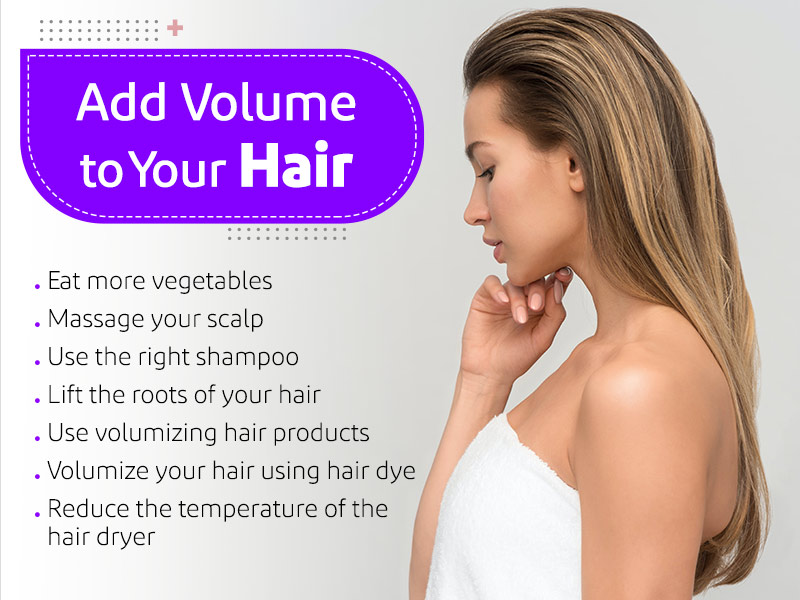
Kitchen ingredients can serve as effective treatments for adding volume to hair. Here are some popular DIY masks:
- Egg Mask: Whisk two eggs and apply to damp hair. Leave for 30 minutes before rinsing. Eggs are rich in protein, which strengthens hair and adds body.
- Avocado and Olive Oil Mask: Blend one ripe avocado with two tablespoons of olive oil. Apply to hair and scalp for 30-45 minutes. This mask nourishes and hydrates, promoting thicker-looking hair.
- Coconut Milk Treatment: Massage coconut milk into the scalp and hair, leave for 30 minutes, and then wash out. Coconut milk contains essential fats that can enhance volume and shine.
Herbal Rinses and Oils
Incorporating herbal rinses and oils can significantly improve hair volume and health. Consider the following options:
- Chamomile Rinse: Brew chamomile tea, cool it, and use it as a final rinse. Chamomile can lighten hair and add softness.
- Rosemary Oil: Dilute rosemary essential oil with a carrier oil and massage into the scalp. Rosemary stimulates hair follicles, promoting growth and volume.
- Nettle Infusion: Steep nettle leaves in hot water, cool, and use as a rinse. Nettle is high in vitamins A, C, and K, supporting scalp health.
Scalp Massages
Regular scalp massages can enhance blood circulation, which is crucial for hair growth and volume. Techniques include:
- Using fingertips, apply gentle pressure in circular motions on the scalp for 5-10 minutes daily.
- Incorporate essential oils, such as peppermint or lavender, to stimulate follicles and promote relaxation.
- Focus on areas prone to thinning, ensuring even coverage across the entire scalp.
Lifestyle Changes for Enhanced Volume
Adopting certain lifestyle changes can also contribute to fuller hair. Key adjustments include:
- Balanced Diet: Consume a diet rich in vitamins and minerals, particularly biotin, zinc, and omega-3 fatty acids, which promote healthy hair.
- Hydration: Drink plenty of water to maintain scalp moisture and overall hair health.
- Avoiding Heat Damage: Limit the use of heat styling tools that can weaken hair structure and lead to thinning.
Many articles on how to add volume to hair overlook the significance of holistic approaches. While chemical treatments may provide immediate results, they can often lead to long-term damage. Natural remedies not only enhance volume but also support hair health, ensuring sustainable results. It’s crucial to be consistent with these methods to see substantial changes over time.
To implement these remedies, choose one or two DIY masks to try each week, incorporate herbal rinses into your hair care routine, and commit to daily scalp massages. Additionally, evaluate your diet and hydration levels, making adjustments as necessary to support hair growth and volume.
Frequently Asked Questions
What are the best products to add volume to hair?
The best products for adding volume include volumizing shampoos, conditioners, and mousses. Look for lightweight formulas that won’t weigh hair down while providing lift and texture.
How can I add volume to my hair without heat?
To add volume without heat, try using volumizing products and styling techniques such as braiding damp hair or using hair rollers. Additionally, flipping your hair upside down while blow-drying can enhance lift.
How long does it take to add volume to hair with products?
Adding volume with products can be immediate, as most volumizing sprays and mousses provide instant lift upon application. For longer-lasting results, consistent use of volumizing shampoos and conditioners is recommended.
What hairstyles add volume to thin hair?
Hairstyles that add volume to thin hair include layered cuts, textured bobs, and loose waves. Updos like messy buns or half-up styles also create the illusion of fuller hair.
Is it better to use mousse or spray for volume?
Mousse is generally better for adding volume as it provides a lightweight hold and enhances texture. Hair sprays can also add volume but may weigh hair down if used excessively.
What techniques can I use to add volume to my hair at home?
Techniques for adding volume at home include backcombing, using a round brush while blow-drying, and applying volumizing products at the roots. Additionally, experimenting with different partings can create a fuller appearance.
Can diet affect hair volume?
Yes, diet can significantly affect hair volume. Consuming a balanced diet rich in vitamins, minerals, and proteins supports healthy hair growth and can contribute to increased volume.
How much do professional volume treatments cost?
Professional volume treatments typically range from $50 to $150, depending on the salon and the type of service. Consult with a stylist for specific pricing and treatment options tailored to your hair type.
Final Thoughts on how to add volume to hair
Achieving voluminous hair is a multifaceted endeavor that requires not only the right products but also a keen understanding of hair structure and effective styling techniques. By avoiding common pitfalls and incorporating advanced methods, individuals can significantly enhance the appearance of their hair’s fullness.
To take immediate action, invest in a high-quality volumizing mousse and apply it to damp hair before styling, ensuring you distribute it evenly from roots to tips for optimal lift.
Incorporating these expert strategies is essential for anyone seeking to elevate their hair’s volume and overall aesthetic, transforming not just your look but also your confidence.
Leave a Reply