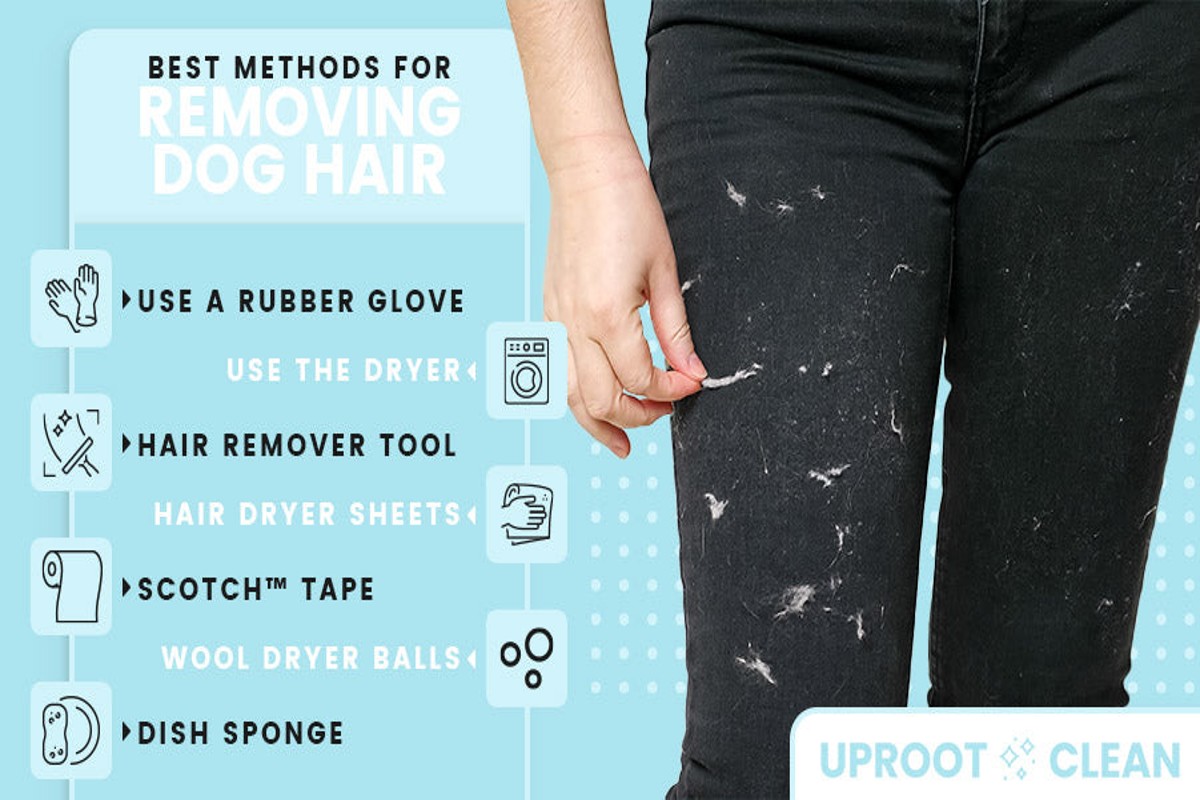
To remove dog hair from clothes, use a lint roller, sticky tape, or a rubber glove to gather the hair. Washing the clothes with a fabric softener can help loosen any remaining hair, making the removal process more effective.
Removing dog hair from clothing is crucial for pet owners who want to maintain a clean and presentable appearance. Failure to address this issue can lead to embarrassment and discomfort, as well as potential allergic reactions for sensitive individuals.
This article provides practical methods for effectively removing dog hair, including the use of lint rollers, sticky tape, rubber gloves, and laundry techniques that enhance hair removal during washing.
What is the best way to remove dog hair from clothes?
The best way to remove dog hair from clothes involves using a combination of tools and techniques designed to effectively lift and trap pet hair. Common methods include using lint rollers, rubber gloves, and specialized pet hair removers. By employing these strategies, you can significantly reduce the presence of dog hair on your garments.
- Lint Rollers: A lint roller is an efficient tool for removing dog hair from clothing. Simply roll the adhesive sheets over the fabric, and the hair will stick to the tape. Replace sheets as needed for maximum effectiveness.
- Rubber Gloves: Dampen a pair of rubber gloves and run your hands over the fabric. The rubber creates static electricity, which attracts dog hair. This method is particularly effective on upholstery and clothing alike.
- Dryer Sheets: Toss your clothes in the dryer with a dryer sheet on a low heat setting for about 10 minutes. The dryer sheet helps to loosen the hair from the fabric, allowing it to be removed more easily when the clothes are taken out.
- Vacuum Cleaners with Pet Hair Attachments: Invest in a vacuum cleaner that has a pet hair attachment. Running the vacuum over your clothes can effectively remove embedded hair, especially if the fabric is thicker or more textured.
- Specialized Pet Hair Removal Tools: Consider using tools specifically designed for pet hair removal, such as rubber brushes or pet hair sponges. These tools are constructed to lift hair from a variety of fabrics and are often very effective.
Different fabrics may require different approaches. For example, smoother materials may respond better to lint rollers, while textured fabrics might be more suited to rubber gloves or specialized brushes. Testing a small area first can help determine the best method for your clothing.
Expert Tip: Always wash clothes with a fabric softener, as it helps reduce static cling, making it easier to remove dog hair. Additionally, regularly grooming your dog can minimize shedding, ultimately reducing the amount of hair that ends up on your clothes.
How can I remove dog hair from clothes without a lint roller?
Dog hair can be stubborn to remove from clothing, but there are several effective methods to do so without a lint roller. Techniques such as using tape, rubber gloves, or fabric softeners can help eliminate pet hair efficiently. These alternatives are practical and often readily available in most households.
One effective method is to use packing or duct tape. Simply wrap a piece of tape around your hand, sticky side out, and gently press it against the fabric. The adhesive will pick up the dog hair without damaging the clothing. Another option is to use rubber gloves. Wearing a pair of slightly dampened rubber gloves, run your hands over the fabric. The static electricity generated will attract and clump the hair, making it easier to remove.
Fabric softeners can also be beneficial in this process. Mixing a small amount of fabric softener with water in a spray bottle and lightly misting the clothes can help loosen the hair. After spraying, wipe with a cloth or use your hands to gather the hair. Additionally, a dryer can assist in removing hair. Tossing the clothing in the dryer on a low heat setting for about 10 minutes can loosen hair, which can then be removed during the next washing cycle.
Expert Tip
For optimal results, always wash pet hair-laden clothes with a fabric softener in your laundry detergent. This can help reduce static cling, making it easier to remove dog hair during the washing process.
Does washing clothes remove dog hair?
Washing clothes can help remove dog hair, but its effectiveness varies based on several factors. While a typical wash cycle may eliminate some hair, it often leaves behind residual strands, especially if the hair is embedded in the fabric. To enhance the removal process, specific techniques can be employed.
Several aspects influence how effectively dog hair is removed during washing:
- Water Temperature: Warm water can help loosen hair from fabric fibers more effectively than cold water.
- Detergent Type: Using a high-quality detergent with fabric softener can reduce static cling, making it easier for hair to wash away.
- Washing Machine Settings: Choosing a longer wash cycle or a setting designed for heavy-duty cleaning can improve hair removal.
In addition to these factors, pre-washing techniques can significantly enhance hair removal. Utilizing a lint roller or a rubber glove to gather hair before washing can reduce the amount that remains on clothing. Also, adding a dryer sheet to the wash can create a barrier that helps lift hair from the fabric during the cycle.
For optimal results, it is advisable to follow up with a tumble dry cycle. The motion of the dryer can help dislodge any remaining hair, which will then be trapped in the lint filter. Regular cleaning of the washer and dryer lint traps is essential to maintain their efficiency in removing hair.
Expert Tip: For heavily fur-covered garments, consider running them through a dryer cycle on low heat for about 10 minutes before washing. This method loosens hair, making it easier to wash away during the subsequent laundry cycle.
How long does it take to remove dog hair from clothes?
Removing dog hair from clothes typically takes between 5 to 15 minutes, depending on the method used. Quick techniques, such as using a lint roller or tape, can be done in under five minutes, while thorough cleaning methods may take longer. Factors such as the type of fabric and the amount of hair present also influence the time required.
For instance, using a lint roller is the fastest method, allowing for quick touch-ups. Simply roll the adhesive sheet over the fabric, and most hair will adhere to it almost instantly. This method is ideal for light to moderate hair presence and is usually effective within a few minutes. In contrast, washing clothes in a washing machine with a pet hair-specific product can take longer due to the washing and drying cycles, potentially extending the total time to 30 minutes or more.
The type of fabric also plays a significant role in the time needed for hair removal. Smooth fabrics like cotton or polyester often require less effort compared to textured fabrics like wool or fleece, which can trap hair more effectively. In addition, clothes with static cling may require additional steps, such as using a dryer sheet or anti-static spray, to help loosen the hair before removal.
Finally, the tools used can significantly affect efficiency. While a lint roller is quick, alternatives like rubber gloves or specialized pet hair brushes may require a bit more time but can be effective for heavier shedding. Adapting the method to the situation can save time and enhance results.
Expert Tip: For best results, use a combination of methods: start with a lint roller for quick removal and follow up with a wash to eliminate any remaining hair. This two-step approach ensures thorough cleaning and minimizes pet hair on your clothes.
Are there any tools specifically designed for removing dog hair?
Yes, there are several tools specifically designed for removing dog hair from clothes. These tools vary in design and effectiveness, catering to different preferences and needs. Understanding the strengths and weaknesses of each can help in selecting the right one for effective hair removal.
The most common tools include lint rollers, rubber gloves, and specialized pet hair removers. Lint rollers are adhesive sheets that pick up hair easily but need to be replaced frequently. Rubber gloves can be used to gather hair through static electricity, making them a versatile option. Specialized pet hair removers, such as grooming brushes or fabric shavers, are designed specifically to tackle pet hair embedded in fabric fibers.
- Lint Rollers: Adhesive sheets that effectively lift dog hair but require frequent replacement.
- Rubber Gloves: Create static to attract hair, reusable, and also useful for cleaning surfaces.
- Specialized Pet Hair Removers: Designed for deep cleaning, can include brushes or fabric shavers, often more effective on embedded hair.
Each tool has its unique advantages. Lint rollers are convenient for quick fixes, while rubber gloves are cost-effective and eco-friendly. Specialized removers often provide thorough cleaning but may require additional effort and investment. The choice of tool may depend on the frequency of hair removal needed, the type of fabric, and personal preferences.
When selecting tools, consider the fabric type and the amount of hair shed by your dog. Heavier shedding breeds may require more robust solutions like specialized pet hair removers, while occasional hair can be managed with lint rollers or gloves.
For optimal results, use a combination of these tools tailored to your specific needs. This approach ensures that both loose and embedded dog hair is effectively removed from your clothes.
What household items can help remove dog hair from clothes?
Several household items can effectively remove dog hair from clothes, including lint rollers, masking tape, and rubber gloves. These items are readily available and can provide a quick solution to the problem of pet hair clinging to fabric.
For instance, a lint roller is a popular choice due to its adhesive sheets that efficiently lift hair from clothing. Simply roll it over the affected area, and the sticky sheets will trap the hair. If a lint roller is not available, masking tape can serve as a substitute. Just wrap a strip of tape around your hand, sticky side out, and pat it against the fabric to pick up dog hair.
Another effective method involves using rubber gloves. By slightly dampening a pair of rubber gloves and running your hands over the fabric, the hair will clump together and can be easily lifted away. This method is particularly useful for larger surfaces or upholstery, as it can cover more area quickly. Additionally, a damp sponge can also work similarly to the gloves, attracting hair with its texture.
Expert Tip: For optimal results, combine these methods with regular grooming of your dog. This reduces the amount of loose hair in your home and on your clothes, making cleanup more manageable.
What are common mistakes when removing dog hair from clothes?
Common mistakes when removing dog hair from clothes include using ineffective tools, applying the wrong techniques, and neglecting to prepare the fabric properly. These errors can lead to frustration and insufficient results. Understanding these pitfalls can enhance the effectiveness of hair removal efforts.
One frequent mistake is using the wrong type of cleaning tool. Many people rely solely on lint rollers, which may not capture all hair effectively, especially if the hair is deeply embedded in the fabric. Instead, consider using a combination of tools such as rubber gloves, which create static electricity to attract hair, and fabric brushes designed specifically for pet hair removal.
- Neglecting to pre-treat clothes: Always shake or brush clothes outside before washing. This helps to dislodge loose hair and prevent it from clogging your washing machine.
- Washing clothes with dog hair: Avoid washing clothes with a significant amount of embedded hair without first removing it. This can lead to hair spreading to other garments in the wash.
- Using the wrong wash cycle: When washing, select a cycle that helps release hair. A longer wash cycle with warm water can help dislodge hair from the fabric fibers more effectively than a quick wash.
Lastly, not following up with the right drying method can also be problematic. Utilizing dryer balls or a dryer sheet during the drying cycle can help to further loosen and capture any remaining hair, ensuring cleaner clothes.
For optimal results, consider investing in specialized pet hair removal tools. These can significantly reduce the time and effort required to keep clothes free of dog hair.
Can fabric softener help in removing dog hair from clothes?
Yes, fabric softener can help in removing dog hair from clothes by loosening the hair during the wash cycle. It works by coating the fibers of the fabric, which reduces static cling and allows hair to be more easily washed away. Using fabric softener in conjunction with other cleaning methods can enhance its effectiveness.
Fabric softener contains lubricating agents that coat the fibers of clothing, making it easier for pet hair to detach during washing. When added to the rinse cycle, fabric softener reduces friction between fibers, which decreases static electricity. This reduction in static cling is crucial because static can cause dog hair to stick stubbornly to fabrics. Additionally, fabric softener can help release hair that is already trapped in the fabric, making it easier to remove during the drying process.
There are different types of fabric softeners available, including liquid softeners, dryer sheets, and dryer balls. Each type has its own method of application:
- Liquid fabric softener: Added directly to the washing machine during the rinse cycle.
- Dryer sheets: Placed in the dryer with clothes to reduce static and help remove hair.
- Dryer balls: Used in the dryer to agitate fabrics and promote better circulation, which can also help dislodge hair.
While fabric softener can be beneficial, it may not be a complete solution for heavy shedding. In such cases, pre-treating clothes with a lint roller or using a pet hair-specific brush before washing can yield better results. Additionally, washing clothes in cold water can help prevent hair from sticking, while a high spin cycle can further aid in removing loose hair.
Expert Tip: For best results, use fabric softener in combination with a lint roller or a rubber glove to physically remove hair before washing. This multi-faceted approach ensures that both loose and embedded hair is effectively eliminated from your clothing.
Understanding the Science of Dog Hair and Fabrics
This section explores the mechanics behind why dog hair adheres to clothing and how various fabric types influence this interaction. Understanding these principles is essential for effectively removing pet hair from clothes.
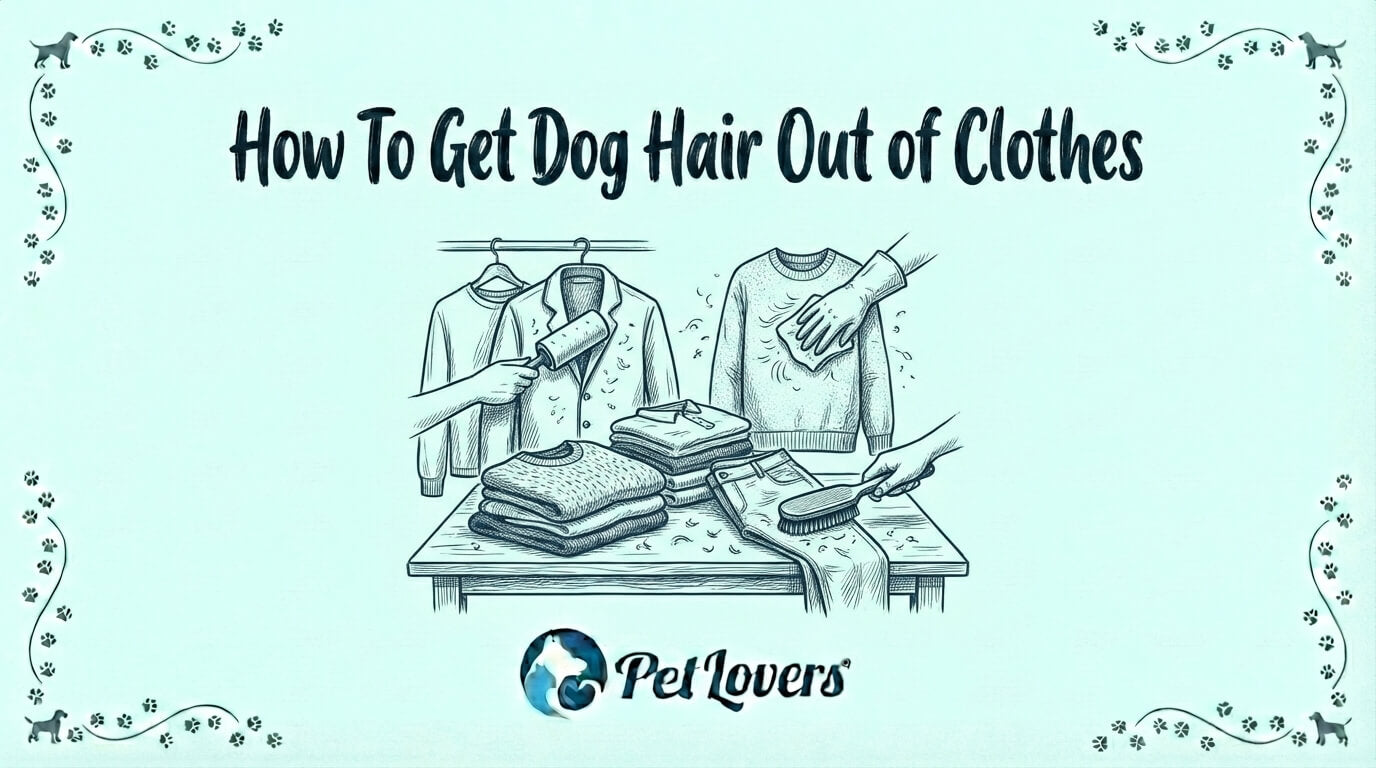
The Nature of Dog Hair and Its Static Properties
Dog hair is composed of a protein called keratin, which gives it unique properties. The texture of dog hair can vary significantly between breeds, influencing how it interacts with fabrics. For instance, fine and short hair may cling more readily to certain materials due to its lightweight nature and static charge.
Static electricity plays a significant role in hair adherence. As dog hair moves against clothing, it can build up a static charge, causing it to cling to the fibers of the fabric. This phenomenon is particularly pronounced in dry environments, where humidity levels are low, allowing for greater static accumulation.
How Different Fabric Types Attract or Repel Hair
Not all fabrics interact with dog hair in the same way. The texture, weave, and fiber composition of clothing can either attract or repel pet hair. Common fabric types include:
- Cotton: Tends to attract hair due to its natural fibers, which create friction.
- Wool: Similar to cotton, it can trap hair but is often easier to remove due to its coarse texture.
- Synthetic Fabrics: Materials like polyester and nylon may repel hair to some extent but can also create static that causes hair to cling.
- Microfiber: Excellent at repelling hair due to its tight weave and smooth surface, making it easier to clean.
The Role of Static Electricity in Hair Adherence
Static electricity is a key factor in the adherence of dog hair to clothing. When fabrics rub against one another, electrons can transfer, creating a charge. This charge attracts lightweight objects, such as dog hair. To reduce static cling, consider using dryer balls or fabric softeners, which can help neutralize static charges and reduce hair adherence.
Tips for Choosing Pet-Friendly Fabrics
Selecting the right fabrics can significantly reduce the amount of dog hair that clings to clothing. Consider the following tips:
- Opt for fabrics with a tighter weave, such as denim or canvas, which are less likely to trap hair.
- Choose smooth, synthetic materials like nylon or polyester that can help repel hair.
- Avoid fuzzy or textured fabrics that can create friction and attract hair.
Many people mistakenly believe that all fabrics attract pet hair equally. This is not the case; understanding the specific properties of different materials can aid in making informed choices. Additionally, some assume that washing clothes eliminates all pet hair. However, without proper pre-treatment or the right washing methods, hair can remain embedded in the fabric fibers.
To effectively manage dog hair on clothing, prioritize choosing pet-friendly fabrics and implement static-reducing techniques. Regularly grooming your pet can also minimize loose hair. For immediate action, use lint rollers, rubber gloves, or damp sponges to remove hair before washing. Regular maintenance and smart fabric choices can dramatically reduce the hassle of how to remove dog hair from clothes.
Advanced Techniques for Effective Dog Hair Removal
This section explores advanced methods for removing dog hair from clothes, employing specialized tools and techniques. These strategies are designed to enhance effectiveness and efficiency in keeping garments free from pet hair.

Utilizing a Vacuum Cleaner with Pet Hair Attachments
A vacuum cleaner equipped with pet hair attachments is one of the most effective tools for removing dog hair from clothes. These attachments are designed to lift and remove hair embedded in fibers. When using a vacuum:
- Choose a vacuum with a strong suction power specifically marketed for pet hair.
- Use the upholstery or brush attachment for better results on clothing.
- Run the vacuum nozzle over the fabric in one direction to maximize hair removal.
The Effectiveness of Rubber Brushes and Squeegees
Rubber brushes and squeegees are excellent alternatives for dog hair removal. The unique texture of rubber creates static electricity, attracting hair away from fabrics. When employing these tools:
- Gently brush the fabric in a single direction for optimal hair collection.
- Use a squeegee on larger fabric surfaces, such as blankets, for rapid hair removal.
- Clean the rubber tool regularly to maintain its effectiveness.
How to Utilize Dryer Sheets for Hair Removal
Dryer sheets can be surprisingly effective in removing dog hair from clothes. They work by reducing static cling, allowing hair to be lifted more easily. To use dryer sheets:
- Rub a dryer sheet over the fabric surface to attract and collect hair.
- Afterward, toss the clothing into the dryer on a low heat setting for a few minutes to loosen any remaining hair.
- Follow up with a lint roller for any stubborn hairs.
Combining Methods for Maximum Efficiency
For optimal results, combining multiple hair removal techniques can significantly enhance efficiency. A suggested approach includes:
- Start with a vacuum cleaner to remove the bulk of hair.
- Follow up with a rubber brush or squeegee to catch any remaining strands.
- Finish with dryer sheets for static reduction and additional hair removal.
By integrating these advanced techniques, users can effectively combat the persistent problem of dog hair on clothing.
Many articles on how to remove dog hair from clothes emphasize basic methods. However, they often overlook the importance of combining tools and techniques. For instance, rubber brushes may not seem effective alone, but when paired with a vacuum, they excel in hair removal. Additionally, misconceptions arise around the use of dryer sheets; they are not just for the dryer but serve as a powerful tool in pre-wash hair removal.
To implement these strategies effectively, begin by assessing the tools available at home. Acquire a vacuum with pet hair attachments if not already owned. Incorporate rubber brushes and dryer sheets into your cleaning routine. By following these actionable steps, maintaining hair-free clothing becomes a manageable task.
Preventative Measures to Reduce Dog Hair on Clothes
Minimizing dog hair accumulation on clothing can significantly reduce the frequency and intensity of clean-up efforts. Implementing effective preventative strategies not only keeps clothes cleaner but also enhances overall home hygiene.
Regular Grooming Practices
Establishing a consistent grooming routine for your dog is one of the most effective ways to reduce shedding. Regular brushing removes loose fur before it can fall onto clothing or furniture. Depending on the breed, brushing may need to occur daily or weekly. For example:
- Short-haired breeds: Brush once a week with a rubber grooming mitt or a bristle brush.
- Medium-haired breeds: Brush 2-3 times a week with a slicker brush to capture loose hairs.
- Long-haired breeds: Daily brushing is often necessary, using a comb and a slicker brush to prevent tangles and matting.
Creating a Designated Pet Area
Designating a specific area for your pet can significantly limit the spread of hair throughout the home. Consider the following strategies:
- Choose a room with easy-to-clean flooring, such as tile or laminate.
- Use washable pet blankets or beds to contain shedding in one area.
- Train your pet to stay in this area, reducing the likelihood of hair transferring to other parts of the home.
Using Pet Hair Repellant Sprays
Applying pet hair repellant sprays on clothing can help minimize hair adherence. These sprays create a barrier that prevents hair from sticking to the fabric. Look for products specifically designed for pet owners, and follow the application instructions carefully to ensure effectiveness. Additionally, consider treating clothes before wearing them, especially for special occasions or outings.
Choosing Clothes Wisely
Selecting the right fabrics can also help minimize dog hair cling. Opt for materials that do not attract hair, such as:
- Smooth synthetics (e.g., polyester or nylon)
- Denim or canvas
- Natural fibers like cotton, which do not create static cling
Avoid wool and fleece, as these materials are notorious for attracting and holding onto pet hair.
Nuance / Expert Layer
While many articles focus on basic cleaning methods, they often overlook the significance of seasonal shedding cycles. Dogs typically shed more in spring and fall as they transition their coats. Understanding this can help pet owners anticipate increased hair shedding and adjust grooming routines accordingly. Furthermore, misconceptions about the effectiveness of certain grooming tools can lead to ineffective practices. For instance, using a vacuum attachment designed for pet hair can be more efficient than a standard tool, especially for larger breeds with thick fur.
Practical Application
To effectively reduce dog hair on clothes, implement a regular grooming schedule tailored to your dog’s breed, create a designated pet area in your home, use pet hair repellant sprays on clothing, and consciously select fabrics that minimize hair adherence. These strategic actions will create a more manageable environment for both you and your pet.
Eco-Friendly Alternatives for Dog Hair Removal
This section explores sustainable methods for removing dog hair from clothes, emphasizing natural materials and DIY solutions. Utilizing eco-friendly techniques not only benefits the environment but also enhances your cleaning routine.
Natural Materials for Effective Hair Removal
Using natural materials can be an effective and sustainable way to remove dog hair from clothing. Two of the most efficient options are rubber and wool.
- Rubber Gloves: Simply don a pair of rubber gloves and rub your hands over the fabric. The static charge generated will attract and lift dog hair.
- Wool Dryer Balls: Adding wool dryer balls to your dryer can reduce hair cling during drying cycles. The balls agitate the fabric, helping to loosen hair.
DIY Household Solutions
Many household items serve as excellent tools for hair removal, reducing the need for commercial products that may contain harsh chemicals. Consider the following methods:
- Tape: Use wide packing tape or duct tape to lift hair off clothes. Simply wrap the tape around your hand, sticky side out, and pat the fabric.
- Lint Rollers: Although a commercial product, reusable lint rollers with washable sheets can be a more sustainable choice. They effectively pick up hair without generating waste.
- Vacuum Attachments: Utilizing a handheld vacuum with a brush attachment can quickly remove hair from clothing before washing.
Environmental Impact of Commercial Products
Many commercial lint removers and fabric softeners contain chemicals that can harm the environment. These products often contribute to water pollution and can disrupt local ecosystems. By choosing eco-friendly alternatives, consumers can reduce their environmental footprint while effectively managing pet hair.
Benefits of Eco-Friendly Cleaning Habits
Adopting eco-friendly cleaning habits offers several advantages:
- Healthier Home Environment: Natural materials are less likely to trigger allergies or respiratory issues compared to chemical-laden products.
- Cost-Effective: DIY solutions often require materials already available at home, saving money on commercial products.
- Reduced Waste: Utilizing reusable materials minimizes the amount of single-use items sent to landfills.
Expert Insights on Common Misconceptions
A prevalent misconception is that only commercial products can effectively remove dog hair from clothes. In reality, many natural and DIY solutions are equally effective. Additionally, people may overlook the importance of regular grooming for their pets. A consistent grooming routine not only reduces shedding but also minimizes the need for frequent hair removal from clothing.
Practical Steps for Hair Removal
To effectively remove dog hair from clothes using eco-friendly methods, consider the following steps:
1. **Choose Your Tool:** Select a natural material like rubber gloves or wool dryer balls.
2. **Apply Technique:** Use your chosen tool to gently remove hair from the fabric.
3. **Incorporate Regular Maintenance:** Implement a grooming schedule for your dog to reduce shedding and hair accumulation.
4. **Opt for Reusable Solutions:** Invest in items like washable lint rollers for ongoing hair removal tasks.
By integrating these eco-friendly alternatives into your routine, you can efficiently manage dog hair while contributing positively to the environment.
Frequently Asked Questions
What is the best way to remove dog hair from clothes?
The best way to remove dog hair from clothes is to use a lint roller, which effectively picks up hair with its sticky sheets. Alternatively, a damp cloth or rubber glove can also work well to gather hair.
How can I remove dog hair from clothes without a lint roller?
To remove dog hair without a lint roller, use a damp sponge or cloth to wipe the fabric, or try a rubber glove to gather hair by rubbing the surface. A vacuum with a brush attachment can also be effective.
Does washing clothes remove dog hair?
Washing clothes can help remove some dog hair, but it may not eliminate all of it. Adding a half cup of white vinegar during the rinse cycle can help loosen hair from fabric.
How long does it take to remove dog hair from clothes?
Removing dog hair from clothes typically takes just a few minutes, depending on the amount of hair present. Quick methods like using a lint roller or damp cloth can expedite the process.
Are there any tools specifically designed for removing dog hair?
Yes, there are specialized tools for removing dog hair, such as pet hair removers, rubber brushes, and lint rollers. These tools are designed to effectively capture hair from various fabrics.
What household items can help remove dog hair from clothes?
Household items like rubber gloves, tape, and damp sponges can effectively remove dog hair from clothes. A squeegee can also work well on upholstery and clothing alike.
What are common mistakes when removing dog hair from clothes?
Common mistakes include using dry cloths that can push hair deeper into the fabric and not using the right tools for the fabric type. Ignoring the lint trap in the dryer can also lead to hair remaining on clothes.
Can fabric softener help in removing dog hair from clothes?
Fabric softener can help reduce static cling, making it easier for hair to be washed away during laundering. However, it is not a primary solution for removing dog hair and should be used in conjunction with other methods.
Final Thoughts on how to remove dog hair from clothes
Effectively removing dog hair from clothes requires a combination of understanding the interaction between fabrics and hair, employing advanced techniques, and implementing preventative measures. Utilizing tools like rubber gloves or specialized brushes can significantly enhance hair removal, while regular maintenance can minimize the issue altogether.
To achieve the best results, invest in a high-quality pet hair remover tool tailored to your specific fabrics, ensuring a consistent approach to keeping your clothing free from dog hair.
Mastering the art of dog hair removal not only enhances your wardrobe’s appearance but also contributes to a more enjoyable living environment.
Leave a Reply