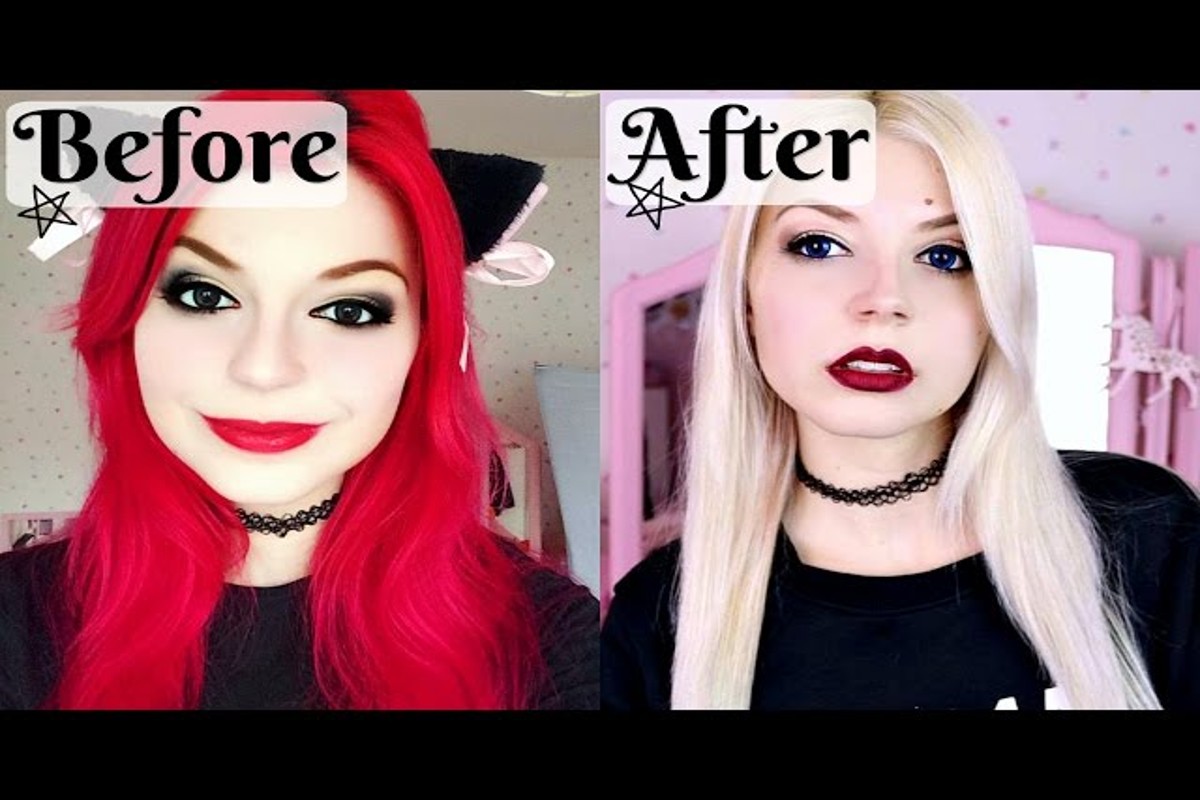
To remove semi permanent hair dye, you can use clarifying shampoo, baking soda, or vitamin C treatments. These methods effectively fade the color gradually, allowing for a more natural look or a fresh start.
Understanding how to remove semi permanent hair dye is crucial for anyone looking to change their hair color without damaging their hair. Incorrect removal methods can lead to unwanted results, including uneven color or hair damage, making it essential to follow effective techniques.
This article details specific methods for removing semi permanent hair dye, including the use of clarifying shampoo, baking soda, and vitamin C, along with step-by-step instructions for each approach.
What is semi permanent hair dye?
Semi-permanent hair dye is a type of hair color that typically lasts between 4 to 12 washes, depending on hair type and the product used. Unlike permanent hair dye, which alters the hair structure and provides long-lasting color, semi-permanent dye coats the hair shaft without penetrating the hair cuticle. This results in a less durable color that gradually fades over time.
Semi-permanent hair dye is often used for enhancing natural color, adding vibrancy, or experimenting with new shades without the commitment of permanent dye. The formulation usually contains fewer harsh chemicals, making it a gentler option for those with sensitive scalps or damaged hair. Additionally, semi-permanent dyes can be mixed to create custom shades, offering versatility in color choices.
- Color Range: Available in various shades, from natural tones to bold, fashion colors.
- Application: Typically easy to apply at home, often requiring no developer, making it user-friendly.
- Fading Process: Tends to fade evenly, resulting in a more natural look as it washes out.
While semi-permanent dyes are less damaging than permanent alternatives, they can still affect hair texture and health. The fading can also depend on several factors, including hair porosity, the presence of product build-up, and water quality. For instance, hard water may accelerate fading due to its mineral content, while color-treated or bleached hair may hold onto the dye longer.
In practice, semi-permanent hair dye offers a flexible option for those looking to change their hair color temporarily. It allows users to experiment with different shades without the long-term commitment associated with permanent dye, making it an appealing choice for seasonal changes or special occasions.
Expert Tip: To maximize the longevity of semi-permanent color, use sulfate-free shampoos and cold water during rinsing. This helps to preserve the vibrancy and extend the time between color applications.
How long does semi permanent hair dye last?
Semi-permanent hair dye typically lasts between 4 to 12 washes, depending on various factors. Unlike permanent dyes, semi-permanent options do not penetrate the hair shaft as deeply, resulting in a shorter duration for color retention.
Several factors influence how long the color remains vibrant. First, the hair’s porosity plays a significant role; more porous hair tends to absorb dye more readily but also releases it faster. Additionally, the formulation of the dye itself can affect longevity. Some brands contain ingredients designed to extend color life, while others may fade more quickly.
Other practical considerations include the frequency of washing, water temperature, and the use of specific hair care products. Frequent washing with hot water can strip color more quickly, while sulfate-free shampoos can help maintain the vibrancy of the dye. Exposure to sunlight and chlorine from swimming pools can also contribute to faster fading, as both elements can break down hair color molecules.
Hair color maintenance routines can significantly impact the appearance of semi-permanent dye. Using color-protecting conditioners and minimizing heat styling can help prolong the life of the color.
Expert Tip: To maximize the duration of semi-permanent hair dye, consider using a color-depositing conditioner that can refresh the hue between applications, thereby maintaining vibrancy without requiring frequent re-dyeing.
Can I remove semi permanent hair dye at home?
Yes, semi-permanent hair dye can be removed at home using various methods. These techniques are effective for reducing or eliminating the dye without the need for professional assistance. However, results may vary based on the dye’s formulation and the hair’s condition.
One popular method involves using a clarifying shampoo. This type of shampoo is designed to remove product buildup and can help fade semi-permanent dye. For best results, apply the clarifying shampoo to dry hair, leave it on for 15-30 minutes, then rinse thoroughly. Repeat this process several times if necessary, but be cautious of over-drying your hair.
Another effective at-home method is using a mixture of baking soda and anti-dandruff shampoo. Combine equal parts of both ingredients and apply the mixture to damp hair. Leave it in for about 15-20 minutes before rinsing. This method utilizes the exfoliating properties of baking soda to help lift the dye from the hair shaft.
- Clarifying Shampoo: Apply to dry hair, leave for 15-30 minutes, and rinse thoroughly.
- Baking Soda and Anti-Dandruff Shampoo: Mix equal parts, apply to damp hair, and leave for 15-20 minutes before rinsing.
- Vitamin C Treatment: Crush vitamin C tablets, mix with a small amount of water to form a paste, apply to damp hair, and leave for 30-60 minutes before rinsing.
Additionally, consider using a mixture of vinegar and water as a natural option. Combine one part vinegar with two parts water, apply to hair, and let it sit for 15-20 minutes. Rinse thoroughly afterward. This method can help strip color while also conditioning the hair.
When attempting to remove semi-permanent dye at home, it is crucial to follow up with a deep conditioning treatment. These methods can be drying, so restoring moisture is essential for maintaining hair health.
For optimal results, always perform a strand test before applying any method to your entire head. This can help gauge how your hair will react and minimize unwanted effects.
What are the best products to remove semi permanent hair dye?
The best products for removing semi-permanent hair dye include color removers, clarifying shampoos, and at-home remedies like vitamin C treatments. Each product type varies in effectiveness, application process, and potential damage to the hair. Understanding these differences can help in selecting the right option for your hair type and dye situation.
Color removers are specialized products designed specifically for removing hair dye. They typically contain reducing agents that break down the dye molecules, making them easier to wash out. Popular brands like Color Oops and Joico Color Eraser are highly rated for their effectiveness, often removing color in one application. However, they can be harsh on hair, so it’s advisable to follow up with a deep conditioner.
Clarifying shampoos, such as Neutrogena Anti-Residue Shampoo and Paul Mitchell Clarifying Shampoo Three, work by stripping away product buildup, including hair dye. These shampoos are generally milder than color removers but may require multiple washes to achieve desired results. They are often less damaging to the hair, making them a good choice for individuals concerned about hair health.
At-home remedies, like vitamin C powder mixed with a gentle shampoo, offer a more natural approach. This method can gradually lighten hair color with less risk of damage, though results may vary widely based on the initial dye and hair type. While this option is cost-effective, it often requires patience and multiple applications to see significant changes.
| Product Type | Effectiveness | Hair Damage | Application |
|---|---|---|---|
| Color Remover | High | Moderate to High | Single application |
| Clarifying Shampoo | Moderate | Low | Multiple washes |
| At-Home Remedies | Variable | Low | Multiple applications |
When selecting a product to remove semi-permanent hair dye, consider hair health, desired results, and application time. Always perform a patch test to gauge the reaction of your hair and scalp to the chosen product.
For optimal results, consider using a color remover followed by a deep conditioning treatment. This combination can effectively remove dye while minimizing potential damage to the hair.
Is it safe to use bleach to remove semi permanent hair dye?
Using bleach to remove semi permanent hair dye is not recommended due to safety concerns and potential damage to hair and scalp. While bleach can effectively strip color, it can also lead to significant hair damage, dryness, and breakage. It is crucial to consider safer alternatives before resorting to bleach.
Bleach works by breaking down the hair’s pigment, which can result in a drastic change in hair color. However, semi permanent hair dye is designed to fade over time, and using bleach prematurely can strip the hair of its natural moisture and shine. The risk of chemical burns on the scalp also increases, especially if proper precautions are not taken. Therefore, individuals should weigh the benefits against the potential risks before deciding to use bleach.
- Perform a patch test: Always conduct a patch test before applying bleach to assess your hair’s reaction and avoid possible allergic reactions.
- Use a lower volume developer: If bleaching is necessary, opt for a lower volume developer (10 or 20 volume) to minimize damage while still achieving lifted color.
- Limit frequency: Avoid using bleach frequently. Prolonged use can lead to cumulative damage, resulting in weakened hair structure.
- Deep condition post-treatment: After bleaching, use a deep conditioning treatment to help restore moisture and repair any damage caused by the process.
- Consult a professional: Consider seeking a professional stylist’s advice or services to ensure safe application and minimize risks associated with bleaching.
For those looking to remove semi permanent hair dye, alternatives such as clarifying shampoos, baking soda, or vitamin C treatments can be effective without the risks associated with bleach. Always prioritize hair health and safety when considering hair treatments.
How much does it cost to remove semi permanent hair dye professionally?
The cost to remove semi-permanent hair dye professionally typically ranges from $50 to $200. Factors such as the salon’s location, the stylist’s experience, and the complexity of the removal process can all influence the final price.
Several factors contribute to the overall cost of professional hair dye removal. These include:
- Salon Location: Salons in urban areas or high-end districts usually charge more than those in smaller towns.
- Stylist Experience: More experienced stylists may have higher rates due to their expertise and demand.
- Hair Length and Thickness: Longer or thicker hair may require more time and products for effective dye removal, increasing costs.
- Type of Products Used: Some salons utilize specialized treatments or products that can raise the price of the service.
- Additional Treatments: If the removal process includes conditioning or color correction, this will add to the overall cost.
It’s advisable to consult with the salon for a detailed quote, as some may offer packages or discounts for multiple treatments. Additionally, consider that results may vary based on the hair’s condition and the dye’s formulation.
For those looking for a cost-effective alternative, some salons provide consultations to discuss DIY options before committing to a professional service. This can help in understanding the best approach based on individual hair needs.
When selecting a salon, prioritize those with a good reputation for color services. Reading reviews and seeking recommendations can lead to better results, potentially saving time and money in the long run.
How can I prevent semi permanent hair dye from staining my skin?
To prevent semi-permanent hair dye from staining your skin, apply a protective barrier before starting the dyeing process. Common methods include using petroleum jelly or conditioner around the hairline and on the ears, which acts as a shield against the dye.
For optimal results, begin by thoroughly cleansing the skin in the areas around the hairline, ears, and neck. After drying, apply a thin layer of petroleum jelly or a thick conditioner. This layer will help block the dye from adhering to your skin. When dyeing, be careful not to apply the dye too close to these protected areas. Using a brush or applicator can provide more precision, reducing the risk of accidental staining.
In addition to using a barrier, consider wearing gloves during the application process. This not only protects your hands but also minimizes the chance of transferring dye to your skin inadvertently. After applying the dye, promptly clean any accidental spills with a damp cloth or paper towel to prevent the dye from setting. If you notice any stains after dyeing, a mixture of baking soda and water can be used to gently scrub the area, but this should be done cautiously to avoid skin irritation.
Expert Tip: For best results, conduct a patch test with the dye on a small skin area before full application. This can help identify any potential staining issues or allergic reactions, allowing for adjustments in technique or products used.
Understanding the Chemistry of Semi Permanent Hair Dye
This section delves into the scientific principles governing semi permanent hair dye, elucidating how these dyes interact with hair and the factors influencing their retention and fading. Understanding these concepts is essential for effective removal strategies.
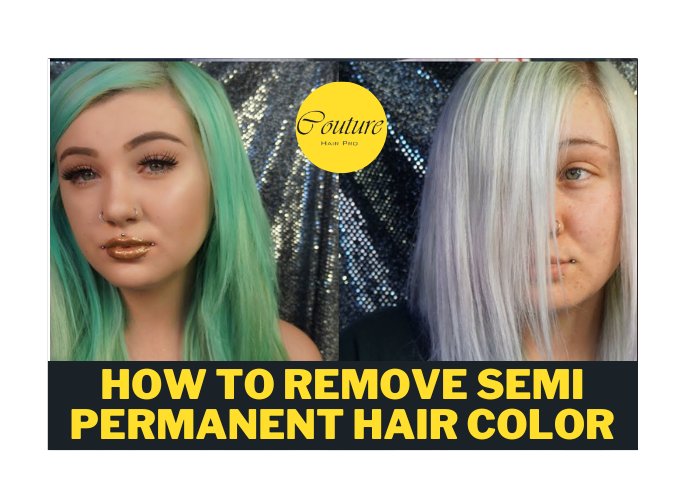
Chemical Composition of Semi Permanent Hair Dye
Semi permanent hair dye typically contains a combination of direct dyes, which are small color molecules that can penetrate the hair shaft, and conditioning agents. Unlike permanent dyes, they do not contain ammonia or peroxide, making them less damaging to hair. Common ingredients include:
- Direct Dyes: These dyes can adhere to the hair cuticle without altering the hair’s natural structure.
- Solvents: Water or alcohol is often used to dissolve the dye and help it penetrate the hair.
- Conditioning Agents: Ingredients like silicones and oils enhance hair texture and shine while providing some degree of protection.
Interaction of Dye Molecules with Hair Strands
The interaction between dye molecules and hair strands is influenced by the hair’s structure. Hair is composed of a protein called keratin, which has a layered structure. When semi permanent dye is applied, the small dye molecules partially penetrate the cuticle, the outer layer of hair. This process allows the dye to bond with the keratin, resulting in color that can last from several washes to a few weeks, depending on various factors.
Factors Affecting Dye Retention and Fading
Several factors determine how long semi permanent dye lasts and how it fades:
- Hair Porosity: Highly porous hair absorbs dye more readily but also loses it faster.
- Shampoo and Conditioner Type: Sulfate-free products tend to be gentler on color-treated hair, prolonging the vibrancy.
- Water Temperature: Hot water can open the hair cuticle, leading to quicker color loss.
Implications for Removal Techniques
The chemical composition and interaction of semi permanent hair dyes dictate the methods required for their removal. Since these dyes do not penetrate deeply into the hair cortex, they can be removed through various techniques that focus on breaking down the bonds formed with keratin. Common methods include:
- Clarifying Shampoo: These shampoos contain stronger detergents that can strip color.
- Color Remover Products: Formulated to specifically target dye molecules without damaging the hair.
- Natural Remedies: Ingredients like baking soda and vinegar can help fade the dye, albeit more gradually.
Misconceptions often arise regarding the permanence of semi permanent dyes. While labeled as “semi permanent,” these products can last significantly longer on hair that is highly porous or has been previously treated with chemicals. Additionally, the choice of removal method can impact hair health, with harsher techniques potentially causing damage.
To effectively remove semi permanent hair dye, consider the following actionable steps:
- Assess hair porosity to determine the best removal method.
- Select a clarifying shampoo or a specialized color remover based on your hair condition.
- Follow up with a deep conditioning treatment to restore moisture.
Understanding the chemistry behind semi permanent hair dye equips individuals with the knowledge necessary for effective removal while minimizing hair damage.
Step-by-Step Guide to Different Removal Techniques
This section provides detailed methodologies for effectively removing semi-permanent hair dye, emphasizing actionable steps across various techniques. Understanding these methods can facilitate a smoother transition back to your natural hair color.

Using Clarifying Shampoos Effectively
Clarifying shampoos are formulated to strip away product buildup and can be effective in fading semi-permanent hair dye. Follow these steps for optimal results:
- Wet your hair thoroughly with warm water to open the cuticles.
- Apply a generous amount of clarifying shampoo, massaging it into your scalp and hair for at least 5 minutes.
- Rinse thoroughly, then repeat the process if necessary.
- Follow up with a deep conditioner to restore moisture.
For best results, use a clarifying shampoo that contains sodium lauryl sulfate or similar cleansing agents, as these are more effective at removing dye.
DIY Treatments with Household Ingredients
Several household ingredients can assist in fading semi-permanent hair dye. Effective DIY treatments include:
- Baking soda and shampoo: Mix equal parts baking soda and your regular shampoo. Apply to damp hair, leave for 10-15 minutes, and rinse.
- Vitamin C treatment: Crush 10-15 vitamin C tablets and mix with a small amount of anti-dandruff shampoo. Apply to hair and let it sit for 30-60 minutes before rinsing.
- Olive oil or coconut oil: Apply warm oil to your hair and scalp, cover with a shower cap, and leave it on for several hours or overnight before washing out.
These treatments work by lifting color from the hair shaft, but results may vary based on hair type and dye used.
Professional Salon Options and What to Expect
For those seeking a more immediate solution, professional salon treatments can provide effective results. Common procedures include:
- Color remover: A specialized product that works to dissolve the dye molecules, making them easier to wash out.
- Bleach wash: A diluted bleach solution mixed with shampoo that lightens the hair while stripping the color.
- Color correction: A tailored service that not only removes the dye but also balances the hair tone for a more natural look.
Consultation with a stylist is advisable to assess the best option for your hair condition and desired outcome.
Post-Removal Hair Care Tips
After removing semi-permanent hair dye, maintaining hair health is essential. Consider the following care tips:
- Use sulfate-free shampoos to avoid further stripping your hair.
- Incorporate deep conditioning treatments weekly to restore moisture.
- Avoid heat styling tools for at least a week to prevent damage.
These practices can help keep your hair healthy as it recovers from the dye removal process.
Effective removal of semi-permanent hair dye involves a combination of clarifying shampoos, DIY treatments, and professional options. Choose the method that best suits your needs, and always prioritize post-removal care to maintain your hair’s integrity. Implement these actionable steps to achieve desired results efficiently.
Common Mistakes When Removing Semi Permanent Hair Dye
This section outlines frequent errors individuals make when attempting to remove semi-permanent hair dye, emphasizing the significance of a careful approach to achieve desired results.
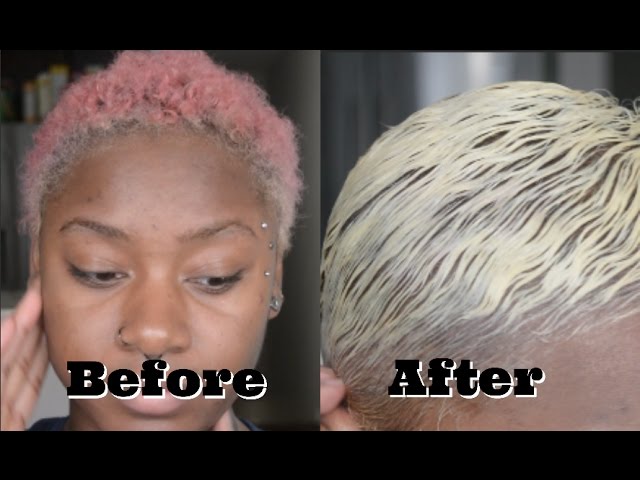
Overusing Harsh Chemicals
Many people resort to strong chemical treatments in an effort to expedite the removal of semi-permanent hair dye. However, this practice can lead to significant damage to the hair and scalp. Ingredients like bleach and ammonia can strip away natural oils, resulting in dryness and brittleness. Instead of rapid fading, overuse of harsh chemicals can lead to an uneven color and a compromised hair structure.
Neglecting Product Instructions
Each hair dye removal product comes with specific instructions tailored to its formulation. Skipping steps or misapplying the product can diminish effectiveness and lead to unsatisfactory results. For example, some products may require a certain processing time or specific application techniques to work optimally. Always adhere to the manufacturer’s guidelines for the best outcome.
Ignoring Hair Condition
The condition of your hair plays a crucial role in the dye removal process. Ignoring this factor can hinder results. Hair that is already damaged or overly processed may react unpredictably to removal methods, leading to unwanted outcomes such as breakage or discoloration. Assessing the hair’s health before and after the dye removal process is essential for maintaining its integrity.
Underestimating Fading Time
Many individuals expect immediate results when attempting to remove semi-permanent hair dye. However, fading is typically a gradual process. Underestimating the necessary time can lead to frustration and repeated applications, which may further damage the hair. Understanding that complete removal may take several washes or applications helps set realistic expectations.
Summary of Common Mistakes
- Overusing harsh chemicals can damage hair and scalp.
- Not following product instructions results in poor outcomes.
- Ignoring hair condition leads to unpredictable reactions.
- Underestimating fading time can cause frustration and damage.
Addressing these common mistakes is vital for anyone looking to effectively remove semi-permanent hair dye. By taking a thoughtful approach, individuals can minimize damage and achieve better results.
Many articles on this topic fail to emphasize the importance of conducting a patch test before using any hair dye removal product. This step is crucial, particularly for those with sensitive skin or previously colored hair. A patch test can reveal how the hair and scalp will react to the chemicals, allowing for adjustments before full application.
To avoid these pitfalls, consider the following actionable steps:
- Assess hair condition and choose appropriate removal methods.
- Always follow the manufacturer’s instructions closely.
- Use gentle, nourishing products to support hair health during the process.
- Be patient; allow time for the dye to fade naturally over several washes.
By implementing these strategies, individuals can effectively manage the removal of semi-permanent hair dye while preserving the integrity of their hair.
Real-Life Experiences: Case Studies on Dye Removal
This section explores various real-world experiences of individuals who have attempted to remove semi-permanent hair dye. By examining their methods and outcomes, readers can gain valuable insights into effective techniques and common challenges faced during the removal process.

Case Studies of Different Removal Techniques
Individuals have employed a variety of techniques to remove semi-permanent hair dye, each yielding different results. Below are three case studies highlighting distinct approaches:
- Case Study 1: Clarifying Shampoo – A 28-year-old used a clarifying shampoo, applying it daily for a week. The results showed significant fading, with the color lightening by approximately 70%. However, the hair texture became dry, necessitating a deep conditioning treatment afterward.
- Case Study 2: Vitamin C Treatment – A 22-year-old opted for a vitamin C paste made from crushed tablets mixed with shampoo. After one application, the hair color lightened by about 50%. Multiple applications were required to achieve satisfactory results, but the hair remained healthy and undamaged.
- Case Study 3: Bleach Wash – A 35-year-old utilized a bleach wash, mixing developer with shampoo. This method removed the dye almost entirely in one session, but it resulted in significant hair damage, leading to breakage and the need for extensive repair treatments.
Success Stories and Lessons Learned
Feedback from individuals reveals that successful removal often hinges on the technique and the initial state of the hair. For instance, those using clarifying shampoos reported the best results when combined with conditioning treatments. Conversely, aggressive methods, such as bleach, while effective, often led to long-term damage.
Comparative Analysis of Methods
Based on user feedback, the following observations can be made regarding different removal techniques:
- Clarifying Shampoo: Effective for gradual fading, but may dry out hair.
- Vitamin C Treatment: Gentle on hair and effective for lightening, but may require multiple applications.
- Bleach Wash: Quick results but poses a high risk of damaging hair.
Tips Derived from Real-Life Experiences
Users have shared several tips that can enhance the dye removal process:
- Always perform a strand test before applying any treatment to assess potential damage.
- Follow up with a deep conditioning treatment after any removal process to restore moisture.
- Be patient; multiple sessions may be necessary for optimal results, especially with less aggressive methods.
Nuance: Edge Cases and Misconceptions
Many individuals mistakenly believe that all removal methods will yield immediate results. Some techniques, particularly natural ones, require time and persistence. Furthermore, factors such as hair porosity and previous treatments can significantly influence the effectiveness of dye removal methods. A common misconception is that using higher concentrations of bleach will always result in faster removal; this can lead to severe hair damage instead.
Practical Application
To effectively remove semi-permanent hair dye, consider the following actionable steps:
- Assess your hair type and select a removal method that aligns with its condition.
- Conduct a strand test to evaluate the chosen method’s impact on your hair.
- Implement a consistent routine with the selected method, allowing for adequate time between treatments.
- Incorporate conditioning treatments to maintain hair health throughout the process.
Frequently Asked Questions
What is semi permanent hair dye?
Semi permanent hair dye is a type of hair color that does not contain ammonia and typically lasts through several washes. It gradually fades over time, making it less damaging than permanent dyes.
How long does semi permanent hair dye last?
Semi permanent hair dye usually lasts between 4 to 12 shampoos, depending on the brand and hair type. Factors such as hair porosity and frequency of washing can affect its longevity.
Can I remove semi permanent hair dye at home?
Yes, semi permanent hair dye can be removed at home using various methods such as clarifying shampoos or specific color removers. However, results may vary, and some methods may be more effective than others.
What are the best products to remove semi permanent hair dye?
Effective products for removing semi permanent hair dye include clarifying shampoos, color removers, and vitamin C treatments. These products can help strip the color without excessive damage to the hair.
Is it safe to use bleach to remove semi permanent hair dye?
Using bleach to remove semi permanent hair dye is not recommended as it can cause significant hair damage and breakage. It is safer to opt for gentler methods specifically designed for color removal.
How much does it cost to remove semi permanent hair dye professionally?
The cost to remove semi permanent hair dye professionally can range from $50 to $150, depending on the salon and the complexity of the treatment. Prices may vary based on location and stylist experience.
How can I prevent semi permanent hair dye from staining my skin?
To prevent staining, apply a barrier cream or petroleum jelly around the hairline and ears before dyeing. Wearing gloves and cleaning any spills immediately can also minimize skin contact with the dye.
Final Thoughts on how to remove semi permanent hair dye
Successfully removing semi-permanent hair dye requires an understanding of the dye’s composition and the proper techniques for effective removal. Utilizing the right products and methods can significantly reduce unwanted color while minimizing damage to the hair.
For immediate action, select a color remover specifically designed for semi-permanent dyes, and follow the manufacturer’s instructions meticulously to achieve the best results without compromising hair health.
Mastering the art of hair dye removal not only empowers individuals to maintain their desired look but also fosters confidence in managing personal style choices effectively.
Leave a Reply