Yes, salt water can be good for your hair as it helps remove excess oil and adds volume. However, it can also lead to dryness if used excessively.
Understanding the effects of salt water on hair is crucial for anyone looking to maintain healthy locks. Misusing salt water can result in unwanted dryness and damage, making it essential for individuals to grasp both the benefits and potential drawbacks.
This article examines the advantages of salt water for hair, the risks associated with its use, and practical tips for incorporating it into your hair care routine effectively.
What are the benefits of salt water for hair?
Salt water can offer several benefits for hair, including natural cleansing and enhanced volume. The saline solution helps remove excess oil and build-up, promoting a cleaner scalp and healthier hair. Additionally, salt water can create a beachy texture, adding body and fullness to hair strands.
One of the primary advantages of salt water is its ability to act as a natural exfoliant for the scalp. The granular texture of salt helps to scrub away dead skin cells, which can accumulate and lead to dandruff or other scalp issues. This exfoliation can improve overall scalp health, leading to healthier hair growth and reduced hair loss.
Moreover, salt water can enhance hair volume and texture. When salt water is applied, it draws moisture from the hair, which can create a slightly coarse feel. This effect mimics the natural texture achieved after a day at the beach, resulting in waves and increased volume. However, it is important to balance this benefit with adequate hydration, as excessive exposure to salt water can lead to dryness and brittleness.
Practical Considerations
While salt water can be beneficial, its effects may vary based on hair type. For individuals with oily hair, salt water can be particularly advantageous in managing oiliness. Conversely, those with dry or chemically treated hair should use salt water sparingly, as it may exacerbate dryness. Always follow up with a nourishing conditioner after using salt water to maintain moisture levels.
Incorporating salt water into hair care routines can yield positive results, but moderation is key. Regularly using salt water treatments can lead to dryness, so consider alternating with hydrating products. Adjusting the frequency based on individual hair needs is essential for achieving optimal benefits without compromising hair health.
Using a salt water spray can be an effective method to achieve desired texture while maintaining control over application. This approach allows for the benefits of salt without excessive exposure, making it a balanced option for various hair types.
How often should you use salt water on your hair?
Using salt water on your hair can yield benefits, but moderation is key to avoid damage. Aim to use salt water treatments no more than once or twice a week. This frequency allows you to enjoy the benefits while minimizing potential dryness or brittleness.
Salt water can enhance texture and volume, making it a popular choice for achieving beachy waves. However, excessive use can strip natural oils from the hair, leading to dryness and damage. Factors such as hair type, existing hair health, and environmental conditions also influence how often salt water can be applied. For instance, individuals with dry or color-treated hair should be particularly cautious, as these types are more prone to damage.
- Choose the right ratio: When creating a salt water solution, mix 1-2 tablespoons of sea salt in a cup of water. This concentration provides benefits without overwhelming the hair.
- Alternate with conditioning treatments: After using salt water, follow up with a deep conditioner or hydrating hair mask. This practice helps replenish moisture and maintains hair health.
- Monitor your hair’s response: Pay attention to how your hair feels after each treatment. If you notice increased dryness or brittleness, reduce the frequency or concentration of salt in your mixture.
- Consider seasonal changes: During humid months, your hair may respond differently to salt water. Adjust your usage based on the climate and your hair’s needs at that time.
Using salt water can be beneficial when done correctly. Regularly assess your hair’s condition and adjust your routine accordingly. For optimal results, combine salt water treatments with nourishing hair care products to maintain a healthy balance.
Can salt water damage your hair?
Yes, salt water can damage your hair. While it may provide some benefits, such as enhancing texture and volume, it also poses risks that cannot be ignored. Prolonged exposure to salt water can lead to dryness, brittleness, and breakage.
Salt water is composed of sodium chloride and minerals that can strip the hair of its natural oils. This can result in a loss of moisture, making hair prone to frizz and split ends. The impact of salt water varies based on hair type, health, and exposure duration. For instance, fine or color-treated hair may be more susceptible to damage compared to thicker, healthier strands.
- Benefits of Salt Water: Adds texture and volume, can enhance natural waves, and may help remove excess oil from the scalp.
- Risks of Salt Water: Leads to dryness, can weaken hair structure, and may cause color fading in treated hair.
- Mitigation Strategies: Rinse hair with fresh water after swimming, use a leave-in conditioner, and apply a protective oil before exposure.
Balancing the use of salt water is key. Occasional exposure may be beneficial for those seeking a beachy look, but regular use without proper care can result in significant damage. Individuals with specific hair concerns should consider alternatives or protective measures.
To minimize potential damage, consider using hair products specifically designed to combat salt water effects. These products often contain hydrating ingredients that help restore moisture and maintain hair health.
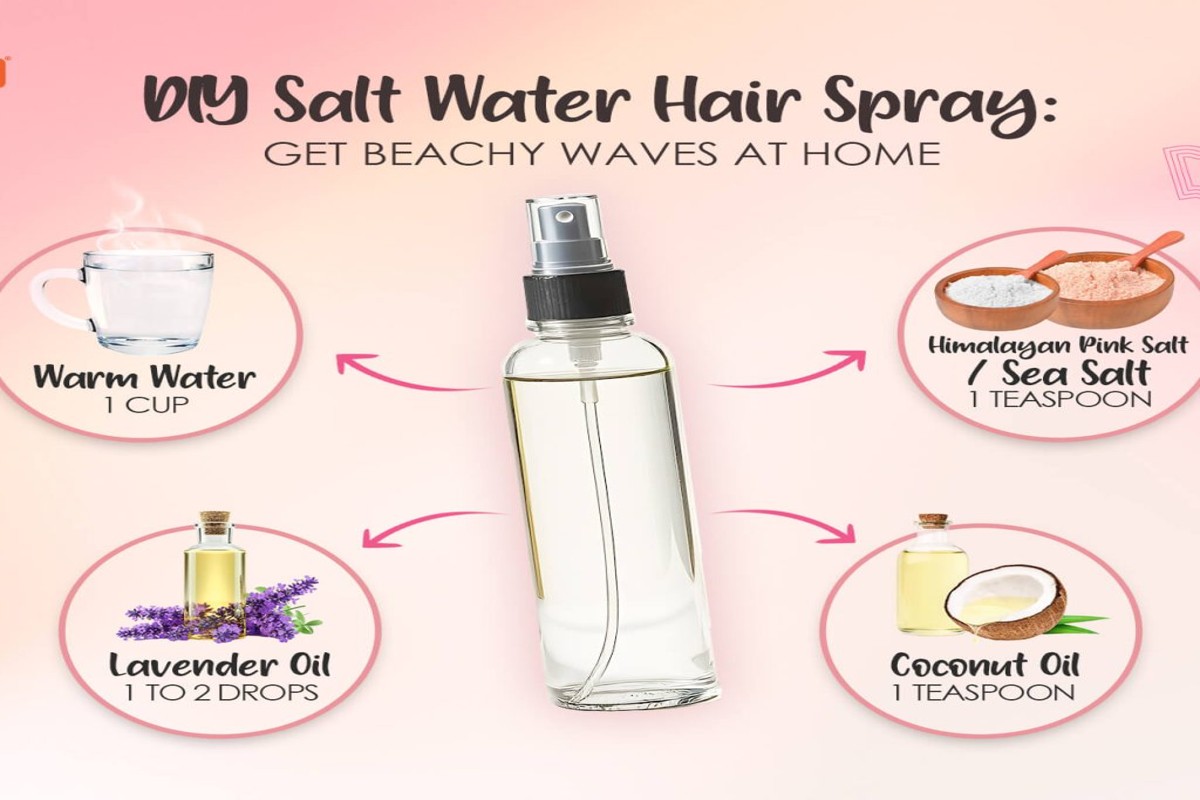
How to make a salt water hair spray at home?
Creating a DIY salt water hair spray is straightforward and requires just a few ingredients. This spray can enhance texture and provide a beachy wave effect for your hair. Follow the simple steps below to make your own salt water hair spray.
- Gather your ingredients: You will need 1 cup of warm water, 1-2 tablespoons of sea salt, and optional ingredients like a few drops of coconut oil or essential oils for fragrance and added benefits.
- Mix the salt and water: In a spray bottle, combine the warm water and sea salt. Shake well until the salt is fully dissolved. This step is crucial to ensure an even distribution of the salt in the spray.
- Add optional ingredients: If desired, add your chosen oil or essential oils to the mixture. This will help to moisturize your hair and add a pleasant scent, counteracting any potential dryness from the salt.
- Shake before use: Always shake the bottle before applying to ensure the salt is evenly distributed. The spray can settle over time, so a quick shake will help maintain consistency.
Applying the salt water spray is simple. Mist it lightly onto damp or dry hair and scrunch with your hands to create texture. Allow your hair to air dry or use a diffuser for enhanced waves.
Expert Tip: For best results, use natural sea salt instead of table salt, as it contains trace minerals that can benefit hair health. Additionally, limit use to a few times a week to prevent excessive dryness.
Is salt water good for curly hair?
Salt water can have both positive and negative effects on curly hair. While it can enhance texture and provide volume, it may also lead to dryness and frizz if not managed properly. The outcome largely depends on individual hair health and care routines.
For instance, consider a person with tightly coiled curls. When they swim in salt water, the salt can define their curls, creating a beachy wave look. However, prolonged exposure to salt can strip natural oils, leading to dryness. This is particularly evident if they do not follow up with proper hydration techniques, such as deep conditioning treatments or leave-in conditioners. A balanced approach, including rinsing with fresh water after swimming and applying moisturizing products, can mitigate the drying effects.
Conversely, someone with looser curls might find salt water beneficial for adding body and texture without as much risk of dryness. The salt can help enhance their natural curl pattern while providing a bit of hold. However, even with looser curls, it’s essential to incorporate regular moisturization to counteract any potential dehydration caused by the salt.
Expert Tip: For curly hair, consider using a hydrating serum or oil after exposure to salt water. This can help lock in moisture and protect against the drying effects of salt, ensuring curls remain defined and healthy.
What is the best way to rinse salt water out of hair?
The best way to rinse salt water out of hair involves a combination of fresh water and conditioning treatments. Start by thoroughly saturating the hair with clean, lukewarm water to remove as much salt as possible. Follow up with a gentle shampoo and a deep conditioner to restore moisture and prevent dryness.
- Rinse with fresh water: Begin by rinsing your hair under lukewarm water for several minutes. This initial rinse helps dissolve and wash away the salt, minimizing its drying effects.
- Use a gentle shampoo: Apply a sulfate-free shampoo to your scalp and hair. Massage it in gently to lift any remaining salt and debris, then rinse thoroughly. Avoid harsh shampoos, as they can strip the hair of its natural oils.
- Condition your hair: After shampooing, apply a deep conditioner or a hydrating hair mask. Focus on the ends of your hair, as they are typically more prone to dryness and damage. Leave the conditioner in for the recommended time before rinsing.
- Use a leave-in conditioner: After rinsing, apply a leave-in conditioner or hair oil. This extra step helps seal in moisture and provides additional protection against dryness.
- Limit heat styling: To prevent further damage, avoid heat styling tools for a few days after exposure to salt water. Allow your hair to air dry and embrace its natural texture.
Salt water can strip moisture from hair, leading to dryness and potential damage if not properly rinsed. Using the right products and techniques is essential for maintaining hair health after exposure. Ensure that you hydrate your hair regularly and consider using a clarifying shampoo once in a while to remove any buildup from salt and chlorine.
Expert Tip: Incorporate a weekly deep conditioning treatment into your hair care routine, especially after beach outings. This will help replenish moisture and keep your hair resilient against the drying effects of salt water.
Does salt water help with dandruff?
Yes, salt water can help with dandruff due to its natural exfoliating properties and ability to absorb excess oil. The minerals in salt may also promote a healthier scalp environment, potentially reducing dandruff symptoms. However, its effectiveness can vary based on individual scalp conditions and overall hair care routines.
Salt has antifungal properties, which can combat the yeast-like fungus, Malassezia, commonly associated with dandruff. When salt water is applied to the scalp, it can help to exfoliate dead skin cells, reducing flakiness. Additionally, the osmotic effect of salt draws moisture away from the skin, which may help to balance oil production in some individuals.
However, overuse of salt water can lead to dryness and irritation, particularly for those with sensitive skin or pre-existing scalp conditions. Individuals with dry or damaged hair may find that salt water exacerbates their issues rather than alleviates them. It’s advisable to use salt water treatments sparingly and to follow up with a hydrating conditioner.
Considerations for Use
- Frequency of use: Limit applications to avoid excessive dryness.
- Scalp condition: Assess your scalp’s sensitivity before using salt water regularly.
- Follow-up treatment: Always use a moisturizing conditioner after salt water exposure to maintain hydration.
For best results, consider incorporating salt water treatments with a balanced hair care routine that includes moisturizing products. Consulting a dermatologist can also provide tailored advice for managing dandruff effectively.
How does salt water compare to regular water for hair care?
Salt water and regular water have distinct effects on hair health. Salt water, often found in oceans, contains sodium chloride and minerals that can impact hair texture and moisture levels. Regular water, typically freshwater, hydrates and cleanses hair without the additional minerals that salt water introduces.
One key difference is the moisture retention properties. Salt water can draw moisture out of the hair, leading to dryness and brittleness over time, especially for those with already porous hair types. In contrast, regular water helps maintain hydration and can promote a balanced moisture level, essential for healthy hair. Additionally, salt water can enhance volume and texture, giving hair a beachy, tousled look, which some individuals may find desirable.
- Drying Effect: Salt water can lead to dehydration of the hair shaft, while regular water maintains moisture.
- Volume and Texture: Salt water adds volume and creates a textured appearance, whereas regular water provides a smoother finish.
- Mineral Content: Salt water contains minerals that may benefit some hair types but can also irritate the scalp for others.
Another aspect to consider is the scalp health. Salt water can have antibacterial properties, potentially benefiting those with oily scalps or dandruff. However, for individuals with sensitive skin or scalp conditions, the salt can exacerbate irritation. Regular water is less likely to cause such issues and is generally safer for routine washing.
When considering hair care, the choice between salt water and regular water depends on individual hair type and desired outcomes. For those seeking beachy waves, occasional exposure to salt water may be beneficial, while regular water remains the foundation for daily cleansing and hydration.
Expert Tip: To mitigate the drying effects of salt water, consider using a leave-in conditioner or hair oil after exposure, which can help restore moisture and protect against damage.
The Science Behind Salt Water and Hair Health
This section examines the chemical properties of salt and its interactions with hair and scalp health, providing insight into how salt water can influence hair texture, volume, and cleanliness.

Understanding Osmosis and Its Effect on Hair Cells
Osmosis is the process through which water molecules move across a semipermeable membrane from an area of low solute concentration to one of high solute concentration. When hair is exposed to salt water, osmosis causes water to exit hair cells, leading to a temporary tightening of the hair shaft. This process can create a feeling of increased volume, but excessive exposure can lead to dryness and brittleness.
How Salt Can Cleanse the Scalp and Remove Impurities
Salt acts as a natural exfoliant, helping to remove dead skin cells and impurities from the scalp. The abrasive nature of salt granules can assist in physically dislodging buildup from hair products, excess oil, and dirt. Additionally, salt has antimicrobial properties that can help reduce the presence of bacteria and fungi on the scalp, promoting a healthier environment for hair growth.
Impact of Salt on Hair Texture and Volume
Salt water can alter hair texture, often enhancing waves and curls for a beachy look. This effect occurs because salt draws moisture out of the hair, causing it to clump and form waves. However, it also can lead to increased frizz and dryness if not balanced with adequate hydration. Many individuals seek this textured look, but it is essential to be mindful of the potential for long-term damage.
Balancing Salt Water Use with Moisture Retention
While salt water can provide certain aesthetic benefits, it is crucial to maintain moisture levels to prevent damage. Overuse of salt water may strip natural oils from the hair, leading to dryness and breakage. To counteract this, consider the following:
- Limit salt water exposure; use it sparingly for desired texture.
- Follow salt water exposure with deep conditioning treatments to replenish moisture.
- Incorporate hydrating hair products that contain ingredients like aloe vera or glycerin.
Nuance / Expert Layer
Common misconceptions about salt water suggest that it universally benefits all hair types. While some individuals may enjoy the texture and cleansing effects, others—particularly those with dry or color-treated hair—may experience significant damage. Additionally, the concentration of salt in ocean water varies, meaning that not all salt water experiences are alike. Understanding an individual’s hair type and condition is essential when considering the question of whether salt water is good for your hair.
Practical Application
To effectively incorporate salt water into a hair care routine, individuals should:
- Use salt water sparingly, especially if hair is prone to dryness.
- Follow any salt water exposure with a nourishing conditioner.
- Monitor hair health and adjust usage based on texture and moisture levels.
By balancing the benefits of salt water with good moisture practices, individuals can enjoy its positive effects while minimizing potential damage to their hair.
Common Mistakes When Using Salt Water on Hair
Using salt water can benefit hair, but common mistakes can lead to dryness and damage. This section outlines frequent errors that can undermine the positive effects of salt water on hair health.

Overusing Salt Water
Excessive use of salt water can strip hair of its natural oils, leading to significant dryness. Salt has hygroscopic properties, meaning it draws moisture from the environment and hair. While occasional exposure can enhance texture, frequent use can result in brittle strands and increased breakage.
Neglecting to Condition After Exposure
Failing to condition hair after exposure to salt water is a prevalent mistake. Salt can dehydrate hair, making it vital to replenish moisture. A nourishing conditioner or deep conditioning treatment should follow salt water exposure to restore hydration and improve overall hair health.
Using Unfiltered or Harsh Salt Types
Not all salt is created equal. Using unfiltered sea salt or processed table salt can introduce impurities and additives that may harm hair. Instead, opt for natural sea salt or Himalayan pink salt, which are less processed and contain beneficial minerals. Always ensure that the salt used is free from additives that could irritate the scalp.
Not Adjusting Usage Based on Hair Type
Different hair types respond differently to salt water. Individuals with fine or dry hair may find that salt exacerbates their issues, while those with thicker, oilier hair may benefit from the texture that salt provides. Tailoring the frequency and method of application to suit specific hair types can prevent damage and improve results.
Expert Insights
Many misconceptions surround the use of salt water on hair. A common belief is that salt water is universally beneficial. However, the reality is that hair health is individual. Factors such as hair porosity, texture, and existing damage should dictate salt water use. For example, while salt can enhance waves in naturally curly hair, it can wreak havoc on already dry or chemically treated hair. Understanding these nuances can prevent adverse effects and ensure optimal results.
Practical Application
- Limit salt water exposure to once a week for optimal moisture retention.
- Always follow salt water use with a hydrating conditioner.
- Choose high-quality, natural salt types to minimize harmful additives.
- Adjust your usage based on your hair type—consult a professional if unsure.
By avoiding these common mistakes, individuals can harness the benefits of salt water without compromising hair health. Careful application and mindful practices lead to healthier, more resilient hair.
Expert Tips for Maximizing Salt Water Benefits
This section provides actionable strategies from hair care professionals to enhance the positive effects of salt water on hair health. By implementing these expert tips, individuals can enjoy the benefits of salt water while mitigating potential drawbacks.

Combining Salt Water with Nourishing Oils
To maximize the benefits of salt water, consider combining it with nourishing oils such as coconut oil, argan oil, or jojoba oil. These oils can help counteract the drying effects of salt by providing necessary moisture and nutrients. Apply a small amount of oil to your hair before exposure to salt water. This creates a protective barrier that helps retain hydration while allowing the salt water to enhance texture.
Timing Your Salt Water Application for Best Results
The timing of your salt water application can significantly influence its effects. For optimal results, apply salt water to your hair when it is damp, ideally after swimming or showering. This approach allows the salt to interact more effectively with the hair cuticle, enhancing its texture without overly dehydrating the strands. Rinse your hair with fresh water immediately after exposure to minimize salt build-up.
Using Salt Water in Conjunction with Protective Hairstyles
Incorporating protective hairstyles can further enhance the benefits of salt water. Styles such as braids, buns, or twists can help minimize tangling and breakage caused by salt exposure. These hairstyles also provide a stable environment for the hair, allowing the salt water to work its magic without excessive friction or stress on the strands. Consider wearing these styles during and after salt water exposure for added protection.
Hydrating Treatments to Follow Salt Water Use
Following the use of salt water, it is crucial to implement hydrating treatments. Opt for a deep conditioning mask or leave-in conditioner designed to replenish moisture. Ingredients such as shea butter, aloe vera, and glycerin can be particularly effective in restoring hydration. Apply these treatments after rinsing out the salt water to ensure the hair remains healthy and moisturized.
For those with color-treated or chemically processed hair, it is advisable to use a clarifying shampoo followed by a deep conditioning treatment after exposure to salt water. This approach helps remove any residual salt while replenishing moisture and maintaining color vibrancy.
Many individuals believe that salt water is universally beneficial for all hair types. However, it is essential to recognize that not all hair responds the same way to salt exposure. For instance, those with curly or textured hair may experience more drying effects compared to straight hair types. Additionally, overexposure can lead to damaged hair, particularly for individuals already dealing with dryness or damage. Balancing salt water exposure with adequate hydration and protection is critical for maintaining overall hair health.
To effectively implement these expert tips, follow this actionable plan:
- Before exposure to salt water, apply nourishing oil to your hair.
- Use salt water on damp hair for optimal results.
- Incorporate protective hairstyles during salt water exposure.
- After exposure, rinse hair thoroughly and apply a hydrating treatment.
By adhering to these strategies, individuals can enjoy the benefits of salt water while minimizing potential adverse effects on their hair.
Real-World Applications of Salt Water in Hair Care
This section explores practical applications of salt water in hair care, highlighting its benefits for styling, oil control, post-swim routines, and cultural practices. Understanding these applications can help individuals make informed choices about their hair care regimen.
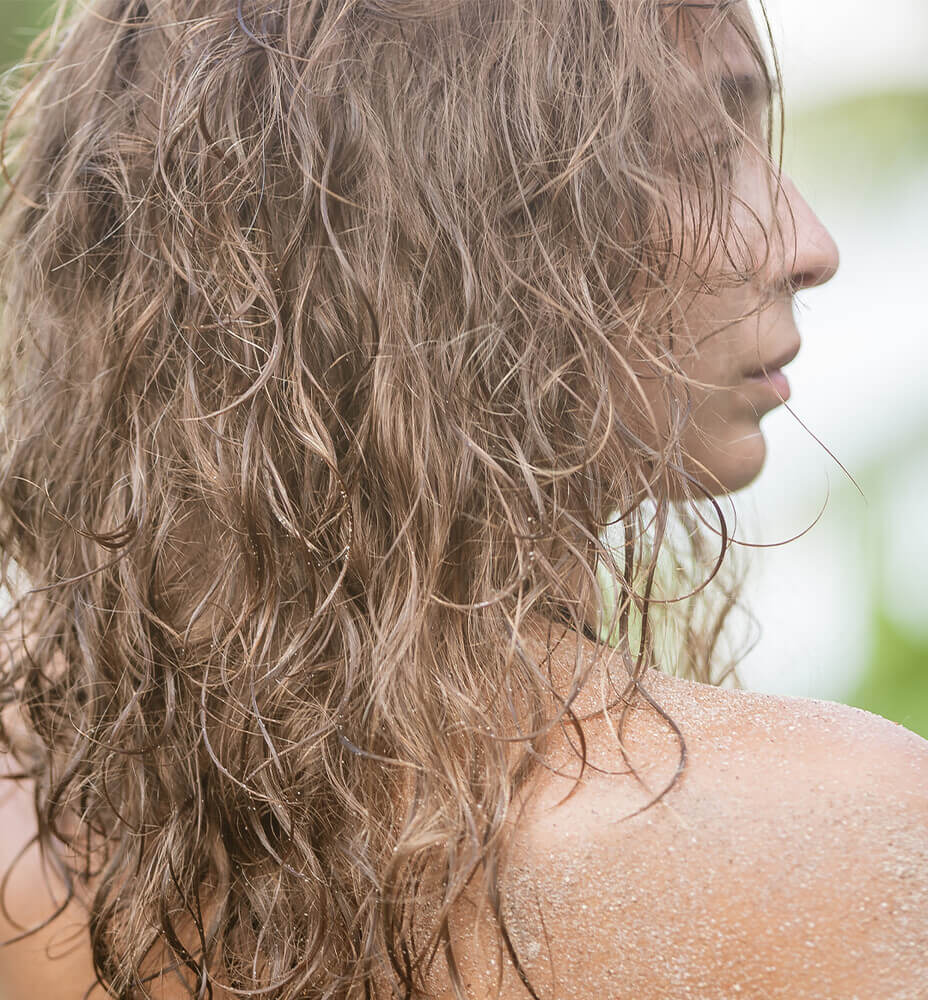
Creating Beachy Waves and Texture
Salt water is widely recognized for its ability to enhance hair texture, particularly for those seeking the coveted beachy wave look. The natural minerals in salt water can create a light hold, giving hair a tousled appearance without the need for heavy styling products. Many hair enthusiasts utilize salt water sprays, which mimic the effects of ocean water, to achieve this style. Combining salt water with other ingredients, such as aloe vera or coconut oil, can enhance the benefits while minimizing dryness.
Natural Remedy for Oily Hair
For individuals with oily hair, salt water can serve as a natural remedy. The salt acts as an absorbent, drawing excess oil from the scalp and hair strands. This property makes it beneficial for those who experience greasy roots between washes. A simple salt water rinse can help refresh hair, making it feel cleaner and lighter. To implement this, mix a tablespoon of salt with a cup of warm water and apply it to the scalp, leaving it on for several minutes before rinsing.
Post-Swim Hair Care Routines
After swimming in salt water, proper hair care is essential to counteract potential damage. Salt can dehydrate hair, so a post-swim routine should include hydrating treatments. Rinse hair with fresh water immediately after swimming to remove salt residue. Follow up with a deep conditioning treatment to replenish moisture. Incorporating a leave-in conditioner can also help maintain hydration and protect hair from future damage.
Cultural Practices Around Salt Water and Hair Care
Across various cultures, salt water has been employed in traditional hair care practices. For instance, some coastal communities use seawater for hair rinsing, believing in its natural cleansing properties. In certain regions, salt scrubs are applied to the scalp to promote circulation and enhance hair growth. These practices underscore the historical significance of salt water in hair care, highlighting its integration into beauty rituals worldwide.
Common misconceptions about salt water often revolve around its perceived harshness. While excessive exposure can lead to dryness, when used judiciously, salt water can provide beneficial effects. Balancing its use with moisturizing products is key to preventing damage while enjoying its styling benefits.
Practical Applications
- For beachy waves, mix salt with water and spray onto damp hair, scrunching as you dry.
- To control oil, create a salt water rinse and apply it to the scalp as a refreshing treatment.
- After swimming, always rinse hair with fresh water and use a deep conditioner to restore moisture.
- Consider integrating cultural salt water practices into your routine for a holistic approach.
By understanding these real-world applications, individuals can effectively incorporate salt water into their hair care routines, reaping its benefits while mitigating potential downsides. Whether styling for a casual day out or addressing oily roots, salt water can play a versatile role in achieving healthy, attractive hair.
Frequently Asked Questions
What are the benefits of salt water for hair?
Salt water can enhance texture, add volume, and create beachy waves in hair. It also has natural exfoliating properties that may help remove buildup from the scalp.
How often should you use salt water on your hair?
Using salt water once a week is generally recommended to avoid excessive dryness. Adjust frequency based on your hair type and condition.
Can salt water damage your hair?
Excessive exposure to salt water can lead to dryness and brittleness in hair. It’s important to balance its use with moisturizing treatments to maintain hair health.
How to make a salt water hair spray at home?
Combine 1 cup of warm water with 1-2 tablespoons of sea salt in a spray bottle. Shake well until the salt dissolves, then spray onto damp or dry hair for texture.
Is salt water good for curly hair?
Salt water can enhance the natural texture of curly hair, providing definition and volume. However, it may also cause dryness, so moisturizing products are recommended afterward.
What is the best way to rinse salt water out of hair?
Rinse salt water out with fresh water as soon as possible to prevent dryness. Follow up with a hydrating shampoo and conditioner to restore moisture.
Does salt water help with dandruff?
Salt water may help exfoliate the scalp and reduce dandruff by removing dead skin cells. However, it should be used cautiously to avoid irritation.
How does salt water compare to regular water for hair care?
Salt water provides texture and volume that regular water does not, but it can also be drying. Regular water is essential for hydration and cleansing without the risk of damage.
Final Thoughts on is salt water good for your hair
While salt water can provide benefits such as enhanced texture and volume, it is crucial to approach its use with caution to avoid potential damage. Understanding the balance between its advantages and drawbacks is essential for maintaining healthy hair.
To harness the benefits of salt water without risking damage, consider creating a diluted salt water hair spray, applying it sparingly, and following up with a deep conditioning treatment to restore moisture and nourishment to your hair.
Embracing the right practices with salt water not only enhances your hair’s natural beauty but also empowers you to take control of your hair health in a meaningful way.
Leave a Reply