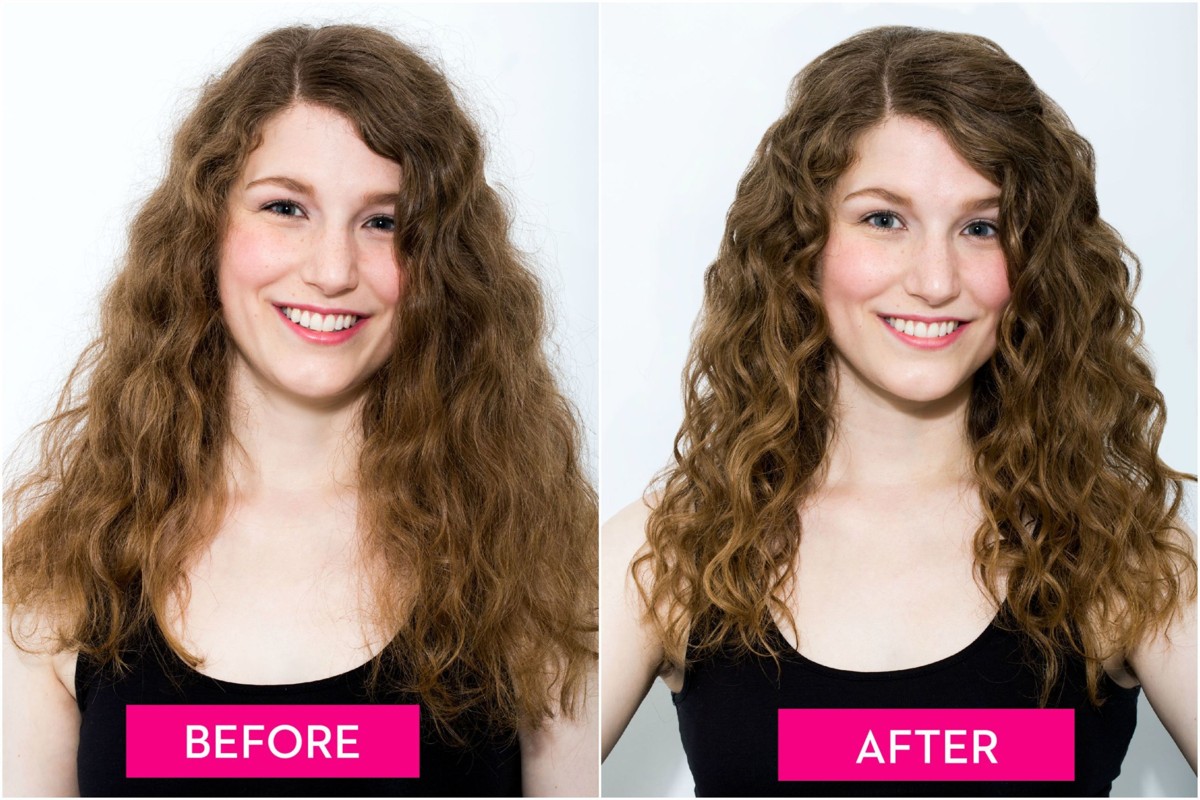
A hair diffuser is an attachment for a blow dryer that evenly distributes airflow, helping to enhance and define curls and waves while minimizing frizz. This tool is particularly beneficial for individuals with textured hair types, as it promotes a more natural look and feel.
Understanding the function of a hair diffuser is essential for anyone seeking to achieve defined curls or waves without the unwanted frizz that can result from traditional blow drying methods. Using a diffuser incorrectly can lead to lackluster results and damage to the hair, making knowledge of this tool’s proper use crucial for optimal styling.
This article details the benefits of using a hair diffuser, best practices for application, and tips for selecting the right diffuser for various hair types. Specific techniques for maximizing curl definition and minimizing frizz will also be discussed.
What is a hair diffuser used for?
A hair diffuser is a specialized attachment for hair dryers designed to enhance natural curls and waves. It works by dispersing airflow evenly over a larger area of hair, reducing frizz and maintaining curl definition. This method allows for gentle drying, which is less damaging compared to direct heat.
Hair diffusers are particularly beneficial for individuals with curly or wavy hair textures, as they help to preserve the natural shape of curls while minimizing heat damage. The structure of a diffuser typically includes prongs or fingers that lift and separate hair strands, allowing air to circulate without disrupting the curl pattern. Key features of hair diffusers may include:
- Material: Diffusers can be made from plastic or silicone, with silicone options generally providing better heat distribution.
- Size and shape: Various designs cater to different hair lengths and textures, with larger diffusers suitable for voluminous curls.
- Adjustable airflow settings: Some models allow users to control the intensity of the airflow for customized styling.
Using a hair diffuser effectively requires specific techniques. For optimal results, begin by applying a heat protectant and styling products to damp hair. When drying, place sections of hair into the diffuser bowl and hold it close to the scalp without pulling on the curls. This encourages curl formation and volume while drying.
For best practices, avoid rough handling of curls during the drying process. Instead, use a scrunching motion to encourage definition. Additionally, consider the drying temperature; using a lower heat setting can further protect hair health.
Expert Tip: To enhance volume, try flipping the head upside down while using the diffuser. This technique lifts the roots and creates a fuller appearance in the finished style.
How do you use a hair diffuser?
A hair diffuser is used to dry curly or wavy hair while minimizing frizz and enhancing natural texture. To use a hair diffuser effectively, follow these steps to achieve optimal results.
- Start with clean, damp hair. After washing, gently towel-dry your hair to remove excess moisture without causing frizz.
- Apply a styling product. Use a curl cream or mousse to enhance your natural texture. Distribute it evenly through your hair using your fingers.
- Attach the diffuser to your hair dryer. Ensure it is securely fastened before turning on the dryer. This attachment allows for even heat distribution.
- Set your hair dryer to a low or medium heat setting. High heat can lead to frizz, so opt for a gentler setting to protect your hair.
- Section your hair. Divide your hair into manageable sections. This ensures even drying and helps maintain curl definition.
- Place a section of hair into the diffuser. Gently lift the diffuser towards your scalp, ensuring the curls are cradled within the bowl.
- Dry your hair using a scrunching motion. Move the diffuser in an upward, scrunching motion to enhance curls while avoiding disruption of the hair pattern.
- Continue until your hair is dry. This process may take longer than traditional blow-drying but results in better definition and less frizz.
- Finish with a cool shot. Use the cool setting on your dryer to set your style and add shine, sealing the cuticle for a polished look.
For best results, avoid touching your hair too much while drying. This prevents frizz and maintains the integrity of your curls.
Expert Tip: Consider using a heat protectant spray before styling to safeguard your hair from heat damage, especially if using a diffuser frequently.
What is the difference between a diffuser and a regular hair dryer?
A diffuser and a regular hair dryer serve different purposes in hair styling. A diffuser is an attachment designed to disperse airflow, enhancing natural curls and waves, while a regular hair dryer uses direct heat to dry hair quickly. The key differences lie in their design, functionality, and the results they produce.
The primary distinction is in airflow distribution. A regular hair dryer typically has a concentrated nozzle that directs hot air in a single direction, leading to faster drying but potentially causing frizz and disrupting natural texture. In contrast, a diffuser features a wide, circular shape with multiple openings that scatter the air, allowing for a gentler drying process. This method helps maintain the integrity of curls and minimizes frizz, promoting defined and bouncy styles.
Another difference is the temperature and speed settings. Regular hair dryers often have higher heat settings, which can be damaging to hair if not used properly. Diffusers generally operate at lower heat settings, which is essential for protecting the hair’s moisture and preventing heat damage. Additionally, the technique of using a diffuser involves cupping sections of hair and drying them without disturbing the curl pattern, whereas a traditional dryer requires more aggressive movements that can lead to tangling and frizz.
- Airflow Distribution: Diffuser scatters air to minimize frizz; regular dryer directs air for quick drying.
- Heat Settings: Diffusers typically use lower heat to protect hair; regular dryers often have higher heat settings.
- Styling Technique: Diffusers require a gentle cupping method; regular dryers often involve vigorous movement.
Using a diffuser can enhance the natural texture of curly or wavy hair, making it a preferred tool for achieving defined styles without heat damage. For those with straight hair, a regular dryer may be more suitable for quick drying and sleek finishes.
For optimal results, consider using a leave-in conditioner or curl cream before diffusing to enhance moisture retention and definition. This practice can significantly improve the overall appearance and feel of styled hair.
How much does a hair diffuser cost?
A hair diffuser typically costs between $10 and $50, depending on the brand and features. Budget-friendly models are available at lower prices, while high-end diffusers with advanced technology can reach the upper end of the spectrum. The price often reflects the quality and design of the diffuser.
Several factors influence the cost of hair diffusers. These include:
- Brand reputation: Established brands with a history of quality often command higher prices.
- Material quality: Diffusers made from durable materials or featuring heat-resistant technology may be more expensive.
- Features: Models equipped with additional settings, such as variable heat and speed options, or those designed for specific hair types, usually cost more.
- Size and design: Larger diffusers or those with ergonomic designs can also impact the price.
While a higher price does not always guarantee better performance, investing in a quality diffuser can lead to improved styling results and longevity. Cheaper models may suffice for occasional use, but those who frequently style their hair may benefit from a more durable option.
Choosing the right hair diffuser involves balancing budget with performance needs. Evaluating user reviews and expert recommendations can help identify the best option within a given price range.
How long does it take to dry hair with a diffuser?
Drying hair with a diffuser typically takes between 20 to 40 minutes, depending on various factors such as hair type, length, and the amount of moisture in the hair. This time frame is generally quicker than air drying but may take longer than using a standard blow dryer without a diffuser attachment.
Several factors influence drying time when using a diffuser. Hair type plays a significant role; for instance, thick or curly hair may retain moisture longer, necessitating more time for drying. Conversely, fine or straight hair often dries more quickly. Additionally, the heat and airflow settings on the diffuser itself can impact how fast the hair dries. Higher heat settings will reduce drying time but may also risk heat damage if used excessively.
The initial moisture level of the hair also affects drying time. If hair is excessively wet, it will take longer to dry with a diffuser. Pre-drying hair with a towel or allowing it to air dry for a few minutes before using the diffuser can significantly shorten the overall drying time. Furthermore, the technique employed when diffusing—such as scrunching hair or holding the diffuser at different angles—can enhance the efficiency of the drying process.
For optimal results, consider combining a diffuser with a heat protectant spray to minimize damage while achieving faster drying times. This approach can help maintain hair health while maximizing styling potential.
Expert Tip: To achieve the best results, use a diffuser with a low heat setting and a high airflow option. This combination enhances drying efficiency while protecting hair from heat damage, leading to defined curls without frizz.
What are the best practices for using a hair diffuser?
A hair diffuser enhances drying while minimizing frizz, making it an essential tool for those with curly or wavy hair. To achieve optimal results, follow these best practices that ensure even drying and defined curls.
First, start with well-prepped hair. Apply a leave-in conditioner or curl cream while your hair is still damp. This ensures that your curls retain moisture and hold their shape during the drying process. Next, section your hair into manageable parts. This allows for more focused drying and helps prevent tangling.
- Use low heat settings: High heat can cause damage and frizz. Opt for medium or low settings to gently dry your hair while maintaining curl definition.
- Hold the diffuser close: Position the diffuser close to your scalp and hair to ensure even heat distribution. This technique encourages curls to form and reduces drying time.
- Scrunch as you dry: While using the diffuser, gently scrunch your hair upwards. This helps to enhance curl formation while minimizing frizz.
- Don’t rush the process: Allow your hair to dry completely before touching it too much. This prevents frizz and maintains curl integrity.
- Finish with cool air: After your hair is mostly dry, switch to the cool setting on your dryer. This will help set the curls and add shine.
Utilizing a diffuser effectively can significantly improve the appearance of curls and waves. Experiment with different products and techniques to find what works best for your specific hair type and texture.
For best results, consider using a microfiber towel to dry your hair before diffusing. This reduces moisture without roughing up the cuticle, leading to smoother curls.
Can you use a hair diffuser on straight hair?
Yes, a hair diffuser can be used on straight hair, although its primary function is to enhance curls and waves. When applied to straight hair, a diffuser can add volume and texture, but the results will vary based on hair type and the desired style.
For example, consider a person with naturally straight hair who wants to achieve a more voluminous look for a special occasion. After washing their hair, they apply a lightweight mousse to damp hair and use a diffuser attachment on their blow dryer. By tilting their head and scrunching the hair while drying, they can create soft waves and added volume. However, the effect might be subtle compared to those with naturally curly hair, as straight hair generally lacks the inherent texture that diffusers amplify.
While using a diffuser on straight hair can enhance volume, it is essential to manage heat settings to prevent damage. Lower heat settings can help maintain hair health while still providing some styling benefits. Additionally, using products designed for texture, such as sea salt sprays or volumizing foams, can further enhance the results when using a diffuser.
Expert Tip: For optimal results, consider using a diffuser on slightly damp hair, as this can help achieve a more defined texture without compromising hair integrity. Experimenting with different products and techniques will yield varying results based on individual hair characteristics.
Understanding Curl Types and How Diffusers Work
This section explores various curl patterns and the mechanics of how hair diffusers enhance these textures. Understanding these elements is essential for achieving optimal styling results.

Overview of Curl Patterns
Curl patterns can be categorized into three primary types: wavy, curly, and coily. Each type has distinct characteristics that influence how hair responds to styling tools, including diffusers.
- Wavy Hair: Typically forms loose, S-shaped waves. This texture can range from fine to thick and often requires less manipulation to achieve volume.
- Curly Hair: Defined by tighter spirals or ringlets. Curly hair tends to be drier due to its structure, making moisture retention critical for a healthy appearance.
- Coily Hair: Characterized by very tight curls or zigzag patterns. This texture is often the most delicate, necessitating gentle handling to avoid breakage.
How Diffusers Enhance Curls
Diffusers work by altering the airflow and heat distribution from a blow dryer. They are designed to spread the air over a larger surface area, preventing the disruption of natural curl patterns. This results in enhanced definition and reduced frizz.
When using a diffuser, the following principles are at play:
- Airflow Control: Diffusers allow for gentle, indirect airflow which minimizes puffiness and helps maintain curl integrity.
- Heat Distribution: The design of a diffuser promotes even heat application, reducing the risk of heat damage and promoting healthy curl formation.
- Styling Versatility: Different diffuser shapes and sizes can create varied volume and curl definition, catering to specific curl types and desired outcomes.
Importance of Hair Texture in Choosing a Diffuser
Selecting the right diffuser is vital for achieving desired results based on hair texture. For instance, those with wavy hair may benefit from a wider, shallower diffuser to promote volume, while individuals with coily hair might require a deeper, more concentrated diffuser to enhance curl definition without disrupting the curl pattern.
Nuances in Diffuser Use
Common misconceptions about diffusers often stem from their perceived effectiveness across all hair types. Notably, not all diffusers are created equal. A diffuser designed for fine hair may not provide the same results on thick, coily textures. Furthermore, over-diffusing can lead to frizz if not balanced with proper product application. Understanding the specific needs of your hair type is crucial in maximizing the benefits of a hair diffuser.
Practical Application
To effectively use a hair diffuser:
- Choose a diffuser suitable for your curl type.
- Apply a curl-enhancing product to damp hair before diffusing.
- Set your blow dryer to a low or medium heat setting.
- Place sections of hair into the diffuser, holding it close to the scalp.
- Gently scrunch hair as you diffuse to encourage curl formation.
By understanding the unique characteristics of your curls and employing the right techniques, you can maximize the effectiveness of a hair diffuser to achieve beautifully defined curls.
Common Mistakes When Using a Hair Diffuser
This section highlights frequent errors users make when utilizing a hair diffuser, which can significantly affect the final results. Recognizing these mistakes is essential for achieving optimal styling outcomes.

Over-Drying Hair and Its Effects
Over-drying is a prevalent mistake when using a hair diffuser. Excessive heat exposure can strip the hair of its natural moisture, leading to dryness, frizz, and breakage. Using a diffuser for too long can exacerbate these issues, especially with fine or damaged hair. Ideally, hair should be dried until it is about 80% dry before applying the diffuser to minimize heat exposure.
- Aim for a medium heat setting to prevent damage.
- Keep the diffuser moving to avoid concentrating heat in one area.
- Monitor hair texture; curly hair may require less drying time.
Using the Wrong Heat Settings
Selecting inappropriate heat settings can undermine the effectiveness of a hair diffuser. High heat may cause excessive frizz, while low heat may not adequately define curls. The optimal temperature depends on hair type:
- Fine hair: Use low to medium heat to prevent damage.
- Medium hair: Medium heat is generally effective.
- Thick or coarse hair: High heat may be necessary to achieve desired results.
Adjusting the heat setting based on hair condition and humidity levels can enhance styling outcomes significantly.
Not Applying the Right Products Before Diffusing
The products used prior to diffusing play a crucial role in the final look. Neglecting to apply appropriate styling products can lead to poor curl formation and frizz. Recommended products include:
- Leave-in conditioners for moisture retention.
- Curl creams to enhance definition.
- Heat protectants to safeguard hair from thermal damage.
Applying these products evenly throughout damp hair can create a better foundation for the diffuser, ensuring curls form correctly and hold their shape.
Nuance / Expert Layer
Many users underestimate the importance of technique when diffusing hair. A common misconception is that simply using a diffuser guarantees defined curls. In reality, the way hair is placed in the diffuser and the technique used for drying are critical. For instance, scrunching hair while diffusing can enhance curl formation, while simply holding the diffuser in place can lead to limp curls. Additionally, using a low airflow setting can reduce frizz and enhance curl definition, which is often overlooked in standard advice.
Practical Application
To maximize the effectiveness of a hair diffuser, consider the following actionable steps:
1. **Prep your hair**: Use a leave-in conditioner and a curl cream before diffusing.
2. **Select the correct heat setting**: Adjust based on your hair type; use medium heat for most hair types.
3. **Monitor drying time**: Diffuse until hair is about 80% dry, ensuring you move the diffuser constantly to avoid over-drying.
4. **Experiment with techniques**: Try scrunching hair while diffusing and adjust airflow settings to find what works best for your curls.
Implementing these practices can significantly enhance your hair styling results with a diffuser.
Comparing Hair Diffusers: Which One is Right for You?
Selecting the appropriate hair diffuser can significantly enhance your styling experience and results. This section will guide you through the various types of diffusers, material differences, and essential features to consider based on your hair type and styling needs.

Types of Diffusers: Bowl vs. Finger Diffusers
Hair diffusers generally fall into two main categories: bowl diffusers and finger diffusers. Each type has its unique benefits and is suited for different hair textures and styling techniques.
- Bowl Diffusers: These diffusers have a rounded shape with a wide opening, designed to distribute airflow evenly around the hair. They are ideal for enhancing natural curls and waves, providing volume without disrupting the curl pattern.
- Finger Diffusers: Characterized by prongs or fingers that extend from the base, these diffusers allow for more targeted airflow. They are particularly effective for defining curls and waves, making them suitable for those with tighter curl patterns.
Material Differences: Plastic vs. Ceramic vs. Tourmaline
The material of a diffuser impacts its performance and heat distribution, which can affect hair health.
- Plastic Diffusers: Often more affordable, plastic diffusers can be lightweight and easy to handle but may not distribute heat as evenly as other materials.
- Ceramic Diffusers: These are excellent for maintaining consistent heat levels, reducing frizz, and minimizing heat damage. They are ideal for achieving smooth, shiny results.
- Tourmaline Diffusers: Known for their ability to emit negative ions, tourmaline diffusers help reduce static and frizz while enhancing shine. They are particularly beneficial for coarse or frizzy hair types.
Essential Features to Consider
When selecting a hair diffuser, several key features can influence its effectiveness and compatibility with your styling routine.
- Heat Settings: Look for diffusers with adjustable heat settings to accommodate different hair types and styling preferences. Higher heat settings can work well for thicker hair, while lower settings are better for fine or damaged hair.
- Size: The size of the diffuser should correspond to the size of your hair. Larger diffusers work best for long or thick hair, while smaller diffusers are suitable for shorter styles.
- Compatibility: Ensure that the diffuser fits your hairdryer model. Most diffusers come with a universal fitting, but checking compatibility is crucial to avoid issues.
Many users mistakenly believe that any diffuser can achieve the desired results for all hair types. However, selecting the right type and material is essential for optimal styling outcomes. For instance, a bowl diffuser may not adequately define curls for those with coarser hair, while a finger diffuser might be less effective for creating volume in finer textures. Understanding these distinctions ensures you maximize the benefits of what a hair diffuser does.
To effectively choose a hair diffuser, assess your hair type and styling goals. If you have loose waves, a bowl diffuser may enhance volume. For tight curls, a finger diffuser will help define your curls better. Additionally, consider investing in a ceramic or tourmaline diffuser to protect your hair from heat damage. Prioritize features like adjustable heat settings and compatibility with your dryer to ensure a seamless experience.
Real-World Applications: Styling Tips with a Hair Diffuser
This section provides practical styling techniques using a hair diffuser, focusing on how to achieve volume, definition, and enhanced results through various methods. Mastering these techniques can elevate the overall look of styled hair.
Creating Volume and Definition
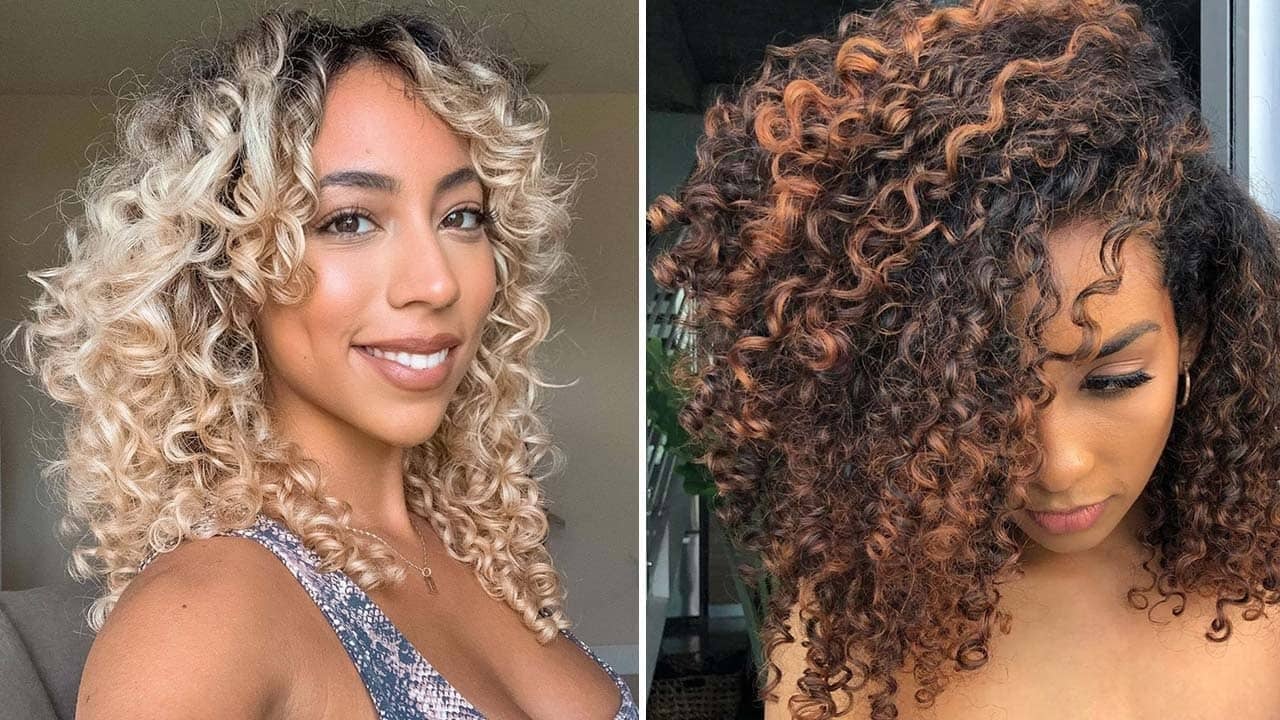
To achieve maximum volume and definition, applying the diffuser correctly is essential. Start by ensuring your hair is damp but not dripping wet. Applying a volumizing mousse or curl cream can provide added hold and structure. Position the diffuser at the roots, lifting sections of hair with the diffuser as you dry. This technique encourages lift at the scalp, creating the appearance of fuller hair.
1. **Section your hair**: Divide your hair into manageable sections to ensure even drying.
2. **Lift and hold**: Place the diffuser at the roots and gently lift upward. Hold for a few seconds before moving to the next section.
3. **Rotate and tilt**: For added volume, tilt your head to the side or upside down while diffusing. This technique allows air to reach the roots more effectively.
Styling Techniques: Scrunching vs. Twisting
Different styling techniques can enhance the texture and definition of curls while diffusing. Two popular methods are scrunching and twisting.
– **Scrunching**: This technique involves gently squeezing sections of hair upward into the diffuser. It enhances natural waves and curls, providing a more tousled look.
– **Twisting**: For a defined curl pattern, twist small sections of hair around your fingers before placing them in the diffuser. This method creates more structured curls, which can be particularly effective for tighter curl types.
Experimenting with these techniques can yield distinct results, allowing for versatility in styling.
Combining Diffusing with Other Styling Methods
To enhance the results of diffusing, consider combining it with other styling methods. For instance, using a heat protectant spray before applying heat can safeguard hair against damage. Additionally, layering products can improve the overall texture and longevity of the style.
1. **Use a curl-enhancing product**: Apply a lightweight gel or cream before diffusing to define curls.
2. **Incorporate a leave-in conditioner**: This can help maintain moisture levels, reducing frizz while adding shine.
3. **Finish with a light hairspray**: Once styled, a light mist of hairspray can provide hold without weighing the hair down.
Common Misconceptions and Expert Insights
A common misconception is that the hair diffuser is only suitable for curly hair. While it excels in enhancing curls, a diffuser can also benefit straight or wavy hair by adding texture and volume. Additionally, many assume that diffusing should be done at high heat. However, using a lower heat setting can prevent damage and reduce frizz, especially for finer hair types.
Experts recommend experimenting with different products and techniques to find the combination that works best for individual hair types and desired styles.
Practical Application
To implement these styling tips effectively, follow these steps:
1. Start with clean, damp hair and apply a volumizing mousse.
2. Section hair and choose between scrunching or twisting techniques.
3. Use the diffuser at the roots, lifting and tilting as necessary.
4. Combine diffusing with other products for optimal texture and hold.
5. Finish with a light hairspray for lasting results.
By integrating these techniques and insights into your styling routine, you can achieve a variety of looks that highlight your hair’s natural beauty and texture.
Frequently Asked Questions
What is a hair diffuser used for?
A hair diffuser is used to evenly distribute heat while drying hair, enhancing natural curls and waves. It helps reduce frizz and maintains the hair’s texture without disrupting the natural pattern.
How do you use a hair diffuser?
To use a hair diffuser, attach it to a blow dryer and set the dryer to a low or medium heat setting. Gently place sections of hair into the diffuser and move it around your scalp to dry the hair without disturbing its natural shape.
What is the difference between a diffuser and a regular hair dryer?
A diffuser is an attachment for a hair dryer designed to spread airflow more gently, while a regular hair dryer focuses airflow in a concentrated manner. This difference allows a diffuser to enhance curls and reduce frizz, unlike a standard dryer.
How much does a hair diffuser cost?
The cost of a hair diffuser varies based on brand and quality, typically ranging from $10 to $30. Higher-end models may offer additional features or better materials.
How long does it take to dry hair with a diffuser?
The drying time with a diffuser can vary depending on hair type and thickness, generally taking 20 to 40 minutes. Using a diffuser can be quicker than air drying while still maintaining curl definition.
What are the best practices for using a hair diffuser?
Best practices include using low heat settings, working in small sections, and avoiding aggressive scrunching. It’s also advisable to start with damp, not soaking wet, hair for optimal results.
Can you use a hair diffuser on straight hair?
While a hair diffuser is primarily designed for curly or wavy hair, it can be used on straight hair to add volume and texture. However, the results may not be as pronounced as with naturally textured hair.
Final Thoughts on what does a hair diffuser do
A hair diffuser is an essential tool for enhancing natural textures, promoting defined curls, and minimizing frizz, all while providing a gentler drying experience compared to traditional hair dryers. Its effectiveness lies in its ability to distribute heat evenly, allowing for controlled drying that maintains the integrity of your hair’s natural shape.
To achieve optimal results, invest in a high-quality diffuser that suits your specific hair type and texture, and practice using it with the right techniques to maximize its benefits.
Understanding how to properly utilize a hair diffuser not only elevates your styling routine but also empowers you to embrace your natural beauty with confidence and ease.
Leave a Reply