To remove hair dye from skin, use rubbing alcohol, baby oil, or a commercial stain remover. Apply the chosen product gently with a cotton ball and rinse thoroughly.
Understanding how to remove hair dye from skin is crucial for anyone who colors their hair at home. Incorrect removal can lead to skin irritation or unsightly stains that may last longer than anticipated, impacting personal appearance and confidence.
This article details effective methods for removing hair dye from skin, including the use of household items like rubbing alcohol and baby oil, as well as commercial products specifically designed for stain removal.
What is the best way to remove hair dye from skin?
The best way to remove hair dye from skin involves using specific products and techniques designed to break down the dye. Common methods include using household items like rubbing alcohol, baby oil, or specialized stain removers. Each method has varying effectiveness depending on the type of dye and the duration it has been on the skin.
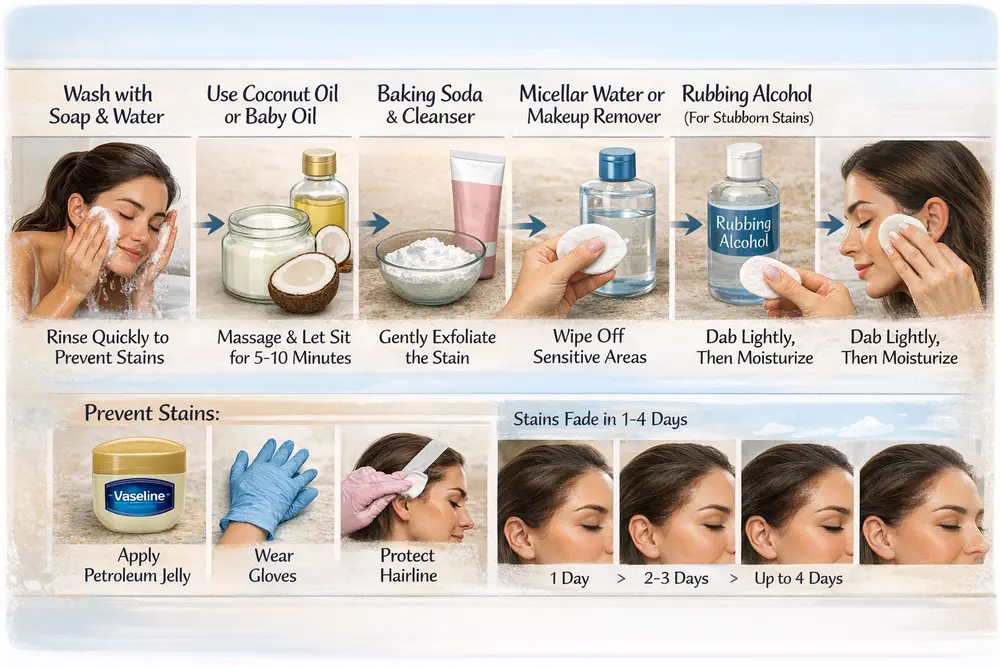
To effectively remove hair dye, start with a gentle approach. Many people find that applying rubbing alcohol to a cotton ball and gently rubbing the stained area works well. Alternatively, baby oil or olive oil can be effective for those with sensitive skin, as they nourish while lifting the dye. For stubborn stains, commercial products like makeup remover wipes or dedicated hair dye removers can provide additional potency.
Timing is also a critical factor in how effectively dye can be removed. The sooner the dye is treated, the easier it will be to remove. If the dye has dried or set, it may require more aggressive methods, such as exfoliating scrubs or a paste made from baking soda and water. Always patch test a small skin area first to avoid irritation, especially with stronger chemicals.
Step-by-Step Guide
- Use a cotton ball soaked in rubbing alcohol to gently rub the stained area.
- If irritation occurs, switch to baby oil or olive oil, applying it with a cotton pad.
- For persistent stains, consider a commercial hair dye remover or makeup remover wipes.
- For a natural scrub, mix baking soda with water to form a paste and gently scrub the area.
For best results, always follow up any removal attempt with a moisturizer to soothe the skin. Avoid harsh scrubbing, as this can lead to irritation or damage to the skin.
When selecting a method for removing hair dye, consider the sensitivity of your skin and the type of hair dye used. Permanent dyes may require more intensive treatments, while semi-permanent dyes may be easier to remove.
For those prone to staining, applying a thin layer of barrier cream or petroleum jelly around the hairline before dyeing can prevent future stains.
How long does hair dye stay on skin?
Hair dye typically stays on the skin for 1 to 3 days, depending on several factors. The duration can vary based on the type of dye used, individual skin characteristics, and the methods employed to remove it.
The formulation of the hair dye plays a significant role in its adherence to the skin. Semi-permanent and permanent dyes tend to last longer than temporary dyes. Additionally, darker shades, such as black or deep brown, are more likely to leave stains compared to lighter colors. Skin type is also a factor; oily skin may facilitate easier removal, while dry skin might retain stains longer.
Environmental factors can influence the duration as well. Exposure to water, sweat, or products like lotions can either help to fade the dye or, conversely, help it set more firmly. Timing of removal is crucial; the sooner the dye is addressed after application, the easier it is to remove. For best results, it is advisable to act quickly and utilize effective removal methods.
Expert Tip
For those frequently dyeing hair at home, applying a barrier of petroleum jelly around the hairline can prevent stains from occurring. Additionally, using products specifically designed for dye removal, such as makeup removers or oils, can expedite the cleaning process.
Can vinegar remove hair dye from skin?
Vinegar can effectively remove hair dye from skin, though its effectiveness may vary based on the dye type and how long it has been on the skin. While vinegar is a common household item, other methods may provide quicker or more thorough results. Each option has its strengths and weaknesses.
Vinegar, specifically white vinegar, acts as a mild acid that can help break down hair dye pigments. However, it may not be as effective on certain hair dye formulations, especially those that are long-lasting or semi-permanent. Additionally, vinegar may require multiple applications and can cause skin irritation if used excessively. In comparison, other common methods include:
- Rubbing alcohol: This is a stronger solvent that can effectively dissolve hair dye. It’s typically faster than vinegar but may be too harsh for sensitive skin.
- Baby oil: This gentle oil can help lift hair dye from the skin without causing irritation. It may take longer to work compared to vinegar or rubbing alcohol.
- Makeup remover: Formulated to break down pigments, makeup removers can be very effective at removing hair dye. They are generally safe for the skin but can vary in effectiveness depending on the brand.
When comparing these methods, key differences include the speed of removal, potential skin irritation, and the effectiveness against different types of hair dye. Rubbing alcohol is the quickest but may irritate sensitive skin, while baby oil is the gentlest but requires more time to work. Vinegar falls in the middle, providing a natural alternative that may be less effective against stubborn dyes.
Expert Tip: For the best results, start with a patch test using your chosen method to assess skin sensitivity. Additionally, prompt action after dye application can significantly improve removal success, regardless of the method used.
Are there any natural remedies to remove hair dye from skin?
Yes, there are several natural remedies that can effectively help remove hair dye from skin. Common ingredients such as olive oil, coconut oil, and baking soda can be used to lift the dye without harsh chemicals. These methods are particularly useful for those with sensitive skin or who prefer natural solutions.
For instance, using olive oil involves applying a small amount directly to the stained area. Gently rub the oil into the skin for a few minutes, allowing it to penetrate the dye. Afterward, wipe the area with a soft cloth or paper towel. This method not only helps to remove the dye but also moisturizes the skin, reducing irritation. Coconut oil works similarly; its emollient properties assist in breaking down the dye, making it easier to wipe away.
Baking soda can also be an effective natural remedy. To use it, mix baking soda with a few drops of water to create a paste. Apply the paste to the stained skin and rub it gently for about 30 seconds before rinsing it off with warm water. This method leverages the mild abrasive nature of baking soda to exfoliate the skin and lift the dye. However, individuals with sensitive skin should test this method on a small area first to avoid irritation.
Expert Tip: Always follow up any natural remedy with a moisturizer to soothe the skin, as some ingredients may cause dryness or irritation. Additionally, testing any remedy on a small patch of skin can prevent adverse reactions.
What should I avoid when removing hair dye from skin?
Avoid harsh chemicals, abrasive materials, and irritating substances when removing hair dye from skin. These can lead to skin irritation, allergic reactions, or even chemical burns. Choosing gentle methods and products is essential for maintaining skin health.
When attempting to remove hair dye, consider these common mistakes and products to avoid:
- Bleach and Ammonia: These chemicals can be effective at removing dye but often cause severe skin irritation. They can strip the skin’s natural barrier, leading to redness and discomfort.
- Abrasive Scrubs: Avoid using scrubs that contain microbeads or harsh exfoliants. Their rough texture can damage sensitive skin, especially if it is already irritated from the dye.
- Alcohol-Based Products: While they may seem effective, alcohol can dry out and irritate the skin. Opt for alcohol-free solutions or natural alternatives that are less aggressive.
- Household Cleaners: Never use products not designed for skin, such as bleach or other cleaning agents. These can cause severe chemical burns and should never come into contact with your skin.
- Ignoring Skin Sensitivity: Always perform a patch test when using new products. Some individuals may have allergies or sensitivities that can lead to adverse reactions.
Choosing the right removal method is vital for skin safety. Products specifically formulated for skin use are often more effective and less harmful. Always prioritize gentle, skin-friendly options to minimize the risk of irritation.
Expert Tip: For stubborn dye stains, consider using a mixture of baking soda and dish soap. This combination is generally safe for skin and can effectively lift stains without causing irritation.
How much do hair dye removal products cost?
Hair dye removal products typically range from $5 to $30, depending on the brand and formulation. Drugstore options tend to be more affordable, while professional-grade products may cost more. Specialized formulations designed for sensitive skin can also impact the price.
Several factors influence the cost of hair dye removal products:
- Brand Reputation: Established brands may charge a premium for their products due to their proven effectiveness and customer trust.
- Product Type: Creams, wipes, and gels vary in price. Creams may offer more thorough removal but can be pricier than wipes.
- Ingredients: Products containing gentle or natural ingredients often come at a higher cost. Formulations that are free from harsh chemicals may appeal to consumers looking for safer options.
Additionally, the size of the product can affect pricing. Larger containers or multiple-use products generally provide better value per use compared to smaller, single-use items. Consumers should consider their specific needs and the extent of dye removal required when selecting a product.
Expert Tip: For effective and cost-efficient results, some individuals may opt for DIY solutions using household items like baking soda or dish soap. However, these methods may vary in effectiveness and could irritate sensitive skin, so patch testing is advised.
Is it safe to use bleach to remove hair dye from skin?
No, it is not safe to use bleach to remove hair dye from skin. Bleach is a harsh chemical that can cause skin irritation, burns, and allergic reactions. Using bleach for this purpose poses significant risks, especially for individuals with sensitive skin or pre-existing skin conditions.
Bleach works by breaking down the pigments in hair dye, but its potency can lead to adverse effects. Common side effects include redness, itching, and peeling skin. For those with sensitive skin, even a small amount can result in severe irritation. Additionally, the potential for chemical burns increases if bleach is left on the skin for too long.
- Skin Type: Individuals with sensitive skin or allergies are more susceptible to bleach-related injuries.
- Concentration: Household bleach is typically diluted, but higher concentrations can exacerbate skin damage.
- Duration of Contact: Prolonged exposure to bleach increases the likelihood of burns and irritation.
Alternative methods for removing hair dye from the skin are generally safer and more effective. Products specifically designed for dye removal, such as makeup removers or oil-based cleansers, provide a gentler option. Additionally, natural remedies like olive oil or coconut oil can help lift dye without the harsh effects of bleach.
Expert Tip: Always perform a patch test with any removal method, especially if the skin is sensitive or if there is a history of allergic reactions. This precaution can help prevent severe skin reactions.
What is the fastest way to get hair dye off skin?
The fastest way to get hair dye off skin is by using a combination of household products. Common solutions include rubbing alcohol, baby oil, and dish soap, which can quickly break down the dye. These methods typically yield results within minutes, depending on the dye type and the skin area affected.
- Rubbing Alcohol: Soak a cotton ball or pad with rubbing alcohol and gently rub the stained area. This method is effective for most hair dyes, particularly those that are permanent.
- Baby Oil: Apply baby oil directly to the stain and let it sit for a few minutes. Then, wipe it away with a soft cloth or cotton pad. The oil helps to dissolve the dye quickly.
- Dish Soap and Baking Soda: Mix equal parts of dish soap and baking soda to create a paste. Apply the paste to the stained area and scrub gently with your fingers or a soft brush. Rinse with warm water.
- Makeup Remover: Use an oil-based makeup remover on a cotton pad and gently rub the stained skin. This method works well for semi-permanent dyes and is less abrasive than some other options.
- Toothpaste: Apply a small amount of non-gel toothpaste to the stain and scrub with a soft toothbrush. Rinse thoroughly; this method can be particularly effective for quick clean-ups.
It’s essential to test any method on a small skin area first, especially for sensitive skin types. Additionally, the effectiveness of these methods can vary based on the dye’s formulation and the duration of contact with the skin.
For best results, act quickly after dye spills occur. The longer the dye sits, the harder it becomes to remove.
Expert Tip: Always follow up with a moisturizer after using these methods to prevent skin irritation or dryness, as many of these substances can strip natural oils from the skin.
Understanding Hair Dye Composition and Its Effects on Skin
This section delves into the chemical makeup of hair dyes and their interaction with skin, elucidating the challenges associated with removal. Grasping these concepts is essential for effective cleaning methods and for maintaining skin health.
Chemical Composition of Permanent vs. Semi-Permanent Dyes
Permanent hair dyes typically contain ammonia, which opens the hair cuticle to allow for deeper penetration of color. These dyes also include oxidative agents, such as hydrogen peroxide, that facilitate lasting color changes. In contrast, semi-permanent dyes utilize direct dyes and may contain fewer harsh chemicals, making them less resilient but easier to remove from skin.
- Permanent Dyes: Contain ammonia, oxidative agents, and require a developer for activation.
- Semi-Permanent Dyes: Comprise direct dyes that coat the hair shaft without penetrating deeply.
- Temporary Dyes: Generally non-oxidative, sitting on the hair’s surface for short-term effects.
How Hair Dye Penetrates Skin Layers
Hair dye interacts with skin primarily through a process known as diffusion. When hair dye is applied, the small molecules can seep into the outer layer of skin (epidermis) and, in some cases, even reach the deeper layers (dermis). The ability of a dye to penetrate depends on its chemical structure and the skin’s moisture level.
Factors Affecting Dye Adherence to Skin
Several factors influence how effectively hair dye adheres to skin:
- Skin Type: Oily skin may repel dyes more effectively than dry skin, which can absorb pigments.
- Application Method: Rubbing or massaging the dye into the skin can increase adherence.
- Time of Exposure: Longer contact times enhance dye penetration and adherence.
Importance of Timely Removal for Skin Health
Prompt removal of hair dye from skin is crucial to prevent irritation or allergic reactions. Prolonged contact can lead to skin sensitivity, discoloration, or even chemical burns in severe cases. The risk increases particularly with permanent dyes, which contain harsher chemicals that can damage skin cells.
Nuances and Common Misconceptions
A prevalent misconception is that all hair dyes are equally harmful to skin. In reality, the formulation significantly dictates potential risks. Permanent dyes pose higher risks due to their chemical composition, while semi-permanent and temporary dyes generally present fewer challenges. Additionally, many individuals underestimate the importance of patch testing before using hair dyes, which can help identify potential allergic reactions and sensitivities.
Practical Application
To effectively remove hair dye from skin, consider the following actions:
1. **Act Quickly:** Remove dye as soon as possible to minimize skin absorption.
2. **Use Appropriate Cleaners:** Opt for products designed for dye removal, such as acetone-free nail polish remover or specialized dye removal wipes.
3. **Gentle Exfoliation:** For stubborn stains, use a gentle scrub or exfoliating mitt to lift the dye without damaging the skin.
4. **Moisturize Post-Removal:** After cleaning, apply a soothing moisturizer to help restore skin balance and prevent irritation.
By understanding the composition of hair dyes and their interaction with skin, individuals can take informed steps to minimize staining and protect skin health effectively.
Step-by-Step Guide to Removing Hair Dye from Skin
This section provides a detailed guide on how to effectively remove hair dye from skin using various methods, ensuring a clean and safe experience. Whether using household items or commercial products, understanding these techniques is essential.
Using Household Items
Household items can effectively tackle hair dye stains on skin with minimal irritation. Two popular options include baking soda and toothpaste.
- Baking Soda Scrub:
- Mix equal parts baking soda and water to create a paste.
- Apply the paste to the stained area using a gentle circular motion.
- Rinse thoroughly with warm water.
- Toothpaste Method:
- Choose a non-gel toothpaste with baking soda.
- Apply a small amount directly to the dye stain.
- Gently rub the area with a soft cloth or your fingers.
- Rinse off with warm water.
Commercial Products
Many commercial products are specifically designed for removing hair dye from skin. These include stain removers, makeup removers, and baby oil.
- Stain Removers: Follow product instructions for application, usually involving applying the remover to a cotton pad and gently rubbing the stain.
- Makeup Removers: Use a makeup remover with a cotton ball, applying it to the stained area and wiping gently.
- Baby Oil: Soak a cotton ball in baby oil and press it against the stain for 30 seconds before wiping away.
Safety Precautions
When removing hair dye from skin, safety is paramount. Avoid harsh chemicals or abrasive materials that can irritate the skin. Always conduct a patch test on a small area to ensure no adverse reactions occur. If irritation develops, discontinue use and rinse the area with plenty of water.
Post-Removal Skin Care Tips
After successfully removing hair dye, it is essential to care for the skin. Follow these tips:
- Wash the area with a gentle cleanser and lukewarm water.
- Apply a soothing moisturizer to hydrate the skin.
- Consider using aloe vera gel to calm any irritation.
Many articles on how to remove hair dye from skin overlook the importance of skin type and sensitivity. Individuals with sensitive skin may experience more irritation from certain removal methods and should prioritize gentler options like baking soda or baby oil. Additionally, some hair dyes contain specific chemicals that may require specialized products for effective removal, emphasizing the need for tailored approaches.
To effectively remove hair dye from skin, start with household items like baking soda or toothpaste for mild stains. For more stubborn marks, opt for commercial stain removers or baby oil. Always prioritize safety by patch testing products and follow up with soothing skincare to maintain skin health.
Expert Tips and Tricks for Effective Hair Dye Removal
This section provides advanced strategies and professional insights for effectively removing hair dye from skin. Implementing these tips can significantly enhance your results and minimize skin irritation.
Timing: When to Attempt Removal After Dye Application
The optimal time to remove hair dye from skin is immediately after application. Dye is most easily removed while it is still wet, as it has not yet fully set into the skin. Aim to tackle stains within 5 to 10 minutes after application for the best results. If immediate removal is not feasible, act as soon as possible—preferably within the first hour. Delaying removal increases the likelihood of the dye bonding with skin cells, making it more challenging to eliminate.
Combining Methods for Stubborn Stains
For particularly stubborn hair dye stains, combining multiple removal methods can yield superior results. Consider the following approaches:
- Oil-based removers: Use baby oil or coconut oil as a base. Apply it gently to the stained area and massage for several minutes.
- Exfoliating scrubs: After applying an oil, use a mild exfoliating scrub to help lift the dye from the skin.
- Alcohol-based solutions: Isopropyl alcohol or hand sanitizer can effectively break down dye molecules. Apply with a cotton ball, then rinse thoroughly.
By using a combination of these methods, you can effectively tackle even the most persistent stains.
Using Moisturizers to Soothe Skin Post-Removal
After removing hair dye, the skin may feel irritated or dry. To alleviate discomfort, apply a gentle moisturizer or soothing lotion containing aloe vera or chamomile. These ingredients provide hydration and reduce redness. Additionally, consider using fragrance-free products to avoid further irritation, particularly for sensitive skin types.
Preventive Measures to Avoid Staining in the First Place
Preventing hair dye from staining the skin is often more effective than removal. Implement these strategies:
- Barrier creams: Apply a thin layer of petroleum jelly or a specialized barrier cream along the hairline, ears, and neck before dye application.
- Wear gloves: Always wear disposable gloves while applying hair dye to minimize contact with skin.
- Choose the right products: Opt for hair dyes that are specifically formulated to minimize staining.
Taking these preventive measures can save time and effort in the removal process.
Nuance / Expert Layer
Many articles on how to remove hair dye from skin overlook the significance of skin type and sensitivity. Different skin types react differently to hair dye and removal methods. For instance, individuals with oily skin may find that oil-based removers work better, while those with dry skin might experience irritation from alcohol-based solutions. Additionally, certain brands of hair dye may contain harsher chemicals that penetrate the skin more deeply. Understanding these nuances can help tailor approaches to individual needs and improve overall effectiveness.
Practical Application
To effectively remove hair dye from skin, follow these actionable steps:
1. Act quickly—aim to remove dye within 10 minutes after application.
2. Combine methods: start with an oil-based remover, then exfoliate, and finish with an alcohol-based solution if necessary.
3. Apply a soothing moisturizer to alleviate any irritation post-removal.
4. Use preventive measures during future dye applications to minimize skin staining.
By applying these expert tips, achieving clean skin after hair dye application becomes a more manageable task.
Common Mistakes When Removing Hair Dye from Skin
This section identifies common errors made during the hair dye removal process from skin and highlights their potential consequences. Understanding these missteps can lead to more effective and safer removal methods.

Over-Scrubbing and Its Effects on Skin
Many individuals mistakenly believe that vigorous scrubbing will expedite the removal of hair dye from the skin. This approach can lead to skin irritation, redness, and even abrasions. The skin’s barrier is delicate; excessive friction can compromise its integrity, resulting in increased sensitivity or allergic reactions. Instead, gentle, circular motions with a soft cloth or cotton pad are advised for effective yet safe removal.
Using Inappropriate Products That Can Cause Irritation
Choosing the wrong products can exacerbate skin irritation. Common household items, such as bleach or harsh cleansers, are not designed for skin use and can cause chemical burns or allergic reactions. Instead, opt for products specifically formulated for skin, such as alcohol-free baby wipes or makeup removers. These alternatives are effective without compromising skin health.
Neglecting Patch Tests for Sensitive Skin
Individuals with sensitive skin often overlook patch tests before using new removal products. Failure to conduct a patch test can result in adverse reactions, especially with chemical-based removers. A simple patch test involves applying a small amount of the product on a discreet area of the skin, waiting 24 hours, and observing for any reactions. This precaution can prevent severe irritation or allergic responses.
Ignoring Aftercare and Skin Hydration
After removing hair dye from the skin, neglecting aftercare can lead to dryness and irritation. Products that strip dye may also remove natural oils, leaving skin vulnerable. Post-removal, it is crucial to apply a gentle moisturizer or aloe vera gel to restore hydration and soothe any irritation. Regular application can promote skin recovery and maintain its barrier function.
Expert Considerations
Common misconceptions often lead to ineffective or harmful practices. For instance, some believe that oil-based products are universally safe for all skin types. However, those with oily or acne-prone skin may experience breakouts from such products. Additionally, while some recommend using vinegar or lemon juice for removal, these can be excessively acidic and irritating for sensitive skin. Understanding the unique characteristics of one’s skin can direct better choices in the removal process, ensuring both effectiveness and safety.
Practical Application
To effectively remove hair dye from skin, follow these steps:
- Gently dab the stained area with a soft cloth or cotton pad.
- Use a suitable product, such as a specialized makeup remover or baby wipe.
- Conduct a patch test with any new product before full application.
- After removal, apply a gentle moisturizer to hydrate and soothe the skin.
By avoiding common mistakes and following these guidelines, individuals can achieve safer and more effective results when removing hair dye from skin.
Frequently Asked Questions
What is the best way to remove hair dye from skin?
The best way to remove hair dye from skin is to use a gentle exfoliating scrub or a commercial dye remover. Products containing ingredients like alcohol or acetone can also be effective, but should be used with caution to avoid skin irritation.
How long does hair dye stay on skin?
Hair dye typically stays on the skin for a few hours to a couple of days, depending on the dye type and skin type. Prompt removal after application can minimize staining duration.
Can vinegar remove hair dye from skin?
Vinegar can help remove hair dye from skin due to its acidic properties, which break down the dye. However, it may not be as effective as commercial products specifically designed for dye removal.
Are there any natural remedies to remove hair dye from skin?
Natural remedies such as coconut oil, baking soda, and lemon juice can assist in removing hair dye from skin. These options are gentle but may require multiple applications for effective results.
What should I avoid when removing hair dye from skin?
Avoid using harsh chemicals or abrasive materials that can irritate the skin. Additionally, refrain from scrubbing too hard, as this can lead to skin damage.
How much do hair dye removal products cost?
Hair dye removal products typically range from $5 to $20, depending on the brand and formulation. Higher-end options may offer specialized ingredients for sensitive skin.
Is it safe to use bleach to remove hair dye from skin?
Using bleach to remove hair dye from skin is not safe and can cause severe irritation or chemical burns. It is advisable to stick to gentler alternatives that are specifically formulated for skin use.
What is the fastest way to get hair dye off skin?
The fastest way to remove hair dye from skin is to use a commercial dye remover or rubbing alcohol, applied immediately after the dyeing process. Quick action increases the chances of complete removal.
Final Thoughts on how to remove hair dye skin
Effectively removing hair dye from skin requires an understanding of the dye’s chemical composition and the appropriate methods to counteract its staining properties. Utilizing products like rubbing alcohol or specialized dye removers can significantly expedite the process, while natural remedies like vinegar offer a gentle alternative for sensitive skin.
For immediate action, apply a small amount of rubbing alcohol to a cotton ball and gently rub the stained area, ensuring to follow up with a moisturizer to prevent skin irritation.
Mastering hair dye removal not only enhances personal grooming but also empowers individuals to experiment with their hair without the fear of unsightly stains, fostering confidence in self-expression.
Leave a Reply