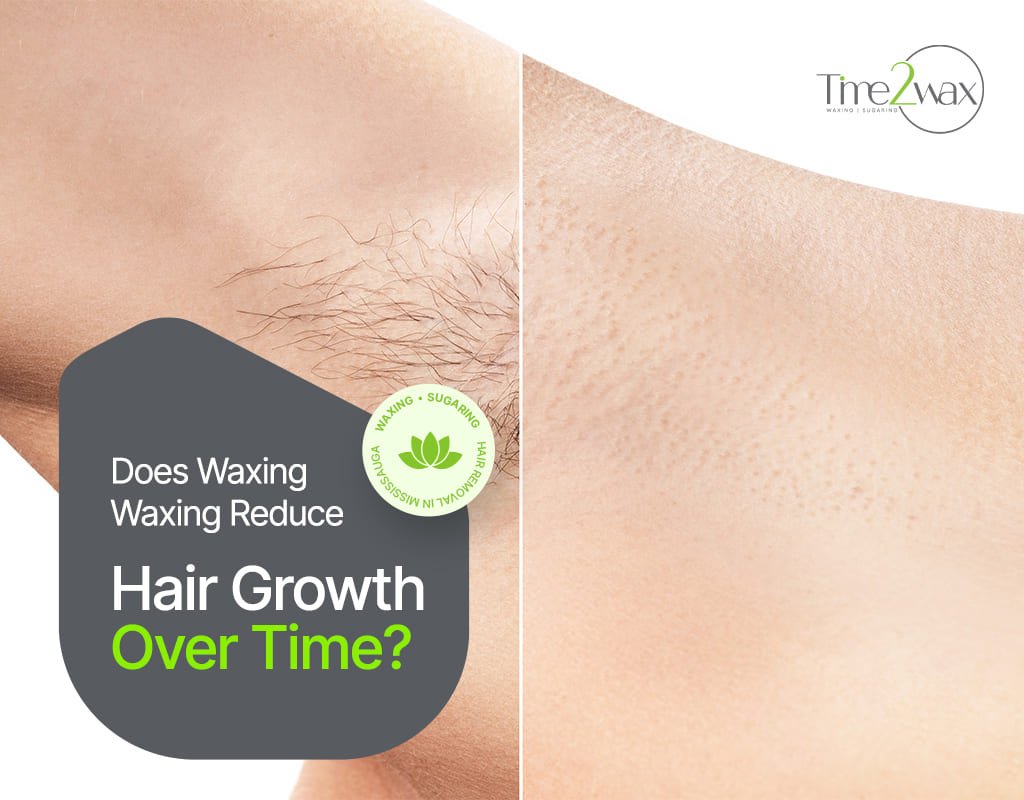
Waxing does reduce hair growth over time by removing hair from the root, which can lead to finer and sparser regrowth. However, results vary by individual.
Understanding the effects of waxing on hair growth is crucial for individuals seeking effective hair removal methods. Misconceptions can lead to unrealistic expectations and dissatisfaction with results, impacting personal grooming choices and skin health.
This article will examine the science behind waxing, how it influences hair growth patterns, and what factors contribute to varying results among different individuals.
How does waxing affect hair growth over time?
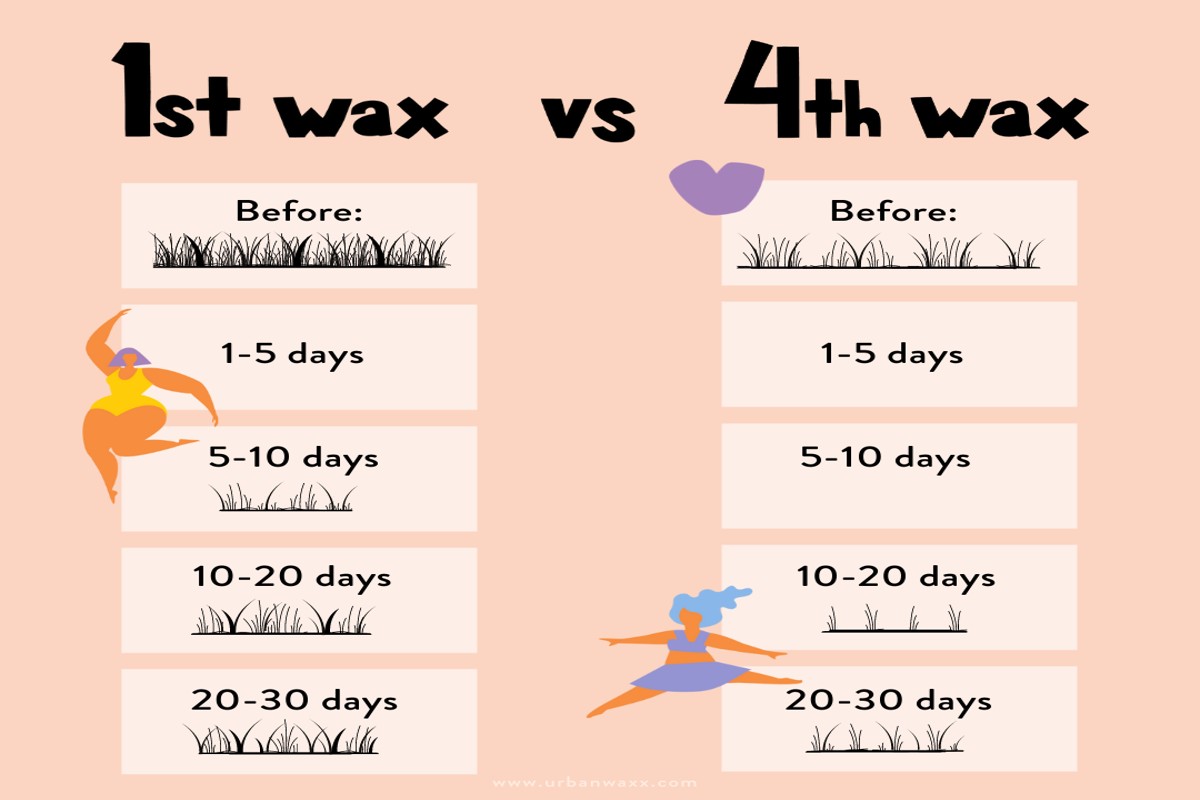
Waxing can lead to a gradual reduction in hair growth over time. When hair is removed from the root, it may grow back finer and less dense with continued waxing sessions.
Waxing disrupts the hair growth cycle by pulling hair out from the follicle. Over time, this can result in hair that is weaker and less prone to regrowth. The frequency of waxing, individual hair growth rates, and skin type can all influence the long-term effects on hair density and thickness.
- Frequency of Waxing: Regular waxing (every 4-6 weeks) can weaken hair follicles. This consistent removal can lead to hairs growing back thinner and less densely over time.
- Hair Growth Cycle: Each hair follicle operates on its own growth cycle, which includes phases of growth, rest, and shedding. Waxing affects these cycles, leading to a potential delay in regrowth for some follicles.
- Individual Variation: Genetic factors play a significant role in hair growth. Some individuals may experience more noticeable reduction in hair coarseness and density than others due to their unique hair growth patterns.
In some cases, individuals might experience an increase in hair growth if they stop waxing, as the follicles may reactivate. Therefore, maintaining a consistent waxing regimen is key to achieving long-term results.
For optimal results, consider consulting with a licensed esthetician who can provide personalized advice based on your specific hair and skin type. Regular assessments can help track changes in hair growth patterns and adjust waxing frequency accordingly.
What are the benefits of waxing compared to shaving?
Waxing offers several advantages over shaving, particularly in terms of hair growth and skin health. While shaving cuts hair at the skin’s surface, waxing removes hair from the root, leading to smoother skin and potentially reduced hair regrowth over time. This difference can result in longer-lasting hair-free periods and improved skin condition.
One of the primary benefits of waxing is its ability to weaken hair follicles. With repeated waxing sessions, hair may grow back finer and sparser, which contrasts sharply with shaving, where hair typically returns thicker and coarser. This can lead to a more aesthetically pleasing result over time, as the hair becomes less noticeable. Additionally, waxing can help exfoliate the skin, removing dead skin cells and promoting a healthier appearance, whereas shaving can lead to irritation and ingrown hairs.
- Duration of Results: Waxing can keep skin hair-free for 3 to 6 weeks, while shaving often requires maintenance every few days.
- Skin Health: Waxing exfoliates the skin, preventing buildup and promoting smoother texture. Shaving may cause razor burn or cuts.
- Hair Growth Changes: Regular waxing can lead to finer, less dense hair regrowth, whereas shaving tends to maintain hair thickness.
Furthermore, the waxing process can be less time-consuming in the long run. Although waxing may take longer initially, the extended duration between sessions reduces overall maintenance time compared to frequent shaving. This efficiency can be particularly beneficial for individuals with busy lifestyles.
For optimal results, consider professional waxing services, which can minimize discomfort and enhance safety. Practicing proper aftercare is also essential to maintain skin health and prevent irritation.
How often should you wax for best results?
For optimal results, waxing should be performed every three to six weeks. This frequency allows hair to grow to the optimal length for effective removal while minimizing discomfort and maximizing hair reduction over time.
Hair growth cycles vary among individuals, influenced by factors such as genetics, hormonal changes, and the area of the body being waxed. Generally, waxing every four weeks is a standard recommendation for most areas, including legs and arms. However, areas with coarser hair, like the bikini line or underarms, may require more frequent sessions to maintain smoothness.
- Wait for hair to reach 1/4 inch: Ensure hair is at least 1/4 inch long before waxing. This length allows the wax to grip the hair effectively, leading to better results.
- Maintain a regular schedule: Stick to a consistent waxing schedule. This promotes a smoother hair growth cycle, potentially leading to finer and sparser regrowth over time.
- Adjust for hair growth rate: Monitor your hair growth. If hair appears to be growing back sooner than expected, consider shortening the interval to every three weeks for that area.
- Consider skin sensitivity: Pay attention to your skin’s reaction post-waxing. If irritation occurs, allow more time between sessions to let the skin recover.
Expert practitioners recommend keeping a waxing diary. Documenting your sessions can help track hair growth patterns and skin response, allowing for personalized adjustments to your waxing routine.
Is waxing more cost-effective than laser hair removal?
Waxing is generally more cost-effective than laser hair removal in the short term. While waxing costs range from $10 to $100 per session depending on the area treated, laser hair removal often requires an investment of several hundred dollars per session, typically ranging from $200 to $500. Over time, however, the cumulative costs of waxing can approach or even exceed the total cost of laser treatments.
Several factors influence the overall cost comparison between waxing and laser hair removal:
- Frequency of Treatments: Waxing requires regular sessions every few weeks, leading to ongoing expenses. Laser hair removal, while more expensive per session, usually requires fewer treatments over time.
- Area Treated: Costs can vary significantly based on the size of the area being treated. Larger areas, such as legs or back, tend to be more expensive for both waxing and laser treatments.
- Long-Term Results: Laser hair removal typically results in permanent hair reduction after a series of sessions, potentially reducing long-term costs. Waxing, on the other hand, is a temporary solution that requires continual upkeep.
Additionally, the cost of laser hair removal can vary based on the technology used and the provider’s expertise. Discounts or package deals are often available for laser treatments, which can make them more affordable in the long run. Waxing costs may vary by salon and location, impacting overall affordability.
Expert Tip: For those considering long-term hair removal solutions, evaluating the total cost of both methods over a year or more can provide valuable insight. An investment in laser hair removal may yield significant savings and convenience in the long run due to its lasting effects.
What is the ideal hair length for waxing?
The ideal hair length for waxing is typically between 1/4 inch (6 mm) and 1/2 inch (12 mm). At this length, the hair is long enough for the wax to grip effectively, ensuring a smoother removal process. Hair that is too short may not adhere well to the wax, leading to incomplete removal and potential irritation.
For optimal results, allow hair to grow for at least 3-4 weeks after your last waxing session. During this period, hair will reach the desired length for effective waxing. However, individual hair growth rates can vary based on factors such as genetics, hormonal changes, and the area of the body being waxed. For instance, hair on the legs may grow faster than hair on the bikini line.
In addition, some practitioners recommend trimming hair that exceeds 1/2 inch to avoid discomfort during the waxing process. Longer hair can lead to increased pain and may also result in hair breaking rather than being removed from the follicle. Therefore, finding the right balance in hair length is crucial for a successful waxing experience.
Consider your skin type and sensitivity as well. Individuals with sensitive skin may benefit from slightly shorter hair to minimize irritation. Always consult with a professional aesthetician for personalized advice tailored to your specific hair growth patterns and skin condition.
Expert Tip: For the best waxing results, consider scheduling your waxing appointment during the follicular phase of your menstrual cycle, when pain sensitivity is typically lower. This timing can enhance comfort during the procedure.
Does waxing hurt and how can I minimize pain?
Waxing can be painful, but there are effective methods to minimize discomfort during the process. Preparation and technique play significant roles in reducing pain associated with waxing. By following specific strategies, individuals can make their waxing experience more tolerable.
First, consider the timing of your waxing appointment. Skin sensitivity can vary throughout the menstrual cycle; for many, pain is heightened just before menstruation. Scheduling waxing sessions during the week after menstruation may lead to less discomfort. Additionally, exfoliating the area a day or two before waxing helps remove dead skin cells and may decrease pain by allowing the wax to adhere better to the hair rather than the skin.
- Choose the right wax: Selecting a wax that is suitable for your skin type can make a significant difference. Hard wax is often less painful for sensitive areas and adheres better to hair.
- Apply a numbing cream: Consider using a topical numbing cream about 30 minutes before waxing. This can help minimize pain by desensitizing the skin.
- Keep hair at the optimal length: Hair should ideally be between 1/4 and 1/2 inch long for effective waxing. If hair is too short, waxing may be less effective; if too long, it may cause more pain.
- Stay relaxed: Tension can heighten sensitivity during waxing. Deep breathing and relaxation techniques can help ease the body and mind, reducing the perception of pain.
- Use a cold compress: After waxing, applying a cold compress can soothe the skin and reduce inflammation. This step can provide immediate relief from any post-wax discomfort.
Paying close attention to these pain management strategies can significantly enhance the waxing experience. Individuals may wish to discuss their pain concerns with a professional esthetician, who can provide personalized recommendations based on skin type and sensitivity.
For those with a lower pain threshold, considering alternative hair removal methods such as laser hair removal may be beneficial, as these methods often provide longer-lasting results with less discomfort over time.
Does waxing lead to ingrown hairs?
Yes, waxing can lead to ingrown hairs. This occurs when hair grows back into the skin instead of outward, often resulting in painful bumps and inflammation. While waxing removes hair from the root, improper technique or skin conditions can increase the likelihood of ingrown hairs.
For example, consider someone who regularly waxes their legs. If they skip exfoliating before waxing, dead skin cells can clog hair follicles, making it difficult for new hair to emerge properly. When the hair grows back, it may curl under the skin, leading to an ingrown hair. Additionally, if the wax is applied too thickly or removed improperly, it can break the hair rather than pulling it out completely, which increases the risk of ingrowth.
Skin type and hair texture also play significant roles in the formation of ingrown hairs. Individuals with coarse or curly hair are more prone to ingrown hairs, particularly in areas like the bikini line or underarms. To mitigate this issue, regular exfoliation and moisturizing can help keep the skin smooth and reduce the chances of hair becoming trapped beneath the surface.
Expert Tip
Regularly exfoliating the skin and using products designed to prevent ingrown hairs can significantly reduce the likelihood of this condition after waxing. Consider incorporating a gentle scrub or chemical exfoliant into your routine, especially before and after waxing sessions.
Can waxing be done at home or is it better at a salon?
Waxing can be performed at home or in a salon, each with distinct advantages and disadvantages. At-home waxing offers convenience and cost savings, while professional salon services provide expertise and a higher quality experience. The choice largely depends on personal preferences and skill level.
At-home waxing typically involves purchasing a waxing kit that includes wax, applicators, and post-wax care products. This option allows for flexibility in scheduling and can be more affordable than salon visits. However, the results may vary significantly based on the individual’s technique and experience. Improper application can lead to skin irritation, missed hairs, or even injury. Additionally, the lack of professional supervision may result in suboptimal results.
In contrast, professional waxing services in salons are performed by trained estheticians who understand skin types and hair growth patterns. They use high-quality products and techniques that can lead to a smoother finish and longer-lasting results. Salons often provide a more comfortable environment and can offer post-wax care to minimize irritation. However, salon visits come at a higher financial cost and may require scheduling in advance, which can be less convenient.
- Cost: At-home waxing is generally cheaper than salon services.
- Expertise: Salons provide professional skills and knowledge, reducing the risk of mistakes.
- Convenience: At-home waxing allows for flexible timing, while salons require appointments.
When deciding between at-home and salon waxing, consider your comfort level with the process and your budget. If unsure about your technique, opting for a professional service may yield better results and reduce the risk of adverse effects.
Expert Tip: Before waxing, conduct a patch test on a small area of skin to check for any allergic reactions or sensitivities, regardless of whether you choose to wax at home or in a salon.
Understanding Hair Growth Cycles and Waxing
This section explores the relationship between hair growth cycles and the effectiveness of waxing in reducing hair growth. Understanding these cycles is essential for optimizing waxing results and achieving longer-lasting smoothness.

The Three Phases of Hair Growth
The hair growth cycle consists of three distinct phases:
- Anagen: This is the active growth phase, lasting several years, during which hair follicles produce new hair cells. Approximately 85-90% of hair is in this phase at any given time.
- Catagen: This transitional phase lasts a few weeks. Hair growth slows, and the hair follicle shrinks, preparing to enter the resting stage. About 1-2% of hair is in this phase.
- Telogen: The resting phase lasts several months. Hair follicles remain dormant, and approximately 10-15% of hair is in this state before it eventually sheds and new hair begins to grow.
How Waxing Interacts with Hair Growth Phases
Waxing is most effective during the anagen phase when hair is actively growing. During waxing, hair is removed from the root, disrupting the follicle’s activity. This removal can lead to a finer regrowth pattern over time. However, if waxing is performed when hair is in the catagen or telogen phases, results may be less effective, as hair may not be firmly anchored in the follicle, leading to incomplete removal.
The Importance of Timing Your Waxing Sessions
To maximize hair reduction, timing your waxing sessions is crucial. The recommended interval between waxing treatments typically ranges from 4 to 6 weeks, allowing hair to enter the anagen phase. Scheduling sessions too frequently may not allow enough hair to grow back, while waiting too long may lead to hair regrowth becoming more coarse.
Expected Results Based on Individual Hair Growth Cycles
The effectiveness of waxing in reducing hair growth can vary significantly among individuals due to factors such as:
- Genetics: Genetic predisposition influences hair density, thickness, and growth rate.
- Hormonal Influences: Hormonal fluctuations can affect hair growth patterns, particularly in women.
- Age: As individuals age, hair growth may slow down or change in texture.
Understanding these factors allows individuals to set realistic expectations regarding how waxing may affect their hair growth over time.
Nuances in Waxing and Hair Growth Reduction
Common misconceptions exist regarding waxing’s ability to permanently reduce hair growth. While consistent waxing can lead to finer, sparser hair, it does not guarantee permanent hair removal. Laser hair removal or electrolysis may be required for individuals seeking long-term solutions. Additionally, some individuals may experience ingrown hairs or skin sensitivity from regular waxing, further complicating hair reduction efforts.
Practical Application
To effectively utilize the information about hair growth cycles and waxing, consider implementing the following strategies:
- Schedule waxing sessions every 4-6 weeks to ensure optimal timing for hair in the anagen phase.
- Monitor your hair growth patterns and adjust your waxing schedule accordingly.
- Explore complementary hair removal methods if permanent reduction is desired.
By aligning waxing practices with hair growth cycles, individuals can enhance the effectiveness of their hair removal routine while better understanding the limitations of waxing in reducing hair growth.
Expert Tips for Maximizing Waxing Results
This section provides essential techniques and professional advice to enhance waxing outcomes and minimize discomfort, focusing on preparation, post-care, wax selection, and when to change methods.
Pre-Waxing Skin Preparation Techniques
Proper skin preparation is crucial for optimal waxing results. Follow these steps to ensure your skin is ready:
- Exfoliate: Gently exfoliate the area to remove dead skin cells 24-48 hours before waxing. This step helps prevent ingrown hairs.
- Cleanse: Use a mild cleanser to remove oils and lotions from the skin surface on the day of waxing.
- Moisturize: Apply a light moisturizer to keep the skin hydrated, but avoid heavy creams or oils immediately before waxing.
Post-Wax Care to Reduce Irritation and Ingrown Hairs
After waxing, the skin can be sensitive and prone to irritation. Implement these post-care practices:
- Cool Compress: Apply a cool compress to soothe the skin immediately after waxing.
- Avoid Heat: Steer clear of hot showers, saunas, and vigorous exercise for 24 hours to prevent inflammation.
- Moisturize: Use a fragrance-free lotion or aloe vera gel to keep the skin hydrated and calm.
- Exfoliate Regularly: Start exfoliating 3-4 days post-waxing to prevent ingrown hairs.
Choosing the Right Wax Type for Different Skin and Hair Types
Selecting the appropriate wax can significantly impact results. Consider these options:
- Soft Wax: Ideal for fine hair and large areas like legs or arms. It adheres to the skin and hair.
- Hard Wax: Best for sensitive areas, such as the bikini line or underarms. It hardens on the skin and is removed without strips.
- Film Wax: A newer option that combines the benefits of soft and hard wax, suitable for various hair types.
Signs That Indicate It’s Time to Switch Waxing Methods
Recognizing when to change your waxing method can enhance results. Look for these signs:
- Increased Pain: If waxing becomes excessively painful, consider switching to a gentler wax type.
- Frequent Ingrown Hairs: Persistent ingrown hairs may indicate a need for a different technique or wax.
- Skin Reactions: If skin irritation or allergic reactions occur regularly, consult a professional for alternative options.
Nuance / Expert Layer
Common misconceptions about waxing often overlook the importance of hair growth cycles. Hair needs to be in the appropriate growth phase for effective removal. Waxing too frequently can disrupt this cycle, leading to reduced effectiveness. Additionally, not all skin types react similarly to waxing; those with sensitive skin may require specialized products or techniques. Recognizing individual skin responses is essential for achieving the best results.
Practical Application
To maximize waxing results, follow these actionable steps:
1. Exfoliate and cleanse the skin in preparation for waxing.
2. Apply a cool compress post-wax and maintain hydration with a suitable moisturizer.
3. Choose the right wax type based on your skin and hair characteristics.
4. Monitor your skin’s response and switch methods if you experience excessive pain or irritation.
Comparative Analysis: Waxing vs. Other Hair Removal Methods
This section examines the effectiveness, cost, pain levels, and long-term implications of waxing compared to other hair removal techniques, including shaving, laser hair removal, and sugaring. Understanding these differences can guide consumers in making informed choices for their hair removal needs.

Effectiveness of Hair Reduction
Waxing is designed to remove hair from the root, which can lead to a longer duration before regrowth compared to shaving, which only trims hair at the surface. Laser hair removal targets hair follicles, potentially leading to permanent reduction over multiple sessions. Sugaring, like waxing, also removes hair from the root but utilizes a paste made of sugar, water, and lemon juice, which some claim is less irritating.
Cost Analysis Over Time
- Waxing: Typically costs between $20 to $80 per session, depending on the area treated. Over time, costs can accumulate, but less frequent sessions may be needed as hair growth slows.
- Shaving: Initial costs are low, with razors costing around $5 to $15. However, regular purchases of replacement blades and shaving cream can add up, averaging $100 to $200 annually.
- Laser Hair Removal: Each session ranges from $200 to $500, and multiple sessions are required for optimal results, making it a significant upfront investment. However, long-term costs may be lower due to permanent hair reduction.
- Sugaring: Similar to waxing, with costs around $30 to $80 per session. Like waxing, sugaring can lead to reduced hair regrowth over time.
Pain Levels and Skin Reactions
Waxing often causes a sharp, quick pain during hair removal, accompanied by potential redness and irritation. Shaving can result in nicks, cuts, and razor burn. Laser hair removal may cause a sensation similar to a rubber band snap, with minimal discomfort for most people. Sugaring is generally considered less painful, possibly due to the natural ingredients and the method of application.
Long-Term Benefits and Drawbacks
Waxing can lead to finer and sparser hair regrowth over time, contributing to a smoother appearance. However, it requires regular upkeep. Shaving provides immediate results but may lead to coarser hair regrowth and frequent maintenance. Laser hair removal offers the potential for permanent reduction but requires a significant commitment of time and money. Sugaring presents a gentler alternative, though results may vary based on hair type.
Expert Insights
Common misconceptions about waxing include the belief that it permanently reduces hair growth. While waxing can result in finer regrowth, it does not guarantee a permanent reduction like laser treatments may offer. Additionally, people often underestimate the potential for skin irritation associated with all hair removal methods, especially for sensitive skin types. An expert may recommend patch testing before committing to any method.
Practical Application
When choosing a hair removal method, consider your budget, pain tolerance, and desired results. For those seeking a longer-lasting solution, laser hair removal may be the best option. If immediate results are preferred, shaving or waxing can be effective, with waxing offering a potential reduction in hair thickness over time. Always consult with a professional for personalized advice and to discuss any skin sensitivities.
Common Myths About Waxing and Hair Growth
This section debunks prevalent myths surrounding waxing and its effects on hair growth, providing clarity on thickness, color, hormonal influences, and skin safety.

Myth: Hair Becomes Thicker After Waxing
A common belief is that waxing leads to thicker hair regrowth. In reality, waxing removes hair from the root, resulting in a tapered end. This often creates the illusion of finer hair when it grows back, as the new hair emerges without the blunt tip that shaving produces.
Myth: Waxing Changes Hair Color and Texture
Another misconception is that waxing alters the color or texture of hair. Waxing does not affect the hair follicle’s characteristics, which are determined by genetics. The perceived change in hair color or texture is usually a result of the hair’s growth cycle and environmental factors rather than the waxing process itself.
The Role of Hormones in Hair Growth
Hormones significantly influence hair growth patterns. Factors such as hormonal fluctuations during puberty, pregnancy, or menopause can affect hair density and distribution. Waxing does not interact with hormonal levels; therefore, it cannot reduce hair growth or alter hormonal influences on hair follicles.
Myth: Waxing Causes Skin Damage
Concerns about skin damage from waxing are prevalent, yet when performed correctly, waxing is generally safe. Potential side effects include temporary redness, irritation, or allergic reactions to wax. Ensuring proper technique and using high-quality products can minimize these risks.
- Choose a reputable salon or professional for waxing services.
- Perform a patch test if using at-home waxing kits.
- Follow post-wax care instructions to soothe the skin.
Nuanced Perspectives on Waxing
While many believe that waxing can lead to long-term reduction in hair growth, scientific evidence does not support this claim. Although consistent waxing may lead to finer regrowth over time, it does not eliminate hair follicles or significantly reduce hair density. Factors such as individual hair growth cycles and genetic predispositions play a more substantial role in hair characteristics than waxing techniques.
Practical Application: What to Do With This Information
To make informed choices about hair removal, consider the following actions:
- Research and select a qualified esthetician for waxing services.
- Discuss any concerns about hair thickness or skin sensitivity with your provider.
- Maintain a consistent waxing schedule to manage hair regrowth effectively.
Frequently Asked Questions
How does waxing affect hair growth over time?
Waxing removes hair from the root, which can lead to finer and sparser hair regrowth over time. Regular waxing may result in longer intervals between sessions as hair growth slows down.
What are the benefits of waxing compared to shaving?
Waxing provides longer-lasting results than shaving, as it removes hair from the root rather than just cutting it at the skin’s surface. This can lead to smoother skin and less frequent maintenance.
How often should you wax for best results?
For optimal results, waxing should be done every 4 to 6 weeks, depending on individual hair growth rates. Consistency helps maintain smoother skin and can improve hair regrowth patterns.
Is waxing more cost-effective than laser hair removal?
Waxing is generally less expensive upfront than laser hair removal, which requires multiple sessions and a higher initial investment. However, over time, costs may add up with regular waxing sessions.
What is the ideal hair length for waxing?
The ideal hair length for waxing is typically about 1/4 inch to 1/2 inch. This length allows the wax to grip the hair effectively for optimal removal.
Does waxing hurt and how can I minimize pain?
Waxing can cause discomfort, but pain levels vary by individual. To minimize pain, exfoliating before the session and applying a soothing lotion afterward can help.
Does waxing lead to ingrown hairs?
Waxing can lead to ingrown hairs, especially if proper aftercare is not followed. Regular exfoliation and moisturizing can reduce the risk of ingrown hairs after waxing.
Can waxing be done at home or is it better at a salon?
Waxing can be performed at home using DIY kits, but professional salons often provide better results and safety. A salon experience may also reduce the risk of skin irritation and ensure proper technique.
Final Thoughts on does waxing reduce hair growth
Waxing can lead to a reduction in hair density over time, as it removes hair from the root and can damage hair follicles, potentially leading to finer regrowth. While it requires a commitment to regular sessions, the benefits over shaving—such as longer-lasting smoothness and fewer ingrown hairs—make it a preferred method for many. However, for those seeking a more permanent solution, exploring laser hair removal may be a more cost-effective option in the long run.
To achieve optimal results, schedule your waxing sessions every four to six weeks and adhere to proper pre- and post-wax care to maximize hair removal efficiency and minimize discomfort.
Understanding the nuances of hair removal is essential for making informed choices that align with personal grooming goals and skin health.
Leave a Reply