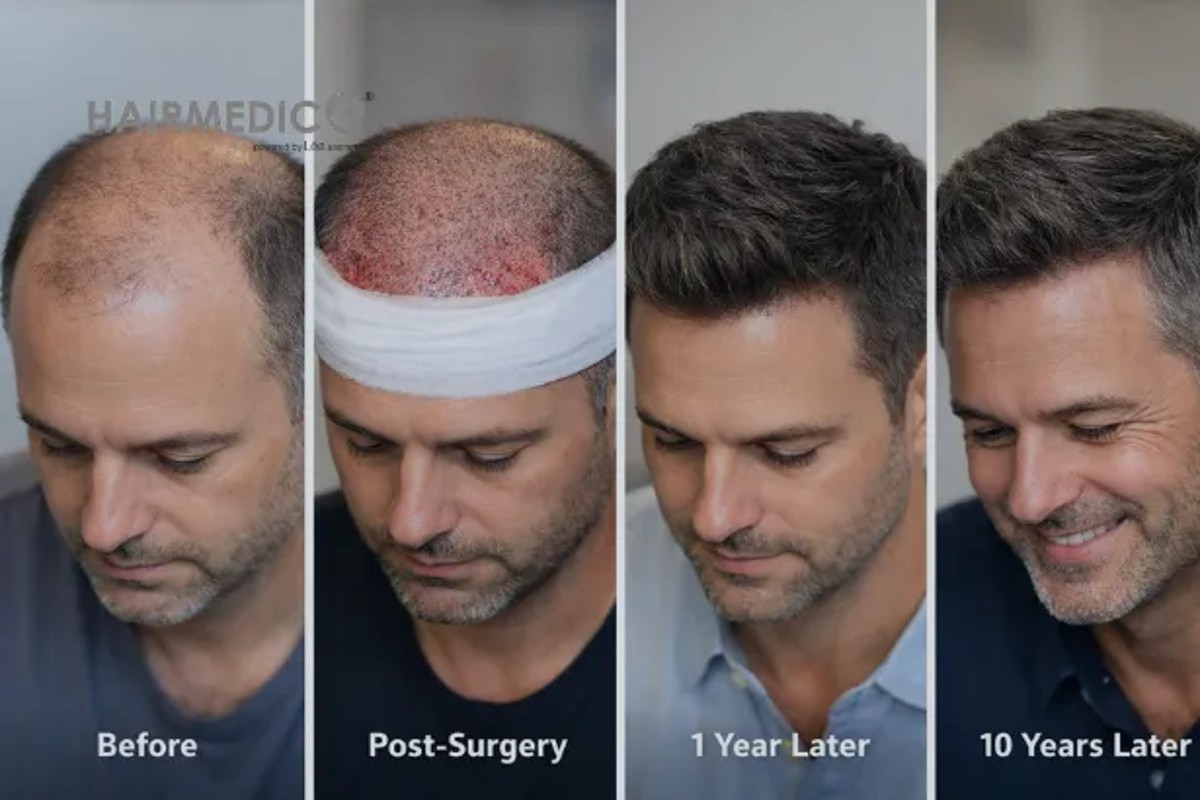
Hair transplants can last a lifetime if properly cared for. Factors such as hair type, transplant technique, and aftercare significantly influence their longevity.
Understanding how long hair transplants last is crucial for individuals considering this procedure. Misconceptions about longevity can lead to unrealistic expectations and dissatisfaction with results, impacting both financial investment and emotional well-being.
This article provides an in-depth examination of the factors affecting the lifespan of hair transplants, including different techniques, the role of hair characteristics, and essential aftercare practices.
What is the average lifespan of a hair transplant?
The average lifespan of a hair transplant is typically between 5 to 10 years, depending on various factors. This duration can vary based on individual characteristics and the quality of the procedure. While the transplanted hair follicles are generally permanent, their longevity can be affected by the patient’s overall hair health and lifestyle choices.
Several factors influence how long hair transplants last, including:
- Technique Used: The method of transplantation, such as Follicular Unit Extraction (FUE) or Follicular Unit Transplantation (FUT), can impact results. FUE tends to have a more natural appearance and may lead to longer-lasting results.
- Hair Care Practices: Proper aftercare and hair maintenance play a significant role. Regular washing, using appropriate products, and avoiding harsh treatments can help extend the lifespan of the transplant.
- Genetics: Individual genetic predispositions can affect hair loss progression. If the underlying cause of hair loss continues, the remaining natural hair may thin, impacting overall appearance.
Age and overall health also contribute to the longevity of hair transplants. Younger patients generally experience better outcomes due to healthier hair follicles. Additionally, factors like stress, hormonal changes, and nutrition can influence the health of both transplanted and existing hair.
For optimal results, ongoing care and regular consultations with a hair restoration specialist are recommended. This ensures that any changes in hair health are monitored and addressed promptly.
Expert Tip: Consider using treatments like minoxidil or finasteride post-transplant to help maintain existing hair and improve overall results. These medications can significantly enhance the longevity of the transplanted hair by addressing underlying hair loss issues.
How can I make my hair transplant last longer?
To extend the longevity of a hair transplant, adopt a diligent aftercare routine and make lifestyle adjustments. Proper maintenance can significantly impact the survival of transplanted hair follicles and overall hair health.
Follow these steps to ensure your hair transplant remains successful over the years:
- Follow Post-Operative Care Instructions: Adhere to the specific guidelines provided by your surgeon, including advice on washing your hair, avoiding strenuous activities, and using prescribed medications to minimize inflammation.
- Maintain a Healthy Diet: Consume a balanced diet rich in vitamins and minerals, particularly those known to promote hair health such as biotin, zinc, and omega-3 fatty acids. Hydration also plays a critical role in maintaining scalp health.
- Limit Heat and Chemical Treatments: Avoid excessive heat styling and harsh chemical treatments, as these can weaken hair and lead to breakage. Opt for gentle, sulfate-free shampoos and conditioners to keep hair and scalp healthy.
- Schedule Regular Follow-Up Appointments: Stay in touch with your healthcare provider for regular check-ups. These visits allow for monitoring of hair growth and prompt attention to any concerns that may arise.
- Manage Stress Levels: Chronic stress can lead to hair loss and hinder healing. Incorporate stress-reducing activities, such as yoga or meditation, into your routine to promote overall well-being.
By implementing these practices, patients can enhance the longevity of their hair transplants and maintain a fuller, healthier appearance. Regular care and attention are crucial to achieving the best possible results.
Expert Tip: Consider using supplements specifically formulated for hair health, such as those containing saw palmetto or marine collagen, after consulting with a healthcare professional. These can provide additional support to the transplanted follicles and overall hair vitality.
Are there any risks that affect how long hair transplants last?
Yes, several risks and complications can impact the longevity of hair transplants. Factors such as infection, poor graft survival, and individual health conditions play a significant role in determining how long the results will last. Understanding these risks is essential for anyone considering a hair transplant.
Infections can occur during or after the procedure, potentially leading to graft failure. If the surgical site becomes infected, it may compromise the health of the transplanted hair follicles. Additionally, a patient’s general health and lifestyle choices, such as smoking or poor nutrition, can hinder the healing process and affect hair growth. Conditions like alopecia areata or hormonal imbalances may also influence the stability of transplanted hair over time.
- Infection: Can lead to graft loss and poor healing.
- Poor Graft Survival: Not all transplanted hair follicles thrive, especially if the procedure was not performed correctly.
- Health Conditions: Chronic conditions or hormonal issues can affect hair growth and longevity.
Each of these risks can vary in severity and impact, leading to different outcomes for individual patients. While some may experience long-lasting results, others may face complications that shorten the lifespan of their transplants. Therefore, selecting a skilled surgeon and following post-operative care instructions is crucial for maximizing results.
Expert Tip: Regular follow-up consultations with a specialist can help monitor the health of transplanted hair and address any emerging issues promptly, enhancing the chances of long-term success.
What are the costs associated with hair transplants?
The cost of hair transplants typically ranges from $4,000 to $15,000, depending on various factors. This price reflects the initial procedure and does not include potential follow-up treatments or maintenance. Understanding the financial implications is essential for anyone considering this option.
Several factors influence the overall cost of hair transplants, including:
- Technique Used: Follicular Unit Extraction (FUE) and Follicular Unit Transplantation (FUT) are the two primary techniques. FUE generally costs more due to its minimally invasive nature and the time required for the procedure.
- Geographic Location: Prices can vary significantly based on the region. Urban centers often have higher costs due to increased demand and higher overhead for clinics.
- Surgeon’s Experience: Established surgeons with a proven track record may charge more for their expertise and the quality of results they provide.
- Number of Grafts: The total number of hair follicles transplanted directly affects the price. Larger areas of thinning or balding require more grafts, thus increasing the overall cost.
Additional expenses may arise from medications, follow-up visits, and any necessary hair restoration products post-surgery. Some patients may also choose to undergo multiple sessions to achieve desired results, further increasing the total expenditure.
Expert Tip: Consider consulting multiple clinics to compare prices and get a comprehensive understanding of what is included in the quoted cost. This transparency can help avoid unexpected charges during the treatment process.
How long does the hair growth process take after a transplant?
The hair growth process after a transplant typically takes between 6 to 12 months to fully manifest. Initially, transplanted hair may fall out within the first few weeks, a phase known as “shock loss.” However, new hair growth usually begins around the third month post-surgery, with significant improvements visible by the sixth month.
Several factors can influence the timeline for hair growth after a transplant. The type of hair transplant technique used—such as Follicular Unit Extraction (FUE) or Follicular Unit Transplantation (FUT)—can affect recovery and growth rates. Additionally, individual characteristics such as hair type, scalp condition, and overall health play crucial roles. For example, patients with thicker hair may notice faster growth compared to those with finer hair.
Post-operative care is another critical factor. Adhering to the surgeon’s aftercare instructions, including avoiding strenuous activities, keeping the scalp clean, and using prescribed medications, can enhance the success of the transplant and promote timely hair growth. Factors like smoking and stress levels can also hinder the growth process, making it essential to maintain a healthy lifestyle during recovery.
Expert Tip: Utilize growth-stimulating treatments, such as minoxidil or low-level laser therapy, after the initial healing phase to potentially accelerate hair growth and improve overall results.
What are the best practices for aftercare following a hair transplant?
Proper aftercare is essential for maximizing the longevity and effectiveness of a hair transplant. Following specific best practices can significantly enhance healing and promote optimal hair growth in the transplanted area. Adhering to these guidelines ensures the best possible outcome and minimizes complications.
First, avoid touching or scratching the scalp in the initial days after the procedure. This helps prevent irritation and reduces the risk of infection. Additionally, keeping the head elevated while sleeping for the first few nights can minimize swelling and promote better blood circulation to the hair follicles.
- Follow prescribed medications: Take any antibiotics or anti-inflammatory medications as directed by your surgeon to reduce the risk of infection and discomfort.
- Gentle washing: Use a mild, non-irritating shampoo to wash your hair starting a few days post-surgery. Avoid vigorous scrubbing; instead, gently pat the area to clean it.
- Avoid strenuous activities: Refrain from heavy exercise, swimming, or activities that cause excessive sweating for at least a week post-transplant to allow for proper healing.
- Sun protection: Protect the scalp from direct sunlight for at least a month by wearing a hat or using sunscreen on the scalp to prevent damage to the healing follicles.
These aftercare practices not only promote optimal healing but also play a critical role in the success of hair growth. Following the surgeon’s specific post-operative instructions is equally vital, as individual cases may require tailored care.
Expert Tip: Incorporating scalp massages a few weeks post-transplant can enhance blood flow to the follicles, potentially aiding in hair growth. However, ensure that any massaging is gentle to avoid disrupting the healing process.
Can hair transplants fail, and how does that affect longevity?
Yes, hair transplants can fail, and this significantly impacts their longevity. Factors such as poor surgical technique, inadequate post-operative care, and individual biological responses can lead to suboptimal results or complete failure of the transplant.
For example, consider a patient who undergoes a follicular unit extraction (FUE) procedure. If the surgeon does not extract the hair follicles properly or places them in a way that does not promote healthy growth, the transplanted hair may not thrive. Additionally, if the patient fails to follow post-operative instructions, such as avoiding strenuous activity or not using prescribed medications, the risk of transplant failure increases. In this scenario, the patient may experience minimal hair growth or patchy areas where the hair did not take root, leading to a shorter lifespan of the transplant results.
Moreover, individual factors such as scalp condition, existing hair loss patterns, and genetic predisposition can also influence the success of a hair transplant. For instance, patients with certain medical conditions may not respond as well to the procedure, resulting in a lower retention rate of transplanted hair. This variability emphasizes the importance of a thorough pre-operative consultation to assess eligibility and set realistic expectations regarding the longevity of the results.
In summary, while hair transplants can provide long-lasting results, various factors can contribute to their failure, directly affecting how long the results last. Proper surgical technique and patient compliance are crucial for achieving the desired outcome.
Expert Tip: Selecting a qualified and experienced surgeon is vital; their expertise can significantly mitigate the risks of failure and enhance the longevity of hair transplant results.
Factors Influencing Hair Transplant Longevity
This section examines the various elements that can significantly impact the longevity of hair transplants, emphasizing the importance of understanding these factors for optimal long-term results.

Genetics and Individual Hair Characteristics
Genetic predisposition plays a pivotal role in determining the longevity of hair transplants. Factors such as hair texture, growth rate, and density can vary widely among individuals. For instance, some people may experience faster hair thinning due to hereditary conditions like androgenetic alopecia, while others may maintain their hair for decades. The quality and characteristics of the donor hair, including its thickness and curl pattern, also influence how well the transplanted hair integrates and survives in its new location.
Type of Hair Transplant Technique Used
The technique employed during the hair transplant procedure significantly affects the outcome. The two primary methods are Follicular Unit Extraction (FUE) and Follicular Unit Transplantation (FUT). FUE involves extracting individual hair follicles, minimizing scarring and promoting quicker healing, which can lead to better hair survival rates. In contrast, FUT involves removing a strip of scalp, which may result in more visible scarring but can be more suitable for larger areas of hair loss. Each technique has distinct advantages that can influence how long do hair transplants last.
Post-Operative Care and Maintenance
Effective post-operative care is critical for the longevity of hair transplants. Patients must adhere to a specific aftercare regimen, which typically includes:
- Avoiding direct sunlight on the scalp for several weeks
- Refraining from strenuous physical activities that may cause sweating
- Using prescribed medications to minimize inflammation and promote healing
Failure to follow these guidelines can hinder the healing process and negatively affect the transplanted hair’s survival, leading to suboptimal results.
Lifestyle Factors: Diet and Stress
Lifestyle choices significantly impact hair health and the success of hair transplants. A balanced diet rich in vitamins and minerals, particularly those that promote hair growth, can enhance the quality of the hair. Nutrients like biotin, zinc, and vitamins A, C, and E are essential for maintaining healthy hair.
Additionally, chronic stress can lead to hair loss and negatively impact the transplanted hair’s longevity. Stress management techniques such as regular exercise, meditation, and adequate sleep can contribute to better hair health and overall well-being.
Many articles overlook the importance of individual variations in hair characteristics and the genetic factors that play a role in hair loss. While common knowledge suggests that hair transplants are a permanent solution, the reality is that the underlying genetic predisposition to hair loss can lead to continued thinning in non-transplanted areas. This phenomenon emphasizes the need for ongoing hair loss management strategies post-transplant.
To maximize the longevity of hair transplants, individuals should:
- Consult with a qualified dermatologist or hair transplant specialist to determine the best technique for their specific needs.
- Follow a tailored post-operative care plan diligently to promote healing and hair survival.
- Adopt a healthy lifestyle that includes a balanced diet and stress management practices to support hair health.
Common Myths About Hair Transplant Durability
This section addresses prevalent misconceptions about the durability of hair transplants, clarifying the differences between transplanted hair and existing hair, as well as addressing maintenance and suitability concerns. Understanding these myths is essential for making informed decisions about hair restoration.

Misunderstanding Transplanted vs. Existing Hair
Many individuals confuse the characteristics of transplanted hair with their existing hair. Transplanted hair is typically taken from areas of the scalp that are genetically resistant to hair loss, such as the back of the head. This hair retains its properties, meaning it is less likely to fall out over time compared to existing hair follicles that may be prone to thinning. Consequently, while the transplanted hair can last indefinitely, existing hair may continue to shed, leading to an uneven appearance if not properly managed.
The Myth of Universal Transplant Failure
A common myth is that all hair transplants fail over time. In reality, the success rate of hair transplants is quite high, with studies indicating that approximately 80-90% of transplanted follicles can thrive in their new environment. Factors such as surgeon skill, technique used (FUE vs. FUT), and post-operative care significantly influence the longevity of the results. Properly executed procedures can yield lasting results for many years.
Confusion About Maintenance Requirements
Another misconception involves the maintenance of transplanted hair. While some believe that transplanted hair requires no upkeep, this is not entirely accurate. Regular maintenance, including proper hair care, adherence to post-surgery instructions, and sometimes the use of medications like minoxidil, can enhance the durability of the results. Additionally, routine follow-ups with a healthcare provider can help monitor hair health and address any potential issues.
Beliefs About Age and Suitability for Transplants
There is a prevalent belief that age significantly impacts the suitability of hair transplants. While age can influence hair loss patterns, it does not inherently disqualify individuals from undergoing the procedure. Many factors, including overall health and the extent of hair loss, are more critical in determining candidacy. Younger patients may experience changes in hair loss patterns post-transplant, which can affect the perceived longevity of results.
Expert Insights on Hair Transplant Durability
A common oversight in discussions about hair transplant durability is the assumption that all transplanted hair will remain unaffected by future hair loss. In some cases, individuals may experience progressive hair loss in non-transplanted areas, leading to a mismatch in hair density over time. This phenomenon emphasizes the importance of a comprehensive hair loss treatment plan, which may include medications or additional procedures to maintain overall scalp aesthetics. Furthermore, the timing of the transplant in relation to the progression of hair loss is critical. Early intervention can often yield better long-term results.
Practical Applications of This Information
To maximize the benefits of a hair transplant, individuals should:
1. Consult with a qualified hair restoration specialist to assess suitability.
2. Understand the differences between transplanted and existing hair to set realistic expectations.
3. Follow prescribed post-operative care and maintenance routines diligently.
4. Consider ongoing treatment options to support existing hair and prevent future loss.
By dispelling these myths and understanding the factors influencing hair transplant durability, individuals can take informed steps towards achieving their desired results.
Comparing Hair Transplant Techniques: Which Lasts Longer?
This section analyzes the longevity of various hair transplant methods, focusing on the differences between Follicular Unit Extraction (FUE) and Follicular Unit Transplantation (FUT). Understanding these distinctions is vital for patients considering hair restoration options.

FUE vs. FUT: Differences in Durability
Follicular Unit Extraction (FUE) and Follicular Unit Transplantation (FUT) are the two primary techniques for hair transplants, each with unique characteristics affecting their longevity. FUE involves harvesting individual hair follicles directly from the scalp, which minimizes scarring and allows for a quicker recovery. In contrast, FUT involves removing a strip of skin from the donor area, which can result in a linear scar but offers a higher yield of hair follicles.
- FUE: Generally regarded for its less invasive nature and minimal scarring, FUE hair transplants typically last as long as the original hair’s lifecycle. However, the viability of transplanted follicles can depend on factors such as donor area health and postoperative care.
- FUT: This technique may provide a more robust number of grafts in a single session, potentially leading to denser results. The durability of FUT transplants often parallels that of FUE, but the recovery period can be longer due to the surgical technique involved.
Impact of Technique on Hair Growth Speed
The growth speed of transplanted hair can vary significantly between the two techniques. FUE patients may notice hair growth within three to four months post-surgery, while FUT patients often experience similar timelines. However, the initial shock loss, which can occur in both methods, may temporarily affect the perceived speed of growth.
Long-term Outcomes of Various Methods
Long-term outcomes for both FUE and FUT tend to be positive, with many patients achieving satisfactory results. A study published in the Journal of Dermatology indicated that over 90% of patients reported satisfaction with their outcomes after both procedures. The key difference lies in the aesthetic results and the degree of scarring, which can influence patient preference over time.
Patient Satisfaction and Perceived Longevity
Patient satisfaction is a critical metric when evaluating the longevity of hair transplant techniques. Surveys indicate that individuals who underwent FUE often appreciate the minimally invasive approach and the reduced visibility of scarring. In contrast, FUT patients may express satisfaction due to the density achieved in a single session. Perceived longevity can be influenced by these aesthetic outcomes and the psychological impact of hair restoration.
Common misconceptions exist regarding the longevity of hair transplants. One prevalent belief is that transplanted hair is immune to future hair loss. In reality, while transplanted follicles are usually resistant to the hormone responsible for hair loss (DHT), surrounding non-transplanted hair may still thin over time. This emphasizes the importance of ongoing hair loss management post-transplant.
Patients considering hair transplants should assess their individual needs and preferences when choosing between FUE and FUT. Consulting with a qualified hair restoration specialist can provide personalized insights and recommendations. Additionally, understanding the long-term care and maintenance required post-surgery is crucial for achieving optimal outcomes and ensuring that the results meet expectations.
Real-Life Case Studies: Success and Challenges
This section presents real-world examples of hair transplant outcomes, illustrating the longevity of results and the various factors influencing success or challenges faced by patients. These case studies provide valuable insights for prospective candidates.

Diverse Patient Experiences and Results
Patient outcomes from hair transplants can vary significantly based on individual circumstances. For instance, a 35-year-old male who underwent Follicular Unit Extraction (FUE) experienced remarkable results, with 90% of transplanted hair thriving after two years. In contrast, a 50-year-old female patient faced complications due to underlying health issues, resulting in only 50% retention of her transplanted hair. These examples highlight how genetic predispositions, age, and health conditions can affect overall outcomes.
Factors Leading to Successful Long-Term Results
Several critical factors contribute to the success of hair transplants:
- Surgeon Expertise: The skill and experience of the surgeon play a pivotal role in the quality of the procedure.
- Post-Operative Care: Adhering to post-surgery guidelines, including avoiding strenuous activities and following prescribed medications, is essential.
- Patient’s Health: Factors such as hormonal balance and overall health significantly impact hair growth and retention.
Challenges Faced by Patients and Solutions
Patients may encounter various challenges, including:
- Shock Loss: A common phenomenon where existing hair sheds temporarily after surgery. This is usually reversible.
- Infection: Although rare, infections can occur. Prompt medical intervention is necessary to address this issue.
- Unrealistic Expectations: Some patients may expect immediate full results. Educating patients about the timeline for hair growth is crucial.
Solutions to these challenges include thorough pre-operative consultations, realistic goal setting, and regular follow-ups with the surgeon.
Lessons Learned from Various Case Studies
Analysis of multiple case studies reveals several lessons:
– **Importance of Realistic Expectations:** Patients who set achievable goals and understand the healing process tend to report higher satisfaction levels.
– **Comprehensive Consultations:** Detailed discussions regarding medical history and expectations can prevent complications and improve outcomes.
– **Long-Term Commitment:** Continuous care, including lifestyle modifications and potential follow-up procedures, can enhance and maintain results.
While many articles on hair transplants focus solely on immediate outcomes, they often overlook the importance of patient education and ongoing care. For example, misconceptions abound regarding the permanence of results; factors like ongoing hair loss can impact the longevity of transplants if not managed properly. A nuanced understanding of these elements is essential for prospective patients.
To maximize the benefits of hair transplants, individuals should take proactive steps:
- Consult with experienced, board-certified surgeons to discuss options and expectations.
- Follow post-operative care instructions meticulously to promote healing and hair growth.
- Consider lifestyle changes that support hair health, such as proper nutrition and stress management.
This approach will help ensure that patients achieve the best possible outcomes from their hair transplant procedures.
Frequently Asked Questions
What is the average lifespan of a hair transplant?
The average lifespan of a hair transplant is typically 5 to 10 years, depending on individual factors such as genetics and hair care. However, transplanted hair can continue to grow for a lifetime if properly maintained.
How can I make my hair transplant last longer?
To extend the lifespan of a hair transplant, follow a healthy hair care routine, avoid excessive styling, and consider using medications like minoxidil as recommended by a healthcare professional. Regular follow-ups with your hair transplant surgeon can also help monitor progress.
Are there any risks that affect how long hair transplants last?
Yes, risks such as infection, poor blood supply, or improper aftercare can negatively impact the longevity of a hair transplant. Additionally, underlying health issues may also affect hair growth and retention.
What are the costs associated with hair transplants?
Hair transplant costs can vary widely based on factors like the technique used, the number of grafts required, and the surgeon’s expertise, typically ranging from $4,000 to $15,000. It’s essential to consider both initial costs and potential ongoing care expenses.
How long does the hair growth process take after a transplant?
The hair growth process after a transplant usually begins around three to four months post-procedure, with full results visible within 12 to 18 months. Initial shedding of transplanted hair is normal and part of the growth cycle.
What are the best practices for aftercare following a hair transplant?
Best practices for aftercare include avoiding strenuous activities for a few days, keeping the scalp clean, and following your surgeon’s specific instructions regarding hair washing and product use. Protecting the scalp from sun exposure is also crucial during the healing period.
Can hair transplants fail, and how does that affect longevity?
Hair transplants can fail due to factors like poor surgical technique or inadequate aftercare, which can lead to reduced hair growth or loss. If a transplant fails, it may necessitate additional procedures to achieve desired results.
Final Thoughts on how long do hair transplants last
The longevity of hair transplants is influenced by multiple factors, including technique, post-operative care, and individual health conditions. With proper maintenance and realistic expectations, patients can enjoy the results for many years, often a lifetime, making informed choices paramount in achieving desired outcomes.
To maximize the lifespan of a hair transplant, individuals should consult with a qualified specialist to develop a personalized aftercare plan that includes regular follow-ups and appropriate hair care products tailored to their specific needs.
Understanding the durability of hair transplants is crucial, as it directly impacts patient satisfaction and long-term investment in personal appearance and confidence.
Leave a Reply