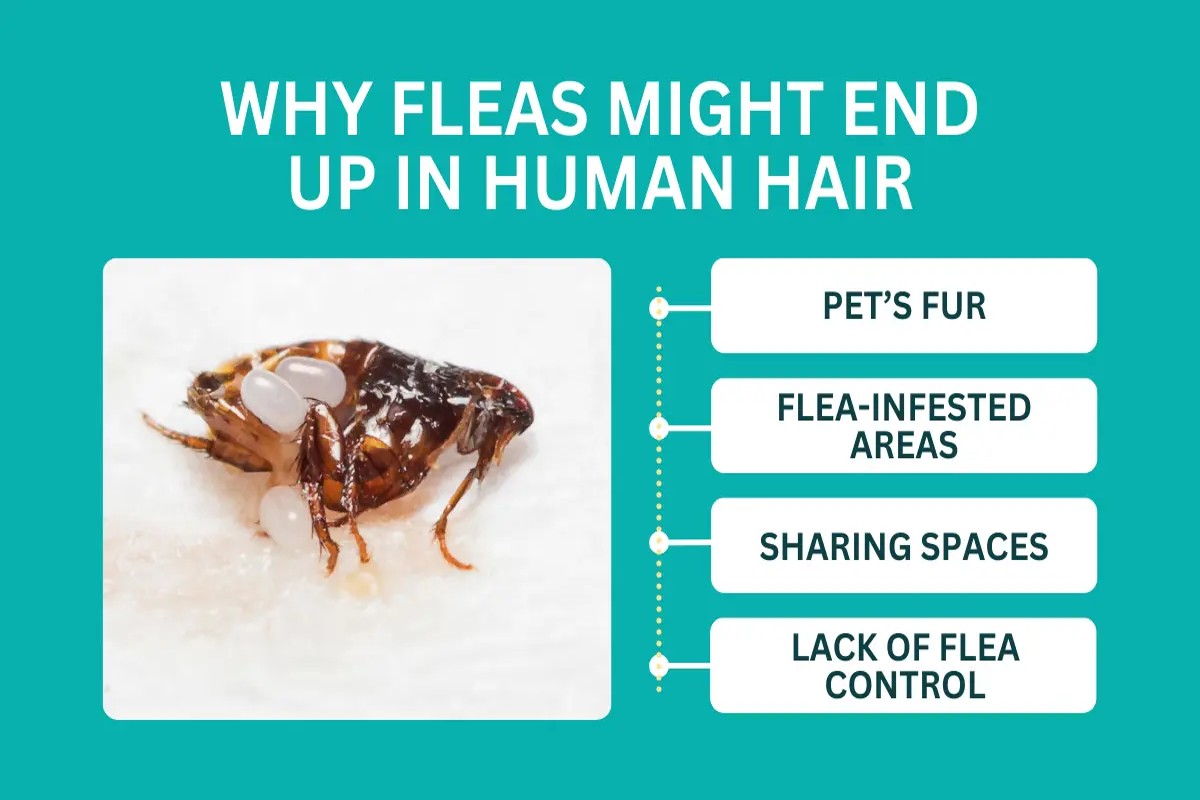
Yes, fleas can live in human hair, but they prefer animal hosts. While fleas may jump onto humans, they typically do not infest human hair like they do with pets.
This topic is crucial for pet owners and individuals concerned about potential flea infestations. Misunderstanding flea behavior can lead to ineffective treatment strategies, which may exacerbate infestations and impact both human and animal health.
This article clarifies the relationship between fleas and humans, examining their behavior, preferred hosts, and the implications of flea bites on human health. It also debunks common myths surrounding fleas in human hair.
How do fleas get into human hair?
Fleas typically do not live in human hair, but they can transfer from infested pets to humans. The most common way this occurs is through direct contact with an infested animal or their environment.
Fleas often jump onto humans when they are close to infested pets, such as dogs or cats. They are agile jumpers, capable of leaping several inches, which allows them to easily reach humans when they are in close proximity. Once on a human, fleas can crawl into hair, although they prefer fur-covered animals for nesting and feeding.
- Contact with Infested Pets: The primary method of flea transfer is through physical contact with pets. When a person pets or cuddles an infested animal, fleas may hop onto the human’s clothing or skin.
- Shared Living Spaces: Fleas can inhabit carpets, bedding, and furniture. If a person sits or lies down where an infested pet has been, fleas can jump onto them during this contact.
- Clothing Transfer: Fleas can cling to clothing, especially if a person has been in close quarters with an infested animal. They can easily transfer from clothing to human skin or hair.
Preventing flea infestations is crucial. Regularly treating pets with veterinarian-approved flea control products can significantly reduce the risk of fleas transferring to humans.
To minimize the chances of fleas getting onto humans, maintaining good hygiene and regularly vacuuming living spaces can help eliminate potential flea habitats. Regularly washing pet bedding and using flea treatments as recommended can further protect against infestations.
Can fleas survive on humans without pets?
Fleas cannot survive long-term on humans without animal hosts, as they rely on blood meals from animals to thrive. While they may land on human hair or skin, they do not typically establish themselves there. Without a suitable host, fleas will struggle to survive beyond a few days.
Fleas are obligate ectoparasites primarily adapted to feed on the blood of mammals and birds. Although they may bite humans, their preferred hosts include cats, dogs, and other fur-bearing animals. The absence of these hosts significantly limits their ability to reproduce and sustain their life cycle. Factors that affect flea survival on humans include:
- Host Availability: Fleas depend on a host for nourishment. Without pets or other animals, they lack a consistent food source.
- Environmental Conditions: Fleas thrive in warm, humid environments. If conditions are unfavorable, their survival rate decreases dramatically.
- Life Cycle Stages: Fleas go through several life stages, including egg, larva, pupa, and adult. Adult fleas require blood meals to reproduce, making it challenging for them to establish a population on humans alone.
In practice, while it is possible for fleas to bite humans temporarily, they are unlikely to remain or reproduce without access to animal hosts. This distinction is critical for effective pest control, as addressing the source of infestation—usually pets or wildlife—is essential for comprehensive flea management.
Expert Tip: Regularly treating pets with veterinarian-recommended flea prevention can significantly minimize the risk of fleas transferring to humans, as well as prevent infestations in the home environment.
What are the signs of fleas in human hair?
Fleas do not typically live in human hair, but if they infest a home with pets, they may occasionally come into contact with humans. Signs that fleas may be present in hair include itching, visible bites, and flea dirt. These symptoms can indicate that fleas have jumped onto a person from an infested environment.
Common symptoms of potential flea presence in human hair include:
- Intense Itching: Persistent itching of the scalp or behind the ears can suggest flea bites. Fleas bite to feed on blood, causing irritation.
- Red Bumps or Rash: Look for small, red, itchy bumps on the scalp or neck area. These can be a reaction to flea saliva.
- Flea Dirt: Black specks resembling pepper may be found in hair or on the scalp. This is flea feces, which is made up of digested blood.
- Increased Scratching: Frequent scratching of the head may indicate discomfort from fleas or other irritants.
- Unusual Behavior: If a person becomes increasingly agitated or uncomfortable, it could be due to flea bites or irritation.
Fleas are primarily adapted to live on animals, so while they can occasionally jump onto humans, they do not usually stay. If fleas are suspected, it is essential to treat the environment and check pets for infestations. Regular grooming and cleaning can help reduce the risk of fleas transferring to humans.
Expert Tip: Conduct regular inspections of pets and living spaces to prevent flea infestations. Utilizing flea prevention products on pets can significantly decrease the likelihood of fleas coming into contact with humans.
How long can fleas live in human hair?
Fleas can live in human hair for a maximum of 1 to 2 weeks. However, their survival is significantly influenced by environmental factors and the availability of a host to feed on.
The lifespan of fleas varies depending on their host. When on pets, such as dogs or cats, fleas can thrive for several months due to the abundance of blood meals. Conversely, human hair does not provide the same conducive environment for fleas. Humans are not the preferred hosts for fleas, which are adapted to live on animals. As a result, fleas may struggle to survive in human hair without regular feeding.
Moreover, environmental conditions play a critical role in flea survival. Fleas require warmth and humidity to thrive. In dry or cool conditions, their lifespan may decrease. Additionally, grooming behaviors in humans can dislodge fleas from hair, further limiting their time spent on human hosts.
Factors Affecting Flea Lifespan
- Host Availability: Fleas need a host to feed on regularly. Without a suitable host, their lifespan is greatly reduced.
- Environmental Conditions: Humidity and temperature affect flea survival rates. Warmer, humid conditions extend their life.
- Grooming Habits: Regular hair washing or grooming can remove fleas, impacting their potential lifespan on humans.
For effective flea control, understanding their lifecycles and preferred habitats is essential. Regular pet care, along with home treatments, can prevent fleas from becoming a problem on both pets and humans.
What is the best way to remove fleas from hair?
The most effective way to remove fleas from hair involves a combination of thorough combing, treatment with specialized products, and maintaining a clean environment. Immediate action is essential to prevent further infestation and discomfort. Follow these steps for optimal results.
- Use a fine-toothed comb: Start by using a flea comb, which has closely spaced teeth designed to catch fleas and their eggs. Section the hair and comb through meticulously, ensuring you cover the entire scalp.
- Apply a flea treatment: After combing, apply a veterinary-approved flea treatment specifically designed for humans, if available. This may include topical solutions or shampoos that eliminate fleas effectively.
- Wash hair thoroughly: Following the treatment, wash hair with a mild shampoo to remove any remaining fleas and treatment residue. Rinse thoroughly to ensure all products are washed out.
- Clean the environment: Vacuum your living space thoroughly to remove any fleas or eggs that may have fallen from your hair. Pay special attention to carpets, upholstery, and bedding.
- Monitor for re-infestation: Regularly check for signs of fleas in both hair and the environment. Consider repeating the combing and treatment process if fleas persist.
Fleas are primarily adapted to live on animals, but they can occasionally infest human hair. Proper treatment and cleanliness are key to eradicating these pests effectively.
Expert Tip: For persistent issues, consult a healthcare professional or a pest control expert. They can provide specialized treatments that are safe and effective for both humans and pets.
Are there any natural remedies for flea infestations in humans?
Yes, several natural remedies can help manage flea infestations on humans. Common approaches include the use of essential oils, diatomaceous earth, and vinegar. These methods can provide relief and reduce flea presence without relying on harsh chemicals.
Essential oils such as lavender, tea tree, and cedarwood have insect-repelling properties. To create a natural spray, mix a few drops of one or more of these oils with water in a spray bottle. Apply this solution to areas of the body where fleas are most likely to bite. This not only helps repel fleas but also leaves a pleasant scent. However, it is essential to perform a patch test first to ensure there is no skin irritation.
Diatomaceous earth (DE) is another effective natural remedy. This powdery substance is made from fossilized algae and can be sprinkled on clothing and bedding. It works by dehydrating fleas, effectively killing them. When using DE, ensure that it is food-grade and avoid inhaling the dust, as it can irritate the lungs. Additionally, vinegar can be used as a rinse after showering. Mix equal parts of water and vinegar, and apply it to the hair and skin to deter fleas due to its strong odor and acidity.
Expert Tip: Always consult with a healthcare provider before using any natural remedy, especially for sensitive skin or if there are any pre-existing health conditions. Regularly washing clothing and bedding in hot water can also significantly reduce flea populations.
How do fleas differ from lice in human hair?
Fleas and lice are both parasites that can infest humans, but they are fundamentally different in their biology and behavior. Fleas are primarily external parasites that prefer animals, while lice are specifically adapted to live on humans. Understanding these differences can help in identifying and treating infestations effectively.
One of the main distinctions is their feeding habits. Fleas feed on blood from their hosts and are agile jumpers, allowing them to move quickly between animals and humans. They can also survive for long periods without a host, making them more resilient in various environments. In contrast, lice are obligate parasites that cling closely to the hair and scalp of their human hosts. They rely on consistency in their host’s presence for survival and reproduction, laying eggs (nits) directly on hair shafts.
Another key difference lies in their physical structure. Fleas have flattened bodies that enable them to navigate through fur or feathers, while lice possess a more oval shape suited for grasping hair. Fleas also have long hind legs designed for jumping, whereas lice lack this ability and must crawl to move from one part of the body to another. The size of these parasites also varies; adult fleas are typically larger than lice, measuring about 1/16 to 1/8 inch, while adult lice are around 1/8 inch long.
- Feeding Habits: Fleas feed on blood and can live off hosts for extended periods; lice require a human host for survival.
- Mobility: Fleas can jump long distances; lice are limited to crawling.
- Body Structure: Fleas have flattened bodies and long hind legs; lice have oval bodies adapted for clinging to hair.
Effective management of fleas and lice involves understanding their specific behaviors. While fleas can cause discomfort and transmit diseases to pets and humans, lice primarily result in itching and irritation. Identifying the type of infestation is crucial for selecting appropriate treatment methods.
Expert Tip: When dealing with a lice infestation, it is essential to wash all bedding and clothing in hot water and thoroughly clean living spaces to eliminate any lingering nits or adult lice.
What are the costs associated with flea treatments for humans?
The costs associated with flea treatments for humans can range from $10 to $150 or more, depending on the method of treatment and the severity of the infestation. Treatments may include over-the-counter options, prescription medications, or professional services, each with varying expenses.
Several factors can influence the overall cost of flea treatments for humans, including:
- Type of Treatment: Over-the-counter products, such as shampoos and sprays, typically cost between $10 to $50. Prescription medications may be more expensive, ranging from $50 to $150, depending on the specific product and dosage required.
- Severity of Infestation: If fleas are present in significant numbers, multiple treatments may be necessary, increasing overall costs. Severe infestations may require professional extermination services, which can range from $100 to $300.
- Geographic Location: Prices for treatments can vary by region due to differences in market demand and service availability. Urban areas may have higher costs compared to rural settings.
- Follow-Up Treatments: Some treatments may require follow-ups or additional applications for effectiveness, adding to the total expense over time.
When considering flea treatments, it’s essential to evaluate the options based on both effectiveness and cost. Consulting a healthcare professional can provide insights into the most suitable treatment plan for individual needs.
Expert Tip: Always assess the active ingredients in flea treatments, as certain formulations may be more effective against specific types of infestations or may have potential side effects.
Understanding Flea Behavior and Habitat Preferences
This section examines the behavioral patterns of fleas and their habitat preferences, emphasizing the reasons behind their host selection and survival strategies. Understanding these dynamics is essential for effective prevention and treatment of infestations.
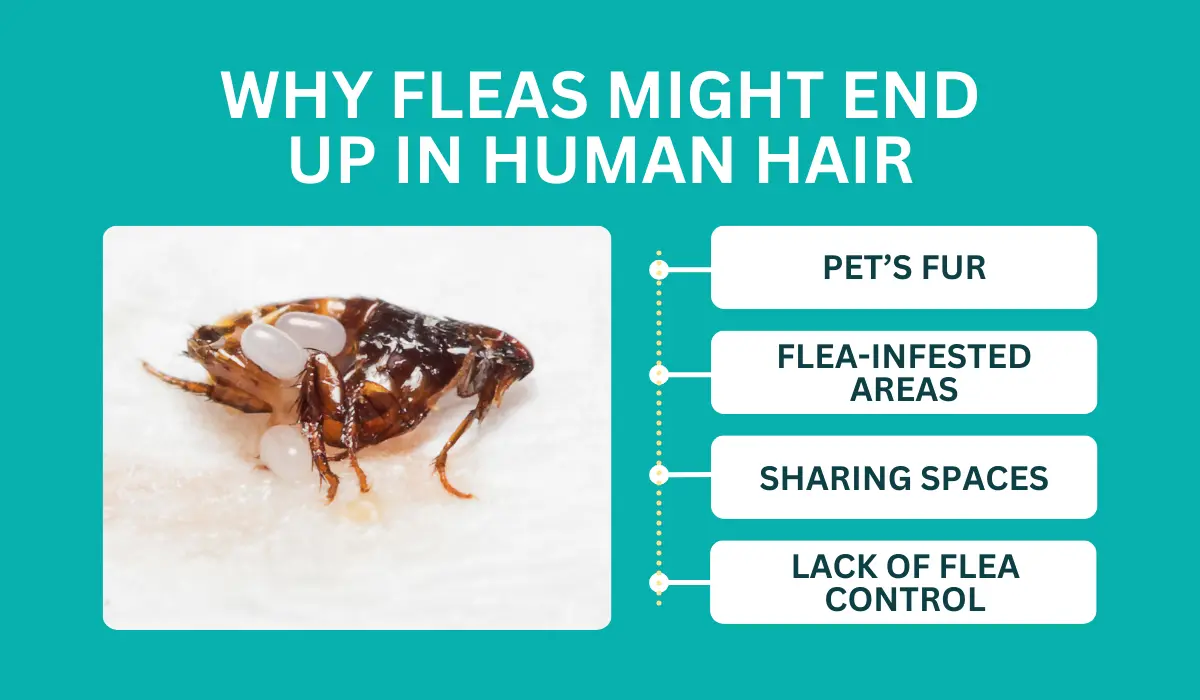
Host Preferences of Fleas
Fleas, particularly the species Ctenocephalides felis and Ctenocephalides canis, primarily prefer animal hosts, such as cats and dogs. Their preference is influenced by several factors:
- Body Temperature: Fleas are attracted to the warmth of animal bodies, which helps them regulate their own body temperature.
- Fur Coverage: The fur of mammals provides an ideal environment for fleas to hide, feed, and reproduce, making it difficult to detect and eliminate them.
- Carbon Dioxide Emission: Animals release carbon dioxide, which signals the presence of a potential host to fleas, aiding in their search for food.
The Flea Life Cycle
Understanding the flea life cycle is crucial for effective management. Fleas undergo four stages: egg, larva, pupa, and adult. The characteristics of each stage include:
- Egg: Laid on the host or in the environment, eggs are small and white, often falling into carpets or bedding.
- Larva: These are tiny, worm-like creatures that feed on organic debris, including adult flea feces, and thrive in dark, humid areas.
- Pupa: Encased in a cocoon, pupae can remain dormant until favorable conditions arise, making them resilient to treatments.
- Adult: Adult fleas emerge ready to feed on blood, seeking hosts primarily through movement and environmental cues.
Fleas and Human Hosts
While fleas can jump onto humans and may bite, their survival on human hair is limited. Human bodies lack the necessary fur coverage and warmth that fleas prefer for long-term habitation. Instead, fleas tend to quickly transfer back to more suitable hosts. The average flea can jump up to 7 inches vertically, allowing them to easily move between hosts.
Environmental Factors Influencing Flea Survival
Several environmental factors affect flea survival and infestation rates:
- Humidity: Fleas thrive in humid environments, as high moisture levels support their life cycle, especially in the larval stage.
- Temperature: Ideal temperatures for flea development range from 65°F to 80°F. Extremes can hinder their growth.
- Presence of Pets: Homes with pets provide a constant source of food and breeding grounds for fleas, increasing infestation likelihood.
Common misconceptions suggest that fleas can establish permanent colonies in human hair. This is inaccurate; while fleas may briefly land on humans, they cannot reproduce or thrive in this environment.
To prevent flea infestations, consider the following actionable steps:
- Regularly treat pets with veterinarian-approved flea control products.
- Vacuum living areas frequently, focusing on carpets and pet bedding to remove eggs and larvae.
- Maintain humidity levels below 50% in the home to disrupt the flea life cycle.
Understanding flea behavior and habitat preferences empowers individuals to implement effective prevention strategies, mitigating the risk of infestation and maintaining a healthy living environment.
Effective Prevention Strategies Against Fleas
This section outlines crucial strategies for preventing flea infestations in both pets and humans. Implementing these measures can significantly reduce the likelihood of encountering fleas in your home or on your pets.
Regular Grooming and Bathing of Pets
Regular grooming and bathing are vital in managing flea populations on pets. Bathing pets once a month with a veterinarian-recommended flea shampoo can help eliminate existing fleas and prevent new infestations. Additionally, using a fine-toothed flea comb during grooming sessions can effectively capture and remove fleas and their eggs.
Use of Flea Preventive Treatments
Utilizing flea preventive treatments is essential for maintaining a flea-free environment. Options include topical treatments, oral medications, and flea collars specifically designed for pets. These products should be applied consistently, following the manufacturer’s instructions, to ensure efficacy.
- Topical treatments: Applied directly to the pet’s skin.
- Oral medications: Administered in pill form for systemic protection.
- Flea collars: Provide continuous protection and can last several months.
Maintaining Cleanliness in Living Spaces
Keeping living areas clean plays a crucial role in flea prevention. Regular vacuuming of carpets, rugs, and upholstery removes fleas, eggs, and larvae. It is advisable to dispose of the vacuum bag immediately after use to prevent re-infestation. Washing pet bedding and blankets weekly in hot water also helps eliminate any potential flea presence.
Educating on Flea Checks After Animal Contact
Education regarding flea checks after contact with animals is vital. Individuals should perform a thorough inspection of their clothing, skin, and hair after interacting with pets known to have fleas. This proactive approach helps catch any potential flea issues early, reducing the risk of them establishing themselves on humans.
Nuanced Considerations
Several misconceptions surround flea infestations. One common myth is that fleas can live in human hair. While fleas prefer animal hosts, they may occasionally jump onto humans to feed but do not establish colonies in human hair. Understanding the differences between flea behavior on pets and humans can inform better prevention strategies. Additionally, some flea treatments may not be effective against all life stages of fleas, highlighting the importance of a comprehensive approach that targets eggs, larvae, and adults.
Practical Application
To effectively implement these strategies, pet owners should create a routine that includes:
- Bathing pets monthly with appropriate flea shampoo.
- Applying flea preventive treatments according to schedule.
- Vacuuming living spaces twice a week and washing pet bedding weekly.
- Conducting flea checks on themselves and their families after pet interactions.
By following these actionable steps, the risk of flea infestations can be significantly reduced, ensuring a healthier environment for both pets and humans.
Common Myths About Fleas and Human Infestation
This section debunks prevalent myths about fleas, particularly regarding their interaction with humans. Understanding these misconceptions is essential for effective flea management and prevention.
Myth: Fleas Can Live Permanently in Human Hair
Fleas are primarily adapted to live on animals, particularly mammals and birds. They require a host to feed on blood but do not thrive in human hair. Fleas may land on humans temporarily, especially if they are in close contact with infested pets, but they cannot establish a permanent residence in human hair or skin. Their physiology is not suited for long-term survival in human environments.
Myth: Fleas Only Come from Dirty Environments
The notion that fleas are exclusively found in dirty or unkempt spaces is misleading. Fleas can thrive in a variety of environments, including clean homes. They can hitch rides on pets, clothing, or even humans from infested areas. Regular cleaning and maintenance are essential, but even the most pristine conditions can harbor fleas if an infested animal is present.
Myth: All Fleas Are the Same
Flea species vary significantly in behavior and host preferences. The most common flea, the **cat flea** (Ctenocephalides felis), prefers cats but will readily infest dogs and humans. Other species, like the **dog flea** (Ctenocephalides canis), have similar habits. Understanding these differences is crucial for targeted flea control strategies, as some species are more likely to interact with humans than others.
Myth: Only Pets Can Carry Fleas; Humans Can Also Be Temporary Hosts
While pets are the primary carriers of fleas, humans can serve as temporary hosts. Fleas can jump onto a human from an infested pet or environment, feeding briefly before jumping off. This fleeting interaction does not lead to a permanent infestation, but it can result in bites and irritation. Awareness of this possibility is vital for individuals in close contact with infested animals.
Nuance / Expert Layer
Many articles on fleas often overlook the fact that while fleas cannot live in human hair, they can cause significant discomfort through bites. Fleas prefer to lay their eggs in areas where their primary hosts reside, such as pet bedding or carpets, rather than on humans. This behavior contributes to the misconception that humans are the primary target of infestations. Human skin and hair do not provide the necessary environment for flea reproduction, which requires specific humidity and temperature conditions that are typically found in animal fur or bedding.
Practical Application
To effectively manage potential flea infestations, consider the following actions:
- Regularly groom and treat pets with veterinarian-recommended flea control products.
- Maintain a clean environment by vacuuming carpets, upholstery, and pet areas frequently.
- Utilize flea prevention measures, such as topical treatments or oral medications, for pets.
- Monitor for signs of fleas in both pets and living spaces, and act promptly if detected.
Real-Life Experiences: Flea Infestation Cases in Humans
This section explores personal accounts and case studies related to flea infestations in humans. Understanding these experiences provides valuable insights into the realities of flea management and prevention.

Personal Accounts of Infestations
Individuals have shared various experiences regarding flea infestations. One notable case involved a family who adopted a dog from a shelter. Shortly after bringing the pet home, family members began experiencing itchy bites, leading them to discover fleas in their carpet and on their clothing. They resolved the issue by treating both the pet and the home with veterinary-approved flea medications and thorough cleaning.
Another account details a college student who unknowingly brought fleas into her apartment after visiting a friend’s home with a flea problem. The infestation escalated quickly, affecting her roommates. They tackled the issue through a combination of professional pest control services and maintaining cleanliness, ensuring the problem did not recur.
Scenarios Leading to Human Flea Infestations
- Pet Ownership: Pets, especially cats and dogs, are common carriers of fleas. Infestations often begin when infected animals enter a home.
- Environmental Factors: Fleas thrive in warm, humid conditions. Homes in such environments may experience higher infestation rates.
- Travel: Visiting places with known flea issues, such as shelters or homes with pets, increases the likelihood of bringing fleas back.
Lessons Learned from Treatment Experiences
Effective flea treatment requires a multi-faceted approach. In many cases, individuals learned the importance of simultaneous treatment of pets and living spaces. This includes using flea collars, topical treatments, and oral medications for pets, alongside vacuuming, steam cleaning carpets, and washing bedding in hot water. These actions prevent re-infestation and eliminate eggs and larvae.
Expert Opinions on Management and Prevention
Experts recommend regular flea prevention measures for pets, such as using monthly topical treatments or oral medications. Additionally, maintaining a clean living environment is crucial. Regular vacuuming and washing pet bedding can help reduce potential flea habitats. Pest control specialists suggest treating both the indoor and outdoor areas of a property, as fleas can survive in yards and gardens.
Nuanced Considerations
Contrary to common belief, fleas cannot live in human hair for extended periods, as their biological needs dictate a preference for animal hosts. However, they may temporarily latch onto humans, leading to bites. Most infestations in humans stem from indirect contact with infested pets or environments. The misconception that fleas can establish themselves in human hair can lead to unnecessary panic and mismanagement.
Practical Applications
To effectively manage and prevent flea infestations, consider the following actions:
- Implement a regular flea prevention regimen for pets.
- Maintain cleanliness in your home by vacuuming frequently and washing pet bedding.
- Seek professional pest control help if an infestation occurs.
Awareness of flea behaviors and proactive measures can significantly reduce the risk of infestations, ensuring a safer environment for both humans and pets.
Frequently Asked Questions
How do fleas get into human hair?
Fleas typically enter human hair by jumping from infested pets or environments. They are attracted to body heat and carbon dioxide, making humans a potential host.
Can fleas survive on humans without pets?
Fleas can bite humans and draw blood, but they cannot live long-term without a host like a pet. Their primary habitat is on animals, where they reproduce and thrive.
What are the signs of fleas in human hair?
Signs of fleas in human hair include intense itching, red bite marks, and small black specks resembling dirt. These specks may actually be flea feces.
How long can fleas live in human hair?
Fleas can live for a short time on humans, typically a few hours to a couple of days, depending on environmental conditions. They require a host for feeding and reproduction to survive longer.
What is the best way to remove fleas from hair?
The best method to remove fleas from hair is through thorough washing with a strong shampoo and using a fine-toothed comb to catch any remaining fleas. Additionally, treating the surrounding environment is crucial to prevent re-infestation.
Are there any natural remedies for flea infestations in humans?
Natural remedies for flea infestations include using essential oils like lavender or tea tree oil, which may repel fleas. However, these methods should be used with caution and may not be as effective as commercial treatments.
How do fleas differ from lice in human hair?
Fleas are external parasites that primarily infest animals, while lice are specific to humans and live on the scalp. Fleas can jump and are larger than lice, which crawl and are more difficult to see.
What are the costs associated with flea treatments for humans?
The costs of flea treatments for humans can vary widely, ranging from over-the-counter shampoos and treatments to professional services. Expect to pay between $10 to $50 for products, while professional extermination can exceed $100.
Final Thoughts on can fleas live in human hair
While fleas are primarily adapted to live on animals, they can occasionally be found in human hair, particularly in the presence of infested pets. Understanding flea behavior and habitat preferences is essential for effective prevention and management of infestations, debunking the myth that they cannot survive on humans.
To mitigate the risk of flea infestations, it is crucial to maintain rigorous pet care and hygiene practices, including regular veterinary check-ups and flea treatments, as well as thorough cleaning of living environments.
Addressing flea infestations promptly is vital for public health and personal comfort, given the potential for allergic reactions and the spread of disease.
Leave a Reply