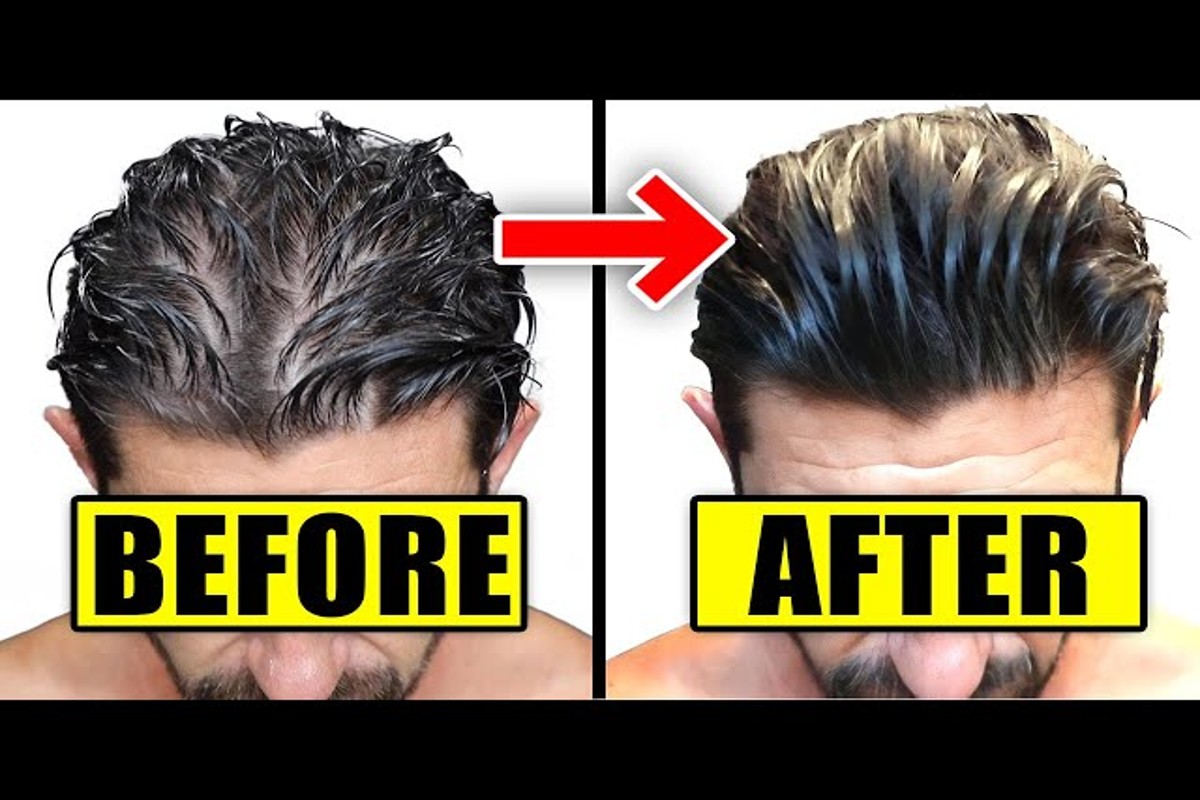
To get thicker hair, consider using volumizing shampoos, incorporating a balanced diet rich in vitamins, and minimizing heat styling. Regular scalp massages can also promote hair growth.
Understanding how to achieve thicker hair is crucial for individuals experiencing thinning or fine hair. Missteps in hair care can lead to further damage and hinder growth, making it essential to adopt effective and scientifically-backed strategies.
This article outlines proven techniques, including dietary recommendations, specific hair products, and lifestyle adjustments that contribute to thicker hair. Readers will gain actionable insights to enhance their hair health effectively.
What are the best products for thicker hair?
The best products for achieving thicker hair include specialized shampoos, conditioners, and treatments designed to enhance volume and fullness. These products often contain ingredients that strengthen hair strands and promote a healthier scalp, which can contribute to overall hair thickness. Selecting the right combination is crucial for optimal results.
When choosing hair products, consider the following:
- Volumizing Shampoos: Look for shampoos that feature ingredients like biotin, keratin, and panthenol. These components help to strengthen hair and add volume without weighing it down.
- Thickening Conditioners: Opt for conditioners formulated with proteins that can penetrate the hair shaft, such as wheat or soy protein. These conditioners help to plump up the hair strands, making them appear thicker and healthier.
- Hair Masks and Treatments: Incorporate deep conditioning masks containing natural oils like castor or coconut oil, which nourish and hydrate the hair. Regular use can improve the elasticity and overall thickness of your hair.
- Scalp Treatments: Products that stimulate the scalp, such as those containing caffeine or peppermint oil, can promote blood circulation, encouraging hair growth and improving thickness over time.
Additionally, consider using volumizing sprays or mousses when styling your hair. These products can provide immediate lift and body, contributing to a thicker appearance throughout the day.
Expert Tip: For best results, combine these products with a healthy diet rich in vitamins and minerals. Nutrients like zinc, iron, and vitamins A and E play a significant role in hair health and thickness.
How long does it take to get thicker hair?
On average, it takes about 3 to 6 months to see noticeable thickness in hair. This timeline can vary depending on several factors, including hair growth rate, genetics, and the methods used to promote thickness.
The average hair growth rate is approximately half an inch (1.25 cm) per month. Therefore, using techniques or treatments aimed at increasing hair thickness can lead to visible results within this timeframe. However, individual differences, such as hormonal balance and overall health, can significantly influence how quickly results are achieved.
Additionally, the effectiveness of hair care products and lifestyle changes can impact the speed at which hair thickens. For example, incorporating a balanced diet rich in vitamins and minerals, such as biotin, zinc, and omega-3 fatty acids, can enhance hair health and promote growth. Regular scalp massages and the use of essential oils like rosemary or peppermint may also stimulate hair follicles, potentially leading to faster results.
Factors Influencing Hair Thickness
Genetics plays a crucial role in determining hair thickness. Some individuals may naturally have finer hair, while others may have coarser strands. Additionally, age-related changes can affect hair density. As people age, hair follicles can shrink, leading to thinner hair. Other factors, such as stress, hormonal changes, and certain medical conditions, can also impede hair growth and thickness.
Consistency is key when implementing any hair-thickening regimen. Regularly using recommended treatments and maintaining a healthy lifestyle will provide the best chance for achieving thicker hair over time.
Expert Tip: Consider consulting a dermatologist or trichologist for personalized recommendations based on your hair type and any underlying issues. Tailored treatments can significantly improve the effectiveness of your efforts to achieve thicker hair.
Can diet affect hair thickness?
Yes, diet can significantly impact hair thickness. The hair growth cycle relies on essential nutrients, and deficiencies can lead to thinning hair. A balanced diet rich in specific vitamins and minerals promotes healthier, thicker hair.
- Protein intake: Hair is primarily made of a protein called keratin. Consuming adequate protein from sources like lean meats, fish, eggs, and legumes supports hair structure and growth.
- Iron and zinc: These minerals are crucial for hair health. Iron helps deliver oxygen to hair follicles, while zinc aids in tissue growth and repair. Foods like spinach, lentils, and shellfish can enhance iron and zinc levels.
- Omega-3 fatty acids: Found in fatty fish, flaxseeds, and walnuts, omega-3s nourish hair follicles and promote scalp health. Regular consumption can help create a fuller appearance.
- Vitamins A and C: Vitamin A promotes sebum production, which keeps the scalp moisturized, while vitamin C aids in collagen production—both vital for maintaining thick hair. Incorporate carrots, sweet potatoes, and citrus fruits into your diet.
- B vitamins: Biotin (B7) and other B vitamins are essential for hair growth. They can be found in whole grains, nuts, and eggs, helping to strengthen hair strands and prevent breakage.
Maintaining a well-rounded diet not only supports hair health but also contributes to overall well-being. Regularly including these nutrients can lead to noticeable improvements in hair thickness over time.
Expert tip: Consider consulting with a healthcare provider or a registered dietitian for personalized dietary recommendations, especially if experiencing significant hair thinning. They can help identify any deficiencies and suggest targeted dietary changes or supplements that may be beneficial.
Is it possible to get thicker hair naturally?
Yes, it is possible to achieve thicker hair through natural methods. These approaches often focus on lifestyle changes, dietary adjustments, and home remedies that promote hair health and growth. While results can vary, many individuals find success with consistent application of these strategies.
Natural methods for enhancing hair thickness generally involve both external treatments and internal health improvements. Some effective practices include:
- Dietary Enhancements: Consuming a balanced diet rich in vitamins and minerals, particularly those known for promoting hair health, like biotin, zinc, and omega-3 fatty acids, can lead to thicker hair over time.
- Scalp Care: Regularly massaging the scalp can stimulate blood circulation, which may encourage hair follicle activity and, consequently, thicker hair growth.
- Herbal Remedies: Using natural oils, such as castor oil or coconut oil, can nourish the hair and scalp. Herbal rinses, like those made from rosemary or nettle, are also thought to support hair thickness.
Additionally, reducing stress through techniques like yoga or meditation can improve overall health, which may indirectly benefit hair thickness. Avoiding harsh chemicals and heat treatments is equally important, as these can weaken hair strands and lead to thinning over time. Ensuring adequate hydration and sleep also plays a crucial role in maintaining hair vitality.
Expert Tip: Regularly incorporating a protein-rich supplement, such as collagen or keratin, can significantly enhance hair structure and thickness, particularly for those with dietary restrictions affecting protein intake.
What common mistakes should I avoid for thicker hair?
Common mistakes that hinder hair thickness include excessive heat styling, neglecting scalp health, and using the wrong hair products. These errors can lead to damage, breakage, and overall thinning of hair. Avoiding these pitfalls is essential for promoting thicker, healthier hair growth.
Excessive heat styling is one of the primary mistakes made in hair care. Frequent use of blow dryers, straighteners, and curling irons can weaken hair strands, leading to split ends and breakage. Instead, opt for heat-free styling methods or use heat protectant products to minimize damage. Neglecting scalp health is another critical oversight. A healthy scalp promotes hair growth, and failure to maintain it can result in issues like dandruff or inflammation, which directly affects hair thickness.
- Excessive Heat Styling: Frequent use of styling tools can weaken hair and cause breakage.
- Neglecting Scalp Health: An unhealthy scalp can impede hair growth and thickness.
- Using Incorrect Products: Products not suited for your hair type can lead to buildup and damage.
Using the wrong hair products can also significantly impact hair thickness. Many individuals choose products based on marketing claims rather than their specific hair type or needs. For instance, heavy products may weigh down fine hair, preventing it from achieving volume. Selecting lightweight formulations designed to enhance thickness and promote scalp health is crucial for optimal results.
To foster thicker hair, prioritize a balanced hair care regimen that includes gentle cleansing, nourishing treatments, and protective styling. Consider incorporating scalp massages to stimulate blood circulation and promote growth.
Expert Tip: Regularly assess your hair care products and routines to ensure they align with your hair type and goals. Transitioning to sulfate-free shampoos and nourishing oils can significantly enhance hair health and thickness over time.
How does stress affect hair thickness?
Stress can lead to hair thinning and loss, negatively impacting hair thickness. Elevated stress levels trigger hormonal changes, particularly an increase in cortisol, which can disrupt the hair growth cycle and lead to hair shedding.
For example, consider an individual experiencing a high-stress work environment. Over months, this constant stress can push hair follicles into a resting phase, known as telogen effluvium, resulting in noticeable hair thinning. In this scenario, the person may observe more hair on their pillow or in the shower drain, indicating that their hair growth has been adversely affected.
Furthermore, chronic stress can exacerbate underlying conditions, such as alopecia areata, leading to patchy hair loss. Managing stress through techniques like mindfulness, exercise, or therapy can help mitigate these effects. By reducing stress, individuals may improve their overall hair health, allowing for thicker hair growth over time.
Incorporating stress management practices into daily routines not only benefits mental health but also supports healthier hair growth, making it a key component in achieving thicker hair.
What treatments are available for thinning hair?
Several treatments are available for thinning hair, ranging from topical solutions to surgical options. Prices can vary significantly, typically ranging from $20 for over-the-counter products to several thousand dollars for surgical procedures. The effectiveness of these treatments can also differ based on individual factors and the underlying cause of hair thinning.
Topical treatments like minoxidil, available over-the-counter, usually cost between $20 to $60 per month. These products stimulate hair follicles and are often the first line of defense against thinning hair. Prescription medications, such as finasteride, can range from $30 to $100 per month. These medications work by blocking hormones that contribute to hair loss. For those seeking more immediate results, low-level laser therapy devices cost around $200 to $800 and can be used at home or in clinical settings.
For individuals looking for permanent solutions, hair transplant surgery is an option. The cost for this procedure typically ranges from $4,000 to $15,000, depending on the extent of hair loss and the technique used. Factors affecting the overall cost of thinning hair treatments include:
- Type of treatment (topical, oral, surgical)
- Brand and formulation of products
- Location of treatment (urban vs. rural) and provider expertise
- Frequency and duration of treatment (for ongoing therapies)
When considering treatments for thinning hair, it is crucial to consult a healthcare professional to determine the most appropriate option based on individual circumstances. They can assess the cause of hair loss and recommend an effective treatment plan tailored to specific needs.
Expert Tip: Combining treatments, such as using minoxidil alongside a healthy diet rich in vitamins and minerals, can enhance results. Adopting a holistic approach often yields better outcomes in promoting thicker hair.
Understanding Hair Structure: The Science Behind Thickness
This section explores the biological aspects of hair and the factors contributing to its thickness. A comprehensive understanding of hair anatomy and growth cycles is essential for those seeking to enhance their hair’s thickness.

Overview of Hair Anatomy and Growth Cycles
Hair is composed of a protein called keratin and consists of three main layers: the cuticle, cortex, and medulla. The cuticle is the outermost layer, providing protection; the cortex contains melanin and contributes to hair’s strength and structure; while the medulla, present in some hair types, is a central core that may affect hair thickness. Each hair follicle undergoes a growth cycle consisting of three phases: anagen (growth), catagen (transition), and telogen (resting). The duration of these phases influences overall hair density and thickness.
Factors Influencing Hair Diameter and Density
- Diameter: The thickness of individual hair strands is determined by the size of the hair follicle. Larger follicles produce thicker hair, while smaller follicles yield finer hair.
- Density: This refers to the number of hair follicles on the scalp. A higher density results in a fuller appearance, while a lower density can lead to a sparser look.
- Health of Hair Follicles: Healthy, well-nourished follicles can produce thicker hair. Factors such as nutrition, blood flow, and hormonal balance play critical roles in follicle health.
The Role of Genetics in Hair Thickness
Genetics serves as a primary determinant of hair thickness. Specific genes influence the size of hair follicles, their density, and the overall growth pattern. For example, individuals with a family history of thick hair may inherit similar traits, while those with a predisposition to fine hair may experience less density and diameter. Genetic variations also affect the hair growth cycle, further contributing to differences in thickness among individuals.
How Environmental Factors Affect Hair Structure
Environmental factors significantly influence hair thickness. Exposure to harsh weather conditions, pollution, and UV radiation can weaken hair and diminish its thickness. Chemical treatments, such as coloring or perming, can also alter hair structure, leading to breakage and thinning. Additionally, lifestyle choices, such as diet and stress levels, directly impact hair health. A balanced diet rich in vitamins and minerals, particularly biotin, zinc, and omega-3 fatty acids, supports hair thickness.
Common misconceptions often arise regarding hair thickness. Many believe that hair can be permanently thickened through topical products alone; however, while some products can enhance the appearance of thickness temporarily, they do not alter the actual structure of hair. Additionally, frequent haircuts do not change hair thickness; rather, they may improve the overall appearance by removing split ends.
To effectively increase hair thickness, consider the following actionable steps:
- Maintain a balanced diet rich in essential nutrients.
- Minimize exposure to harsh environmental factors and use protective hairstyles.
- Incorporate scalp massages to enhance blood circulation and stimulate follicle health.
- Limit the use of chemical treatments and heat styling tools.
Understanding these biological and environmental factors equips individuals with the knowledge to make informed decisions about their hair care routines, ultimately answering the question of how do you get thicker hair effectively.
Lifestyle Changes for Optimal Hair Growth
This section explores essential lifestyle adjustments that can effectively promote hair thickness and overall health. By addressing hydration, sleep, stress management, exercise, and harmful habits, individuals can create a conducive environment for optimal hair growth.

Hydration: The Foundation of Hair Health
Proper hydration is crucial for maintaining hair health. Hair is composed of approximately 25% water, and inadequate fluid intake can lead to dryness and brittleness. Staying well-hydrated supports the overall metabolic processes that contribute to hair growth. It is recommended to consume at least 8 glasses (64 ounces) of water daily, adjusting for physical activity and climate conditions.
Sleep and Stress Management
Sufficient sleep plays a vital role in hair growth. During sleep, the body undergoes repair processes, including those that affect hair follicles. Aim for 7-9 hours of quality sleep each night. Additionally, chronic stress can lead to hair loss through a condition known as telogen effluvium, where hair follicles enter a resting phase prematurely. Implementing stress management techniques such as meditation, yoga, or deep-breathing exercises can mitigate these effects.
Exercise and Circulation
Regular physical activity enhances blood circulation, which is essential for delivering nutrients and oxygen to hair follicles. Aim for at least 150 minutes of moderate aerobic exercise each week, combined with strength training at least twice a week. Activities such as jogging, cycling, or swimming not only improve cardiovascular health but also promote a healthy scalp environment for hair growth.
Avoiding Harmful Habits
Certain habits can detrimentally impact hair thickness. Avoid the following:
- Excessive heat styling: Frequent use of hot tools can lead to damage and breakage.
- Poor nutrition: A diet lacking in essential nutrients, particularly proteins and vitamins A, C, D, and E, can negatively affect hair health.
- Smoking: Tobacco use has been linked to reduced blood flow, which can impede hair growth.
Nuanced Considerations for Hair Health
While the aforementioned lifestyle changes are effective for many, individual responses may vary. Genetics, hormonal imbalances, and underlying medical conditions can influence hair thickness and growth. For instance, conditions like polycystic ovary syndrome (PCOS) can lead to thinning hair in women. Furthermore, some individuals may experience temporary hair loss during significant lifestyle changes, such as starting a new exercise regimen. Consulting a healthcare professional can provide tailored strategies based on personal health profiles.
Practical Steps for Thicker Hair
To implement these lifestyle changes effectively:
- Increase daily water intake to maintain hydration.
- Establish a regular sleep schedule to ensure adequate rest.
- Incorporate a balanced diet rich in vitamins and minerals.
- Engage in regular physical exercise to boost circulation.
- Eliminate damaging habits, such as excessive heat styling and smoking.
Advanced Hair Care Techniques for Thicker Hair
This section delves into specialized techniques for enhancing hair thickness, emphasizing the significance of scalp health, effective hair treatments, and appropriate styling methods. Implementing these strategies can lead to visibly thicker hair over time.

Scalp Care: Techniques for Promoting a Healthy Scalp
A healthy scalp is foundational for thicker hair. Regular scalp care can stimulate hair follicles and promote growth. Consider these techniques:
- Exfoliation: Use a gentle scrub or a scalp exfoliating treatment once a month to remove dead skin cells and product buildup, which can block hair follicles.
- Massage: Regularly massaging the scalp for 5-10 minutes daily increases blood circulation, delivering essential nutrients to hair follicles.
- Essential Oils: Incorporate essential oils like rosemary or peppermint into your scalp routine. These oils can promote hair growth and improve scalp health when diluted with a carrier oil.
The Benefits of Hair Masks and Oils for Thickness
Hair masks and oils provide deep nourishment, enhancing hair’s overall texture and thickness. Here are some effective options:
- Protein Masks: Masks containing keratin or silk proteins can strengthen hair strands, reducing breakage and giving the appearance of thicker hair.
- Natural Oils: Oils like castor, argan, and coconut can penetrate the hair shaft, providing moisture and reducing frizz. Regular application can lead to healthier, thicker-looking hair.
- Moisture Masks: Using hydrating masks with ingredients like aloe vera or honey can restore moisture balance, improving hair texture and fullness.
Styling Techniques That Create the Illusion of Thicker Hair
Styling can significantly impact the perceived thickness of hair. Employ these techniques to achieve a fuller look:
- Layering: Adding layers can create movement and volume, making hair appear thicker.
- Blow-Drying Upside Down: This technique lifts hair at the roots, enhancing volume and thickness.
- Use of Volumizing Products: Mousse and volumizing sprays can add body to hair without weighing it down.
Understanding the Right Tools and Products to Use
Selecting appropriate tools and products is crucial for maintaining hair thickness. Consider the following:
- Wide-Tooth Combs: These minimize breakage during detangling, preserving hair integrity.
- Heat Protectants: Always apply heat protectants before using styling tools to prevent damage that can lead to thinning.
- Shampoos and Conditioners: Look for products labeled as volumizing or thickening, which often contain ingredients designed to plump the hair shaft.
Beyond basic techniques, many misconceptions persist about achieving thicker hair. One common myth is that frequent haircuts lead to thicker hair. While trimming split ends promotes healthier hair, hair thickness is primarily determined by genetics and health. Additionally, excessive washing can strip natural oils, negatively affecting thickness. Tailoring hair care routines to individual hair types and concerns increases the probability of achieving desired thickness.
To effectively implement these advanced hair care techniques, establish a consistent routine. Begin with a weekly scalp exfoliation, followed by a nourishing hair mask. Incorporate daily scalp massages and utilize volumizing styling products during your hair care regimen. Choose the right tools, and remember to protect your hair from heat damage. Following these steps will enhance hair thickness and overall health over time.
Comparing Natural Remedies vs. Commercial Products
This section evaluates the effectiveness of natural remedies alongside commercial products for achieving thicker hair, offering insights that can guide informed choices.
Overview of Popular Natural Remedies and Their Efficacy
Natural remedies for thicker hair often utilize ingredients that nourish the scalp and strengthen hair follicles. Common remedies include:
- Castor Oil: Rich in ricinoleic acid, castor oil is believed to increase circulation to the scalp, promoting hair growth.
- Aloe Vera: Known for its soothing properties, aloe vera can reduce inflammation and provide essential nutrients to the hair.
- Coconut Oil: Its ability to penetrate hair shafts helps reduce protein loss, enhancing overall hair strength.
Numerous studies support the use of these natural ingredients, though results can vary based on individual hair types and conditions.
Analysis of Commercial Products: What to Look For
Commercial products designed to promote thicker hair often contain specific active ingredients. Key components to consider when evaluating these products include:
- Minoxidil: This FDA-approved topical treatment is clinically proven to stimulate hair growth.
- Biotin: A B-vitamin that supports keratin production, biotin is frequently included in hair growth supplements.
- Peptides: These small proteins can strengthen hair follicles and improve overall hair density.
When selecting commercial products, scrutinize ingredient lists and look for formulations backed by scientific research.
Pros and Cons of Each Approach
Both natural remedies and commercial products have their advantages and disadvantages:
Natural Remedies:
- Pros: Generally safe, cost-effective, and free from harsh chemicals.
- Cons: Results may take longer to appear; effectiveness can vary widely among individuals.
Commercial Products:
- Pros: Often backed by clinical research, faster results, and targeted formulations.
- Cons: Can be more expensive and may contain synthetic chemicals that some individuals prefer to avoid.
Real-World Testimonials and Case Studies
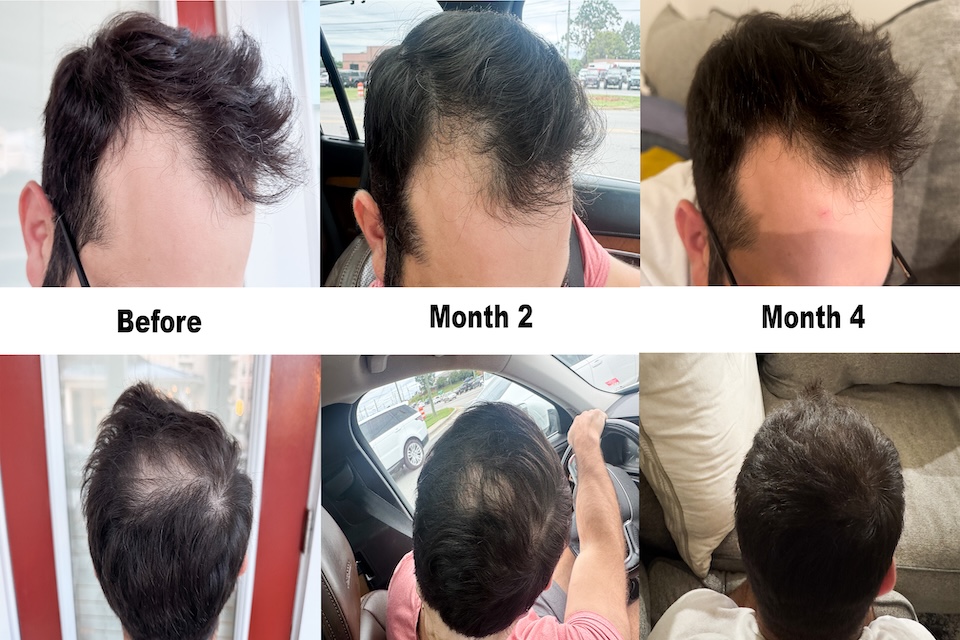
Analysis of user testimonials reveals varied experiences with both approaches. For instance, a survey of individuals using natural remedies indicated that approximately 60% reported positive changes in hair thickness after three months. Conversely, users of commercial products like minoxidil noted faster results, with 70% observing noticeable changes within six weeks.
Nuance / Expert Layer
While many believe that natural remedies are universally safe, some individuals may experience allergic reactions to ingredients like essential oils or herbal extracts. Additionally, the misconception that all commercial products contain harmful chemicals can deter users from effective solutions. It is essential to differentiate between products that contain beneficial synthetic ingredients and those laden with harmful additives. Consulting with a dermatologist can help identify the safest and most effective options tailored to individual hair types.
Practical Application
To leverage the insights from this section, consider the following steps:
- Assess your hair type and specific needs.
- Research natural remedies and their applications to determine what may work for you.
- If opting for commercial products, prioritize those with clinically proven ingredients like minoxidil or biotin.
- Track your progress over several weeks to evaluate effectiveness.
By balancing both approaches, individuals can create a personalized strategy to achieve thicker hair.
Frequently Asked Questions
What are the best products for thicker hair?
Products containing biotin, keratin, and volumizing agents are effective for promoting thicker hair. Look for shampoos, conditioners, and treatments specifically designed to enhance hair volume and strength.
How long does it take to get thicker hair?
It typically takes several months to notice a significant increase in hair thickness, as hair grows at an average rate of half an inch per month. Consistent use of hair care products and treatments can help accelerate this process.
Can diet affect hair thickness?
Yes, a balanced diet rich in vitamins, minerals, and proteins is crucial for healthy hair growth. Nutrients like omega-3 fatty acids, zinc, and vitamins A, C, and E support hair thickness and overall health.
Is it possible to get thicker hair naturally?
Natural methods such as regular scalp massages, essential oils, and a nutrient-rich diet can promote thicker hair. Additionally, avoiding harsh chemicals and heat styling can help maintain hair health.
What common mistakes should I avoid for thicker hair?
Avoid excessive heat styling, harsh chemical treatments, and infrequent haircuts, as these can lead to damage and breakage. Additionally, neglecting to hydrate and nourish the hair can hinder thickness.
How does stress affect hair thickness?
Chronic stress can lead to hair thinning and loss by disrupting the hair growth cycle. Managing stress through relaxation techniques can help maintain hair thickness and overall health.
What treatments are available for thinning hair?
Common treatments for thinning hair include topical minoxidil, prescription medications like finasteride, and laser therapy. Hair transplant surgery is also an option for more severe cases of hair loss.
Final Thoughts on how do you get thicker hair
Achieving thicker hair requires a multifaceted approach that combines understanding the biology of hair, implementing lifestyle changes, and utilizing advanced hair care techniques. By prioritizing nutrient-rich diets, selecting appropriate products, and adopting healthy habits, individuals can significantly influence their hair’s thickness and overall vitality.
To make immediate progress, consider incorporating biotin and omega-3 fatty acids into your diet, as these nutrients are essential for promoting hair health and thickness. Regularly assess your hair care routine to ensure it’s aligned with your goals.
Investing in your hair’s thickness is not just about aesthetics; it reflects your overall health and well-being, making it a vital aspect of personal care.
Leave a Reply