Why is my dog losing hair? Dogs can lose hair due to various reasons including allergies, parasites, hormonal imbalances, or skin infections. Identifying the cause is crucial for effective treatment.
Understanding the reasons behind hair loss in dogs is essential for pet owners, veterinarians, and anyone involved in canine care. Misdiagnosing the issue can lead to worsening conditions, unnecessary treatments, or prolonged discomfort for the dog.
This article explains the primary causes of hair loss in dogs, including common allergens, types of parasites, hormonal issues, and skin infections, along with effective solutions for each condition.
What are the common causes of dog hair loss?
Hair loss in dogs can result from various factors, including medical conditions, environmental influences, and grooming practices. Understanding these causes is essential for effective treatment. Common contributors include allergies, infections, hormonal imbalances, and stress.
Medical conditions are often the primary culprits behind canine hair loss. Allergies to food, fleas, or environmental elements can lead to itching and subsequent hair loss. Infections, whether bacterial or fungal, may also cause localized or widespread shedding. Hormonal issues, such as hypothyroidism or Cushing’s disease, disrupt normal hair growth cycles, resulting in thinning fur.
Environmental factors can exacerbate or contribute to hair loss. Stress and anxiety may lead to behavioral issues like excessive licking or chewing, which directly affect a dog’s coat. Seasonal changes can also play a role; many dogs shed more in spring and fall due to changes in daylight and temperature. Additionally, improper grooming techniques, such as infrequent brushing or using the wrong tools, can lead to matting and hair loss.
Types of Hair Loss
- Alopecia Areata: A condition that causes patchy hair loss due to an autoimmune response.
- Telogen Effluvium: Temporary shedding often triggered by stress or illness.
- Pattern Baldness: Genetic predisposition leading to specific areas of hair loss, commonly seen in certain breeds.
Regular veterinary check-ups are vital for early detection of underlying health issues. Monitoring changes in your dog’s behavior or coat condition can provide crucial insights into their health and well-being.
How can I stop my dog from losing hair?
To stop a dog from losing hair, it is essential to identify the underlying cause and implement appropriate treatments. Effective management often involves a combination of veterinary consultation, dietary adjustments, and grooming practices. Addressing the root issue is key to preventing further hair loss.
Begin by scheduling a visit to a veterinarian to ensure there are no medical conditions, such as allergies, infections, or hormonal imbalances, contributing to the hair loss. A thorough examination might include skin scraping, allergy testing, or blood tests to diagnose any health issues accurately. Following the diagnosis, the vet can recommend specific treatments, such as medications or topical treatments, tailored to your dog’s needs.
- Adjust the Diet: Ensure your dog is on a balanced diet rich in essential fatty acids, vitamins, and minerals. Supplements like omega-3 fatty acids can enhance skin health and reduce shedding.
- Maintain Regular Grooming: Regular brushing helps remove loose hair and distributes natural oils. This practice can also help identify skin issues early.
- Manage Allergies: If allergies are suspected, consider hypoallergenic dog food or consult your vet for allergy testing. Minimizing exposure to allergens can significantly reduce hair loss.
- Control Parasites: Implement a flea and tick prevention program. Parasites can cause severe itching and hair loss, so regular treatments are essential.
- Keep Stress Levels Low: Stress can lead to hair loss in dogs. Provide a stable environment, regular exercise, and mental stimulation to help reduce anxiety.
Monitoring your dog’s overall health and environment is crucial. Any sudden changes in behavior or condition should prompt a veterinary consultation.
Expert Tip: Regularly check your dog’s skin for signs of irritation or infection, as early detection can lead to more effective treatment and prevent extensive hair loss.
Is dog hair loss a sign of a serious illness?
Dog hair loss can indicate both benign and serious health issues. While some causes are relatively harmless, others may require immediate veterinary attention. Owners should assess the accompanying symptoms and the extent of the hair loss to determine the severity of the condition.
Benign causes of hair loss often include seasonal shedding, allergies, or localized infections. Seasonal shedding typically occurs in spring and fall, resulting in temporary hair loss. Allergies, whether environmental or food-related, can lead to itching and subsequent hair loss due to excessive scratching. Localized infections, such as ringworm, may also cause patches of hair loss but are generally treatable. In these cases, the dog may exhibit no other significant health issues.
Conversely, serious health issues that can lead to hair loss include hormonal imbalances, autoimmune disorders, and certain infections. Conditions such as hypothyroidism or Cushing’s disease can disrupt normal hair growth cycles, causing significant hair thinning or loss. Autoimmune disorders, where the body attacks its own hair follicles, may lead to widespread hair loss and require long-term management. Additionally, systemic infections like mange can lead to severe hair loss accompanied by other symptoms such as skin lesions and itching. These cases necessitate prompt veterinary intervention.
- Benign Causes: Seasonal shedding, allergies, localized infections.
- Serious Causes: Hormonal imbalances, autoimmune disorders, systemic infections.
Expert Tip: Regularly monitor your dog’s skin and coat health. Early detection of changes or abnormalities can significantly improve outcomes, particularly for serious conditions.
What are the costs associated with treating dog hair loss?
The costs associated with treating dog hair loss can range from $100 to over $1,000, depending on the underlying cause and the required treatment. Initial veterinary visits typically cost between $50 and $150, while additional diagnostics and treatments can significantly increase expenses.
Several factors influence the overall cost of diagnosing and treating hair loss in dogs:
- Veterinary Visits: Initial consultations can vary widely based on location and the veterinarian’s experience.
- Diagnostic Tests: Blood tests, skin scrapings, and allergy tests can range from $100 to $500, depending on the complexity.
- Treatments: Medications, topical treatments, or special diets can add between $20 and $200 per month.
- Follow-up Care: Ongoing treatments or additional vet visits may be necessary, leading to cumulative costs.
- Underlying Conditions: If hair loss is due to a more serious health issue, such as hormonal imbalances or infections, treatment costs can escalate significantly.
Moreover, some pet owners may choose holistic or alternative treatments, which can vary in price and effectiveness. The total expenditure will depend on the severity of the condition and the recommended treatment plan by the veterinarian.
Expert Tip: Pet owners should inquire about payment plans or insurance options to manage unexpected veterinary costs effectively. Regular check-ups can also help identify underlying issues before they become costly problems.
How long does it take for a dog’s hair to grow back?
The time it takes for a dog’s hair to grow back can vary significantly, typically ranging from a few weeks to several months. Factors such as the underlying cause of hair loss, the dog’s age, breed, and overall health play a crucial role in the regrowth timeline.
Hair regrowth generally follows a predictable cycle. For most dogs, the hair follicles enter a resting phase before regrowth occurs. If the hair loss is due to a temporary condition, such as an allergic reaction or minor skin irritation, hair may start to grow back within 2 to 6 weeks after the issue is resolved. Conversely, if hair loss is related to more severe problems like hormonal imbalances, autoimmune diseases, or infections, regrowth can take several months and may require ongoing treatment.
Breed differences also affect hair regrowth. Breeds with a double coat, such as Huskies or German Shepherds, may experience more prolonged regrowth periods due to the complexity of their coat structure. Additionally, older dogs may have slower hair regrowth compared to younger dogs due to decreased cellular regeneration. Environmental factors, such as nutrition and stress levels, can further influence the speed of hair regrowth.
Expert Tip: Regular veterinary check-ups and a balanced diet rich in essential fatty acids can promote healthier coat regrowth. If hair loss persists beyond the expected timeframe, consult a veterinarian to rule out underlying health issues.
What is the best dog food to prevent hair loss?
High-quality dog food that contains specific nutrients can significantly improve coat health and help prevent hair loss. Diets rich in omega-3 and omega-6 fatty acids, proteins, and vitamins are particularly beneficial for maintaining a healthy coat. Consider foods that are formulated to support skin and coat health.
Choosing the right dog food involves understanding the nutritional needs of your pet. Look for dog foods that list high-quality animal proteins as the primary ingredient. Proteins are essential for hair growth and overall health. Additionally, ensure the food includes fatty acids, typically found in fish oil or flaxseed, as these support skin hydration and coat shine. Consider the following best practices when selecting dog food:
- Choose foods with omega fatty acids: Look for dog foods specifically formulated with omega-3 and omega-6 fatty acids. These nutrients promote skin health and reduce inflammation, contributing to a healthier coat.
- Opt for high-quality protein sources: Select dog foods that include real meat (e.g., chicken, beef, fish) as the first ingredient. Adequate protein intake is vital for hair strength and growth.
- Incorporate vitamins and minerals: Ensure the dog food contains essential vitamins, particularly vitamin E and biotin, which support skin and coat vitality. A balanced diet will help combat deficiencies that may lead to hair loss.
- Consider grain-free options if necessary: Some dogs may have sensitivities to grains, leading to skin issues and hair loss. Grain-free formulas may be beneficial for these pets.
Regularly assess your dog’s diet as their needs may change with age, activity level, and health conditions. Consult a veterinarian for personalized recommendations based on your dog’s specific requirements.
Expert Tip: When transitioning to a new dog food, do so gradually over a week to avoid gastrointestinal upset. Monitor your dog’s coat condition, as improvements may take time to become noticeable.
Can stress cause hair loss in dogs?
Yes, stress can lead to hair loss in dogs. This condition is often referred to as stress-induced alopecia, where the dog’s body reacts to stressors by shedding hair. Various factors, including changes in environment or routine, can trigger this response.
For instance, consider a scenario where a dog is relocated to a new home. The unfamiliar environment, new sounds, and different people can induce significant stress. This stress may manifest as excessive grooming or biting at the skin, leading to patches of hair loss. In this case, the dog may also display other stress-related behaviors, such as barking or hiding, indicating that the hair loss is likely linked to the emotional strain of the transition.
Another example could involve a dog that experiences anxiety during thunderstorms or fireworks. The loud noises can create a heightened state of stress, prompting the dog to groom itself excessively. This behavior can result in noticeable hair loss, particularly around the legs and belly, areas that dogs may target more frequently. Recognizing the connection between stress and hair loss is essential in addressing the underlying issue and preventing further hair loss.
Expert Tip: Implementing stress-reducing techniques, such as creating a safe space or using calming products, can help alleviate anxiety and minimize hair loss. Regular exercise and mental stimulation are also key to maintaining a dog’s emotional well-being.
How do I know if my dog has a skin infection?
A skin infection in dogs can manifest through various symptoms. Common indicators include excessive scratching, redness, swelling, and noticeable changes in the skin’s texture. Hair loss may also occur as a result of the infection, making early detection crucial for effective treatment.
- Examine the skin closely. Look for signs of redness, swelling, or any unusual texture. Patches of hair loss or inflamed areas may indicate an infection.
- Observe behavior. Increased scratching, biting, or licking at a specific area can signal discomfort associated with a skin infection. Pay attention to any changes in your dog’s usual behavior.
- Check for discharge. Skin infections may produce pus or a foul odor. Any discharge from the skin should be evaluated by a veterinarian.
- Identify other symptoms. Look for additional signs such as fever, lethargy, or changes in appetite. These symptoms can indicate a more systemic infection requiring immediate attention.
- Monitor for secondary infections. Skin infections can lead to secondary issues, such as fungal or bacterial infections. If your dog’s condition worsens, consult a veterinarian for a comprehensive evaluation.
Skin infections can be caused by various factors, including allergies, parasites, or underlying health conditions. Regular grooming and skin inspections can help catch infections early, allowing for prompt treatment. If any of the signs mentioned are observed, seeking veterinary advice is essential for your dog’s health.
Expert Tip: Consider keeping a record of your dog’s grooming habits and any skin changes. This information can help veterinarians diagnose and treat the issue more effectively.
Understanding the Different Types of Hair Loss in Dogs
This section explores the various types of hair loss in dogs, detailing their causes, symptoms, and implications for overall health. Understanding these differences is essential for effective diagnosis and treatment.
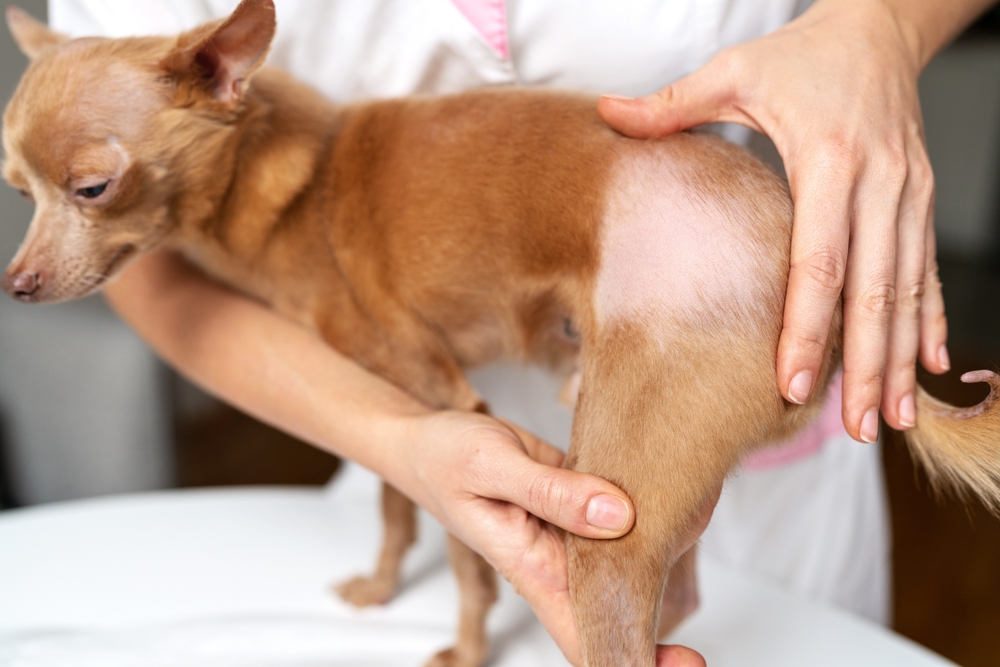
Types of Hair Loss
Dog hair loss can manifest in several forms, each indicating different underlying issues. The most common types include:
- Alopecia Areata: This is an autoimmune condition where the immune system attacks hair follicles, leading to patchy hair loss.
- Telogen Effluvium: Often triggered by stress or hormonal changes, this condition causes temporary hair loss as hair follicles prematurely enter the resting phase.
- Pattern Baldness: Certain breeds may experience genetic hair loss, which typically presents as thinning in specific areas.
- Seasonal Alopecia: This form occurs in specific seasons, often related to changes in daylight and temperature, resulting in a temporary shedding of hair.
- Scarring Alopecia: This irreversible type results from inflammation or injury to hair follicles, leading to permanent hair loss.
Differentiating Between Temporary and Permanent Hair Loss
Understanding whether hair loss is temporary or permanent is crucial for treatment. Temporary hair loss, such as that seen in telogen effluvium or seasonal alopecia, often resolves once the triggering factor is addressed. In contrast, permanent hair loss, as seen in scarring alopecia, typically requires more intensive management and may not fully recover.
Symptoms Accompanying Different Types of Hair Loss
In addition to hair loss, various symptoms can accompany these conditions:
- Itching or Scratching: Often associated with allergies or parasites.
- Skin Redness or Irritation: Indicative of infections or inflammatory conditions.
- Changes in Skin Texture: Scabbing or flakiness may suggest underlying dermatological issues.
Observing and Documenting Hair Loss Patterns
Monitoring hair loss patterns can provide invaluable information for diagnosis. Pet owners should regularly check their dog’s coat and skin, noting:
- The location of hair loss (e.g., symmetrical or patchy).
- The progression of hair loss (e.g., sudden or gradual).
- Any accompanying symptoms (e.g., itching, odor, or skin lesions).
Documenting these observations can aid veterinarians in identifying the cause of the hair loss more effectively.
Expert Insights
Many pet owners assume all hair loss is related to allergies or parasites; however, this is a misconception. Conditions like alopecia areata and telogen effluvium are often overlooked yet can be significant. Additionally, some breeds are genetically predisposed to certain forms of hair loss, which may not indicate poor health but rather breed-specific traits. Understanding these nuances can lead to more accurate diagnoses and better management strategies.
Practical Applications
Pet owners should take proactive steps when observing hair loss. Keep a detailed log of hair loss patterns and any accompanying symptoms. Schedule a veterinary appointment for a comprehensive examination, including skin scrapings or blood tests if necessary. Early intervention can significantly enhance treatment outcomes, ensuring your dog remains healthy and comfortable.
Identifying Allergies and Their Role in Hair Loss
Allergies are a significant factor in canine hair loss, often manifesting through various symptoms beyond just fur shedding. Identifying the source of an allergy is crucial for effective treatment and restoring your dog’s coat health.
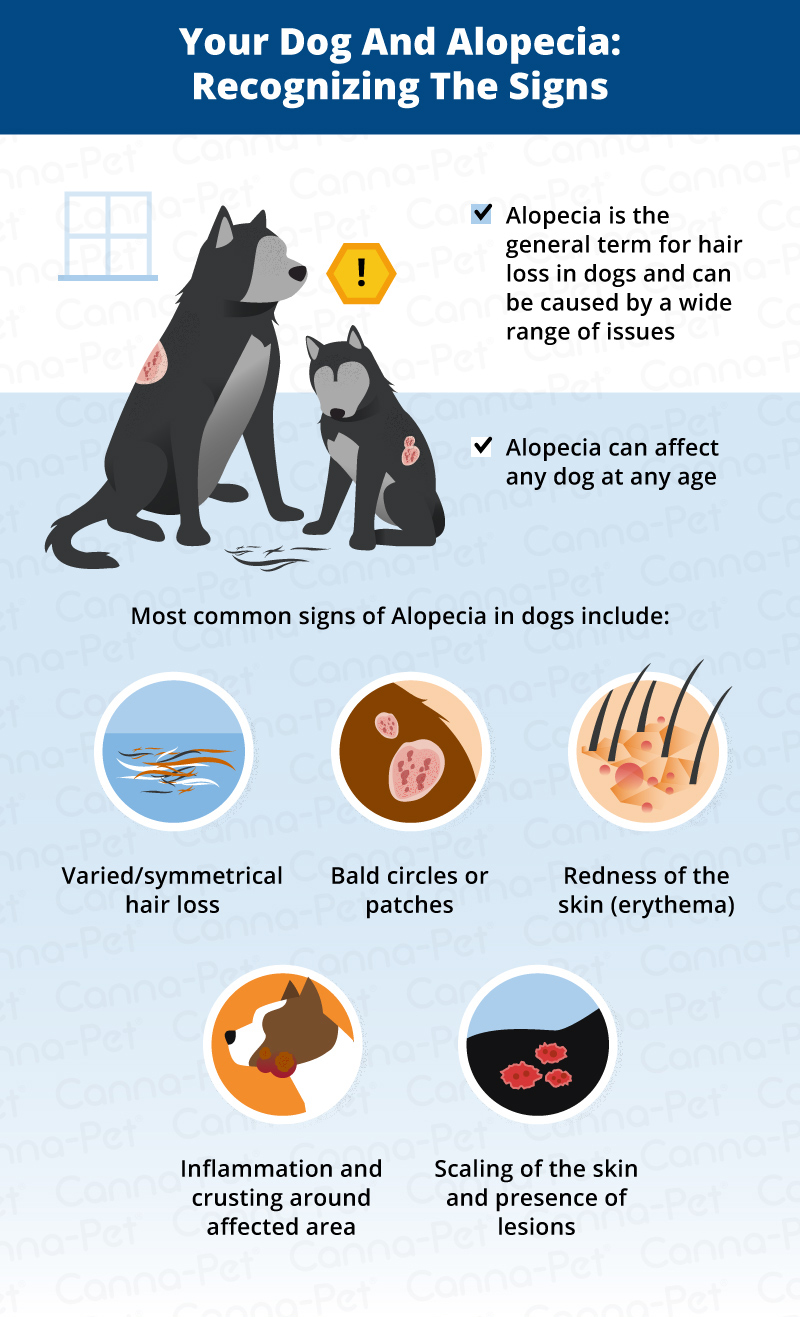
Common Allergens Affecting Dogs
Dogs can be affected by a variety of allergens, which can be categorized into environmental and food-related sources:
- Environmental Allergens: Pollen, dust mites, mold, and grass are common triggers.
- Food Allergens: Ingredients such as beef, chicken, dairy, wheat, and soy can provoke allergic reactions.
- Flea Allergies: Flea bites can lead to severe allergic reactions, resulting in significant itching and hair loss.
Signs of Allergic Reactions Beyond Hair Loss
Hair loss due to allergies is often accompanied by other symptoms. Recognizing these signs can aid in identifying the underlying issue:
- Itching and Scratching: Persistent scratching, biting, or licking at the skin.
- Red or Inflamed Skin: Areas of irritation may appear, often leading to secondary infections.
- Ear Infections: Frequent ear scratching or shaking, often indicative of allergies.
- Gastrointestinal Issues: Vomiting or diarrhea may occur, particularly with food allergies.
Testing Methods for Allergies in Dogs
Diagnosing allergies in dogs typically involves a multi-step approach:
- Veterinary Consultation: A comprehensive examination and health history review by a veterinarian.
- Allergy Testing: Skin tests or blood tests can identify specific allergens. Skin tests involve introducing allergens to the skin, while blood tests measure the immune response.
- Elimination Diet: For suspected food allergies, a controlled diet helps identify problematic ingredients by monitoring the dog’s reaction over several weeks.
Treatment Options for Allergy-Induced Hair Loss
Once allergies are diagnosed, several treatment options can be considered to alleviate symptoms and promote hair regrowth:
- Medication: Antihistamines, corticosteroids, or immunotherapy may be prescribed to manage allergic reactions.
- Flea Control: Implementing effective flea prevention methods can reduce flea allergy reactions.
- Dietary Adjustments: Switching to a hypoallergenic diet can help dogs with food allergies.
- Topical Treatments: Medicated shampoos or soothing ointments may provide relief for irritated skin.
Some common misconceptions about dog allergies include the belief that they only affect certain breeds or that they are solely seasonal. In reality, any dog can develop allergies at any age, and symptoms may persist throughout the year, especially with environmental allergens.
To effectively address your dog’s hair loss linked to allergies, start by observing their behavior and symptoms closely. Schedule a veterinary appointment for a thorough examination and allergy testing. Consider keeping a detailed diary of your dog’s diet, environment, and symptoms to assist your veterinarian in determining the best course of action. Implement any recommended treatments promptly to improve your dog’s condition and overall well-being.
The Importance of Regular Grooming in Preventing Hair Loss
Regular grooming is a fundamental aspect of maintaining a dog’s coat health and can significantly reduce the likelihood of hair loss. This section explores the benefits of grooming, the tools and techniques involved, and how it aids in early detection of potential skin issues.
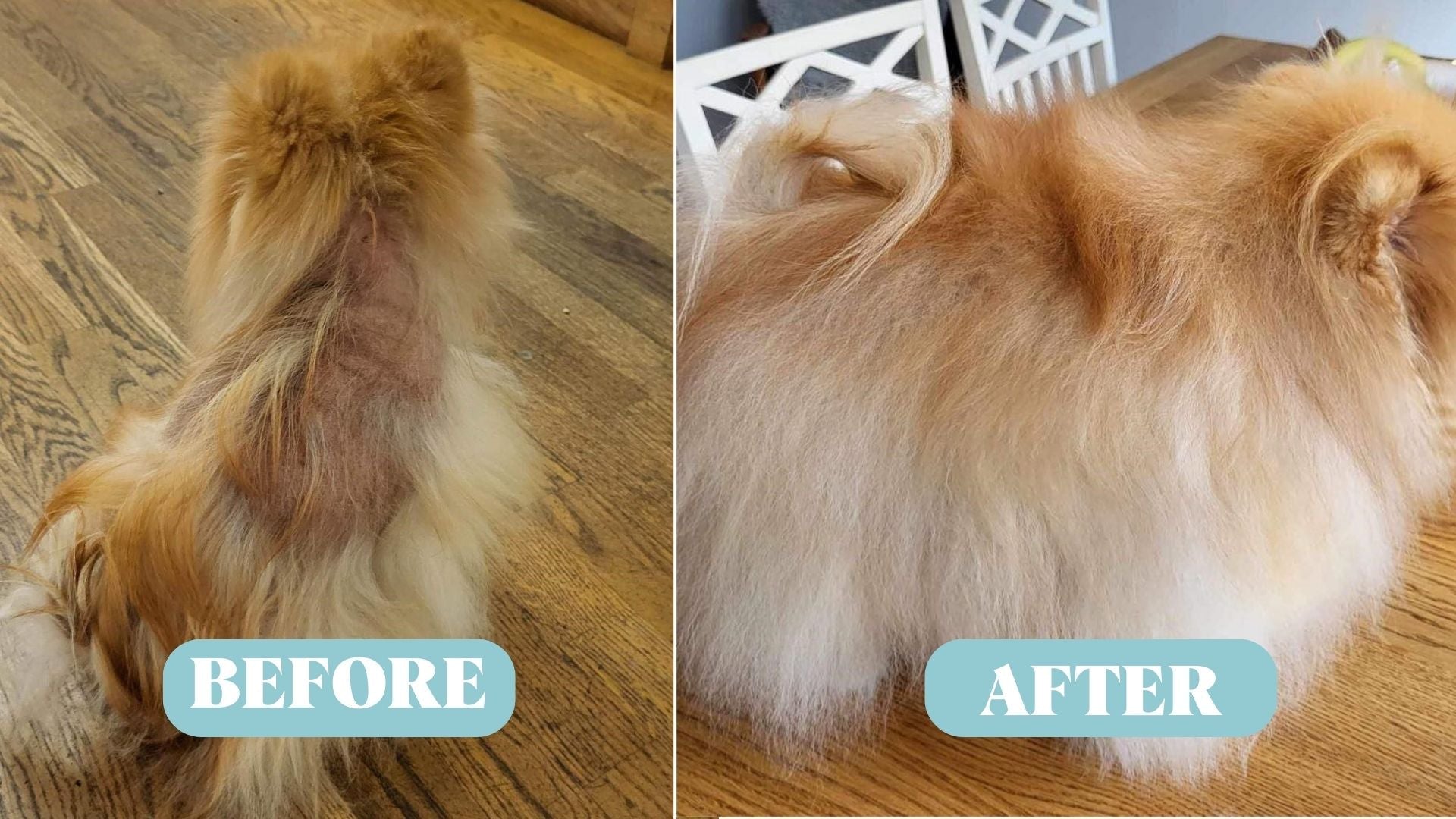
Benefits of Regular Grooming for Coat Health
Grooming serves multiple functions that contribute to the overall health of a dog’s coat. Firstly, it removes dirt, debris, and loose hair, which can otherwise lead to matting and skin irritation. Secondly, it distributes natural oils produced by the skin, promoting a shiny and healthy coat. Lastly, grooming stimulates blood circulation, which can enhance hair growth and improve skin health.
Recommended Grooming Tools and Techniques
Choosing the right grooming tools is crucial for effective maintenance of a dog’s coat. Essential grooming tools include:
- Brushes: Different types such as slicker brushes, bristle brushes, and pin brushes are suited for various coat types.
- Combs: Metal combs can help detangle knots and remove loose hair.
- Clippers: For breeds requiring a haircut, clippers can maintain a neat appearance and prevent matting.
- Shampoos and Conditioners: Using the right products tailored for dogs helps maintain coat moisture and prevents skin issues.
Techniques vary based on the dog’s coat type. For example, long-haired breeds require more frequent brushing to prevent tangles, while short-haired breeds may only need occasional grooming.
Frequency of Grooming Based on Dog Breed
The frequency of grooming largely depends on the dog’s breed and coat type. General guidelines include:
- Long-haired breeds (e.g., Afghan Hound, Maltese): Every 2-3 days
- Medium-haired breeds (e.g., Golden Retriever, Beagle): Once a week
- Short-haired breeds (e.g., Boxer, Dachshund): Every 2-4 weeks
These intervals may vary based on the dog’s activity level and environment. Dogs that spend more time outdoors may require more frequent grooming to remove debris and dirt.
How Grooming Can Help Identify Skin Issues Early
Regular grooming allows for close inspection of a dog’s skin and coat. Groomers can detect early signs of skin conditions such as hot spots, allergies, or parasites. Noticing unusual changes, such as redness, swelling, or excessive itching, can prompt timely veterinary consultations, potentially preventing more severe health issues.
Many pet owners underestimate the significance of grooming in relation to hair loss. Some believe that shedding is a natural process that cannot be managed. However, consistent grooming can mitigate excessive shedding and help maintain a full, healthy coat. Additionally, grooming can reveal underlying health problems before they escalate.
To effectively implement these grooming practices, pet owners should develop a grooming schedule based on their dog’s specific needs. Invest in quality grooming tools suited for your dog’s coat type. Regularly inspect your dog’s skin for abnormalities during grooming sessions. Prioritize grooming not only as a cosmetic practice but as a vital component of your dog’s overall health and well-being.
When to Seek Veterinary Help for Hair Loss
Recognizing when a dog’s hair loss signals a more serious health issue is essential for timely intervention. This section outlines critical signs to monitor, what to expect during a veterinary visit, and common diagnostic tests used to determine the underlying cause of hair loss.
Signs That Indicate a Serious Underlying Condition
Not all hair loss in dogs is benign. Certain symptoms may suggest a more severe health problem requiring veterinary attention:
- Redness or inflammation of the skin, which may indicate infections or allergies.
- Excessive scratching or biting: This behavior can lead to secondary infections and suggests discomfort.
- Foul odor: An unusual smell from the skin may indicate an infection or other dermatological issues.
- Localized patches of hair loss: This might suggest conditions such as ringworm or alopecia.
- Changes in appetite or behavior: Any significant shifts may indicate underlying health concerns.
What to Expect During a Veterinary Consultation
A veterinary consultation for hair loss typically involves a thorough examination and a detailed history of the dog’s health. Owners should prepare to discuss:
- Duration and pattern of hair loss.
- Any changes in diet, environment, or grooming habits.
- Presence of other symptoms such as itching, redness, or weight loss.
Veterinarians may perform a physical examination, assess skin health, and inquire about potential allergens or recent changes in routine.
Common Diagnostic Tests for Hair Loss
Veterinarians utilize various diagnostic tests to determine the cause of hair loss effectively. Common tests include:
- Skin scrapings: To check for parasites like mites or fleas.
- Fungal cultures: To identify infections such as ringworm.
- Allergy testing: To determine potential allergens contributing to skin issues.
- Blood tests: To assess overall health and rule out systemic conditions.
Follow-Up Care and Monitoring After Treatment
Once a diagnosis is made, follow-up care is crucial. Treatment plans may include medications, dietary changes, or topical treatments. Monitoring the dog’s response to treatment is essential, as well:
- Keep a record of any changes in hair growth or skin condition.
- Observe for any side effects from medications.
- Schedule follow-up visits as recommended by the veterinarian to ensure the treatment’s effectiveness.
While many cases of hair loss can be managed with appropriate care, persistent or severe symptoms warrant immediate veterinary consultation. Owners should act promptly to ensure their dog receives the necessary care to address the underlying issues and promote healthy hair regrowth.
Frequently Asked Questions
What are the common causes of dog hair loss?
Common causes of dog hair loss include allergies, parasites like fleas or mites, hormonal imbalances, and skin infections. Stress and poor nutrition can also contribute to hair loss in dogs.
How can I stop my dog from losing hair?
To stop hair loss in dogs, identify and address the underlying cause, such as allergies or parasites. Regular grooming, a balanced diet, and veterinary check-ups can also help maintain a healthy coat.
Is dog hair loss a sign of a serious illness?
Hair loss in dogs can indicate serious health issues, such as autoimmune diseases or hormonal disorders. A veterinary evaluation is essential to determine the cause and appropriate treatment.
What are the costs associated with treating dog hair loss?
Treatment costs for dog hair loss vary widely depending on the underlying cause, ranging from routine vet visits to specialized treatments. On average, pet owners may spend between $100 to $500 for diagnosis and initial treatment.
How long does it take for a dog’s hair to grow back?
The time it takes for a dog’s hair to grow back depends on the cause of hair loss and the dog’s overall health. Generally, it can take anywhere from a few weeks to several months for hair to fully regrow.
What is the best dog food to prevent hair loss?
High-quality dog food rich in omega fatty acids, proteins, and vitamins is best for preventing hair loss. Look for formulas specifically designed to promote skin and coat health.
Can stress cause hair loss in dogs?
Yes, stress can lead to hair loss in dogs, often manifesting as excessive grooming or anxiety-related behaviors. Addressing stressors and providing a calm environment can help alleviate this issue.
How do I know if my dog has a skin infection?
Signs of a skin infection in dogs include redness, swelling, discharge, and persistent itching or scratching. If these symptoms are present, a veterinary examination is necessary for proper diagnosis and treatment.
Final Thoughts on why is my dog losing hair
Hair loss in dogs can stem from a variety of causes, ranging from allergies and parasites to underlying health issues. Addressing this problem promptly is crucial, as it not only affects your dog’s appearance but can also indicate more serious health complications.
To take immediate action, schedule a comprehensive veterinary examination to determine the underlying cause of your dog’s hair loss, as early intervention is key to effective treatment and recovery.
Understanding and addressing the reasons behind your dog’s hair loss is vital for their overall health and well-being, ensuring they lead a happy and comfortable life.
Leave a Reply