Why is my hair so frizzy? Frizz occurs due to dryness, damage, or humidity affecting the hair’s cuticle. When the cuticle layer is compromised, moisture can enter and swell the hair shaft, leading to an unruly appearance.
Understanding the causes of frizz is crucial for anyone seeking to maintain healthy hair. Mismanagement of frizz can result in further damage, making hair difficult to style and maintain, which can diminish overall hair health.
This article will explain the primary causes of frizz, including environmental factors and hair care practices, and provide effective solutions to manage and reduce frizz for smoother, healthier hair.
What causes frizzy hair?
Frizzy hair is primarily caused by a lack of moisture in the hair shaft, leading to its increased porosity and the tendency to absorb humidity from the environment. This results in a rough, uneven texture as hair strands swell and curl outwards. Several factors contribute to this condition, including environmental influences, biological characteristics, and hair care practices.
The environment plays a significant role in hair frizz. High humidity levels can exacerbate frizz by causing hair to absorb moisture from the air, leading to swelling and an unruly appearance. Conversely, dry conditions, such as those caused by winter weather or indoor heating, can strip hair of its natural oils, making it more susceptible to frizz. Additionally, exposure to pollutants and UV radiation can damage the hair cuticle, further increasing frizz.
- Biological factors: Hair type and texture are inherited traits that influence frizz levels. Curly and wavy hair types are naturally more prone to frizz due to their structure, which makes it difficult for natural oils to travel down the hair shaft.
- Hair care practices: Frequent use of heat styling tools, harsh shampoos, and inadequate conditioning can damage the hair cuticle, leading to increased frizz. Over-washing and not using protective products can deplete moisture levels, worsening the condition.
- Chemical treatments: Processes such as coloring, perming, or relaxing can alter the hair’s natural structure, making it more porous and prone to frizz.
Addressing frizzy hair requires a comprehensive approach that considers both environmental and biological factors. Tailoring hair care routines to include hydrating products and minimizing damage from heat and chemicals can significantly improve hair texture.
For optimal results, incorporate leave-in conditioners or anti-frizz serums that create a protective barrier against humidity while locking in moisture. Regular trims can also help eliminate split ends, which contribute to a frizzy appearance.
How can I reduce frizz in my hair?
To reduce frizz in your hair, implement a combination of proper hair care techniques and suitable products. This involves using moisturizing treatments, choosing the right styling tools, and adopting a gentle hair drying method.
- Use a hydrating shampoo and conditioner: Select sulfate-free products that are specifically designed for frizz control. Look for ingredients like argan oil, shea butter, or coconut oil, which nourish and hydrate the hair.
- Apply a leave-in conditioner: After washing, apply a leave-in conditioner to add moisture and help detangle your hair. This extra layer of hydration can significantly reduce frizz throughout the day.
- Incorporate hair oils: Use a lightweight hair oil, such as jojoba or argan oil, to seal in moisture. Apply a small amount to the ends of your hair to prevent dryness and frizz.
- Limit heat styling: Reduce the use of heat styling tools, as excessive heat can lead to dryness and frizz. When necessary, always use a heat protectant spray to minimize damage.
- Dry your hair gently: Instead of rubbing your hair with a towel, use a microfiber towel or an old t-shirt to blot excess water. This minimizes friction, which can cause frizz.
- Opt for a wide-tooth comb: Detangle wet hair with a wide-tooth comb instead of a brush. This helps to prevent breakage and reduces frizz.
- Choose the right styling products: Use anti-frizz serums or creams that provide hold without weighing hair down. Look for products labeled as “frizz control” or “smoothing.”
Frizz can also be influenced by environmental factors such as humidity and temperature. Consider using a humidifying spray in high humidity to maintain control over your hair, or switch to a heavier product during dryer seasons.
For best results, combine these methods consistently to maintain hydrated, healthy hair. Tailor your routine based on your hair type and the specific conditions you encounter.
Expert Tip: Consider sleeping on a silk or satin pillowcase to reduce friction while you sleep, which can help maintain smoother hair and reduce frizz overnight.
Is frizzy hair a sign of damage?
Frizzy hair can indicate damage, but not always. While damage often leads to frizz, other factors like humidity and hair texture also play significant roles. Understanding the distinction between frizzy hair and damaged hair is essential for effective treatment.
Frizz is primarily caused by moisture loss from the hair shaft, leading to a rough texture. This can occur due to environmental factors, such as humidity, or inadequate moisture retention. In contrast, damaged hair typically results from physical or chemical processes, including heat styling, coloring, or excessive manipulation. Damaged hair often appears brittle, with split ends and breakage, while frizzy hair may still retain some shine and elasticity.
- Frizz: Caused by moisture imbalance; hair appears fuzzy and puffy.
- Damage: Results from structural harm; hair is dry, brittle, and may break easily.
- Texture: Natural curl patterns can lead to frizz, even in healthy hair; this is not necessarily a sign of damage.
In practice, frizzy hair can exist alongside healthy hair, especially in humid environments. Conversely, damaged hair often requires immediate attention and may need trims or intensive treatments to restore health. Identifying the underlying cause of frizz is crucial in determining the appropriate care regimen.
Expert Tip: Incorporate a deep conditioning treatment or hair oil designed for frizz control into your routine, especially if you live in a humid climate. This can help maintain moisture levels and reduce frizz without exacerbating damage.
What are the best products for frizzy hair?
To effectively manage frizzy hair, look for products specifically designed to smooth and hydrate. The best products often contain moisturizing ingredients that help to tame flyaways and improve overall hair texture. Key ingredients to consider include silicones, oils, and humectants.
When selecting products, consider the following best practices:
- Leave-in conditioners: These products provide continuous moisture and protection throughout the day. Look for formulations containing ingredients like argan oil or shea butter for added hydration.
- Smoothing serums: Serums can create a barrier against humidity, which is a major contributor to frizz. Products with dimethicone or cyclopentasiloxane work well to coat the hair and reduce frizz.
- Anti-frizz sprays: These sprays often contain lightweight oils that help to seal the hair cuticle. Choose sprays with ingredients like jojoba oil or coconut oil for effective frizz control.
- Deep conditioning masks: Regular use of a deep conditioning mask can replenish moisture and repair damage. Look for masks enriched with proteins and natural oils to strengthen hair and combat frizz.
- Shampoos and conditioners labeled as ‘smoothing’ or ‘frizz control’: These products typically contain ingredients designed to reduce frizz and enhance shine. Choose sulfate-free options to maintain moisture levels.
Environmental factors, such as humidity, can exacerbate frizz, making the choice of products critical. Additionally, individual hair types may respond differently to various formulations, so it may take some experimentation to find the best fit.
Expert Tip: For optimal results, combine a smoothing serum with a leave-in conditioner. This dual approach allows for hydration and protection, effectively managing frizz in varying weather conditions.
How long does it take to fix frizzy hair?
On average, it takes about 4 to 8 weeks to see noticeable improvements in frizzy hair with consistent care. This timeline can vary based on hair type, the severity of frizz, and the specific treatments or products used. Regular maintenance and proper techniques are essential for effective results.
Several factors influence how quickly frizz can be managed. For instance, individuals with naturally curly or coily hair may find that their frizz improves more slowly than those with straight or wavy textures. Additionally, the underlying cause of frizz—whether it’s due to damage, humidity, or dryness—can affect how long it takes to achieve smoother hair. Implementing a routine that includes moisturizing treatments, heat protection, and the right styling products can expedite results.
Another consideration is the consistency of care. A strict regimen that includes weekly deep conditioning treatments, regular trims, and avoiding heat styling can lead to quicker improvements. If hair is subjected to environmental stressors or harsh chemical treatments, it may take longer to restore its health and reduce frizz. Patience and dedication to a tailored hair care routine are key components in this journey.
Expert Tip: Incorporate a leave-in conditioner or anti-frizz serum immediately after washing hair to lock in moisture and create a barrier against humidity, which can significantly speed up the frizz reduction process.
Can humidity make my hair frizzy?
Yes, humidity can significantly contribute to frizz in hair. When the air is humid, moisture from the environment interacts with the hair shaft, leading to changes in its structure and causing frizz. This is especially common in individuals with naturally curly or textured hair.
Humidity affects hair because it causes the cuticle, the outer layer of hair, to swell. When hair absorbs moisture, it can lead to a disruption in the hair’s natural balance, resulting in a frizzy appearance. Factors that influence this phenomenon include:
- Hair Type: Curly and wavy hair is more prone to frizz as the structure is less uniform and more susceptible to moisture absorption.
- Hair Condition: Damaged or porous hair tends to absorb moisture more readily, exacerbating frizz.
- Temperature: Higher temperatures can increase the amount of moisture in the air, intensifying the frizz effect.
In addition to these factors, the use of certain hair products can either mitigate or worsen frizz in humid conditions. Products containing silicones or oils can help seal the cuticle and reduce moisture absorption, while alcohol-based products may strip moisture, leading to increased frizz. It is essential to choose hair care products that suit your hair type and the climate you are in.
For those struggling with frizzy hair in humid conditions, regular deep conditioning treatments can improve hair moisture retention and overall health. Using a leave-in conditioner can also provide a protective barrier against humidity.
Expert Tip: Consider using anti-humidity hairspray or styling creams designed specifically to combat frizz, as they can provide additional protection against moisture while enhancing your hairstyle.
Are there home remedies for frizzy hair?
Yes, there are several effective home remedies that can help reduce frizz naturally. Ingredients commonly found in your kitchen can be combined to create treatments that moisturize and smooth the hair. Regular use of these remedies can improve the overall texture of your hair over time.
For instance, a popular remedy involves using a mixture of honey and olive oil. To prepare, combine two tablespoons of honey with three tablespoons of olive oil. Apply this mixture to damp hair, focusing on the ends where frizz is most pronounced. Leave it on for about 30 minutes before rinsing thoroughly with lukewarm water. This treatment works because honey acts as a natural humectant, attracting moisture, while olive oil provides essential nutrients and adds shine.
Another effective option is a coconut milk treatment. Blend one cup of coconut milk with a few drops of essential oils like lavender or rosemary for added benefits. Apply this mixture to your hair, ensuring even distribution, and leave it on for at least an hour. Coconut milk is rich in fats and proteins, which can help strengthen the hair and reduce frizz. These treatments can be repeated weekly for better results.
Expert Tip: Consider the porosity of your hair when choosing a remedy. High-porosity hair may benefit more from heavier oils, while low-porosity hair might respond better to lighter solutions. Adjusting the frequency and type of treatment based on hair type will yield the best results.
What hairstyles help manage frizzy hair?
Hairstyles that help manage frizzy hair focus on reducing volume and enhancing control. Options such as braids, buns, and sleek ponytails can effectively disguise frizz while maintaining a polished appearance. Additionally, layering and using specific styling techniques can improve manageability and reduce the visual impact of frizz.
One effective approach is to opt for a low bun or chignon. These styles keep hair tightly secured, minimizing exposure to humidity and reducing frizz. Incorporating hair products designed for smoothing, such as anti-frizz serums or oils, can enhance the sleekness of the bun. Similarly, braids, especially loose ones, can help contain frizz while adding texture, making them ideal for casual or formal occasions.
- Sleek Ponytail: A high or low ponytail, when styled with a smoothing serum, can effectively tame frizz. Ensure hair is brushed smoothly and secured tightly to create a polished look.
- Loose Waves: Using a curling wand with a heat protectant can create soft waves that disguise frizz. The key is to allow hair to cool completely before tousling for a more controlled finish.
- Half-Up Styles: Pulling the top half of the hair back while leaving the rest down can provide a balance. This style reduces the visual bulk of frizz while allowing some texture to remain.
- Textured Layers: Adding layers can remove bulk and weight, making hair easier to manage. This style can prevent hair from puffing out, especially in humid conditions.
Utilizing the right products alongside these hairstyles is crucial for optimal results. For instance, anti-humidity sprays can provide a protective barrier against moisture, further reducing frizz throughout the day.
Expert Tip: Incorporating a silk or satin pillowcase can significantly reduce friction while sleeping, helping to maintain smooth hairstyles overnight and further combat frizz.
Understanding Hair Structure and Frizz Formation
This section explores the biological factors contributing to hair frizz, including the hair cuticle, porosity, texture, and moisture balance. Understanding these elements is essential for effective hair care and management.
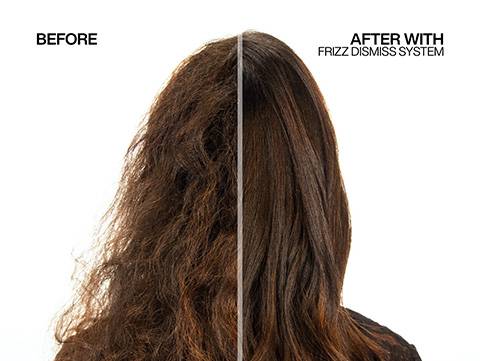
The Role of the Hair Cuticle in Frizz Formation
The hair cuticle is the outermost layer of the hair shaft, composed of overlapping, scale-like cells. When these cuticle scales are damaged, they lift away from the hair shaft, leading to increased porosity and moisture loss. This exposure allows humidity to penetrate the hair, causing it to swell and create frizz. A healthy cuticle lies flat, providing protection and smoothness, whereas a compromised cuticle exacerbates frizz issues.
How Hair Porosity Affects Frizz Levels
Hair porosity refers to the hair’s ability to absorb and retain moisture. It is categorized into three types: low, medium, and high porosity. Low-porosity hair has tightly packed cuticles, making it resistant to moisture absorption but prone to build-up. Medium-porosity hair retains moisture well, while high-porosity hair, with widely spaced cuticles, absorbs moisture quickly but loses it just as fast. High-porosity hair is particularly susceptible to frizz, especially in humid conditions.
The Impact of Hair Texture on Frizz Susceptibility
Hair texture plays a significant role in frizz formation. Straight hair typically has a smoother surface, leading to less frizz compared to wavy or curly hair. Curly hair, with its natural bends and twists, tends to have more exposed cuticle layers, increasing the likelihood of frizz. Additionally, the shape of the hair shaft affects how moisture interacts with the hair, with round strands being less prone to frizz than oval or flat strands.
Understanding the Moisture Balance in Hair
Maintaining proper moisture balance is critical in managing frizz. Healthy hair retains moisture, leading to elasticity and shine. When hair becomes dehydrated, it loses its natural oils, resulting in a dry and frizzy appearance. Environmental factors, such as humidity and temperature fluctuations, can also impact moisture levels. Using hydrating products and avoiding excessive heat styling can help restore and maintain moisture balance.
Common misconceptions surrounding hair frizz often involve the belief that high humidity is the sole contributor. While humidity does play a significant role, other factors such as hair care practices and product choices are equally important. For instance, using the wrong shampoos or conditioners can strip hair of its natural oils, exacerbating frizz. A nuanced understanding of hair structure can lead to more effective frizz management strategies.
Practical Application
- Assess your hair porosity to choose suitable hair care products.
- Incorporate moisturizing treatments into your routine, especially for high-porosity hair.
- Use a leave-in conditioner or anti-frizz serum to smooth the hair cuticle.
- Avoid over-washing hair to preserve natural oils that combat frizz.
By leveraging insights into hair structure and moisture balance, individuals can adopt tailored strategies to address why is my hair so frizzy, leading to healthier, smoother hair.
Environmental Factors Contributing to Frizz
External conditions play a significant role in hair frizz, affecting its health and appearance. Understanding these environmental factors helps in developing effective strategies to manage frizz and maintain hair vitality.
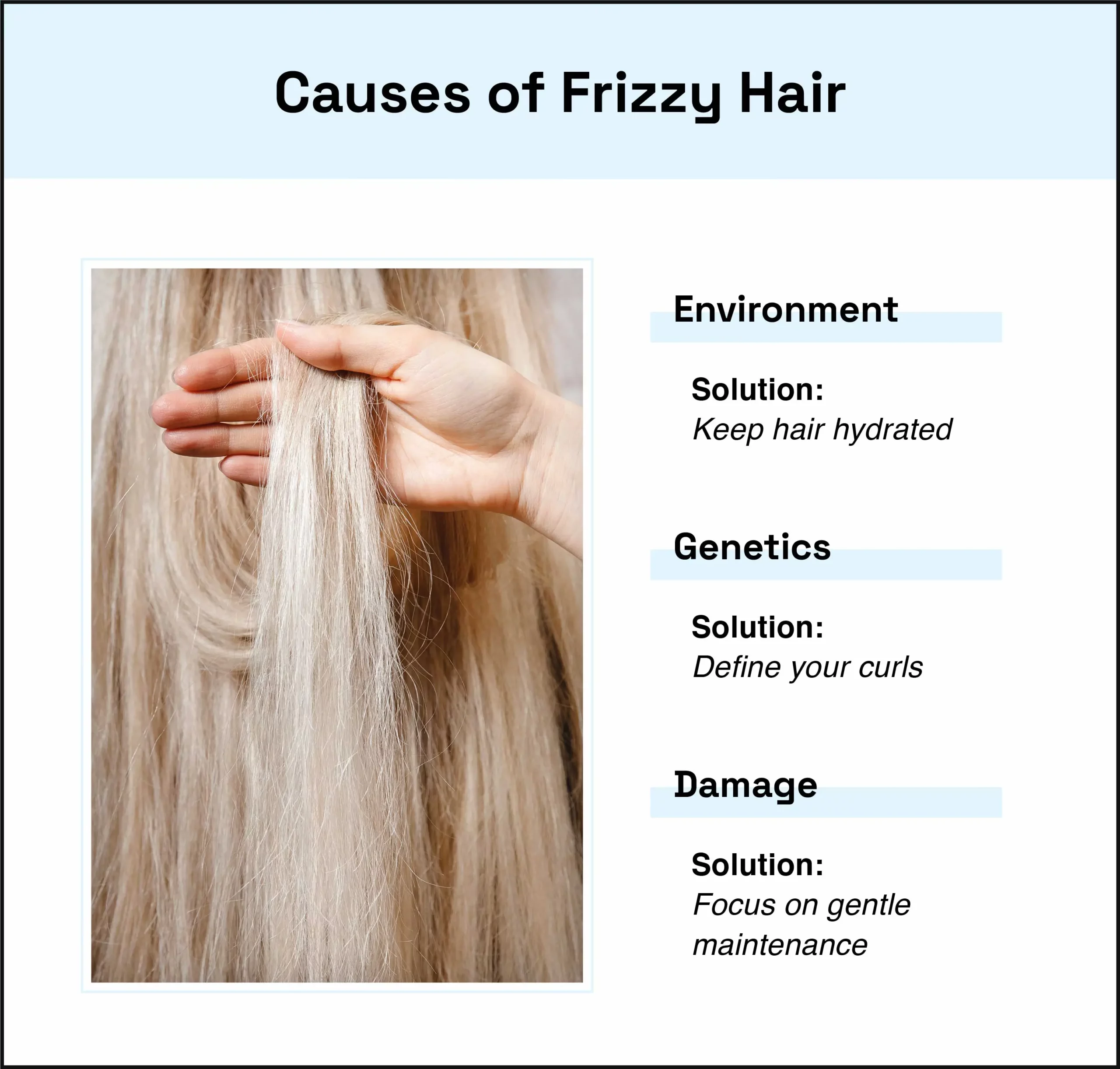
Weather Conditions: Humidity and Dryness
Humidity is a primary culprit behind frizz. When the air is moist, hair absorbs water, leading to a swollen cuticle that creates a rough texture. This condition is particularly prevalent in tropical and subtropical climates, where high humidity levels can make even the most well-maintained hair appear unruly.
Conversely, dry weather can also exacerbate frizz. In arid conditions, the lack of moisture causes hair to lose its natural oils, resulting in brittleness and increased frizz. Cold winter air, combined with indoor heating, further contributes to dryness, making hair more susceptible to frizz.
Pollution and Environmental Stressors
Environmental pollution, including dust, smoke, and chemicals, can lead to hair damage and frizz. These pollutants can strip the hair of essential moisture and nutrients, resulting in weakened strands. Additionally, exposure to UV rays can degrade the hair’s protein structure, further exacerbating frizz and leading to split ends.
- Dust and particulate matter: Accumulates on hair, leading to dullness and frizz.
- Smog and smoke: Contains harmful chemicals that can weaken hair fibers.
- UV radiation: Breaks down keratin, reducing hair strength and increasing frizz.
Seasonal Changes and Frizz
Frizz can vary significantly with seasonal changes. Spring and summer often bring higher humidity levels, while fall and winter typically result in drier air. These fluctuations require different hair care approaches to manage frizz effectively. For instance, summer may necessitate the use of anti-humidity products, while winter calls for hydrating treatments to combat dryness.
Protective Measures Against Environmental Damage
Implementing protective measures can significantly reduce the impact of environmental factors on hair frizz. Consider the following strategies:
- Use anti-frizz products: Look for serums, oils, and creams that contain silicones or natural oils to create a barrier against humidity.
- Wear hats or scarves: Protect hair from direct sun exposure and pollution by covering it when outdoors.
- Regular deep conditioning: Incorporate hydrating masks into your routine to restore moisture and strengthen hair.
Beyond basic care, many people mistakenly believe that frizz is solely a result of hair type or styling techniques. However, environmental factors are equally influential. For instance, individuals with naturally curly hair may experience more frizz in humid conditions due to the structure of their hair shafts. Additionally, using the wrong products can amplify frizz, especially if they contain alcohol or harsh sulfates that strip moisture. Understanding the interplay between environmental conditions and hair characteristics is essential for effective management.
To mitigate frizz related to environmental factors, implement a comprehensive hair care routine that addresses specific needs based on weather conditions. Use moisture-rich products during dry seasons, and opt for anti-humidity solutions in more humid climates. Regularly assess how environmental changes affect your hair and adjust your care routine accordingly for optimal results.
Professional Treatments for Persistent Frizz
This section explores various salon treatments designed to manage frizz effectively, providing insights into their benefits, costs, and maintenance needs. Understanding these options can help individuals make informed decisions about their hair care routines.
Keratin Treatments
Keratin treatments are among the most popular solutions for frizzy hair. These treatments involve applying a keratin-based formula to the hair, followed by heat application. This process smooths the hair cuticle, reducing frizz and enhancing shine. The results typically last from three to six months, depending on the hair type and aftercare regimen.
Benefits of keratin treatments include:
- Smoother, straighter hair texture
- Reduced drying time
- Enhanced manageability and reduced styling time
Deep Conditioning Treatments
Deep conditioning treatments focus on hydrating and nourishing the hair, addressing the underlying causes of frizz. These treatments penetrate the hair shaft, replenishing moisture and repairing damage. Regular deep conditioning can improve hair elasticity and resilience, which helps prevent frizz caused by dryness.
Common deep conditioning options include:
- Hydrating masks
- Protein treatments
- Leave-in conditioners
Chemical Relaxers
Chemical relaxers alter the hair’s structure to achieve a straighter appearance, which can significantly reduce frizz for those with naturally curly or wavy hair. These products break down the protein bonds in hair, allowing it to be reshaped. However, they require careful application and can cause damage if not used properly.
Types of relaxers include:
- Calcium hydroxide relaxers
- Sodium hydroxide relaxers
- Ammonium thioglycolate relaxers
Each type has different effects on hair texture and durability. Consulting with a professional stylist is essential to choose the appropriate relaxer based on hair type and desired results.
Cost and Maintenance Considerations
The cost of professional treatments varies widely based on location, salon reputation, and specific services. Keratin treatments can range from $200 to $600, while deep conditioning sessions are generally more affordable, averaging $25 to $100 per visit. Chemical relaxers typically fall within the $50 to $150 range.
Maintenance is crucial for prolonging the effects of these treatments. For example, individuals who undergo keratin treatments should use sulfate-free shampoos and avoid excessive washing to maintain the benefits. Regular touch-ups for chemical relaxers are also necessary, usually every six to eight weeks.
Many articles overlook the potential negative impacts of chemical treatments. While they can provide immediate results, they may lead to long-term damage if not properly managed. Hair health should always be prioritized, considering the balance between desired style and the condition of the hair.
To effectively manage frizz, individuals should assess their hair type and specific needs. Consulting with a professional stylist can help determine the best treatment options. Establish a regular hair care routine that includes deep conditioning and protective styling to maintain results. Additionally, consider investing in high-quality hair products designed for frizz control to complement professional treatments.
Common Mistakes That Worsen Frizz
Many individuals unknowingly exacerbate hair frizz through common mistakes in their hair care routines. Identifying these errors is crucial for achieving smoother, healthier hair.
Using the Wrong Shampoo and Conditioner
Choosing products that do not match your hair type can significantly contribute to frizz. For instance, individuals with curly or coarse hair often require moisturizing shampoos and conditioners that contain hydrating ingredients like glycerin or coconut oil. Conversely, fine hair may benefit from lightweight, volumizing products. Using the incorrect formulas can strip essential oils, leading to dryness and increased frizz.
Over-Washing and Its Impact on Moisture Levels
Frequent washing can remove natural oils that help maintain hair’s moisture balance. For most hair types, washing hair two to three times a week is sufficient. Over-washing can lead to dryness, prompting the hair cuticles to lift and create a frizzy appearance. Implementing a washing schedule tailored to your hair type can help retain moisture and reduce frizz.
Neglecting Heat Protection When Styling
Heat styling tools such as blow dryers, curling irons, and flat irons can damage hair if not used correctly. Failing to apply a heat protectant can expose hair to temperatures exceeding 400°F, leading to cuticle damage and increased frizz. Always use a heat protectant spray or serum before styling to minimize damage and maintain smoothness.
Improper Drying Techniques
The way hair is dried plays a pivotal role in frizz levels. Rubbing hair vigorously with a towel can create friction, causing the cuticles to lift. Instead, consider these techniques:
- Use a microfiber towel or an old cotton t-shirt to gently blot excess water.
- Allow hair to air dry partially before using heat styling tools.
- Consider using a diffuser attachment on a blow dryer set to low heat.
These methods can help keep hair smooth and reduce frizz.
Nuances and Expert Insights
Many individuals mistakenly believe that frizz is solely a result of environmental factors or inadequate products. However, underlying hair health issues such as porosity also play a significant role. High-porosity hair, which absorbs moisture easily, can lead to quick evaporation, resulting in frizz. A thorough understanding of hair porosity, combined with appropriate product choices, can enhance overall hair manageability. Furthermore, some may overlook the impact of water quality; hard water can deposit minerals on hair, exacerbating frizz. Using a clarifying shampoo occasionally can help remove these buildup effects.
Practical Application
To combat frizz effectively, implement the following strategies:
- Select a shampoo and conditioner specifically formulated for your hair type.
- Limit washing to two to three times a week to retain natural oils.
- Always apply a heat protectant before using styling tools.
- Adopt gentle drying techniques to minimize friction.
By addressing these common mistakes, individuals can significantly reduce frizz and improve the overall health and appearance of their hair.
Frequently Asked Questions
What causes frizzy hair?
Frizzy hair is primarily caused by a lack of moisture, which leads to the hair cuticle lifting and allowing humidity to enter. Other factors include heat damage, chemical treatments, and environmental conditions.
How can I reduce frizz in my hair?
To reduce frizz, use a hydrating shampoo and conditioner, and apply leave-in conditioners or anti-frizz serums. Additionally, avoid excessive heat styling and opt for air drying whenever possible.
Is frizzy hair a sign of damage?
Yes, frizzy hair often indicates damage, particularly from heat styling, chemical treatments, or environmental stressors. Damaged hair tends to lose moisture, resulting in a frizzy appearance.
What are the best products for frizzy hair?
Look for products containing silicones, oils, and humectants, which help to smooth the hair cuticle and retain moisture. Popular options include anti-frizz serums, leave-in conditioners, and deep conditioning masks.
How long does it take to fix frizzy hair?
Fixing frizzy hair can take several weeks to months, depending on the extent of damage and the effectiveness of your hair care routine. Consistent use of hydrating products and regular trims can expedite the process.
Can humidity make my hair frizzy?
Yes, humidity can significantly increase frizz by causing the hair cuticle to swell and absorb moisture from the air. This leads to a loss of smoothness and definition in the hair.
Are there home remedies for frizzy hair?
Home remedies such as coconut oil, avocado masks, and aloe vera can help moisturize and smooth frizzy hair. These natural ingredients provide nourishment and help seal the hair cuticle.
What hairstyles help manage frizzy hair?
Hairstyles that incorporate braids, buns, or loose updos can help manage frizzy hair by minimizing exposure to humidity. Additionally, using a silk or satin pillowcase can reduce friction and keep hair smoother overnight.
Final Thoughts on why is my hair so frizzy
Frizzy hair is not merely a cosmetic issue; it is a reflection of underlying factors such as hair structure, environmental influences, and potential damage. Recognizing these causes is essential for implementing effective solutions, which range from specialized hair care products to professional treatments.
To achieve optimal results, invest in a high-quality leave-in conditioner formulated specifically for frizzy hair, as this can significantly enhance moisture retention and reduce frizz throughout the day.
Understanding and addressing the complexities of hair frizz is crucial for achieving healthy, manageable hair that reflects your personal style and confidence.
Leave a Reply