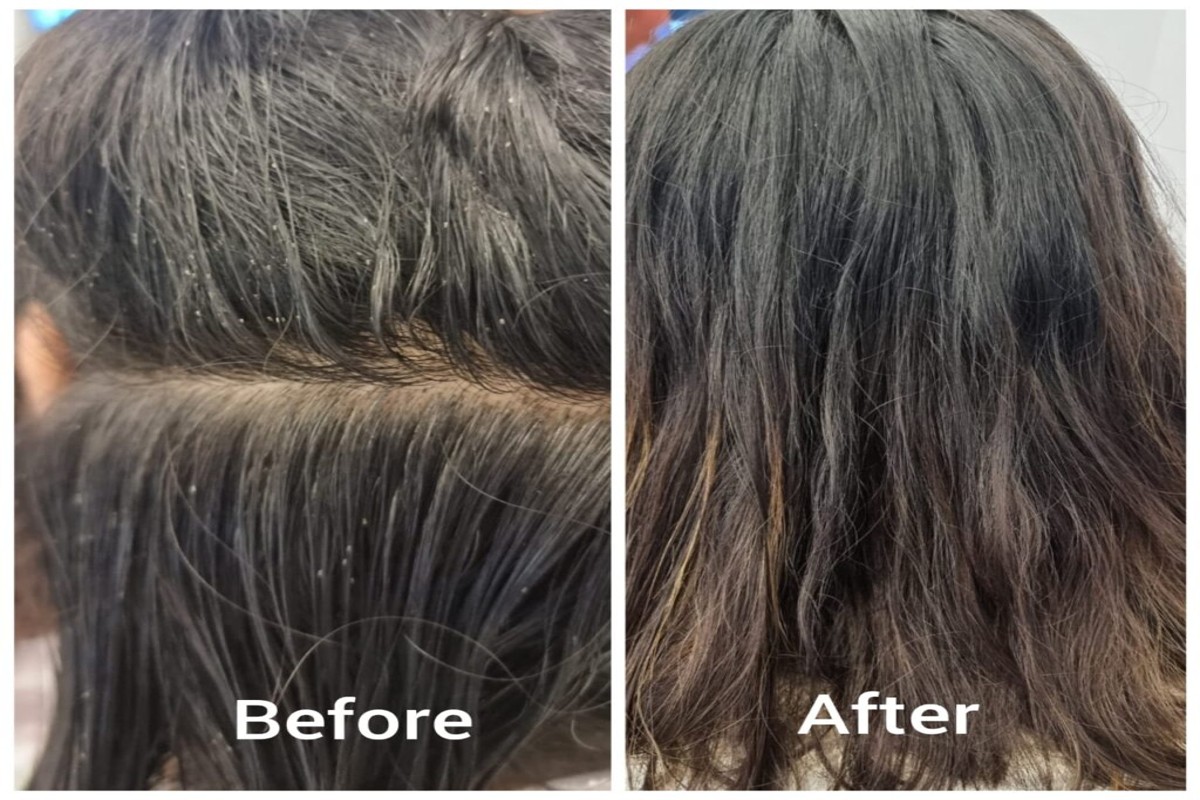
Dying your hair does not kill lice. While hair dye may affect lice, it is not a reliable method for lice removal. Effective treatments include medicated shampoos and combing.
Understanding the relationship between hair dye and lice is crucial for anyone dealing with a lice infestation. Misconceptions can lead to ineffective treatments, prolonging discomfort and spreading the infestation further.
This article clarifies the effects of hair dye on lice, examines effective lice treatment options, and provides guidance on best practices for eliminating lice infestations.
Does hair dye kill lice instantly?
Hair dye does not kill lice instantly. While some chemical components in hair dye may have a detrimental effect on lice, it is not a reliable or effective method for eradicating an infestation.
- Chemical Composition: Hair dyes contain various chemicals, including ammonia and peroxide, which can be harmful to lice. However, these chemicals are not designed to eliminate lice effectively or quickly.
- Application Process: The way hair dye is applied may not ensure that all lice and their eggs (nits) are exposed to the chemicals. Lice often reside close to the scalp, while hair dye is applied to the hair strands, potentially leaving some lice unharmed.
- Resistance: Some lice have developed resistance to common treatments, including those found in hair dyes. This means that even if the dye does impact some lice, it may not affect all of them, leading to a persistent infestation.
- Recommended Treatments: Effective lice treatments are specifically formulated to kill lice and nits. These treatments often contain active ingredients such as permethrin or pyrethrin, which are proven to be more reliable than hair dye.
For best results, it is advisable to use over-the-counter or prescription lice treatments that have been clinically tested to eliminate lice. These products are designed to penetrate the hair and scalp, ensuring comprehensive treatment.
Expert Tip: Always follow up any lice treatment with a thorough combing of the hair using a fine-toothed lice comb. This helps remove any remaining lice and nits, significantly improving the chances of complete eradication.
What is the best way to get rid of lice?
The most effective way to eliminate lice is through a combination of over-the-counter treatments and thorough combing. While some home remedies exist, using clinically proven products yields the best results. Additionally, consistent cleaning and preventive measures are essential for long-term eradication.
Over-the-counter treatments typically contain insecticides like permethrin or pyrethrin, which target lice and their eggs. Follow the instructions carefully for application, including leaving the product on for the recommended time. After treatment, use a fine-toothed comb to remove dead lice and nits from the hair to ensure complete removal. Regular combing is crucial, as it helps catch any remaining lice that might have survived the treatment.
- Use a lice treatment shampoo: Apply a shampoo specifically designed to kill lice. Ensure it is appropriate for the age of the person being treated and follow the manufacturer’s instructions closely.
- Comb hair daily: After treatment, comb hair with a nit comb daily for at least two weeks. This helps remove any remaining nits and lice, reducing the chance of reinfestation.
- Wash bedding and clothing: Machine wash all clothing, bedding, and towels used by the infested person in hot water. Dry them on high heat for at least 20 minutes to kill any remaining lice or nits.
- Vacuum carpets and furniture: Thoroughly vacuum any carpets, rugs, and upholstered furniture in the home. Lice can survive for a short time off the scalp, so cleaning these areas helps prevent spread.
- Educate on prevention: Teach children not to share personal items like hats, hairbrushes, and towels. Limiting close head-to-head contact during playtime can also reduce the risk of lice transmission.
Expert Tip: Regularly inspecting hair for signs of lice or nits, especially after known exposure, can lead to early detection and treatment. This proactive approach significantly decreases the chance of a larger infestation.
Can you dye your hair after lice treatment?
Yes, you can dye your hair after lice treatment, but timing and product choice are crucial. It is recommended to wait at least a week after using a lice treatment before applying hair dye. This waiting period helps to ensure that the treatment has effectively eradicated the lice and prevents potential irritation to the scalp.
When comparing lice treatments and hair dye, there are several factors to consider:
- Lice Treatments: These often contain insecticides or natural ingredients designed to kill lice and their eggs. Common treatments include permethrin and pyrethrins.
- Hair Dyes: Hair dye products vary widely, from permanent to semi-permanent formulations. They typically contain chemicals like ammonia and peroxide, which can irritate the scalp.
- Timing: Applying hair dye too soon after lice treatment can lead to scalp irritation or reduce the effectiveness of the lice treatment. Waiting at least one week is advisable.
Additionally, the condition of the hair and scalp after lice treatment can affect the dyeing process. After treatment, the scalp may be sensitive or inflamed, which can lead to discomfort when applying hair dye. It is advisable to perform a patch test with the dye on a small area of the skin to check for any adverse reactions before proceeding with a full application.
Expert Tip: For best results, consider using a gentle, ammonia-free hair dye to minimize irritation. Always consult with a healthcare professional or a licensed cosmetologist if unsure about the best approach after lice treatment.
How long does it take for lice to die after treatment?
Lice typically die within 24 to 48 hours after effective treatment. The speed at which lice die can vary based on the treatment method used and the life cycle stage of the lice at the time of application.
Over-the-counter treatments containing insecticides, such as permethrin or pyrethrin, are generally effective within this timeframe. However, it is essential to follow the instructions carefully. Some lice may survive if the treatment is not applied correctly or if the lice have developed resistance to the active ingredients. In cases where prescription treatments are used, such as malathion or benzyl alcohol, the efficacy may also align with the 24 to 48-hour window.
The life cycle of lice consists of three stages: nit (egg), nymph, and adult. Nits may not be killed immediately by treatments, as they are often resistant to insecticides. Newly hatched nymphs will die within 24 to 48 hours if exposed to effective treatments. Therefore, it is crucial to repeat the treatment as recommended to ensure all stages of lice are eliminated.
Factors Affecting Lice Death Timing
Several factors can influence how quickly lice die after treatment. The concentration of the active ingredient in the product, the length of time the treatment remains on the hair, and the thoroughness of application all play a role. Additionally, environmental conditions and the presence of resistant lice strains can affect treatment effectiveness.
For practical implications, it is advisable to conduct a follow-up check for lice and nits after one week. This ensures that any remaining lice or newly hatched nymphs are treated promptly. In some cases, a second application may be necessary to fully eradicate the infestation.
Expert Tip: Always comb hair with a fine-toothed lice comb after treatment to remove dead lice and nits. This step is critical for preventing re-infestation and ensuring complete eradication of lice.
Is it safe to dye hair while having lice?
No, it is not safe to dye hair while having an active lice infestation. Hair dye contains harsh chemicals that can irritate the scalp, potentially worsening the discomfort caused by lice. Additionally, dyeing hair does not effectively eliminate lice or their eggs.
Dyeing hair during a lice infestation poses several risks. The chemicals in hair dye can lead to increased scalp irritation, which may further inflame existing itching and discomfort caused by lice. This irritation could make it more challenging to treat the lice infestation effectively. Moreover, while some hair dyes may contain ingredients that are toxic to lice, the concentration is often insufficient to eradicate them. Therefore, relying on hair dye as a lice treatment is ineffective.
In addition to the physical risks, there are practical considerations. Many lice treatments are designed to stay on the hair for a specific duration to ensure effectiveness. Applying hair dye could interfere with these treatments, leading to suboptimal results. Furthermore, if lice are present, it is advisable to address the infestation first before considering cosmetic changes to the hair.
For those dealing with lice, it is recommended to use approved lice treatments that contain active ingredients like permethrin or pyrethrins. These treatments are specifically formulated to kill lice and are more effective than hair dye. Once the lice have been successfully eliminated, individuals can safely proceed to dye their hair without health concerns.
Expert Tip: Always consult a healthcare professional or a licensed cosmetologist before combining lice treatments with hair coloring to avoid potential complications and ensure effective lice management.
How much does lice treatment cost?
Lice treatment costs typically range from $10 to $250, depending on the method used and the severity of the infestation. Over-the-counter products are generally less expensive, while professional treatments can be significantly pricier. The total cost may also vary based on whether additional services are required, such as follow-up treatments or home cleaning.
Various factors influence the overall cost of lice treatment:
- Type of Treatment: Over-the-counter shampoos and lotions can cost between $10 and $30. Prescription treatments might range from $50 to $100.
- Professional Services: Lice clinics or pest control services can charge between $100 and $250 for comprehensive treatments, which often include follow-up checks.
- Severity of Infestation: The more extensive the infestation, the more treatments may be necessary, increasing overall costs.
- Geographic Location: Prices can vary significantly by region, with urban areas typically charging more for services.
- Additional Services: Home cleaning, such as laundering bedding and clothing, may incur extra costs if professional help is sought.
Families facing lice infestations should consider both treatment costs and potential lost income from missed work or school. Effective treatment often requires a combination of product purchase and preventive measures, which can add to expenses.
Expertly managing a lice infestation involves not just treating the hair, but also addressing the environment to prevent re-infestation. Regularly checking for lice and nits after treatment can help maintain a lice-free home and reduce long-term costs.
What ingredients in hair dye affect lice?
Certain ingredients in hair dye may have an impact on lice, but they are not guaranteed to eliminate them. Chemicals such as ammonia, hydrogen peroxide, and various alcohols can create an inhospitable environment for lice, but they do not kill them outright. The effectiveness of hair dye in combating lice largely depends on the concentration of these chemicals and the specific formulation of the dye.
For example, consider a hair dye containing ammonia and hydrogen peroxide. Ammonia acts as a strong alkaline agent that can disrupt the outer layer of lice, while hydrogen peroxide can oxidize organic matter, potentially harming the lice’s exoskeleton. However, the concentration of these chemicals in consumer-grade hair dyes is often not high enough to effectively kill lice. Moreover, the dye typically does not remain on the hair long enough to ensure complete eradication, as lice may evade exposure by retreating to the scalp or hair roots.
Additionally, some hair dyes contain conditioning agents and oils that may protect lice from the harsher effects of the dye. These ingredients can create a barrier that makes it difficult for the chemicals to penetrate and affect the lice. Therefore, while certain components of hair dye may be detrimental to lice, relying on hair dye as a primary treatment for a lice infestation is not advisable.
Expert Tip: For effective lice treatment, use products specifically designed to kill lice, such as over-the-counter or prescription pediculicides, which contain active ingredients like permethrin or pyrethrins.
Can natural remedies kill lice?
Natural remedies may have some effectiveness in killing lice, but they are generally less reliable than conventional treatments. While some individuals may find success with natural methods, the results can vary significantly based on factors such as the severity of the infestation and the specific remedy used.
Several natural remedies have been explored for their potential to kill lice, including essential oils and vinegar. However, most of these remedies lack robust scientific evidence to support their efficacy. The following best practices can enhance the effectiveness of natural treatments:
- Tea Tree Oil: Dilute tea tree oil with a carrier oil and apply it to the scalp. Leave it on for at least 30 minutes before washing it out. Some studies indicate that tea tree oil can be effective against lice due to its insecticidal properties.
- Vinegar Rinses: Use a mixture of equal parts vinegar and water as a rinse after shampooing. Vinegar may help to loosen the grip of lice on the hair, making them easier to comb out.
- Neem Oil: Apply neem oil directly to the scalp and hair, leaving it in for a few hours. Neem oil has been shown to have insecticidal properties that may help eliminate lice.
- Combing: Regardless of the remedy used, thorough combing with a fine-toothed lice comb is crucial. This physical removal method is effective when combined with any treatment, as it helps to eliminate both lice and their eggs.
While natural remedies can offer some benefits, they should not replace conventional treatments that are scientifically validated, such as permethrin or pyrethrin-based products. These conventional methods have proven effectiveness and are often recommended by healthcare professionals.
Expert Tip: Combining natural remedies with conventional treatments can provide a more comprehensive approach. Always consult a healthcare provider for the best course of action, particularly in severe infestations.
Understanding Lice Life Cycle and Treatment
This section delves into the biology of lice, outlining their life cycle and the implications for treatment efficacy. A clear understanding of lice stages is essential for effective eradication strategies.

Lice Life Cycle Stages
The life cycle of lice consists of three distinct stages: eggs, nymphs, and adults.
- Eggs (Nits): These are laid by adult female lice and are typically attached to the base of hair shafts. They are small, oval, and can be difficult to see. Eggs hatch within 7 to 10 days.
- Nymphs: After hatching, lice enter the nymph stage. Nymphs resemble adult lice but are smaller. They mature into adults within 7 to 10 days, going through three molts in the process.
- Adults: Fully grown lice are about the size of a sesame seed and can live for up to 30 days on a host. Female lice can lay up to 10 eggs per day, making rapid population growth possible.
Treatment Efficacy by Life Stage
Effective treatment must target all life stages of lice to prevent re-infestation. Various treatments are designed to work specifically on one or more of these stages.
- Shampoos and Lotions: Many over-the-counter and prescription products are designed to kill adult lice. Ingredients like permethrin or pyrethrin are common.
- Egg Killers: Some treatments specifically target nits, breaking the glue that attaches them to hair or using chemicals to kill them directly.
- Mechanical Removal: Combing with a fine-toothed nit comb is effective for removing both nymphs and nits, although it requires thoroughness and patience.
The Importance of Thorough Application
Application of lice treatments must be thorough to ensure all lice and their eggs are effectively eradicated. Many individuals apply products too sparingly, leading to incomplete treatment.
- Follow the instructions on the treatment product precisely.
- Ensure that the entire scalp and all hair strands are treated.
- Repeat treatments as directed to catch any newly hatched nymphs.
Common Misconceptions
A prevalent misconception is that hair treatments, such as dying or bleaching hair, can kill lice. However, while harsh chemicals may affect lice temporarily, they are often ineffective against nits and do not guarantee eradication. Moreover, lice can survive in various environments, including the hair of treated individuals, necessitating targeted treatments.
Key Misconceptions Include:
- Hair dyes kill lice: Dyes may not penetrate the egg casing or affect nymphs effectively.
- Natural remedies are sufficient: Many natural solutions lack evidence for efficacy against lice.
- Once treated, lice are gone: Without follow-up treatment, reinfestation is common.
Expert Insights
Most articles on lice treatment oversimplify the process, neglecting the importance of mechanical removal alongside chemical treatments. A comprehensive approach that includes both methods is essential for effective eradication. Additionally, understanding the life cycle of lice highlights the necessity of targeting nits specifically, as they are often the source of ongoing infestations.
Practical Application
To effectively combat lice, follow these steps:
1. Select a treatment product that targets both adult lice and nits.
2. Apply the product thoroughly, ensuring complete coverage of the scalp and hair.
3. Use a fine-toothed nit comb to remove nits and nymphs systematically.
4. Repeat treatments as recommended to ensure all life stages are addressed.
5. Regularly check for new signs of infestation and treat immediately if detected.
Comparative Analysis of Lice Treatments
This section provides a detailed comparison of various lice treatment options, including over-the-counter and prescription medications, natural remedies, and their respective costs and safety profiles. Understanding these differences is essential for choosing the most effective solution for lice infestations.

Over-the-Counter vs. Prescription Treatments
Over-the-counter (OTC) lice treatments typically contain insecticides such as permethrin or pyrethrin, which are designed to kill lice and their eggs. These treatments are widely available and often effective when used correctly. However, resistance to these chemicals has been documented, reducing their efficacy in some cases.
Prescription treatments, including ivermectin and malathion, are generally recommended when OTC options fail. These medications tend to be more potent and may target lice that have developed resistance to common OTC treatments. Consultation with a healthcare provider is necessary to obtain these prescriptions.
Effectiveness of Natural Remedies vs. Chemical Treatments
Natural remedies for lice, such as tea tree oil, coconut oil, and vinegar, are often sought after due to their perceived safety. However, their effectiveness is variable and lacks the rigorous testing that chemical treatments undergo. While some natural products can suffocate lice or disrupt their life cycle, they may not eliminate all eggs, necessitating repeated applications.
In contrast, chemical treatments have a proven track record for rapid and thorough extermination of lice. They typically require fewer applications and are often more reliable in eradicating both adult lice and nits.
Cost Analysis of Different Treatment Methods
The cost of lice treatments can vary significantly:
- OTC treatments: $10 to $30 per package
- Prescription treatments: $50 to $150, depending on insurance coverage
- Natural remedies: $5 to $30, but effectiveness may lead to repeated purchases
Investing in a more expensive treatment may ultimately save money by reducing the need for multiple applications or follow-up treatments.
Potential Side Effects and Safety Considerations
Chemical treatments can cause side effects such as itching, redness, or irritation of the scalp. In rare cases, more severe reactions may occur, particularly in individuals with sensitivities to the active ingredients. Proper usage according to instructions is critical to minimize these risks.
Natural remedies, while often considered safer, can also lead to allergic reactions or skin irritation. It is advisable to perform a patch test before applying any new treatment extensively.
Nuance and Expert Insights
A misconception persists that natural remedies can effectively replace chemical treatments. While some individuals prefer these alternatives, experts emphasize that their efficacy is not guaranteed. For severe infestations, chemical treatments remain the most reliable option. Additionally, many OTC products are formulated for children, which may not be suitable for adults with more resistant lice populations.
Understanding the concept of resistance is crucial. Some lice have adapted to withstand certain chemicals, making it essential to rotate treatment types or consult a healthcare provider for alternative solutions.
Practical Application
To address a lice infestation effectively, follow these steps:
1. Choose a treatment based on severity: start with an OTC option for mild cases.
2. If ineffective after one application, consult a healthcare provider for prescription alternatives.
3. Consider natural remedies as adjuncts to chemical treatments, but not as primary solutions.
4. Always follow treatment instructions carefully to maximize effectiveness and minimize side effects.
In summary, while the query “would dying your hair kill lice” may arise, it is crucial to rely on proven treatments for effective lice eradication.
Preventing Lice Infestations: Best Practices
This section outlines effective strategies for preventing lice infestations, emphasizing personal hygiene, careful sharing of items, and the importance of regular checks for early detection.

Personal Hygiene and Hair Care
Maintaining optimal personal hygiene is a critical step in preventing lice. Regular hair washing with a mild shampoo can help keep hair clean and free from excess oils, which can attract lice. Additionally, using a fine-toothed comb on damp hair can help detect and remove any lice or nits before they become a larger problem.
Consider the following hair care practices:
- Wash hair regularly, ideally every 2-3 days.
- Use a nit comb weekly to check for lice and nits.
- Avoid using hair products that can create a sticky surface, attracting lice.
Guidelines for Sharing Personal Items and Clothing
Lice can spread through direct contact and sharing personal items. It is essential to establish guidelines for sharing to minimize the risk of infestation.
- Do not share hats, scarves, or hair accessories.
- Avoid sharing combs, brushes, or towels.
- Keep clothing, especially jackets and scarves, separate in communal areas.
The Importance of Regular Checks and Early Detection
Conducting regular checks for lice is vital for early detection and treatment. Parents and caregivers should routinely inspect the hair and scalp of children, especially if there has been exposure to known cases of lice.
When checking for lice, look for:
- Live lice, which are small and move quickly.
- Nits, which are tiny, oval-shaped eggs attached to hair strands.
- Signs of itching or irritation on the scalp.
Educational Resources for Parents and Caregivers
Equipping oneself with knowledge about lice can significantly reduce the risk of infestations. Various educational resources are available to assist parents and caregivers in understanding lice prevention and treatment.
Consider utilizing the following resources:
- The Centers for Disease Control and Prevention (CDC) offers comprehensive guidelines.
- Local school districts often provide information on lice outbreaks and prevention.
- Consult healthcare providers for personalized advice and recommendations.
Expert Insights: Common Misconceptions
A common misconception is that lice thrive in dirty hair; however, lice prefer clean hair as it is easier for them to grip. Additionally, many believe that frequent hair dyeing can deter lice. While some hair dyes may have a mild insecticidal effect, they do not guarantee lice elimination. Therefore, relying solely on hair dye as a preventive measure is not effective.
Actionable Steps for Prevention
To effectively minimize the risk of lice infestations, implement the following actionable steps:
- Establish a routine for checking hair for lice.
- Educate your family about the importance of not sharing personal items.
- Keep hair tied back during playdates or communal activities.
- Maintain a clean environment; wash bedding and clothing regularly.
By adopting these best practices, individuals can significantly reduce the likelihood of lice infestations, creating a healthier and more comfortable environment for everyone involved.
Debunking Myths About Hair Dye and Lice
This section addresses prevalent myths regarding the effectiveness of hair dye in eliminating lice infestations. Understanding the limitations of hair dye is crucial for effective lice management.

What Hair Dye Can and Cannot Do
Hair dye is primarily a cosmetic product designed to change the color of hair. It does not possess insecticidal properties capable of killing lice or their eggs (nits). While some anecdotal claims suggest that the harsh chemicals in certain hair dyes might suffocate lice, there is no scientific evidence supporting this assertion.
Furthermore, the application of hair dye does not guarantee that all lice will be eliminated. Lice can cling tightly to hair shafts, making them resistant to the effects of hair dye. Thus, relying solely on hair dye to address a lice infestation is ineffective.
Why Relying on Hair Dye Can Lead to Ineffective Lice Management
- False Sense of Security: Many individuals believe that dyeing their hair will resolve lice issues, which can delay the implementation of proper treatment.
- Inadequate Treatment: Hair dye does not penetrate the scalp or kill lice eggs, which remain viable even after dyeing.
- Potential for Increased Spread: By not treating lice appropriately, individuals risk spreading the infestation to others, perpetuating the cycle.
Real-World Cases and Expert Opinions
Health professionals consistently advise against using hair dye as a method for lice elimination. Dr. Sarah Johnson, a pediatric dermatologist, emphasizes, “Hair dye does not affect lice and can lead to neglecting proven treatments. It’s critical to use products specifically designed to eliminate lice.”
Case studies illustrate that individuals who relied on hair dye often faced prolonged infestations, requiring more intensive treatments later on. In contrast, those who used clinically proven lice treatments reported quicker resolutions.
Common Misconceptions
A common misconception is that natural hair dyes, such as henna, can kill lice. While these products may have mild insecticidal properties, they are not effective enough to eradicate an infestation. Moreover, some individuals believe that frequent hair dyeing can prevent lice. This is not supported by any medical research.
Expert-Level Distinctions
Many articles fail to distinguish between the various types of hair dye. Permanent dyes contain ammonia and peroxide, while semi-permanent and temporary dyes do not. The former may cause irritation to the scalp, but neither type effectively addresses lice. Medical professionals recommend using FDA-approved lice treatments that contain active ingredients such as permethrin or pyrethrin, which are designed specifically for this purpose.
Practical Application
To effectively manage lice infestations, follow these steps:
- Use an FDA-approved lice treatment product as directed.
- Comb hair with a fine-toothed lice comb to remove nits and adult lice.
- Wash bedding and personal items in hot water to eliminate any remaining lice.
- Educate family members about lice prevention to avoid reinfestation.
By adhering to these recommendations, individuals can ensure effective lice management without falling prey to myths surrounding hair dye.
Frequently Asked Questions
Does hair dye kill lice instantly?
No, hair dye does not kill lice instantly. While some chemicals in hair dye may be harmful to lice, they are not effective as a standalone treatment for lice infestations.
What is the best way to get rid of lice?
The best way to get rid of lice is through a combination of over-the-counter treatments and manual removal. Using a fine-toothed comb to remove lice and nits after applying a lice treatment is essential for effective eradication.
Can you dye your hair after lice treatment?
It is advisable to wait at least a week after lice treatment before dyeing your hair. This allows the scalp to recover and ensures that the treatment has effectively eliminated the lice.
How long does it take for lice to die after treatment?
Lice typically begin to die within a few hours after treatment, but it may take up to a week for all lice and nits to be completely eliminated. Follow-up treatments may be necessary to ensure full eradication.
Is it safe to dye hair while having lice?
Dyeing hair while having lice is not recommended. The chemicals in hair dye may irritate the scalp further and interfere with the effectiveness of lice treatments.
How much does lice treatment cost?
The cost of lice treatment can vary widely, ranging from $10 for over-the-counter products to $200 or more for professional lice removal services. Insurance coverage may also influence the overall cost.
What ingredients in hair dye affect lice?
Ingredients such as ammonia and hydrogen peroxide in hair dye may harm lice, but they are not reliable for treatment. These chemicals do not penetrate the lice’s exoskeleton effectively enough to ensure complete elimination.
Can natural remedies kill lice?
Some natural remedies, like essential oils, may help repel lice but are generally not effective for complete elimination. Professional treatments or over-the-counter medications are recommended for effective lice control.
Final Thoughts on would dying your hair kill lice
While the idea of using hair dye as a lice treatment may seem appealing, it is not an effective solution for eradicating lice. The chemical composition of hair dye does not possess the necessary properties to eliminate lice or their eggs, making it imperative to rely on proven lice treatments to ensure complete removal.
To effectively combat a lice infestation, utilize clinically approved lice treatments that target both adult lice and nits, and follow up with thorough combing to remove any remaining eggs. Preventative measures, such as regular checks and maintaining hair hygiene, are equally essential in avoiding future infestations.
Understanding the limitations of alternative remedies underscores the significance of using scientifically validated treatments in the fight against lice, ensuring both efficacy and peace of mind.
Leave a Reply